无人机

Search documents
揭榜破局 挂帅解题
He Nan Ri Bao· 2026-02-08 23:28
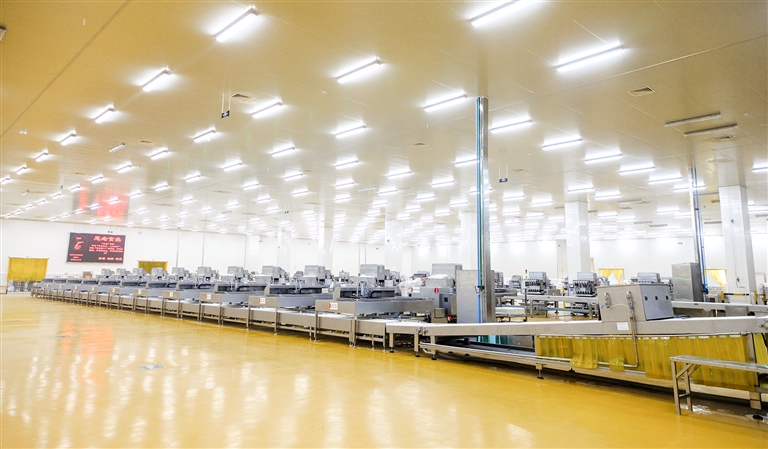
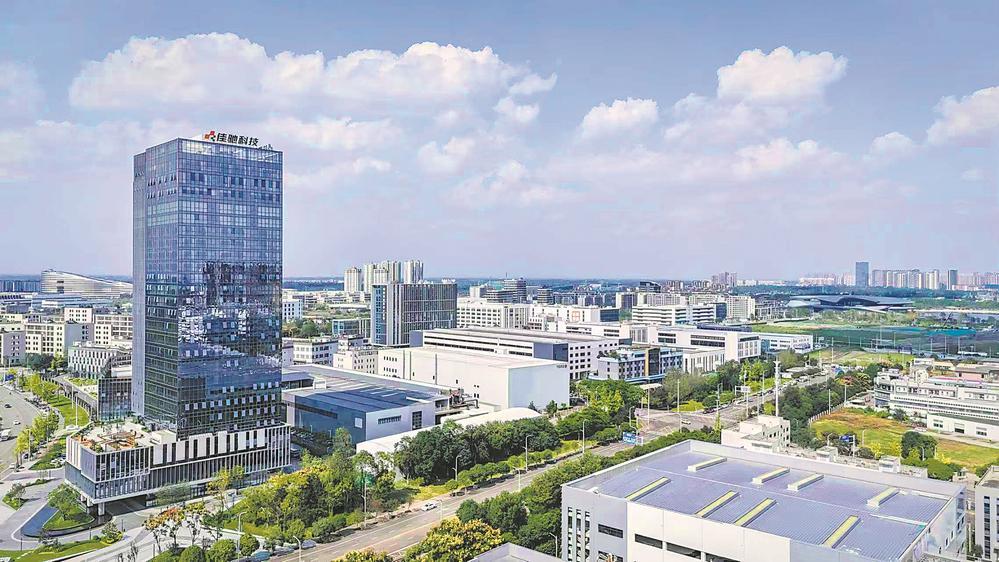
Group 1 - The "Revealing and Taking Charge" mechanism in Henan Province aims to drive high-quality development through technological innovation, with a focus on solving industrial technical challenges [3][4][5] - In 2025, Henan plans to publicly release 23 "Revealing and Taking Charge" lists in two batches, with the first batch already announced in January, showcasing a commitment to rapid technological advancement [3][4] - The mechanism encourages enterprises to become the main body of innovation, with a focus on market-driven demands and talent involvement, breaking down traditional barriers in the research and development process [5][6] Group 2 - Zhongchuang Zhiling's project on "Core Equipment and Key Technology Research and Application for Coal Mine Comprehensive Mining" has made significant progress, with expected efficiency improvements of over 50% and a reduction of 70% in hazardous work scenarios [4][6] - The project is projected to generate annual sales revenue of 250 million yuan upon completion, contributing to Henan's goal of becoming a national hub for high-end coal machinery research and manufacturing [4][6] - The "Revealing and Taking Charge" mechanism has transformed the research focus from academic papers to practical applications, emphasizing measurable outcomes driven by industry needs [7][8] Group 3 - The development of a collaborative drone system by the Aviation Industry Corporation of China aims to enhance emergency rescue and patrol capabilities, addressing critical industry pain points [6][7] - The project has successfully completed its expected goals, demonstrating the effectiveness of the "Revealing and Taking Charge" mechanism in fostering innovation and resource allocation [6][8] - The approach has shifted from traditional fixed-unit collaborations to a more market-oriented, task-based assembly of research teams, enhancing the integration of government, industry, academia, and application [8][9] Group 4 - The implementation of an automated flexible packaging system for frozen food by Sinian Foods has effectively resolved bottlenecks in traditional packaging processes, showcasing the practical benefits of the "Revealing and Taking Charge" initiative [10][11] - The initiative has rapidly spread across the province, promoting deep integration of technological and industrial innovation [10][11] - Future plans include regular collection and publication of "Revealing and Taking Charge" lists to accelerate technological breakthroughs in key industries [11]

重庆梁平:生态巡护员有了“新伙伴”
Xin Lang Cai Jing· 2026-02-08 21:40
Group 1 - The core viewpoint of the articles highlights the transformative impact of drone technology on ecological protection and forest management in Liangping District, Chongqing, significantly enhancing efficiency and effectiveness in monitoring and patrol activities [1][2]. - Liangping District has established a low-altitude economic pilot zone, integrating low-altitude technology into ecological protection, which allows for comprehensive coverage of wetland and forest areas, improving patrol efficiency by over 80% compared to traditional methods [1]. - The use of drones has fundamentally changed forest fire prevention and monitoring practices, enabling high-frequency and multi-dimensional surveillance, which allows for early detection and response to fire incidents [2]. Group 2 - The integration of a "reconnaissance drone + firefighting drone + ground team" collaborative model has significantly improved the response time and efficiency in managing forest fire risks, reducing the need for multiple personnel and minimizing operational costs [2]. - The establishment of the Smart Liangping Low-altitude Flight Operation Center has facilitated the creation of a digital governance platform, allowing for rapid data sharing and forming a closed-loop governance system for ecological management [2]. - Liangping is continuously expanding the application scenarios of "low-altitude + forestry" and "low-altitude + ecological protection," injecting new momentum into regional economic development [2].
深圳2025年外贸逆势创新高
Xin Lang Cai Jing· 2026-02-08 19:34
Group 1 - In 2025, Shenzhen's total import and export volume reached 4.55 trillion yuan, a historical high, with a year-on-year growth of 1.4%, maintaining its position as the leading city in mainland China [1] - Exports amounted to 2.74 trillion yuan, achieving a "33 consecutive months" record, while imports grew by 8% to 1.81 trillion yuan [1] - High-tech product exports accounted for nearly half, with a share of 46.6%, driven by significant growth in lithium batteries (30.2%), 3D printers (39.6%), drones (41.4%), and new energy vehicles (11.8%) [1] Group 2 - Shenzhen's business environment continues to improve, with the establishment of a high-standard international trade "single window" service platform, offering over 2,400 service items and serving 660,000 enterprises nationwide by the end of 2025 [2] - The global investment conference held in December 2025 attracted over 77 billion yuan in investments, focusing on seven cutting-edge fields including AI and biomedicine, with more than 340 projects signed [2] - Shenzhen's actual use of foreign capital exceeded 50 billion yuan in 2025, with 15,900 new foreign enterprises established, marking a 63.3% year-on-year increase, maintaining the top position among major cities in China for three consecutive years [2] Group 3 - Shenzhen hosted 642 various exhibitions throughout the year, with approximately 81,000 participating enterprises and over 11.5 million professional visitors [3] - The cross-border e-commerce import and export scale has remained among the top in major cities in China for four consecutive years, with overseas warehouses established in 36 key countries and regions globally [3]
“春”潮澎湃 奋进蓉城
Xin Lang Cai Jing· 2026-02-08 19:33
Group 1 - Sichuan has approved the Chengdu Modern Industrial Port Park as a provincial-level high-tech industrial park, named Sichuan Chengdu Pidu High-tech Industrial Park, marking an increase in the number of such parks in Chengdu [3] - The 2026 Chengdu Spring Festival activities were launched at the Chengdu Media Group Dongjiao Memory Park, featuring nine new spring-themed scenes, indicating a rise in consumer spending and cultural tourism experiences [5] - The "Dengba" robot developed by Xingjin Human-shaped Robot Technology has officially started its bulk export plan, with the first batch shipped to the European Union, marking a significant step towards global market expansion [7] Group 2 - From January 27 to 31, the Chengdu Two Sessions took place, where representatives gathered to discuss development plans for Chengdu for this year and the "14th Five-Year Plan" period [9] - Zongheng Co. has successfully ranked among the top four global drone companies by market value for 2025, being the only Chinese company on the list [9] - The first national standard for park city led by Chengdu, titled "Guidelines for Park City Construction Evaluation," was officially released on February 7 [9]
全国无人机足球大赛迎来决战
Xin Lang Cai Jing· 2026-02-08 19:33
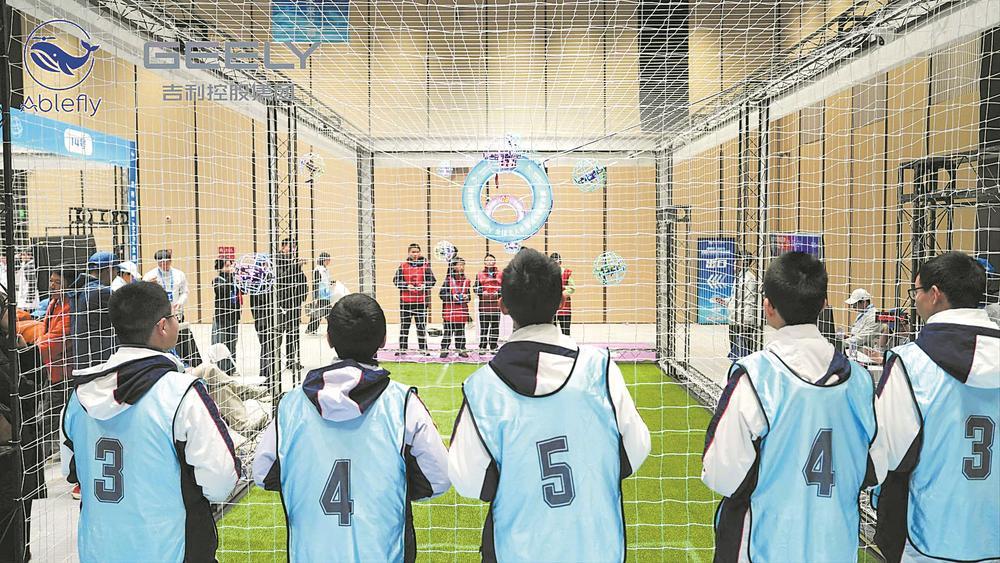
Group 1 - The Ablefly National Drone Football Championship has entered the knockout stage, featuring 558 teams competing for 279 spots in the finals, showcasing a blend of technology and sports in Chengdu [3] - The tournament employs a progressive elimination system, with the knockout stage being crucial for determining finalists, and the competition atmosphere is heightened with teams demonstrating precision in drone control and teamwork [3] - Local teams from Sichuan have performed notably well, with two out of three teams from Tianfu New District advancing as group leaders, highlighting the popularity of drone football among students [3] Group 2 - The Hong Kong drone football team has gained attention for its youthful and innovative characteristics, participating in its first five-a-side competition, which presents higher tactical and precision challenges compared to previous formats [4] - Chengdu aims to become a leading city in drone football by 2028, focusing on creating a policy framework that includes action plans and support measures to brand the event and develop an industrial cluster [4] - The hosting of this large-scale drone football event is a strategic move for Chengdu to promote low-altitude economy and integrate technology, sports, and cultural tourism industries [4]
成都无人机产业稳居全国第一梯队
Xin Lang Cai Jing· 2026-02-07 18:46
Group 1 - Chengdu's drone manufacturing industry has over 200 companies and leads the nation in low-altitude aircraft exports, with a projected industry scale of nearly 140 billion yuan by 2025 [1][3] - The city has established a complete industrial system for drones, covering research, manufacturing, operation, and services, positioning itself in the top tier nationally [3][5] - Chengdu is recognized as a national pilot zone for low-altitude air transport management reform and has been approved as a national civil unmanned aerial vehicle test base [3][5] Group 2 - The first national drone football competition was held in Chengdu, showcasing the city's innovation and potential in the low-altitude economy [1] - New drone models, including the world's first tilt-rotor UAV, were showcased at the Singapore Airshow, highlighting Chengdu's advancements in drone technology [2] - Chengdu's low-altitude economy is expected to see significant growth by 2026, with improved infrastructure and a collaborative management mechanism [5]
万人同赛 蓉城上演空中足球盛宴
Xin Lang Cai Jing· 2026-02-07 18:46
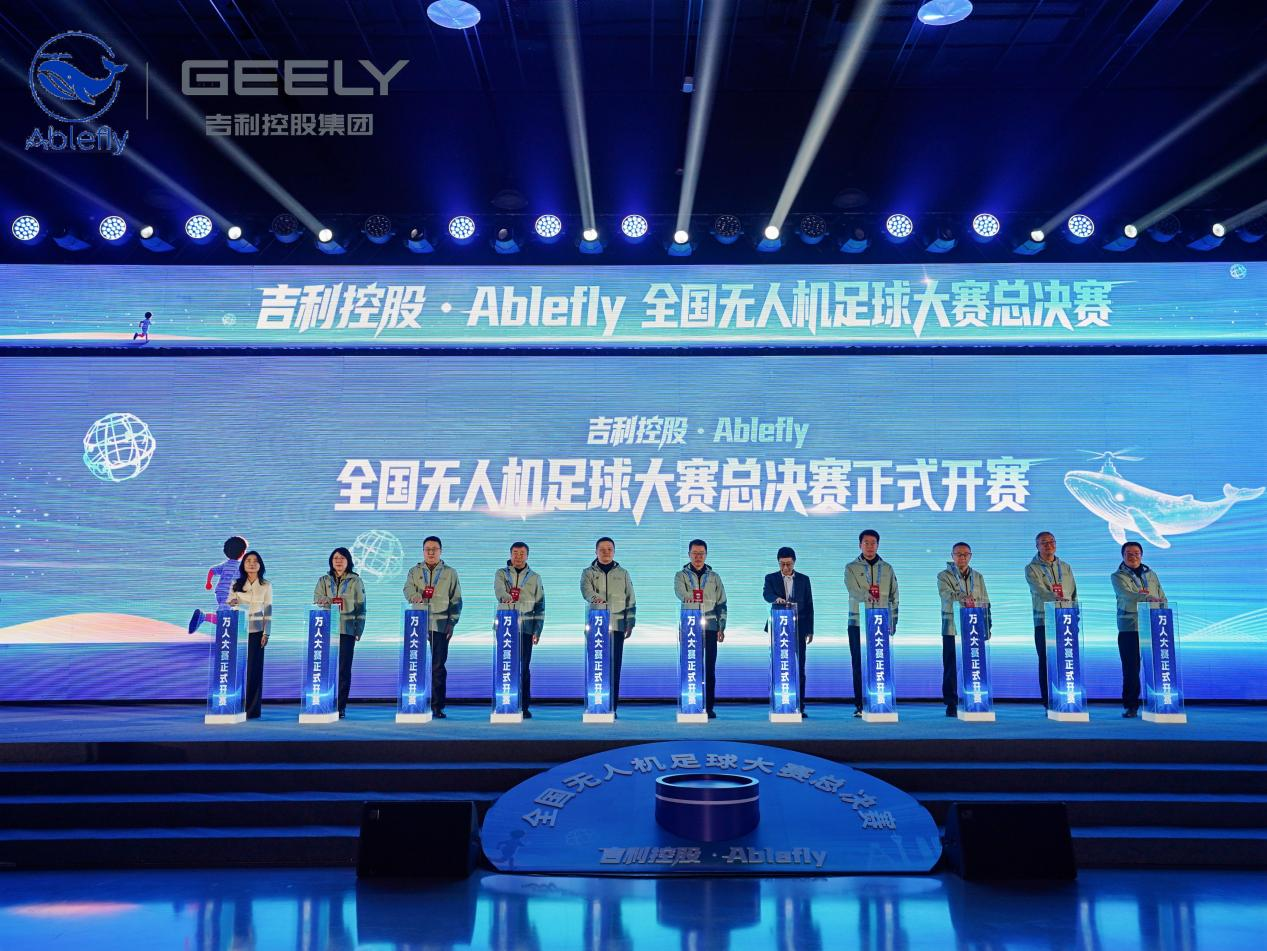
Core Insights - The national drone football championship finals have commenced in Chengdu, featuring a record participation of 1,116 teams, marking the first global event of its kind with a scale of 10,000 participants [2][3] Group 1: Event Overview - The event is held at Chengdu Airport International Conference Center, showcasing a unique blend of technology and sports, and serves as a significant observation point for urban innovation and low-altitude economy prospects [2] - The competition format includes a progressive elimination system, ensuring fair play with 242 certified referees overseeing the matches [3] Group 2: Participant Engagement - A significant majority of the teams, 1,046, are from Sichuan, highlighting the strong grassroots support for drone football in the region [4] - Participants range from local youth to international teams, fostering a diverse community united by the sport [4] Group 3: Future Developments - Chengdu is planning to launch a drone sports event this year, expanding beyond football to include innovative activities like drone basketball and drone fencing [5][6] - The event has attracted various enterprises from sports, technology, and culture sectors, indicating a robust interest in the intersection of these industries [6]

深圳低空经济产业集群增加值突破350亿元
Sou Hu Cai Jing· 2026-02-07 14:39
Core Insights - Shenzhen's low-altitude economy and aerospace industry cluster is projected to achieve an added value of 35.061 billion yuan by 2025, reflecting a year-on-year growth of 31%, indicating robust development momentum [1] Group 1: Policy and Regulatory Framework - The implementation of the "Shenzhen Special Economic Zone Low-altitude Economy Industry Promotion Regulations" in 2024 marks the first local legislation in China specifically targeting the low-altitude economy, establishing a legal framework for the industry's full lifecycle [1] - During the 14th Five-Year Plan period, Shenzhen has introduced multiple policy measures to support the low-altitude economy, including subsidies for eVTOL airworthiness certification, rewards for low-altitude logistics routes, and a 1 billion yuan industry guidance fund [1] Group 2: Industry Development and Innovation - Shenzhen produces 70% of the global consumer drones and 50% of industrial drones, with a complete industrial support system that allows for 100% availability of key materials and core components within a one-hour drive [1] - The establishment of the world's first low-altitude three-dimensional wind tunnel laboratory and multiple national-level research platforms in low-altitude meteorology and air traffic management during the 14th Five-Year Plan period underscores the focus on innovation as a core driver of industry development [2] Group 3: Infrastructure and Network Expansion - By 2025, Shenzhen plans to have over 1,200 takeoff and landing points and nearly 10,000 5G-A and sensing base stations, creating a preliminary network of takeoff facilities and accelerating the construction of a communication navigation monitoring system [2] - The drone logistics network in Shenzhen has expanded to cities in the Greater Bay Area, and innovative projects such as the first "air-ground integrated" urban rescue project and the first air-rail intermodal project have been implemented [2] Group 4: Safety and Risk Management - Shenzhen has established a comprehensive low-altitude safety management system, including the formation of a police aviation unit to address illegal drone activities and monitor related incidents [3] - The "Deep Sky" drone safety management platform has been upgraded to connect with 22 drone research and production companies, monitoring an average of 2,300 flight data entries daily [3] - The introduction of the first national third-party liability insurance service guidelines for drones has led to 14 out of 34 local insurance companies offering low-altitude economy-related insurance, with premium income exceeding 300 million yuan and coverage for over 600,000 drones [3]
全球首届万人同赛,吉利控股·Ablefly全国无人机足球大赛总决赛即将成都开赛
Di Yi Cai Jing· 2026-02-07 06:35
Core Insights - Drone football is emerging as a popular sport among the youth, particularly in Chengdu, which is recognized for its innovative and inclusive environment [1] - The national drone football finals will take place from February 7 to 9, 2026, in Chengdu, featuring 1,116 teams from both domestic and international backgrounds [1][3] - The event is a significant representation of the integration of low-altitude economy and sports industry, showcasing the potential for urban innovation [3] Event Structure - The finals will be the first global event to feature a "10,000 participants" format, with a restructured competition mechanism that emphasizes originality and inclusivity [3] - The tournament will follow a knockout format, with matches scheduled daily from 8:30 AM to 8:00 PM, culminating in the final round on February 9 [3] - A professional team of 242 certified referees will ensure fairness and professionalism throughout the competition [3] Exhibition and Industry Ecosystem - Concurrently with the finals, a series of themed exhibitions will highlight Chengdu's ambition to become a leading city in drone football [5] - The exhibitions will cover various aspects, including smart sports data applications and innovations in technology and future mobility by Geely Holding [5] - The event will also showcase the achievements of over 30 low-altitude economy enterprises in the Shuangliu District, contributing to a 4 billion yuan industry cluster [5] Corporate Participation and Value Creation - The event has attracted numerous representative companies from sports, technology, and culture sectors, enhancing the surrounding ecosystem [6] - Companies like Shanghai Qingbao Engine Robotics will present humanoid robots, while Sichuan Jiazhong Sports Culture Management will demonstrate its capabilities in ice sports training [6] - This participation underscores the potential of drone football as a new platform for connecting industries, promoting consumption, and creating engaging experiences [6] Cultural and Consumer Experience - The event will feature a "Food Carnival" area, showcasing 21 quality dining and cultural merchants, enhancing the cultural atmosphere of the competition [7] - The culinary offerings will include local specialties and cultural heritage items, reflecting Chengdu's regional charm [7] - The integration of culture, commerce, tourism, and sports aims to create a festive atmosphere in the city [8]
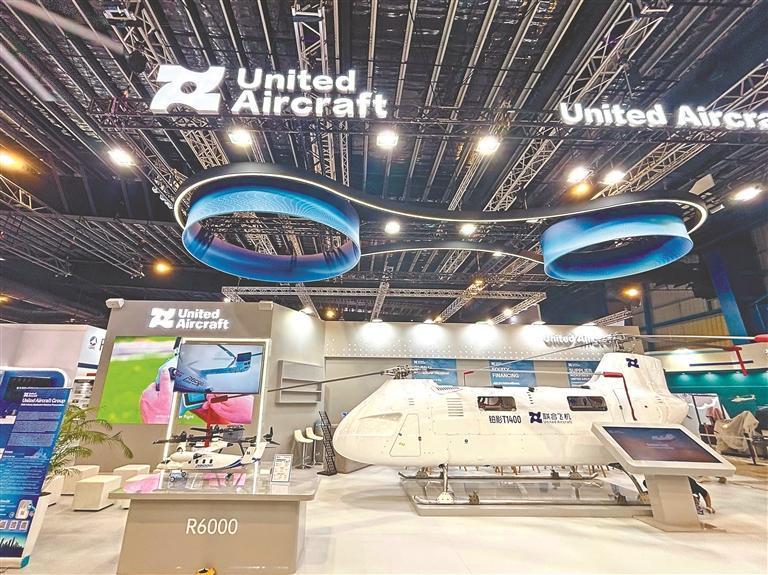
“龙江造”铂影无人直升机亮相新加坡航展
Xin Lang Cai Jing· 2026-02-06 21:59
Core Insights - The "Longjiang-made" Platinum Shadow T1400 coaxial unmanned helicopter made its overseas debut at the 2026 Singapore Airshow, showcasing China's technological advancements and industrial ambitions in the heavy-lift drone sector [3][4] - The T1400 features a maximum takeoff weight of 1.4 tons and a payload capacity of 650 kilograms, with an operational ceiling of 6,500 meters and an impressive endurance of 8 hours, indicating a significant leap in drone capabilities [3] - The helicopter's innovative design allows for cost-effective procurement and operation, comparable to that of a family car, thus balancing excellent performance with large-scale application potential [3] Industry Implications - The introduction of the T1400 is expected to herald a new efficiency revolution in the global low-altitude economy and special operations market, driven by its advanced capabilities and cost advantages [3] - The T1400's all-weather operational range of -40°C to 55°C, along with its ability to operate in complex terrains and withstand winds of up to 8 levels, positions it as a versatile aerial work platform for various applications [4] - The showcased multi-scenario solutions at the airshow highlight the extensive market potential for the T1400, indicating a broad applicability across different sectors [4]