智能制造

Search documents
开局之年看广东,四大关键词解读政府工作报告丨2026广东两会
Nan Fang Nong Cun Bao· 2026-01-26 03:35
Core Viewpoint - The Guangdong government work report outlines the province's economic and social development achievements during the "14th Five-Year Plan" and sets a new development blueprint for the "15th Five-Year Plan" as it aims for high-quality growth and modernization [3][6][12]. Economic Growth - Guangdong has set a GDP growth target of 4.5%-5% for 2026, with a focus on achieving better results in practice [18]. - In 2025, the province's GDP grew by 3.9%, maintaining its position as the largest economy in China for the 37th consecutive year, with total GDP increasing from 11.47 trillion yuan to 14.58 trillion yuan during the "14th Five-Year Plan" [13][14][19]. Key Development Areas - The report emphasizes 14 key areas for development, including the construction of the Guangdong-Hong Kong-Macao Greater Bay Area and the establishment of a world-class city cluster [7][8]. - The "Hundred Counties, Thousand Towns, and Ten Thousand Villages" high-quality development project will continue to enhance regional balance and coordination [9][24]. Innovation and Industry - Guangdong aims to build a globally influential industrial and technological innovation center, focusing on emerging industries such as artificial intelligence, quantum information, and life sciences [39][40]. - The province plans to strengthen its traditional marine economy while developing new sectors like marine pharmaceuticals and underwater robotics [45][51]. Employment and Social Welfare - The province targets the creation of over 1.1 million new urban jobs in 2026, with a focus on supporting key groups such as college graduates and migrant workers [65]. - Social security measures will be enhanced, including increasing basic pensions and improving healthcare services [69][70]. Talent Development - The "Million Talents Gather in South Guangdong" initiative aims to attract over 1.1 million college graduates for employment and entrepreneurship in the province [72][74]. - There will be a continued emphasis on building a skilled workforce, particularly in rural areas, to support high-quality development [76].


这个“首次超越”既是里程碑,也是新起点
Jing Ji Wang· 2026-01-26 02:33
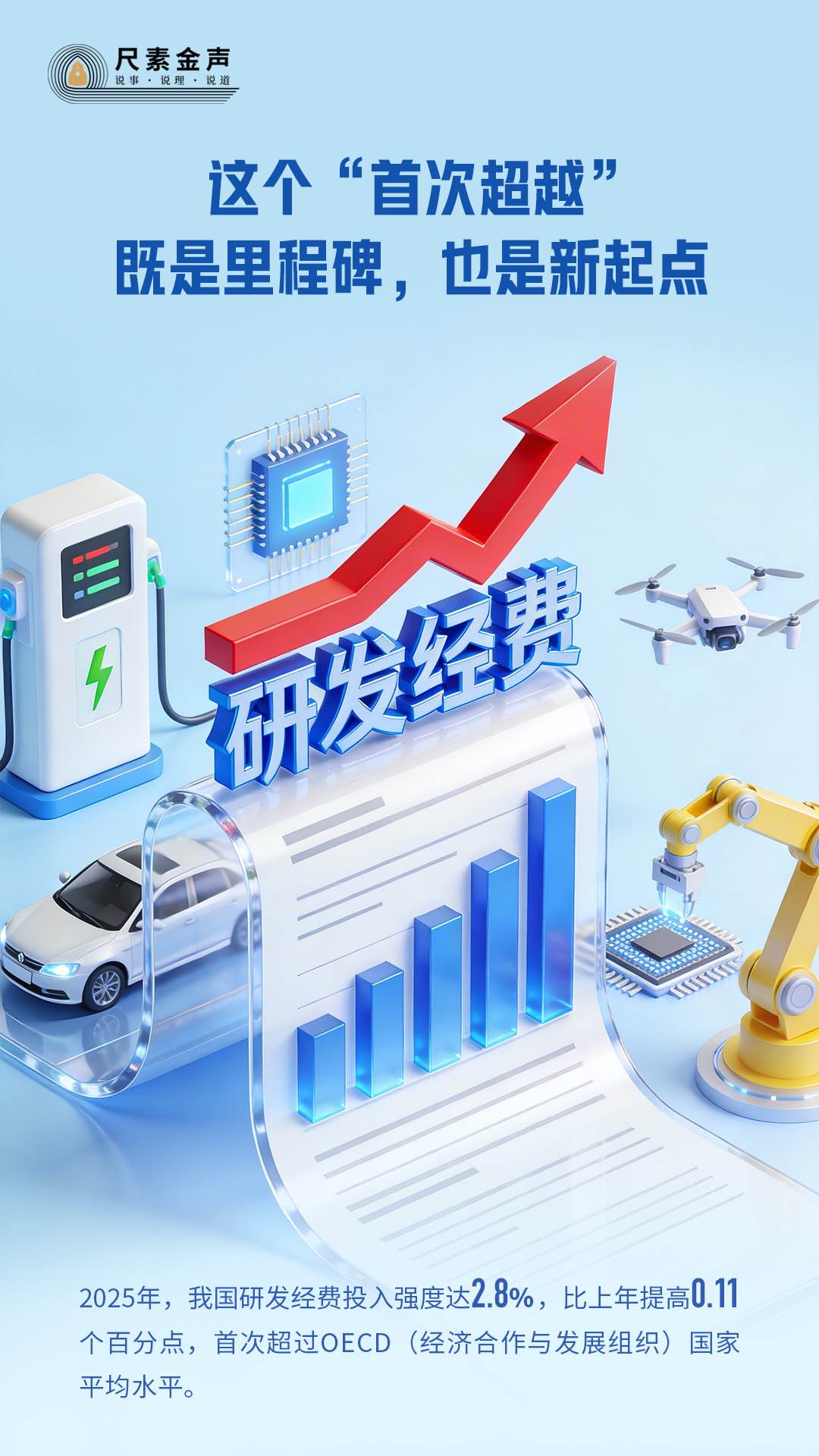
国家统计局最新公布的2025年中国经济"成绩单"上有一项数据尤为引人关注:2025年,我国研发经费投入强度达2.8%,比上年提高0.11个百分点,首次超 过OECD(经济合作与发展组织)国家平均水平。 研发经费投入强度,即全社会研发经费支出占国内生产总值的比例,是国际通用的、衡量一个经济体对科技创新重视程度与投入力度的核心指标。OECD 成员国主要由发达经济体组成,其平均研发强度长期被视为全球创新的"基准线"。中国此次实现超越,不仅是数字上的超越,更是中国发展动力深刻变革 的实证,标志着国家创新体系建设进入从"量的积累"迈向"质的突破"的关键阶段。 成就并非一蹴而就,而是源于国家长期战略与市场创新活力的双重驱动。 在强度攀升的同时,中国研发投入的总量规模也在不断增长。从2012年突破1万亿元、2019年突破2万亿元,到2022年突破3万亿元,再到2025年达到3.9万 亿元。目前我国全社会研究与试验发展经费总量稳居世界第二位。这意味着,中国不仅投入强度跻身全球创新前列,也以庞大的投入总量,构建起世界上 规模最庞大的研发活动体系之一。 再从市场层面看,企业已成为研发投入的绝对主体,占全社会研发经费的比重最高。国 ...
从“产城人”到“人城产”——深圳龙华全域数字化转型的跃迁之路
Xin Hua Wang· 2026-01-26 02:13
位于深圳的制造热土龙华区,正以一场深刻的数字化转型,重塑城区发展的基因与逻辑。从"产城 人"到"人城产"的发展理念跃迁,从千亿级制造集群到数字经济核心区的战略转身,这座年轻城区仅用 五年时间,便完成了超大型城市核心区的全域数字化蝶变。 数字经济重构产业生态 富士康智能车间,机械臂精准完成焊接、组装,AGV机器人穿梭配送,大屏实时跳动生产数据, 辅以少量技术人员即可掌控整条千亿级生产线。这一幕,正是龙华传统产业数字化转型的生动缩影。 作为深圳产业、人口大区,龙华2020年率先出台系列政策,明确数字经济、数字城区、数字治 理"三位一体"的"数字龙华"建设目标。2021年9月,全市首个规范性"1+N+S"数字经济政策体系落地, 超30亿元专项预算覆盖十余个产业领域,五年间持续迭代升级,累计兑现资金62.4亿元,为产业转型注 入政策活水。 政策红利持续释放,推动数字经济规模稳步增长。数据显示,龙华数字经济核心企业从2021年752 家增至2025年1433家,总产出连续四年超5000亿元,2025年预计突破6000亿元,增加值占地区生产总比 重达35%、高于全国平均水平。 同时,全区281家规上企业与29个创新载体联 ...
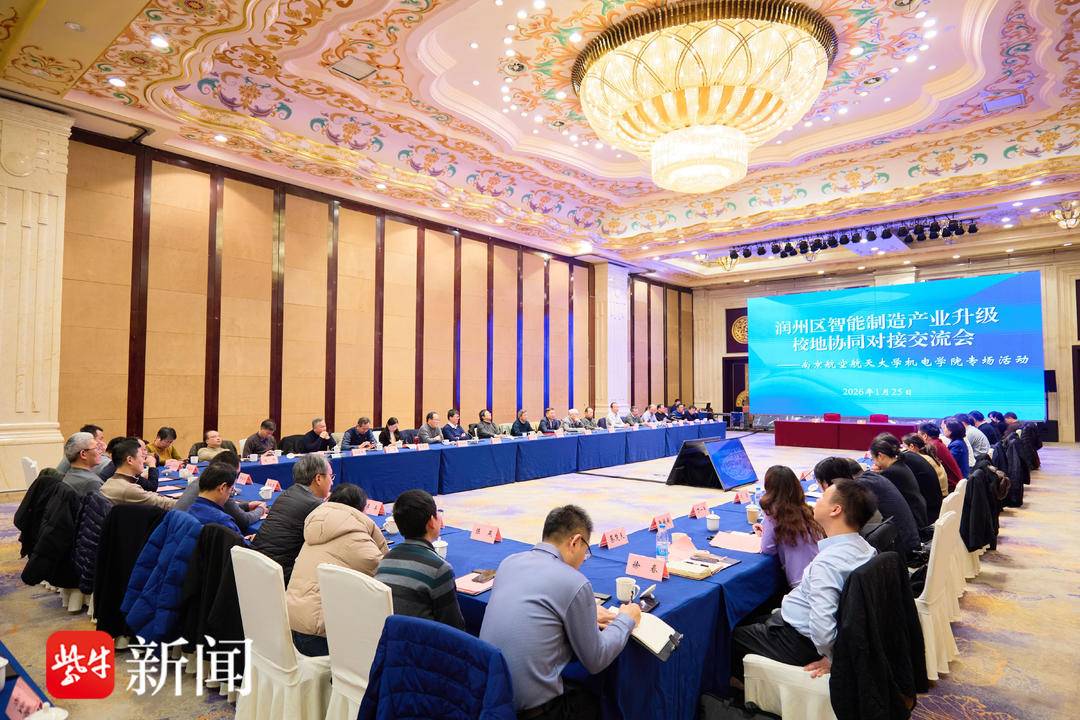
南航智慧赋能润州智造 ,镇江润州区智能制造校地协同对接会圆满举行
Yang Zi Wan Bao Wang· 2026-01-26 02:12
徐燕在致辞中表示,山水是润州的容颜,文脉是润州的气质,但智造才是润州的明天。近年来,润州聚力发展数字经济和智能制造,产业发展所向所需与 南航机电所能所长高度契合,合作空间广阔。希望通过此次"双向奔赴",强化双方在技术转移、人才共育、平台共建、技术攻坚等领域合作,共同搭建高 能级科创平台,推动产学研教一体化发展,让学院的实验室在润州拥有更广阔的"中试车间"和"应用窗口",携手以智能制造赋能产业升级,为双方的高质 量发展注入强劲动能。 扬子晚报网1月26日讯(通讯员高昕记者万凌云姜天圣)1月25日下午,镇江润州区智能制造产业升级校地协同对接交流会暨南京航空航天大学机电学院专场 在佰润会议中心举办,校地双方在深化友谊、共谋发展中,进一步锚定新质生产力培育主攻方向,推动高校科研优势与区域产业需求精准耦合,让更多 的"南航智慧"转化为"润州动能",推动润州智能制造产业高质量发展。 现场 南京航空航天大学机电学院院长傅玉灿,润州区委书记徐心田,区委副书记、区长徐燕出席活动。区委常委、副区长、官塘创新社区党工委书记田伟,区 政协副主席、区科技局局长郭海燕,区政府党组成员、科技镇长团团长成杰,以及南航机电学院机械制造及其自动 ...
共绘“十五五”新画卷
Su Zhou Ri Bao· 2026-01-26 00:57
"十五五"新征程已启。市十七届人大五次会议和市政协十五届五次会议圆满完成各项议程后胜利闭 幕。大会期间,人大代表、政协委员牢记使命、履职尽责、求真务实,带着基层一线的鲜活声音,传递 千家万户的民心期盼,为苏州发展聚智献策。走出会场,代表委员们满载议政成果、肩负使命担当,步 履坚定奔赴各条战线。大家纷纷表示,将认真贯彻落实市两会精神,以同频同心、同向同行的奋进姿 态,把会议擘画的发展蓝图、部署的目标任务,转化为真抓实干的具体行动,为"十五五"开好局、起好 步注入强劲动能。 深耕产业赛道,激活高质量发展新引擎 产业兴则城兴,创新强则城强。政府工作报告中,建设具有国际竞争力"智能制造之城"、壮大耐心 资本、加大科技企业投资等部署,为苏州产业转型升级指明了方向,让与会代表委员备受鼓舞、干劲倍 增。 产业迭代、科技创新,离不开金融资本的强力托举。"近年来,我真切见证并感受到,高频创业投 资为苏州产业科技创新注入了强劲活力,苏州城市发展方式实现重大变革。"深耕投资领域的刘澄伟代 表表示,市两会一系列谋划部署为元禾控股未来的发展指明了清晰路径,面向"十五五",元禾控股将锚 定"8个2"发展目标,在支持科技创新、汇聚高端人才 ...
以灯塔之标 筑智造强国之基
Xin Lang Cai Jing· 2026-01-25 21:22
更为重要的是,灯塔工厂的技术与模式输出,精准破解了中小企业"转型难、成本高"的痛点。在中国制 造业中,中小企业占据绝大多数,但这些企业往往面临资金不足、技术薄弱、人才短缺等难题,数字化 转型缓慢。而灯塔工厂"可复制、可推广"的核心价值就在于,能够通过技术输出、合作共建等方式,将 自身的转型经验传递给中小企业,帮助其降低转型成本、规避转型风险,推动数字化转型向制造业全域 延伸。 中国灯塔工厂的批量涌现,不仅重塑了中国制造业的发展逻辑,也在推动全球制造业格局的深刻变革。 过去,全球智能制造的话语权主要集中在欧美等发达国家手中,而中国灯塔工厂的崛起,正在打破这种 格局,推动全球智能制造重心向中国转移。中国灯塔工厂的独特优势在于技术落地能力强、复制推广速 度快,中国企业能够快速将前沿技术与生产实际相结合,形成可量化、可推广的实践成效,同时借助产 业集群优势,让转型经验快速辐射到上下游企业,这种"实践-优化-复制"的模式,既是中国灯塔工厂持 续领跑的关键,推动中国智造逐步实现从"跟跑"到"并跑"再到部分领域"领跑",同时也深刻影响了全球 智能制造的发展方向,为全球智能制造提供了新的思路与经验。 (来源:经济参考报) 在 ...
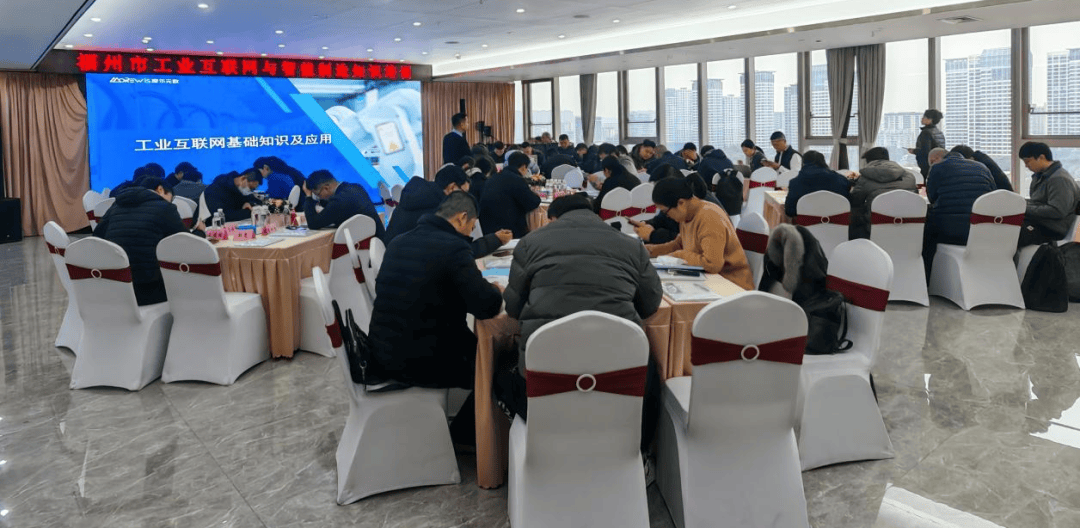
福州市工业互联网与智能制造知识培训成功举办
Sou Hu Cai Jing· 2026-01-25 13:18
Core Insights - The training event focused on industrial internet and smart manufacturing, targeting small and medium-sized enterprises in key industries such as textiles, electronic components, and automotive parts [1] - The innovative "salon workshop" format emphasized interaction, case studies, and practical exercises, moving away from traditional lecture methods [3] Group 1: Training Overview - The training attracted nearly 60 executives, CIOs, and representatives from digital service providers, providing professional guidance for digital transformation [1] - Course content centered on urgent topics like Warehouse Management Systems (WMS) and Manufacturing Execution Systems (MES), with expert insights on core architectures and development trends [3] Group 2: Learning Experience - Participants reported that the training was solid and innovative, helping them build a systematic knowledge framework and acquire practical methodologies for addressing digital transformation challenges [4] - The training included interactive elements such as ice-breaking diagnostics, group discussions, practical exercises, and expert feedback, fostering a lively atmosphere [3] Group 3: Future Initiatives - Fuzhou City plans to continue optimizing training resources and services, focusing on the actual needs of enterprises and conducting more specialized and scenario-based empowerment activities [4] - The goal is to assist small and medium-sized enterprises in enhancing their transformation capabilities and promoting industrial digital upgrades for high-quality economic development [4]
新股前瞻|财务镜像断裂:解码上海精智“智造”叙事背后的增长逻辑悖论
智通财经网· 2026-01-25 12:52
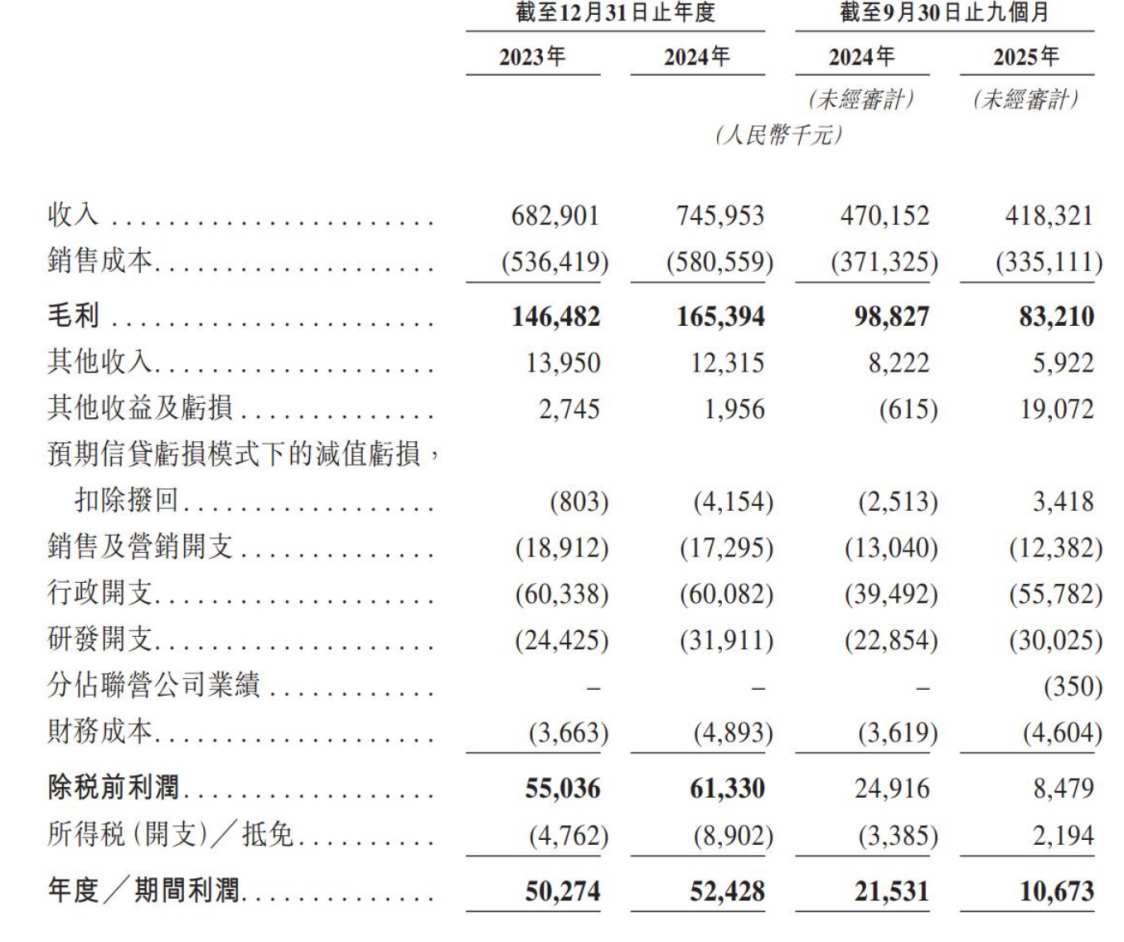
Core Viewpoint - The company, Shanghai Jingzhi Industrial Co., Ltd., is transitioning from a "machine stacking" phase to a "smart collaboration" phase in the context of China's manufacturing industry, with a focus on data-driven and system-coupled solutions. The capital market plays a crucial role in this transformation, and the company has submitted its listing application to the Hong Kong Stock Exchange [1]. Financial Performance - The company reported a revenue of 6.829 billion RMB for 2023 and 7.460 billion RMB for 2024, but the revenue for the first nine months of 2025 was 4.183 billion RMB, a decline of approximately 11.1% compared to 4.702 billion RMB in the same period of 2023, indicating potential market demand fluctuations or increased competition [2][3]. - The company's pre-tax profit for 2023 was 550 million RMB, but it plummeted to 84.79 million RMB in the first nine months of 2025, a drop of about 66% compared to the same period in 2024 [2][3]. - The gross profit margin for 2023 was 21.5%, which slightly improved to 22.2% in the first nine months of 2025, but the absolute gross profit decreased due to declining revenue [3]. Cost Structure and Profitability - The company faced significant pressure from rising operating expenses, particularly in R&D, which reached 300 million RMB in the first nine months of 2025, nearly matching the total for 2024. This represented an increase in the expense ratio from 4.7% in 2024 to 7.2% in 2025 [4]. - Administrative expenses surged by 41.3% to 558 million RMB in the first nine months of 2025 compared to 395 million RMB in the same period of 2024, indicating rising management costs associated with the IPO and business expansion [4]. - The combined ratio of R&D, administrative, and sales expenses to revenue increased from approximately 16.0% in 2024 to about 23.5% in 2025, directly impacting net profit [4]. Revenue Composition and Growth Challenges - The company's core business, "advanced equipment solutions," which accounted for over 40% of revenue, saw a 22.7% decline in the first nine months of 2025, raising concerns about its reliability as a growth engine [7]. - Emerging business segments like "communication thermal management" showed rapid growth but maintained low gross margins, indicating a cost-driven nature rather than a technology premium [8][9]. - The overall gross margin declined from 21.0% in 2024 to 19.9% in 2025, suggesting that the transition to solution-based offerings has not systematically improved pricing power or profitability [9]. Strategic Outlook - The company aims to enhance its image as a technology-driven, high-value solution provider by increasing the proportion of advanced equipment solutions and optimizing its product mix [7]. - The funds raised from the IPO are intended for further investment in R&D to strengthen its smart and digital capabilities, supporting ongoing solution iterations and commercialization [7]. - The current financial data indicates a significant gap between the strategic vision and operational reality, posing challenges for the company to convert its technological narrative into solid financial returns [10].
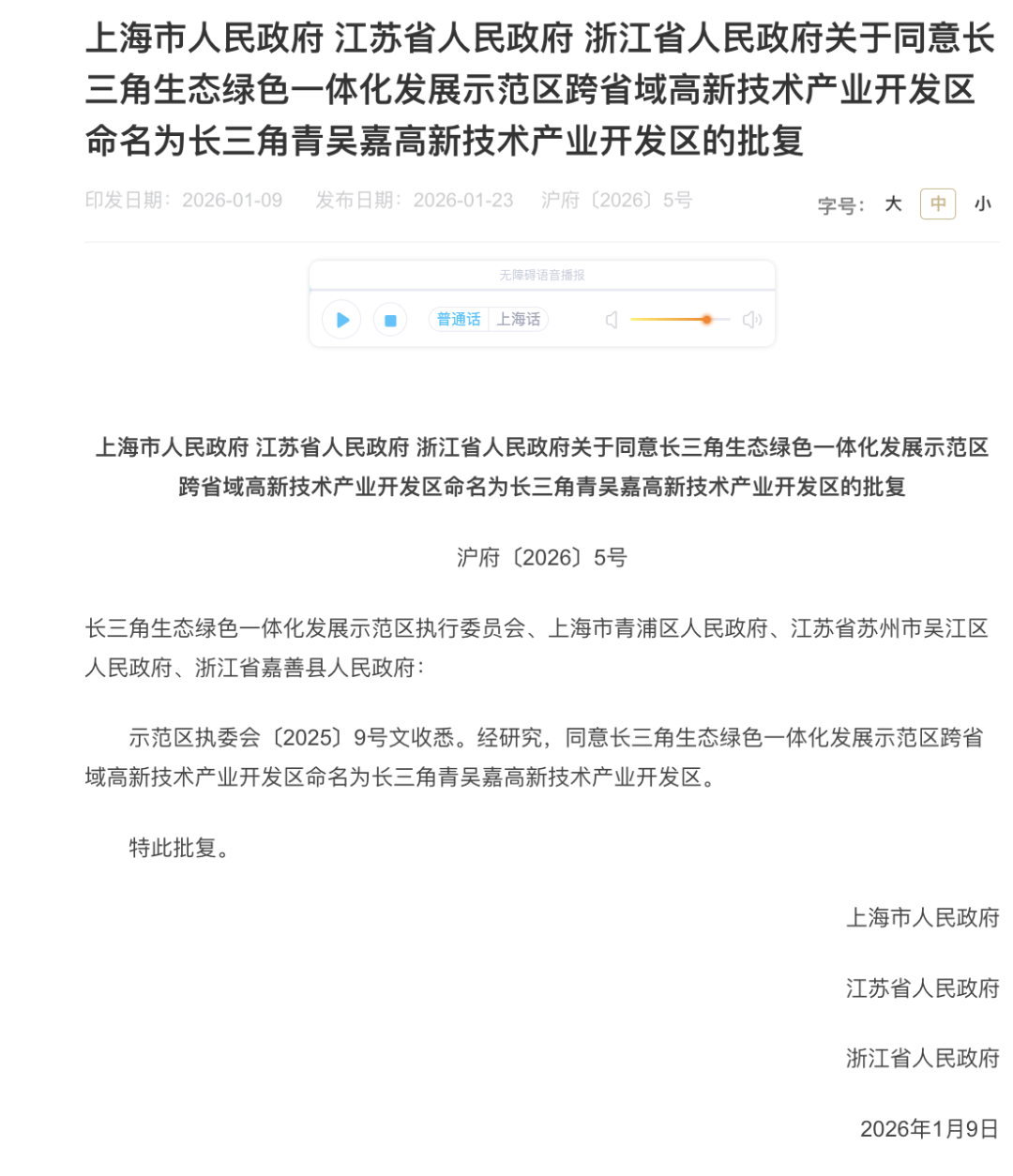
长三角青吴嘉高新技术产业开发区来了!系全国首个跨省域高新区
Xin Lang Cai Jing· 2026-01-25 08:39
Core Viewpoint - The establishment of the first cross-provincial high-tech industrial development zone in China, named the Yangtze River Delta Qingwu Jia High-tech Industrial Development Zone, has been approved, aiming to leverage regional technological resources and focus on strategic emerging industries [1]. Group 1 - The high-tech zone spans an area of 19.54 square kilometers, incorporating three regions: Shanghai's Qingpu, Jiangsu's Wujiang, and Zhejiang's Jiashan [1]. - The development will prioritize three strategic emerging industries: digital industry, intelligent manufacturing, and green new materials, along with two characteristic industries: headquarters economy and green scientific innovation services, forming a "3+2" industrial development pattern [1].
上海市、江苏省、浙江省批复同意!
Xin Lang Cai Jing· 2026-01-25 07:58
Core Viewpoint - The establishment of the Yangtze River Delta Ecological Green Integrated Development Demonstration Zone's cross-provincial high-tech industrial development zone, named the Yangtze River Delta Qingwu Jia High-tech Industrial Development Zone, has been approved by the governments of Shanghai, Jiangsu, and Zhejiang [1][3]. Group 1 - The cross-provincial high-tech industrial development zone covers an area of 19.54 square kilometers [3]. - It includes three parks located in Shanghai Qingpu, Jiangsu Wujiang, and Zhejiang Jiashan [3]. - The zone focuses on developing three strategic emerging industries: digital industry, intelligent manufacturing, and green new materials, along with two characteristic industries: headquarters economy and green scientific innovation services [3].