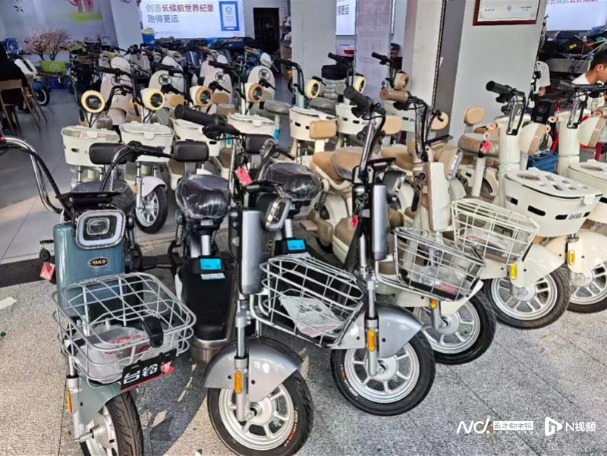
电动自行车

Search documents
新国标电动自行车争议背后:产能切换尚待时日 产业链有望实现整体升级
证券时报· 2025-12-06 00:20
Core Viewpoint - The new national standard for electric bicycles, described as the "strictest ever," is set to be implemented on December 1, leading to misunderstandings about its requirements and implications for consumers and manufacturers [1][2]. Group 1: Implementation and Misunderstandings - The transition to the new standard is a systematic project requiring time for production process optimization and sales channel adaptation, with the industry currently in a critical phase of model design and supply chain adjustment [2]. - Misunderstandings have arisen regarding the new standard, particularly concerning the use of "iron seats" and the ability to carry children, with clarifications indicating that over 70% of new models can accommodate child transport [5][6]. - Yadea Electric Vehicles issued an apology for misinterpretations of the new standard in their product designs, acknowledging the need for better alignment with the new regulations [3][7]. Group 2: Supply Chain and Production Capacity - The social ownership of electric bicycles in China exceeds 380 million, indicating a significant market impact from the new standard [5]. - There is a noted supply shortage of new standard products, as some manufacturers remain hesitant to fully commit to the new regulations, leading to limited inventory in stores [8]. - The transition period from the old to the new standard is still ongoing, with companies needing time to adjust production schedules and complete necessary certifications [8]. Group 3: Safety and Technical Specifications - The new standard maintains a speed limit of 25 km/h, with new models designed to prevent unauthorized speed modifications, ensuring safety without sudden braking [11][12]. - The new regulations enhance safety features, including fire resistance and mandatory certification, with over 600 models already certified under the new standard [14]. Group 4: Market Dynamics and Future Trends - The implementation of the new standard is expected to increase production costs, with price hikes of 300 to 500 yuan for standard models and up to 1,000 yuan for high-end models [14]. - The rise in costs may suppress short-term demand, but as production scales up, costs are anticipated to decrease [15]. - The new standard is likely to drive technological upgrades across the supply chain, fostering new business models such as battery monitoring and battery swap services [15].

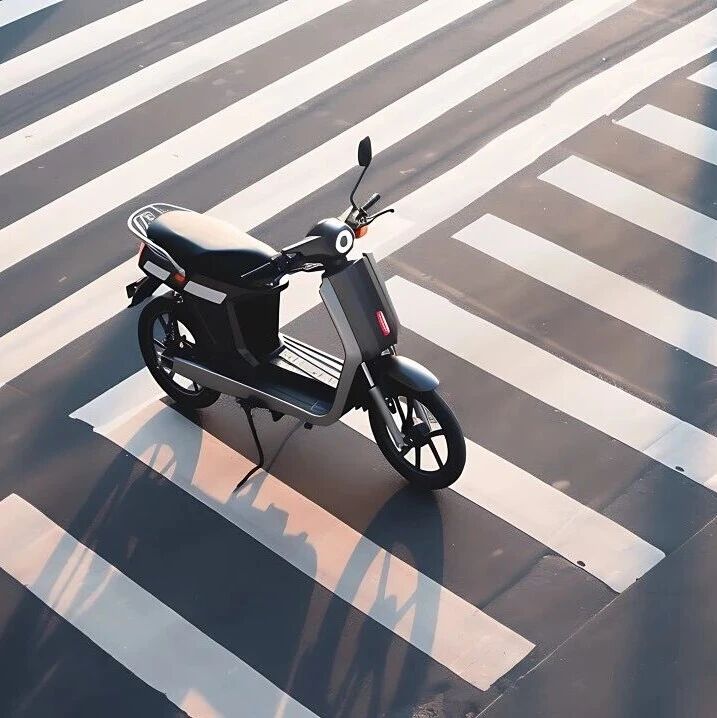
电动车迎来「史上最严」新规
3 6 Ke· 2025-12-05 19:25
Core Viewpoint - The implementation of the new national standard for electric bicycles, effective December 1, 2025, marks a significant regulatory shift aimed at enhancing safety and efficiency for approximately 380 million electric bicycle users in China, while also leading to increased production costs and market restructuring [3][4][19]. Regulatory Changes - The new standard limits the maximum speed of electric bicycles to 25 km/h and introduces stricter requirements for fire resistance and traceability of vehicles [3][4][6]. - Non-compliant "old standard" models will be banned from sale, pushing manufacturers to adapt quickly to the new regulations [4][19]. Impact on Users - Commuters and delivery personnel will need to adjust to the slower pace mandated by the new regulations, which may affect their efficiency [3][15]. - The new regulations are expected to increase production costs by approximately 600 to 900 yuan per unit, potentially raising the market price of many economical models previously priced under 3000 yuan [15][19]. Industry Dynamics - The transition to the new standard is anticipated to accelerate industry consolidation, as companies like Yadea, Aima, and Ninebot report significant revenue growth due to the dual stimulus of the new regulations and trade-in subsidies [14][19]. - The new regulations also include provisions for tracking and monitoring vehicles throughout their lifecycle, enhancing regulatory oversight [6][8]. Public Reaction - The introduction of the new standard has sparked widespread debate among users regarding the balance between safety and speed, with many expressing concerns about the practicality of the new speed limit [17][19]. - Discussions on social media highlight users' worries about battery safety and the overall impact of the regulations on their daily commuting experiences [17][19].



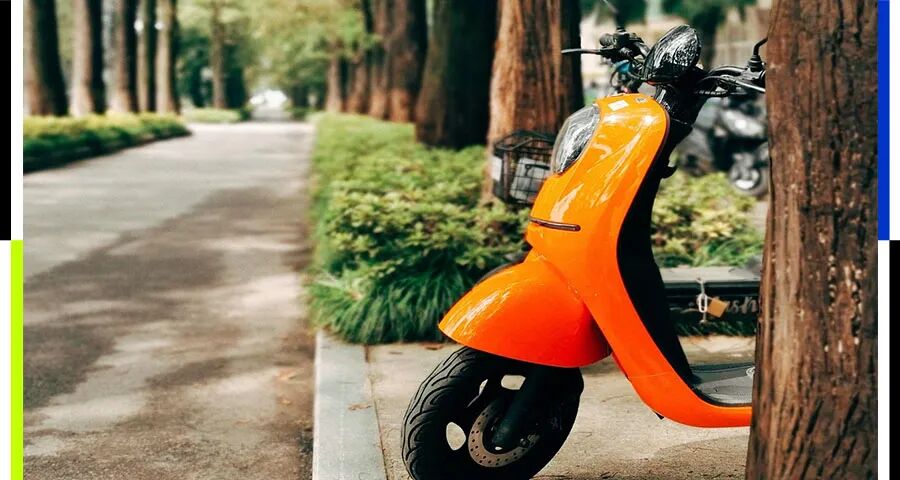
新国标电动自行车争议背后:产能切换尚待时日 产业链有望实现整体升级
Zheng Quan Shi Bao· 2025-12-05 17:23
对针这些误读,中国自行车协会相关负责人从多个维度进行澄清。围绕"铁皮座椅"的问题,上述负责人 表示,当前主流车型均采用发泡材料海绵座椅,网传的"铁皮座椅"仅为极个别企业的行为,并不是行业 普遍现象,更不是新标准要求。 关于"不能带小孩"问题,该负责人也表示,目前企业已研发出的新标准产品中,70%以上车型均有后衣 架,能够满足亲子出行需求。 在雅迪电动车发布的声明中,也提到了这一点,并表示雅迪符合新国标的车型有不同版本,既有服务单 人通勤的,也有满足"宝妈"需求的,这些产品会陆续上市。 12月1日起,被称为"史上最严"的电动自行车新国标全面落地实施。然而,随着新产品流入市场,网络 上关于新国标电动自行车"不能带小孩""超速会急刹"的误解声音越来越强烈。 为澄清市场误读,工业和信息化部消费品工业司与中国自行车协会于近期作出权威回应,详解新国标的 制定逻辑和核心价值。 中国自行车协会相关负责人表示,标准的切换是系统性工程,电动自行车生产工艺的优化完善、销售渠 道的适配等都需要一定的适应阶段和过程。目前,全行业正处于车型设计试制、产业链调整完善的关键 阶段,协会将推动企业持续优化产品。 值得关注的是,12月5日当天, ...
新国标电动自行车争议背后: 产能切换尚待时日 产业链有望实现整体升级
Zheng Quan Shi Bao· 2025-12-05 17:15
12月1日起,被称为"史上最严"的电动自行车新国标全面落地实施。然而,随着新产品流入市场,网络 上关于新国标电动自行车"不能带小孩""超速会急刹"的误解声音越来越强烈。 为澄清市场误读,工业和信息化部消费品工业司与中国自行车协会于近期作出权威回应,详解新国标的 制定逻辑和核心价值。 中国自行车协会相关负责人表示,标准的切换是系统性工程,电动自行车生产工艺的优化完善、销售渠 道的适配等都需要一定的适应阶段和过程。目前,全行业正处于车型设计试制、产业链调整完善的关键 阶段,协会将推动企业持续优化产品。 值得关注的是,12月5日当天,雅迪电动车就引发网络热议的产品发布致歉声明,表示确实在车型设计 上考虑不周,对新国标的理解存在不准确的情况。 企业产能切换仍需时间 作为电动自行车生产、消费大国,我国电动自行车的社会保有量已超3.8亿辆,平均每4人就拥有1辆。 基于此,电动自行车新国标的实施,可谓"牵一发而动全身"。 在新国标正式实施后,最近几天已经有新产品陆续进入经销门店,不少消费者发现个别新产品的鞍座、 后衣架、后视镜等配置无法满足出行需求,进而对新国标要求产生了一系列误解。 业内人士向证券时报记者表示,这背后其实 ...
雅迪发布说明并道歉!承认新车型上市节奏和车型设计存在问题
Nan Fang Du Shi Bao· 2025-12-05 14:59
Core Viewpoint - Yadea has issued an apology regarding misunderstandings about its new "Maodou" model under the new national standard for electric bicycles, acknowledging issues in the model's design and launch timing [2][3][4] Group 1: Company Response - Yadea clarified that misconceptions such as "cannot carry children" and "lack of storage space" are due to inaccurate interpretations of the new standards, not actual regulations [3][4] - The "Maodou" model is designed in different versions to cater to various user scenarios, with the currently available "single commuter version" focusing on basic commuting needs [3][4] - Yadea admitted to problems in the launch timing and design of the new standard models, which caused inconvenience to consumers expecting diverse options [4] Group 2: Industry Context - The Ministry of Industry and Information Technology (MIIT) indicated that the purpose of the new standards is to reduce safety hazards associated with electric bicycles while enhancing functionality and user experience [4][5] - Over 100 companies have had more than 600 models certified under the new standards, with most meeting consumer needs effectively [4][5] - The MIIT will continue to monitor consumer feedback and encourage manufacturers to optimize product designs and increase the supply of new standard models [5]
新国标之下,“小电驴”如何兼顾安全与便利?
Zhong Guo Jing Ji Wang· 2025-12-05 13:36
万事开头难。多些宽容,多些理性,才能助力新国标"小电驴"在安全与实用之间找到最佳平衡,从而行 得更稳、走得更远。 道路千万条,安全第一条。当前,我国电动自行车社会保有量约3.8亿辆。然而,超速行驶、非法改装 引发的交通事故,以及电池起火导致的生命财产损失,令人触目惊心。2023年全国接报电动自行车火灾 2.1万起。电动自行车安全问题,不容忽视。 新国标实施后,电动自行车的安全性能大幅提升,为何仍引发讨论?这反映出政策理想与现实复杂性之 间存在一定张力。人们既希望电动自行车安全可靠,也期待它足够便利。对很多消费者而言,电动自行 车是通勤、采购、接送孩子的"刚需工具"。而目前部分新车型外观趋于简约,乘坐空间与储物空间不 足,直接影响使用体验,也在客观上削弱了车辆的使用价值。此外,也不排除部分自媒体推波助澜。他 们为吸引流量,刻意炮制"禁止带娃"等虚假信息,误导公众认知,也遮蔽了真正有价值的公共探讨。 政策的落地从来不是一蹴而就的,需要在动态调整中不断完善。此次争议既折射出公共安全与个人便利 的平衡难题,也反映了政策执行、行业转型与民生需求之间需要磨合空间。作为一项关乎数亿人出行方 式的公共政策,保持与公众意见的良 ...
涉及电动自行车新国标!雅迪、新日最新回应
Shang Hai Zheng Quan Bao· 2025-12-05 13:33
Core Viewpoint - The recent implementation of the new national standard for electric bicycles (GB 17761-2024) has sparked discussions and clarifications regarding its requirements and the features of various models, particularly the "Maodou" model from Yadea, which aims to address different user needs and scenarios [1][4]. Company Summaries - Yadea has launched the "Maodou" model, which includes different versions tailored for various user scenarios, with the current focus on a "single commuter version" designed for daily commuting needs [1]. - Yadea has acknowledged previous shortcomings in the launch rhythm of different versions and is committed to continuous product development and upgrades in line with the new national standards [3]. - New Day Co. has stated that the implementation of the new national standard is significant for the electric bicycle industry, and they have successfully launched multiple models that comply with these standards [3]. - Aima Technology has introduced models that meet the new standards, focusing on optimizing comfort and safety for carrying children, and plans to continue developing more practical vehicles [3]. - Ninebot has emphasized that the new standard is not merely restrictive but aims to enhance safety, quality, and user experience in the electric bicycle industry, marking a shift towards value-based competition [3]. Industry Insights - The new national standard has led to widespread discussion online, with various misconceptions circulating, such as mandatory "metal seats" and restrictions on speed and child transportation [4]. - The China Bicycle Association has clarified that the majority of mainstream models use foam seats for comfort and safety, and the claim about "metal seats" pertains only to a few companies with poor design choices [4]. - The Association has confirmed that new models will not abruptly stop when reaching the speed limit of 25 km/h but will simply cease to accelerate further, ensuring a smooth riding experience [4]. - Over 70% of the new standard models developed by companies include rear racks to accommodate child transportation needs, while some models are designed specifically for single riders [4]. - The Association has stated that the new standard encourages the installation of rearview mirrors, contrary to rumors of a ban, and most vehicles are equipped with them [5]. - Currently, over 100 companies have produced more than 600 models that comply with the new standards, catering to various consumer needs across different price segments [5].
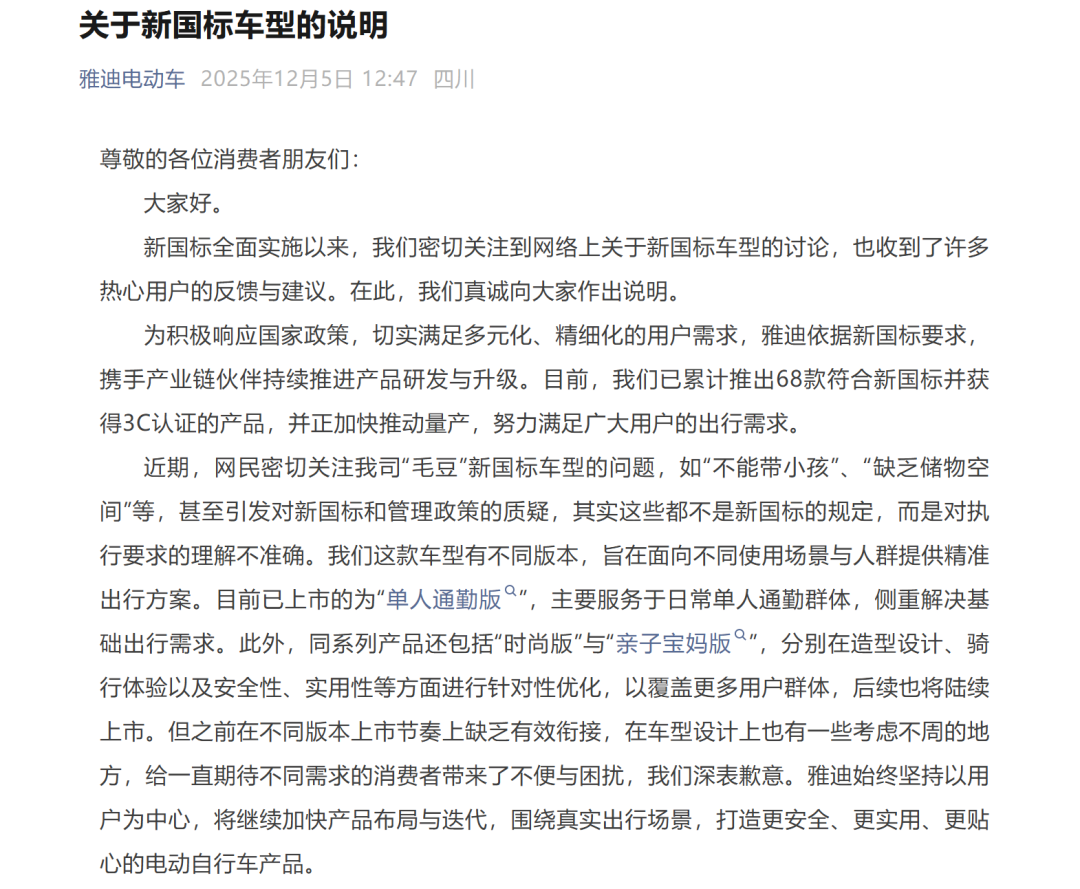
新国标电动车上市迟缓,设计引吐槽,雅迪道歉了
Guan Cha Zhe Wang· 2025-12-05 11:49
Core Viewpoint - The implementation of the new mandatory national standard (GB 17761-2024) for electric bicycles on December 1 marks a significant shift towards enhanced safety and compliance in the industry, introducing stricter regulations on materials, speed limits, and safety features [1] Group 1: New National Standard Implementation - The new standard limits the total mass of plastic used in electric bicycles to no more than 5.5% of the total vehicle weight and maintains a maximum speed of 25 km/h, with an added "speed limit cut-off" feature that stops motor assistance if the speed exceeds this limit [1] - A three-month transition period was established to allow for the sale of existing stock that meets the old standard, ending on November 30 [1] - As of December 1, the sale of vehicles produced under the old standard is prohibited, and consumers are encouraged to report any violations [1] Group 2: Market Response and Consumer Behavior - Retailers are still selling old standard models, with new standard vehicles expected to arrive later, indicating a lag in supply chain readiness [2] - Consumer interest appears low, with many potential buyers hesitant due to uncertainty about future demand and the limitations of the new standard [2] - The average price of new standard electric bicycles has increased by approximately 15%, with costs rising by 300-500 yuan per unit due to new safety features [6] Group 3: Industry Challenges and Consumer Feedback - There is a notable disconnect between the new regulations and consumer needs, particularly regarding speed limitations, which some users find inadequate for practical use [8][9] - Concerns have been raised about the comfort and usability of new standard models, with reports of discomfort from certain design choices, such as metal seats [9][10] - The industry faces criticism for not adequately addressing the demand for faster electric bicycles, with calls for regulatory adjustments to better meet consumer needs [9][10] Group 4: Safety and Regulatory Implications - The new standard aims to address safety concerns associated with electric bicycles, which have been linked to traffic accidents and fire hazards [12][13] - Experts emphasize the need for ongoing safety education and regulatory enforcement to ensure the new standards effectively enhance public safety [14][16] - The transition to lighter electric bicycles is seen as a crucial step in reducing safety risks and aligning with global trends in electric vehicle management [16][17]

新国标“小电驴”带不了娃?雅迪道歉,8家电动车企业集体澄清
Xin Jing Bao· 2025-12-05 11:41
Core Viewpoint - The implementation of the new national standard for electric bicycles has raised consumer concerns regarding practicality and usability, leading to clarifications from major industry players and associations about the misinterpretations of the standard [2][4][5]. Group 1: Industry Response - Major companies such as Yadea, Aima, and others have issued statements clarifying that the products circulating online are not representative of mainstream designs and that they are committed to adhering to the new standards [4][5]. - Yadea apologized for the confusion caused by the misunderstanding of their "Maodou" model, which was designed for single commuting and not intended for carrying children, while also acknowledging the need for better communication regarding product versions [6][5]. - The China Bicycle Association emphasized the importance of leading companies to optimize product design and performance to meet consumer needs and to ensure accurate information dissemination [4][5]. Group 2: Clarifications on New Standards - The new standard allows for the installation of child safety seats on most models, with over 70% of new standard models featuring a rear seat that can accommodate such installations [9][3]. - Contrary to public belief, the new standard does not prohibit the installation of rearview mirrors; instead, it encourages their inclusion, with most vehicles being equipped with them [10][9]. - The new standard maintains the maximum speed limit of 25 km/h and specifies that the motor will stop providing power if this speed is exceeded, but it will not result in sudden braking [10][9]. Group 3: Market Adaptation - Over 600 models have been certified under the new standard, reflecting a broad range of consumer needs across different price segments [7]. - The industry is currently in a transitional phase, focusing on optimizing production processes and adapting sales channels to meet the new standards effectively [10][9]. - The Ministry of Industry and Information Technology will continue to monitor consumer feedback and encourage manufacturers to enhance product development in line with the new standards [10].
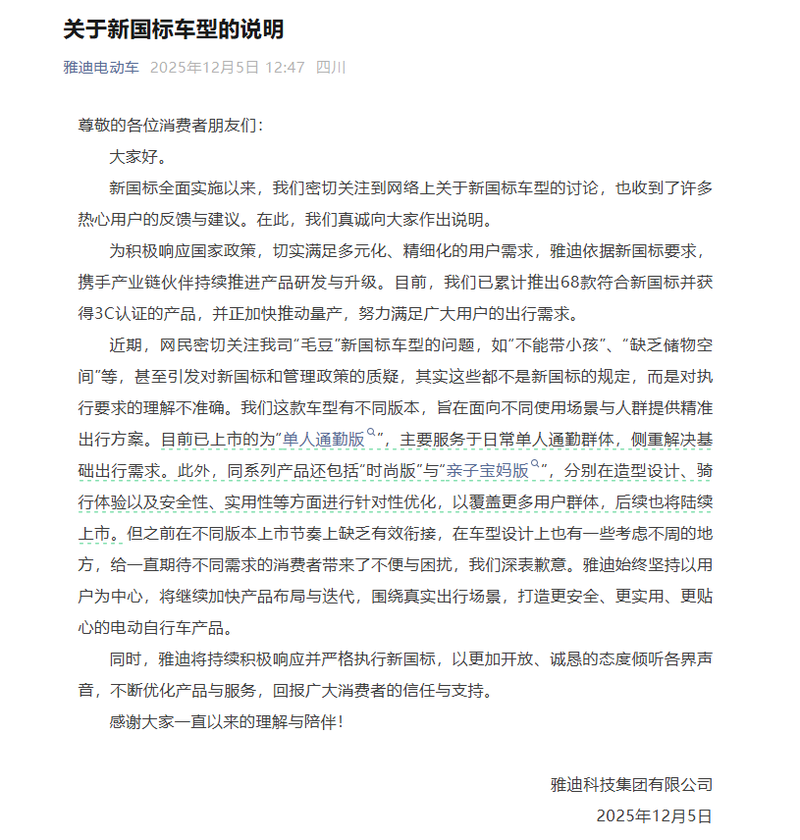
新国标电动自行车上市 涨价200元起,爱玛、绿源回应争议
Nan Fang Du Shi Bao· 2025-12-05 11:24
多数门店已全量销售"新国标"车型,价格高200~400元 "新国标"规定:电动自行车最高设计车速不得超过25km/h;使用塑料的总质量不超过整车质量的 5.5%;要求电动自行车具备北斗定位、通信与动态安全监测功能;不再强制要求所有车型均安装脚踏 骑行装置;明确了电动自行车鼓励安装后视镜等。"新国标"在防篡改设计、防火阻燃性能等方面要求更 加严格,例如要求车辆关键部件(如电机、控制器、电池等)具备防篡改设计,防止用户私自改装或更 换大功率部件。 近年来,电动自行车火灾,尤其是因电池过充、劣质电池、非法改装引发的火灾,已成为城市安全的重 大威胁。据了解,此前实行的2018版"旧国标"虽要求防篡改,但技术手段不具体,致使市场改装泛滥, 不少电动自行车产品逐渐变得越来越大、越来越重、越来越快,部分指标超出了现行标准的规定,安全 性能较差,交通安全隐患大,造成了大量的人员伤亡事故。因此,迫切需要通过修订标准,加强对电动 自行车的管理。 随着新版电动自行车强制性国家标准《电动自行车安全技术规范》(GB 17761—2024;以下简称"新国 标")实施过渡期于11月30日正式结束,符合新标准的电动自行车正在陆续投放市场,但 ...