AI制药

Search documents
“未来分子平台”引爆商业化裂变,晶泰科技(2228.HK)如何吃透AI红利?
Ge Long Hui· 2025-06-17 02:39
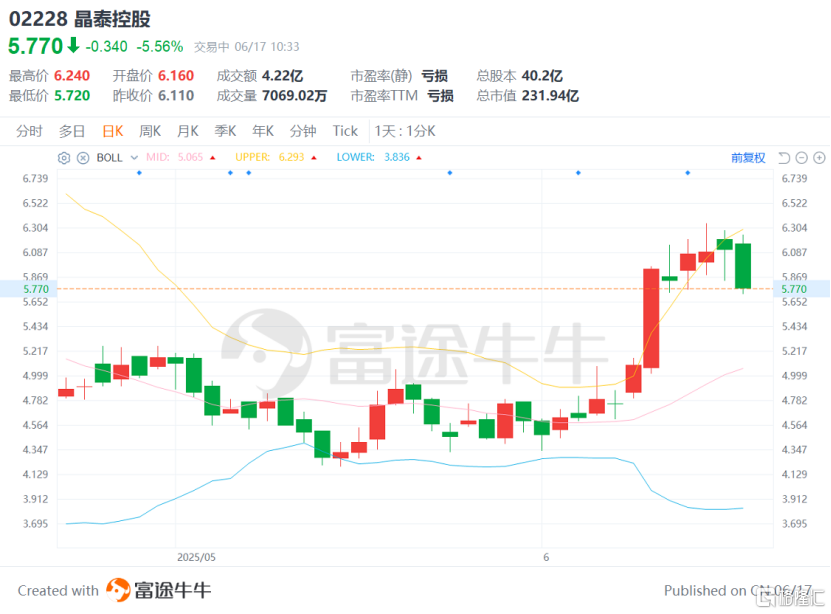
近期的两个"时间窗口",让"港股18C第一股"晶泰科技的核心价值逻辑再获关注。 一是今年从年初开始,全球资本市场呈现明显的"东升西落"格局。伴随DeepSeek的横空出世,掀起了以中国科技资产 为核心的价值重估浪潮。 同时,七部门印发的《医药工业数智化转型实施方案(2025-2030年)》明确提出,深化人工智能赋能应用,围绕技术研 发与规则体系构建、全产业链应用场景落地,以及公共服务平台建设等方面全面推进人工智能技术与医药产业的深度 融合。 在这样的大背景下,晶泰科技作为AI赛道的领军企业,特别是在AI for Science领域具有显著优势,其发展态势备受瞩 目。此前公司交出一份不俗的业绩成绩单,透过财报可以清晰的看到公司在前沿科技领域的技术积累和商业化成果, 投资吸引力再次获得催化提升。 二是晶泰科技恰好迎来上市一周年,在多方瞩目下又一次站上价值创造新起点。 从近期公司股票解禁情况来看,部分核心股东的股份解禁日期集中在2025年5月和6月。平稳度过解禁大考后,公司股 价亦展露强劲表现,呈现持续攀升态势,近一个月涨幅已超40%,有力印证市场对公司的信心以及对公司长期发展价 值的认可。 (来源:富途) 5月2 ...

晶泰控股20250616
2025-06-16 15:20
Summary of Jingtai Holdings Conference Call Company Overview - Jingtai Holdings leverages AI and robotics technology to empower the discovery of biopharmaceuticals and material molecules, collaborating with 17 of the top 20 global pharmaceutical companies, including Pfizer and Eli Lilly [2][4] - The business model includes R&D service fees, clinical milestone payments, and revenue sharing, with Pfizer's COVID-19 oral drug Paxlovid being a notable success story [2][6] Core Business and Expansion - The company has expanded its AI and robotics technology into new materials, cosmetics, and health products, which have shorter R&D and monetization cycles [2][7] - Collaborations with Sinopec Shanghai Laboratory and Guangdong University of Traditional Chinese Medicine have been confirmed, with revenue already recognized [2][7] - Jingtai Holdings operates a leading large-scale robotic laboratory for chemical synthesis, crucial for accumulating standardized, high-throughput, and high-quality data to enhance AI algorithms [2][8] Market Performance and Investor Sentiment - Jingtai Holdings officially listed on the Hong Kong Stock Exchange on June 13, 2024, and was included in the MSCI China Index, attracting significant institutional investment [3][4] - Following the lifting of lock-up restrictions on May 7, 2024, the stock price remained stable, with most shareholders optimistic about the company's future [3][25] Technological Advantages - The company possesses a unique large-scale robotic workstation that enables 24/7 uninterrupted chemical synthesis, accumulating data to predict chemical reactions [4][13] - Data collection tools are being developed to establish a competitive moat over the next decade, as data is considered the core barrier for vertical AI models [9][10] Industry Trends and Regulatory Environment - Recent favorable developments include the FDA's proposal to replace animal testing with AI and the adjustment of U.S. drug pricing to align with China's NMPA standards, which are seen as significant benefits for the AI pharmaceutical industry [11] - Collaborations with companies like Isomobix and DeepMind indicate positive trends in the industry [11] Collaborations and Case Studies - The partnership with Pfizer accelerated the development of Paxlovid, bringing it to market six months earlier [6] - A $250 million collaboration agreement with Eli Lilly is in place, with additional revenue sharing opportunities [6][16] Future Plans and Market Outlook - The company aims to focus on BD resources in the life sciences sector, particularly in small molecules, antibodies, and automated synthesis, with significant demand expected in the U.S. and Europe [17][24] - Revenue growth is projected to be between 50% and 80% for 2025 and 2026, with a strong pipeline of antibody discovery orders and opportunities in pet pharmaceuticals and cancer vaccines [24] Stock Performance and Future Directions - Following the lifting of lock-up restrictions, the stock price stabilized and rebounded above 6 RMB, supported by positive macroeconomic news and strong industry fundamentals [25] - The company plans to continue expanding its business and collaborations domestically and internationally, with a focus on achieving more BD breakthroughs [26]
中国香港特别行政区将发表第二份数字资产发展政策宣言;我国成功开展首例侵入式脑机接口临床试验——《投资早参》
Mei Ri Jing Ji Xin Wen· 2025-06-16 00:02
Important Market News - The 55th Paris Air Show will be held from June 16 to June 22, 2025, with China Aviation Industry Corporation showcasing significant exhibits including J-20, J-35A, J-10CE, Y-20, Z-20, and Z-10ME, along with various drones and civil aircraft [1] Industry Insights - The Hong Kong government plans to release a second policy declaration on digital asset market development, aiming to enhance the integration of traditional financial services with digital asset technology, improve security and flexibility, and encourage innovation in digital asset applications. The implementation of the Stablecoin Regulation is expected to attract more investor attention and business opportunities in the related industry chain [2] - China has successfully conducted its first invasive brain-computer interface clinical trial, marking it as the second country globally to enter this stage. The initiative aims to validate the effectiveness and safety of implanted brain-computer interface treatment plans, with significant implications for the medical rehabilitation market and a projected global industry value of $200 billion over the next 10-20 years [3] - A strategic research collaboration between Stone Pharmaceutical Group and AstraZeneca has been established, focusing on AI-driven drug discovery. Stone Pharmaceutical is set to receive $110 million in upfront payments and has the potential to earn over $5 billion through milestone payments and royalties, highlighting the recognition of Chinese AI drug discovery technology by multinational pharmaceutical companies [4] Cautionary Notes - Several companies, including Deen Precision Engineering and Baoli International, announced plans for share reductions by key executives and major shareholders, indicating potential shifts in ownership and market dynamics [5]
中新健康丨AI制药迎新进展,能否颠覆传统研发?
Huan Qiu Wang Zi Xun· 2025-06-10 10:40
Group 1 - AI-driven drug development has made significant progress, with a clinical concept validation result published in Nature Medicine [1][2] - The drug Rentosertib, developed using generative AI platform Pharma.AI, shows preliminary safety and efficacy in a Phase IIa clinical trial for idiopathic pulmonary fibrosis [2][3] - The AI approach allows for broader exploration of drug targets and pathways compared to traditional methods, enhancing efficiency and cost-effectiveness [3] Group 2 - The global AI pharmaceutical market reached $1.04 billion in 2022 and is projected to grow to nearly $3 billion by 2026, with a compound annual growth rate of 30% [3] - In China, the release of guidelines and policies is expected to drive the explosive growth of the "AI + healthcare" industry, with a focus on digital transformation in the pharmaceutical sector by 2030 [4][5]
李彦宏的百图生科加速香港IPO,AI制药盈利能力仍需较长验证周期
Sou Hu Cai Jing· 2025-06-03 11:25
2023年10月,赛诺菲宣布与百图生科达成战略合作,双方将共同开发用于生物治疗药物发现的大模型, 而非单纯合作开发药物。据悉,这次交易总金额超过10亿美元,也是百图生科自成立以来最大的一次商 业化活动。 李彦宏又要IPO了?AI制药独角兽"百图生科"被曝赴港上市 媒体报道,BioMap百图生科CEO刘维称,计划未来一年半内寻求在香港公开上市,香港是像BioMap这 样处于创业早期阶段科技公司的上市首选地。 近年来,AI制药市场呈现爆发式增长态势,行业规模持续扩容,发展动能强劲。根据Research And Markets最新研究报告,2022年全球AI制药市场规模已达10.4亿美元,预计到2026年将逼近30亿美元大 关,年均复合增长率(CAGR)维持在30%的高位。更值得关注的是,到2032年,全球AI药物研发市场 规模有望突破200亿美元,展现出令人瞩目的增长前景。 百图生科成立于2020年,由李彦宏与原百度风投CEO刘维共同创立,定位为"AI+生物技术"驱动的生命 科学平台,专注于基因组学、蛋白质设计及创新药物研发。李彦宏亲自担任董事长,并投入巨额资金支 持,团队汇聚清华、北大、牛津等顶尖高校人才,已开 ...

李彦宏,要去香港IPO了
3 6 Ke· 2025-06-03 04:12
Core Viewpoint - Baidu's founder, Li Yanhong, is actively pursuing an IPO for Baidu's biotech venture, Baitus Biotechnology, which aims to leverage AI in drug development and has already secured significant funding and partnerships [1][4][6]. Company Overview - Baitus Biotechnology, co-founded by Li Yanhong and former Baidu Ventures CEO Liu Wei, focuses on AI-driven life sciences, boasting a cross-modal biological language model with 210 billion parameters [1][4]. - The company has successfully developed over 200 state-of-the-art task models in drug development, biomanufacturing, and healthcare, serving over 300 clients and generating more than $2 billion in total customer orders [1][4]. - The core team includes experienced executives from major companies and top universities, with a strong emphasis on attracting high-end talent through competitive compensation packages [6][7]. Funding and Investment - Baitus Biotechnology has received over $200 million in venture capital, with a strategic partnership established with a Hong Kong investment management company, which will also serve as a potential listing location [2][4]. - Li Yanhong has personally invested heavily in the company, aiming to maintain control over its direction and funding, with plans to raise $2 billion within three years [5][6]. - The company plans to invest "hundreds of millions" to build a self-sufficient bio-computing platform, indicating strong financial backing from its inception [6]. Market Context - The AI pharmaceutical market is experiencing rapid growth, with global market size projected to reach nearly $3 billion by 2026, and the Chinese market expected to grow at a compound annual growth rate of 56.8% [10][11]. - AI in drug development is seen as a transformative technology, capable of reducing clinical development costs by 20-30% and significantly shortening development timelines [9][10]. Challenges and Future Outlook - Despite the promising growth, the AI pharmaceutical sector faces challenges, including a lack of high-quality data and the need for successful drug approvals to validate AI-designed drugs [13][16]. - The collaboration with Sanofi, which involves a significant financial commitment, highlights the potential for AI companies to leverage traditional pharmaceutical expertise while addressing data scarcity issues [15][16]. - The industry is still in search of a sustainable business model, with various approaches being tested, including AI SaaS, AI CRO, and AI biotech [13][14].
马化腾投的仨博士,干到190亿了
创业家· 2025-05-31 10:15
以下文章来源于21世纪商业评论 ,作者何己派 21世纪商业评论 . 《21世纪商业评论》敏感于一切商业新知、商业产品、商业模式和商业英雄,敏感于新公司的新玩意、老公司 的新改造、旧话题的新表达、老商业的新颠覆,为您提供最新鲜实用的商业养分。 研发药物,大笔融资。 来源:21世纪商业评论 记者:何己派 编辑:鄢子为 三位麻省理工的博士,延迟现金到账的时间。 5月26日,晶泰科技发布公告,联合创始人温书豪、马健及赖力鹏博士,自愿延长所持股票禁售期一 年。 原本,三人在6月中旬就可套现,尝到财务自由的甜头;现在其承诺,到2026年6月12日止,不会出 售手头股票。 | THE OF THE FOR THE | | | | | | | | | --- | --- | --- | --- | --- | --- | --- | --- | | 姓名 | 职务 | 任职日期 | 性别 | 出生年份 | 年龄 | 最新薪酬(万元) | 最新持股数(万股) | | > 温书豪 | 董事长,执行董事 | 2023-11-27 | | 1982 | 43 | 4,910.40 | 80,993.85 | | ■> 蒋一律 | 执 ...

英矽智能三战港交所:四年亏近6亿美元资金链显著承压 在研管线均未完成Ⅱ期临床商业化前景不明
Xin Lang Zheng Quan· 2025-05-27 08:34
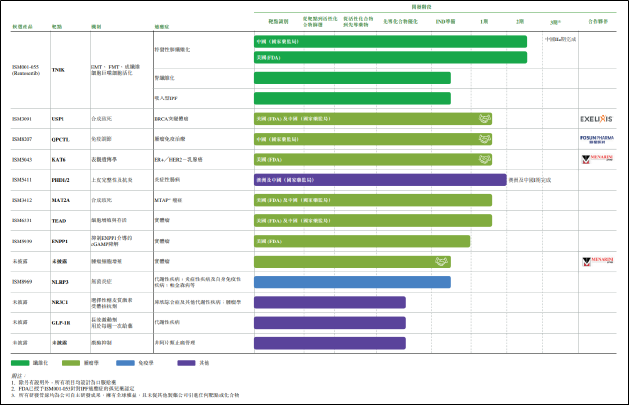
Core Viewpoint - InSilico Medicine, a pioneer in applying generative AI to drug discovery, is facing significant challenges in commercializing its technology and managing its financial health despite its innovative platform and potential breakthroughs [1][2]. Financial Performance - InSilico Medicine's revenue grew from $30.15 million in 2022 to $85.83 million in 2024, with a compound annual growth rate of 68.7% [2]. - The company has accumulated losses of $591 million from 2021 to 2024, with a net loss of $17.1 million in 2024, a 92% year-on-year decrease, primarily due to one-time licensing fees [2][3]. - The revenue is heavily reliant on three candidate drugs, with slow progress in licensing agreements, exemplified by a $12 billion collaboration with Sanofi, where only 1.04% of the agreement has been realized [2][3]. Client Dependency - The top five clients contributed 90.6%, 94.1%, and 94.4% of the revenue from 2022 to 2024, with the largest client accounting for 76.2% at one point [3]. - If core clients reduce their investments or terminate collaborations, the company's performance may face a sharp decline [3]. Research and Development Costs - R&D expenses reached $91.89 million in 2024, exceeding total revenue by 7% [3]. - Clinical trials are the most expensive phase in drug development, accounting for about 80% of the total R&D costs, while InSilico's pipeline is still in preclinical or early clinical stages [3]. Pipeline Status - InSilico Medicine has 15 candidate drugs, all in preclinical or early clinical stages, with the fastest progressing drug, ISM001-055, only having completed Phase IIa trials [4][6]. Clinical Trial Risks - The lack of Phase II clinical data poses a significant risk, as this stage is critical for validating the potential of drug candidates and the company's technology [6]. - Historical examples in the AI drug development sector show that failures in key clinical trials can lead to drastic declines in company valuations [6]. Data Challenges - The company faces a "data island" challenge, where the fragmented and inconsistent quality of data hampers the effectiveness of its AI-driven drug discovery platform [7]. - The AI drug discovery industry is still in its early stages in China, with data barriers prevalent, making it difficult for companies like InSilico to access high-quality research data [7].
拉脱维亚人,20多岁实现财务自由,又在中国干出一个IPO
创业邦· 2025-05-15 03:11
Core Viewpoint - Insilico Medicine is a generative AI-driven drug discovery company that has recently filed for an IPO in Hong Kong, having achieved a post-financing valuation of over $1.3 billion, marking its status as a unicorn [2][3]. Company Overview - Founded in 2014 by Alex Zhavoronkov, Insilico Medicine initially focused on AI applications in basic biological data but has since evolved into a full-fledged AI-driven drug discovery and development company [5][8]. - The company has developed over 20 drug candidates that are currently in the IND and clinical stages, with eight of these candidates already in clinical trials [2][10]. Funding and Investment - Insilico Medicine has attracted significant investment from various global and domestic capital sources, including A-level Capital, Warburg Pincus, Temasek, and several Chinese state-owned investment firms [3][17]. - The company completed a $123 million E-round financing in early 2025, further solidifying its financial backing and industry position [14]. Business Model and Operations - The company combines its generative AI platform, Pharma.AI, with robust drug development capabilities, allowing it to identify new drug targets and optimize clinical development [18]. - Insilico Medicine has three drug candidates that have been licensed out, with total contract values exceeding $2 billion [18]. Financial Performance - Insilico Medicine's revenue projections for 2022 to 2024 are $30.15 million, $51.18 million, and $85.83 million, respectively, with gross margins improving from 63% to 90% [17]. - Despite revenue growth, the company has reported losses of $220 million, $210 million, and $17.01 million over the past three years, indicating ongoing financial challenges [19]. Industry Context - The AI drug discovery sector is rapidly evolving, with significant investment activity noted in 2023 and 2024, reflecting a growing interest in AI's potential to enhance drug development efficiency [21]. - Insilico Medicine and another company, Crystal Bio, represent leading players in the AI drug discovery space, each adopting different business models—Insilico focuses on self-developed drug pipelines, while Crystal Bio operates on an AI+CRO model [22]. Challenges and Considerations - Industry experts highlight that while AI can significantly improve preclinical research efficiency, the transition to successful clinical outcomes remains uncertain, and the financial burden of multiple drug pipelines may pose risks [23].
融中回顾 | 保时捷重组董事会 52TOYS获万达电影等新一轮投资
Sou Hu Cai Jing· 2025-05-13 10:48
Group 1 - AI pharmaceutical company Insilico Medicine has filed for an IPO on the Hong Kong Stock Exchange, marking its third attempt after previous submissions in June 2023 and March 2024 failed [2] - The IPO aims to raise funds primarily for clinical development of pipeline candidates, development of new generative AI models, expansion of automated laboratories, and operational funding [2] Group 2 - Chasing Technology, established in 2017, has rapidly transformed into a major player in the smart cleaning market, leveraging its proprietary high-speed digital motor and intelligent algorithms [3] - The company has achieved a retail market share of 16.2% in China's cleaning appliance market for 2024, ranking first [3] - During the 2024 Double Eleven shopping festival, Chasing Technology's total GMV exceeded 3.2 billion yuan, topping the sales charts across major platforms [3] Group 3 - Porsche is undergoing a planned and rapid restructuring of its board, focusing on product strategy and generational change in governance to establish a younger and more stable management team [4] - Wanda Film announced a new round of investment in 52TOYS, with the company being valued at over 4 billion yuan [4] - Zhongqi Cloud Chain has submitted a listing application to the Hong Kong Stock Exchange, with several financial institutions acting as joint sponsors [5] - Xunzhong Communication has also filed for an IPO on the Hong Kong Stock Exchange, marking its second attempt after a previous application was halted [5] - Zhixing Technology's subsidiary has signed a framework agreement to acquire a majority stake in Xiaogongjian Robot, becoming its controlling shareholder [5] - Deyi Group has submitted its application to the Hong Kong Stock Exchange, claiming a leading position in the gamma radiation surgical equipment market in China [6]