
养老服务

Search documents
9家企业入选成都市银发经济重点产业链链主
Xin Lang Cai Jing· 2026-01-29 19:50
转自:成都日报锦观 记者注意到,成都市银发经济重点产业链链主企业评定名单包括泰康之家蜀园(成都)健康服务有限公 司、成都九如城养老服务有限公司、四川千里倍益康医疗科技股份有限公司、都江堰五粮液合美健康投 资有限责任公司、四川科伦博泰生物医药股份有限公司、四川海思科制药有限公司、四川久远银海股份 有限公司、四川新绿色药业科技发展有限公司、成都第一制药有限公司9家企业。此外,银发经济重点 产业链链属企业共有412家,涵盖了健康养老、康养旅游、智慧养老、抗衰老产业、机器人等领域。 推动银发经济高质量发展,既是增进老年人福祉的现实需求,又是带动产业转型的时代机遇。《成都市 做优做强银发经济重点产业链三年行动计划》提出,到2027年,银发经济发展布局基本形成,优势特色 更加凸显,产业规模达1100亿元以上,争创一家国家级高水平银发经济产业园,打造15家以上具有全国 影响力的银发经济知名企业和一批品牌产品。 成都日报锦观新闻记者 刘泰山 9家企业入选成都市银发经济重点产业链链主 记者昨日从成都市发展改革委获悉,成都市银发经济重点产业链链主、链属企业评定结果正对外公示。 ...


三部门合力升级养老服务保障措施
Xin Lang Cai Jing· 2026-01-29 19:50
Core Viewpoint - The article discusses the recent measures introduced by the Ministry of Natural Resources, Ministry of Civil Affairs, and National Health Commission to support the reform and development of elderly care services in China, focusing on reducing land costs and revitalizing existing spaces to enhance the quality and efficiency of elderly care services [1][2]. Group 1: Policy Measures - The measures aim to create a low-cost land policy system, ensuring that land for non-profit elderly care institutions is fully protected and allocated legally, exempting them from land transfer fees [1]. - For profit-oriented elderly care land, the measures promote flexible models such as long-term leasing and "rent first, transfer later," allowing land transfer fees to be paid over two years, which alleviates initial financial pressure on enterprises [1]. Group 2: Resource Utilization - The measures break down barriers to revitalizing urban and rural stock resources, transforming "sleeping" spaces into primary locations for elderly care services [2]. - In urban areas, the policy allows for the renovation of old neighborhoods and underutilized land to add elderly care and integrated medical facilities, with the original land use maintained for five years without additional land costs [2]. - In rural areas, the focus is on utilizing idle collective construction land for elderly care facilities, allowing eligible collective business construction land to be used for elderly projects through transfer or leasing, thus avoiding the occupation of arable land and lowering the threshold for rural elderly care projects [2].
安徽出台养老服务体系建设补助资金管理办法
Xin Lang Cai Jing· 2026-01-29 16:41
(来源:市场星报) 此外,《办法》建立健全全过程预算绩效管理机制,明确各级财政、民政部门管理职责,加强资金监管 和绩效评价,评价结果作为完善政策、预算安排的重要依据。要求资金使用单位对项目真实性、合规性 负责,切实管好用好补助资金,确保资金安全规范高效使用,推动我省养老服务高质量发展,不断增强 老年人的获得感、幸福感、安全感。 星报讯 记者获悉,为进一步加强和规范养老服务体系建设补助资金管理,提高资金使用效益,近日, 省财政厅会同省民政厅出台《安徽省养老服务体系建设补助资金管理办法》(以下简称《办法》),着 力支持提升我省养老服务供给水平,托起幸福"夕阳红"。 《办法》明确,补助资金主要用于支持构建覆盖全面、可持续的多层次养老服务体系,资金重点投向包 括支持公办养老机构运转和社会办养老机构发展,推进社区嵌入式养老机构、农村幸福院、老年食堂 (助餐点)等城乡社区居家养老服务设施建设运营,为特殊困难老年人家庭实施适老化改造、提供探访 关爱服务,落实高龄津贴和经济困难老年人养老服务补贴、护理补贴等惠民政策。同时,还支持养老服 务标准化、智慧化建设和专业人才队伍培养等,全方位保障老年人养老服务需求。 《办法》提出,补 ...
北京养老服务需求获立法保障
Bei Jing Shang Bao· 2026-01-29 16:07
1月29日,北京市十六届人大四次会议表决通过了《北京市养老服务条例》(以下简称《条例》),将 于2026年7月1日起施行。《条例》共九章七十七条,内容丰富,涵盖了养老服务的全流程、各环节,构 建了本市养老服务总体制度框架。《条例》的制定,系统总结了三级养老服务网络建设、"老老人"服务 保障等经验做法的重要举措,标志着首都养老服务进入法治化、规范化、系统化发展的新阶段。 佟立志透露,目前,全市已有13个区级指导中心,另外3个区今年上半年全部投入使用;同时,全市已 建成155家街乡镇服务中心,"十五五"期间将再建100家;此外,全市累计建成运营社区养老服务驿站 1540家。 鼓励多元化市场主体 建立健全三级养老服务网络 针对当前养老服务网络不完善,专业化、普惠性养老服务供给不足问题,《条例》明确指出,本市建立 健全区级养老服务指导中心、街道(乡镇)区域养老服务中心(以下简称"养老服务中心")、社区 (村)养老服务驿站(以下简称"养老服务站")三级养老服务网络;建立以居家为基础、社区为依托、 机构为专业支撑、医养相结合的养老服务供给格局,促进养老资源优化配置、居家社区机构养老功能协 同互补。 三类服务精准对接需求, ...



三级服务网络,让老有善养触手可及
Xin Jing Bao· 2026-01-29 14:49
截至2024年底,北京市常住老年人口已达514万,占总人口近四分之一。预计到2030年前后,北京老年 人口占比将突破30%,相当于每三个人就有一个老年人。这意味着北京的人口老龄化进程日益加速,并 将全面进入重度老龄化社会。 面对规模不断增长、结构持续分化和需求逐渐提升的老年人口,北京养老服务面临一系列突出问题,而 通过立法来加强顶层设计与制度建设,就有很强的必要性和紧迫性。 老年人的养老模式包括居家养老、社区养老和机构养老,养老服务涉及老年人的居住、吃饭、就医、照 料、出行、娱乐等方面。为此就要构建多层次和立体化的养老服务体系,更需要提升养老服务能力,满 足老年人的多样化养老服务需求。 事实上,近年来,北京全方位发展养老服务产业,在区、街乡镇与社区三个层面部署优化养老服务网 络。截至2025年底,全市养老机构620家、街道(乡镇)区域养老服务中心155家、社区养老服务驿站 1545个、老年助餐点2950个,各类养老床位10.9万张。 未来,老年人家门口就能享受专业的养老服务。 据新京报报道,1月29日,刚刚闭幕的北京市十六届人大四次会议表决通过了《北京市养老服务条 例》,将于今年7月1日起施行。《条例》共九章 ...
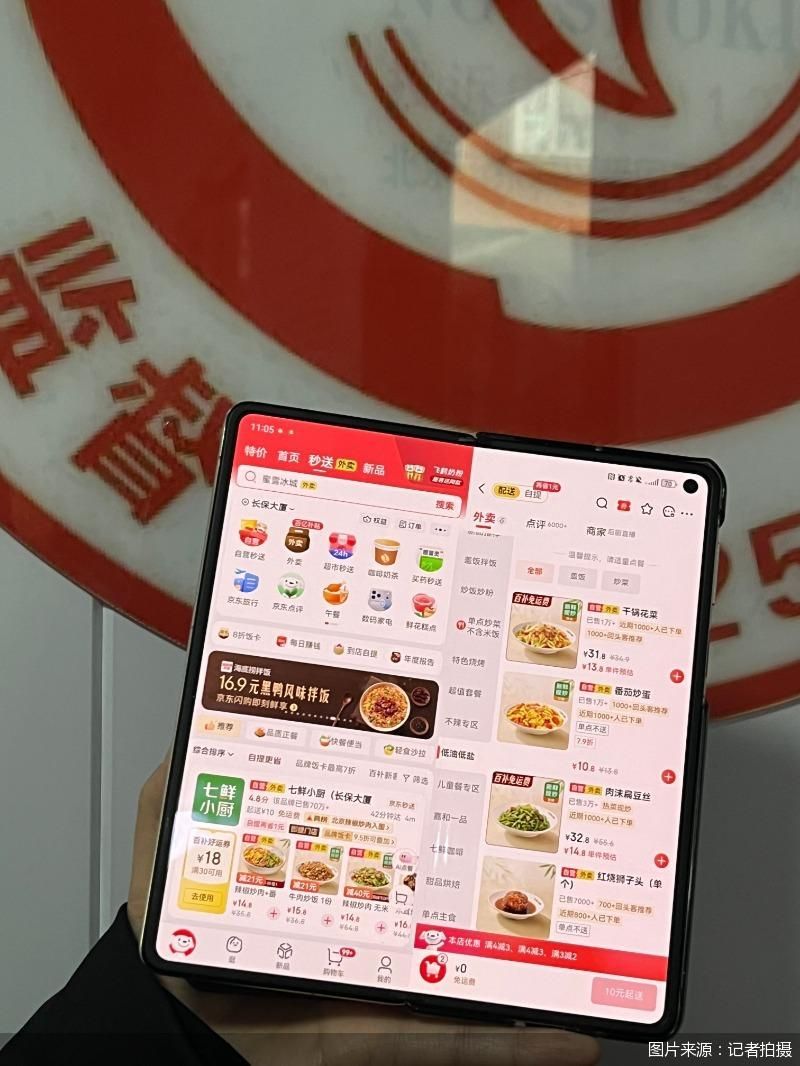
从养老助餐到医养结合 北京出台首部基础性综合性养老服务法规
Bei Jing Shang Bao· 2026-01-29 14:45
Core Viewpoint - Beijing's elderly care services are entering a new phase of legalization, systematization, and standardization with the approval of the "Beijing Elderly Care Service Regulations," which aims to address the pressing needs of the elderly population [1][4]. Group 1: Legislative Framework - The regulations focus on meeting the diverse needs of elderly care by leveraging the roles of government, society, market, and families to address the pain points in the current elderly care sector [2]. - The regulations provide solutions to four major issues in Beijing's elderly care services, including the lack of facilities in old residential areas and the need for transformation of existing facilities [2]. Group 2: Community and Home-Based Care - The regulations establish a three-tier elderly care service network at the district, street, and community levels, ensuring that elderly individuals can access professional and inclusive services close to home [3]. - During the "14th Five-Year Plan" period, Beijing plans to build an additional 100 regional elderly care service centers to enhance home-based care capabilities [3]. Group 3: Meal Services - The "Qixian Xiaochu" meal service in Dongcheng District exemplifies the implementation of the regulations, providing convenient meal delivery options for the elderly, including specialized dietary menus [5][6]. - Since January 1, 2025, over 70,000 elderly individuals have benefited from meal assistance services in the Dongcheng area, with plans to further improve meal options and attract more quality service providers [6]. Group 4: Medical and Elderly Care Integration - The "Happiness Nursing Home" serves as a model for integrating medical and elderly care, offering comprehensive services for elderly individuals with disabilities and chronic conditions [7][8]. - The nursing home has a bed occupancy rate of 99% and provides a "five-bed linkage" service model, ensuring a full-cycle care approach for elderly patients [8]. Group 5: Future Directions - The regulations aim to upgrade Beijing's elderly care services from basic guarantees to high-quality offerings, with a focus on multi-channel promotion, policy development, and inter-departmental collaboration to ensure effective implementation [9].
从养老助餐到医养结合,北京出台首部基础性综合性养老服务法规
Bei Jing Shang Bao· 2026-01-29 11:48
Core Viewpoint - Beijing's elderly care services are entering a new phase of legalization, systematization, and standardization with the approval of the "Beijing Elderly Care Service Regulations," which aims to address the pressing needs of the elderly population and establish a sustainable care system [1][4]. Group 1: Legislative Framework - The regulations focus on meeting the diverse needs of elderly care by leveraging the roles of government, society, market, and families to address key challenges in the sector [2]. - Specific solutions are provided for four major issues in elderly care, including the lack of facilities in old neighborhoods and the transformation of existing facilities into care centers [2]. Group 2: Community and Home-Based Care - The regulations establish a three-tier elderly care service network at the district, street, and community levels, ensuring that elderly individuals can access professional and inclusive services close to home [3]. - Plans are in place to build 100 regional elderly care service centers during the "14th Five-Year Plan" period to enhance the capabilities of home-based care [3]. Group 3: Specialized Care for Disabled and Dementia Patients - The regulations support the establishment of specialized institutions for dementia care and promote training for caregivers, aiming to strengthen the workforce in this area [3]. - The integration of medical and elderly care services is emphasized, with provisions for eligible care institutions to set up clinics and medical facilities, thereby improving service levels [3]. Group 4: Practical Implementation - The "Qixian Xiaochu" in Dongcheng District exemplifies the implementation of the regulations, providing online meal services for the elderly, which has improved accessibility and convenience [5][8]. - The service model includes a focus on dietary needs, with options for low-salt and low-oil meals, and the use of volunteers to assist those who may struggle with technology [5][7]. Group 5: Medical Integration - The "Happiness Nursing Home" serves as a model for medical and elderly care integration, offering comprehensive services for disabled and elderly patients, with a high occupancy rate and a significant proportion of residents requiring medical care [9][11]. - The facility has developed a "five-bed linkage" service model, ensuring a seamless care experience for residents, including on-site medical consultations [11]. Group 6: Future Directions - Future plans for the nursing home include creating specialized areas for cognitive assessment and care, aiming to provide a complete service loop from assessment to rehabilitation [12]. - The implementation of the regulations will be supported by multi-channel promotion, policy development, and inter-departmental collaboration to ensure effective execution and benefits for all elderly individuals [12].
2026北京两会|构建三级网络、激活市场、专业化培养人才 《北京市养老服务条例》将于7月1日起实施
Bei Jing Shang Bao· 2026-01-29 08:55
1月29日,北京市十六届人大四次会议表决通过了《北京市养老服务条例》(以下简称《条例》),将于2026年7月1日起施行。《条例》共九章七十七条, 内容丰富,涵盖了养老服务的全流程、各环节,构建了本市养老服务总体制度框架。《条例》的制定,系统总结了三级养老服务网络建设、"老老人"服务保 障等经验做法的重要举措,标志着首都养老服务进入法治化、规范化、系统化发展的新阶段。 佟立志透露,目前,全市已有13个区级指导中心,另外3个区今年上半年全部投入使用;同时,全市已建成155家街乡镇服务中心,"十五五"期间将再建100 家;此外,全市累计建成运营社区养老服务驿站1540家。 鼓励多元化市场主体 在完善服务网络的基础上,《条例》进一步通过政策引导,激发市场活力,鼓励多元主体参与养老服务供给。据了解,《条例》将有力推动存量资源盘活, 拓展服务空间。 《条例》进一步明确,本市推行建设用地功能混合使用,鼓励养老服务、医疗卫生等公共服务设施综合设置,推动空间资源配置与实际功能需求相适应。养 老机构、养老服务中心、养老服务站可以按照建设用地功能混合使用的有关规定,为护理站等医疗卫生机构入驻提供场地。 同时,《条例》显示,本市国有 ...

《北京市养老服务条例》审议通过 在北京养老将发生什么改变?
Zhong Guo Xin Wen Wang· 2026-01-29 08:42
从居家养老到机构养老,在北京养老将发生什么改变?哪些老年人生活中的"关键小事"将得到改善?养 老服务中将出现什么"新角色"? 养老服务进入法治化发展新阶段 《北京市养老服务条例》审议通过 在北京养老将发生什么改变? 中新网北京1月29日电(记者 徐婧)1月29日,《北京市养老服务条例》(简称"条例")经北京市第十六届人 民代表大会第四次会议表决通过。记者从北京市民政局获悉,条例以让老年人舒心、安心、放心为目 标,创新构建分级分类、普惠可及、覆盖城乡、持续发展的养老服务体系。 条例创新支持政策,打破医养融合用地壁垒。推行"养办医、医办养"双轨发展模式,支持有条件的养老 机构内设医疗机构,将符合条件的养老机构及其内设医疗机构等纳入基本医疗保险、长期护理保险等支 持范围。让老人不用在养老院和医院之间来回跑,看病、照护一步到位。 据北京市民政局介绍,截至2024年底,北京市60岁及以上常住老年人达514万人,首次突破500万大关, 占常住总人口的23.5%。预计未来十年平均每年老年人口占比增加约1个百分点,到"十六五"初期占比将 超过30%,进入重度老龄化社会。随着北京人口老龄化进程加速,高龄、失能失智老年人照护需求 ...

三部门发布18条举措升级养老服务保障
Chang Jiang Shang Bao· 2026-01-29 06:35
聚焦"成本能降尽降",《若干措施》从规划源头到供地环节多管齐下,构建低成本用地政策体系。规划 层面,明确养老专项规划纳入国土空间详细规划和"一张图"管理,推广土地混合开发与空间复合利用, 允许非独立占地养老设施与其他建筑兼容建设,从根本上削减单独占地成本。供地层面,对非营利性养 老机构用地应保尽保、依法划拨,免除土地出让金;对营利性养老用地全面推行长期租赁、先租后让等 灵活模式,土地出让金可分2年缴清,同时支持地方在不低于协议出让最低价的前提下,合理确定经营 性养老用地出让底价,切实缓解企业初期资金压力。 聚焦"存量能用尽用",《若干措施》打破城乡存量资源盘活壁垒,让"沉睡"空间变身养老服务"主阵 地"。城镇区域,明确老旧小区周边边角地、夹心地等零星土地可改造增设养老及医养结合设施,存量 空间转型后五年内可按原用途使用且不增收土地价款,同时简化规划调整流程,明确调整条件、时限和 材料清单,支持非营利性养老设施依法依规调整容积率、建筑高度;在农村区域,优先利用闲置集体建 设用地建设养老设施,符合条件的集体经营性建设用地可通过出让、出租等方式用于养老项目建设。 聚焦"政策能落地实施",《若干措施》以系统化协同举措 ...