
居民服务

Search documents
京津冀同步启动有奖发票试点
Bei Jing Shang Bao· 2026-02-10 14:32
据介绍,本次京津冀有奖发票试点活动持续至2026年7月底,活动覆盖零售、餐饮、住宿、文化艺术、 娱乐、旅游、体育、居民服务八大民生行业。个人消费者取得由属地经营主体开具的单张金额100元及 以上(含税)的实名制全面数字化电子普通发票即可参与抽奖,单张发票最高可赢800元电子红包,实 现全民消费可参与。消费者只需通过属地确定渠道上传或录入符合条件的电子发票即可实时参与抽奖。 此次京津冀同步启动有奖发票试点活动,是区域消费协同发展的重要举措,既通过发票抽奖的形式鼓励 消费者主动索取发票,进一步规范市场经营秩序,营造诚信经营的消费环境,又以普惠性补贴撬动消费 需求,激发春节消费旺季及后续消费市场的活力。此次试点活动也将为京津冀消费市场一体化发展积累 经验,后续三地还将持续联动推出更多促消费举措,不断释放区域消费潜力,为京津冀经济高质量发展 注入强劲消费动能。 北京商报讯(记者 刘卓澜)为进一步激发消费需求、释放区域消费活力,京津冀三地同步启动有奖发 票试点活动。2月10日,北京商报记者从北京市商务局获悉,2月11日,京津冀三地联袂推出有奖发票惠 民活动,助力春节及后续消费市场持续回暖。 ...
京津冀将同步启动有奖发票试点活动 亿元补贴撬动区域消费新活力
Xin Lang Cai Jing· 2026-02-10 11:50
此次京津冀同步启动有奖发票试点活动,是区域消费协同发展的重要举措,既通过发票抽奖的形式鼓励 消费者主动索取发票,进一步规范市场经营秩序,营造诚信经营的消费环境,又以普惠性补贴撬动消费 需求,激发春节消费旺季及后续消费市场的活力,让消费者在消费中享受额外福利,让商户在消费回暖 中获得更多经营收益。 三地将通过商务部门官方网站及合作渠道及时发布活动最新动态与细则调整信息,保障消费者的知情权 与参与权。此次试点活动也将为京津冀消费市场一体化发展积累经验,后续三地还将持续联动推出更多 促消费举措,不断释放区域消费潜力,为京津冀经济高质量发展注入强劲消费动能。(完) 本次京津冀有奖发票试点活动持续至2026年7月底,活动覆盖与百姓衣食住行密切相关的零售、餐饮、 住宿、文化艺术、娱乐、旅游、体育、居民服务八大民生行业。个人消费者取得由属地经营主体开具的 单张金额100元及以上(含税)的实名制全面数字化电子普通发票即可参与抽奖,单张发票最高可赢800元 电子红包,实现全民消费可参与。 此次试点活动获得中央财政资金支持,三地结合实际制定亿元级实施方案,让利于民、助商惠民,形成 区域协同效应,让消费者享受同等便捷的参与体验。消 ...
覆盖八大行业消费 最高800元 北京有奖发票即将启幕
Bei Jing Shang Bao· 2026-02-10 03:11
据介绍,自2月11日起至7月底,个人消费者可通过银联云闪付、支付宝、微信支付、京东支付、抖音支 付等渠道的"有奖发票"页面或小程序,上传或录入发票信息授权参与。活动设置五大奖项,特等奖800 元、一等奖200元、二等奖100元、三等奖50元、鼓励奖10元。发票进入奖池后即时反馈预中奖信息,奖 金以电子红包形式在10个工作日内兑付至参与渠道的个人支付账户。 北京商报讯(记者 刘卓澜)为进一步激发消费活力,北京市将于春节前启动有奖发票活动。2月10日, 北京市商务局发布内容显示,个人消费者在零售、餐饮、住宿、文化艺术、娱乐、旅游、体育、居民服 务等八大行业消费,取得由在京经营主体开具的100元(含)以上的实名制数电普票即可参与抽奖,最 高可赢800元电子红包。 ...
2月10日起,烟台将在购物餐饮领域发放1500万元惠民消费券
Qi Lu Wan Bao· 2026-02-10 02:24
齐鲁晚报.齐鲁壹点闫丽君 2月8日,烟台市出台《2026年春节期间暖心惠民稳工稳产十条措施》。在暖心惠民促消费方面,第一项 举措是开展迎新春促消费活动。 该举措明确,春节期间将举办折扣让利、特卖专场、体验消费等促销活动124场,2月10日(小年)至2月 23日(初七)在购物、餐饮领域发放1500万元惠民消费券;同时在零售、餐饮、住宿、文艺、娱乐、旅 游、体育、居民服务等领域投入补贴资金4000万元,开展有奖发票活动,票面额度超100元的发票可参 与抽奖,单张发票奖金最高800元。该措施自印发之日起施行,有效期至2026年2月28日。 值得一提的是,近日,烟台市成功入选全国拟开展有奖发票试点城市名单。试点为期6个月,聚焦零 售、餐饮、住宿、文化艺术、娱乐、旅游、体育、居民服务等八大与民生息息相关的消费领域,精准覆 盖市民高频消费场景。在此期间,个人消费者在烟台市范围内合法合规经营的商家进行消费,单张发票 金额满100元及以上,并取得符合要求的全面数字化电子发票(简称"全电发票"),即可通过指定平台参 与抽奖。 消费者需注意:购买方信息必须填写个人真实姓名,且发票需以消费者本人名义开具,企业或单位抬头 发票无法参 ...
吃住行乐购,记得开发票 单张发票最高可中奖800元
Xin Lang Cai Jing· 2026-02-09 17:12
指定入口 为方便消费者参与,活动覆盖多数常用平台。消费者通过银联云闪付、支付宝、微信、京东、抖 音、"渝快办"等平台的指定入口,实名上传符合要求的数电发票,即可轻松参与抽奖。据介绍,首批上 线平台有银联云闪付、支付宝、抖音,后续各平台入口将陆续开通。 派奖方式 据悉,本次活动奖金总额高达3亿元,旨在通过高频、普惠的派奖方式,确保活动具有较高的中奖率。 尤其是今年春节长假期间,为激发消费者参与热情,将大幅提高中奖率,切实提升消费者参与感和获得 感。本次活动,现金红包部分共设置五个中奖等次,分别为:一等奖800元、二等奖200元、三等奖100 元、四等奖50元、五等奖10元。消费者按规定上传发票后,即可参与即时抽奖,当场便可获知是否中 奖,经过审核后,奖金以现金红包形式于7个工作日后兑付至上传发票平台的个人支付账户。每位消费 者每月通过单个平台入口上传发票数量不超过10张。 2月9日,记者从重庆市商务委获悉,重庆将于2026年2月12日至7月31日在全市范围内开展有奖发票活 动。活动设置现金红包、企业优惠券、实物大奖多重奖励,现金红包总金额达3亿元,个人消费者在指 定行业消费取得符合条件的数电发票即可参与。 参与 ...

2月10日至7月31日 太原开展有奖发票活动
Xin Lang Cai Jing· 2026-02-07 00:06
Group 1 - Taiyuan has been selected as a pilot city for the nationwide prize invoice program, which will run from February 10 to July 31, lasting a total of 172 days [1] - The program allows individual consumers in various sectors, including retail, dining, accommodation, cultural arts, tourism, entertainment, sports, and resident services, to participate without any residency restrictions [1] Group 2 - The prize invoice program combines "universality" and "incentivization," featuring three different lottery modes with multiple prize levels [2] - The first lottery mode is "instant draw," utilizing approximately 130 million yuan in central government funds, with daily draws offering fixed prizes of 8 yuan, 28 yuan, 58 yuan, 78 yuan, and 98 yuan over 172 periods [2] - The second lottery mode is "weekly fixed draw," using about 70 million yuan in central government funds, with weekly draws for all uploaded invoices from the previous week, offering fixed prizes of 18 yuan, 68 yuan, 188 yuan, 388 yuan, 588 yuan, and 800 yuan over 25 rounds [2] - The third lottery mode is "bi-weekly fixed draw," funded by 10 million yuan from the municipal government, with draws for all uploaded invoices, offering fixed prizes of 100,000 yuan, 50,000 yuan, and 10,000 yuan over 13 rounds, with the last round having reduced prize availability [2]
衢州有奖发票活动来了
Xin Lang Cai Jing· 2026-02-06 17:54
Core Viewpoint - The city of Quzhou has been selected as one of the 50 pilot cities for a prize invoice initiative aimed at boosting consumer spending and enhancing market regulation [1][2]. Group 1: Prize Invoice Program Details - The prize invoice program will run from February 10 to July 31, allowing consumers to participate by uploading electronic invoices from registered businesses in various sectors, including retail, dining, and tourism [1]. - Consumers can enter a lottery for each invoice of 100 yuan or more, with a maximum of 40 invoices per person per month, and each invoice can only be used once across all platforms [1][2]. Group 2: Prize Structure - The program features three types of prizes: instant cash prizes ranging from 5 to 99 yuan, monthly grand prizes with multiple tiers, and a final grand prize of 100,000 yuan for two winners at the end of the program [2]. - The special prize for promoting consumption in Quzhou will award 20,000 yuan (pre-tax) to 10 winners each month, with a total of six monthly draws planned [2]. Group 3: Regulatory Measures - Strict regulations will be enforced against fraudulent invoices, with penalties for individuals or businesses that attempt to participate in the lottery using fake or invalid invoices [2]. - Consumers are encouraged to report businesses that refuse to issue invoices, with the tax authority committed to addressing each complaint promptly [3]. Group 4: Economic Impact - The initiative is part of a broader strategy to stimulate consumer spending and improve market conditions, aligning with national policies aimed at boosting economic growth [3]. - The program is expected to enhance consumer confidence and increase spending frequency, thereby supporting the local economy [3].
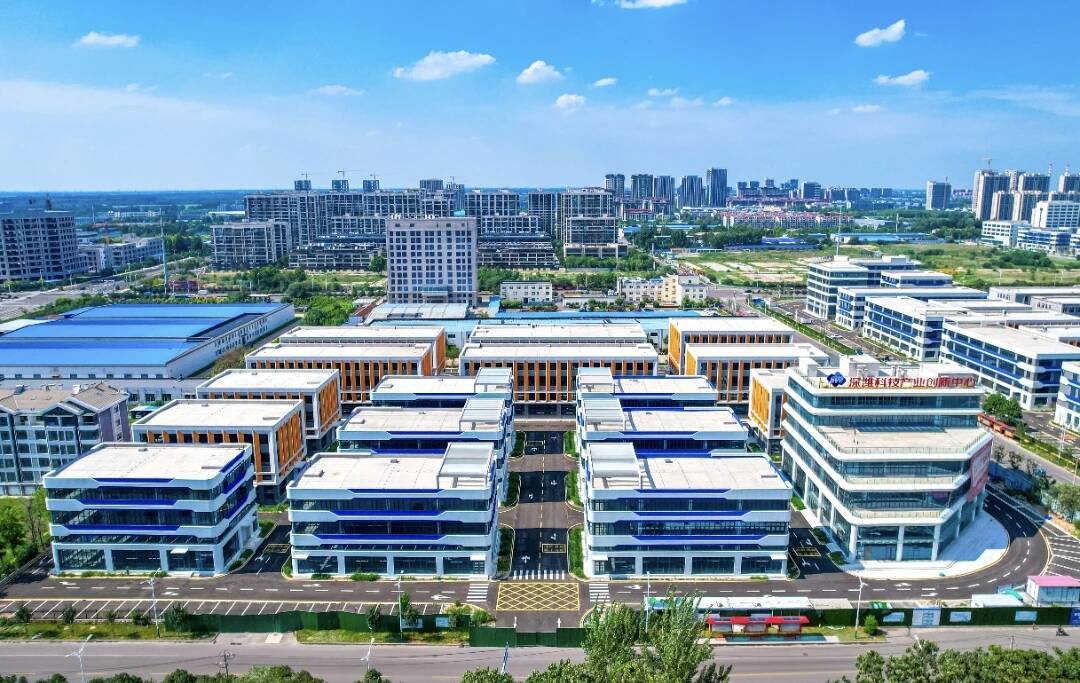
增速全市第一!潍坊经济开发区“四上”企业纳统交出亮眼答卷
Qi Lu Wan Bao· 2026-02-05 05:13
"四上"企业是区域经济发展的"压舱石"和"主力军",其培育质量直接关系经济发展活力与后劲。2025年,潍坊经济开发区聚焦企业升规纳统核心任务,以 优化服务为抓手、以协同联动为保障,推动"四上"企业培育工作取得突破性成效,全年新纳入"四上"企业41家,较2024年增加19家,同比增长86%,增速 位居全市第一,为区域经济高质量发展注入强劲动能。 锚定未来方向,持续赋能企业成长。为推动"四上"企业培育工作再上新台阶,潍坊经济开发区明确三大发力方向:实施梯度培育,加大制造业、高新技术 产业招商引资力度,鼓励工业企业剥离生产性服务业,深挖贸易业潜力,推动行业结构"多业并举";强化协同联动,深化部门数据共享,建立数据比对分 析机制,确保"准四上"企业培育库动态保有量不低于100家;提升服务水平,统计中心强化业务指导,行业部门与街道做好包靠服务,切实解决企业经营 难题,以优质营商环境推动企业应纳尽纳、应统尽统。 数据彰显实力,发展根基持续夯实。2025年年底,潍坊经济开发区"四上"企业在库总量达292家,较2021年年初的195家增加97家,增长49.7%,年均增长 率达8.4%,"十四五"期间实现跨越式增长。分领域看, ...

有奖发票”之意不仅仅在于“奖
Zheng Quan Ri Bao· 2026-02-04 16:13
■朱宝琛 在2026年春节期间,北京市将推出超过460项促消费活动,并首次推出覆盖五大行业的"有奖发票"活 动;自2026年2月10日至7月31日,大连市将开展"有奖发票"试点活动,活动覆盖大连市内零售、餐饮、 住宿、文化艺术、娱乐、旅游、体育、居民服务业所有商户。 消费是经济增长的重要引擎,是国内大循环的关键环节。在提振消费各项政策措施的共同作用下,我国 消费市场稳定增长,供给体系日益完善,消费结构优化升级。根据国家统计局数据,2025年,社会消费 品零售总额501202亿元,同比增长3.7%。 但也要看到,在一些民生消费领域仍存在一些短板,制约着消费潜力的持续释放。"有奖发票"活动通过 构建起"低门槛、广覆盖、强联动"的消费激励体系,打破了传统促消费政策的局限,成为释放消费潜力 的精准抓手。活动覆盖与老百姓"衣食住行"密切相关的全民生消费场景,可实现"全民可参与、消费即 有机会"的普惠效应,在让消费者通过消费赢彩头、添喜气、得实惠的同时,刺激潜在消费需求转化为 实际购买力。 因此,"有奖发票"活动撬动的不仅是短期消费数据的提升,更是消费生态的优化、消费信心的增强以及 消费潜力的释放。从长远看,"有奖发票" ...
春节促消费迎来政策大礼包!商务部等九单位:开展有奖发票,加大春节期间奖金投放力度
Mei Ri Jing Ji Xin Wen· 2026-02-02 16:30
距离2026年春节假期只剩2周左右时间,春节促消费迎来了重磅利好! 《每日经济新闻》记者梳理发现,去年末,财政部、商务部、国家税务总局对外发布通知称,为进一步 激发消费需求,释放消费潜力,三部门将支持50个左右城市开展有奖发票试点工作,政策实施期为6个 月。 2月2日,据商务部官网消息,近日,商务部等9单位印发了《2026"乐购新春"春节特别活动方案》的通 知(以下简称活动方案),活动时间从2月15日至23日。 通知称,试点城市对个人消费者以本人名义向零售、餐饮、住宿、文化艺术、娱乐、旅游、体育、居民 服务业等行业的经营主体购买商品和服务,且取得的票面金额在一定额度以上的发票组织抽奖。 值得关注的是,活动方案包含好吃、好住、好行、好游、好购、好玩六个部分,聚焦与老百姓生活息息 相关的中华美食、交通出行、旅游消费、文艺展演等多方面组织丰富多彩的活动。并从以旧换新、金融 支持、跨界融合等方面推出系列支持举措。 中国消费经济学会副理事长、北京工商大学商业经济研究所所长洪涛接受《每日经济新闻》记者电话采 访时表示,首先,与往年相比,2026年春节假期时间更长,人们有更加充裕的时间规划旅游出行,更好 满足人们吃穿住行等 ...