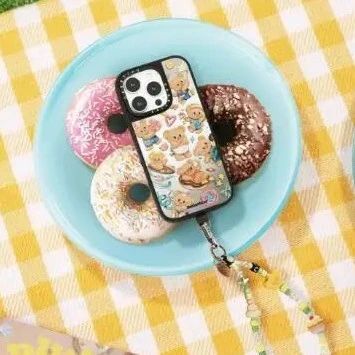
手机配件

Search documents
果然有财|手机贴膜是暴利行业吗?曲面屏手机贴个膜咋那么贵
Qi Lu Wan Bao· 2025-11-14 11:25
Core Insights - The mobile phone screen protector market in China is expected to grow significantly, with projections indicating an increase from 21.7 billion yuan in 2025 to 34.8 billion yuan by 2030, reflecting a robust demand driven by over 1.1 billion mobile internet users in the country [1] Industry Overview - The mobile phone screen protector has evolved from a simple protective accessory to a product that combines functionality and consumer appeal, becoming a necessity in the market [1]


10个中东「土豪」,8个爱中国手机壳
36氪· 2025-09-08 00:08
Core Viewpoint - The article discusses the booming market for Chinese mobile phone cases in the Middle East, highlighting the shift from a saturated domestic market to lucrative overseas opportunities, particularly in regions with high consumer demand and limited local production capabilities [4][24][44]. Group 1: Market Dynamics - The mobile phone case market in China is highly competitive, often referred to as a "red ocean" with numerous styles and options available [6][21]. - In contrast, basic mobile phone cases that are commonplace in China can fetch high prices in the Middle East, with some selling for up to 85 dirhams (approximately 167 RMB) [8][13]. - The demand for mobile phone cases in the Middle East is driven by a wealthy consumer base that values unique and luxurious designs, leading to a significant market gap that Chinese manufacturers are filling [24][35][44]. Group 2: Business Strategies - Chinese brands are leveraging their established supply chains to produce high-quality, innovative mobile phone cases tailored to Middle Eastern tastes, often incorporating luxurious materials and designs [25][26][30]. - Successful companies like Tulas focus on product innovation and brand building rather than merely reselling products, achieving high profit margins and brand recognition [31][34]. - The average profit margin for mobile phone cases is around 30%-40%, with some brands achieving margins as high as 54.67% [34][35]. Group 3: Cultural Adaptation - Middle Eastern consumers have a strong preference for vibrant colors and intricate designs, which aligns well with the bold aesthetics of many Chinese mobile phone cases [38][60]. - Brands that successfully adapt their designs to reflect local cultural symbols and preferences, such as using Arabic calligraphy or traditional geometric patterns, are more likely to succeed in the market [60][63]. - The article emphasizes the importance of understanding cultural nuances in design to create products that resonate with local consumers, moving beyond simple aesthetic changes to deeper cultural integration [60][63]. Group 4: Future Outlook - The mobile phone case market is projected to grow significantly, with estimates suggesting it could exceed 120 billion RMB by 2030, alongside other personal tech accessories [64][65]. - The shift from low-cost manufacturing to brand-driven strategies represents a significant evolution in how Chinese companies approach international markets, focusing on sustainable growth rather than short-term profits [66].
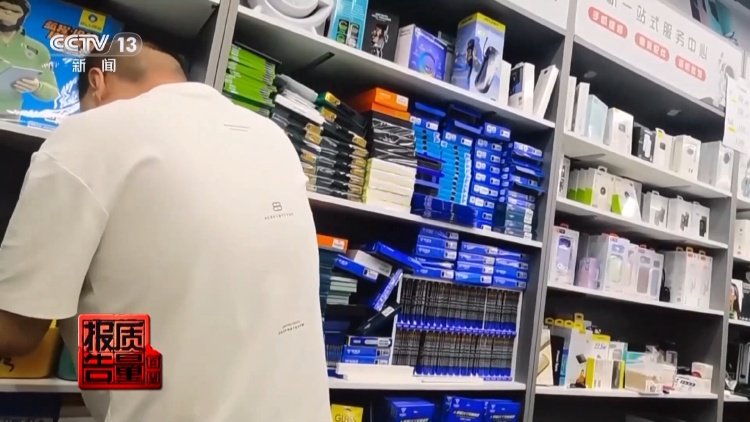
“防蓝光”手机膜真有效吗?记者调查揭开真相:个别的效果等于保鲜膜
Yang Shi Xin Wen· 2025-09-01 02:46
Core Viewpoint - The effectiveness of "blue light blocking" phone screen protectors is questioned, as many products do not meet the claims made by sellers, with some offering minimal to no blue light protection [1][17][21]. Group 1: Market Overview - Many online and offline retailers promote phone screen protectors with claims of "99% blue light blocking" and other eye protection features [4][6]. - A variety of products were purchased for testing, with prices ranging from 9.8 yuan to 140 yuan, all claiming to have blue light blocking capabilities [7]. Group 2: Product Testing Results - Testing revealed that some products had blue light blocking rates as low as 0.1% to 16.4%, with only a few achieving rates between 40% and 50% [12]. - A specific product tested showed a blue light blocking rate of 42.2% and a light transmittance of 91.2% [11]. Group 3: Expert Insights - Experts indicate that many products do not effectively block blue light, with some performing similarly to household plastic wrap [14][16]. - The effectiveness of blue light blocking is not solely determined by the blocking rate but also depends on the intensity of the light source from the device itself [19][20]. Group 4: Industry Standards and Consumer Misleading - There are currently no mandatory national standards for blue light blocking phone protectors, leading to confusion and misleading claims by some sellers [11][26]. - The industry lacks strict standards, resulting in some sellers misrepresenting ordinary screen protectors as "blue light blocking" products [26][28]. Group 5: Health Implications - Prolonged exposure to high-energy blue light can potentially harm eye health, contributing to eye fatigue and possibly affecting retinal health [29][31]. - Experts recommend managing screen time effectively to mitigate potential eye strain, emphasizing the importance of breaks during prolonged use [33].
500块的手机壳,谁在买单?
36氪· 2025-08-13 10:22
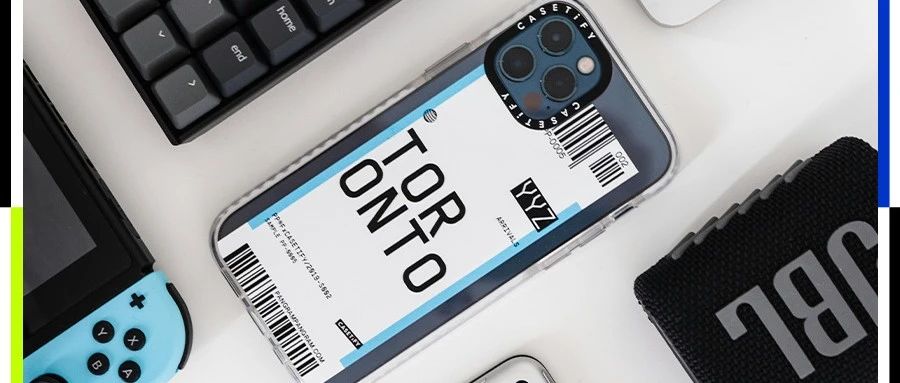
Core Viewpoint - The article discusses the rise of CASETiFY as a high-end mobile phone case brand, exploring its marketing strategies, product quality concerns, and the broader implications for the mobile accessories market. It questions whether the brand represents a genuine consumer upgrade or merely capitalizes on consumer psychology [4][15]. Group 1: CASETiFY's Business Model and Growth - CASETiFY, founded by designer Wu Peishen, started as a custom phone case app and has grown to achieve annual sales exceeding $120 million, with a target of $3 billion by 2025 [4][14]. - The brand positions itself in the high-end market, with prices starting at around 400 RMB, leveraging celebrity endorsements and strong marketing to create a cultural identity [5][14]. - In 2022, CASETiFY reported revenues of 2.1 billion RMB, selling 15 million phone cases, and aims for 3.6 billion RMB in sales by 2024 [14][15]. Group 2: Consumer Perception and Quality Concerns - Consumers are drawn to CASETiFY products for their perceived quality and emotional value, often associating them with social status and celebrity culture [14][30]. - However, there are growing concerns about declining product quality, with some users reporting issues such as rapid wear and tear, despite the brand's emphasis on high-quality materials and rigorous testing [6][10][18]. - The price increase from an average of 300 RMB to around 500 RMB has led to skepticism about whether the products justify their cost [10][14]. Group 3: Competitive Landscape and Market Trends - The global phone case market is expected to exceed 100 billion RMB by 2029, with several brands emerging that focus on high-end design and materials, such as Wildflower and PopSockets [28][29]. - CASETiFY faces competition not only from premium brands but also from low-cost imitations, which challenge its market position and pricing strategy [34][35]. - The article highlights the need for CASETiFY to establish a compelling reason for consumers to pay a premium, as many still question the value of high-priced phone cases [26][34].
500块的手机壳,谁在买单?
创业邦· 2025-08-12 11:18
Core Viewpoint - CASETiFY aims to tap into a $3 billion market by 2025, having achieved significant growth since its inception, with a sales target of $3 billion by 2025 and a revenue of $120 million in 2021 [6][14]. Group 1: Company Overview - Founded by designer Wu Peishen in 2011, CASETiFY started as an app for custom phone cases and has evolved into a brand specializing in high-end mobile accessories [6][7]. - The brand's sales have consistently grown, with annual sales exceeding 3 million phone cases and maintaining profitability since its establishment [6][14]. - In 2021, CASETiFY's revenue reached $120 million (approximately 850 million RMB), and it secured several million dollars in Series A funding [6]. Group 2: Product Positioning - CASETiFY differentiates itself with a high-end positioning, with phone cases starting at over 400 RMB and some products priced above 700 RMB [7]. - The brand leverages celebrity endorsements and strong marketing strategies to create a cultural identity and trendiness around its products [7][25]. Group 3: Consumer Insights - Consumers are drawn to CASETiFY products for their perceived quality and emotional value, often associating them with social status and celebrity culture [10][14]. - The brand has cultivated a loyal customer base, with many consumers willing to pay premium prices for the perceived benefits of durability and aesthetics [10][14]. Group 4: Market Dynamics - The global phone case market is projected to exceed 100 billion RMB by 2029, indicating significant growth potential [28]. - CASETiFY faces competition from other high-end brands and a growing market for lower-priced alternatives, which challenges its pricing strategy [28][30]. Group 5: Cost Structure and Marketing - The brand emphasizes high-quality materials and innovative designs, claiming to use proprietary materials that enhance durability [18][20]. - CASETiFY's marketing strategy includes collaborations with celebrities and artists, which has been crucial for its brand visibility and consumer engagement [25][26]. Group 6: Challenges and Future Outlook - There are concerns regarding product quality and the sustainability of its high pricing strategy, especially in a market where cheaper alternatives are readily available [8][35]. - The brand's ability to maintain its premium positioning amidst rising competition and consumer skepticism about high prices will be critical for its long-term success [35][36].
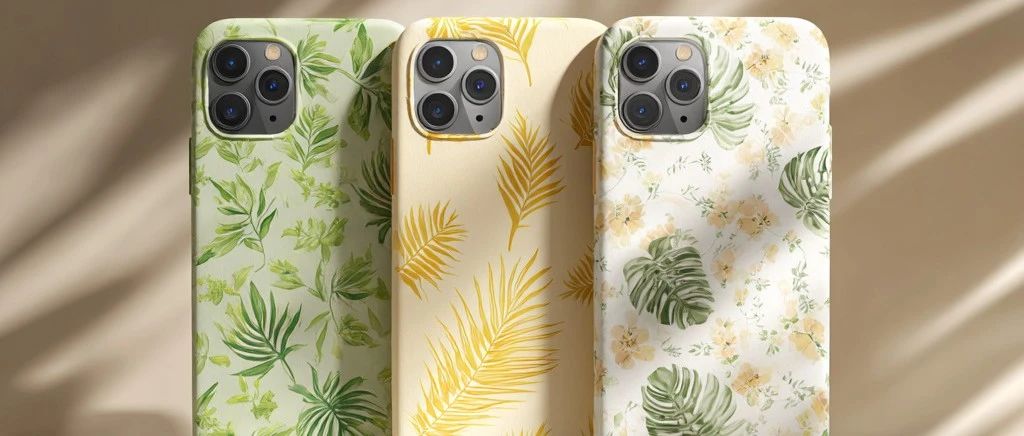
500块的手机壳,谁在买单?
3 6 Ke· 2025-08-12 01:02
Core Insights - CASETiFY aims to capture a $10 billion market by 2025, having evolved from a custom phone case app to a brand with over $120 million in sales in 2021 [2][10] - The brand's strategy focuses on high pricing and strong marketing, with phone cases starting at over 400 yuan and some reaching 700 yuan [2][10] - Despite its success, CASETiFY faces criticism regarding quality decline and excessive marketing, raising questions about the sustainability of its high-end positioning [3][4][23] Company Overview - Founded by designer Wu Peishen in 2011, CASETiFY started as Casetagram, allowing users to customize phone cases with Instagram photos [2] - The brand rebranded in 2014 and has since maintained a growth trajectory, selling over 3 million cases annually and achieving profitability [2][10] - In 2021, CASETiFY secured several million dollars in Series A funding and entered Tmall, achieving over 1 million yuan in sales on its opening day [2][10] Market Positioning - CASETiFY differentiates itself through high-end materials and innovative designs, claiming to use proprietary materials that enhance durability [12][13] - The brand has expanded its product line to over 300,000 SKUs, including collaborations with artists and celebrities, which has contributed to its market appeal [13][18] - The global phone case market is projected to exceed 100 billion yuan by 2029, indicating significant growth potential for high-end brands like CASETiFY [19] Consumer Insights - CASETiFY's customer base includes "fans" who purchase products for their emotional value and social status, often influenced by celebrity endorsements [10][22] - The brand's pricing strategy has led to a perception of exclusivity, but it also faces competition from lower-priced alternatives, including counterfeit products [24] - Consumers express mixed feelings about the quality of CASETiFY products, with some noting a decline in quality despite rising prices [5][9][24] Marketing Strategy - CASETiFY's marketing heavily relies on celebrity endorsements and collaborations, which have been pivotal in establishing its brand identity [16][18] - The brand utilizes data-driven marketing strategies to tailor its offerings to consumer preferences, enhancing its appeal [18] - However, high marketing expenditures have raised concerns about the authenticity of its product value, leading to skepticism among consumers [18][23] Competitive Landscape - CASETiFY is not alone in the high-end phone case market; other brands like Wildflower and PopSockets are also targeting premium segments with unique designs and materials [19][20] - The competitive environment includes established brands like Apple and Huawei, which are enhancing their accessory offerings to capture market share [19] - The proliferation of counterfeit products poses a significant challenge, as consumers often opt for cheaper alternatives, questioning the value of premium-priced cases [24]
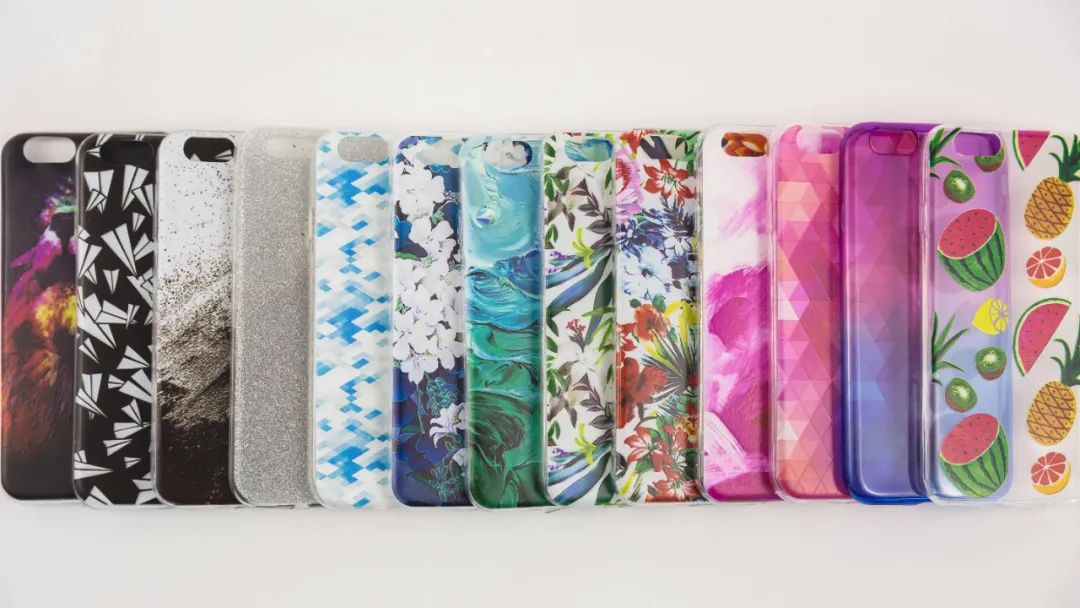
注意!使用这类手机壳,等于天天拿着“毒源”在手上→
新华网财经· 2025-07-11 08:17
Core Viewpoint - The article highlights the health risks associated with low-quality mobile phone cases, which often contain harmful substances due to the use of recycled materials and substandard production practices [1][3][4]. Group 1: Consumer Concerns - Many consumers report strong plastic odors from cheap mobile phone cases, which can become more pronounced when the phone heats up [2][3]. - A significant number of reviews on low-cost phone cases indicate persistent unpleasant smells even after prolonged use [2][10]. Group 2: Industry Practices - The mobile phone case industry has low entry barriers, allowing many small workshops to produce cases using recycled plastics and industrial-grade dyes, often violating safety standards [3][4]. - Some manufacturers may use medical waste and electronic garbage, leading to the presence of toxic substances like phthalates, polycyclic aromatic hydrocarbons, and heavy metals in the products [4][6]. Group 3: Health Risks - Prolonged exposure to harmful substances in low-quality phone cases can lead to serious health issues, including cancer risks from polycyclic aromatic hydrocarbons and chronic poisoning from formaldehyde and benzene [6][11]. - Specific health risks include developmental abnormalities in children, respiratory issues, and reproductive health problems in adults [7][10]. Group 4: Quality Assessment - A quality assessment by the Zhejiang Provincial Market Supervision Administration found that some low-priced phone cases had lead content exceeding national safety standards by 30 times [10]. - The article emphasizes the lack of mandatory certification for mobile phone cases, allowing many "three-no" products (no manufacturer name, no quality inspection, no standards) to flood the market [13][22]. Group 5: Purchasing Recommendations - Consumers are advised to choose phone cases made from liquid silicone or TPU, which typically do not emit odors and have a soft yet durable feel [14][17]. - It is recommended to look for products with 3C certification and compliance with national standards, ensuring safety and quality [17][18]. - Consumers should avoid flashy and cheap phone cases, as they may conceal health risks, and consider regular replacement of cases to mitigate potential hazards [19][21].
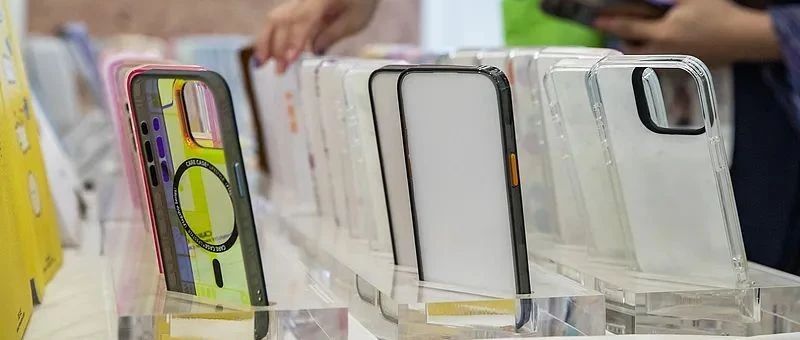
从生产车间到贸易港口,面对关税挑战的中国外贸人底气从何而来?
Yang Shi Xin Wen Ke Hu Duan· 2025-05-07 08:32
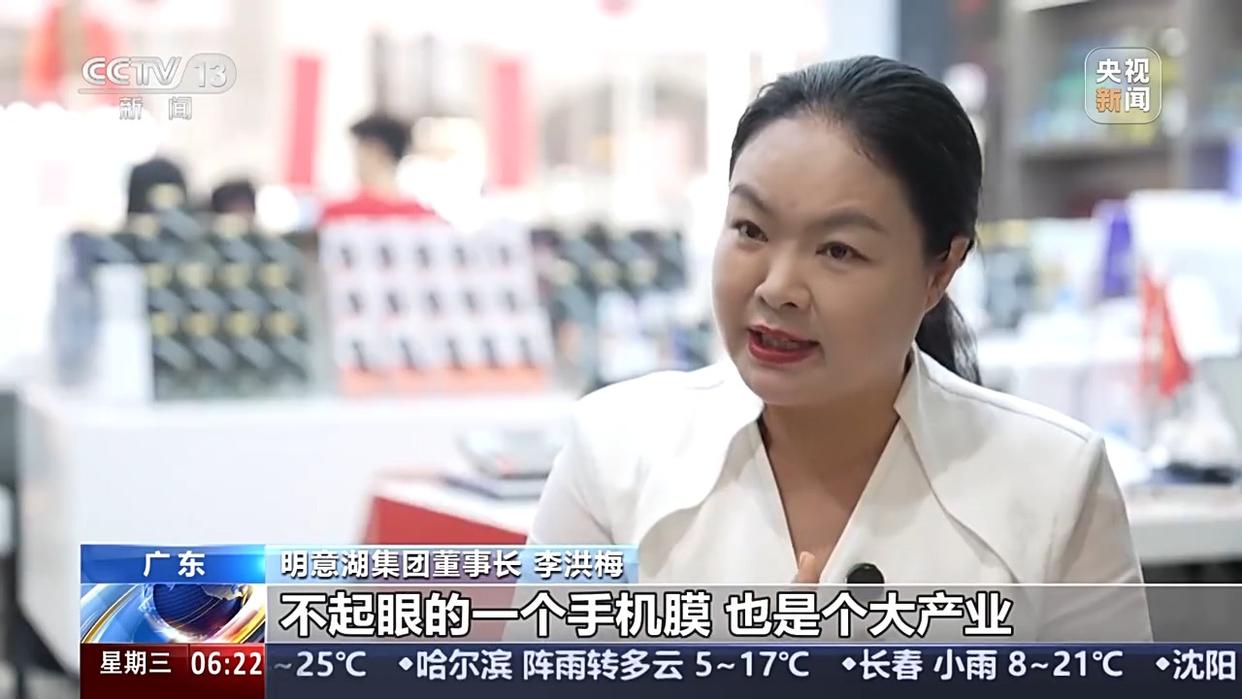
Core Viewpoint - The 137th Canton Fair showcased China's economic resilience and the confidence of Chinese enterprises amidst global trade disruptions caused by U.S. tariffs, with an intended export transaction volume of $25.44 billion [1]. Group 1: Company Insights - Li Hongmei, chairman of Mingyihu Group, highlighted the production and sales of 600 million mobile phone films annually, indicating a significant market presence [3]. - The mobile phone films produced cover hundreds of models, with production lines in Hunan adapting to market dynamics [5]. - Li's company has become a "national specialized and innovative small giant," supplying products to major Chinese smartphone brands like Huawei, Xiaomi, OPPO, and VIVO [5]. Group 2: Market Performance - Li's tempered glass film products hold a 30% share of the global market, with annual sales in the U.S. maintaining around 50 million units, peaking at 100 million units [7][18]. - The company completed transactions worth 12.65 million yuan during the Canton Fair, with new customer orders from five Central Asian countries on the way [18]. Group 3: Industry Challenges and Responses - Li expressed concerns about the impact of tariffs on employment and the manufacturing sector, emphasizing the need for innovation and resilience in the face of challenges [12][20]. - The South China Sea Port has been optimizing logistics and trade structures to mitigate the cost pressures from tariffs, with a reported 18% year-on-year increase in cargo volume expected in 2024 [30][36]. Group 4: Historical Context and Current Strategies - The historical context of customs and tariffs in China, particularly post-Opium War, serves as a reminder of the importance of trade sovereignty [25][28]. - The South China Sea Port's diverse logistics network aims to reduce reliance on single markets and enhance efficiency, which is crucial for navigating tariff impacts [41][45].
研判2025!中国手机配件行业产业链图谱、发展历程、细分市场现状、竞争格局、重点企业以及发展趋势分析:市场朝着多元化、个性化方向发展[图]
Chan Ye Xin Xi Wang· 2025-04-22 01:16
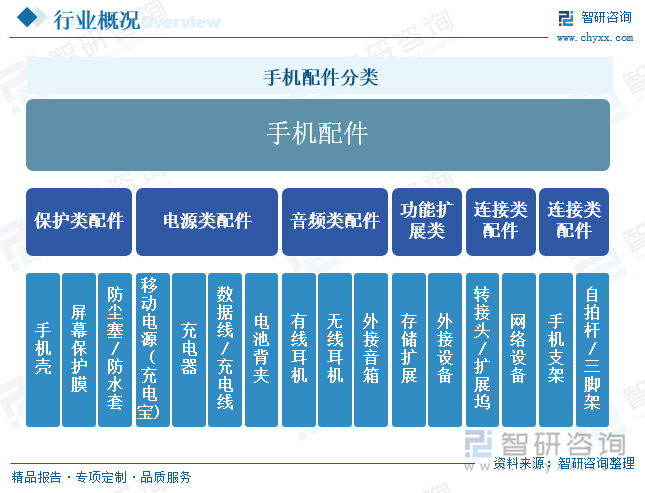
Core Insights - The mobile accessories industry in China has experienced rapid growth over the past few decades, with a market size of 597.17 billion yuan in 2023, reflecting a year-on-year increase of 7.01% [1][9] - The market is projected to reach approximately 639.55 billion yuan in 2024, indicating continued expansion [1] - The industry encompasses a wide range of products, including protective accessories (e.g., phone cases, screen protectors), power accessories (e.g., chargers, power banks), and functional accessories (e.g., headphones, Bluetooth devices) [1][10] Industry Definition and Classification - Mobile accessories are additional devices or components designed to enhance, extend, or protect the functionality of mobile phones, catering to diverse user needs in various scenarios [2] Industry Development History - The mobile accessories industry in China has evolved over two decades, transitioning from a rudimentary phase (2000-2007) focused on OEM/ODM production to a mature and innovative stage [7] - The industry saw explosive growth from 2008 to 2015 with the rise of smartphones, leading to the emergence of new product categories and the growth of online sales channels [7] - From 2016 to 2019, the market underwent a consolidation phase due to slowing smartphone growth, prompting companies to innovate and establish technological barriers [7] - Since 2020, the industry has been driven by 5G and AIoT technologies, leading to trends such as smart, scenario-based, high-end, and ecological accessories [7] Current Industry Analysis - The mobile accessories market in China is projected to reach 1,791.5 billion yuan in 2023, with a growth rate of 2.1% [9] - The market is expected to grow to approximately 1,854.5 billion yuan in 2024, driven by ongoing consumer demand for mobile device upgrades [10] Industry Chain Analysis - The mobile accessories industry chain includes upstream raw material suppliers, midstream manufacturers, and downstream sales channels, with a focus on quality control and brand management [4] - The industry also encompasses after-sales services, logistics, supply chain management, and financial services to enhance user experience and operational efficiency [4] Key Enterprises in the Industry - Major players include UGREEN Technology, JMOST Technology, and Baseus, each with distinct market strategies and product offerings [18][21] - UGREEN focuses on a comprehensive product line and global distribution, achieving a revenue of 4.803 billion yuan in 2023, a 25.09% increase year-on-year [19] - JMOST specializes in high-end phone cases with military-grade protection, reporting a revenue of 676 million yuan in 2023, a decrease of 5.93% [21] Future Development Trends - The market is experiencing segmentation and diversification, with varying consumer demands across different demographics [23] - Brand building and globalization are critical for enhancing competitiveness, as companies seek to expand their international presence [24] - Personalization and customization are emerging as significant trends, with consumers seeking unique products that reflect their individual styles [25]



手机壳卖到数千上万元,知名品牌遭质疑,母公司年收入一度突破3亿美元!周杰伦、权志龙、朴彩英等明星都用过……
新浪财经· 2025-03-23 01:17
Core Viewpoint - CASETiFY, known as the "Hermès of phone cases," is facing consumer backlash over perceived high profit margins and pricing strategies, sparked by a viral post on social media [2][7]. Company Overview - Founded in 2011, CASETiFY specializes in personalized phone cases and accessories, with prices ranging from 300 to over 10,000 yuan for limited editions [3][4]. - The company's revenue exceeded 300 million USD (approximately 2.17 billion yuan) in 2022, and there are plans for an IPO in the future [4][20]. Market Dynamics - The phone case industry is characterized by high demand and significant profit margins, with the concept of "lipstick effect" suggesting that consumers are willing to spend on non-essential items like phone cases [5][19]. - The global phone case market was valued at 99.91 billion yuan in 2022 and is projected to reach 129.068 billion yuan by 2028 [19]. Profit Margins - CASETiFY's pricing strategy has led to discussions about the profitability of phone cases, with some experts suggesting a net profit margin of around 30% is reasonable [19][17]. - Comparatively, other companies in the industry, such as Jiemite, reported gross margins for smartphone protective products ranging from 34.45% to 54.67% [13][15]. Consumer Sentiment - The recent controversy has led to consumer perceptions that high-priced phone cases are a "tax on intelligence," raising concerns about the sustainability of such pricing strategies [7][19]. - Experts note that while high prices can be justified by design and branding, the increasing costs may alienate consumers [19]. Competitive Landscape - The phone case market is not high-barrier to entry, with numerous counterfeit products available at significantly lower prices [8][9]. - CASETiFY's reliance on celebrity endorsements and collaborations has helped establish its premium brand image, but this also invites competition from cheaper alternatives [7][19]. Future Outlook - The demand for phone cases is expected to persist as they evolve from mere protective accessories to expressions of individuality and social status [20]. - Continuous innovation in design will be crucial for brands like CASETiFY to maintain relevance in a rapidly changing market [20].