文化旅游产业

Search documents
文化“活”在当下,烟火“融”入生活
Xin Lang Cai Jing· 2026-01-05 16:39
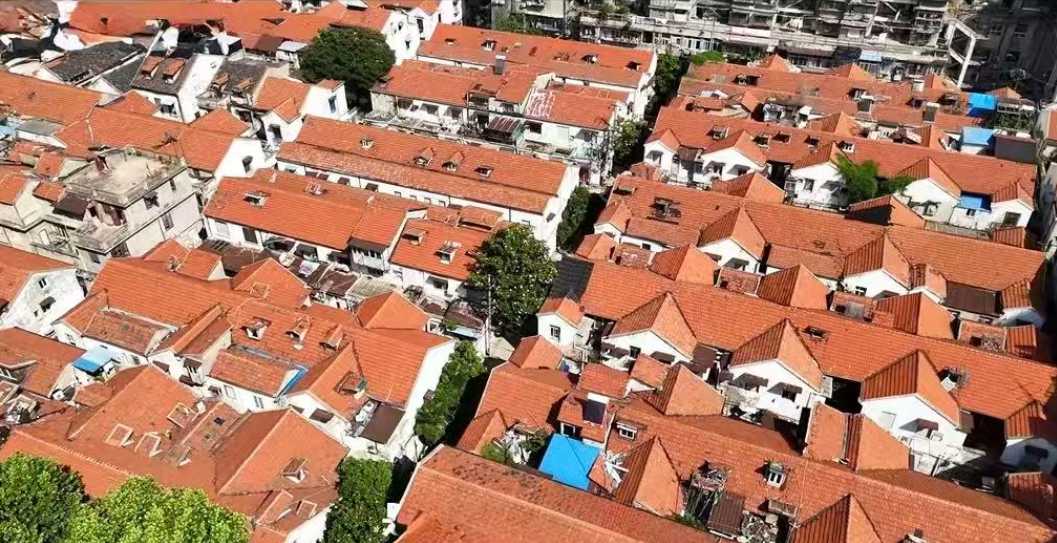
Core Viewpoint - The article highlights the historical and cultural significance of Jining as a central hub of the Grand Canal, emphasizing its role in connecting diverse cultures and facilitating economic development through the preservation and innovation of canal culture [2][4][8]. Group 1: Historical Significance - Jining's central position in the Grand Canal system is encapsulated in the saying, "If Jining is open, the whole river is open; if Jining is stagnant, the whole river is stagnant" [2]. - The River Governor's Office, as a historical management institution, played a crucial role in the governance of the canal, overseeing various operations including dredging and military affairs [3]. - The Grand Canal's historical importance is underscored by its transformation under Kublai Khan, which established Jining as a vital shipping hub, reducing travel distance by 900 kilometers [3]. Group 2: Cultural Integration - The essence of the Grand Canal is its ability to connect different regions and cultures, with Jining serving as a melting pot for Southern and Northern cultural exchanges [4]. - The preservation of traditional crafts, such as bamboo weaving in Zhuge Alley, reflects the deep cultural roots and the blending of Southern and Northern traditions [4]. - The Yutang Soy Sauce Factory exemplifies the cultural innovation stemming from canal trade, combining Southern and Northern culinary techniques [5]. Group 3: Modern Developments - Jining is actively promoting the integration of cultural heritage with economic development, aiming to transform the Grand Canal into a new artery for regional growth [7]. - The port of Jining has achieved significant milestones, with a cargo throughput of 106 million tons from January to November 2025, marking it as the first inland port in Northern China to reach this volume [7]. - The city is focused on enhancing its cultural tourism, with plans to develop the Grand Canal Cultural Tourism Belt and create a national-level leisure street [7]. Group 4: Community Engagement - Recent events, such as the "Cultural + Livelihood" New Year activity at the River Governor's Office Park, demonstrate Jining's commitment to making cultural heritage relevant and accessible to the public [8]. - The integration of cultural activities into daily life is seen as essential for the ongoing vitality of the Grand Canal's legacy, ensuring that it remains a living part of the community [8].


红色文化提升产业热度
Jing Ji Ri Bao· 2025-12-25 22:00
Core Viewpoint - The integration of red cultural resources with modern tourism in Jizhou District is driving high-quality development in the cultural tourism sector, with a focus on creating immersive educational experiences and expanding the cultural consumption market [1][2]. Group 1: Development of Red Cultural Tourism - Jizhou District has transformed historical revolutionary sites into interactive educational venues, utilizing technology such as VR and electronic maps to enhance visitor engagement [1]. - The district has implemented a comprehensive approach to red cultural tourism by restoring historical sites and creating a network of red landmarks, thereby solidifying the foundation for the transmission of red cultural heritage [1]. Group 2: Economic and Cultural Initiatives - The district provides annual risk guarantees ranging from 2 million to 23 million yuan for 19 cultural heritage sites, fostering a sustainable development environment for red cultural tourism [2]. - Jizhou District aims to cultivate a red cultural consumption market by establishing 34 "one school, one product" red schools and a collaborative mechanism between museums and schools, thereby expanding the reach of red education [2]. - Future plans include partnerships with local enterprises to develop cultural and creative products based on local cultural themes, enhancing the cultural creative industry [2].
全国第一!山东国家一二三级博物馆达189家
Da Zhong Ri Bao· 2025-12-19 01:00
Group 1 - Shandong has become the first in the country with a total of 189 national first, second, and third-level museums [3] - From January to October this year, Shandong received 860 million domestic and international tourists, a year-on-year increase of 10.5%, achieving a total tourism revenue of 1,066.57 billion yuan, up 11.2% year-on-year [1][2] - The province's inbound tourism saw 1.387 million visitors, a 47.3% increase, generating 930 million USD in revenue, which is a 50.1% growth [1] Group 2 - During the "14th Five-Year Plan" period, Shandong created an average of over 40 large-scale and over 100 small-scale theatrical productions annually, enhancing the "Good Drama Shandong" brand [2] - The number of national first-level libraries increased from 79 at the end of the "13th Five-Year Plan" to 128, rising from third to first in the country [2] - Shandong has implemented over 1,000 key cultural and tourism projects, with an investment of approximately 240 billion yuan, significantly promoting product updates and industry upgrades [4] Group 3 - The province has established comprehensive cultural service centers covering all 1,821 town streets and over 64,000 administrative villages, ensuring cultural services are accessible within a 15-minute walk for residents [3] - Shandong's cultural heritage resources have been clarified, with over 14,000 new discoveries from the fourth national cultural relics census, leading to the highest number of provincial and municipal cultural protection units in the country [3] - The province's cultural enterprises are expected to approach 4,000 by the end of 2024, achieving a revenue of 766.3 billion yuan, a 24.5% increase from 2021 [4]
西藏自治区“十五五”规划建议全文公布
Bei Jing Ri Bao Ke Hu Duan· 2025-12-13 03:16
Core Viewpoint - The "14th Five-Year Plan" period has seen significant progress in building a modern socialist Tibet, with a focus on stability, development, ecology, and border security, leading to historical achievements in economic and social development [1]. Group 1: Economic and Social Development Achievements - The "14th Five-Year Plan" has led to comprehensive advancements in Tibet, with improvements in economic quality, infrastructure, and the development of characteristic industries [1]. - The region has made historical progress in ethnic unity, social stability, and the promotion of Tibetan Buddhism's integration into Chinese culture [1]. - Economic development has been characterized by enhanced quality and efficiency, with significant infrastructure construction and the flourishing of advantageous industries [1]. Group 2: Challenges and Opportunities - Tibet faces challenges such as a complex anti-secession struggle, unbalanced development, and ecological sensitivity, which require strategic focus and action [3][4]. - Opportunities arise from the central government's emphasis on Tibet's development, with major projects like the Yarlung Tsangpo River hydropower project and the Sichuan-Tibet Railway enhancing growth potential [2]. Group 3: Development Goals and Requirements - The guiding ideology for the "15th Five-Year Plan" emphasizes Marxism, socialism with Chinese characteristics, and the importance of high-quality development [5]. - Key requirements include maintaining the Party's leadership, promoting high-quality development, and ensuring that all development efforts contribute to ethnic unity and social stability [6][7]. Group 4: Major Development Targets - The construction of a strong sense of the Chinese national community and the promotion of high-quality economic development are primary targets for the "15th Five-Year Plan" [8]. - Significant improvements in living standards, ecological construction, and national security are also outlined as essential goals [9]. Group 5: Infrastructure and Industry Development - The plan includes the construction of a modern transportation system, logistics hubs, and new energy infrastructure to support economic growth [16][17][18]. - Emphasis is placed on developing pillar industries such as clean energy, cultural tourism, and modern agriculture to drive economic expansion [12][14][15]. Group 6: Social Welfare and Employment - The plan aims to enhance employment quality and promote a fair income distribution system to support common prosperity [30][32]. - Education and healthcare improvements are prioritized to ensure a well-rounded development of the population [31][33]. Group 7: Ecological and Environmental Protection - The strategy includes strict ecological protection measures and the promotion of green development to safeguard Tibet's unique environment [34][35]. - Efforts will focus on enhancing biodiversity and implementing sustainable practices to maintain ecological balance [34].
【韩城】多彩非遗润乡土
Shan Xi Ri Bao· 2025-12-11 22:50
Core Viewpoint - Han City is actively promoting the protection and transmission of intangible cultural heritage (ICH) through innovative mechanisms, integrating cultural heritage with tourism to drive high-quality development and rural revitalization [1][2][7] Group 1: Cultural Heritage Protection and Transmission - Han City has 91 ICH projects, including 3 national and 13 provincial-level projects, and has established 16 ICH workshops, creating nearly 1,000 jobs [2] - The city has implemented the "ICH into Campus" initiative, enriching students' cultural lives and fostering an understanding of local history and culture [2] Group 2: Tourism Development - Han City combines ICH protection with tourism, enhancing the tourist experience through hands-on activities like paper-cutting and traditional performances, which has increased visitor engagement [4][5] - Major ICH-themed events have attracted over 70,000 participants, and the city has developed three ICH-themed tourism routes to promote local culture [3] Group 3: Rural Cultural Empowerment - The establishment of rural cultural cooperatives in towns like Banjiao and Zhichuan has activated local cultural resources and created a structured organization to support ICH transmission [6] - These cooperatives have improved cultural life in rural areas and provided job opportunities for over 1,000 individuals through various cultural activities and product sales [6]
“课本里的船政历史‘活’了!”(新视窗·培育服务消费新增长点)
Ren Min Ri Bao· 2025-12-09 22:32
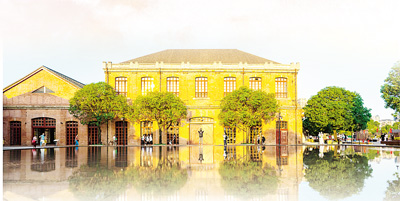
Core Viewpoint - The China Shipbuilding Cultural Park, a historical site dating back to 1866, has been revitalized to attract tourists and promote cultural heritage, showcasing China's maritime history and industrial legacy [2][3][4]. Group 1: Historical Significance and Restoration - The park's origins trace back to the establishment of the Fujian Shipbuilding Institute, which was pivotal in modernizing China's naval defense [2]. - The site includes significant structures such as the machine workshop and the first dry dock, which have been preserved and restored under the principle of "repairing the old as the old" [2][3]. - The Iron Frame Factory, a key component of the park, has been restored to retain its historical features while incorporating modern protective measures [3]. Group 2: Cultural and Educational Impact - The park serves as an interactive educational platform, allowing visitors to engage with China's shipbuilding history through immersive experiences [3][5]. - The China Shipbuilding Museum, established within the park, houses over 1,000 artifacts, including three national first-class cultural relics, enhancing the educational value for visitors [5]. Group 3: Tourism and Economic Impact - In the first half of the year, the park attracted approximately 740,000 visitors, generating over 30 million yuan in surrounding tourism consumption [6]. - The popularity of themed tourism routes has surged, with bookings increasing by 85% during the summer vacation period [6]. Group 4: Cultural Integration and Innovation - The park has integrated various cultural and entertainment offerings, including the immersive theater production "Most Remembered Shipbuilding," which has received positive reviews and enhanced visitor engagement [7]. - The development of diverse tourism routes and experiences reflects a strategic effort to promote cultural tourism and local economic growth [7][8].
汉风千载 徐州新唱
Ren Min Ri Bao Hai Wai Ban· 2025-11-24 02:21
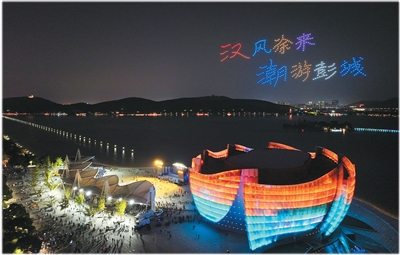
Core Viewpoint - The article highlights the significance of Xuzhou as a cultural hub for Han Dynasty heritage, emphasizing its efforts in archaeological preservation and the promotion of Han culture through innovative tourism experiences and digital technology [7][17]. Group 1: Cultural Heritage and Tourism - Xuzhou is recognized as an important birthplace of Han culture, with over 3,000 Han tombs and 544 cultural relic sites, showcasing the richness of Han heritage [8][9]. - The city has developed various cultural tourism initiatives, including the "彭城七里" street, which connects numerous historical sites and offers immersive experiences related to Han culture [12][13]. - The 2024 Han Culture Tourism Festival features interactive scenes and activities that allow visitors to engage with Han culture, such as traditional crafts and performances [14]. Group 2: Digital Innovation and Preservation - Xuzhou is leveraging digital technology to enhance the presentation and preservation of Han cultural artifacts, including the digitalization of Han image stones for public access [17][18]. - The "Xuzhou Ancient City Digital Map" project aims to create a comprehensive resource for the protection and promotion of ancient cultural sites using advanced technologies [18]. - The integration of AI and immersive technologies in cultural exhibitions is expected to revitalize interest in Han culture and facilitate its dissemination both nationally and internationally [17][18].
安徽休宁状元文化“圈粉”海外华文媒体
Zhong Guo Xin Wen Wang· 2025-11-17 08:50
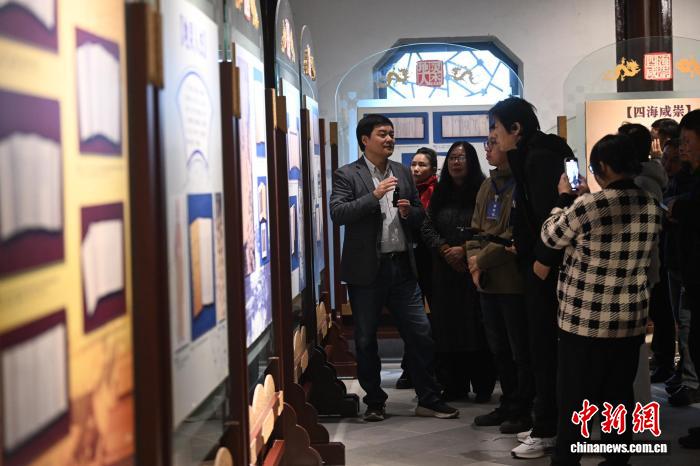
Core Insights - The article highlights the cultural significance of Xiuning County, known as "China's First County of Scholars," which has produced 19 top scholars throughout history [1][3][5]. Group 1: Cultural Heritage - Xiuning County is located in the ancient Huizhou region, known for its strong literary traditions and economic support from Huizhou merchants [3]. - The China Scholar Museum, established on the site of an ancient county government, showcases the history of scholars and the imperial examination system, housing 1,760 artifacts, including seven first-class cultural relics [3][5]. Group 2: Media Engagement - Overseas Chinese media representatives visited the museum to explore the historical journey of scholars and the evolution of the imperial examination system [5][7]. - The museum's exhibitions include a systematic overview of the lives of the 19 scholars and the contributions of local elites to cultural heritage [5]. Group 3: Modern Cultural Promotion - Xiuning County is leveraging its scholar culture to develop a new tourism industry, creating a positive cycle of cultural preservation and economic development [7]. - Various local products, such as scholar rice wine and tea, are becoming popular elements in the cultural economy, enhancing the region's appeal as a tourist destination [7].
海南文旅融合取得突破性进展
Hai Nan Ri Bao· 2025-11-06 01:05
Core Insights - Hainan's cultural and tourism sectors have achieved significant breakthroughs, highlighted by the recent awards won by local performances, indicating a successful integration of culture and tourism [2][3] Group 1: Awards and Recognition - The Hainan Provincial National Song and Dance Troupe's performance "Bamboo and Wood Present Auspiciousness" won the newly established "Wenhua Program Award" at the 18th Wenhua Awards, showcasing the recognition of intangible cultural heritage [2] - The Hainan square dance "Coconut Shell Happiness Comes" received the 20th Qunxing Award, marking Hainan's first win in this category in 12 years since the reform of the award system [2] Group 2: Cultural Tourism Development - Hainan has transformed diverse cultural elements into experiential and consumable tourism resources, focusing on historical and revolutionary themes, as well as marine and folk cultures [2][3] - The province has developed 38 cultural tourism attractions, established 6 national-level night cultural and tourism consumption clusters, and created 21 A-level scenic spots based on cultural heritage [3] Group 3: Future Directions - Hainan plans to focus on four cultural areas: history, revolution, ocean, and folk customs to enhance unique experiential tourism offerings and continue promoting the integration of culture and tourism [3]
百年里份三德里迎来新“巷遇”
Chang Jiang Ri Bao· 2025-10-15 07:59
Core Insights - The "Xiangyu·Sandeli" project is set to revitalize the historical Sandeli area in Hankou, Wuhan, aiming to attract citizens and tourists with a new look [1][5]. Group 1: Project Overview - The "Xiangyu·Sandeli" project is the first street block in the "Xiangyu" series, located in the core area of Hankou's historical district, surrounded by Haishou Street, Station Road, Zhongshan Avenue, and Youyi Street [5]. - The project aims to integrate cultural, commercial, and tourism elements, creating a sustainable development model that combines "culture + commerce + tourism + community" [5]. Group 2: Historical Significance - Sandeli, established in 1901, is one of the oldest neighborhoods in Wuhan, historically serving as a commercial hub connecting the Yuehan Wharf and Jinghan Railway Station [4]. - The area retains the essence of old Wuhan life and has historical significance, including being a hideout for a prominent figure in the women's movement during the land revolution in 1927 [4]. Group 3: Development Strategy - The project will involve the recruitment of experienced and resourceful partners for industrial planning, commercial introduction, and operational management [5]. - The strategy includes leveraging the geographical features and existing industries in the area to create a vibrant community landmark that reflects the memories of old Hankou [5]. - The project aims to capture consumer trends and integrate digital scenarios to enhance regional vitality and traffic flow, positioning itself as a model for cultural and commercial tourism integration [5].