
博物馆

Search documents
筹资改造 卢浮宫对多国游客提价
Xin Hua Wang· 2025-11-29 02:25
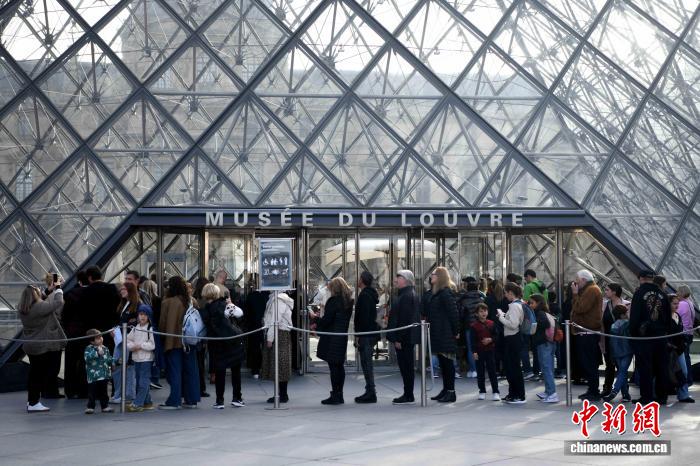
Group 1 - The Louvre Museum in Paris will increase ticket prices for visitors from outside the European Economic Area from €22 to €32 starting January 14, 2024, to fund renovation projects [1][2] - The price increase represents a 45% hike, potentially generating an additional €20 million in annual revenue for the museum [2] - The Louvre expects to receive 8.7 million visitors in 2024, with approximately 70% being foreign tourists, predominantly from the United States [1] Group 2 - A renovation plan announced by French President Emmanuel Macron and Louvre director Laurence des Cars aims to address overcrowding by relocating the painting "Mona Lisa" and improving security and infrastructure [2] - The estimated cost of the renovation project is around €1.1 billion, as reported by the French Court of Auditors [2] - The Louvre is not the only museum in France facing financial challenges; all museums are at a crossroads due to rising operational costs, leading to discussions about increasing visitor fees or reducing opening hours [3]

法国卢浮宫将对大多数非欧盟国家游客提高门票价格
Zhong Guo Xin Wen Wang· 2025-11-29 01:29
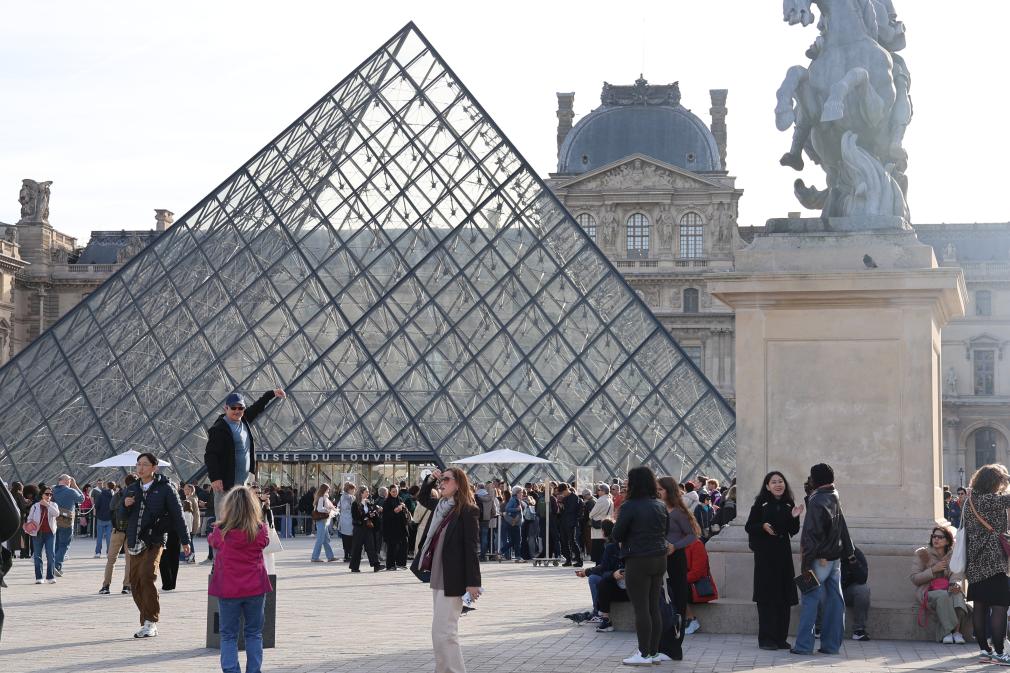
法国卢浮宫将对大多数非欧盟国家游客提高门票价格 中新社巴黎11月28日电 (记者 李洋)法国卢浮宫28日确认,将于明年开始对大多数非欧盟国家的游客提 高门票价格。 据法新社、法国BFM电视台报道,卢浮宫博物馆管理层透露,对多国游客提高门票价格的举措已在卢 浮宫博物馆董事会会议上获得批准。 法国卢浮宫11月28日确认,将于明年开始对大多数非欧盟国家游客提高门票价格。图为10月22日卢 浮宫在遭遇严重盗窃案后重新开放。 中新社记者 李洋 摄 中新经纬版权所有,未经书面授权,任何单位及个人不得转载、摘编或以其它方式使用。 关注中新经纬微信公众号(微信搜索"中新经纬"或"jwview"),看更多精彩财经资讯。 已对外披露的相关具体方案显示,卢浮宫将从明年1月14日起对欧洲经济区(EEA)以外的游客提高门票 价格,从目前的22欧元提高至32欧元,价格涨幅达45%。欧洲经济区包括欧盟成员国、冰岛、列支敦士 登和挪威。 法国文化部长达蒂今年年初曾表示,将于明年对卢浮宫施行"差异化"门票价格,来自非欧盟国家的外国 游客将支付更高的门票费用。多个法国国家文化机构可能也将陆续施行类似卢浮宫的"差异化"门票价 格,包括凡尔赛宫、巴 ...
筹资改造 卢浮宫对多国游客提价
Xin Hua She· 2025-11-28 13:42
Group 1 - The Louvre Museum in Paris will increase ticket prices for visitors from outside the European Economic Area from €22 to €32 starting January 14, 2024, representing a 45% increase to raise funds for renovation projects [1] - In 2024, the Louvre expects to receive 8.7 million visitors, with approximately 70% being foreign tourists, predominantly from the United States [1] - The Louvre aims to generate an additional €20 million in annual revenue from the ticket price increase [1] Group 2 - The renovation plan announced by French President Emmanuel Macron and Louvre director Laurence des Cars includes relocating the painting "Mona Lisa" to a new exhibition space to address overcrowding, improving security, and renovating hundreds of rooms to fix issues like ceiling leaks and HVAC system failures [1] - The estimated cost of the renovation project is approximately €1.1 billion, according to a report from the French Court of Auditors [1] - The Louvre is not the only museum in France facing financial challenges; all museums are at a crossroads due to rising operational costs, with options to either increase visitor fees or reduce operating hours [2]
卢浮宫对非欧洲游客涨价45%遭法国工会批评,中国游客为主要受影响群体之一
Yang Zi Wan Bao Wang· 2025-11-28 08:24
据法国BFM新闻,卢浮宫博物馆在27日宣布从2026年1月起,非欧洲游客的门票价格上调45%,欧洲经济区(EEA,包括欧盟、冰岛、列支敦士登、挪威) 以外的游客,参观这座博物馆需支付32欧元,较当前票价上涨10欧元(约82元人民币)。 这一举措源于法国文化部长拉希达达蒂年初的声明,她当时表示希望推行"差异化定价政策"。达蒂认为当前的参观与工作条件配不上卢浮宫的地位,希望 通过"创新方式"开辟新财源,此前卢浮宫的珠宝失窃案暴露了这座博物馆在财务方面捉襟见肘,此次涨价预计每年可新增1500万至2000万欧元收入,将用 于解决博物馆的"结构性问题"。值得一提的是,2024年1月,卢浮宫已将所有游客的门票价格从17欧元上调至22欧元。 作为全球参观人数最多的博物馆,卢浮宫此次涨价是政府为其注入资金的举措之一,但已遭到工会的强烈反对。工会认为这违反了博物馆的普世主义和平 等参观权,"以建筑翻新为由,终结卢浮宫两百年的普世主义理念,这一说法无法让我们信服,"法国团结民主工会联盟(SUD)表示。法国总工会(CGT)指 出,这种定价机制将导致欧洲经济区以外的游客"为参观一座年久失修的博物馆支付高昂费用,这相当于承认国家对文化 ...
国宝画重点·故宫百年丨文物“身份证”讲述典守初心
Xin Hua She· 2025-11-27 05:34
Core Viewpoint - The article highlights the centenary celebration of the Palace Museum, showcasing a special exhibition titled "A Century of Guardianship - From the Forbidden City to the Palace Museum," which features 200 precious cultural relics and historical documents, reflecting the museum's evolution from a royal garden to a cultural institution for the public [1]. Group 1: Exhibition Overview - The exhibition is organized into three sections: "A Continuous Cultural Heritage," "A Century of Transmission," and "A Myriad of Phenomena," tracing the history of the Palace Museum over the past century [1]. - The exhibition includes significant artifacts, such as the "identity cards" of cultural relics, which document the meticulous inventory process initiated by the Qing Dynasty's restoration committee after the fall of the Qing Dynasty in 1924 [1][2]. Group 2: Cultural Relics and Historical Significance - A total of over 1.17 million items were registered during the inventory process, resulting in the compilation of the first accounting report of the Palace Museum, which consists of 6 volumes and 28 books [2]. - The "Twenty-Five Imperial Seals," established by Emperor Qianlong, represent the highest state authority and are significant historical artifacts, with the "Sandalwood Seal" being the most frequently used [3]. - The article describes various artifacts, including a white-glazed vase from the Ming Dynasty, which is noted for its unique red glaze, and a bronze chicken-shaped vessel that reflects the Qing Dynasty's reverence for ancient styles [5][6]. Group 3: Preservation and Cultural Heritage - The article emphasizes the importance of the numbering system for cultural relics, which has evolved over time but remains rooted in the commitment to protect and preserve these artifacts [7][8]. - The Palace Museum's approach to documenting and preserving its collection reflects a deep respect for cultural heritage, as seen in the transition from historical to modern numbering systems [8].
全国唯一一座以金银器为主题的博物馆布展工作加快进行 江口沉银博物馆即将“浮出水面”
Si Chuan Ri Bao· 2025-11-26 00:19
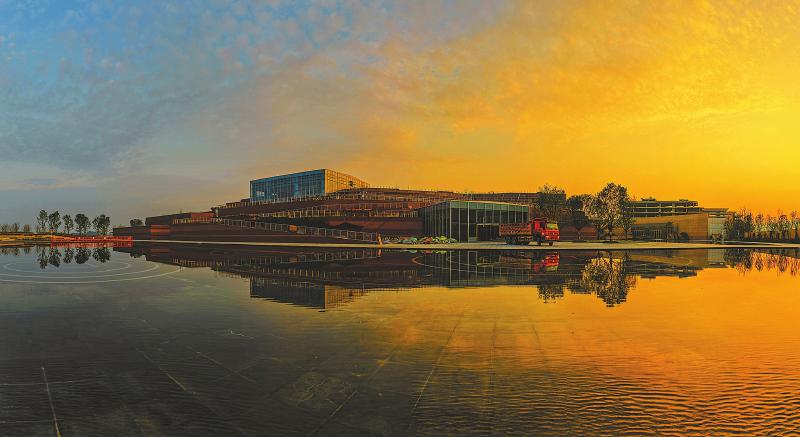
Core Points - The Jiangkou Sunken Silver Museum, the only museum in the country themed around gold and silver artifacts, is making significant progress in its construction and is expected to complete infrastructure by early December [3][4] - The museum is located near the Jiangkou battlefield site from the late Ming Dynasty, covering a total planned area of 200 acres, with the museum itself occupying 60 acres and a building area of 36,300 square meters [3][5] - The main construction of the museum, including exterior decoration, internal renovation, professional storage, archaeological workstation, and visitor center, has been fully completed [3][4] Summary by Sections - **Museum Structure and Design** - The museum features four exhibition halls, including three permanent and one temporary hall, with construction and display work progressing rapidly [4] - The main exhibition hall, approximately 2,300 square meters, will showcase over 5,000 cultural relics, divided into two main sections: "Millennium Jiangkou, Sunken Silver Legend" and "Dike Archaeology, Unprecedented" [4][5] - Advanced technologies such as holographic imaging will be utilized to create immersive experiences simulating underwater exploration [5] - **Investment and Historical Significance** - The total investment for the museum project is 862 million yuan [5] - The Jiangkou battlefield site was recognized as one of the "Top 100 Archaeological Discoveries of the Century" in 2021, alongside other significant archaeological sites [5]
文化新观察|不止是打卡!从展览读懂故宫博物院百年新篇
Xin Hua She· 2025-11-25 18:41
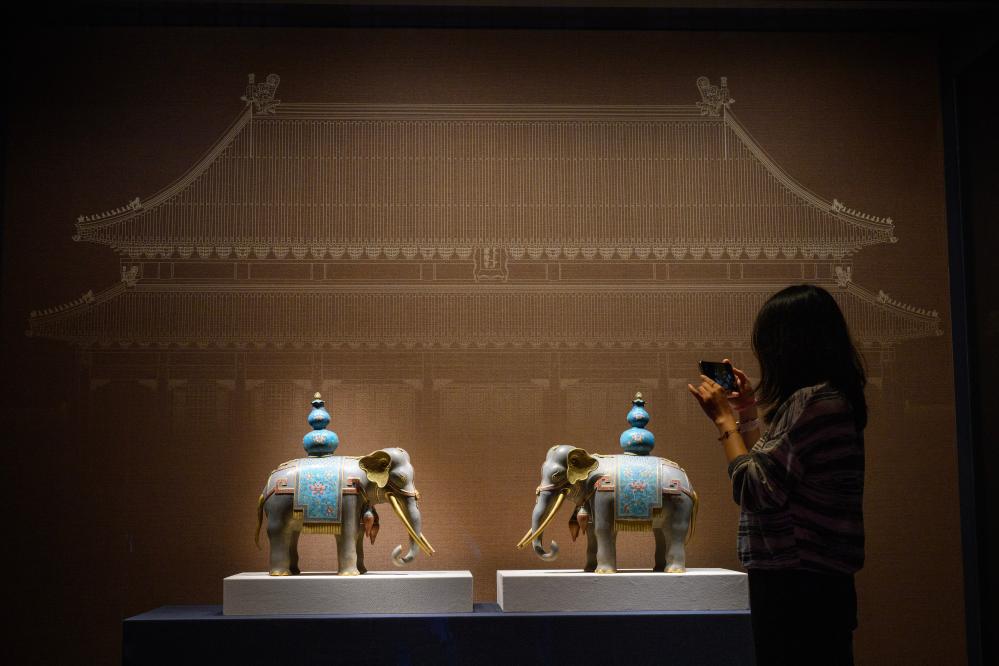
Core Insights - The article highlights the significance of the Palace Museum's centenary exhibition, showcasing the evolution from the Forbidden City to a cultural institution, emphasizing the importance of cultural rights and public access to heritage [1][3][11] Group 1: Historical Significance - The Palace Museum's establishment marked a milestone in China's museum history, with the relocation of artifacts during the Japanese invasion being a remarkable event in global cultural preservation [3][11] - The museum's collection has grown from over 1.17 million items to more than 1.95 million since the founding of New China, reflecting the contributions of numerous donors [6][11] Group 2: Exhibitions and Artifacts - The "Guardianship of a Century" exhibition features over a hundred artifacts, including the "Cloisonné Enamel of Peace," which is one of the first items to receive an identification number [1][3] - The "Memorial Exhibition of the Relocation of Palace Museum Artifacts" illustrates the dramatic journey of nearly 20,000 boxes of artifacts during wartime, highlighting the resilience of cultural preservation efforts [3][6] Group 3: Cultural and Technical Preservation - The "Craftsmanship of the Garden of Ning Shou Palace" exhibition showcases the historical and cultural value of the garden, emphasizing the principles of minimal intervention in artifact restoration [7][11] - The "Archaeological Achievements of the Former Site of the Palace Workshop" exhibition reveals the continuous evolution of the Forbidden City from the Yuan to the Qing dynasties, providing new archaeological evidence of its architectural history [9][11]
“逛展+干饭”成新风尚 四川博物院食堂圈粉游客
Sou Hu Cai Jing· 2025-11-22 15:00
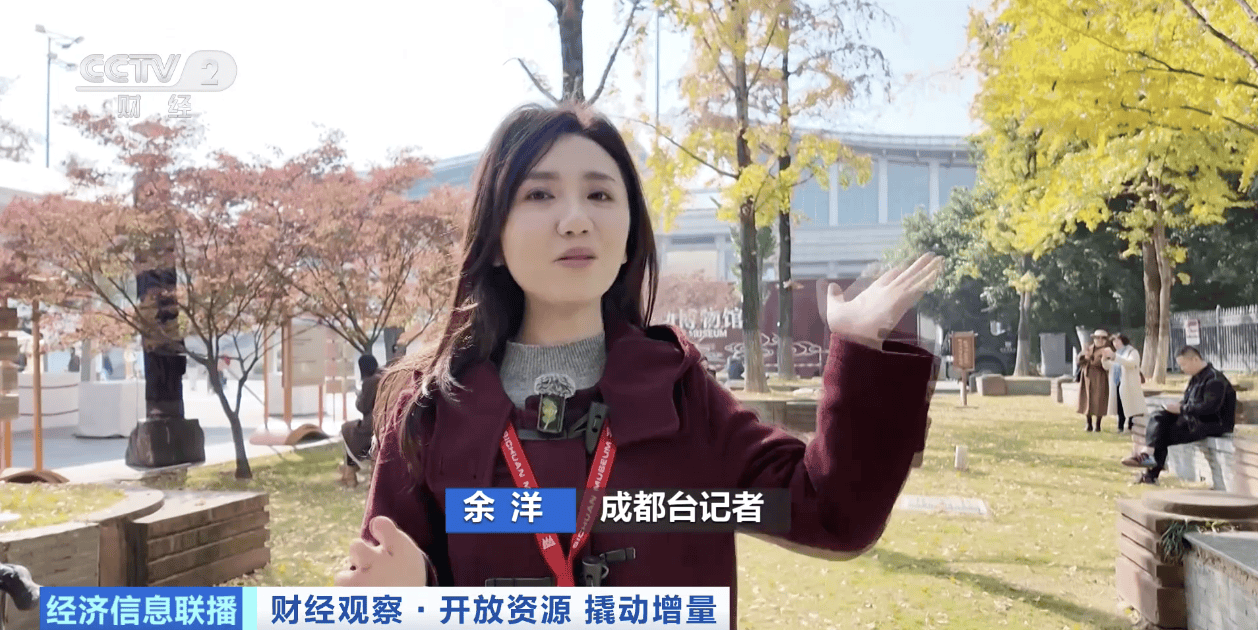
Core Viewpoint - The integration of "culture + dining" in museums, particularly in Sichuan Museum, has gained popularity among visitors, enhancing their overall experience and addressing dining needs after exhibitions [1][9]. Group 1: Visitor Experience - Sichuan Museum has introduced a convenient dining area, allowing visitors to enjoy local cuisine after their tours, which was previously limited to snacks like bread [3][9]. - The dining center features over 60 types of dishes, with prices ranging from 3 yuan to a maximum of 12 yuan, making it accessible for a wide range of visitors [5][9]. - The dining experience not only caters to tourists but also serves as a community dining space for local residents, enhancing its role in the community [7][9]. Group 2: Cultural Integration - The dining offerings incorporate elements from the museum's rich collection, such as East Han cultural motifs in the design of pastries and other food items [11]. - The center has evolved into a multi-functional space combining small dishes, creative tea drinks, and reading areas, attracting 600 to 800 visitors daily, with peak times exceeding 800 [11]. - This shift from a traditional museum experience to a more interactive and engaging environment promotes a holistic cultural service model, moving from "one-way output" to "multi-dimensional interaction" [11][13].
文化观察丨年轻人抢着去博物馆“干饭”
Xin Hua Wang· 2025-11-21 23:09
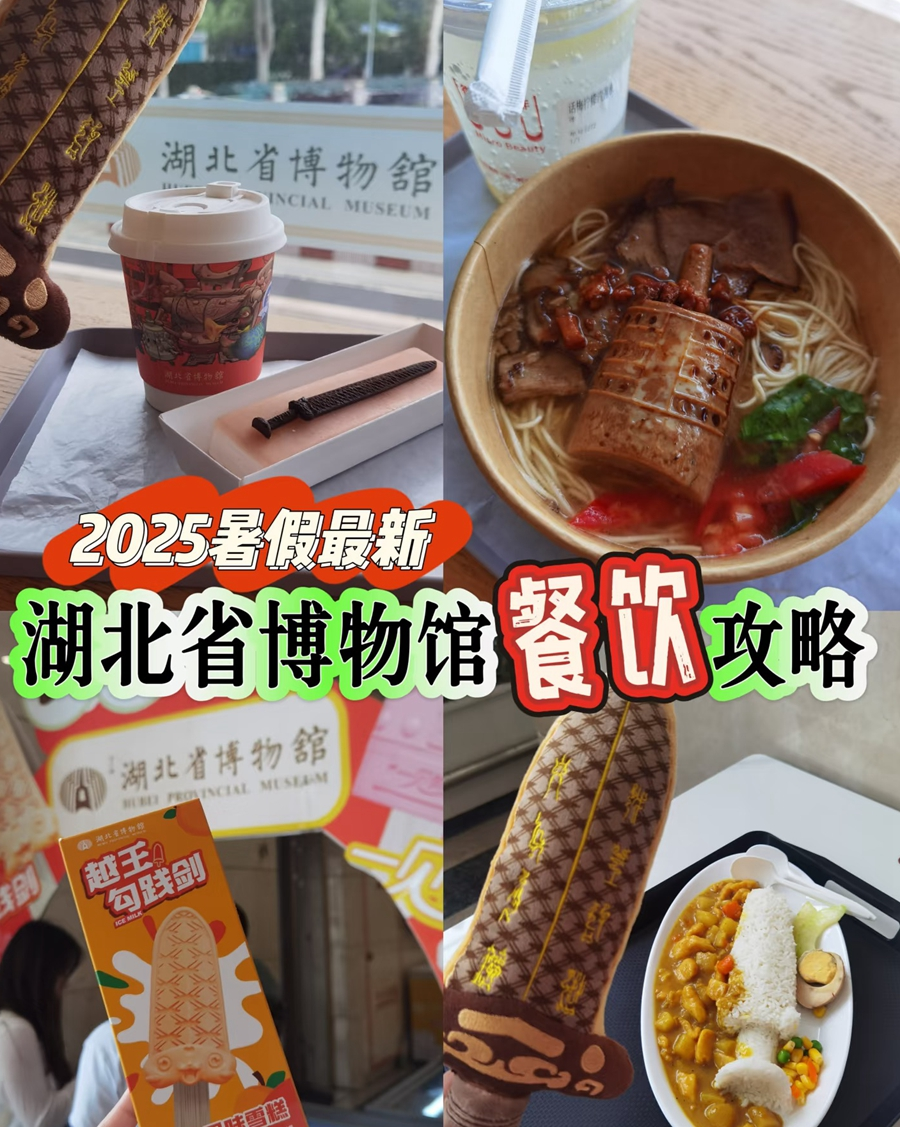
Core Insights - The trend of young people dining in museums has gained popularity, with many museums across the country opening cafeterias that offer affordable meals, blending cultural experiences with casual dining [3][4][7] Group 1: Museum Cafeteria Appeal - Museums are increasingly seen as cultural spaces where visitors can enjoy meals, addressing the need for convenient dining options during long visits [4][7] - Affordable pricing and diverse menu options are key factors attracting young visitors to museum cafeterias, with meals ranging from 3 to 30 yuan [5][6] - Cafeterias are not just for sustenance; they incorporate cultural elements, enhancing the overall visitor experience and catering to social media sharing [5][6] Group 2: Visitor Engagement and Cultural Integration - The presence of cafeterias has led to longer average visit durations, allowing guests to engage more deeply with exhibitions and cultural activities [7] - Cafeterias serve as a bridge to attract local residents who may not initially visit for exhibitions, thus expanding the museum's audience [9] - The integration of local cultural elements into the dining experience enhances the connection between food and heritage, making visits more memorable [6][9] Group 3: Operational Challenges and Solutions - The influx of visitors due to cafeteria popularity poses management challenges, including potential congestion and increased pressure on artifact preservation [10][12] - Museums are implementing measures such as online ordering and timed reservations to streamline operations and reduce crowding [12] - Experts emphasize the importance of maintaining a balance between dining experiences and the cultural integrity of the museum, ensuring that food services complement rather than overshadow the primary mission of cultural education [15]
让博物馆“热”得更持久
Jing Ji Ri Bao· 2025-11-21 22:38
Core Insights - The rise of the "museum fever" reflects a resonance between cultural value and market demand, driven by the dual empowerment of the experience economy and the creative economy [1][2] - Museums are transitioning from traditional static displays to immersive, interactive, and high-quality cultural experiences, utilizing technologies like digital twins, virtual reality, and augmented reality to enhance visitor engagement [1] - The development of cultural and creative products has evolved from simple souvenirs to aesthetically designed items that integrate cultural elements with practical functions, creating new consumer growth points [2] Group 1: Museum Experience Transformation - Museums are increasingly focusing on providing immersive and interactive experiences to meet modern audience demands, exemplified by initiatives like the immersive ancient tomb experience at the Luoyang Ancient Tomb Museum [1] - The application of advanced technologies is breaking temporal and spatial boundaries, allowing visitors to engage with cultural artifacts in innovative ways, thus fostering a strong consumer desire for cultural experiences [1] Group 2: Cultural and Creative Product Development - The transformation of cultural products includes the creation of items like "archaeological blind boxes" and collaborative cosmetics, which cleverly convert historical culture into desirable consumer goods [2] - The Gansu Provincial Museum has successfully developed cultural IPs based on its collection, generating significant public interest and discussions, thereby enhancing its cultural tourism brand [2] Group 3: Future Directions for Museums - Continuous innovation in content and exhibition planning is essential for museums to enhance the quality and differentiation of cultural products and services [3] - Government support in policy, infrastructure, and cross-industry collaboration is crucial for museums to integrate deeper with tourism, education, and creative design sectors, thereby extending the cultural consumption chain [3]