
医疗卫生

Search documents
国家卫生健康委基层司召开2025年基层卫生健康综合试验区经验交流暨工作推进会
Ren Min Wang· 2025-11-26 03:12
Core Viewpoint - The meeting held by the National Health Commission emphasizes the progress and achievements in the construction of grassroots health and wellness comprehensive pilot zones since 2021, focusing on the implementation of the spirit of the 20th National Congress of the Communist Party of China [1] Group 1: Meeting Highlights - The meeting took place in Luzhou, Sichuan Province, to exchange experiences and promote typical practices in the construction of pilot zones [1] - It was noted that there has been significant progress and positive outcomes due to coordinated efforts between national and local levels [1] - The meeting stressed the importance of understanding the strategic tasks and major initiatives for the 14th Five-Year Plan period, aiming to accelerate the construction of a healthy China [1] Group 2: Key Actions and Responsibilities - Pilot zones are urged to strengthen leadership, embrace reform and innovation, and effectively summarize and promote successful experiences [1] - The meeting highlighted the need to construct a new pattern of hierarchical diagnosis and treatment in conjunction with the implementation of the healthcare foundation project [1] - Relevant officials from the pilot zones, along with experts, participated in the meeting, indicating a collaborative approach to health initiatives [1]
我省发布“十四五”时期健康山东建设成果 80.5岁!山东人均预期寿命再提高
Da Zhong Ri Bao· 2025-11-26 01:05
"我们加快拓展医疗服务供给,全省医疗卫生机构发展到9.01万家,卫生人员增加至118.13万人, 较"十三五"末分别增长6.11%和14.8%。"马立新介绍,山东完善以基层为重点的分级诊疗体系,医疗卫 生服务质效全面提升,"15分钟健康服务圈"整体形成,人民群众看病就医更加方便。 山东加快中医药传承创新发展,中医药在维护和促进人民健康中的作用更好发挥。突出创新赋能, 在全国首批获批建设国家中医药综合改革示范区,实施两批75个"揭榜挂帅"改革项目,推进中医药振兴 发展重大工程,获批国家中医药传承创新发展试验区等一系列试点示范,建成国家中医药传承创新中心 等一大批高层次平台,中医药高质量发展内生动力持续增强。 11月25日,省政府新闻办召开新闻发布会,介绍"十四五"时期我省全面推进健康山东建设有关情 况。省卫生健康委党组书记、主任,省中医药管理局局长马立新表示,"十四五"以来,全省卫生健康系 统履行服务人民健康职责,持续深化医药卫生体制改革,全面提升服务能力水平,人民群众享有健康服 务的公平性、可及性和质效性不断增强,2024年,全省人均预期寿命达到80.5岁,较"十三五"末提高了 1.4岁;孕产妇、婴儿死亡率分 ...
“江苏经验”亮相长三角健康大会宫颈癌三级防控成效显著
Xin Hua Ri Bao· 2025-11-25 23:35
Core Insights - Jiangsu province is showcasing its achievements in cervical cancer prevention and control during the "2025 Yangtze River Delta Health Conference" [1] - The province aims to be a pioneer in eliminating cervical cancer, responding to the WHO's strategy released in 2020 [1] Group 1: Achievements in Cervical Cancer Prevention - Jiangsu has established a comprehensive three-tier prevention and control network focusing on "prevention-screening-treatment," significantly improving service accessibility and quality [2] - The "Free HPV Vaccination for Eligible Girls" program, implemented in 2023, has vaccinated 843,800 first-year middle school girls by 2025, achieving an average annual vaccination rate exceeding 65% [2] - The province has integrated women's "two cancers" screening into public health initiatives, expanding the screening scope to include urban unemployed women and new employment form female workers, with over 2.4 million screenings conducted annually [2] Group 2: Collaborative Efforts and Knowledge Sharing - Experts from Jiangsu Provincial Center for Disease Control and Prevention and Huai'an Maternal and Child Health Hospital presented advanced technical concepts and practical experiences at the conference [2] - Representatives from 13 cities in Jiangsu reported on local comprehensive prevention efforts, sharing unique practices in policy implementation, technology application, and service optimization [2]
医务社工打造健康北京建设“金名片”
Bei Jing Wan Bao· 2025-11-22 05:56
Core Insights - The development of medical social work is a key initiative to implement the Healthy China strategy and improve medical services [1][2][3] Group 1: Medical Social Work Implementation - The city has expanded medical social work services, with 293 public medical institutions currently involved and 787 medical social workers [1] - The "Caring for Children with Bone Marrow Diseases" project at Peking University People's Hospital exemplifies effective medical social work, providing comprehensive support to pediatric patients and their families [1] - The city has implemented a multi-faceted cultivation project for medical social work over the past five years, completing 190 projects across various fields including pediatric hematology and stroke [2] Group 2: Community Engagement and Health Screening - Medical social workers are actively present in communities, assisting residents with health screenings, such as cognitive function tests for the elderly [2] - A case highlighted the role of medical social workers in encouraging elderly patients to complete cognitive screenings, leading to timely interventions and improved health outcomes [2] Group 3: Collaborative Healthcare Model - The city has established a collaborative healthcare model that emphasizes grassroots involvement, with community health service centers fully engaged in medical social work [3] - The "Dual Work Synergy for Empowering Healthy Communities" project aims to extend services from medical institutions to social governance, addressing the last mile of health service delivery [3] - The city is exploring a unique "Beijing model" for medical social work that reflects the capital's characteristics and standards [3]


家门口就能“挂上专家号”
Ren Min Ri Bao Hai Wai Ban· 2025-11-21 00:32
Core Points - The article highlights the successful collaboration between local hospitals in Tongling City and renowned medical institutions from developed regions, allowing patients to receive high-quality medical care closer to home [1][2] - The establishment of various medical centers and expert workstations has significantly improved access to specialized healthcare services for the local population [2][3] Group 1 - The Tongling City People's Hospital has partnered with Zhejiang Provincial Cancer Hospital to set up an expert workstation, enabling local patients to receive treatment from top specialists without traveling far [1] - In the past year, the hospital facilitated over 400 visits from experts in the Yangtze River Delta region and conducted more than 100 complex surgeries [1][2] - The city has established around 20 expert workstations and upgraded grassroots medical facilities, ensuring that local clinics can provide better services [2] Group 2 - The local healthcare system aims to enhance patient experience by optimizing medical processes and strengthening grassroots capabilities [3] - The implementation of innovative care initiatives has led to high satisfaction rates among patients (97.47%) and nurses (96.3%) [2] - The goal is to create a tiered medical system where minor illnesses are treated locally and major illnesses are managed within the city, improving overall healthcare accessibility [3]
柬卫生部推介第四版新生殖健康国家战略
Shang Wu Bu Wang Zhan· 2025-11-20 12:30
自内战结束和国家走向复苏以来,柬埔寨经济社会和人口结构经历了重大变化和发展,特别是在孕产妇 和新生儿健康指标方面取得了显著进展。其中,孕产妇死亡率从1990年曾每10万活产1020例死亡,大幅 下降至2000年每10万活产488例,2016年进一步降至168例,惟2021年却上升至189例。在新战略下,卫 生部定下于2030年实现每10万活产少于70死亡病例的宏伟目标。与此同时,由熟练助产士接生比例,也 从2000年的32%激增至2021年的89%。柬埔寨总生育率则稳步下降,从2000年每名妇女生育3.8个孩 子,降至目前的2.7个。 当前,青少年女孩意外怀孕和堕胎问题已成为一个重大的公共卫生问题,带来严重的个人、社会和经济 影响。根据2010年至2014年的数据显示,15至19岁女性的青少年生育率出现令人担忧的增长,从8%上 升到12%,其中增幅最大的是未受教育的年轻女性。 此外,城市化发展和人口流动也带来了新的挑战。有关当局调查发现,2010年至2014年间金边堕胎率增 加,归因于年轻女性流动工人的涌入,这创造了一个新的弱势群体。调查称,这些女性通常居住在近郊 地区,获得持续现代避孕药具的机会有限,加上与 ...
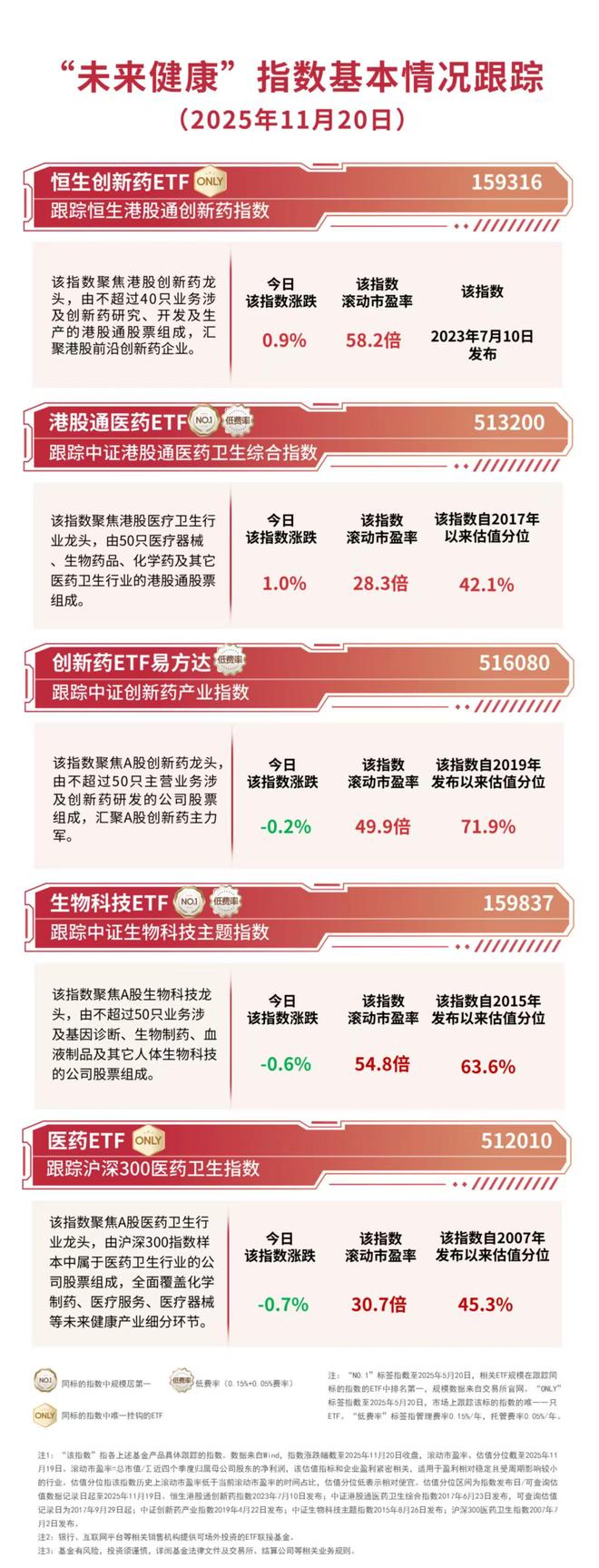
港股医药板块逆势走强,关注恒生创新药ETF(159316)、港股通医药ETF(513200)等配置价值
Mei Ri Jing Ji Xin Wen· 2025-11-20 10:42
Core Insights - The Chinese pharmaceutical industry is entering a critical phase characterized by "innovation realization and global expansion," supported by population and domestic demand, as well as comprehensive manufacturing capabilities [1] - Companies are actively exploring diversified overseas pathways, with a focus on innovation commercialization, global breakthroughs, policy optimization, and opportunities for industry mergers and acquisitions by 2026 [1] Index Performance - The Hang Seng Hong Kong Stock Connect Innovative Drug Index rose by 0.9% [1] - The China Securities Hong Kong Stock Connect Medical and Health Comprehensive Index increased by 1.0% [1] - The China Securities Innovative Drug Industry Index decreased by 0.2% [2] - The China Securities Biotechnology Theme Index fell by 0.6% [1] - The CSI 300 Medical and Health Index declined by 0.7% [1] ETF Details - The Hang Seng Innovative Drug ETF tracks the Hang Seng Hong Kong Stock Connect Innovative Drug Index, which focuses on innovative drug companies in Hong Kong [2] - The index consists of no more than 40 stocks involved in innovative drug research, development, and production, with a rolling P/E ratio of 58.2 times [2] - The China Securities Hong Kong Stock Connect Medical and Health Comprehensive Index includes 50 stocks from the medical device, biopharmaceutical, and chemical drug sectors, with a rolling P/E ratio of 28.3 times [2] - The China Securities Innovative Drug Industry Index focuses on A-share innovative drug leaders, comprising no more than 50 stocks, with a rolling P/E ratio of 49.9 times [2] - The China Securities Biotechnology Theme Index includes up to 50 stocks in gene diagnostics, biopharmaceuticals, and blood products, with a rolling P/E ratio of 54.8 times [3] - The CSI 300 Medical and Health Index covers companies in the medical and health sector, with a rolling P/E ratio of 30.7 times [3]
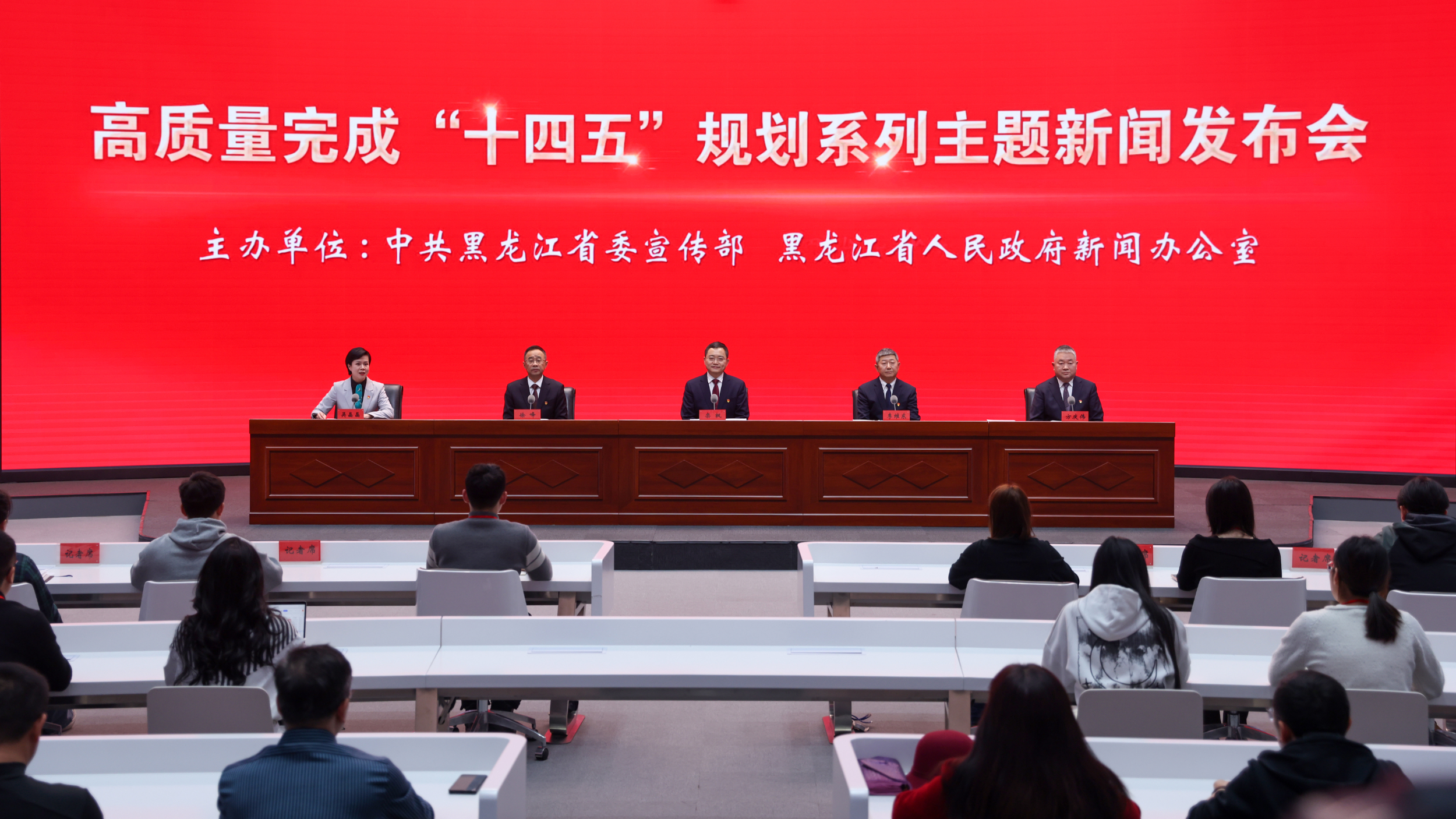
黑龙江:坚持“人民至上、生命至上”全面推进健康黑龙江建设
Zhong Guo Fa Zhan Wang· 2025-11-20 07:06
Core Insights - The article highlights the achievements of Heilongjiang's health sector during the "14th Five-Year Plan" period, emphasizing improvements in public health indicators and the establishment of a robust healthcare system [3][8] Group 1: Health Improvements - The average life expectancy in Heilongjiang increased from 78.25 years to 79.2 years, with key health indicators such as infant mortality and maternal mortality rates improving and surpassing national averages [3] - The province has implemented various health services throughout the life cycle, including support for childbirth and elderly care, with a notable increase in childcare facilities [4] Group 2: Healthcare Accessibility - The province has enhanced healthcare access by establishing regional medical centers and strengthening grassroots healthcare capabilities, resulting in a 9.23% increase in total medical visits while reducing overall medical costs by 7.02% [5] - The government has ensured that every township has a health clinic, achieving full coverage of village health services [5] Group 3: Public Health Infrastructure - Heilongjiang has built a solid public health protection network, including major epidemic treatment bases and a well-structured medical rescue system, with a total of 11,000 critical care beds available [6] - The health literacy of residents has improved by 10.41 percentage points, reaching 32.16%, promoting the idea that individuals are responsible for their own health [6] Group 4: Traditional Medicine - The province has expanded traditional Chinese medicine services, increasing the number of TCM institutions from 1,768 to 2,449, and ensuring that preventive care is accessible at the grassroots level [6] Group 5: Talent and Technology - The total number of healthcare personnel in Heilongjiang has reached 333,000, exceeding the targets set for the "14th Five-Year Plan," with significant investments in training and digital health initiatives [7] - The implementation of a health information platform has connected healthcare institutions, facilitating remote medical services and improving efficiency [7] Group 6: Response and Recognition - The province successfully managed pandemic responses and provided high-quality medical support during the Harbin Winter Games, receiving international praise for its healthcare team [8] - Heilongjiang has also contributed to international medical aid efforts, enhancing its global reputation [8]
医疗人才“组团式”援藏10年 培养本地医务人员5416名
Zhong Guo Jing Ji Wang· 2025-11-18 07:30
2015年8月前,全西藏只有1家"三甲"医院,经过十年帮扶,已有6家市人民医院创成"三甲"医院,阿里 地区人民医院近期将接受"三甲"创建工作评审。13家重点帮扶县人民医院已有7家创建为"二甲"医院, 近期还有3家医院有望创成"二甲"医院。受援医院等级创建工作有力提升了"1+7+13"医院的整体诊疗能 力、医务人员素质和医院管理水平。"1+7"医院已全部建成胸痛、脑卒中、创伤、危重孕产妇救治和危 重新生儿救治中心"五大中心",其中,国家级20个、自治区级9个。 谭相东表示,下一步将进一步提升"1+7+13"医院诊疗水平,加强高原医学研究促进成果转化,探索创 新"组团式"援藏体制机制,用好用足区党委组织部加强和改进新时代西藏人才工作19条措施,支持"组 团式"援藏专家到西藏高校任教,为西藏医疗卫生事业后继有人贡献力量。 西藏自治区卫生健康委党组书记、副主任谭相东介绍,12个对口支援省市184家支援医院与受援医院签 订帮带协议,全面落实"团队带团队""专家带骨干""师傅带徒弟"机制,发挥援藏专家"传帮带"作用,持 续帮扶受援医院培养专业技术人才、综合管理人才,以人才强专科、以专科强医院。受援医院制定学科 和专科发展 ...
推动卫生健康和人口高质量发展——访国家卫生健康委党组书记、主任雷海潮
Ren Min Ri Bao· 2025-11-17 23:19
记者:在中国式现代化的战略全局中,如何找准卫生健康工作的定位? 雷海潮:在实现"两个一百年"奋斗目标的历史进程中,发展卫生健康事业始终处于基础性地位,发挥着 重要支撑作用。"十五五"时期是夯实基础、全面发力的关键时期。要准确把握当前的历史阶段,结合自 身定位,锚定2035年建成健康中国的战略目标,聚焦高质量发展这一主题,夯实中国特色基本医疗卫生 制度和人口高质量发展基础,不断健全维护公益性的医疗卫生服务,健全覆盖全人群、全生命周期的人 口发展服务体系,健全相关的运行保障、治理机制,巩固拓展优势、破除瓶颈制约、补强短板弱项,确 保各项举措与整体目标保持同向而行、取向一致。 科学认识形势,主动服务大局。"十五五"时期我国发展处于战略机遇和风险挑战并存、不确定难预料因 素增多的时期。我国经济基础稳、优势多、韧性强、潜能大,长期向好的支撑条件和基本趋势没有变。 我们要坚定信心信念,坚定不移办好自己的事,以卫生健康的优质服务、安全保障能力、高效治理水 平,响应人民群众的需求,应对国际环境变化,为中国式现代化提供有力支撑。 牢牢把握共同富裕的本质要求。为人民群众提供公平可及、系统连续、优质高效的医疗卫生服务,是共 同富裕 ...