
医疗保险

Search documents
全国超12亿人可刷码刷脸进行医保结算
Ke Ji Ri Bao· 2025-07-25 01:01
Core Insights - The national medical insurance system in China is leveraging technology to enhance management and service delivery, with over 1.236 billion people using the medical insurance code for transactions [1][2] - The number of cross-province direct settlement visits for medical insurance has surged from 5.37 million in 2020 to 238 million in 2024, marking a 44-fold increase [1] - Cumulatively, the medical insurance fund has spent 12.13 trillion yuan since the start of the 14th Five-Year Plan, with an annual growth rate of 9.1% [2] Group 1: Technological Advancements - The establishment of a unified national medical insurance information platform is underway, aiming for standardized coding across the country [1] - The intelligent supervision system has recovered 330 million yuan in medical insurance funds through enhanced data analysis and monitoring of irregularities [1] - The "one person, one file" database for insured individuals is being developed to dynamically update insurance status and enhance health management [1] Group 2: Support for Pharmaceutical Innovation - Expenditure on innovative drugs has significantly increased, with 2024 spending projected to be 3.9 times that of 2020, reflecting an annual growth rate of 40% [2] - A total of 402 new drugs have been added to the medical insurance drug list since the beginning of the 14th Five-Year Plan [2] - The establishment of a commercial health insurance directory for innovative drugs has seen over 100 drugs submitted for inclusion, further supporting pharmaceutical innovation [2] Group 3: Industry Development - The medical insurance fund is actively supporting the development of the pharmaceutical industry and technological advancements, including artificial hearts and brain-machine interfaces [2] - Cloud storage and computing technologies are becoming more prevalent in the medical field, enhancing the efficiency of medical services [2] - The promotion of air medical transport applications is contributing to the growth of the low-altitude economy, providing practical service scenarios [2]
着力解决百姓就医难 “十四五”期间医保基金支出年均增速达9.1%
Jing Ji Ri Bao· 2025-07-24 22:10
Core Viewpoint - The National Medical Insurance Administration emphasizes the importance of enhancing the quality of medical insurance services during the "14th Five-Year Plan" period, focusing on improving access and affordability for the public [1][3]. Group 1: Medical Insurance Coverage and Expenditure - The national basic medical insurance coverage rate has remained stable at around 95%, with a cumulative expenditure of 12.13 trillion yuan, averaging an annual growth rate of 9.1% [1]. - By 2024, the number of people covered by basic medical insurance is expected to reach 1.327 billion [1]. - Nearly 200 billion medical insurance reimbursements have been enjoyed by approximately 200 million people from 2021 to 2024 [1]. Group 2: Support for Specific Demographics - Measures have been taken to enhance support for the elderly and children, including the establishment of a long-term care insurance system, with 190 million participants by the end of 2024 [2]. - The cumulative expenditure for maternity insurance has reached 438.3 billion yuan, benefiting over 96 million people [2]. Group 3: Reducing Medical Costs - Policies have reduced the financial burden on rural low-income populations by over 650 billion yuan during the "14th Five-Year Plan" [3]. - The long-term care insurance has benefited over 2 million disabled individuals, reducing care service costs by over 50 billion yuan [3]. - Direct settlement for cross-provincial medical treatment has reduced the need for out-of-pocket expenses by 590 billion yuan [3]. Group 4: Technological Advancements in Medical Insurance - A unified national medical insurance information platform has been established, significantly improving management efficiency [4]. - The number of people using medical insurance codes has exceeded 1.236 billion, facilitating direct payment for medical services [4]. - The number of direct settlements for cross-provincial medical treatment has increased from 5.37 million in 2020 to 23.8 million in 2024, a 44-fold increase [4]. Group 5: Fund Management and Security - By the end of 2024, the cumulative balance of the medical insurance fund is expected to reach 3.86 trillion yuan [5]. - The administration has recovered 104.5 billion yuan through enhanced fund management and monitoring [5]. - Innovative regulatory measures have been implemented to combat fraud, including the use of big data analysis to identify irregularities [6]. Group 6: Support for Innovative Drugs - Expenditure on innovative drugs has increased significantly, with spending in 2024 being 3.9 times that of 2020, reflecting an annual growth rate of 40% [8]. - A total of 402 new drugs have been added to the medical insurance catalog since the beginning of the "14th Five-Year Plan" [8]. - The establishment of a commercial health insurance catalog for innovative drugs has seen over 100 drugs submitted for approval [9]. Group 7: Future Directions - The National Medical Insurance Administration aims to continue managing the medical insurance fund effectively while supporting the development of the pharmaceutical industry [9]. - The focus will be on providing efficient, safe, and accessible medical products and services to the public, contributing to the overall health of the nation [9].
联合健康(UNH.N)盘前跌4%,公司正面临美国司法部对医疗保险计费做法的调查。
news flash· 2025-07-24 12:47
Group 1 - UnitedHealth (UNH.N) experienced a pre-market drop of 4% [1] - The company is currently facing an investigation by the U.S. Department of Justice regarding its Medicare billing practices [1]
“十四五”医保成绩单发布,医保基金累计支出超12万亿元
第一财经· 2025-07-24 08:41
Core Viewpoint - The article highlights the achievements and future plans of China's medical insurance system during the "14th Five-Year Plan" period, emphasizing the stability and expansion of coverage, the financial support for the healthcare industry, and the ongoing reforms to improve the quality and efficiency of medical services [1][2]. Group 1: Medical Insurance Coverage and Financial Support - The basic medical insurance coverage rate has remained stable at around 95%, with 1.327 billion people enrolled in 2024 [1][3]. - Cumulative medical insurance fund expenditure reached 12.13 trillion yuan, with an annual growth rate of 9.1%, providing robust financial support for healthcare services [1][2]. - Nearly 200 billion medical insurance reimbursements were utilized by patients from 2021 to 2024, marking a 1.6 times increase compared to 2020 [3]. Group 2: Multi-tiered Medical Security System - A multi-tiered medical security system is being established, consisting of a unified medical insurance information platform, basic medical insurance, critical illness insurance, and medical assistance [4]. - As of June 2025, 253 million people participated in maternity insurance, with cumulative expenditures of 438.3 billion yuan [4]. - Long-term care insurance has covered 190 million people, addressing the care needs of disabled individuals [5]. Group 3: Regulation and Management of Medical Insurance Funds - The National Medical Insurance Administration has intensified efforts to regulate medical insurance funds, focusing on reducing fraud and ensuring proper fund usage [6][7]. - In the first half of the year, 335,000 medical institutions were inspected, recovering 16.13 billion yuan in misused funds [7]. - The administration has implemented data-driven approaches to enhance the precision of fund management and fraud detection [7]. Group 4: Drug Price Governance - Drug pricing remains a significant concern, with the government encouraging market-driven pricing while maintaining oversight to prevent price manipulation [9][10]. - Since 2018, ten rounds of centralized drug procurement have been conducted, covering 435 drugs, which has helped lower drug prices and improve accessibility [11]. - The administration has taken measures to address abnormal drug pricing, urging companies to adhere to fair pricing practices [12].

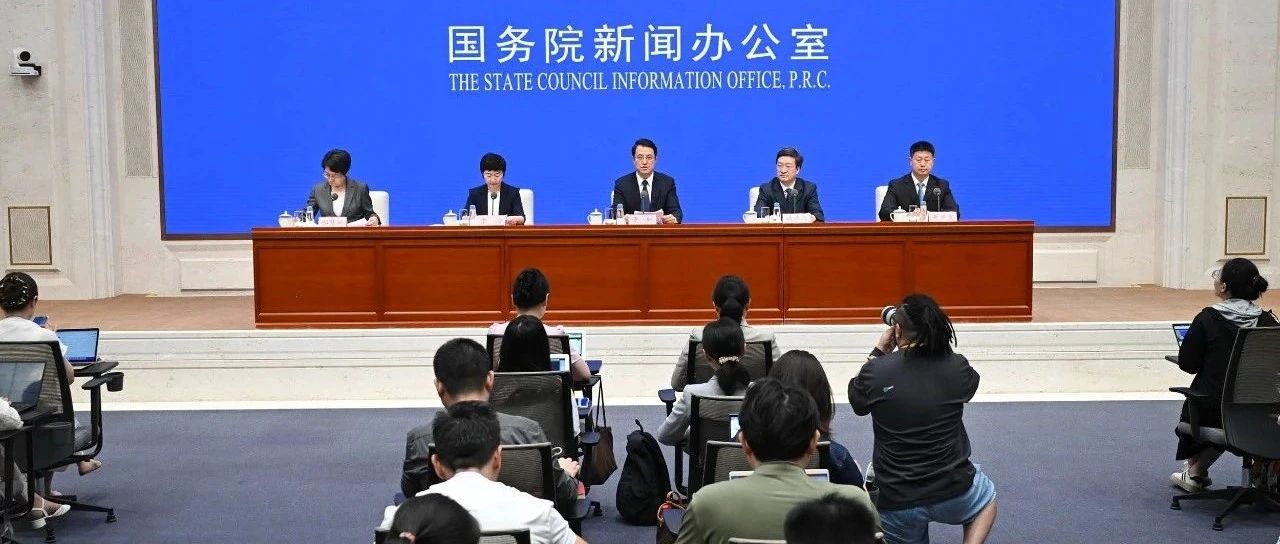
服务提质、监管增效……2025上半年德州医保工作亮点纷呈
Qi Lu Wan Bao Wang· 2025-07-24 08:24
Core Viewpoint - The medical insurance system in Dezhou has shown significant progress in the first half of 2025, with various initiatives enhancing the public's sense of security regarding medical insurance [3][4][12]. Group 1: Medical Insurance Fund Performance - In the first half of 2025, the total income of the city's medical insurance fund was 3.886 billion, while total expenditure reached 4.607 billion, resulting in a cumulative balance of 7.352 billion [4]. - The employee medical insurance fund generated an income of 2.349 billion, a year-on-year increase of 6.68%, with expenditures of 1.991 billion, up 3.54% [4]. - The resident medical insurance fund had an income of 1.537 billion and expenditures of 2.616 billion, with a budget execution rate of 54.81% [4]. Group 2: Healthcare Reform and Initiatives - The city has implemented a "Three Medical Linkage + Traditional Chinese Medicine" reform, resulting in savings of 755 million from drug and consumable procurement [5]. - The "Dezhou Huimin Bao" commercial insurance program has seen participation from 334,800 individuals by the end of June [5]. - The city has expanded the number of designated medical institutions for traditional Chinese medicine from 81 to 115 [5]. Group 3: Service Capability Enhancement - The medical insurance settlement process has been optimized, reducing the settlement cycle to 15 working days [6]. - The city aims to cover 5.074 million insured individuals by 2025, with an additional 49,500 new participants this year [6]. - The online processing of medical expense reimbursements reached 12.2045 million cases in the first half of the year [6]. Group 4: Fund Supervision and Management - The city recovered and returned 22.1135 million in medical insurance funds and imposed administrative penalties totaling 3.4545 million in the first half of the year [8]. - A credit and joint supervision system has been established to manage the qualifications of personnel in designated medical institutions [9]. Group 5: Ongoing Reforms and Innovations - The city has implemented reforms in major disease medical insurance and assistance systems, benefiting 110,100 individuals with a total expenditure of 43.0352 million [10]. - The average hospitalization cost has decreased by 6.57% compared to the previous year, with personal hospitalization burdens reduced by 6.84% [10]. - The city has introduced a unified major disease insurance fund, saving 85 million in resident fund expenditures [11]. Group 6: Future Directions - The medical insurance bureau plans to continue deepening reforms and ensuring comprehensive coverage for the population, aiming to enhance the quality of medical insurance services [12].
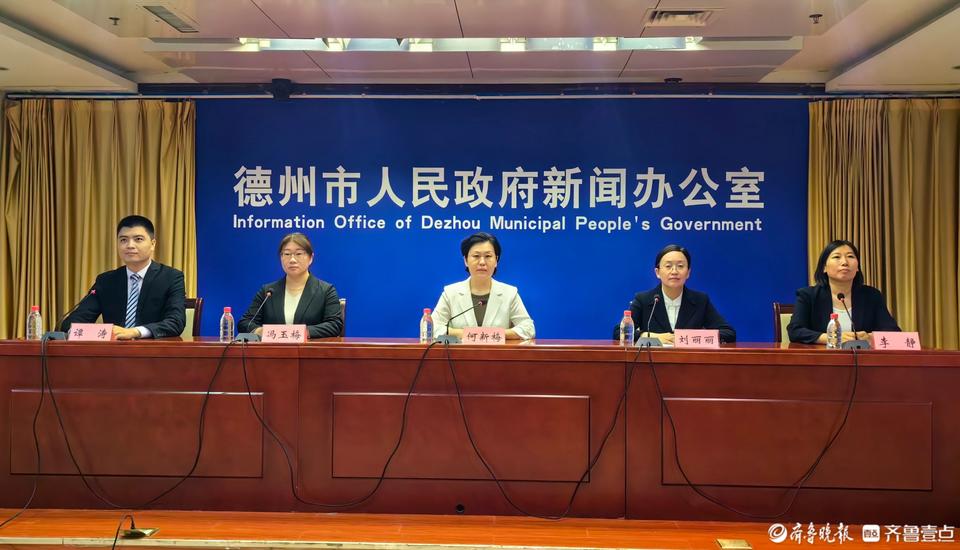
高质量完成“十四五”规划丨“十四五”医保基金支出12.13万亿元 我国医保事业提质扩面
Xin Hua She· 2025-07-24 07:21
Core Insights - The "14th Five-Year Plan" aims to enhance the national medical insurance system, achieving a stable coverage rate of approximately 95% and a cumulative expenditure of 12.13 trillion yuan, with an annual growth rate of 9.1% [1][3] Group 1: Medical Insurance Coverage - By 2024, nearly 200 million medical visits will benefit from insurance reimbursement, representing a 1.6 times increase compared to 2020 [3] - As of June 2025, 253 million people are expected to participate in maternity insurance, with cumulative expenditures reaching 438.3 billion yuan and benefits enjoyed by 96.14 million people [3] Group 2: Long-term Care and Elderly Support - A long-term care insurance system is being established, with 190 million participants expected by the end of 2024, addressing the needs of disabled individuals [3] - Over 95% of village clinics will be included in the insurance system, facilitating access to medical services for the elderly [3] Group 3: Medical Institutions and Cross-Province Services - By June 2025, the number of designated medical institutions for insurance will reach 1.1 million, expanding the coverage of employee insurance to include close relatives [4] - The number of cross-province designated medical institutions has reached 644,000, benefiting 560 million medical visits and reducing out-of-pocket expenses by 590 billion yuan [4] Group 4: Support for New Medical Technologies - A total of 402 new drugs have been added to the insurance catalog since the beginning of the "14th Five-Year Plan," with ongoing reforms in payment methods to promote new technologies and equipment in clinical applications [4] Group 5: Poverty Alleviation and Future Directions - Medical assistance policies have benefited 673 million rural low-income individuals, alleviating over 650 billion yuan in medical expenses [5] - The National Medical Insurance Administration aims to manage insurance funds effectively while supporting the development of the pharmaceutical industry and enhancing the availability of safe and efficient medical products and services [5]
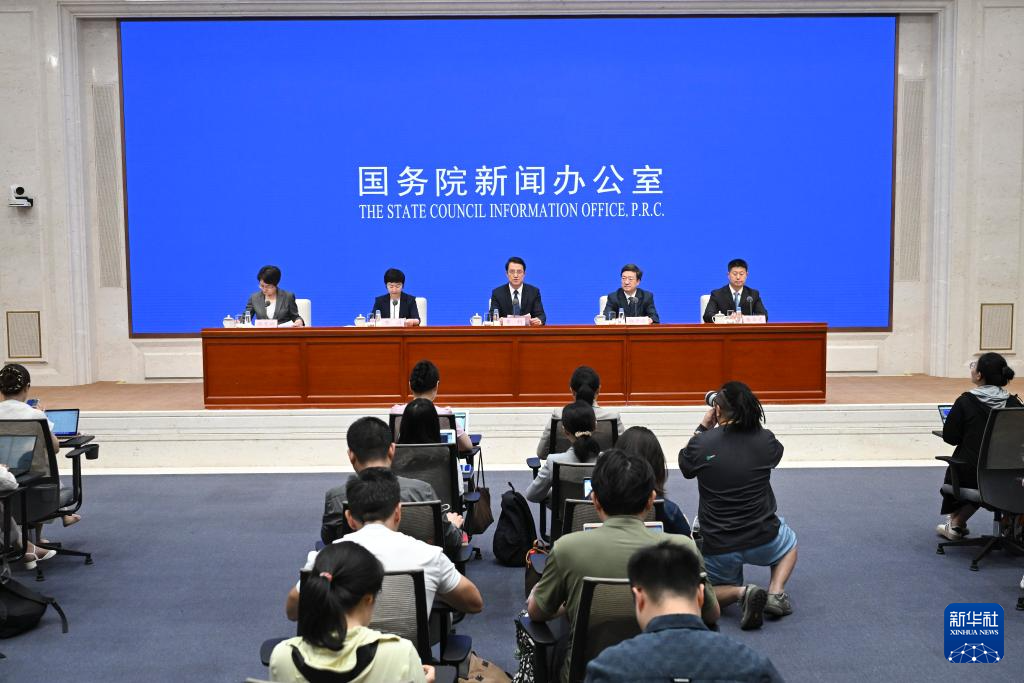
“十四五”医保成绩单发布,医保基金累计支出超12万亿元
Di Yi Cai Jing· 2025-07-24 05:01
Group 1: Healthcare Insurance and Coverage - The national basic medical insurance coverage rate remains stable at around 95%, with an expected 1.327 billion people insured by 2024, representing a 1.6 times increase from 2020 [1][3] - Cumulative expenditure of the medical insurance fund during the 14th Five-Year Plan period reached 12.13 trillion yuan, with an annual growth rate of 9.1% [1] - The multi-tiered medical security system is being established, including basic medical insurance, serious illness insurance, and medical assistance [3] Group 2: Long-term Care Insurance - As of June 2025, 253 million people are expected to participate in maternity insurance, with cumulative expenditures of 438.3 billion yuan [3][4] - The long-term care insurance system aims to alleviate the financial burden of daily care for the elderly and disabled individuals [3][4] Group 3: Medical Fund Management and Regulation - The National Medical Insurance Administration is enhancing the regulation of medical insurance funds to combat fraud and misuse, with 335,000 medical institutions inspected in the first half of the year, recovering 16.13 billion yuan [7] - The transition from a "post-payment" to a "pre-payment" system is being implemented, promoting efficiency in medical institutions and reducing patient out-of-pocket expenses by approximately 5% year-on-year [6] Group 4: Drug Price Governance - The 11th batch of centralized drug procurement has been initiated, emphasizing principles such as maintaining clinical stability and ensuring quality [9] - Since 2018, 10 batches of drug procurement have been conducted at the national level, covering 435 types of drugs, which has helped lower drug costs and improve accessibility [9]
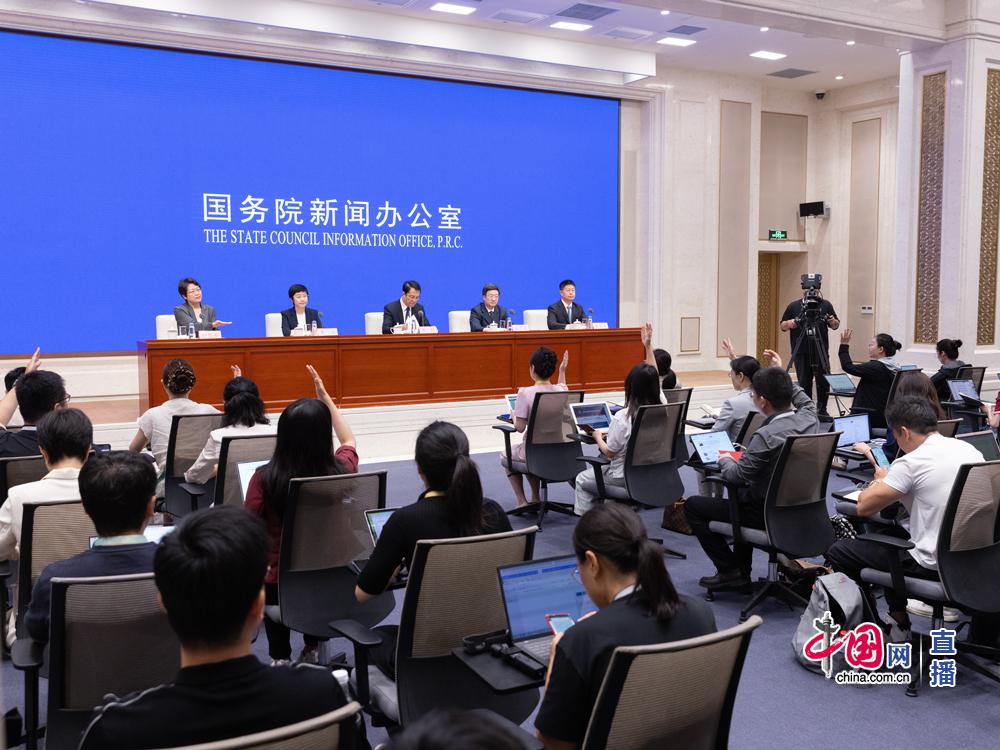
国家医保局答21:改革支付方式,患者个人负担同比下降5%
2 1 Shi Ji Jing Ji Bao Dao· 2025-07-24 04:03
21世纪经济报道记者 贺佳雯 北京报道 在推进科技赋能方面,全国统一的医保信息平台全面建成,医保业务编码标准全国统一,医保智能管理水平显著提升。医保码、移动支付和电子处方全面应 用,群众就医购药更加便捷。跨省异地就医直接结算人次从2020年的537万人次增加到2024年的2.38亿人次,增长了44倍,跨省异地就医住院费用直接结算 率超过了90%。 二是医保支付流程更加高效。近年来,医保基金支出持续稳定增长,不仅为广大参保群众的生命健康提供了坚实保障,也为医疗机构的发展提供了重要支 撑。 在推进协同发展方面,建立多层次医疗保障体系,医保各项改革持续赋能医疗机构和医药产业高质量发展。即时结算、直接结算、同步结算稳步推进。国家 医保药品目录实现了全国统一,目录内药品总数达到了3159种。医保支付方式不断完善。药品、医用耗材集中带量采购常态化制度化运行。医疗服务价格改 革试点有序推进,医疗服务价格动态调整机制全面建立。 南方财经·21世纪经济报道记者提问:深化医保支付方式改革是提高医疗资源使用效率的重要举措。国家医保局如何通过这些改革,引导医疗机构从"规模扩 张"转向"提质增效",更好地满足人民群众看病就医的需求? ...
四川就健全基本医疗保险参保长效机制公开征求意见 连续参保或将获得更高大病保险支付金额
Si Chuan Ri Bao· 2025-07-21 08:16
Group 1 - The annual cap for serious illness insurance for urban and rural residents in Sichuan Province is set uniformly at 300,000 yuan [1][2] - Starting from 2025, for residents who have participated in the medical insurance for four consecutive years, the maximum payment limit for serious illness insurance will increase by 4,000 yuan for each additional year of continuous participation [1][2] - For residents whose medical insurance fund reimbursement is zero in the current year, the maximum payment limit for serious illness insurance will also increase by 4,000 yuan in the following year [1][2] Group 2 - The incentives for continuous participation and zero reimbursement can be combined, with a total increase not exceeding 20% of the original cap for serious illness insurance [1][2] - For individuals who have interrupted their insurance, the maximum payment limit for serious illness insurance will be reduced by 4,000 yuan for each year of interruption, with a cumulative reduction not exceeding 20% of the original cap [2] - Individuals who re-enroll after a break will have their continuous participation years recalculated, but previously accumulated rewards for continuous participation will be retained [2] Group 3 - A waiting period for benefits will be established for individuals who have interrupted their insurance, with a fixed waiting period of three months for those who do not enroll during the concentrated enrollment period [3] - For each additional year of interruption, the variable waiting period will increase by one month, which can be reduced by paying additional premiums [3] - The total waiting period for those who have interrupted their insurance for four years or more will not be less than six months after restoration [3]
医保电子处方中心覆盖31个省份 医保便民服务和监管效能实现双提升
Yang Guang Wang· 2025-07-20 01:04
Group 1 - The National Medical Insurance Administration has revealed that the electronic prescription center now covers 31 provinces and regions, supporting interconnectivity and mutual recognition of electronic prescriptions across provinces [1] - As of the end of April this year, the electronic prescription center has connected 70,600 designated medical institutions and 271,400 designated retail pharmacies [1] - The implementation of the "Medical Insurance Drug Cloud Platform" aims to address issues such as difficulty in finding medications for insured individuals and designated medical institutions [1] Group 2 - The electronic prescription center has established a fully connected system that allows for traceability throughout the entire prescription process, effectively regulating the prescribing behavior of medical institutions [2] - The smart medical insurance system enhances both convenience for patients and regulatory efficiency, significantly reducing the potential for fraudulent activities [2] - The system integrates preemptive, ongoing, and post-event monitoring, allowing for immediate alerts to be sent to doctors' computers in case of any irregularities, thereby improving regulatory efficiency [2]