
医养结合

Search documents
以医养结合新路径破解养老难题见实效
Qi Lu Wan Bao· 2025-11-28 00:53
Core Viewpoint - The establishment of a medical and nursing service center by Jiyang District People's Hospital represents a strategic shift from a disease-centered approach to a health-centered model, addressing the challenges of aging and providing effective solutions for elderly care [1] Group 1: Medical Integration and Services - The center offers seamless access to medical resources, including an emergency green channel for critical cases, daily health management by experienced specialists, and comprehensive care services covering acute treatment, chronic disease management, rehabilitation, and long-term care [1][2] - A notable incident in September demonstrated the center's effectiveness when a patient experienced a stroke and was rapidly treated through the center's emergency protocols, showcasing the value of integrated medical and nursing services [2] Group 2: Quality of Life and Activities - The center enhances the quality of life for the elderly by providing various living areas and engaging activities, such as storytelling, music sessions, and exercise classes, fostering a sense of community and belonging among residents [3] - Special care plans are in place for patients with dementia, utilizing music therapy and cognitive training to improve their mental state, as evidenced by positive feedback from families [4] Group 3: Service Expansion and Community Impact - The center has diversified its service model by introducing "respite care" for families of long-term care patients, allowing caregivers to take short breaks while ensuring their loved ones receive comprehensive care [5] - Starting in 2024, the hospital plans to expand its services through partnerships with local elderly care institutions, utilizing an "Internet+" model to provide health monitoring and online consultations, thereby creating a broader network of care [6] - The center's initiatives have received recognition from local government and community members, contributing to improved elderly care services and enhancing the overall well-being of families in the region [6]
截至10月底,山东“两证齐全”医养结合机构1125家,总床位数达33万张
Qi Lu Wan Bao· 2025-11-27 07:18
Core Insights - The Shandong provincial government is actively promoting financial services for the elderly care sector and the silver economy, with significant collaboration between financial institutions and healthcare projects [1][2][3] Financial Support for Elderly Care - A total of 51 elderly care projects with funding needs have been identified, resulting in 12 partnerships with banks, amounting to over 200 million yuan [1][3] - As of the end of October, there are 1,125 fully certified elderly care institutions in Shandong, providing 330,000 beds, which have received comprehensive financial support [1][3] Policy Initiatives - The Shandong Provincial Health Commission, in collaboration with various financial regulatory bodies, has launched a three-year action plan (2024-2026) to enhance the elderly care sector, focusing on expanding financing channels [2][3] - Measures include supporting government-backed financing guarantees and utilizing special loans for elderly care, aimed at improving credit support for market participants [2] Industry Development - The health and elderly care industry is being strengthened, with initiatives to provide insurance for elderly care institutions and enhance financial support for various market entities [3] - Five specialized health and elderly care industry clusters have been established, comprising 312 large-scale enterprises, laying a solid foundation for the development of the silver economy [3] Future Directions - The Shandong Provincial Health Commission will continue to collaborate with financial institutions to meet the funding needs of the elderly care sector, aiming to enhance the quality of elderly care services [4]
日照市医养结合养老服务发展路径分析
Qi Lu Wan Bao· 2025-11-21 07:07
Core Viewpoint - The report emphasizes the need for a national strategy to actively respond to population aging, focusing on the development of elderly care services and industries, particularly in Rizhao City, which aims to enhance the integration of medical and elderly care services [1] Group 1: Government Role and Planning - The government must take the lead in scientifically planning the blueprint for integrated medical and elderly care services, ensuring top-level design and collaboration among relevant departments [2] - Policies should be established to support funding, land use, and utility costs for integrated elderly care services, along with setting industry standards and enhancing supervision [2] Group 2: Attracting Social Participation and Funding - A diversified funding mechanism should be established to implement policies that encourage social forces to invest in elderly care institutions, including increasing operational subsidies and establishing special subsidies for integrated care institutions [3] - The medical insurance system needs to be improved to cover a broader range of elderly medical services and encourage commercial insurance participation, thereby increasing social resources for integrated care [3] - The workforce in elderly care should be expanded, including recognizing volunteer service hours and guiding the public on the necessary care services for the elderly [3] Group 3: Resource Integration - The "Medical Alliance" cooperation model should be promoted to establish partnerships between hospitals and nearby elderly care facilities, ensuring a balance between medical and care resources [4] - Community platforms play a crucial role in connecting elderly care homes with local communities, providing timely medical services and reducing the burden on families [4] Group 4: Professional Workforce Development - Training for staff in elderly care institutions should be enhanced, including the establishment of specialized programs in universities and regular professional training supported by the government [5] - Collaboration with educational institutions should be expanded to provide professional consultations and diverse information services to elderly residents [5][6]
经济第五大省,再获一港
Mei Ri Jing Ji Xin Wen· 2025-11-06 08:16
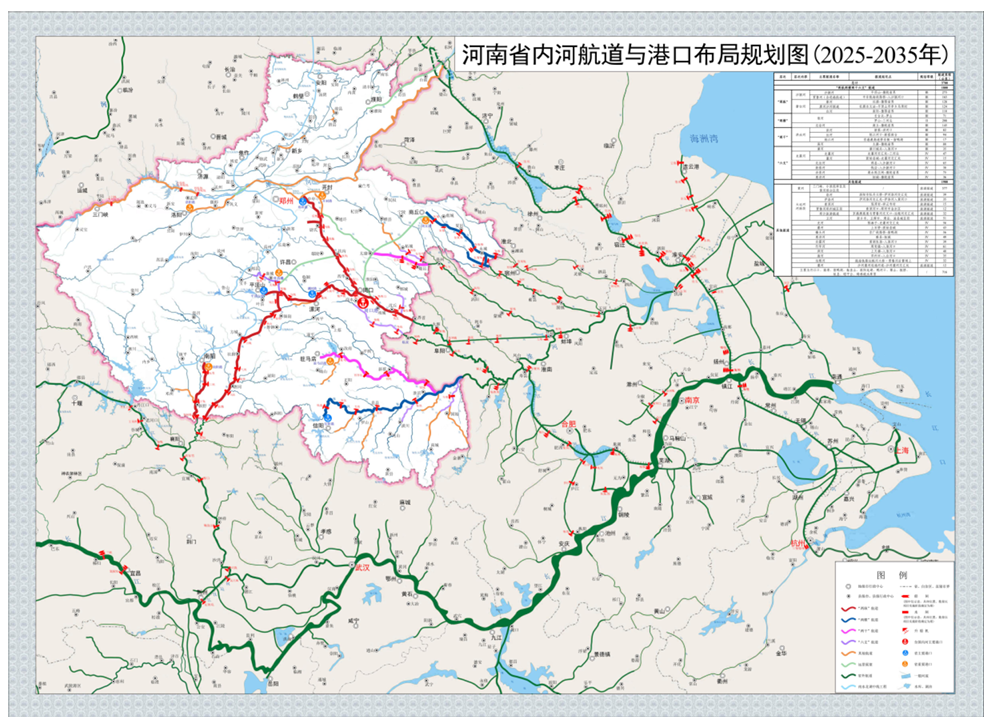
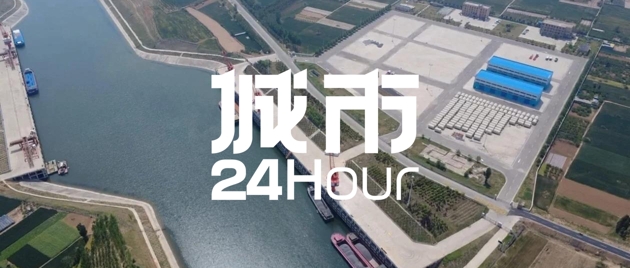
Core Viewpoint - The opening of Pingdingshan Port is a significant step for the local economy, enhancing the transportation network and supporting high-quality development in the region [1][2]. Summary by Relevant Sections Infrastructure and Capacity - Pingdingshan Port covers an area of 562.8 acres, featuring two main port areas with 11 berths capable of handling 500 tons each, and equipped with modern loading and unloading equipment [1]. - After the completion of enhancement projects, the port's comprehensive throughput capacity will reach 5.1 million tons, with an annual container throughput capacity of 20,000 TEUs [1]. Economic Impact - The port's operation allows for the full navigation of the Shahe and Shaying rivers, making Pingdingshan the fourth cargo navigation city in Henan, following Zhoukou, Xinyang, and Luohe [1]. - Water transport is highlighted for its cost-effectiveness, with a cost ratio of 5:2:1 for road, rail, and water transport, respectively [1]. Historical Context and Future Plans - Historically, Henan was a major water transport province, with significant waterways until the late 1960s, when the rise of rail and road transport diminished its importance [2]. - The "11246" project initiated in 2022 aims to boost port cargo throughput to over 100 million tons and invest 100 billion yuan over 3 to 5 years, establishing new transport corridors and modern ports [2][4]. Regional Resources and Connectivity - Pingdingshan is rich in mineral resources, with coal reserves accounting for 51% of the province and iron ore reserves at 76%, indicating a strong demand for logistics services, particularly water transport [4]. - The port's strategic location allows it to connect the western regions of Henan and neighboring provinces, enhancing economic interactions between central and eastern China [4]. Performance Metrics - In 2024, Henan achieved a port throughput of 60.85 million tons, a year-on-year increase of 29.78%, and a container throughput of 109,000 TEUs, up 20.4% [4]. - Despite these growth rates, Henan's total throughput remains lower than that of other central provinces like Hubei and Anhui, which reported significantly higher figures [4].

城市24小时 | 经济第五大省,再获一港
Mei Ri Jing Ji Xin Wen· 2025-11-05 15:58
Core Points - Pingdingshan Port has officially opened, serving as a key hub in Henan's inland waterway shipping system and a core node for multimodal transport in southwestern Henan, which is expected to boost local economic development [1][4] - The port covers an area of 562.8 acres, featuring two main port areas with 11 berths capable of handling 500 tons each, and a comprehensive throughput capacity of 5.1 million tons, including an annual container throughput capacity of 20,000 TEUs [1][4] - The opening of Pingdingshan Port marks the full navigation of the main waterway of the Shahe and Shaoying Rivers within Henan, making Pingdingshan the fourth cargo navigation city in the province [1][4] Industry Overview - Historically, Henan was a major water transport province, with 27 rivers allowing access to the sea until the late 1960s, but the rise of rail and road transport diminished its waterway status [2] - The "11246" project initiated in 2022 aims to revitalize inland water transport, targeting a cargo throughput of over 100 million tons and an investment of 100 billion yuan over 3 to 5 years [2][4] - In 2024, Henan's port throughput reached 60.85 million tons, a year-on-year increase of 29.78%, while container throughput was 109,000 TEUs, up 20.4% [4] Regional Significance - Pingdingshan is rich in mineral resources, with coal reserves accounting for 51% of the province and iron ore reserves at 76%, indicating a strong demand for logistics services, particularly water transport [4] - The port's operation fulfills a long-standing goal of connecting to the sea and enhances connectivity between central and western regions of China and economically developed eastern areas [4]
视频丨我国开展银发医养行动 北京等十省份为重点省份
Yang Shi Xin Wen Ke Hu Duan· 2025-11-05 01:53
Core Viewpoint - The Chinese government has initiated the "Silver Hair Medical and Nursing Action" to support retired medical personnel in providing healthcare services in integrated medical and nursing institutions and elderly care facilities, with ten provinces identified as key areas for this initiative [1]. Group 1: Implementation Principles - The action is based on principles of practicality, equality, voluntary participation, mutual selection, and meeting the needs of the elderly [3]. Group 2: Rights and Benefits for Retired Medical Personnel - Local authorities are required to establish mechanisms to protect the rights of retired medical personnel, ensuring their basic rights to labor remuneration, rest, and vacation [5]. - Labor remuneration will be determined through mutual agreement, and flexible scheduling options along with paid leave are encouraged for re-employed retired medical personnel [5]. - Discounts on fees may be offered to retired medical personnel or their close relatives for staying in the integrated medical and nursing institutions, subject to mutual agreement [5]. Group 3: Support for Healthcare Services - Retired medical personnel are encouraged to provide public health, basic medical services, home visits, and family bed services in designated elderly care facilities [6]. - They will also participate in early screening, intervention, and guidance for chronic diseases prevalent among the elderly, as well as health assessments and medication consultations [6]. - Retired medical personnel are expected to serve as trainers for staff in integrated medical and nursing institutions, focusing on geriatric medicine and nursing [6]. - They will engage in community volunteer services and conduct health clinics in grassroots communities in accordance with regulations [6].

我国鼓励“银发力量”参与医养结合服务
Xin Hua She· 2025-11-04 07:20
Core Viewpoint - The announcement by the National Health Commission and other departments aims to enhance the integration of medical and elderly care services by leveraging retired medical professionals, thereby promoting high-quality development in this sector [1][2] Group 1: Policy and Implementation - The notification emphasizes principles such as practicality, voluntary participation, mutual selection, and meeting the needs of society in integrating medical and elderly care services [1] - It aims to combine the social demand for medical and elderly care services with the personal willingness, professional specialties, and experience of retired medical personnel [1] Group 2: Personnel and Service Scope - Eligible personnel include retired doctors, nurses, pharmacists, technicians, and administrative staff with relevant qualifications and good health [1] - The services provided will encompass diagnosis, rehabilitation, nursing, pharmaceutical care, palliative care, health education, and management, among others [1] Group 3: Regional Focus and Resource Development - The initiative will focus on ten provinces and municipalities, including Beijing, Hebei, and Jiangsu, to establish a talent resource pool for retired medical professionals [2] - A service platform will be developed to explore sustainable and replicable working models for the integration of medical and elderly care services [2]
北京首个“内嵌式医疗床位”医养合作模式落户大家的家
Bei Jing Shang Bao· 2025-10-31 13:44
Core Viewpoint - The collaboration between Beijing Xuanwu Traditional Chinese Medicine Hospital and Dajia Insurance Group's elder care brand "Dajia's Home" introduces the first "embedded medical bed" model in Beijing, aiming to integrate medical resources into elder care facilities for improved urban elderly care and community health services [1] Group 1: Model Features - The "embedded medical bed" model includes the establishment of 2 standardized medical beds within the elder care community, equipped with necessary professional medical devices [1] - The medical area has undergone systematic adaptations for elderly accessibility, ensuring safety and convenience for senior users [1] - The model adheres to medical service standards, with scientific zoning management of functional spaces [1]
我国将开展医养结合促进行动
Ren Min Ri Bao· 2025-10-30 22:32
Core Points - The National Health Commission and other departments have issued a notice to promote the integration of medical and elderly care services, aiming for a more comprehensive service system by the end of 2027 [1][2] Group 1: Policy Objectives - By the end of 2027, the policy aims to improve the integration of medical and elderly care services, enhance service supply, and better meet the health and elderly care needs of senior citizens [1] - Each county, city, district, or banner is expected to have at least one medical or elderly care institution providing integrated services, achieving county-level coverage [1] Group 2: Talent Development - The initiative includes expanding the training of professionals in elderly care and medical integration, with a target of establishing no less than 30 new programs nationwide by the end of 2027 [2] - Continuous education and training for personnel in integrated care institutions will be emphasized, aiming for full coverage of management and technical staff training in the respective areas [2] Group 3: Service Optimization - The notice encourages the optimization of family doctor services for seniors aged 65 and above, with a target coverage rate of at least 80% for special needs elderly individuals by the end of 2027 [2] - Support for setting up family doctor workstations in elderly care institutions to facilitate communication and coordination among service providers [2]
山东持续完善老年健康服务体系 96.5%二级以上公立综合医院设老年医学科
Da Zhong Ri Bao· 2025-10-30 01:12
Core Viewpoint - Shandong Province is actively enhancing its integrated medical and elderly care services to meet the growing health and wellness needs of its aging population, aiming to establish a comprehensive service system that is accessible and efficient [1][2]. Group 1: Development of Integrated Medical and Elderly Care Services - Shandong is constructing a service system that is urban-rural inclusive, appropriately scaled, functionally rational, and continuously integrated, focusing on improving service capabilities and levels [1]. - The province has selected 16 counties for a high-quality development innovation project in integrated medical and elderly care, providing each with 10 million yuan to encourage innovative support systems and service models [1][2]. - There are currently 1,125 integrated medical and elderly care institutions in Shandong, with a total of 330,000 beds available [2]. Group 2: Expansion of Medical Resources - The province is accelerating the establishment of elderly care hospitals, rehabilitation hospitals, and nursing homes, encouraging public medical institutions to add geriatric departments [2]. - 96.5% of secondary and higher public hospitals have established geriatric departments, and 96% of counties have at least one palliative care unit [2]. - Shandong is promoting the "two-institution integration" model, where medical institutions and elderly care facilities collaborate, resulting in over 5,000 service agreements between them [2]. Group 3: Focus on Cognitive Health - A comprehensive screening and follow-up model for dementia has been established, involving community health service centers and county-level medical institutions for initial screening and diagnosis [3]. - Approximately 60% of residents aged 65 and above in key counties have undergone cognitive function screening, indicating a proactive approach to managing cognitive health among the elderly [3].