戏剧

Search documents
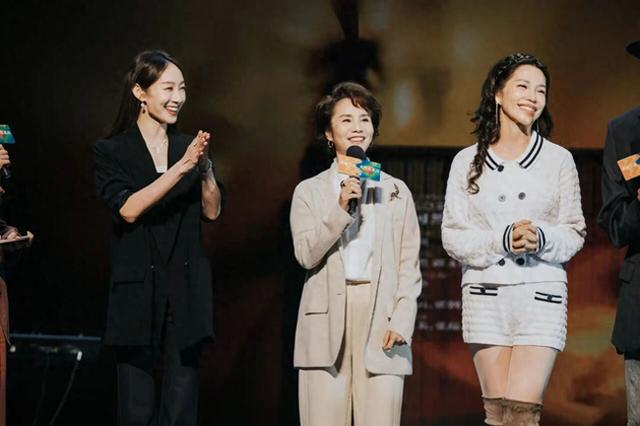
七位普通女性用戏剧思考人生,即兴创作登上剧场舞台
Di Yi Cai Jing· 2026-01-14 10:46
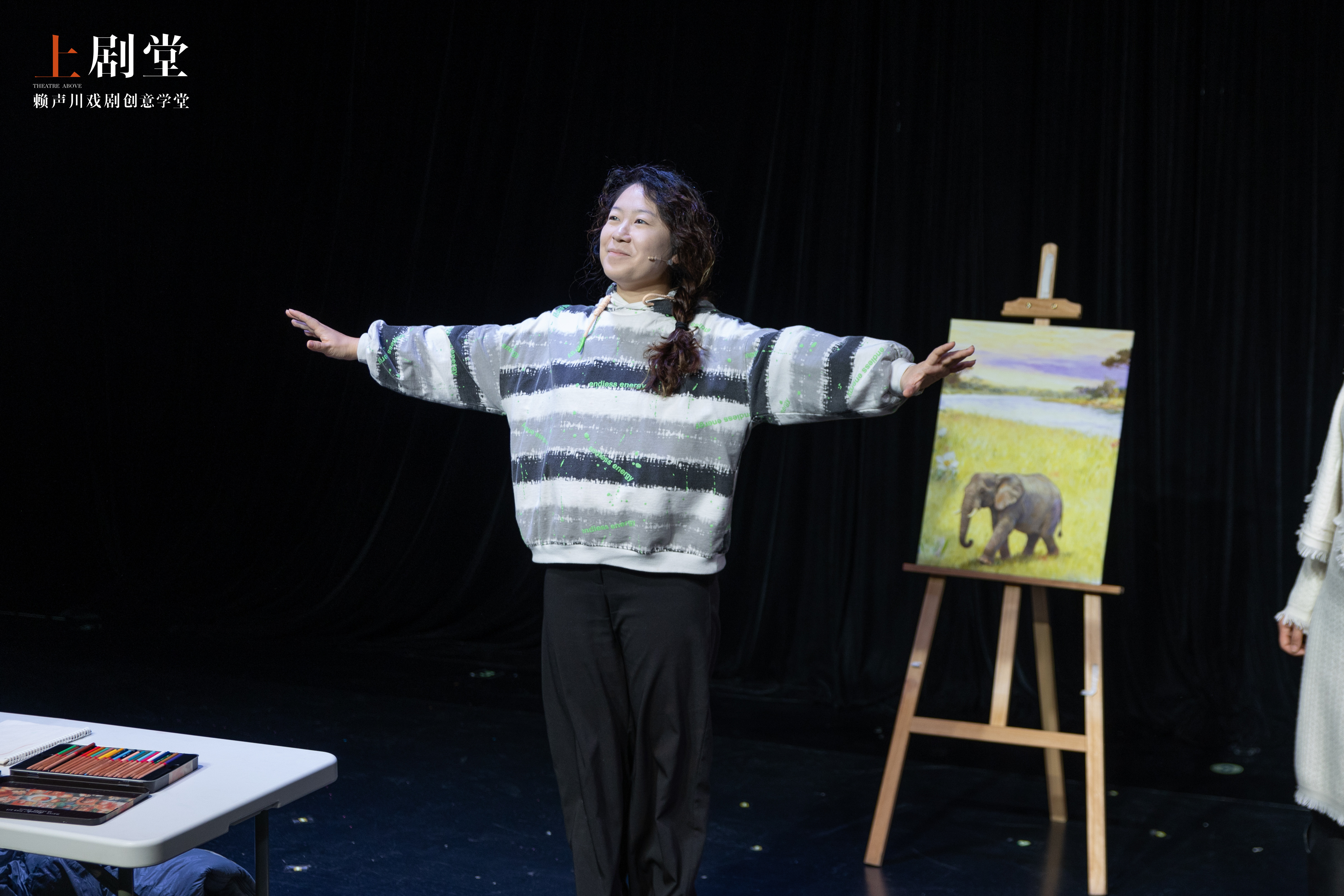
Group 1 - The core idea of the article revolves around the original play "匆匆慢达," created by seven ordinary women, which explores the meaning of life and time through their personal experiences [1] - The play features two main characters, 匆匆 and 曼达, who represent contrasting life rhythms, with 匆匆 embracing a slower pace focused on art, while 曼达 is driven by a fast-paced career [1] - The production has undergone a lengthy incubation process, including workshops and internal performances, before its official debut in a professional theater setting [4] Group 2 - The founding of 上剧堂 by赖声川 and 丁乃竺 aims to inspire creativity through drama, allowing individuals to explore self-awareness and connection with others [4] - 上剧堂Club provides a year-long program for participants to engage in collective improvisation, fostering genuine connections with the world [4] - 丁乃竺 emphasizes the therapeutic effects of theater, highlighting its potential to restore a sense of strength in life during challenging times [4]

李宗熹新戏《一个人的旅行》首演 用光影织梦疗愈心灵
Xin Lang Cai Jing· 2026-01-10 12:17
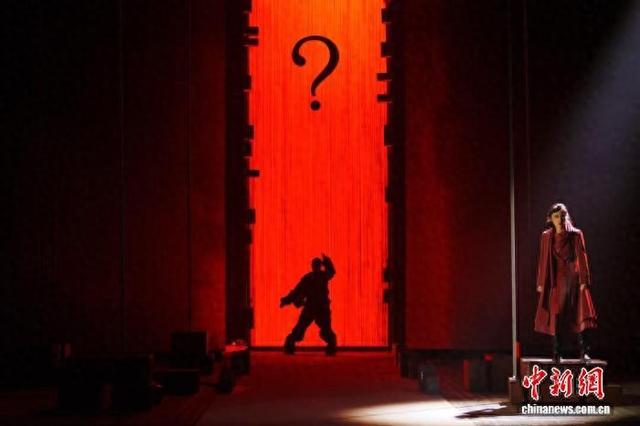
Core Viewpoint - The play "A Solo Journey," directed by Taiwanese director Li Zongxi, premiered in Beijing on January 9, showcasing a collaboration of creative forces from both sides of the Taiwan Strait, delivering a healing journey for the audience through exquisite stage aesthetics and sincere emotional expression [1]. Group 1: Production and Artistic Elements - The stage design of "A Solo Journey" features core imagery of "suitcases" and "question marks," symbolizing the unknowns of life's journey while cleverly arranged to enhance the immersive experience of the small theater [3]. - The play transitions between multiple scenes, including a fairy tale basin, a train carriage, and a highland cliff, within a limited space, intensifying the audience's sense of immersion [3]. Group 2: Performance and Emotional Depth - The emotional sincerity is highlighted as the protagonist experiences three separations, leading to a closed-off heart, which gradually reconciles with the past during a spiritual journey [3]. - Lead actress Sun Shuyue delivers a stunning performance by seamlessly switching between multiple roles, capturing the distinct characteristics of each character with precision in tone and expression [3]. - Actor Zhai Kehan uses non-verbal physical expressions to convey the protagonist's complex inner world, allowing the audience to understand the character's struggles and growth through his movements and gaze [3]. Group 3: Funding and Future Performances - "A Solo Journey" is supported by the Beijing Cultural and Artistic Fund for the year 2025 and is produced by Zheteng Culture, with performances scheduled to continue at the Nanyang Shared Space Theater in Beijing until January 18 [6].
“不要内耗”的陈明昊:话剧《第七天》用未知世界慰藉当下
Xin Lang Cai Jing· 2026-01-08 00:26
Core Perspective - The return of the play "The Seventh Day" signifies a confirmation of the relevance of theater in a changing world, emphasizing the importance of human connection and interaction in contemporary society [1][15]. Group 1: Theatrical Significance - "The Seventh Day" is not merely a revival but a reflection on whether theater remains a meaningful space for audiences [2][15]. - The play, adapted from Yu Hua's novel, explores themes of life and death, and is seen as a construction of an unknown world that offers solace in the present [8][18]. - The theater serves as a space for interaction and awakening, allowing both actors and audiences to engage in a shared experience [10][12]. Group 2: Actor's Experience - The actor Chen Minghao expresses that the stage is a place to temporarily retreat from reality, providing a sense of stability and clarity [10][20]. - He emphasizes the importance of the live performance experience, where every show is unique and unpredictable, allowing for a genuine connection with the audience [11][22]. - Chen Minghao's approach to acting involves a continuous exploration of physical expression and emotional authenticity, viewing mistakes as an integral part of the performance [11][25]. Group 3: Audience Engagement - The interaction with the audience is crucial, as it transforms the theater into a space of mutual recognition and shared experience [10][22]. - Chen Minghao aims to prevent audiences from becoming too immersed in the story, encouraging them to reflect on their own perceptions and experiences [11][22]. - The essence of theater lies in its ability to evoke awareness and connection, rather than merely creating illusions [10][12].
遥望那座戏剧的丰碑
Xin Lang Cai Jing· 2026-01-07 20:19
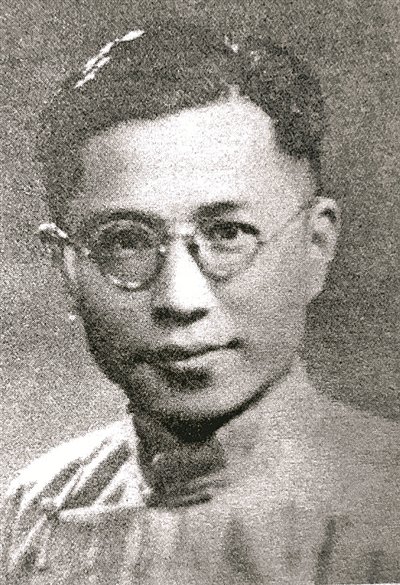
Core Viewpoint - The article highlights the significant contributions of Cao Yu to Chinese drama, emphasizing his ability to engage with universal human issues through his works, which have stood the test of time and continue to resonate with audiences today [5][7]. Group 1: Artistic Influence and Legacy - Cao Yu's works, including "Thunderstorm," "Sunrise," "The Wilderness," and "Beijing Man," have created a dialogue between Chinese drama and the world's best modern plays, enriching the Chinese theatrical landscape [5]. - His artistic creativity and social impact have transcended time, making him a memorable figure in the history of Chinese literature and drama [5]. Group 2: Personal Background and Its Impact on Work - Cao Yu's interest in human issues stemmed from his childhood experiences and family dynamics, particularly the influence of his father, who was a well-educated but unsuccessful man [7][8]. - The oppressive atmosphere of his family life, characterized by addiction and emotional turmoil, provided a backdrop for his exploration of complex human relationships in his plays [8]. Group 3: Creative Journey and Milestones - Cao Yu began writing "Thunderstorm" at the age of 24, and it was published in 1934, marking the start of his successful career as a playwright [9]. - He produced several major works in quick succession, including "Sunrise" in 1936 and "The Wilderness" in 1937, showcasing his remarkable productivity during his early years [9][10]. - His works were well-received and performed widely, establishing him as a leading figure in modern Chinese theater [9]. Group 4: Educational and Social Connections - Cao Yu's education at prestigious institutions like Nankai Middle School, Nankai University, and Tsinghua University provided him with a rich environment for theatrical development, where he was exposed to modern drama and influential mentors [11]. - His friendships with literary figures like Ba Jin played a crucial role in his creative journey, offering support and encouragement that fueled his passion for writing [12]. Group 5: Relationship with Shanghai - Cao Yu maintained a close relationship with Shanghai, where many of his works were published and performed, reflecting the city's vibrant cultural scene [13][15]. - His collaborations with directors and friends in Shanghai contributed to the enduring legacy of his plays, which continue to be staged today [15].
喧哗的《樱桃园》大胆的“契诃夫”
Xin Lang Cai Jing· 2026-01-05 22:49
Core Viewpoint - The new production of "The Cherry Orchard" by the Beijing People's Art Theatre represents a bold exploration of a classic work, aiming to reinterpret Chekhov's themes while paying homage to the original text [1] Group 1: Production and Direction - The stage design features a compact, radiating "box" made of wood, creating a space that blurs the boundaries of time and reality, allowing actors to gradually fill it with memories [2] - Director David Doiashvili emphasizes the metaphor of change and transition in "The Cherry Orchard," reflecting on the contemporary world's relevance of the play's themes [2][3] - The production incorporates a significant use of real-time imagery to enhance emotional expression, with dynamic camera work and close-ups of actors' expressions [3] Group 2: Artistic Collaboration and Innovation - Doiashvili aims to blend the emotional depth of Georgian theater with the subtlety of Asian aesthetics, creating an atmospheric experience that highlights each character's struggle with time and loss [4] - The rehearsal process involved unconventional methods, such as starting from the third act to understand character development, fostering a deeper comprehension of the narrative [4][6] - The collaboration between Chinese and Georgian artists focuses on conveying the depth of Chekhov's work while innovating the form to give traditional pieces a new dramatic core [6]
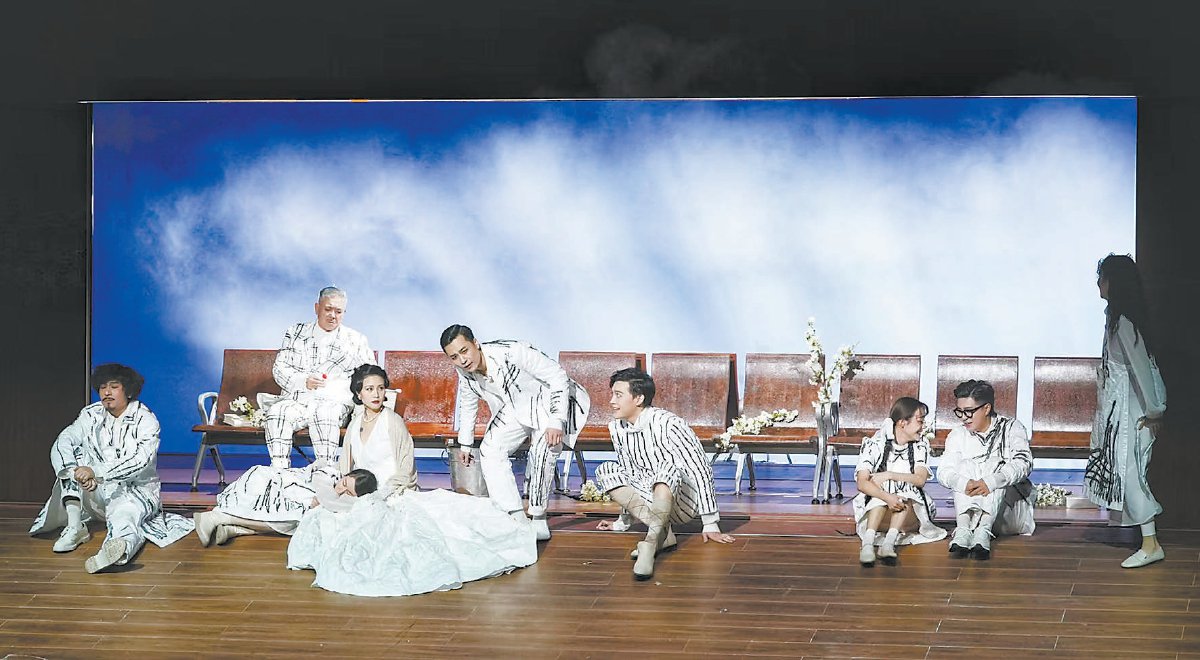
李健吾鼓励杨绛创作剧本
Xin Lang Cai Jing· 2026-01-05 16:39
Core Viewpoint - The article highlights the emergence of Yang Jiang as a significant figure in modern Chinese drama through her first play "The Right Match," which was well-received and established her reputation in the theatrical community [1][2]. Group 1: Background and Initial Creation - In early winter of 1942, playwright Chen Linrui invited fellow Tsinghua University alumni, including Li Jianwu and Yang Jiang, to discuss the vibrant theatrical scene in Shanghai [1]. - Encouraged by her peers, Yang Jiang, who had no prior experience in drama, completed her first comedy script "The Right Match" by the end of that year [1]. Group 2: Reception and Impact - "The Right Match" premiered in May 1943 at the Jindu Theatre in Shanghai, directed by Huang Zuolin, and received widespread acclaim, marking Yang Jiang's rise to fame [2]. - At the time of the play's success, Yang Jiang was only 32 years old, and her husband Qian Zhongshu had not yet gained recognition, with people often referring to him as "Yang Jiang's husband" [2]. - Following the success of "The Right Match," Yang Jiang continued to write, producing successful works such as "True and False" and "Game of Life," solidifying her place in modern Chinese drama [2].
黄胄的音乐情缘
Xin Lang Cai Jing· 2026-01-01 18:45
Core Viewpoint - Huang Zhou, a prominent figure in the art world, is not only known for his paintings but also for his deep passion for music, which significantly influenced his life and work [4][9]. Group 1: Background and Early Life - Huang Zhou, originally named Liang Gantang, was born in 1925 in Hebei Province, where he was exposed to traditional Chinese opera from a young age, fostering a lifelong passion for the art form [4][5]. - His early education in art and music began in his childhood, and he started teaching art and music at a school after leaving formal education due to family circumstances [4][5]. Group 2: Artistic Development - In 1942, Huang Zhou moved to Xi'an to pursue his artistic dreams, where he studied under Zhao Wangyun, the founder of the Chang'an School of Painting, and was influenced by Zhao's musical talents [5]. - His work in the Henan Minbao newspaper allowed him to connect with other artists and deepen his understanding of national pride and artistic expression [5]. Group 3: Personal Life and Relationships - Huang Zhou's love for music played a significant role in his personal life, leading to his marriage with Zheng Wenhui, who fondly recalls his musical performances during social gatherings [6][7]. - His interactions with local communities, especially in Xinjiang, were enriched by his musical abilities, which helped him bond with the people and capture the essence of their culture in his artwork [7][8]. Group 4: Military Service and Community Engagement - During his military service in 1960, Huang Zhou taught soldiers to sing, earning the affectionate nickname "Old Soldier Huang" for his warm and engaging personality [8]. - His experiences in Tibetan pastoral areas allowed him to immerse himself in local culture, further enhancing his artistic inspiration [8]. Group 5: Legacy and Impact - Huang Zhou's dual passion for music and art defined his life, leading to a prolific career characterized by vibrant creativity and emotional depth [9]. - His extensive body of work and relationships with fellow artists and musicians highlight the interconnectedness of his artistic pursuits and personal connections [9].
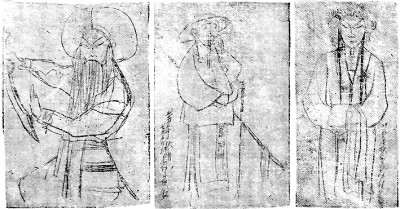
北京人艺跳出舒适区
Xin Lang Cai Jing· 2025-12-28 07:03
Core Perspective - The article highlights the innovative direction taken by Beijing People's Art Theatre (Beijing Renyi) under the direction of Georgian director David Doiashvili, particularly in the adaptation of Chekhov's "The Cherry Orchard" to commemorate the 120th anniversary of translator Jiao Ju-yin's birth [1][4] Group 1: Artistic Interpretation - Doiashvili's interpretation of "The Cherry Orchard" transcends the physical representation of a 19th-century Russian aristocratic estate, elevating it to a universal symbol of "everyone's childhood and past" [1] - The production breaks away from traditional interpretative patterns, allowing for a deeper dialogue between the classic text and contemporary themes [1] Group 2: Performance Style - The director merges emotional expressiveness from the Russian theatrical system with avant-garde elements from Western drama, injecting new vitality into Beijing Renyi's performances [2] - The portrayal of characters' loneliness and indifference is amplified, with overlapping dialogues creating a sense of emotional detachment that resonates with modern audiences [2] Group 3: Stage Design and Aesthetics - The stage design features symbolic and modern elements, creating a visually striking and metaphorically rich space, including slanted floors and rain effects [3] - The use of chalk drawings and projection technology blurs the lines between reality and illusion, enhancing the thematic depth of nostalgia and future aspirations [3] Group 4: Actor Performance and Challenges - Actors at Beijing Renyi are encouraged to explore new performance languages, moving away from their established Stanislavski-based methods, which presents both challenges and opportunities for growth [4] - While Doiashvili's creative approach is commendable, some repetitive techniques and pacing issues were noted, indicating areas for improvement [4]
市戏剧家协会第七次会员代表大会召开
Xin Lang Cai Jing· 2025-12-27 18:42
Group 1 - The Shenyang Drama Association held its seventh member representative conference, electing a new leadership team with Zhang Wei as the chairman and several vice-chairpersons [1] - The association has focused on the revitalization of Shenyang, producing outstanding works that reflect the city's spirit and contemporary style, achieving notable success in various competitions over the past five years [1] - It has established multiple platforms for performance, exchange, and mentorship, nurturing a group of young drama talents with both foundational skills and innovative awareness [1] Group 2 - The association has created distinctive brands such as "Patriotism, Cultural Style, and Art Shenyang," conducting thousands of public performances and art training activities [1] - Efforts have been made to protect and develop traditional drama styles like "Han Hua Xiao" and the Tang School of Peking Opera, revitalizing classic arts in the new era [1] - The industry ecosystem has been continuously optimized, laying a solid foundation for the construction of a culturally strong Shenyang [1]
2026央华版《如梦之梦》终极巡演启幕,孟庆旸、徐俐、姚景元加盟
Xin Lang Cai Jing· 2025-12-27 06:21
Core Viewpoint - The central theme of the article is the upcoming ultimate tour of the Central China version of the play "Like a Dream," which will take place from January 1 to 4, 2026, at the Beijing Arts Center Opera House, featuring a refreshed cast and a reimagined interpretation of the classic work [1]. Group 1: Cast and Character Development - The play will feature a new cast including Meng Qingyang, Xu Li, and Yao Jingyuan, who will portray different life stages of the character Gu Xianglan, emphasizing the unity of diverse performances [3]. - Meng Qingyang, making her debut in drama, will play the youthful Gu Xianglan, showcasing her dance background to express the character's complex emotional journey [5]. - Xu Li will portray the elderly Gu Xianglan, using her distinctive voice to connect the narrative across generations, delivering a performance that is both profound and emotionally resonant [6]. - Yao Jingyuan, at 24, will play the youngest version of Wang Debao, bringing a fresh and fragile perspective to the character, contrasting with the more tragic interpretations of the past [8]. Group 2: Production and Thematic Elements - The production spans 8 hours and features a circular stage design, exploring themes of life's meaning and emotional resonance through a "story within a story" structure [10]. - The collaboration of new and veteran actors aims to create a modern and visually impactful experience for the audience, marking a significant moment in the play's history [10].