数据产业

Search documents
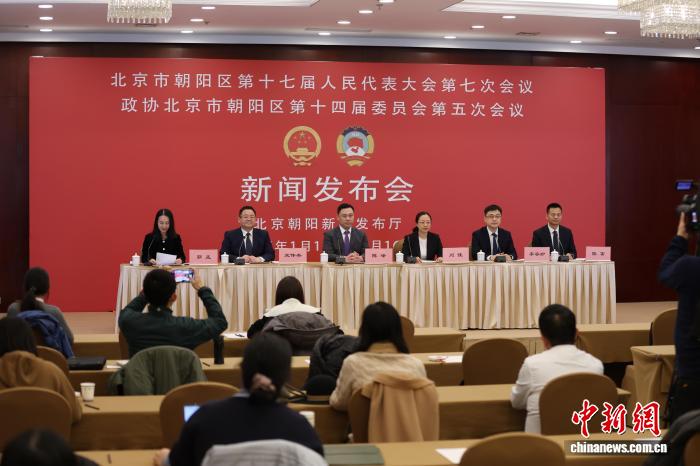
北京朝阳打造全国首个数据商务区
Zhong Guo Xin Wen Wang· 2026-01-14 12:12
Core Viewpoint - Chaoyang District in Beijing is establishing the first national Data Business District (DBD) to enhance the integration of data elements with traditional industries and promote the digital economy [1][2][5] Group 1: Data Industry Development - Since the establishment of the Data Bureau, Chaoyang District has gathered 5,700 data-related enterprises, including 2,051 large-scale enterprises, employing 306,000 people in the data industry, leading in Beijing [1][2] - In the first three quarters of 2025, 2,493 core digital economy enterprises in the district achieved revenues of 435.78 billion yuan, a year-on-year increase of 10.1%, driven by high-value-added sectors [2][3] - The district has formed a relatively complete industrial chain from data collection, storage, computation, governance to application services [2][3] Group 2: Infrastructure and Technological Advancements - The construction of data infrastructure has progressed steadily, with the Beijing Digital Economy Computing Center completed, featuring over 1,000P mixed computing power [3][4] - The deployment of 5G-A networks has been completed in key areas, with over 3,000 upgraded or newly built 5G-A capable base stations [3][4] - The total length of optical cable lines in the district exceeds 110,000 kilometers, with over 650,000 gigabit users [3][4] Group 3: Future Plans and Initiatives - Looking ahead, Chaoyang District aims to deepen the integration of data into traditional business transformations and explore cross-border data flow pilot projects [5] - The district plans to enhance the capabilities of the Beijing International Big Data Exchange and build leading data element circulation infrastructure [5] - There will be a focus on optimizing network infrastructure and promoting high-capacity, high-quality development of 5G and 5G-A networks [5]

省首批数据企业培育库入库名单公布 润州14家入选居全市第一
Zhen Jiang Ri Bao· 2026-01-13 23:49
Core Insights - The Jiangsu Provincial Data Bureau has officially announced the first batch of data enterprise cultivation list, with 14 companies from Runzhou District successfully selected, ranking first in the city [1] - The selected companies cover a comprehensive range of six categories: data resources, data technology, data services, data applications, data security, and data infrastructure [1] Group 1 - The cultivation initiative is a significant measure taken by Jiangsu Province to implement the "Jiangsu Data Regulations" and systematically build a prosperous and orderly data industry ecosystem [1] - The district's data bureau will focus on the core task of high-quality development in the data industry, ensuring the implementation of the work deployment from provincial and municipal data bureaus [1] - The initiative aims to leverage the exemplary role of key data enterprises within the district, fostering a group of high-quality data companies with outstanding innovation capabilities and growth potential [1] Group 2 - The cultivation program is expected to provide strong support for the sustainable and healthy development of the digital economy in Runzhou District [1]
专访原海南省大数据管理局局长董学耕:2026年数据要素价值规模化释放可期,全国一体化数据市场或成破局关键
Zheng Quan Shi Bao· 2026-01-11 10:12
Core Insights - The article emphasizes that 2026 is designated as the "Year of Data Element Value Release," marking a significant transition in China's data element market reform from foundational institutional development to a phase focused on value creation and validation [1][3] Group 1: Data Element Value Release - The release of data element value has been a consistent theme since the concept was introduced, with the current moment representing a critical transition from quantitative to qualitative change [3] - The national data work conference has set the stage for the large-scale release of data element value, indicating that prior efforts have reached a level conducive to significant transformation [3][4] - Key policies and initiatives, such as the development of public data resources and the establishment of data trading platforms, have laid the groundwork for this transformation [3][4] Group 2: National Integrated Data Market - The establishment of a national integrated data market is seen as essential for overcoming challenges related to the release of data element value, facilitating seamless data flow across regions and industries [6][7] - Key infrastructure for this market includes a nationwide interconnected data platform, a unified standard system, and operational norms to encourage the development of data products [7][8] - The integrated market aims to enhance the efficiency of data resource allocation, enabling data merchants to create more valuable data products and services [7][8] Group 3: Key Indicators for Success - The success of the "Year of Data Element Value Release" and the national integrated data market will be measured against eight key tasks outlined by the national data work conference [4] - There is a need for standardized definitions and metrics to assess the market value generated by data products, focusing on cash flow and other financial indicators [4] Group 4: Transition from Data Resources to Standardized Products - Public data holders, primarily government entities, are encouraged to share and open data responsibly, with performance-driven incentives to enhance data accessibility [10] - Large enterprises are urged to adopt market-driven approaches to release data, including monetizing data products and ensuring data privacy through innovative usage methods [10][11] - The first data products expected to mature and scale include analytical data products and those driven by market demand, particularly in finance and healthcare [11] Group 5: AI and Data Value Standards - The integration of data with AI is crucial for enhancing the performance of AI models, with high-quality datasets becoming essential for effective applications [12][13] - The development of AI will reshape data value standards, emphasizing application-driven assessments rather than traditional metrics [12][13] - The transition from project-based development to subscription-based data services is anticipated, driven by the need for continuous data application and service delivery [14][15]
专访原海南省大数据管理局局长董学耕:2026年数据要素价值规模化释放可期,全国一体化数据市场或成破局关键
证券时报· 2026-01-11 09:34
Core Viewpoint - The designation of 2026 as the "Year of Data Factor Value Release" marks a significant shift in China's data factor market reform, transitioning from foundational institutional development to a focus on value creation and verification [1][3]. Group 1: Data Factor Value Release - The release of data factor value has been a consistent theme since the concept was introduced, indicating that data must be integrated into production and circulation processes to unlock its value [3]. - The national data work conference's designation of 2026 as the year for value release signifies that prior efforts have reached a critical point for qualitative change [3][4]. - Policies implemented since late 2024, including those on public data resource utilization and data infrastructure, have laid the groundwork for this transition [3]. Group 2: National Integrated Data Market - The establishment of a national integrated data market is essential for overcoming challenges related to data factor value release, aiming to eliminate barriers to data circulation across regions and industries [7][8]. - Key infrastructure for this market includes a nationwide interconnected data platform, a unified data standard system, and operational norms for data interoperability [7][8]. - The "Five Unifications and One Openness" framework is considered foundational for building this integrated market, focusing on unified data property rights, circulation, trading, security, and governance [8][9]. Group 3: Data Product Development - The transition from "data resources" to "standardized data products" is crucial for public data holders, particularly government departments, which must be driven by accountability and performance metrics [11]. - Large enterprises with abundant data resources should adopt market-driven principles to encourage the release of data through paid usage and the development of metadata for better accessibility [11][12]. - The expected first wave of mature data products includes analytical data products and those driven by strong market incentives, such as in finance and healthcare [12]. Group 4: AI and Data Value - The integration of data with AI is essential for enhancing the quality and compliance of data used in AI models, which in turn influences the standards for measuring data value [13][14]. - AI's role in reshaping data value standards includes providing new measurement possibilities beyond traditional metrics, allowing for a more nuanced understanding of data's worth [14]. - The evolution of data products towards intelligent applications (Data Product 2.0) is anticipated, driven by the need for high-quality data to support AI applications [14][16]. Group 5: Business Model Transformation - The data industry's business model is shifting from project-based development to recurring data services, emphasizing the importance of data application in realizing value [15][16]. - This transformation is supported by the convergence of data and AI infrastructure, enabling rapid development of data products tailored to specific application needs [16]. - The core activities of the data industry will revolve around the elements of data, data platforms, data products, and data applications, fostering a diverse range of data applications and significantly enhancing data value [16].

1%的土地贡献7.4%的经济产出 南京玄武区奋力打造国际化活力中心城区
Yang Zi Wan Bao Wang· 2026-01-09 00:59
Core Insights - The report highlights the impressive economic performance of Xuanwu District, which occupies only about 1% of Nanjing's area but contributes 7.4% of the city's economic output, with a GDP per unit area of 1.86 billion yuan and a per capita GDP exceeding 250,000 yuan [1][2] Economic Performance - Xuanwu District's economic total surpassed 120 billion yuan and 130 billion yuan in the past five years, with an expectation to exceed 140 billion yuan by 2025 [2] - The general public budget revenue exceeded 10 billion yuan, increasing its share of the city's total from 5.9% at the end of the 13th Five-Year Plan to 6.6% [2] - The service sector's added value accounts for over 98%, ranking first in the city [2] Notable Achievements - The district recorded over 80 million tourist visits, ranking first in the city [2] - The revenue from the biopharmaceutical industry is expected to exceed 30 billion yuan, also ranking first among the main urban areas [2] - Xuanwu has the highest number of effective invention patents per ten thousand people in the province and ranks 35th among the top 100 innovative districts nationwide [2] Development Goals for 2026 - The expected indicators for economic and social development include a GDP growth of over 5%, retail sales growth of 4.5%, and a 1% increase in public budget revenue [3][4] Key Focus Areas for 2026 - Xuanwu plans to manage 118 major projects and conduct over 60 key investment promotion activities, aiming to attract more than 6 high-energy projects with a total investment exceeding 8.5 billion yuan [5] - The district will accelerate the implementation of the "Artificial Intelligence +" initiative, creating benchmark scenarios in various sectors [5] - Plans include enhancing urban infrastructure with 42 construction projects and improving living conditions through the renovation of old neighborhoods [5]
三维天地:深度参与《数据资源产品化实践蓝皮书(2025版)》编撰
Zhong Zheng Wang· 2026-01-08 07:24
Core Insights - The "Data Resource Productization Practice Blue Book (2025 Edition)" has been released, with Sanwei Tiandi (301159) participating as a co-editor, highlighting the importance of data as a strategic resource in driving economic growth and technological innovation [1][2] - The blue book analyzes the definition, model architecture, and market value of data products, showcasing their application potential across various industries such as government, finance, and manufacturing [1] - It addresses challenges faced by data products and provides practical guidelines for companies to create competitive advantages through the commercialization of data products, integrating AI technology with traditional industries [1] - The outcomes of the blue book have been incorporated into local government data policy frameworks, serving as a guide for regional digital economy development [1] Company Strategy - Sanwei Tiandi plans to use the blue book as a guide to accelerate the implementation of its planning directions and mature scenarios nationwide, exploring pathways for data resource productization across multiple fields [2] - The company aims to contribute to the high-quality development of the data industry and provide robust data support for digital economy construction [2]
临港新片区将建设离岸金融(经济)功能区,推动更大力度开放
Di Yi Cai Jing· 2026-01-07 12:45
Core Viewpoint - The Lingang New Area aims to enhance financial openness and innovation by establishing an offshore financial (economic) functional zone by 2026, focusing on five key business scenarios: offshore trade, non-resident mergers and acquisitions, treasury centers, offshore leasing, and reinsurance [1][2]. Group 1: Financial Innovation and Business Expansion - The Lingang New Area will deepen comprehensive reforms in offshore trade financial services and relax restrictions on non-resident merger loan trials [1][2]. - The area has signed projects with a total investment exceeding 220 billion yuan, with actual utilized foreign investment increasing by 124.3% [2]. - The area aims to attract more enterprises and young talent by reducing institutional transaction costs through innovative policies [2]. Group 2: Digital Transformation and Regulatory Enhancement - The area will expand and improve the cross-border data list management model, creating a compliant environment for offshore data industry development [3]. - Efforts will be made to digitize enterprise activities, government regulation, and park operations to enhance market and government efficiency [3]. - The work plan emphasizes the need to implement the national free trade zone enhancement strategy, focusing on cross-border data, finance, and offshore trade [3].
[短评]让人才既能干事创业,又能安居乐业
Xin Lang Cai Jing· 2026-01-06 22:38
Group 1 - The core advantage of Guizhou's digital intelligence industry development lies in its cool climate and abundant energy, which provide a foundational strength for computing power [1] - The transition from "storing data" to "utilizing data" requires transforming hardware advantages into software attractiveness [1] - Guizhou's talent ecosystem is being shaped by precise policies to break down recruitment barriers, high-quality services to address talent retention concerns, and industry integration to realize the value of talent [1] Group 2 - Acknowledgment of the gap in salary and academic atmosphere compared to developed regions, while recognizing Guizhou's latecomer advantages and innovative courage [2] - The "Hundred-Thousand-Million Talent Introduction Plan" employs a flexible recruitment model that provides opportunities for top experts [1] - Implementation of 25 "hard measures" to support the accelerated development of the data industry, ensuring protection for entrepreneurs [1] - The innovative system of a key talent "reservoir" achieves a win-win situation among talent, enterprises, and government [1] - The focus has shifted from traditional competition in salary and location to creating differentiated advantages through ecosystem, service, and opportunity [1] Group 3 - Continuous efforts are needed to improve the integration mechanism of industry, academia, and research to accelerate the transformation of scientific research results into industrial value [2] - Ongoing optimization of talent service details is essential to address critical issues such as children's education and medical security [2] - Expanding the scale of industries is necessary to retain talent by providing broader development space [2] - The goal is to transform "nesting to attract phoenixes" into "attracting phoenixes to build nests," allowing more top talents to become "new Guizhou people" [2] - The aim is for the "talent seedlings" in the digital intelligence industry to grow into "tall trees" [2]

马连道崛起“中国数据街” 北京西城将打造数字经济标杆城市示范区
Xin Lang Cai Jing· 2026-01-06 17:29
(来源:千龙网) 曾因茶叶而知名的马连道街区,如今已成为数字经济新地标——中国数据街。建设成果如何?1月6日,北京市西城区第十七届人民代表大会第六次会议开 幕,记者从首场新闻发布会获悉,西城区正以"中国数据街"建设为牵引,充分发挥"国家部委+央企总部+金融机构"的资源集聚优势,高标准打造全球数字经 济标杆城市示范区。 郭宏宸表示,2026年是"数据要素价值释放年",西城区将以更高标准推进"中国数据街"建设,着力发展以数据为关键要素的数字经济,让数智化创新成果更 好服务经济社会高质量发展和人民群众幸福生活。具体而言,西城区将聚焦打造国家数据管理中心核心区、国家数据资源中心汇聚区、国家数据流通交易中 心合作区的发展目标,充分发挥惠企政策的激励和引导作用,统筹全区资源、凝聚各界力量,着力打造一批国家级试点示范项目,落地一批标杆性创新应用 西城区数据局副局长郭宏宸介绍,2025年,西城区全力推进"中国数据街"建设,承担北京市建设国家数据要素综合试验区的24项试验任务,位列全市第一, 为全市数据工作作出了重要贡献。成功建设首个全国性"医保+商保"清分结算中心,通过医保数据赋能商业健康保险发展,实现人民群众便捷理赔。基于 ...

绘就“演艺明珠 数据高地”高质量发展新画卷
Xin Lang Cai Jing· 2026-01-05 23:52
LIVERSE! LIVERSE PHANE PHE LIVERSE! (来源:北京城市副中心报) 京杭大运河的千年文脉奔流不息,萧太后河与凉水河的清润滋养绵延不绝。作为大运河文化带核心节点、城市副中心高质量发展核心承载地,2025年,台湖 镇在区委、区政府的坚强领导下,始终秉持以人民为中心的发展思想,以高质量发展为主线,以"演艺+数据"双轮驱动为核心,串联产业升级、协同发展、 乡村振兴、基层治理全链条,用实干与创新绘就了一幅兼具发展高度、民生温度与文化厚度的高质量发展画卷。 台湖镇党委书记王鑫表示,新的一年,台湖镇将以"跑起来、争一流"的奋进姿态,持续擦亮演艺小镇品牌,牢牢把握北京数据基础制度先行区建设机遇,大 力培育数据要素产业集群,以演艺产业集聚的"流量"引客,以文旅业态升级的"留量"留客,以数据要素驱动的"智量"赋能,同向发力、一体推进,为服务首 都发展、赋能副中心崛起注入更加强劲的动力。 RITC 市 ttp:// INCRED Broller L G THE CONSULT COLLECTION CONNEC I ll I I I 01 124 11 E I DEALER DEALER FARD ...