日用品制造

Search documents
潜山森工制刷有限公司成立 注册资本100万人民币
Sou Hu Cai Jing· 2025-08-26 01:16
Group 1 - The establishment of Qianshan Sen Gong Zhi Chuan Co., Ltd. has been registered with a legal representative named Wu Qi and a registered capital of 1 million RMB [1] - The company's business scope includes manufacturing and retailing of hardware products, metal tools, and various daily necessities, indicating a diverse operational focus [1] - The company is allowed to operate independently in accordance with laws and regulations, excluding prohibited or restricted projects [1]
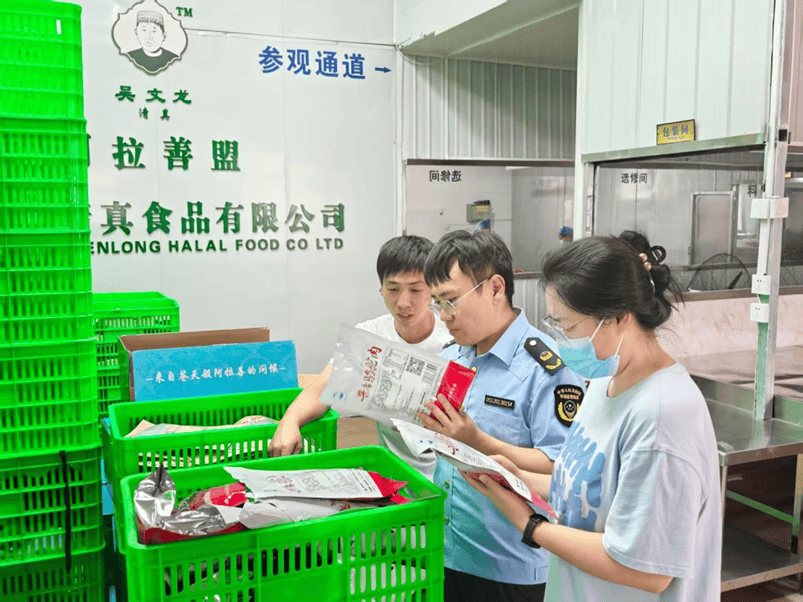
阿左旗市场监管局开展定量包装商品净含量抽查
Sou Hu Cai Jing· 2025-08-19 23:35
Core Viewpoint - The recent initiative by the Alxa League Market Supervision Administration aims to enhance the measurement management of quantitatively packaged goods, protect consumer rights, and regulate the measurement market order through a special supervision inspection in 2025 [1]. Group 1: Supervision Inspection Details - The supervision inspection utilized a random sampling method, focusing on products such as jerky, seeds, daily necessities, and cooking oil, with a total of 33 batches from 10 companies being sampled [3]. - The inspection evaluated two main indicators: compliance of net content labeling with regulations and whether the actual net content met the required standards [3]. - Additionally, checks were conducted on whether businesses were equipped with appropriate measuring instruments, whether these instruments were legally verified, and if measurement records and systems were established [3]. Group 2: Impact and Future Actions - The quantitative packaging inspection has strengthened the measurement and integrity awareness among producers and sellers, thereby better protecting consumer rights [5]. - Moving forward, the Alxa League Market Supervision Administration plans to continue enhancing the measurement regulation of net content in packaged goods, urging companies to improve their measurement management systems and increase legal awareness and management levels [5].

辛集市净然居日用品有限公司成立 注册资本10万人民币
Sou Hu Cai Jing· 2025-08-18 21:45
Company Overview - Xinji City Jingranju Daily Necessities Co., Ltd. has been established with a registered capital of 100,000 RMB [1] - The legal representative of the company is Zhou Yanxu [1] Business Scope - The company operates in various sectors including general items manufacturing, daily wooden products manufacturing, and construction metal fittings manufacturing [1] - Additional activities include sales of household goods, plastic products, daily wooden products, and hardware products [1] - The company is also involved in internet sales, excluding items that require special licenses [1]
芜湖铭喆日用品有限公司成立 注册资本100万人民币
Sou Hu Cai Jing· 2025-08-15 01:49
Core Viewpoint - Wuhu Mingzhe Daily Necessities Co., Ltd. has been established with a registered capital of 1 million RMB, indicating a new player in the daily necessities market [1] Company Summary - The legal representative of Wuhu Mingzhe Daily Necessities Co., Ltd. is Huang Lei [1] - The company is engaged in a variety of business activities including the sale of daily necessities, mold manufacturing and sales, electronic materials manufacturing and sales, and mechanical equipment sales [1] - The registered capital of the company is 1 million RMB, which reflects its initial investment capacity [1] Industry Summary - The company operates in multiple sectors such as daily necessities, molds, electronic materials, mechanical equipment, metal products, hardware products, and plastic products [1] - The business scope includes both manufacturing and sales, indicating a comprehensive approach to market participation [1] - The company is allowed to operate independently in legal and regulatory projects that are not prohibited or restricted, suggesting flexibility in business operations [1]
湖南怀化国际陆港推动本地区与东盟贸易快速增长
Sou Hu Cai Jing· 2025-08-07 11:34
Core Viewpoint - The Hunan Huaihua region has become the most convenient international corridor connecting ASEAN for Hunan and the central region, serving as the only ASEAN cargo aggregation center in Hunan, with significant growth in import and export activities in the first half of the year [1] Group 1: Transportation and Logistics - 70% of the cargo through the Western Land-Sea New Corridor is transported via Huaihua to ASEAN, with a fixed train service known as "scheduled train" facilitating international freight [3] - A scheduled freight train carrying 50 containers, loaded with over 500 tons of goods including fertilizers and auto parts, can reach Vientiane, Laos in three days, while returning with local products [3][5] Group 2: Import and Export Growth - The establishment of a "point-to-point" cooperation mechanism among customs in Huaihua, Yunnan, and Guangxi has led to a rapid increase in the import of high-quality agricultural products from ASEAN, with over 40,000 tons of cassava starch imported in the first half of the year [5] - A total of 816 standard containers of imported fruits were transported, valued at 37.78 million yuan, including durians, longans, and bananas from Southeast Asia, enhancing domestic consumer choices [7] Group 3: Cost and Efficiency Improvements - The transportation of small agricultural machinery from Hunan to Laos via Huaihua International Land Port has seen a significant reduction in transit time, now taking only five days instead of the previous 25 days, while costs have decreased from 32,000 yuan to 17,000 yuan for a fully loaded 40-foot container [11]

老外疯抢又一「中国神器」
投资界· 2025-06-15 08:02
Core Viewpoint - Chinese products are making significant inroads into international markets, driven by innovative designs and effective marketing strategies, exemplified by the success of solar-powered fan hats and other products [4][10][30]. Group 1: Solar-Powered Fan Hats - The solar-powered fan hat has gained immense popularity overseas, particularly in the U.S., where a TikTok video led to a surge in sales, achieving a 126% increase in just seven days [13][15]. - The hat, priced at approximately $40 in the U.S. (about 288 RMB), is significantly cheaper in China, where it retails for 30-60 RMB, making it an attractive option for consumers [7][10]. - The manufacturer, Senwai Hat Industry, has seen substantial demand, selling 11,100 hats in 28 days and generating 3.2 million RMB in revenue, leading to an expansion of production lines [15]. Group 2: Other Successful Products - The "three-wheeled vehicle" has become a versatile tool in Southeast Asia and Africa, gaining popularity on social media in the West, where it is being creatively modified by influencers [19][21]. - In Pakistan, Chinese solar panels and energy storage systems are revolutionizing the energy landscape, with local companies investing millions to enhance solar capacity, addressing electricity shortages and reducing reliance on fossil fuels [23][25][26]. - The "Labubu" toy from Pop Mart has become a phenomenon in overseas markets, particularly in Egypt, where its price skyrocketed from 2,500 Egyptian pounds to 15,000 Egyptian pounds due to high demand [28][29]. Group 3: Key Factors for Success - Successful Chinese products share a common "going abroad" strategy, characterized by precise market insights that address local consumer needs [30][31]. - The combination of practical value and innovative features, along with effective social media marketing and a robust supply chain, has contributed to the emergence of these products as global hits [31][32].

手机买不起、炸鸡吃不起、宠物养不起?这届美国人活得好难
Yang Shi Xin Wen· 2025-05-27 00:34
Core Viewpoint - The chain reaction of increased tariffs in the U.S. is affecting various sectors, leading to higher consumer prices and potential economic strain on American households [1][3]. Group 1: Impact on Major Companies - Apple Inc. faces a potential 25% tariff on phones manufactured abroad, which could lead to prices soaring to $2,300 or even $3,500 if produced in the U.S. [2] - The transition of Apple's supply chain to the U.S. is deemed impractical, requiring an estimated $30 billion and 3 to 10 years for full relocation [2][3]. - California's Attorney General is prepared to sue the federal government to protect local companies like Apple from the adverse effects of the tariff policy [2]. Group 2: Broader Retail and Consumer Price Increases - Retailers, including Walmart, have indicated they will pass on tariff costs to consumers, leading to price increases across various product categories, including food, clothing, and toys [3][4]. - The CFO of Walmart stated that the current tariff levels exceed the retailers' capacity to absorb costs, prompting a review of product pricing strategies [3]. - Toy manufacturer Mattel plans to raise prices due to increased costs from tariffs, with expectations that 40% to 50% of products will remain under $20 [3]. Group 3: Automotive Industry Effects - Ford Motor Company anticipates a 1.5% increase in vehicle prices in the second half of the year due to tariffs [4]. - Subaru has also indicated that it will raise prices to offset increased costs, although specific figures were not disclosed [4]. Group 4: Small Business Challenges - Small businesses are struggling with rising costs due to tariffs, leading to difficult operational decisions [5][6]. - A restaurant owner reported a 50% increase in the cost of aluminum foil pans, forcing them to consider cost-saving measures without passing on expenses to consumers [6]. - A pet supply store owner highlighted that the price of a popular product would jump from $33.5 to $114.29 if produced domestically, risking the viability of their business [7].

关税大跳水,订单数量也翻倍,但中国供应商为何更“淡定”了?
Sou Hu Cai Jing· 2025-05-15 02:10
Core Viewpoint - The recent reduction in tariffs between the US and China has led to a rebound in Chinese export orders, but many suppliers remain cautious and do not view this as a long-term solution to their challenges [1][3][20]. Group 1: Market Reactions - The US has reduced tariffs on Chinese goods from 145% to 30%, resulting in a swift recovery of foreign trade orders for Chinese suppliers [1]. - Despite the return of orders, suppliers like Mr. Mu express concerns about the volatility of the US market, fearing sudden changes in customer behavior [3]. - Suppliers are increasingly aware that reliance on a single market can be risky, prompting them to diversify their customer base [11][13]. Group 2: Supplier Challenges - Suppliers face additional pressures such as the "fentanyl tax," which further squeezes profit margins, leading to a challenging operational environment [5][7]. - Many suppliers have experienced a shift in customer loyalty, with US clients previously moving orders to Southeast Asia to avoid tariffs, only to return when tariffs eased [5][9]. - The relationship between Chinese suppliers and US clients is characterized by a mix of dependency and wariness, as suppliers fear being easily replaced [9][20]. Group 3: Strategic Shifts - Suppliers are beginning to explore domestic markets as a more stable alternative to foreign markets, recognizing the risks associated with international trade [13][14]. - There is a growing trend among suppliers to invest in their own brands and innovative technologies to enhance competitiveness and reduce dependency on external markets [19][20]. - The recent tariff changes have prompted a strategic transformation among Chinese suppliers, who are now more proactive in seeking opportunities and improving their operational efficiency [20][22].
外贸人多线并行!出口转内销怎样了|稳外贸布新局
Di Yi Cai Jing· 2025-05-08 12:38
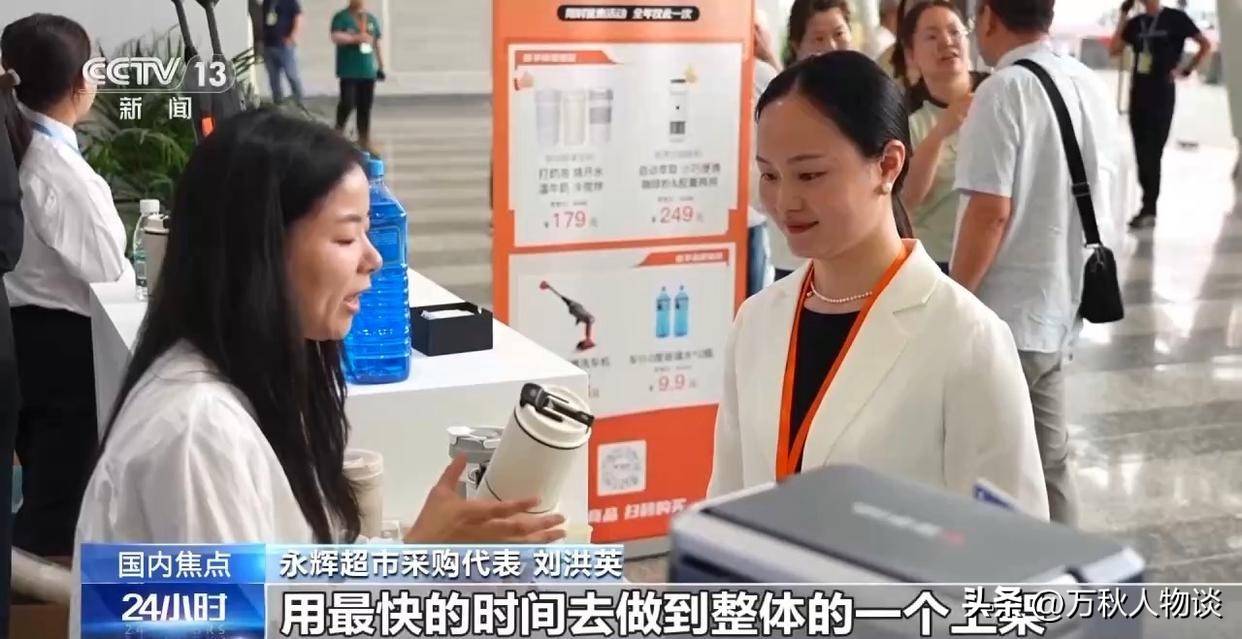
Core Insights - The shift from foreign trade to domestic sales has created new opportunities for companies, with significant sales growth reported in a short period [1][2][3] - Government support and favorable policies have facilitated this transition, allowing companies to leverage their existing products for the domestic market [2][4] - Companies are increasingly focusing on building their own brands to adapt to the domestic market, which requires a strategic long-term approach rather than a short-term fix [3][6] Group 1: Market Dynamics - Companies like Shanghai Silede Industrial Co., Ltd. have seen online sales increase by nearly 50% daily, with some days experiencing exponential growth [1] - The domestic market is becoming more attractive as companies adapt their products to meet local consumer preferences, with a focus on quality and design [1][3] - The rapid transition to domestic sales is exemplified by Shanghai Qingshui Daily Necessities Co., Ltd., which successfully pivoted its business model in just four days [2] Group 2: Strategic Approaches - Companies are utilizing e-commerce platforms that offer free entry into domestic sales, reducing the cost of market entry and providing support for product promotion [4][5] - A semi-managed model allows companies to focus on product provision while platforms handle marketing and sales logistics, creating a win-win situation [5] - Diversification is key, with companies producing semi-finished goods to remain flexible for both domestic and international markets [6] Group 3: Brand Development - Companies are increasingly investing in brand building to enhance their market presence, with a focus on quality and international standards [3][7] - The shift to domestic sales is seen as a long-term strategy, with companies like Silede committing to becoming leaders in their product categories [7] - The importance of brand development is emphasized, as companies recognize that building a high-end brand requires time and consistent effort [6]
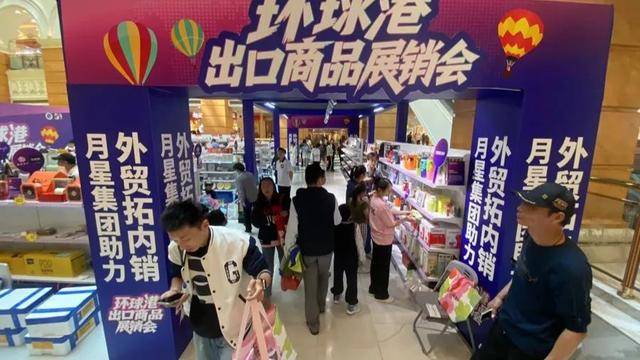
不出口美国了,上海市民疯狂“捡漏”!外贸好东西卖爆了
Sou Hu Cai Jing· 2025-05-05 12:43
Core Points - The article highlights the surge in consumer interest in foreign trade products during the "May Day" holiday in Shanghai, with many consumers favoring high-quality, affordable goods that were previously exported but are now available domestically [1][3][10] Group 1: Consumer Behavior - Shanghai's major shopping centers and supermarkets experienced a significant influx of shoppers, particularly in the "foreign trade quality products" section, indicating a strong demand for these items [1][5] - Consumers are attracted to the high quality and appealing designs of foreign trade products, such as the "Dun Dun" cup and various kitchenware, which are marketed as both stylish and functional [3][10] - Many shoppers, including younger consumers and retirees, are motivated by the desire to support domestic sales of foreign goods, especially in light of recent tariff pressures [12][14] Group 2: Retail Strategies - Retailers like the First Food Store have implemented expedited processes to quickly stock foreign trade products, successfully launching new items just before the holiday [5][9] - The Shanghai Global Port has transformed its product display from a flower cart to a more organized shelf system, showcasing a wider variety of foreign trade goods to attract consumers [14] - Supermarkets and e-commerce platforms are collaborating to streamline the entry of foreign trade products into the domestic market, offering incentives such as zero-cost trial operations and simplified onboarding processes [16][20] Group 3: Product Offerings - The article mentions specific products, such as a French press coffee maker and various canned tuna options, highlighting their competitive pricing compared to online alternatives [7][10] - Retailers are planning to adjust their product offerings based on sales performance, aiming to introduce more popular and award-winning items to meet consumer demand [9][10] - The presence of high-quality foreign products at lower prices, such as shoes and personal care items, is emphasized as a key selling point for attracting customers [16][20]