
橡胶制品

Search documents
金信期货日刊-20260401
Jin Xin Qi Huo· 2026-04-01 01:35
1. Report Industry Investment Rating - No relevant content provided 2. Core Viewpoints of the Report - After the Iran - US conflict, crude oil prices are likely to fall. Geopolitical conflicts mainly cause short - term emotional premiums on oil prices, and the risk premium usually fades within a few weeks to 2 - 3 months. If the current conflict subsides quickly, Brent crude oil is likely to fall from the current high to the range of $62 - 73 per barrel [3][4]. - When crude oil prices fall, the crude oil chemical sector and futures will show a downward trend, with structural differentiation. Direct oil - chemical varieties will decline in sync with crude oil, while coal - chemical/light - hydrocarbon route varieties have stronger resistance to decline, and downstream processing links will see improved profitability [5][6]. - For stock index futures, it is expected that there will be further adjustments in the early trading session tomorrow, and it is recommended to adopt a strategy of shorting at high and buying at low for the time being. Gold is expected to continue with a slightly bullish and volatile trend. Iron ore is in a high - level wide - range oscillation, and the right - side signal is yet to come. Glass should be treated as wide - range oscillation before the upper pressure is broken. Methanol is in a high - level oscillation. Pulp futures are in an interval oscillation [7][11][12][16][18][20]. 3. Summary According to the Catalog I. After the Iran - US conflict, crude oil prices are likely to fall - Geopolitical conflicts on oil prices are mostly short - term emotional premiums rather than long - term trends. After most Middle - East geopolitical events, the crude oil risk premium will quickly be reversed within a few weeks to 2 - 3 months and return to the pricing based on supply - demand fundamentals [4]. - If the current conflict subsides quickly and the Strait of Hormuz resumes navigation, Brent crude oil is likely to fall from the current high to the range of $62 - 73 per barrel, and the geopolitical premium will fade. Only when there is a substantial long - term blockade or continuous interruption of supply in core oil - producing areas can oil prices remain high for a long time, but the probability of this scenario is currently low [4]. II. The trends of the crude oil chemical sector and futures when crude oil prices fall - The crude oil chemical futures as a whole will follow the decline of crude oil but show structural differentiation. Direct oil - chemical varieties such as naphtha cracking, pure benzene, ethylene glycol, PTA, PP/PE will see weakened cost support and their prices will fall in sync with crude oil. The larger the previous increase, the more obvious the decline [5]. - Coal - chemical/light - hydrocarbon route varieties such as coal - based olefins and methanol have relatively independent costs, stronger resistance to decline, and a smaller decline compared with pure oil - chemical varieties. Downstream processing links such as plastic and rubber products will see relieved cost pressure, improved marginal profitability, and smoother price transmission [6]. III. Key influencing factors and rhythm - The speed of premium fading: The faster the conflict subsides, the steeper the decline of crude oil and chemical futures, and the main decline is usually completed within 1 - 4 weeks [6]. - Inventory and positions: The concentrated closing of previous profit - taking positions will amplify short - term fluctuations, and the market will gradually return to the supply - demand logic after the decline [6]. - Macroeconomics and supply - demand: If the global crude oil inventory rises, OPEC+ increases production, or strategic reserves are released, it will accelerate the decline of oil prices. If the demand side remains stable, the decline will be more moderate [6]. Technical Analysis - Stock index futures: It is expected that there will be further adjustments in the early trading session tomorrow, and it is recommended to adopt a strategy of shorting at high and buying at low for the time being. The Shanghai Composite Index is still within the 15 - minute oscillation range [7][8]. - Gold: Gold has stabilized in the daily - level oscillation. After a higher opening, it showed an oscillating trend throughout the day. It should be treated with a slightly bullish and volatile mindset in the future [11]. - Iron ore: Australia and Brazil's shipments maintain a normal rhythm. In the medium - to - long - term, it is in the period of mine production capacity release, and the expectation of loose supply still exists. The resumption of production of steel mills after the festival may have a certain driving effect, but the start of terminal demand still takes time. Attention should be paid to the influence of policy and sentiment. Technically, it is in a high - level wide - range oscillation, and the right - side signal is yet to come [12][13]. - Glass: The daily melting volume has declined slightly, and the inventory has been slightly reduced. Attention should be paid to the resumption progress of deep - processing enterprises after the festival. In the short term, it is more affected by the overall sentiment of commodities. Technically, it should be treated as wide - range oscillation before the upper pressure is broken [16][17]. - Methanol: Iran is China's largest source of methanol imports, accounting for over 70%. The obstruction of shipping in the Strait of Hormuz and the expected maintenance of Iranian facilities have led to a sharp increase in the expectation of import supply contraction, which is the core driver of this round of price increase. However, if the price remains high for a long time, terminal demand will be suppressed, forming a negative feedback. It should be treated as high - level oscillation [18]. - Pulp: The trading sentiment in the spot market is average. Domestic pulp enterprises' production is within the normal range, and the pulp output will not change much. The inventory in domestic ports has started to accumulate, and the pressure remains. The previously shut - down facilities of downstream paper mills are gradually resuming production, and the overall pulp consumption continues to rise. The futures market has shown an interval oscillation recently [20].
金信期货日刊-20260331
Jin Xin Qi Huo· 2026-03-31 01:19
Report Summary 1. Report Industry Investment Rating No relevant information provided. 2. Core Viewpoints - After the Iran - US conflict ends, crude oil prices are likely to fall. Geopolitical conflicts mainly cause short - term emotional premiums on oil prices, and after most Middle - East geopolitical events, the risk premium of crude oil will be quickly reversed within weeks to 2 - 3 months, returning to fundamental supply - demand pricing [3][4]. - If the current conflict subsides quickly and the Strait of Hormuz resumes navigation, Brent crude oil is likely to fall from the current high to the range of $62 - 73 per barrel [4]. - Only when there is a substantial long - term blockade or continuous interruption of supply in core oil - producing areas can oil prices remain high for a long time, but the probability of this scenario is currently low [4]. 3. Summary by Directory I. Impact of the End of the Iran - US Conflict on Crude Oil Prices - Geopolitical conflicts mainly bring short - term emotional premiums to oil prices, not long - term trends. After most Middle - East geopolitical events, the risk premium of crude oil will be quickly reversed within weeks to 2 - 3 months, returning to fundamental supply - demand pricing [4]. - If the conflict subsides quickly and the Strait of Hormuz resumes navigation, Brent crude oil is likely to fall from the current high to the range of $62 - 73 per barrel, and the geopolitical premium will fade [4]. - Only when there is a substantial long - term blockade or continuous interruption of supply in core oil - producing areas can oil prices remain high for a long time, but the probability of this scenario is currently low [4]. II. Trends of Crude Oil Chemical Sector and Futures when Crude Oil Prices Fall - Crude oil chemical futures generally follow the decline of crude oil but show structural differentiation [5]. - Direct oil - chemical products (such as naphtha cracking, pure benzene, ethylene glycol, PTA, PP/PE): The cost support weakens, and prices fall synchronously with crude oil. The greater the previous increase, the more obvious the decline [5]. - Coal - chemical/light - hydrocarbon route products (such as coal - to - olefins, methanol): The cost is relatively independent, with stronger resistance to decline, and the decline range is smaller than that of pure oil - chemical products [6]. - Downstream processing sectors (such as plastic and rubber products): The cost pressure eases, the profit margin improves, and price transmission becomes smoother [6]. III. Key Influencing Factors and Rhythms - The speed of premium fading: The faster the conflict subsides, the steeper the decline of crude oil and chemical futures, and the main decline is usually completed within 1 - 4 weeks [6]. - Inventory and positions: The concentrated closing of previous profit - taking positions will amplify short - term fluctuations, and the market will gradually return to the supply - demand logic after the decline [6]. - Macroeconomics and supply - demand: If the global crude oil inventory rises, OPEC+ increases production or releases strategic reserves, it will accelerate the decline of oil prices; if the demand side remains stable, the decline range will be more moderate [6]. IV. Technical Analysis of Different Futures - **Stock Index Futures**: After sufficient adjustment, it is expected to continue to fill the gap upwards tomorrow. It is recommended to go long on dips [8][9]. - **Gold**: The daily - level decline of gold is gradually stopping. After opening lower, it fluctuated higher throughout the day. It should be treated with a bullish and oscillating mindset in the future [12]. - **Iron Ore**: The shipments from Australia and Brazil maintain a normal rhythm. In the medium - to - long - term, it is in the mine production capacity release cycle, and the expectation of loose supply still exists. The resumption of production of steel mills after the festival may have a certain driving effect, but the start of terminal demand still takes time. It is necessary to pay attention to the impact of policy and sentiment. Technically, it is in a high - level wide - range oscillation, and the right - side signal still needs to wait [13][14]. - **Glass**: The daily melting volume has declined slightly, and the inventory has decreased slightly. It is necessary to pay attention to the resumption progress of deep - processing enterprises after the festival. In the short term, it is more affected by the overall sentiment of commodities. Technically, it should be regarded as a wide - range oscillation before the upper pressure is broken [17][18]. - **Methanol**: Iran is China's largest source of methanol imports, accounting for more than 70%. The obstruction of shipping in the Strait of Hormuz, combined with the expected maintenance of Iranian facilities, has sharply increased the expectation of import supply contraction, which has become the core driving force for this round of price increase. However, if the price remains high for a long time, terminal demand will be suppressed, forming a negative feedback. It should be treated as a high - level oscillation [19]. - **Pulp**: The trading sentiment in the spot market is average. Domestic pulp mills' production is within the normal range, and the pulp output will change little. The inventory in domestic ports has started to accumulate, and the pressure continues. The previously shut - down facilities of downstream paper mills are gradually resuming production, and the overall pulp consumption continues to rise. The futures market has shown a range - bound trend recently [22].
金信期货日刊-20260330
Jin Xin Qi Huo· 2026-03-30 01:15
Report Summary 1. Report Industry Investment Rating No relevant information provided. 2. Core Viewpoints - After the Iran-US conflict subsides, crude oil prices are likely to fall. Geopolitical conflicts usually cause short - term emotional premiums in oil prices, and the risk premium will quickly be reversed within weeks to 2 - 3 months, and the price will return to be determined by supply - demand fundamentals. If the current conflict is quickly resolved and the Strait of Hormuz resumes navigation, Brent crude oil is likely to fall from its current high to the range of $62 - 73 per barrel [3][4]. - When crude oil prices fall, the crude oil chemical futures market will generally follow the decline, but there will be structural differentiation. Direct oil - chemical varieties will decline in sync with crude oil, while coal - chemical/light - hydrocarbon route varieties have stronger resistance to price drops, and the downstream processing sector will see improved profitability [5][6]. 3. Summary by Directory I. After the Iran - US conflict, crude oil prices are likely to fall - Geopolitical conflicts in the Middle East usually lead to short - term emotional premiums in oil prices. After most Middle - East geopolitical events, the risk premium of crude oil will be quickly reversed within weeks to 2 - 3 months, and the price will return to be determined by supply - demand fundamentals. - If the current conflict is quickly resolved and the Strait of Hormuz resumes navigation, Brent crude oil is likely to fall from its current high to the range of $62 - 73 per barrel, and the geopolitical premium will disappear. - Only when there is a substantial long - term blockade or continuous interruption of supply in core oil - producing areas can oil prices remain high for a long time, but the probability of this scenario is currently low [3][4]. II. Trends of the crude oil chemical sector and futures when crude oil prices fall - Crude oil chemical futures will generally follow the decline of crude oil, but there will be structural differentiation. - Direct oil - chemical varieties (such as naphtha cracking, pure benzene, ethylene glycol, PTA, PP/PE) will see a weakening of cost support, and their prices will fall in sync with crude oil. The greater the previous increase, the more obvious the decline [5]. III. Key influencing factors and rhythms - Coal - chemical/light - hydrocarbon route varieties (such as coal - based olefins, methanol) have relatively independent costs, stronger resistance to price drops, and a smaller decline compared to pure oil - chemical varieties. - The downstream processing sector (such as plastic and rubber products) will see a relief in cost pressure, an improvement in profitability, and smoother price transmission. - The speed of premium disappearance: The faster the conflict is resolved, the steeper the decline of crude oil and chemical futures, and the main decline is usually completed within 1 - 4 weeks. - Inventory and positions: The concentrated closing of previous profit - taking positions will amplify short - term fluctuations, and the market will gradually return to the supply - demand logic after the decline. - Macroeconomic and supply - demand factors: If the global crude oil inventory rises, OPEC+ increases production, or strategic reserves are released, it will accelerate the decline of oil prices. If the demand side remains stable, the decline will be more moderate [6]. IV. Technical analysis of various futures - **Stock index futures**: The market opened lower and closed higher today, with heavy trading volume at noon and finally closed with a mid -阳线. Technically, the 5 - minute adjustment is sufficient, and it is expected that there will be an upward trend in the early trading on Monday. It is recommended to go long on dips [8][9]. - **Gold**: The daily - level decline of gold has gradually stopped. Gold maintained a volatile trend throughout the day, and a bullish and volatile outlook is recommended for the future [12]. - **Iron ore**: The shipping from Australia and Brazil maintains a normal rhythm. In the medium - to - long term, it is in the period of mine production capacity release, and the supply is expected to be loose. On the demand side, steel mills will resume production after the holiday, which may have a certain driving effect, but the start of terminal demand still takes time. Technically, it is in a wide - range high - level shock, and the right - side signal still needs to wait [14][15]. - **Glass**: The daily melting has declined, and the inventory has slightly decreased. The resumption of work of deep - processing enterprises after the holiday needs to be monitored. In the short term, it is more affected by the overall sentiment of commodities. Technically, it should be regarded as a wide - range shock before the upper - level pressure is broken [17][18]. - **Methanol**: From the perspective of the industrial chain transmission mechanism, the current methanol price increase is "cost - driven". In the short term, downstream enterprises can digest cost pressure by raising prices, but if the price remains high for a long time, terminal demand will be suppressed, forming a negative feedback. It should be treated as a high - level shock [19]. - **Pulp**: The trading sentiment in the spot market is average. Domestic pulp mills are operating within the normal range, and the pulp output will not change much. The inventory in domestic ports has started to accumulate, and the pressure remains. Downstream paper mills' previously shut - down equipment has gradually resumed production, and the overall pulp consumption continues to rise. The futures market has shown a range - bound trend recently [21].
金信期货日刊-20260327
Jin Xin Qi Huo· 2026-03-26 23:39
1. Report Industry Investment Rating - No relevant content provided 2. Core Viewpoints - After the Iran-US conflict subsides, crude oil prices are likely to fall. If the conflict is quickly resolved and the Strait of Hormuz resumes normal navigation, Brent crude oil is likely to drop from its current high to the range of $62 - $73 per barrel [3][4] - When crude oil prices fall, the crude oil chemical sector and futures will follow the downward trend, but there will be structural differentiation [5] - The adjustment of the stock index futures is expected to end, and there is an expectation of recovery in the early trading tomorrow. It is recommended to go long on dips [8] - Gold is gradually stabilizing at the daily level. It is recommended to maintain a bullish and oscillating view [14] - For iron ore, the supply is expected to be loose in the medium and long term, and the terminal demand needs time to start. It is in a high - level wide - range oscillation, and the right - side signal needs to wait [16][17] - For glass, the daily melting has declined slightly, and the inventory has decreased slightly. In the short term, it is more affected by the overall commodity sentiment. It should be viewed as a wide - range oscillation before the upper pressure is broken [20][21] - For methanol, in March, due to geopolitical conflicts, the inventory in Chinese methanol ports decreased. As of March 25, 2026, the total inventory was 115.55 million tons, a decrease of 10.62 million tons from the previous period [23] - For pulp, the current futures price has broken through the low of nearly a year ago. Although there is still some downward space, it is relatively limited. There is some bottom support, and attention should be paid to position control [25] 3. Summary by Directory 3.1 Impact of the Iran - US Conflict on Crude Oil Prices - Geopolitical conflicts usually cause short - term emotional premiums on oil prices rather than long - term trends. After most Middle East geopolitical events, the risk premium of crude oil will quickly reverse within a few weeks to 2 - 3 months and return to the pricing based on supply and demand fundamentals [4] - If the current conflict is quickly resolved and the Strait of Hormuz resumes normal navigation, Brent crude oil is likely to drop from its current high to the range of $62 - $73 per barrel, and the geopolitical premium will fade [4] - Only when there is a substantial long - term blockade or continuous interruption of supply in core oil - producing areas can oil prices remain high for a long time. Currently, the probability of this scenario is low [4] 3.2 Trends of Crude Oil Chemical Sector and Futures When Crude Oil Prices Fall - The crude oil chemical futures will generally follow the decline of crude oil, but there will be structural differentiation [5] - Direct oil - chemical products (such as naphtha cracking, pure benzene, ethylene glycol, PTA, PP/PE) will see a weakening of cost support, and their prices will fall in sync with crude oil. The greater the previous increase, the more obvious the callback [5] - Coal - chemical/light - hydrocarbon route products (such as coal - to - olefins, methanol) have relatively independent costs and stronger resistance to decline, with a smaller callback amplitude than pure oil - chemical products [6] - Downstream processing sectors (such as plastic and rubber products) will see a relief of cost pressure, an improvement in profit margins, and smoother price transmission [6] 3.3 Key Influencing Factors and Rhythms - The faster the conflict is resolved, the steeper the decline of crude oil and chemical futures. Usually, the main decline is completed within 1 - 4 weeks [6] - The concentrated closing of previous profit - taking positions will amplify short - term fluctuations, and the market will gradually return to the supply - demand logic after the decline [6] - If the global crude oil inventory rises, OPEC+ increases production, or strategic reserves are released, it will accelerate the decline of oil prices. If the demand remains stable, the decline amplitude will be more moderate [6] 3.4 Technical Analysis of Different Futures - **Stock Index Futures**: The adjustment is expected to end, and there is an expectation of recovery in the early trading tomorrow. It is recommended to go long on dips [8] - **Gold**: It is gradually stabilizing at the daily level. After an intraday decline, it pulled back at the end of the session. It is recommended to maintain a bullish and oscillating view [14] - **Iron Ore**: The supply from Australia and Brazil maintains a normal rhythm. In the medium and long term, it is in the cycle of mine capacity release, and the supply is expected to be loose. The terminal demand needs time to start. It is in a high - level wide - range oscillation, and the right - side signal needs to wait [16][17] - **Glass**: The daily melting has declined slightly, and the inventory has decreased slightly. In the short term, it is more affected by the overall commodity sentiment. It should be viewed as a wide - range oscillation before the upper pressure is broken [20][21] - **Methanol**: In March, due to geopolitical conflicts, the inventory in Chinese methanol ports decreased. As of March 25, 2026, the total inventory was 115.55 million tons, a decrease of 10.62 million tons from the previous period [23] - **Pulp**: The current futures price has broken through the low of nearly a year ago. Although there is still some downward space, it is relatively limited. There is some bottom support, and attention should be paid to position control [25]
金信期货日刊-20260326
Jin Xin Qi Huo· 2026-03-26 01:23
Group 1: Investment Rating - No investment rating information provided Group 2: Core View - After the Iran-US conflict subsides, crude oil prices are likely to fall. If the conflict ends quickly and the Strait of Hormuz resumes navigation, Brent crude oil is likely to drop from its current high to the range of $62 - 73 per barrel [3][4] - Crude oil chemical futures will generally follow the decline of crude oil, but show structural differentiation. Direct oil chemical varieties will see their prices fall in sync with crude oil, while coal chemical/light hydrocarbon route varieties are more resistant to decline, and downstream processing sectors will see improved profitability [5][6] - The stock index continues to show a strong upward trend, and it is recommended to buy on dips. Gold is expected to continue to be volatile and bullish. Iron ore is in a high - level wide - range shock, and the right - side signal is yet to come. Glass should be treated as a wide - range shock before the upper pressure is broken. Methanol inventories have decreased. Pulp has some bottom support [8][14][16] Group 3: Summary by Directory 1. Impact of Iran - US Conflict on Crude Oil Prices - Geopolitical conflicts usually cause short - term emotional premiums on oil prices. After most Middle East geopolitical events, the risk premium of crude oil will be quickly reversed within a few weeks to 2 - 3 months and return to fundamental pricing [4] - If the current conflict ends quickly, Brent crude oil is likely to fall to the range of $62 - 73 per barrel, and the geopolitical premium will fade. Only in the case of long - term blockade or continuous supply interruption in core oil - producing areas can oil prices remain high for a long time, but the probability of this scenario is low [4] 2. Trends of Crude Oil Chemical Sector and Futures when Crude Oil Falls - Crude oil chemical futures will generally follow the decline of crude oil, with direct oil chemical varieties such as naphtha cracking, pure benzene, ethylene glycol, PTA, PP/PE seeing their prices fall in sync with crude oil, and the greater the previous increase, the more obvious the decline [5] - Coal chemical/light hydrocarbon route varieties such as coal - to - olefins and methanol are more resistant to decline, and downstream processing sectors such as plastic and rubber products will see improved profitability [6] 3. Key Influencing Factors and Rhythms - The faster the conflict subsides, the steeper the decline of crude oil and chemical futures, usually completing the main decline within 1 - 4 weeks [6] - The concentrated liquidation of previous profit - taking positions will amplify short - term fluctuations, and the market will gradually return to the supply - demand logic after the decline [6] - If global crude oil inventories rise, OPEC+ increases production or releases strategic reserves, it will accelerate the decline of oil prices. If demand remains stable, the decline will be more moderate [6] 4. Technical Analysis of Different Futures - **Stock Index Futures**: Continues to show a strong upward trend. It is recommended to buy on dips. On Wednesday, the stock index continued to rebound and strengthen, and it is expected to form a three - wave rise in the 15 - minute chart in the early trading tomorrow [8][9] - **Gold**: The daily - level decline of gold has gradually stopped. It is expected to continue to be volatile and bullish [14] - **Iron Ore**: Australia and Brazil's shipments maintain a normal rhythm. There is still an expectation of loose supply in the medium - and long - term. The terminal demand needs time to start. It is in a high - level wide - range shock, and the right - side signal is yet to come [16][17] - **Glass**: The daily melting volume has declined, and inventories have slightly decreased. It is more affected by the overall sentiment of commodities in the short term. It should be treated as a wide - range shock before the upper pressure is broken [20][19] - **Methanol**: In March, due to intensified geopolitical conflicts and the tense situation in the Middle East, as of March 25, 2026, the total inventory of Chinese methanol ports was 1.1555 million tons, a decrease of 106,200 tons from the previous period, with a decrease of 84,700 tons in East China [22] - **Pulp**: The current futures price has broken through the low of nearly a year ago. Although there is still some downward space, it is relatively limited. It has attracted some corporate customers to take over, and there is some bottom support. Attention should be paid to position control [24]
瑞博塑胶(宜宾)有限公司成立,注册资本500万人民币
Sou Hu Cai Jing· 2026-02-26 03:36
Core Viewpoint - Recently, the establishment of Rebo Plastic (Yibin) Co., Ltd. has been registered, with a registered capital of 5 million RMB, indicating a new player in the rubber and plastic manufacturing industry [1] Company Summary - The legal representative of Rebo Plastic (Yibin) Co., Ltd. is Gong Jianxun [1] - The company is primarily owned by Chengdu Rebo Plastic Co., Ltd. (51%), Ou Bingfeng (25%), and Ningbo Ruixinghui Technology Co., Ltd. (24%) [1] - The company operates in various sectors including rubber product manufacturing, plastic product sales, automotive parts research and development, and general component manufacturing [1] Industry Summary - The company is classified under the manufacturing industry, specifically in the rubber and plastic products sector, focusing on plastic products [1] - The operational scope includes technical services, import and export of goods, and sales of packaging materials and products [1] - The company is located in the Yibin Economic Development Zone, Sichuan Province, and has an indefinite business duration [1]
突发特讯!美国通告全球:白宫确认终止部分关税措施,引发全球高度关注
Sou Hu Cai Jing· 2026-02-21 09:48
Group 1 - The U.S. Supreme Court's ruling has caused significant turmoil in international trade, with the termination of nine tariff measures under the International Emergency Economic Powers Act, affecting goods worth 17% of the U.S. annual import total [1][3] - Following the ruling, President Trump announced a new temporary 10% tariff on all imports under Section 301 of the Trade Act of 1974, which, while lower than previous tariffs, applies broadly to all trading partners [3][5] - The transition period between the old and new policies has created confusion in supply chains, with companies facing decisions on whether to declare goods under old or new tax rates, impacting at least $370 million worth of goods in transit [5] Group 2 - Trump's announcement of potential Section 301 investigations targeting countries accused of technology theft raises concerns about future tariffs, which could escalate to as high as 100% for specific industries [7] - The European Union is preparing for both the immediate 10% global tariff and potential investigations that could target strategic sectors like pharmaceuticals and aerospace, indicating a dual defensive strategy [7] - The current situation highlights vulnerabilities in the global trade system, where sudden policy changes can disrupt finely-tuned supply chains, yet the market has reacted positively to the lower 10% tariff compared to the previous 25% punitive tariffs [7]

中策橡胶2月12日获融资买入597.22万元,融资余额2.23亿元
Xin Lang Cai Jing· 2026-02-13 01:38
Group 1 - The core viewpoint of the news is that Zhongce Rubber experienced a slight increase in stock price and reported significant financing activities on February 12, 2025, with a net financing outflow of 736.01 million yuan [1] - On February 12, Zhongce Rubber's financing buy amounted to 5.97 million yuan, while the financing repayment was 13.33 million yuan, resulting in a total financing balance of 223 million yuan, which represents 4.65% of its market capitalization [1] - As of September 30, 2025, Zhongce Rubber achieved a revenue of 33.68 billion yuan, reflecting a year-on-year growth of 14.98%, and a net profit attributable to shareholders of 3.51 billion yuan, with a growth of 9.30% [1] Group 2 - As of September 30, 2025, the number of shareholders in Zhongce Rubber was 38,300, a decrease of 46.47% from the previous period, while the average circulating shares per person increased by 86.82% to 2,217 shares [1] - The company has distributed a total of 1.14 billion yuan in dividends since its A-share listing [1] - Among the top ten circulating shareholders, XQ Trend Investment Mixed Fund (LOF) is the seventh largest shareholder, having newly acquired 856,200 shares [2]
【石油和化工行业景气指数】1月:季节需求拉动 景气指数上涨
Zhong Guo Hua Gong Bao· 2026-02-11 05:28
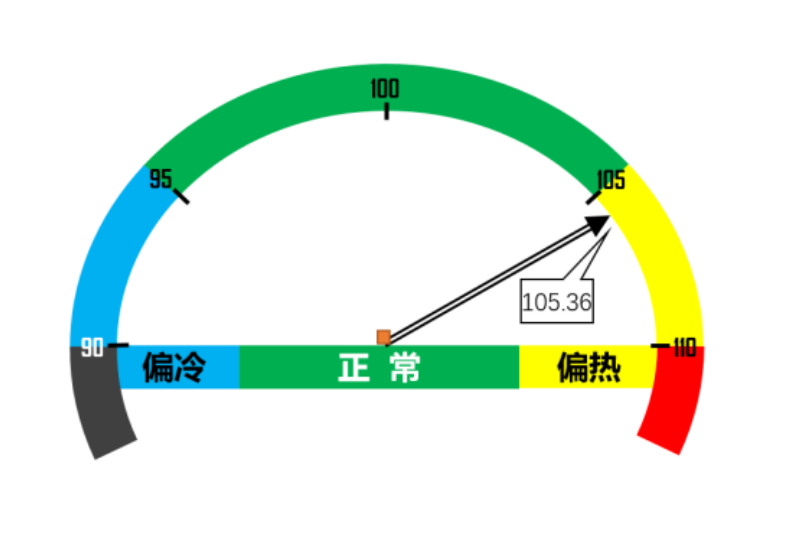
Core Insights - The oil and chemical industry prosperity index rose to 105.36 in January 2026, driven by low oil prices and seasonal demand ahead of the Spring Festival [2][11] - The upstream oil and gas extraction sector faced ongoing pressure from falling prices, but seasonal demand led to inventory reduction, resulting in a slight recovery in the prosperity index [11] - The fuel processing industry saw a profit recovery, but inventory turnover slowed, causing a decline in its prosperity index [2][11] - The chemical raw materials and products manufacturing sector, along with rubber, plastic, and other polymer products manufacturing, experienced synchronized growth in production, profits, and inventory turnover due to low raw material costs and seasonal stocking [2][11] Index Data - The oil and chemical industry prosperity index increased by 4.45 points from December to January [8][16] - The oil and gas extraction sector index rose by 5.15 points, ending a four-month decline [11][16] - The fuel processing industry index decreased by 10.33 points, indicating a shift from overheating to normal conditions [14][16] - The chemical raw materials and products manufacturing index increased by 11.72 points, reflecting favorable conditions for production and sales [14][16] - The rubber, plastic, and other polymer products manufacturing index rose by 9.92 points, indicating a strong production response to low costs and seasonal demand [16] Market Trends - The manufacturing PMI fell to 49.3% in January 2026, indicating a slowdown in overall manufacturing, contrasting with the rising prosperity index in the petrochemical sector [3][17] - Geopolitical tensions in the Middle East have led to short-term fluctuations in oil prices, with market sentiment oscillating between conflict risks and potential negotiations [4][18] - The oil price is expected to maintain a volatile pattern with upward pressure and downward support due to seasonal demand weakness [4][18] Future Outlook - The petrochemical industry is anticipated to face challenges in February 2026 due to fluctuating oil prices and weakening post-holiday demand, leading to a potential seasonal decline in the prosperity index [9][19] - The demand side remains a critical variable, with the industry entering a traditional off-peak season after the Spring Festival [19]
山东焜邦进出口贸易有限公司成立,注册资本500万人民币
Sou Hu Cai Jing· 2026-02-10 03:32
Core Viewpoint - Shandong Kunbang Import and Export Trade Co., Ltd. has been established with a registered capital of 5 million RMB, fully owned by Linyi Zhongru New Materials Co., Ltd. [1] Group 1: Company Information - The legal representative of Shandong Kunbang Import and Export Trade Co., Ltd. is Kan Shiming [1] - The company is registered with a capital of 5 million RMB [1] - The business scope includes import and export of goods, supply chain management services, manufacturing and sales of rubber products, trade brokerage, and sales of packaging materials and chemical products [1] Group 2: Shareholding Structure - Linyi Zhongru New Materials Co., Ltd. holds 100% of the shares in Shandong Kunbang Import and Export Trade Co., Ltd. [1] Group 3: Operational Details - The company is located in the Huo Stone Chemical Park, Shizun Community, Xiazhuang Town, Ju County, Rizhao City, Shandong Province [1] - The business license allows for self-operated business activities, except for projects that require approval [1] - The company has a business duration from February 9, 2026, with no fixed term [1]