
时尚与奢侈品

Search documents
Lanvin Group(LANV) - 2025 Q2 - Earnings Call Transcript
2025-08-29 13:02
Financial Data and Key Metrics Changes - The company's revenue in the first half was €133 million, down 22% year on year, reflecting softer market conditions and planned creative transitions [10] - Gross profit margin declined by 400 basis points to 54%, primarily due to sell-through of prior season inventory [11] - Adjusted EBITDA margin decreased to negative €52 million, impacted by lower revenue and operational leverage [15] Business Line Data and Key Metrics Changes - Lanvin's revenue declined by 42%, primarily due to weak wholesale demand in EMEA, but DTC revenue increased by 46% in the second quarter [20] - Wolfer's revenue was down 23%, with a 14% growth in the wholesale channel, while D2C decreased by 35% [22] - Sergio Rossi's revenue fell 25%, but retail sales were up 17% in Q2, indicating a rebound [24] - St. John maintained nearly flat revenue with a 4% growth in its core North American market [26] Market Data and Key Metrics Changes - All key regions saw revenue declines, with EMEA and Greater China facing the most significant headwinds [14] - D2C and wholesale channels were down, particularly in EMEA and Greater China [14] Company Strategy and Development Direction - The company is focused on long-term strategies, including strengthening brand leadership and streamlining operations [7][8] - There is an emphasis on protecting free cash flow through disciplined working capital management and rigorous cost control [8] - Targeted marketing initiatives are being deployed to boost traffic and conversion [9] Management's Comments on Operating Environment and Future Outlook - The management highlighted the challenges posed by global macroeconomic and geopolitical uncertainty but expressed confidence in the foundational work completed in H1 [3][4] - Encouraging signs of recovery were noted in the second quarter across several brands, with a focus on executing plans for the second half [30] Other Important Information - The company streamlined 29 underperforming stores in the first half, aiming for a more focused and productive retail footprint [17] - Significant strides were made in reducing G&A expenses across various brands, with reductions of 27% for Wolfer, 25% for Sergio Rossi, and 35% for St. John [15][16] Q&A Session Summary - There were no questions during the Q&A session, and the conference call concluded without any inquiries [31]

Lanvin Group(LANV) - 2025 Q2 - Earnings Call Transcript
2025-08-29 13:00
Financial Data and Key Metrics Changes - The company's revenue in the first half was €133 million, down 22% year on year, reflecting softer market conditions and planned creative transitions [9][10] - Gross profit margin declined by 400 basis points to 54%, primarily due to sell-through of prior season inventory [10][14] - Adjusted EBITDA margin decreased to negative €52 million, reflecting negative operational leverage, although cost discipline helped mitigate a larger drop [15][10] Business Line Data and Key Metrics Changes - Lanvin's revenue declined by 42%, primarily due to weak wholesale demand in EMEA, but DTC revenue increased by 46% in the second quarter [20][21] - Wolfer's revenue was down 23%, but wholesale channel grew by 14%, while D2C decreased by 35% due to rightsizing of the retail network [22] - Sergio Rossi's revenue fell 25%, but retail sales were up 17% and e-commerce was up 10% in Q2 [24] - St. John maintained nearly flat revenue with a 4% growth in its core North American market [27] Market Data and Key Metrics Changes - All key regions saw revenue declines, with EMEA and Greater China facing the most significant headwinds [13] - D2C and wholesale channels were down, with major softness in wholesale for EMEA and cautious consumer sentiment in Greater China [13] Company Strategy and Development Direction - The company is focused on long-term growth, emphasizing cost discipline, operational efficiency, and strategic repositioning across geography and product assortment [4][12] - The strategy includes streamlining operations, optimizing retail footprint, and deploying targeted marketing initiatives to boost traffic and conversion [8][19] - The company plans to leverage new creative talent to drive growth in the second half [12][21] Management's Comments on Operating Environment and Future Outlook - Management acknowledged the tough macroeconomic and geopolitical climate but expressed confidence in the foundational work completed in the first half [3][30] - There are encouraging signs of recovery in the second quarter across several brands, and management is optimistic about the plans for the second half [30][31] Other Important Information - The company rightsized 29 underperforming stores in the first half and is continuing a comprehensive review of its network [8][18] - Significant strides were made in reducing G&A expenses across various brands, with reductions of 27% for Wolfer, 25% for Sergio Rossi, and 35% for St. John [15][16] Q&A Session Summary - There were no questions during the Q&A session, and the conference call concluded without any inquiries [32]
Lanvin Group(LANV) - 2025 Q2 - Earnings Call Transcript
2025-08-29 13:00
Financial Data and Key Metrics Changes - The company's revenue in the first half was €133 million, down 22% year on year, reflecting softer market conditions and planned creative transitions [9] - Gross profit margin declined by 400 basis points to 54%, primarily due to sell-through of prior season inventory [10] - Adjusted EBITDA margin decreased significantly, resulting in a negative €52 million, attributed to negative operational leverage [15] Business Line Data and Key Metrics Changes - Lanvin's revenue declined by 42%, primarily due to weak wholesale demand in EMEA, but retail remained resilient with a 46% increase in DTC revenue in Q2 [20] - Wolfer's revenue was down 23%, but wholesale grew by 14%, indicating a positive trend despite a 35% decrease in D2C [22] - Sergio Rossi's revenue fell 25%, but retail sales rebounded by 17% in Q2, indicating potential recovery [24] - St. John maintained nearly flat revenue with a 4% growth in its core North American market [27] Market Data and Key Metrics Changes - All key regions saw revenue declines, with EMEA and Greater China facing the most significant challenges [13] - D2C and wholesale channels were down, with major softness in wholesale for EMEA and cautious consumer sentiment in Greater China [13] Company Strategy and Development Direction - The company is focused on long-term growth through brand leadership strengthening, operational efficiency, and targeted marketing initiatives [8] - A comprehensive review of the retail network is ongoing, with 29 underperforming stores rightsized [8][18] - The company aims to protect free cash flow through disciplined working capital management and rigorous cost control [8] Management's Comments on Operating Environment and Future Outlook - The management acknowledged persistent global macroeconomic and geopolitical uncertainty but expressed confidence in recovery signs observed in Q2 [3][30] - The company is optimistic about the second half, driven by new creative talent and strategic repositioning efforts [12][30] Other Important Information - The company completed a capital increase for Wolford to support its strategic transformation [5] - Significant strides were made in reducing G&A expenses across various brands, with reductions of 27% for Wolfer, 25% for Sergio Rossi, and 35% for St. John [15][16] Q&A Session Summary - There were no questions during the Q&A session, and the conference call concluded without further inquiries [32]
瞄准七夕消费季,奢牌限定能否破局?
Sou Hu Cai Jing· 2025-08-26 03:48
Group 1: Luxury Brands' Strategies for Qixi Festival - Major luxury brands are launching limited edition products for the Qixi Festival to capture market share, including jewelry, bags, cosmetics, and home goods [1] - Louis Vuitton has introduced the 2025 Qixi Gift Collection featuring the Dream series and Monogram Archive series, emphasizing customization options for consumers [1][3] - LETOII ATELIER has unveiled the 2026 Spring Couture Collection, showcasing intricate craftsmanship with over 1.49 million pearls and 8.9 million sequins [2][5] Group 2: Brand Campaigns and Themes - Prada's new collection reinterprets traditional love stories through modern Shanghai settings, featuring a campaign with brand ambassadors [7] - Balenciaga's annual Qixi campaign captures romantic moments in iconic Shanghai locations, emphasizing a "Frozen in time" visual concept [8] - Miu Miu's collection combines dreamlike and minimalist aesthetics, highlighting a blend of nostalgic and rebellious styles [10] Group 3: Unique Offerings and Cultural Elements - LOEWE's Qixi series includes limited edition bags and a mini-drama titled "The Magpie's Love," reflecting a "Chinese-style romance" [11] - Loro Piana's 2025 capsule collection is inspired by "reunion and love," featuring soft natural tones and floral prints [12] - TAG Heuer has launched couple watches with a focus on long-lasting romance, utilizing blue and pink color schemes [13] Group 4: Emotional and Artistic Expressions - Boucheron's new campaign draws inspiration from emotional connections, showcasing the Quatre Classique and Quatre Grosgrain series [15] - Thom Browne's 2025 Qixi limited series features playful designs that express love through everyday items, including a game for sharing "love notes" [15] - The success of luxury brands during the Qixi season hinges on their ability to resonate with consumers' emotional and personalized needs [16]

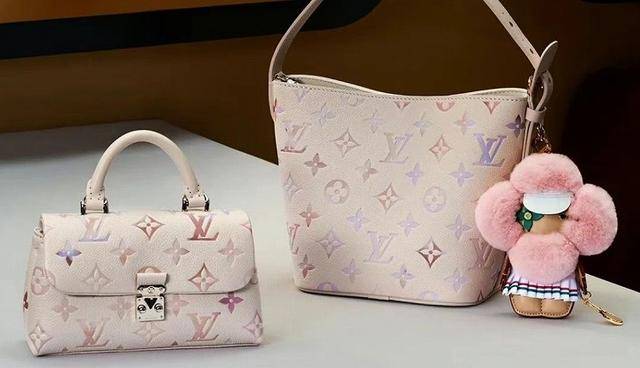
七夕高端品牌局:品牌借在地文化,共谱浪漫消费曲
Sou Hu Cai Jing· 2025-08-05 10:50
Group 1: High-End Brand Activities for Qixi Festival - Luxury brands are leveraging traditional Chinese culture and local elements to launch unique promotional activities for the Qixi Festival [2][4][12] - LV introduces personalized customization services, allowing consumers to choose colors, fonts, stripes, and embellishments for their bags, enhancing the romantic experience [4] - Prada's advertising campaign features a contemporary narrative that intertwines mythology with modern Shanghai, showcasing new collections through a journey across seven iconic bridges [8][10] Group 2: Specific Brand Initiatives - Balenciaga's Qixi campaign includes a series of portraits and short films shot at Shanghai landmarks, highlighting the contrast between urban life and romantic moments [10] - APM Monaco launches a new Morse code jewelry collection inspired by the ancient "Qixi" tradition, with interactive advertising across over 200 locations in major cities [12] - Loro Piana unveils a limited capsule collection themed around "reunion and love," featuring soft color palettes and a whimsical limited-edition plush toy, emphasizing craftsmanship and emotional expression [14]

爱马仕、普拉达业绩增长不佳;加拿大鹅喜获高增长|二姨看时尚
Sou Hu Cai Jing· 2025-08-04 01:21
Group 1: Company Performance - Hermès reported a 9% increase in sales for the second quarter, reaching €3.9 billion, with all regions showing growth [14] - Adidas achieved a 7.3% increase in net sales for the first half of the fiscal year, totaling €12.1 billion, with a gross margin of 51.9% [2] - Prada's net revenue for the first half of the fiscal year reached €2.74 billion, reflecting a 9.1% growth at constant exchange rates [2] - Canada Goose reported a strong start to the new fiscal year with a 22.4% increase in global revenue, amounting to CAD 107.8 million [9] - Kering's stock price rose 24% following the appointment of Luca de Meo as CEO, who received a €20 million signing bonus [3] - SMCP's sales increased by 2.7% to €601.1 million, with all regions outside Asia showing growth [11] Group 2: Operational Changes - PUMA appointed Andreas Hubert as COO, effective September 1, to streamline operations and integrate various functions [6] - Arena announced Mark Pinger as the new Chief Brand Officer, effective October 1, leveraging his sports background for brand growth [7] - Jil Sander's CEO Serge Brunschwig resigned after six months, indicating potential instability in leadership [13] Group 3: Market Trends and Insights - L'Oréal's second-quarter sales grew by 1.6%, with an operating profit margin of 21.1%, indicating a positive trend in digital transformation [8] - The luxury market shows a divergence in brand performance, with Prada's main brand experiencing a slight decline while Miu Miu surged by 49.2% [2][3] - The disappearance of shares held by Hermès' largest individual shareholder may impact brand image and market confidence [5]

Gucci连续6个季度销量下滑,上半年全球关店18家 | 贵圈
Xin Lang Ke Ji· 2025-08-01 02:47
Group 1 - Kering Group reported a 16% year-on-year decline in revenue for the first half of 2025, totaling €7.587 billion, with recurring operating profit down 38.7% to €969 million and net profit down 46% to €474 million [2] - The core brand Gucci experienced a significant revenue drop of 26% year-on-year in the first half of 2025, generating €3 billion, with a 25% decline in the second quarter to €1.46 billion [2] - Gucci's poor performance has persisted for six consecutive quarters, with comparable sales declines of 21%, 20%, 25%, 24%, 25%, and 25% from Q1 2024 to Q2 2025 [2] Group 2 - Other brands under Kering also faced challenges, with Saint Laurent (YSL) revenue down 11% to €1.3 billion in the first half of 2025, and a 10% decline in comparable sales for the second quarter [2] - Only Bottega Veneta and Kering Eyewear achieved growth, with Bottega Veneta's revenue increasing by 1% to €846 million and Kering Eyewear's revenue growing by 2% to €1.092 billion, while Kering Beauty saw a 9% increase [2] - Kering's Chairman and CEO Francois-Henri Pinault acknowledged the underperformance and stated that the company is optimizing distribution channels and cutting costs to strengthen its financial structure [3] Group 3 - In the first half of the year, Kering closed 24 stores globally, including 18 Gucci stores, with 7 located outside Japan in the Asia-Pacific region [3] - As of June 30, Kering had a total of 1,789 stores worldwide [3]
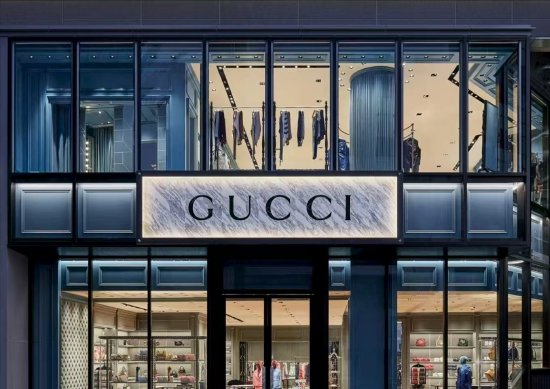
PRADA(01913) - 2025 Q2 - Earnings Call Transcript
2025-07-30 13:30
Financial Data and Key Metrics Changes - The company reported net revenues of €2,740 million, up 9% versus H1 2024 at constant FX, with a drag from FX of 160 basis points, leading to an increase of 8% at current exchange rates [17] - Retail sales reached €2,450 million, up 10% versus H1 2024 at constant FX [18] - EBIT adjusted reached €619 million in H1 2025, with a margin of 22.6%, showing steady profitability compared to H1 2024 [19] - Net income for the period was €386 million, in line with the same period last year [24] - Cash flow from operations reached €696 million, and the net cash position stood at €352 million [19][26] Business Line Data and Key Metrics Changes - Retail sales for the Prada brand were down 2% in the semester, primarily impacted by Japan and Europe due to lower tourist flows [20] - Miu Miu experienced a 49% retail sales growth in the semester and 40% in Q2, now contributing to 32% of group retail sales compared to 23% in H1 2024 [21] - Churches brand saw a 4% increase in retail sales for the semester and 6% in Q2 [21] Market Data and Key Metrics Changes - Retail sales in Asia Pacific were up 10% in the semester, with stable trends between quarters [22] - Europe saw a 9% increase, with Q2 impacted by lower tourist spending [22] - The Americas showed improvement in Q2, with both local and traveler spending increasing [22] - The Middle East delivered the best performance, up 26% in H1 [23] Company Strategy and Development Direction - The company is focused on maintaining strong brand desirability and investing in new products and collections [8][9] - There is an emphasis on enhancing customer relationships and hospitality, exemplified by the opening of a new men's store on Fifth Avenue [9] - The company is navigating a resetting industry and is committed to long-term growth despite current challenges [28][30] Management's Comments on Operating Environment and Future Outlook - Management acknowledged a cyclical downturn led by tourism and a resetting luxury market after years of growth [6][7] - There is cautious optimism about the second half of the year, with expectations of improved performance as comparisons ease [39][40] - The company is focused on maintaining full-price sales and improving operational efficiencies [30] Other Important Information - The company is advancing its environmental strategy, including lower impact raw materials and responsible chemical management [15] - Significant investments have been made in diversity and inclusion initiatives, as well as ocean literacy and preservation efforts [15][16] Q&A Session Summary Question: Insights on American and Chinese clusters in Q2 - The Chinese market was softer than Q1, with subdued local demand and weaker travel transactions. North America showed low single-digit growth with improving local demand but weakening traveler spending [34][35] Question: Outlook for Q3 and easier comparisons - Q3 is expected to be softer, with tourism traffic likely to break even in August. There are easier comparisons in Q3 versus Q2 [39][40][118] Question: Prada brand's new collection and pricing strategy - The focus is on maintaining credibility at higher price points while ensuring a well-balanced collection. The company aims to improve customer engagement and hospitality [46][47] Question: Operating leverage in H1 and expectations for H2 - The company is pleased with the trajectory but emphasizes the importance of ongoing investments for long-term growth, expecting to maintain EBIT growth if top-line growth continues [50][52] Question: Versace acquisition timeline and management plans - The acquisition is expected to finalize between September and November, with careful management of the brand's identity and positioning [54][55] Question: Retail KPIs and areas for improvement - The company acknowledges a gap in retail culture and commercial attitude compared to the best in the industry, indicating ongoing efforts to improve customer interaction and service [74][75] Question: Trends in product categories and pricing - Ready-to-wear and shoes have been the strongest categories, while leather goods have gained market share despite overall market weakness [78][79] Question: Miu Miu's growth strategy - Miu Miu is underpenetrated in many markets, with plans for geographical expansion and product category growth, particularly in leather goods [110] Question: Impact of tourism on Prada brand - Q3 is expected to see continued cyclical demand pressure related to tourism, with a share of tourist spending roughly 30% globally [119][120] Question: Marketing costs and future expectations - Marketing costs were up 16% year-on-year, with significant phasing expected to normalize throughout the year [121][122]
普拉达(01913.HK)上半年经调整EBIT为6.19亿欧元 同比增加8%
Ge Long Hui· 2025-07-30 12:11
Core Insights - Prada Group reported a net revenue of €2,740 million for the six months ending June 30, 2025, representing a 9% increase at constant exchange rates compared to the same period in 2024 [1] - Retail sales net revenue increased by 10% at constant exchange rates compared to 2024, with Miu Miu's retail sales net revenue rising by 49%, while Prada brand's retail sales net revenue decreased by 2% [1] - All regions experienced growth in retail sales net revenue at constant exchange rates: Middle East +26%, Americas +12%, Asia Pacific +10%, Europe +9%, and Japan +4% [1] Financial Performance - The adjusted EBIT for the first half of 2025 was €619 million, an 8% increase compared to 2024, with a profit margin of 22.6%, remaining stable year-on-year [1] - The net income for the first half of the year was €386 million [1] - The board proposed a final dividend of €0.164 per share for the fiscal year 2024 [1]
上海“LV大船”被淹视频系伪造,警方:正核处视频制作者和传播
Bei Ke Cai Jing· 2025-07-30 09:48
Core Viewpoint - A viral video claiming that the "LV flagship store" in Shanghai was flooded due to Typhoon "Zhu Jie Cao" has been confirmed as fake, with no significant water accumulation reported in the area [1][2]. Group 1 - The viral video depicting flooding around the "LV flagship store" was widely circulated on social media [1]. - Local authorities reported no significant water accumulation in the vicinity of the LV flagship store during the typhoon [1]. - The Shanghai police have confirmed that the video is a fabricated content and are investigating its creator and dissemination [2][3].