
智能制造业

Search documents
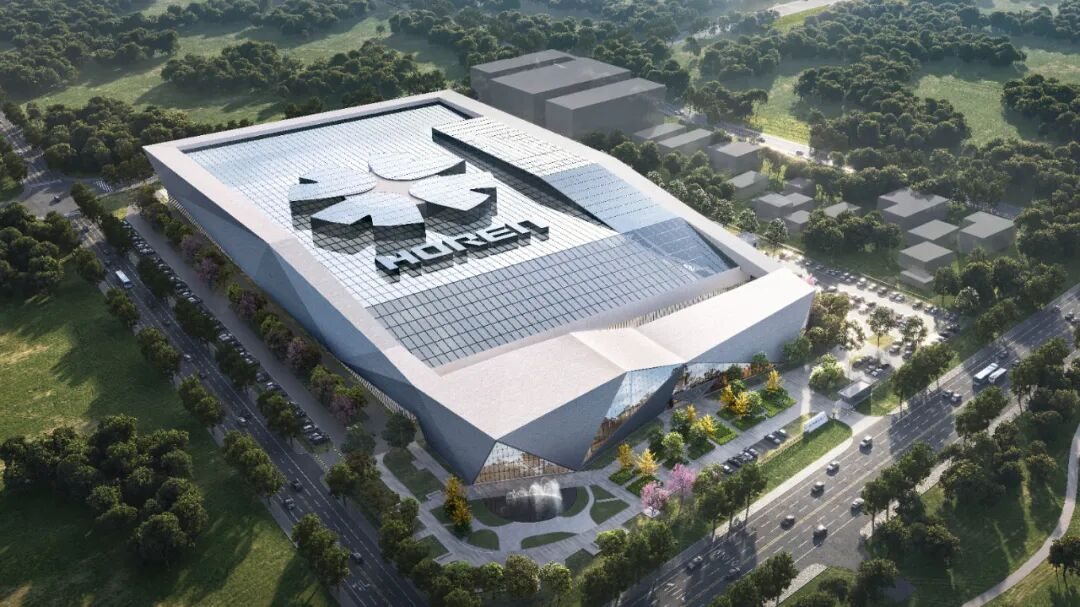
总投资10亿元 箱箱共用全球首个智能工厂落地浙江仙居
Yang Guang Wang· 2025-12-26 07:51
Core Insights - The establishment of a global smart factory by the company in Xianju, Zhejiang, represents a significant investment of 1 billion yuan, aimed at creating a world-class industrial benchmark that integrates modern aesthetics, zero-carbon ecology, and digital intelligence [1][2] Investment and Capacity Expansion - The Xianju factory, covering an area of 112 acres, is the company's largest single strategic investment to date, expected to enhance production capacity and serve as a key support for an integrated ecosystem of technology research, project incubation, and autonomous manufacturing [2][4] - The factory is projected to achieve an annual production capacity of 300,000 sets of bulk liquid IBCs, 10 million sets of fresh cold chain foldable RPCs, 200,000 sets of automotive and home appliance component boxes, and 2 million sets of special valves and liquid bag consumables upon reaching full production [4] Design and Aesthetic Philosophy - Named "Green Ark," the factory's design reflects the company's journey of transformation and innovation, emphasizing a harmonious coexistence of humanity, technology, and nature [5][6] - The factory's architectural design spans 100,000 square meters, equivalent to 14 standard football fields, featuring a three-story main factory and a four-story office building [5] Sustainability and Smart Manufacturing - The project incorporates zero-carbon principles throughout its energy management, from spatial layout to material selection, aiming for net-zero carbon emissions during its operational phase [6] - The factory will implement industrial IoT technologies, integrating various systems such as PLC+SCADA, ERP, MES, and WMS, along with AI deep learning for enhanced production transparency and intelligent control [6] - The focus on lean manufacturing aims to drive significant improvements in production quality and efficiency through automation and standardized operations [6] Future Outlook - The company plans to leverage the Xianju global smart factory as an innovation engine to further integrate smart manufacturing with green supply chain services, collaborating with ecological partners to provide sustainable solutions for global low-carbon transitions [6]

前11月数字经济核心产业销售收入同比增10%
Ren Min Ri Bao· 2025-12-25 22:20
Group 1 - The core viewpoint of the article highlights the rapid growth of the digital economy in China, with a 10% year-on-year increase in sales revenue for core digital economy industries in the first eleven months of the year, significantly outpacing the overall growth rate of enterprises nationwide [1] - Sales revenue in the smart manufacturing sector, including intelligent equipment manufacturing and electronic components manufacturing, increased by 28.2% and 10.9% year-on-year, respectively [1] - The digital technology application sector, driven by AI models, big data, and IoT, saw a year-on-year sales revenue growth of 14.3%, with internet-related services and information technology services growing by 16.1% and 15.2%, respectively [1]
数字化转型培训提升应用能力
Xin Lang Cai Jing· 2025-12-25 19:23
Group 1 - The core viewpoint of the article highlights the organization of a digital transformation training program for over 130 personnel from various industries, including electric tools, magnetic materials, and clothing, by a technical college in Jinhua, Zhejiang [1] - The training covers areas such as digital level assessment, smart factory construction, AI application scenarios, and data security, aiming to enhance the participants' capabilities in digital transformation and AI application [1] - Participants also visited a technology company to observe demonstrations of humanoid robots, industrial logistics, and automatic sorting scenarios, which are intended to help translate learned knowledge into productivity [1]
我国数实融合发展态势良好
Xin Lang Cai Jing· 2025-12-25 19:22
Group 1 - The digital economy's core industries saw a sales revenue increase of 10% year-on-year in the first 11 months of this year, significantly outpacing the overall growth rate of national enterprises [1] - Sales revenue in intelligent manufacturing sectors, such as smart device manufacturing and electronic components manufacturing, grew by 28.2% and 10.9% respectively [1] - Revenue from digital technology applications, including AI models, big data, and IoT, increased by 14.3%, with internet-related services and IT services growing by 16.1% and 15.2% respectively [1] Group 2 - The procurement of digital technologies by manufacturing enterprises increased by 11.2% year-on-year in the first 11 months, indicating a significant investment in digital transformation [1] - Specific sectors such as automotive manufacturing, general equipment manufacturing, and computer communication saw procurement growth of 25.5%, 19.7%, and 13.3% respectively [1] - The sales revenue driven by digital factors grew by 6.3% year-on-year, with internet platforms for new business models like online freight and food delivery increasing by 16.2% [2] - Internet retail and supply chain management services, including live e-commerce and instant retail, saw sales revenue growth of 11.9% and 24.7% respectively [2] - The tax authority plans to continue implementing tax incentives to support technological innovation, facilitating the digital transformation of enterprises [2]
国家税务总局:我国数实融合发展态势良好
Zhong Guo Jing Ying Bao· 2025-12-25 15:07
Group 1 - The core focus is on the deep integration of the digital economy and the real economy, which is essential for building a modern industrial system and promoting high-quality development [1] - The "14th Five-Year Plan" emphasizes advancing the construction of a digital China and fostering the integration of the digital and real economies [1] - From January to November 2025, the sales revenue of core digital economy industries grew by 10% year-on-year, significantly outpacing the overall growth rate of enterprises [1] Group 2 - In the manufacturing sector, sales revenue for smart manufacturing industries such as intelligent equipment manufacturing and electronic components manufacturing increased by 28.2% and 10.9% year-on-year, respectively [1] - The sales revenue of digital technology applications, primarily driven by AI models, big data, and IoT, grew by 14.3%, with internet-related services and IT services increasing by 16.1% and 15.2% year-on-year [1] - Digital transformation investments in manufacturing increased, with the amount spent on digital technology by manufacturing enterprises rising by 11.2% year-on-year [1] Group 3 - The sales revenue driven by data elements grew by 6.3% year-on-year from January to November 2025 [2] - Internet platforms, including those for network freight, food delivery, and ride-hailing, saw a sales revenue increase of 16.2% [2] - Internet retail and supply chain management services, including live e-commerce and instant retail, experienced sales revenue growth of 11.9% and 24.7%, respectively [2]
国家税务总局:前11个月数字经济核心产业销售收入同比增长10%
Jing Ji Guan Cha Wang· 2025-12-25 06:32
Core Insights - The core viewpoint of the article highlights the robust growth of the digital economy's core industries, with a notable increase in sales revenue compared to the overall growth of enterprises in the country [1] Group 1: Sales Growth - In the first 11 months of the year, the sales revenue of the digital economy's core industries increased by 10% year-on-year, significantly outpacing the overall growth rate of enterprises [1] - The sales revenue of intelligent manufacturing sectors, such as smart device manufacturing and electronic components manufacturing, grew by 28.2% and 10.9% respectively [1] - The digital technology application sector, which includes AI models, big data, and IoT, saw a sales revenue increase of 14.3%, with internet-related services and IT services growing by 16.1% and 15.2% respectively [1]
税收数据显示:我国数实融合快速发展 数字产业化水平明显提升
Xin Hua Cai Jing· 2025-12-25 06:14
Core Insights - The integration of digital economy and real economy is a key aspect of building a modern industrial system, with tax authorities utilizing big data from value-added tax invoices to track the development of this integration in China [1][2] Group 1: Digital Economy Growth - The digital economy's core industries saw a sales revenue increase of 10% year-on-year in the first 11 months of this year, significantly outpacing the overall growth rate of enterprises in the country [1] - Sales revenue in the smart manufacturing sector, including intelligent equipment manufacturing and electronic components, grew by 28.2% and 10.9% year-on-year, respectively [1] - The digital technology application sector, driven by AI models, big data, and IoT, experienced a sales revenue increase of 14.3%, with internet-related services and IT services growing by 16.1% and 15.2% year-on-year [1] Group 2: Investment in Digital Transformation - Investment in digital transformation within the manufacturing sector increased, with the amount spent on digital technology by manufacturing enterprises rising by 11.2% year-on-year in the first 11 months [1] - Specific sectors such as automotive manufacturing, general equipment manufacturing, and computer communication saw significant increases in digital technology procurement, with growth rates of 25.5%, 19.7%, and 13.3% respectively [1] Group 3: New Business Models - The sales revenue driven by digital factors grew by 6.3% year-on-year, with internet platforms covering new business models like online freight, food delivery, and ride-hailing increasing by 16.2% [2] - Internet retail and supply chain management services, including live e-commerce and instant retail, reported sales revenue growth of 11.9% and 24.7% respectively [2] - The collaboration of digital industrialization, accelerated industrial digitalization, and the emergence of new business models is injecting digital momentum into the real economy, reinforcing the resilience of China's economic transformation [2]
税收数据显示,中国数实融合发展态势良好
Zhong Guo Xin Wen Wang· 2025-12-25 05:29
Core Insights - The integration of digital economy and real economy in China is showing strong development, with significant improvements in digital industrialization and substantial investments in digitalization, driving high-quality economic growth [1][2] Group 1: Digital Economy Growth - In the first 11 months of this year, the sales revenue of core digital economy industries increased by 10% year-on-year, outpacing the overall growth rate of enterprises in the country [1] - Sales revenue in intelligent manufacturing sectors, such as smart device manufacturing and electronic components manufacturing, grew by 28.2% and 10.9% respectively [1] - Revenue from digital technology applications, primarily driven by AI models, big data, and IoT, rose by 14.3%, with internet-related services and IT services increasing by 16.1% and 15.2% respectively [1] Group 2: Investment in Digitalization - The amount spent by manufacturing enterprises on digital technology increased by 11.2% year-on-year in the first 11 months [2] - Specific sectors such as automotive manufacturing, general equipment manufacturing, and computer communication saw increases in digital technology procurement of 25.5%, 19.7%, and 13.3% respectively [1][2] Group 3: New Business Models - Sales revenue from internet platforms, which include new business models like online freight, food delivery, and ride-hailing, grew by 16.2% [2] - Internet retail and supply chain management services, including live e-commerce and instant retail, saw sales revenue growth of 11.9% and 24.7% respectively [2] Group 4: Policy Support - The State Taxation Administration plans to continue implementing tax and fee incentives to support technological innovation and promote the deep integration of the digital economy with the real economy [2]
今年以来我国数实融合发展态势良好 一组数据带你看
Di Yi Cai Jing· 2025-12-25 03:50
Group 1 - The core industries of the digital economy saw a sales revenue growth of 10% year-on-year in the first 11 months of this year, significantly outpacing the overall growth rate of national enterprises [1] - Sales revenue in intelligent manufacturing sectors, such as smart device manufacturing and electronic components manufacturing, increased by 28.2% and 10.9% respectively [1] - The digital technology application sector, driven by AI models, big data, and IoT, experienced a sales revenue growth of 14.3%, with internet-related services and IT services growing by 16.1% and 15.2% respectively [1] Group 2 - The digital factor-driven industries recorded a sales revenue growth of 6.3% year-on-year in the first 11 months, with internet platforms for new business models like online freight, food delivery, and ride-hailing growing by 16.2% [2] - Internet retail and supply chain management services, including live e-commerce and instant retail, saw sales revenue growth of 11.9% and 24.7% respectively [2] - The collaboration of accelerated digital industrialization, faster industrial digital transformation, and the flourishing of new business models injects digital momentum into the real economy, reinforcing the resilience of China's economic transition [2]
中国宏观经济研究院原副院长毕吉耀表示:今年发展主要目标有望圆满完成
Zhong Guo Zheng Quan Bao· 2025-12-20 01:28
Group 1 - The core viewpoint of the articles emphasizes China's economic resilience and growth, projecting a 5.2% increase in GDP during the first three quarters of 2025, driven by innovation and high-quality development [1][2] - The macroeconomic policies are described as increasingly proactive, contributing to a stable economic recovery amidst complex international challenges and domestic reform tasks [1] - The construction of a modern industrial system is progressing, with significant achievements in risk mitigation in key areas, indicating a harmonious and stable social environment [1] Group 2 - High-quality development in China is yielding new results, with continuous enhancement in the role of technological innovation and an increase in R&D investment intensity [2] - The manufacturing sector is undergoing rapid transformation, particularly in high-tech and intelligent manufacturing, with emerging technologies like artificial intelligence playing a crucial role in industrial upgrades [2] - Despite existing challenges such as the "strong supply and weak demand" contradiction, the long-term positive fundamentals of China's economy remain unchanged [2]