
绿色新质生产力

Search documents
激活零碳园区内生动力的关键在一体推进科教人才发展
Zhong Guo Huan Jing Bao· 2026-02-02 01:51
Core Viewpoint - The construction of zero-carbon parks is strategically significant for cultivating green productivity and transforming development methods, with a focus on creating sustainable internal driving mechanisms through integrated education, technology, and talent development [1] Group 1: Zero-Carbon Park Development - The first batch of 52 national-level zero-carbon parks has been announced, and the institutional environment for their construction is maturing with the improvement of policy tools such as carbon trading and green finance [1] - The spatial layout of zero-carbon parks should shift from cost-oriented to innovation resource aggregation, prioritizing locations near universities and research institutions [2] Group 2: Technological Integration - Zero-carbon parks involve multiple technology systems, including clean energy and digital management, and their success depends on the collaborative optimization of these technologies [3] - Establishing a technology collaboration mechanism is essential, with universities and research institutions focusing on practical issues in low-carbon construction [3] Group 3: Talent Development - A practical-oriented talent cultivation system is needed to meet the operational and optimization demands of zero-carbon parks, integrating real-world tasks into educational programs [4] - Collaboration between universities and enterprises is encouraged to enhance students' capabilities through hands-on experience in park operations and energy management [4] Group 4: Collaborative Ecosystem - Zero-carbon parks should evolve into comprehensive platforms that integrate education, technology, talent, and industrial upgrading, fostering a collaborative governance structure involving multiple stakeholders [5] - A unified digital platform for the parks is proposed to enhance the efficiency of innovation resource allocation and facilitate collaboration among educational and research institutions [5]
谋划“十五五”|世界级生态岛需抢抓高铁机遇,培育绿色产业集群
Xin Lang Cai Jing· 2026-01-20 04:33
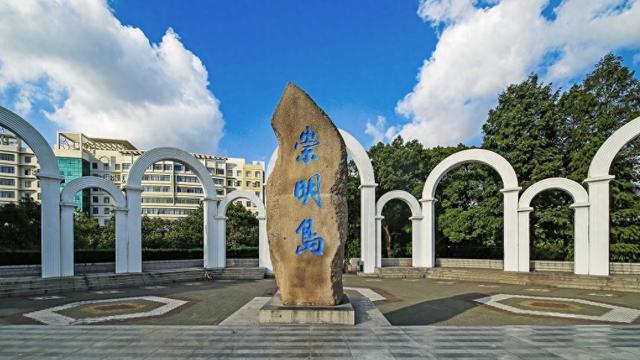
Core Insights - Chongming Island has historically faced challenges such as limited transportation and marginal location, hindering the transformation of its ecological advantages into developmental benefits, leading to a "value gap" between ecological and economic benefits [2] - The upcoming high-speed rail and metro line projects present a historic opportunity for Chongming to overcome its development bottlenecks, potentially transforming it from a "remote suburb" to a "green new hub" in the Yangtze River Delta [2] Group 1: Challenges and Issues - Chongming faces deep-rooted challenges in ecological value transformation, including a lack of effective conversion mechanisms and a dormant ecological resource base [3] - The industrial structure is primarily based on traditional agriculture and low-end manufacturing, with insufficient high-tech industries and green technology development [3] - The international brand visibility and influence of Chongming are limited, with low recognition and appeal despite its ecological reputation [3] - Tourism consumption levels are low, with a focus on short-term sightseeing rather than high-value experiences, resulting in low overnight stays compared to similar ecological regions [3] Group 2: Strategic Measures and Policy Recommendations - Establish a high-level platform to facilitate the core pathways for ecological value transformation, including the creation of an ecological technology trading port and a one-stop service center for ecological product valuation and green finance [5] - Develop future-oriented industries by creating a "green business and innovation hub" and exploring new economic avenues such as low-altitude economy [6] - Build a landmark brand and international ecological cultural site, enhancing the visitor experience and promoting high-end tourism activities [7] - Strengthen implementation guarantees by promoting integrated development around the high-speed rail station and creating a favorable environment for talent attraction [8] Group 3: Future Vision - The arrival of the high-speed rail era offers Chongming a chance for leapfrog development, emphasizing the need for innovative strategies to realize ecological value transformation [9]

王云驰:以绿色动能筑牢高质量发展生态屏障
Jing Ji Ri Bao· 2025-12-30 23:58
Core Viewpoint - The article emphasizes the importance of integrating ecological development with economic growth, highlighting China's commitment to a green transformation and the challenges that remain in realizing this vision [1][2][3]. Group 1: National Carbon Market and Ecological Transition - The national carbon market is a key policy tool that has been steadily expanding, covering over 3,500 major emission units in industries such as power generation and steel, with a goal to cover major industrial sectors by 2027 [1]. - Local governments are innovating based on their resource endowments to explore ecological restoration while focusing on converting ecological advantages into economic benefits [1]. Group 2: Mechanisms for Ecological Product Value Realization - Establishing a robust mechanism for realizing the value of ecological products is essential, which includes enhancing the national carbon market and exploring innovative trading models for ecological rights [2]. - Strengthening legal frameworks for ecological protection compensation is necessary to attract long-term investments from social capital into ecological construction [2]. Group 3: Technological Innovation and Green Development - Technological innovation is identified as a core engine for cultivating new green productivity, focusing on energy structure transformation, circular economy, and carbon capture technologies [2]. - The integration of digital technology with green development scenarios is crucial for improving the precision and effectiveness of ecological governance [2]. Group 4: Collaborative Ecological Governance - A successful green transformation requires a collaborative governance model involving government, enterprises, and citizens, with a focus on shared responsibility and sustainable practices [3]. - The internalization of green development as a common value across society is essential for achieving high-quality ecological barriers and harmonious coexistence between humans and nature [3].
总投资10亿元 箱箱共用全球首个智能工厂落地浙江仙居
Yang Guang Wang· 2025-12-26 07:51
Core Insights - The establishment of a global smart factory by the company in Xianju, Zhejiang, represents a significant investment of 1 billion yuan, aimed at creating a world-class industrial benchmark that integrates modern aesthetics, zero-carbon ecology, and digital intelligence [1][2] Investment and Capacity Expansion - The Xianju factory, covering an area of 112 acres, is the company's largest single strategic investment to date, expected to enhance production capacity and serve as a key support for an integrated ecosystem of technology research, project incubation, and autonomous manufacturing [2][4] - The factory is projected to achieve an annual production capacity of 300,000 sets of bulk liquid IBCs, 10 million sets of fresh cold chain foldable RPCs, 200,000 sets of automotive and home appliance component boxes, and 2 million sets of special valves and liquid bag consumables upon reaching full production [4] Design and Aesthetic Philosophy - Named "Green Ark," the factory's design reflects the company's journey of transformation and innovation, emphasizing a harmonious coexistence of humanity, technology, and nature [5][6] - The factory's architectural design spans 100,000 square meters, equivalent to 14 standard football fields, featuring a three-story main factory and a four-story office building [5] Sustainability and Smart Manufacturing - The project incorporates zero-carbon principles throughout its energy management, from spatial layout to material selection, aiming for net-zero carbon emissions during its operational phase [6] - The factory will implement industrial IoT technologies, integrating various systems such as PLC+SCADA, ERP, MES, and WMS, along with AI deep learning for enhanced production transparency and intelligent control [6] - The focus on lean manufacturing aims to drive significant improvements in production quality and efficiency through automation and standardized operations [6] Future Outlook - The company plans to leverage the Xianju global smart factory as an innovation engine to further integrate smart manufacturing with green supply chain services, collaborating with ecological partners to provide sustainable solutions for global low-carbon transitions [6]
美国底特律没做到的事,这个中国城市做到了?
3 6 Ke· 2025-12-05 08:16
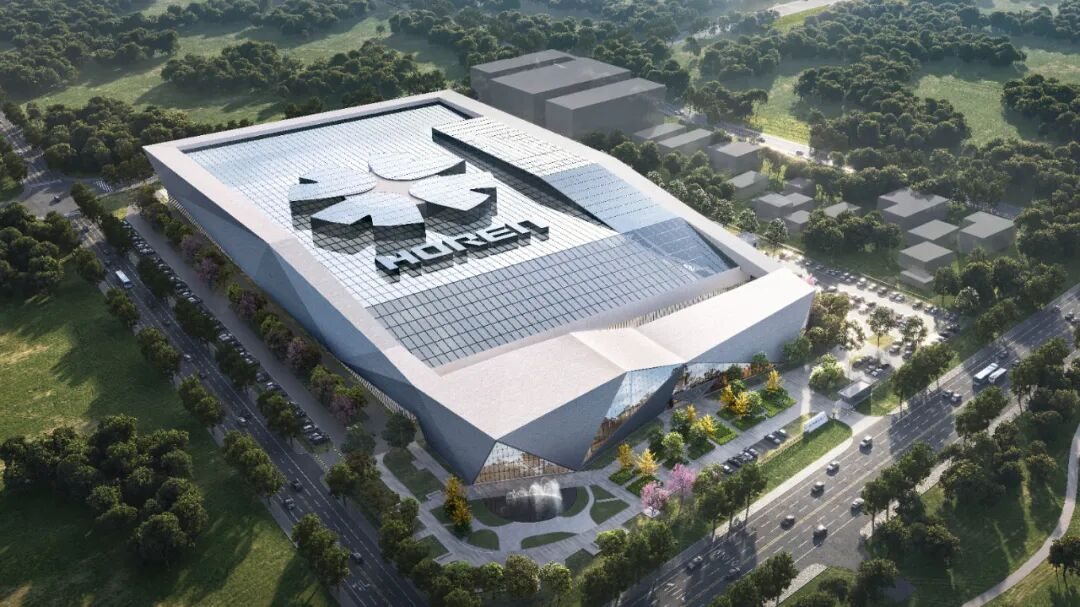
Core Viewpoint - The article contrasts the decline of Detroit, once a thriving automotive hub, with the revitalization of Shiyan, China, which is leveraging its automotive heritage to transition into a new era of green technology and diversified industry [1][3]. Group 1: Historical Context - Detroit was a prosperous city in the 1920s, known as the cradle of the American automotive industry, but faced economic decline due to reliance on a single industry and external competition [1]. - Shiyan, referred to as the "Oriental Detroit," began its journey in 1969 with a GDP of 460 million yuan, primarily relying on agriculture and small-scale industry [5][7]. - The establishment of the Second Automobile Manufacturing Plant (Dongfeng) in Shiyan transformed it into China's first independent automotive industrial base, leading to significant economic growth in the 1980s [7][9]. Group 2: Economic Challenges - In 2003, Shiyan faced economic difficulties as Dongfeng's headquarters moved to Wuhan, leading to a decline in industrial growth and raising concerns about a potential repeat of Detroit's fate [9][10]. - The city experienced a downturn, with industrial growth rates falling below the provincial average for three consecutive years [9]. Group 3: Transformation Strategies - Shiyan initiated a transformation strategy in 2007, focusing on supporting industrial enterprises with over 100 million yuan in revenue, resulting in a significant increase in automotive parts manufacturers [10][12]. - The city embraced the new energy era, encouraging local enterprises to pivot towards electric and hybrid vehicles, which led to a diversification of its industrial base [12][14]. Group 4: New Energy and Technological Advancements - By 2024, Shiyan's production of new energy vehicles surged to 107,000 units, with a 264% increase in new energy heavy trucks, showcasing a successful transition to high-value products [12][18]. - The establishment of the Envision AESC battery factory in Shiyan, with a total investment exceeding 10 billion yuan, exemplifies the city's rapid industrial development and commitment to green technology [14][16]. Group 5: Talent and Workforce Development - The arrival of global companies like Envision AESC has transformed Shiyan into a talent hub, creating thousands of jobs and facilitating the export of skilled workers to international markets [25][27]. - Shiyan's industrial base is evolving from primarily supporting Dongfeng to becoming a source of high-quality engineers and technical experts for the global new energy sector [25]. Group 6: Future Outlook - Shiyan is positioning itself as a comprehensive provider of zero-carbon solutions, integrating land and air transportation with green energy systems, aiming to avoid the pitfalls faced by cities like Detroit [27][30]. - The city's economic structure has shifted significantly, with the ratio of secondary to tertiary industries improving from 48.3:40.7 in 2014 to 36.1:54.3, indicating a healthier and more resilient economy [23].


上海复洁科技股份有限公司关于公司证券简称变更实施公告
Shang Hai Zheng Quan Bao· 2025-11-20 18:13
Core Viewpoint - The company is changing its stock abbreviation from "复洁环保" to "复洁科技" to better reflect its current business focus and technological innovation, aligning with its long-term strategic planning [1][2]. Group 1: Announcement Details - The new stock abbreviation will be "复洁科技," while the stock code "688335" will remain unchanged [1]. - The abbreviation change will take effect on November 26, 2025 [3]. Group 2: Reasons for Change - The company is aligning with national policies and focusing on the green low-carbon industry, emphasizing technological innovation as a core strategy [2]. - The change aims to accurately reflect the company's business reality and technological characteristics, showcasing its commitment to leading development through innovation [2]. Group 3: Implementation - The abbreviation change has been approved by the company's board of directors with unanimous support [1].

李高:技术创新驱动产业实践,因地制宜发展绿色新质生产力
2 1 Shi Ji Jing Ji Bao Dao· 2025-11-17 10:20
Core Viewpoint - The global climate governance is at a critical stage, and China emphasizes the importance of technological innovation in driving industrial practices for green and low-carbon development, which is essential for addressing climate challenges and promoting global climate governance [1][3]. Group 1: Technological Innovation and Investment - China is focusing on low-carbon technology innovation in key areas such as renewable energy, industrial decarbonization, new energy storage, and transportation, increasing R&D investment to accelerate the transition of cutting-edge technologies from laboratories to industrial applications [3][4]. - The country aims to achieve a total installed capacity of renewable energy generation of 2.16 billion kilowatts by June 2025, accounting for over 40% of the global total, with wind and solar power capacity exceeding the 2030 national contribution target ahead of schedule [4]. Group 2: Industry Practices and Achievements - Currently, one-third of electricity consumed in China comes from clean energy sources, and the country has maintained the world's largest production and sales of new energy vehicles for ten consecutive years [4]. - China provides over 80% of the world's photovoltaic components and 70% of wind power equipment, contributing to a significant reduction in the average cost of wind and solar power generation over the past decade, with costs decreasing by over 60% and 80%, respectively [4]. Group 3: Collaborative Efforts and Future Goals - The establishment of over 6,000 national-level green factories by the end of 2024, which account for approximately 20% of the total output value of the manufacturing industry, is part of China's strategy to lead industry transformation through green factories and supply chain construction [4]. - China expresses its willingness to share low-carbon technology achievements and practical experiences with other countries, aiming to contribute to building a clean and beautiful world and achieving global sustainable development [4].
上海复洁科技股份有限公司第四届董事会第十二次会议决议公告
Shang Hai Zheng Quan Bao· 2025-11-12 19:18
Group 1 - The company held its 12th meeting of the 4th Board of Directors on November 12, 2025, with all 9 directors participating in the vote [2][4] - The board approved a proposal to change the company's stock abbreviation from "复洁环保" to "复洁科技" [3][9] - The change in abbreviation is pending approval from the Shanghai Stock Exchange [8][11] Group 2 - The company's full name remains "上海复洁科技股份有限公司," and the stock code "688335" will not change [7][9] - The reason for the abbreviation change is to better reflect the company's current business and technological innovation, aligning with its long-term strategic planning [10] - The company aims to enhance its positioning in the capital market by showcasing its commitment to technological innovation and green low-carbon industry development [10]
共探“十五五”石化行业高质量发展路径——2025中国石油和化工行业绿色高质量发展大会在广州举办
Zhong Guo Jin Rong Xin Xi Wang· 2025-10-29 11:48
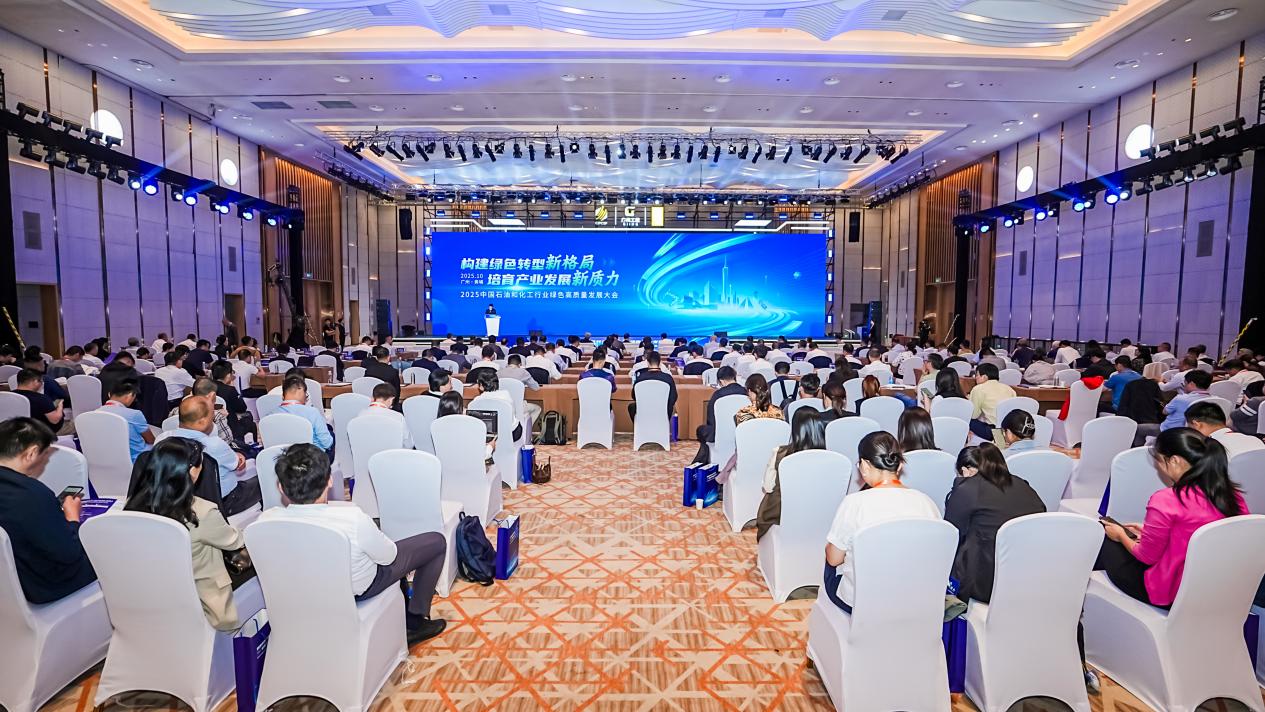
Core Viewpoint - The 2025 China Petroleum and Chemical Industry Green High-Quality Development Conference was successfully held in Guangzhou, focusing on the theme of building a new pattern for green transformation and cultivating new quality power for industrial development during the 14th Five-Year Plan period [1] Group 1: Industry Development Direction - The 20th Central Committee of the Communist Party emphasized the need to focus economic development on the real economy, with a direction towards intelligent, green, and integrated development for the petroleum and chemical industry [3] - Guangzhou Industrial Control Group has established seven national-level green factories and is developing a cluster of green manufacturing [3] - The Guangzhou government aims to accelerate innovation breakthroughs in key areas such as special engineering plastics and new energy battery materials, while enhancing energy management systems [3] Group 2: Key Strategies for Transformation - The industry should focus on five key areas: innovation-driven high-end breakthroughs, systematic thinking for green transformation, digital empowerment for intelligent upgrades, ecological construction through circular economy concepts, and standard upgrades for high-quality development [4] - The establishment of a carbon footprint management system and entry into carbon trading markets are essential for promoting green low-carbon transformation in the petrochemical industry [4] - The main theme for the "14th Five-Year Plan" in the petrochemical industry is optimizing capacity structure, with core development paths including high-end, internationalization, and avoiding excessive competition [4] Group 3: Collaborative Efforts and Achievements - The conference released important results such as typical case practices, industry blue papers, and ESG evaluation reports to support green development in the industry [6][7] - A strategic cooperation agreement was signed between Guangzhou Industrial Control Group and China Petroleum and Chemical Corporation to deepen collaboration in industrial synergy, technological innovation, and green development [6] - The conference included discussions on the development paths of green petrochemicals and new materials, with a focus on transforming the industry from scale expansion to value enhancement [7]

2025中国石油和化工行业绿色高质量发展大会举行
Zhong Zheng Wang· 2025-10-29 11:48
Core Viewpoint - The 2025 China Petroleum and Chemical Industry Green High-Quality Development Conference was held in Guangzhou, focusing on the theme of building a new pattern for green transformation and cultivating new quality for industrial development [1] Group 1: Conference Highlights - The conference was organized by Guangzhou Industrial Control Group and its subsidiary Guangzhou Chemical Trading Center, aiming to explore the comprehensive green transformation and high-quality development paths for the petrochemical industry during the 14th Five-Year Plan period [1] - Guangzhou's government plans to accelerate innovation breakthroughs in key areas such as specialty engineering plastics and new energy battery materials, relying on new materials as a starting point [1] - The event showcased typical case practices, industry blue papers, and ESG industry evaluation reports, providing important data support and practical references for the industry's green development [2] Group 2: Strategic Collaborations and Initiatives - Guangzhou Industrial Control Group signed a strategic cooperation agreement with the China Petroleum and Chemical Industry Federation to deepen collaboration in industrial synergy, technological innovation, and green development [1] - The "2025 Annual Comprehensive Green Transformation Typical Cases" report highlighted 30 benchmark cases showcasing the industry's exploration of sustainable development practices [2] - The "China Petroleum and Chemical Industry Green Development Blue Book" was co-authored by Guangzhou Chemical Trading and other units, providing important guidance for ecological transformation in the petrochemical industry [2] Group 3: Industry Progress and Future Directions - Guangzhou Industrial Control Group has established seven national-level green factories and made breakthroughs in key technologies such as electronic specialty gases and carbon dioxide [2] - The group aims to continuously activate green new quality productivity through technological innovation and safeguard industrial health development with safety as a baseline [2] - The group is also focused on building a collaborative and integrated green industrial ecosystem [2]