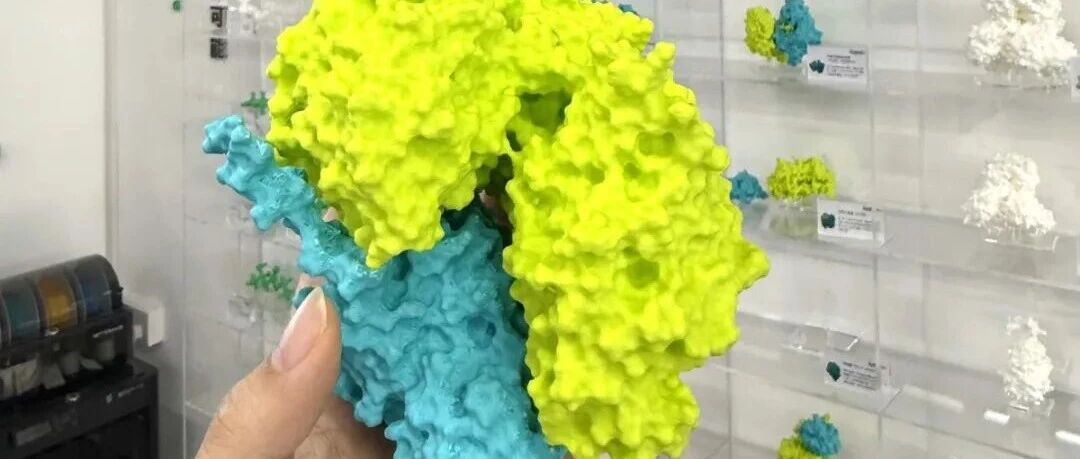
生物制造

Search documents
黑龙江:支持生物制造企业挂牌上市,建立上市挂牌后备企业资源库
Xin Lang Cai Jing· 2026-02-15 01:06
黑龙江省人民政府办公厅印发《黑龙江省支持生物制造产业高质量发展若干政策措施》,其中提到,强 化金融服务支撑。支持生物制造企业挂牌上市,建立上市挂牌后备企业资源库,做好企业上市梯度培育 和分类指导,帮助对接多层次资本市场。用好龙江天使投资基金和龙江创业投资基金,按照市场化原 则,对符合条件的生物制造企业和优质项目给予资金支持。利用新型政策性金融工具,降低生物制造项 目资本金自筹比例。鼓励银行业金融机构创新"科新贷"、"知识产权质押贷款"、"科技人才贷"、"研发 贷"等金融产品,优化信贷审批流程,加大金融服务供给。引导政府性融资担保机构加大对生物制造企 业融资增信支持力度,在可持续经营前提下降低融资担保费率。 ...
黑龙江:支持开展核心技术攻关及企业创新能力提升
Xin Lang Cai Jing· 2026-02-15 01:06
格隆汇2月15日|黑龙江省人民政府办公厅印发《黑龙江省支持生物制造产业高质量发展若干政策措 施》,其中提到,支持开展核心技术攻关。坚持科技成果转化导向,围绕生物制造关键核心技术和前沿 方向,部署实施一批重点研发计划项目,支持创新药械、核心菌种、生物育种、生物化工等领域技术攻 关,经评审通过的项目,按有关规定给予省级财政资金支持。支持企业创新能力提升。鼓励生物制造企 业加大研发投入,对研发投入50万元以上且符合条件的,按照企业年度研发投入存量和增量部分给予不 同比例补助,省、市按1∶1比例出资。 ...
黑龙江:支持生物制造企业挂牌上市 降低生物制造项目资本金自筹比例
Jin Rong Jie· 2026-02-15 01:01
黑龙江省人民政府办公厅印发《黑龙江省支持生物制造产业高质量发展若干政策措施》,其中提到,强 化金融服务支撑。支持生物制造企业挂牌上市,建立上市挂牌后备企业资源库,做好企业上市梯度培育 和分类指导,帮助对接多层次资本市场。用好龙江天使投资基金和龙江创业投资基金,按照市场化原 则,对符合条件的生物制造企业和优质项目给予资金支持。利用新型政策性金融工具,降低生物制造项 目资本金自筹比例。鼓励 银行业金融机构创新"科新贷"、"知识产权质押贷款"、"科技人才贷"、"研发 贷"等金融产品,优化信贷审批流程,加 大金融服务供给。引导政府性融资担保机构加大对生物制造企 业融资增信支持力度,在可持续经营前提下降低融资担保费率。 ...
免费领取!《2025中国合成生物制造产业发展白皮书》
synbio新材料· 2026-02-13 23:01
Core Viewpoint - The article emphasizes the rising importance of biomanufacturing as a strategic and innovative field that disrupts traditional production methods, presenting it as a new growth point for optimizing industrial structure and transforming economic models [1]. Group 1: Current Status and Trends - The "2025 China Synthetic Biomanufacturing Industry Development White Paper" was officially released on August 1, highlighting the current state and trends of biomanufacturing [1]. - The report analyzes the global biomanufacturing industry, including key platform facilities and a comparative study of the US and China in this sector [7]. Group 2: Policy Landscape - The white paper outlines major domestic and international policies affecting biomanufacturing from 2024 to 2025, providing insights into regulatory frameworks [7]. Group 3: Industry Map and Applications - It presents a comprehensive map of the Chinese biomanufacturing industry and identifies key application areas, including pharmaceuticals, food, personal care, agriculture, chemicals, materials, and energy [7]. Group 4: Key Enterprises - The report selects ten leading enterprises in the Chinese biomanufacturing sector and details the strategic directions of 15 listed companies in synthetic biology [7][8]. Group 5: Investment and Challenges - The document discusses the investment landscape in synthetic biology from 2024 to mid-2025 and addresses the challenges faced by the biomanufacturing industry in China, along with proposed countermeasures [7].






未来产业 乘风起势(新时代画卷)
Ren Min Wang· 2026-02-12 22:54
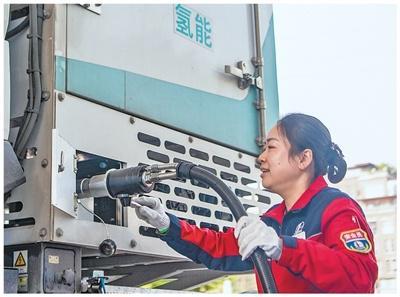
Hydrogen Energy and Nuclear Fusion - The Chongqing Jiulongpo District has staff refueling hydrogen fuel cell vehicles, indicating advancements in hydrogen energy infrastructure [2] - The "China Fusion Engineering Test Reactor" has achieved a breakthrough with a nuclear temperature of 117 million degrees Celsius and an electron temperature of 160 million degrees Celsius, marking a significant milestone in China's fusion research [4] Embodied Intelligence - The Guangdong Embodied Intelligence Robot Innovation Center showcases a pipeline inspection robot, highlighting developments in robotics technology [6] - In Sichuan's Bazhong Tongjiang County, students interact with robotic dogs, demonstrating the integration of robotics in educational settings [8] Biomanufacturing - The Hunan Biomanufacturing Pilot Base features a purification workshop where staff use flat-panel centrifuges for material dehydration, reflecting advancements in biomanufacturing processes [10] Quantum Technology - Researchers are experimenting with the "Zhuangzi 2.0" superconducting chip, discovering controllable patterns in the preheating phase of quantum systems, which is crucial for quantum technology development [12] - The Chinese Academy of Sciences' Quantum Information and Quantum Technology Innovation Research Institute in Hefei is a key player in advancing quantum research [14] Sixth Generation Mobile Communication - The Shanghai 6G Intelligent Communication Valley showcases a company's 6G smart terminal products, indicating progress in next-generation mobile communication technology [16] - In Nanjing, researchers at the Zijinshan Laboratory demonstrate a self-developed Bayesian learning baseband chip, contributing to the development of 6G technology [18] Brain-Computer Interfaces - In Wuhan, researchers utilize mixed reality technology to present the spatial relationship between brain-computer interface devices and rat brain structures, showcasing innovations in neuroscience [20] - At the Beijing Capital International Exhibition Center, visitors experience high-performance brain-computer interface devices, indicating growing interest and advancements in this field [22]
高质量谱写京津“双城记”
Xin Lang Cai Jing· 2026-02-12 21:36
Core Viewpoint - The collaborative development between Beijing and Tianjin is gaining momentum, with a projected daily cross-city travel volume of 225,000 by 2025, enhancing the integration of work, study, and daily life between the two cities [1][2]. Group 1: Transportation and Infrastructure - The planning includes the integration of the entire Beijing-Tianjin region into a functional zone, with Tianjin's Wuqing District included in the commuting area, facilitating closer personnel exchanges and economic integration [1]. - There are currently four high-speed rail lines and six expressways connecting Beijing and Tianjin, with plans to enhance the intercity transportation network, improve rail capacity, and upgrade key stations [1]. - The implementation of a unified transportation card system across all subways and buses is aimed at increasing the convenience of travel between the two cities [1]. Group 2: Technological and Industrial Collaboration - The planning emphasizes strengthening technological innovation collaboration and industrial integration, with nine national key laboratories and five national advanced manufacturing clusters already established [2]. - Tianjin is set to leverage Beijing's technological innovation and its own advanced manufacturing capabilities to enhance joint efforts in fields such as biomanufacturing, intelligent equipment, and integrated circuits [2]. - The focus is on improving the efficiency and proportion of technology transfer through collaborative mechanisms along the Beijing-Tianjin corridor [2]. Group 3: Public Services and Environmental Cooperation - The Beijing-Tianjin-Hebei region has introduced 230 standardized government services and 209 mutual recognition qualifications, with all 23 government service nodes in Tianjin connected to Beijing's cross-province service network [2]. - Plans are in place to accelerate the construction of an international consumption center in Tianjin, promote the development of historical cultural cities, and enhance ecological cooperation [2]. - The initiative includes expanding the application scenarios of social security "one card" services to improve public welfare [2].
“万亿级”生物制造产业,来自一线的研究员、企业家、投资人怎么看?
Sou Hu Cai Jing· 2026-02-12 08:37
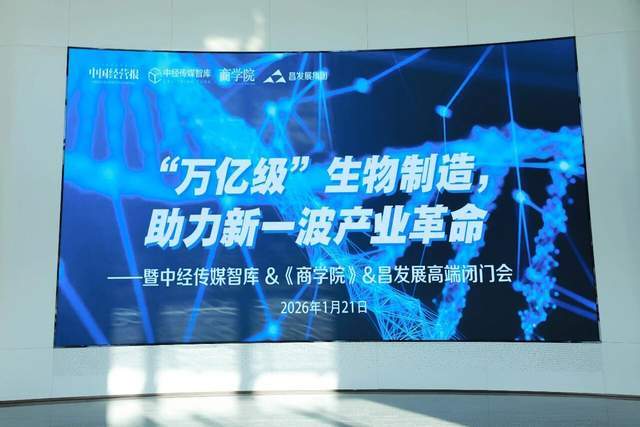
Core Insights - The most challenging phase in the industrialization path of biomanufacturing/biopharmaceuticals is the pilot scale-up process, where over 90% of laboratory results fail to transition successfully [6][7]. Group 1: AI's Role in Biomanufacturing - AI is reshaping traditional processes in biomanufacturing, leading to geometric efficiency improvements, particularly in drug discovery and production [2][3]. - AI-driven pharmaceutical companies can achieve efficiency gains of 30% to 50% in specific areas like lipid nanoparticle screening [3]. - While AI can generate numerous protein structures, it cannot validate these ideas without the capability to implement them, highlighting the need for human expertise in critical stages [4][5]. Group 2: Challenges in Transitioning from Lab to Factory - The transition from laboratory to industrial production involves significant differences in operational requirements, including efficiency, delivery, cost, and environmental compliance [6][7]. - The gap between "product" and "commodity" requires a deep integration of commercial logic, which is often overlooked by principal investigators [6][7]. - Successful navigation of this transition may involve collaboration between scientists and entrepreneurs, with the latter addressing engineering, financing, and regulatory challenges [7]. Group 3: Market and Globalization Challenges - After commercialization, biomanufacturers face challenges in market penetration and global expansion, where compliance with international standards like EU CE and FDA certifications is crucial [8]. - The ability to meet safety, accessibility, and efficacy standards is more important than technological advancement in global competition [8]. Group 4: Collaboration and Resource Integration - Successful industrialization in biomanufacturing requires collaboration among various stakeholders, with an emphasis on understanding each party's needs and business logic [9][10]. - There is often a disconnect between government resources, industrial parks, and corporate needs, which can hinder market entry for many companies [9]. - Many innovative ideas remain uncommercialized due to a lack of professional teams to drive products to market, necessitating joint efforts from capital and industry teams [9].
3项虾青素团体标准!南工大合成生物工程团队牵头制定
合成生物学与绿色生物制造· 2026-02-12 06:07
Core Viewpoint - The recent release of three group standards for astaxanthin production by Nanjing University of Technology marks a significant step in standardizing production technology in China, providing essential technical support for high-quality industry development [2][6]. Group 1: Standards Overview - The three standards include: 1. "Technical Requirements for the Production of Natural Astaxanthin for Health Foods," which outlines raw material selection, production processes, quality control, and safety evaluations to ensure compliance with food safety and efficacy requirements [12]. 2. "Quality Grade Evaluation of Natural Astaxanthin Raw Materials for Health Foods," which establishes quality grading standards for natural astaxanthin in health food applications, promoting high-quality industry development [12]. 3. "Technical Requirements for the Microbial (Red Yeast) Fermentation Method for Synthesizing Natural Astaxanthin," which provides systematic regulations covering strain selection, fermentation processes, extraction, purification, and product testing to promote green and efficient production technologies [12]. Group 2: Market Potential and Applications - Astaxanthin, a potent antioxidant, is widely used in health foods, cosmetics, and aquaculture, with increasing demand for natural products expected to drive market growth. The market size for astaxanthin is projected to reach $3.4 billion by 2027 [7]. - The successful heterologous synthesis of (S)-astaxanthin by the research team has achieved a yield of 0.9 g/L, and through adaptive evolution, a yeast strain has been developed that produces 4.6 times more astaxanthin at 25°C compared to the original strain [9]. - Various products have been developed for market release, including fish feed, carotenoid essential oils, pet snacks, and probiotics, facilitating the industrial application of this technology across multiple sectors [9].

好文推荐!谭天伟院士等:中国生物制造关键技术进展与未来趋势
synbio新材料· 2026-02-11 23:02
Core Viewpoint - Biomanufacturing is a crucial technology path for achieving green, low-carbon, and sustainable development, evolving rapidly across the entire industry chain from raw materials to products [3][4]. Group 1: Key Technological Development Trends in Biomanufacturing - Biomanufacturing is transitioning from traditional fermentation-driven methods to intelligent and bio-design-driven manufacturing paradigms [4]. - The raw material system in biomanufacturing is diversifying from grain dependence to non-grain biomass, alleviating competition for land and resources [8]. - High-performance strains and enzymes are evolving towards precision and intelligence, with advancements in gene editing technologies like CRISPR facilitating rapid development [9][10]. Group 2: Challenges in China's Biomanufacturing - China's biomanufacturing heavily relies on starch-based food resources, with about 90% of primary raw materials sourced from crops like corn, leading to resource conflicts [17]. - There is a significant shortfall in the autonomous control of microbial strains, with a high dependency on foreign resources for key industrial strains and enzyme preparations [18]. - The design of biocatalysts and underlying technologies in China is lagging, relying on foreign-developed algorithms and platforms for enzyme design [20]. Group 3: Future Key Technological Development Directions - Focus on developing efficient conversion technologies for one-carbon raw materials and utilizing non-grain biomass resources [26]. - Emphasize intelligent design and creation of industrial enzymes and strains, leveraging AI and big data for precise discovery and development [28]. - Establish smart cell factories and precise bioprocessing technologies, integrating real-time monitoring and AI-driven decision-making [30]. Group 4: Product System Expansion Driven by Biomanufacturing - Biomanufacturing is expected to drive the development of high-energy-density biofuels, sustainable materials, and innovative food products, contributing to economic benefits and social value [32]. - In the energy sector, focus on renewable alternatives like bio-aviation fuel and bio-hydrogen [33]. - In the chemical sector, breakthroughs in bio-based platform compounds are essential for supporting decarbonization efforts in the chemical industry [33].

酶赛生物, 斩获浙江省科技技术进步二等奖,宣布正式启动IPO!
合成生物学与绿色生物制造· 2026-02-11 03:16
Core Viewpoint - Enzyme Science is recognized for its innovative contributions to biomanufacturing, particularly in the development of chiral amines, and aims to lead advancements in synthetic biology and green manufacturing [2][3]. Group 1: Awards and Recognition - Enzyme Science's project on "Key Technology Innovation and Industrialization Demonstration of Biomanufacturing of Chiral Amines with Cyclic Structures" won the second prize of the 2024 Zhejiang Provincial Science and Technology Progress Award [2]. - The company has received multiple honors, including being recognized as a high-tech enterprise and a "little giant" in specialized and innovative sectors [3]. Group 2: Technological Innovations - The company utilizes protein crystallography and computational biology to reconstruct ancestral sequences and analyze the crystal structure of transaminases, enhancing enzyme stability, activity, and substrate universality [2]. - Enzyme Science has developed a "green biosynthesis - product precise separation - multi-category chiral amine large-scale manufacturing" technology system, achieving high-purity production of various chiral amines [2]. Group 3: Research and Development Efficiency - The establishment of the EnzyAI virtual computing platform has significantly improved R&D efficiency, allowing one person to achieve what previously required a team of five over several months [5]. - The number of new products developed annually has increased from two to over ten [5]. Group 4: Collaborations and Partnerships - Enzyme Science has formed partnerships with institutions like Shenzhen University of Technology to create a predictive and programmable intelligent biomanufacturing platform [5][7]. - The company is also collaborating with teams to explore marine extremophilic microbial enzyme resources and AI-assisted design [7]. Group 5: Commercialization and Market Reach - Enzyme Science has commercialized over 20 products across various sectors, including pharmaceutical intermediates and food additives, with expectations of doubling revenue this year [7]. - The company serves major global pharmaceutical firms such as AstraZeneca, Bayer, and Merck, contributing to significant medications for conditions like high cholesterol and diabetes [8]. Group 6: Future Plans and IPO - Enzyme Science plans to initiate an IPO in early 2026, with a Pre-IPO financing round aimed at expanding production capacity and enhancing cash flow, expecting a valuation exceeding 1.5 billion [8]. - The company aims to extend its applications beyond pharmaceuticals and food into sectors like new energy vehicles and textiles, contributing to carbon neutrality goals [8].