
相机制造

Search documents
从理光到大疆,年轻人在追逐什么样的新相机
3 6 Ke· 2025-11-09 05:55
Core Insights - The camera market is experiencing a resurgence, with a 1350% increase in film photography searches on Xiaohongshu in the first nine months of the year and a 24.1% overall growth in camera shipments in China during Q1, which is double the global growth rate [1][2] - Young consumers are increasingly seeking cameras for their aesthetic quality, as they feel that even the best smartphone cameras fall short in comparison [1][2] - The trend of outdoor activities among young people has expanded the demand for cameras, with action and panoramic cameras becoming popular choices alongside traditional brands like Canon and Fujifilm [2][3] Market Dynamics - Classic camera models maintain their value in the second-hand market, with models like the Canon A620 seeing prices rise from an original price of approximately 2600 yuan to over 1500 yuan [2] - The rise of social media has created a strong desire among consumers for high-quality images, leading to a shift in the types of cameras being sought, from DSLRs to compact and action cameras [5][9] - Rental services for cameras are becoming increasingly popular, allowing consumers to try before they buy, which lowers the barrier to entry for new users [8][9] Consumer Behavior - Young consumers are motivated by trends and the desire to capture aesthetically pleasing moments, leading to a continuous demand for new camera models [10][12] - The integration of AI technology in cameras is enhancing user experience by simplifying the shooting process and improving image quality, further driving interest in new camera purchases [15][16] - The emergence of new brands and models, such as the DJI Pocket 3, reflects the evolving preferences of consumers who prioritize portability and ease of use [12][13] Future Trends - The camera industry is likely to see continued growth as younger generations seek innovative and user-friendly devices that cater to their social media needs [16][17] - Companies are focusing on developing AI-driven imaging solutions that simplify the photography process, making it accessible to a broader audience [16][17] - The ongoing evolution of consumer preferences indicates that the demand for cameras will remain strong, with a focus on lightweight, intelligent, and high-quality output devices [16][17]


超越进化 佳能发布全画幅专微相机EOS R6 Mark III
Xin Lang Cai Jing· 2025-11-06 20:24
Core Viewpoint - Canon (China) Ltd. has launched the EOS R6 Mark III, a full-frame mirrorless camera designed to meet the diverse needs of advanced photography enthusiasts, entry-level users, and professional photographers, while also serving content creators and videographers effectively [1]. Product Features - The EOS R6 Mark III features a new 32.5 million effective pixel full-frame CMOS sensor and advanced DIGIC X image processor, providing high image quality with low noise, suitable for portrait and landscape photography [5]. - The camera supports high-speed continuous shooting at approximately 40 frames per second with electronic shutter and up to 12 frames per second with mechanical shutter, enhancing its ability to capture fast-moving subjects [7]. - It includes a pre-shooting function that captures 20 frames in 0.5 seconds, allowing photographers to better capture challenging moments [9]. - The camera is equipped with a 5-axis in-body stabilization system, which significantly compensates for camera shake, especially when used with lenses that do not have built-in stabilization [9]. - The second-generation Dual Pixel CMOS AF technology allows for high-precision autofocus even during high-speed shooting, with improved tracking stability compared to previous models [12]. Video Capabilities - The EOS R6 Mark III supports 7K 60P RAW recording and is the first EOS camera to utilize the entire full-frame sensor for video recording, enhancing video quality and flexibility [13]. - It offers various video recording features, including 4K 120P slow-motion recording and a range of professional tools for video production, such as waveform monitors and zebra patterns [17]. - The camera includes custom image color presets from the Cinema EOS series, allowing for rich detail and color gradients in dark areas, catering to filmmakers' needs [15]. Design and Usability - The camera maintains a classic design with dust and water resistance, ensuring durability during extended use [18]. - It features dual card slots, one for CFexpress Type-B and one for SD cards, allowing for various recording options and efficient workflow management [18][22]. - The EOS R6 Mark III uses the LP-E6P battery, supporting high power demands and enabling USB charging, which is beneficial for outdoor shooting [18].


日本右转
Hu Xiu· 2025-10-23 00:29
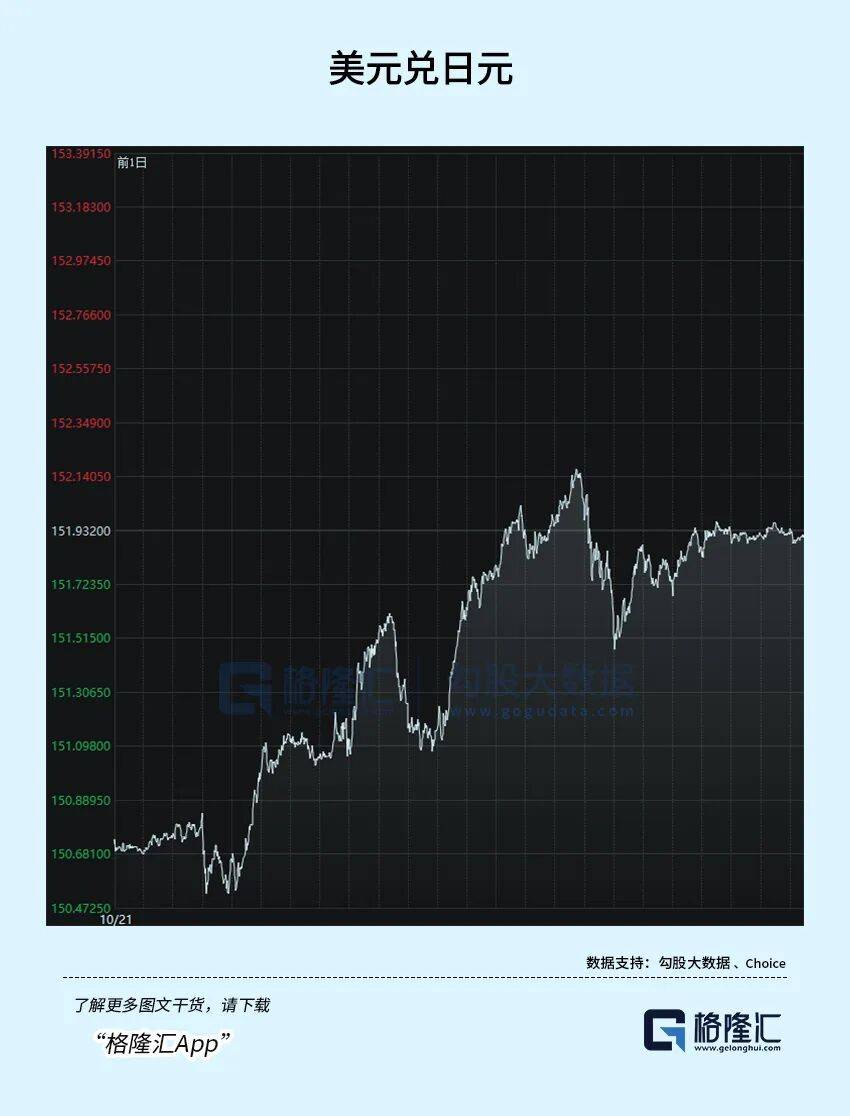
Group 1 - The Nikkei index is approaching the 50,000 mark, indicating a bullish sentiment in the Japanese stock market [1] - The Japanese parliament has completed the election of the new Prime Minister, marking a significant political transition [2] - The new Prime Minister, Sanae Takaichi, has become the first female Prime Minister in Japan's constitutional history, which may influence market dynamics [3] Group 2 - The market experienced a brief decline following the announcement of the new Prime Minister, with the yen rapidly depreciating [5] - The financial market in Japan is entering a phase where economic policies are expected to be implemented [6] - There is optimism regarding the potential for stock market growth in the fiscal year 2025, despite a halt in expectations for interest rate hikes [7] Group 3 - The new Prime Minister opposes interest rate hikes by the Bank of Japan, advocating for policy tightening only when wage growth leads to demand-driven inflation [8] - Takaichi aims to restore Japan's economic prosperity reminiscent of the Abe administration [9] - The probability of an interest rate hike in October has plummeted from 68% to 20% following the new Prime Minister's stance [10] Group 4 - Takaichi's supporters have drawn parallels to Trump's MAGA movement, indicating a shift towards a more nationalistic economic policy [12] - The political landscape in Japan is shifting towards the right, reflecting broader global trends [14] Group 5 - The article discusses Japan's historical reliance on the U.S. for economic growth post-World War II, highlighting the impact of currency valuation on trade [16][18] - Japan's trade dynamics have evolved, with significant trade deficits in the 1980s due to a weaker yen, which facilitated exports [22][24] Group 6 - The article outlines the economic policies of former Prime Minister Shinzo Abe, which included aggressive monetary easing and fiscal stimulus [40][41] - Despite a decline in nominal GDP during certain periods, the unemployment rate decreased, and the stock market experienced a prolonged bull run [47][48] Group 7 - The current economic environment differs from the past, with rising inflation and increased political challenges complicating policy execution [79][83] - Japan's public debt has reached unprecedented levels, raising concerns about fiscal sustainability [88][90] Group 8 - The new economic strategy under Takaichi is seen as a revival of Abe's policies, focusing on monetary easing and currency depreciation to stimulate growth [93] - The article concludes that while leveraging a weaker yen may provide short-term benefits, the long-term sustainability of such policies remains uncertain [100][101]
研判2025!全球及中国无反相机(微单相机)行业产业链、市场现状、竞争格局及未来趋势分析:市场需求持续旺盛,出货规模大幅增长,日企占据主导地位[图]
Chan Ye Xin Xi Wang· 2025-10-10 01:13
Core Insights - The mirrorless camera market is experiencing significant growth, driven by its lightweight design and improved optical performance, gradually dominating the photography market and impacting traditional DSLR sales [1][7]. Market Overview - Global mirrorless camera shipments are projected to increase from 2.933 million units in 2020 to 5.612 million units in 2024, achieving a compound annual growth rate (CAGR) of 17.6%. The shipment value is expected to rise from 15.96 billion yuan to 31.90 billion yuan during the same period [1][7]. - In the first half of 2025, shipments are estimated at 2.928 million units with a value of 15.75 billion yuan [1][7]. Regional Analysis - China is the largest consumer market for mirrorless cameras, contributing 29.2% of global shipments in 2024. The Americas and Europe follow, with shipments of 1.204 million units (21.5%) and 1.151 million units (20.5%) respectively [1][7]. - The demand for high-quality, portable, and easy-to-use photography equipment in China is surging, particularly among Vlog creators [1][9]. Sales Performance - In 2024, China's mirrorless camera shipments reached 1.636 million units, a year-on-year increase of 36.3%, significantly surpassing the global average growth rate. The first half of 2025 saw shipments of 944,000 units, up 32.3% year-on-year [1][9]. - The average selling price of mirrorless cameras in China has declined from 7,161 yuan per unit in 2022 to 5,420 yuan in the first half of 2025, marking the lowest price since 2020 due to intensified market competition [1][10]. Competitive Landscape - The mirrorless camera market is highly concentrated, dominated by Japanese companies such as Canon, Nikon, and Sony. The competitive hierarchy includes first-tier companies like Sony and Nikon, followed by Canon, and then Panasonic and Leica [1][10][12]. Industry Trends - The demand for mirrorless cameras is expected to continue growing, fueled by technological innovations such as high-resolution sensors and faster autofocus systems. The rise of social media and content creation is also contributing to market expansion [1][13][14]. - The integration of advanced imaging processing and AI technologies is enhancing user experience and operational efficiency, making mirrorless cameras more appealing to modern consumers [1][14].

研判2025!全球及中国单反相机行业发展历程、供需现状、价格走势及未来展望分析:产业正面临前所未有的挑战,市场规模不断萎缩[图]
Chan Ye Xin Xi Wang· 2025-10-05 00:32
Group 1: Industry Overview - The digital single-lens reflex (DSLR) camera, known for its convenience and stability, has been a mainstay for professional photographers for a long time [1][2] - Global sales of DSLR cameras have shown a significant decline, with sales dropping to 998,000 units and revenue reaching 2.232 billion yuan in 2024, representing year-on-year decreases of 14.4% and 21.7% respectively [1][5] - The rise of mirrorless camera technology and advancements in smartphone photography have contributed to the decline of the DSLR market [1][5] Group 2: Market Distribution - In 2024, Europe and America accounted for the majority of DSLR camera sales, with 403,000 and 402,000 units sold, representing 40.4% and 40.3% of global sales respectively [5] - Asia's sales were 177,000 units, with China contributing 8.6% and Japan 3.1% to the total [5][6] Group 3: Chinese Market Dynamics - The Chinese DSLR market mirrors global trends, with sales dropping from 318,300 units in 2020 to 85,500 units in 2024, and revenue decreasing from 1.244 billion yuan to 331 million yuan during the same period [6][7] - The average price of DSLR cameras in China increased from 4,110.8 yuan in 2023 to 3,312.8 yuan in the first half of 2025, as manufacturers lowered prices to stimulate demand [7][8] Group 4: Future Outlook - Despite the challenges, DSLRs still hold advantages in optical viewfinding and continuous shooting performance, making them relevant for professional photographers [8] - The nostalgic appeal of DSLRs may attract traditional photography enthusiasts, potentially positioning them as cultural symbols and collectible items [8]

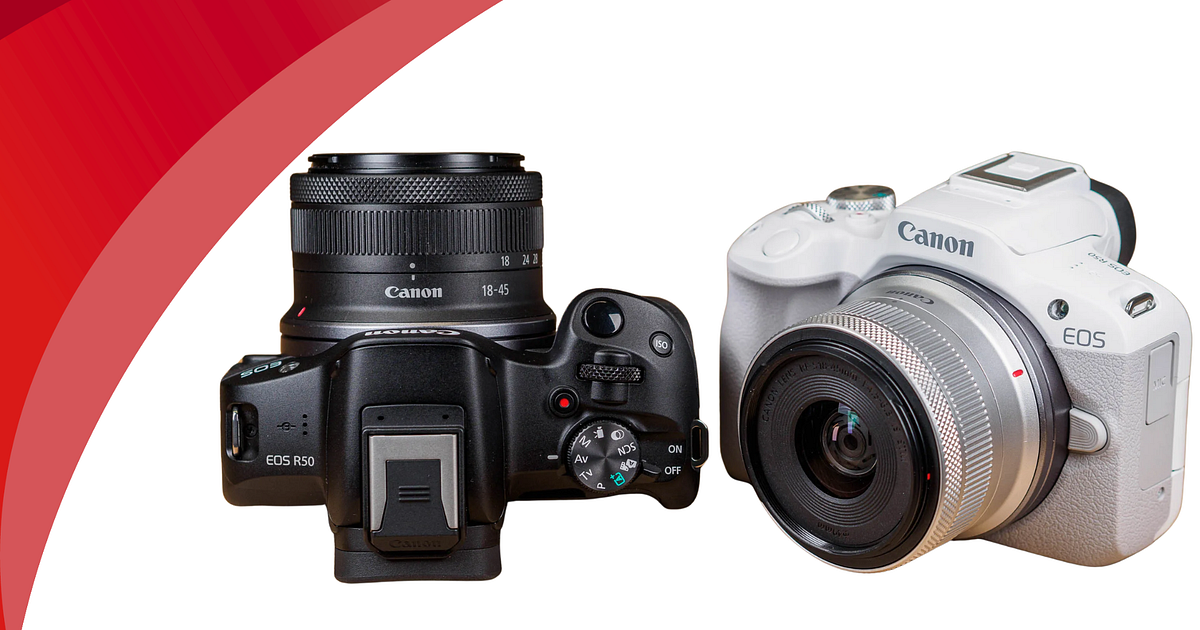
Canon EOS R50 review
Medium· 2025-09-28 06:20
Core Insights - The Canon EOS R50 is positioned as an ideal entry-level mirrorless camera, offering professional-quality images while being user-friendly for beginners [1][10][25] Group 1: Product Overview - The Canon EOS R50 is compact and lightweight, weighing just over 375 grams, making it suitable for travel and everyday use [15][16] - It features a 24.2MP APS-C CMOS sensor and DIGIC X processor, which together produce sharp and vibrant images with excellent detail retention [17][20] - The camera is designed for various users, including travelers, vloggers, and casual photographers, providing professional-looking results without complex settings [23][25] Group 2: Key Features - The R50 supports fast shooting speeds of up to 15 frames per second, making it ideal for capturing action shots [18] - It includes advanced autofocus capabilities with 651 focus zones, ensuring quick and accurate subject tracking [19] - Video capabilities include 6K oversampled 4K at 30fps and Full HD at 120fps, catering to content creators [20] Group 3: User Experience - The camera is equipped with intuitive touchscreen controls and guided modes, making it beginner-friendly [6][24] - Connectivity features such as built-in Wi-Fi and Bluetooth allow for easy sharing and remote control via the Canon Camera Connect app [21] - Battery life is rated at approximately 440 shots using the LCD, with real-world usage averaging around 2-3 hours [22] Group 4: Market Positioning - The EOS R50 is available in various kits, including body-only, a starter kit with an RF-S 18–45mm lens, and a Creator Kit for vloggers [9][10] - It is positioned as an affordable option in the entry-level to mid-range market, appealing to those looking for value without sacrificing quality [29][32]

2025年7月中国数字照相机出口数量和出口金额分别为230万台和1.92亿美元
Chan Ye Xin Xi Wang· 2025-09-19 03:46
Core Insights - The report by Zhiyan Consulting highlights the growth of China's digital camera exports, with a notable increase in both quantity and value in July 2025 [1] Export Data Summary - In July 2025, China exported 2.3 million digital cameras, representing a year-on-year growth of 17.7% [1] - The export value for the same period reached 19.2 million USD, showing a significant year-on-year increase of 49.6% [1] Industry Context - Zhiyan Consulting is recognized as a leading industry consulting firm in China, specializing in in-depth industry research and providing comprehensive consulting services for investment decisions [1]

前海“拼图”:中国城市全球要素配置能力的破界时刻
21世纪经济报道· 2025-09-06 12:46
Core Viewpoint - The article highlights the rapid development and transformation of Qianhai, Shenzhen, into a global hub for high-end service industries, showcasing its increasing capacity for global production factor allocation and its role as a model for urban development in the Guangdong-Hong Kong-Macau Greater Bay Area [2][4]. Group 1: Economic Development - Qianhai has seen significant advancements in high-end service industries, with modern service industry value added accounting for over 60% of GDP [1]. - The first phase of the Qianhai Plan aims for a robust development of high-end factor aggregation and radiation effects by 2025, which has largely been achieved [2]. - The financial sector in Qianhai has experienced double-digit growth for three consecutive years, with a 13.8% increase in the first half of 2025 [5]. Group 2: Financial Sector - Qianhai serves as a crucial link between Hong Kong and international markets, facilitating foreign capital entry into China [5]. - The establishment of the first "dual-license" foreign bank in Qianhai, along with the approval for Fubon Bank to set up a branch, underscores its growing financial capabilities [5]. - The financial institutions in Qianhai have reached 503, with nearly 30% being foreign and Hong Kong capital [5]. Group 3: Arbitration and Legal Services - Shenzhen International Arbitration Court has enhanced its international credibility, with 733 foreign arbitrators from 129 countries, and a significant increase in arbitration case values [7]. - In 2024, the arbitration cases handled by Shenzhen International Arbitration Court reached 142.2 billion yuan, marking a 45% year-on-year increase in the number of countries involved [7]. Group 4: Technological Innovation - Qianhai is integrating modern service industries with manufacturing, promoting the development of "service-oriented manufacturing" [9]. - Companies like YingShi Innovation and DaiMeng Robotics are leveraging Qianhai's advantages for technological advancements and capital access, with significant increases in R&D expenditures [10][12]. - The establishment of a comprehensive "embodied intelligence port" in Qianhai is underway, focusing on the entire supply chain from core components to application [12]. Group 5: Logistics and Trade - Shenzhen Airport is a key logistics hub, with a projected cargo throughput of 260,000 tons by the end of 2024, reflecting a 17.6% year-on-year growth [15][17]. - The airport has expanded its international cargo routes, establishing connections with 43 cities and 63 global cargo destinations [15]. - Innovative customs services have reduced logistics costs by approximately 30% for businesses operating in Qianhai [17]. Group 6: Urban Development and Quality of Life - Qianhai is evolving into a "4.0 version of urban centers," integrating production, living, and ecological aspects, with significant investments in infrastructure and urban projects [22]. - The area is becoming a center for high-quality living services, with major projects like K11 ECOAST and the Bay Area Book City enhancing its urban appeal [20][22]. - The social retail sales in Qianhai reached 30.99 billion yuan in the first seven months of the year, marking a 14.4% increase [22].

迁厂也没用!富士从中国搬回日本,照样被加税15%,相机还得涨价
Sou Hu Cai Jing· 2025-09-05 04:12
Core Viewpoint - Fujifilm's decision to relocate production from China back to Japan has resulted in unexpected consequences, as the company is still subjected to a 15% tariff on camera imports to the U.S., highlighting the challenges of navigating trade policies and the complexities of global supply chains [1][2][5]. Group 1: Background and Decision - The decision to move production back to Japan was made in response to fears of high tariffs on cameras produced in China amid escalating U.S.-China trade tensions [2]. - Fujifilm believed that relocating to Japan would shield them from tariffs due to the historically strong U.S.-Japan relationship [2]. Group 2: Current Situation and Impact - The U.S. Department of Commerce has imposed a 15% anti-dumping tax on Japanese camera imports, which has taken Fujifilm by surprise [2][5]. - This tariff could result in Fujifilm incurring additional costs of several million dollars annually, which will likely lead to increased camera prices for consumers [7]. Group 3: Broader Implications - Fujifilm's experience illustrates the indiscriminate nature of U.S. trade protectionism, affecting both competitors and allies alike [9]. - The case serves as a cautionary tale for companies considering relocating production to avoid trade risks, as such moves may not yield the expected benefits [9]. - The situation emphasizes the importance of maintaining competitive product quality and innovation in a complex international trade environment, as demonstrated by companies like Huawei and DJI [11][12][14].

【环球财经】东京股市两大股指涨跌不一
Xin Hua Cai Jing· 2025-08-27 07:33
Core Viewpoint - The Tokyo stock market showed mixed results on August 27, with the Nikkei 225 index rising by 0.30% while the Tokyo Stock Exchange Price Index fell by 0.07% [1] Market Performance - The Nikkei index closed up by 125.87 points at 42520.27 points, while the Tokyo Stock Exchange index decreased by 2.25 points to 3069.74 points [1] - The market opened higher due to positive momentum from the previous night's performance in New York, but soon faced profit-taking, leading to fluctuations around the previous day's closing prices [1] Sector Performance - Among the 33 industry sectors on the Tokyo Stock Exchange, there were mixed results, with sectors such as electric power and gas, air transportation, and non-ferrous metals showing notable gains [1] - Conversely, sectors like insurance, other products, and rubber products experienced declines [1] Notable Company Activity - Reports indicated that French eyewear giant EssilorLuxottica plans to significantly increase its stake in Japanese camera manufacturer Nikon, which led to a surge in Nikon's stock price and provided some support to the Nikkei index [1]