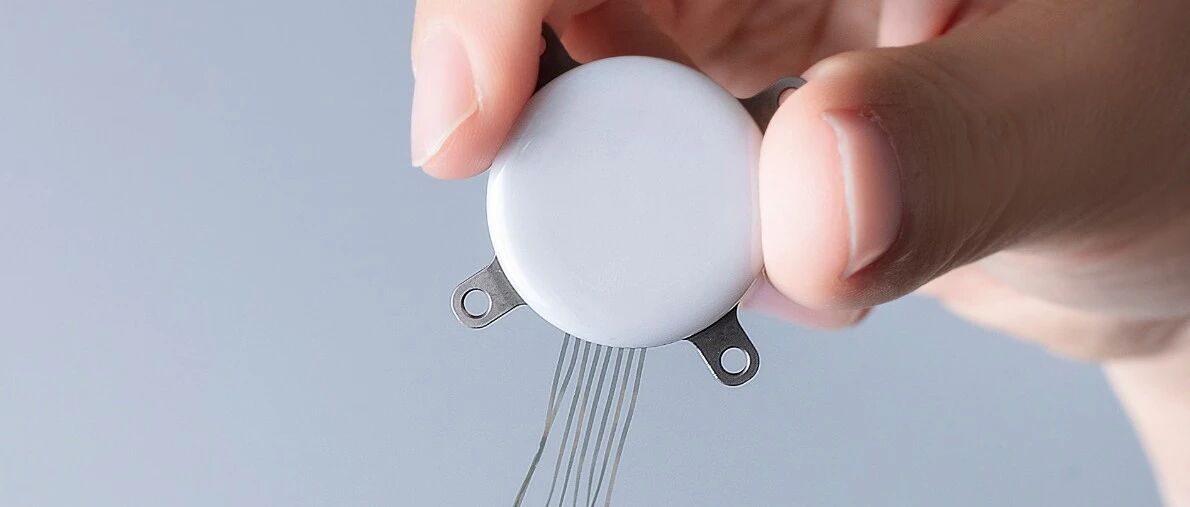
脑机接口

Search documents
全球首款侵入式脑机产品获批,行业迈入商业化验证期
Bank of China Securities· 2026-03-15 10:00
Investment Rating - The industry investment rating is "Outperform" indicating that the industry index is expected to perform better than the benchmark index in the next 6-12 months [11]. Core Insights - The approval of the world's first invasive brain-machine interface product marks a milestone for the domestic invasive brain-machine interface industry, transitioning from "technical validation" to "commercialization" [1][3]. - The brain-machine interface market is projected to grow significantly, with the global market expected to reach approximately $240 million by 2025 and $960 million by 2034, reflecting a compound annual growth rate (CAGR) of about 15.9% from 2026 to 2034 [6]. - In China, the brain-machine interface market is anticipated to reach 3.2 billion yuan in 2024, with a year-on-year growth of 18.81%, and is expected to grow to 4.6 billion yuan by 2026 [6]. Summary by Sections Industry Overview - The approval of the brain-machine interface product by the National Medical Products Administration (NMPA) signifies the entry of invasive brain-machine interfaces into clinical application, enhancing the quality of life for patients with quadriplegia due to cervical spinal cord injuries [6]. Policy Environment - Recent policies, including the "14th Five-Year Plan" and various implementation opinions from multiple government departments, have positioned brain-machine interfaces as a key future industry, accelerating the commercialization process [6]. Market Potential - The market for brain-machine interfaces is expanding, with non-invasive technologies leading in rehabilitation and consumer applications, while invasive technologies are making clinical progress in high-value medical applications [6].
脑机接口技术临床应用提速,多位专家解码实施路径
第一财经· 2026-03-15 08:21
Core Viewpoint - The article discusses the advancements in brain-computer interface (BCI) technology and its potential applications in medical diagnosis and treatment, emphasizing the need for integration with AI and the establishment of standardized clinical protocols [3][5][6]. Group 1: Current Developments in BCI Technology - BCI technology is expected to reshape the diagnosis and treatment of neurological diseases, necessitating a stronger integration between basic research and clinical application [5]. - A consensus on the clinical application pathways for implanted BCIs (iBCI) was published in January 2026, outlining management methods and clinical application processes [6]. - The main clinical value of BCI technology currently lies in medical rehabilitation, particularly for high-level paraplegic patients, enabling them to perform tasks like eating and moving through the control of robotic arms [6][7]. Group 2: Challenges and Future Directions - Current BCI devices face challenges such as low signal-to-noise ratios, interference, and the lack of universal brain signal decoding models [7]. - Future directions in BCI development may include the use of nanomaterials and flexible electrodes, as well as non-invasive BCI devices that can support cognitive science and sleep enhancement [7]. - A clinical trial demonstrated a 67.4% improvement rate in consciousness among patients with prolonged disorders of consciousness, indicating a new pathway for precise recovery [7]. Group 3: Integration of AI with BCI - The integration of AI into BCI technology shows significant potential for enhancing the functionality and practical value of BCI systems [8][9]. - AI can improve the dynamic optimization capabilities of BCI devices in areas such as neural signal decoding and intervention strategies [9]. - In the field of neurological disease management, AI can facilitate real-time adjustments to deep brain stimulation parameters based on pathological neural signals, improving treatment outcomes [10].

阶梯医疗获5亿战略融资,加速脑机接口全球布局
Huafu Securities· 2026-03-14 08:33
Investment Rating - The industry rating is "Outperform the Market," indicating that the overall return of the industry is expected to exceed the market benchmark index by more than 5% in the next 6 months [14]. Core Insights - Recently, the company completed a strategic financing round of 500 million yuan, led by Alibaba, with participation from Guotou Chuanghe and continued support from Tencent, bringing the total financing in the past year to over 1.1 billion yuan [3]. - The financing will significantly accelerate the clinical progress of the company, aiming to complete the first domestic clinical implantation of a 256-channel wireless high-throughput invasive brain-computer interface system by early 2026, which is the only invasive brain-computer interface product in China's regulatory green channel [3]. - The company plans to conduct large-scale multi-center registration clinical trials in mid-2026, with an expected total of 40 patient implantations within the year, potentially surpassing Neuralink by the end of the year [3]. - The company, established in 2021, is a hard-tech enterprise in the field of minimally invasive brain-computer interfaces, possessing globally leading technologies in electrodes and surgical robots, and is focused on "brain control" and "neuroregulation" [4]. - Major tech companies like Alibaba and Tencent entering the field will integrate with the company's hardware barriers and clinical experience to build a new generation of intelligent brain-computer interface systems and application ecosystems [4]. - The brain-computer interface market is projected to grow rapidly, with the global market size expected to reach approximately 2.62 billion USD in 2024 and 2.94 billion USD in 2025, potentially reaching 12.4 billion USD by 2034, with a compound annual growth rate of 17.35% over the next decade [5]. - In China, the brain-computer interface market is expected to grow from 3.2 billion yuan in 2024 to 6.14 billion yuan by 2028, supported by national strategic planning to promote brain-computer interfaces as a new economic growth point [5]. - The report suggests paying attention to companies such as Yanshan Technology, Hanwei Technology, Sanbo Brain Science, and others in the sector [5].
中国速度碾压马斯克!脑机接口企业临床植入总例数有望迈向全球第一
第一财经· 2026-03-13 10:20
Core Viewpoint - The article highlights a significant milestone in China's brain-computer interface (BCI) sector, with the approval of the first invasive BCI medical device for clinical application, marking a global first in this field [3]. Group 1: Industry Developments - The National Medical Products Administration has approved the innovative product registration application for the implanted BCI hand movement compensation system by Borui Kang Medical Technology (Shanghai) Co., Ltd, indicating the entry of invasive BCI medical devices into clinical use [3]. - The Chinese government has proposed the establishment of a mechanism for future industry investment growth and risk sharing, focusing on future industries such as BCI, which is expected to experience explosive growth [3]. - The BCI sector in China is witnessing accelerated financing, with companies like Gestalt Technology and Ladder Medical securing significant funding rounds recently, including 150 million RMB and 500 million RMB respectively [3][4]. Group 2: Clinical Trials and Market Potential - Ladder Medical plans to conduct large-scale multi-center clinical trials by mid-2026, aiming to exceed the total number of clinical implants by Neuralink, which currently stands at approximately 21 cases [5]. - Predictions suggest that within the next three to five years, BCI technology could see practical applications in China, with the potential for significant advancements in the field [5]. - The domestic BCI market is projected to reach 5.58 billion RMB by 2027, supported by the inclusion of certain BCI treatment technologies in the national medical insurance system in select provinces [6]. Group 3: Advantages and Challenges - China possesses several advantages in the BCI field, including a large population, substantial patient demand, a cost-effective industrial chain, and a rich talent pool in science, technology, engineering, and mathematics [6]. - The journey from experimentation to clinical trials is lengthy, but many Chinese hospitals have established BCI research laboratories to expedite the clinical application process [7].
格式塔科技完成1.5亿元天使轮融资,国内脑机接口领域最大规模天使轮
机器人圈· 2026-03-13 10:12
Core Viewpoint - Gestala Technology, the first domestic company focused on ultrasound brain-machine interfaces, has completed a 150 million yuan angel round financing, setting a record for the highest angel round financing in China's brain-machine interface sector [4][5]. Financing Details - The financing round was led by Guosheng Capital and Daotong Investment, with participation from several well-known investment institutions and companies, including Qingsong Capital and Gobi Partners [4]. - The funds raised will primarily be invested in product development and early clinical trials, focusing on core technology, clinical registration, AI integration, and advanced technology layout [6][7]. Industry Context - The global brain-machine interface industry is experiencing an investment boom, particularly in the "ultrasound track," with notable companies like Merge Labs and Nudge also securing significant funding [5]. - The advantages of ultrasound pathways over traditional invasive electrical methods include non-invasiveness, full-brain "reading and writing," and multi-target neural circuit regulation, addressing a wide range of clinical needs [5][6]. Product Development and Clinical Trials - Gestala Technology plans to establish its headquarters and first production line in Chengdu by the second quarter of this year, with the first product focusing on chronic pain management [6]. - Clinical trials have shown that a single stimulation can reduce pain scale scores by 50%, with effects lasting 1-2 weeks [6]. Strategic Vision - The company aims to create a brain-machine interface platform based on ultrasound with full-brain reading and writing capabilities, providing innovative treatment methods for various neurological diseases and exploring the integration of brain science and artificial intelligence [6][7].

人类进入脑机接口时代
机器人大讲堂· 2026-03-13 09:09
Core Insights - The article highlights the transformative potential of brain-computer interfaces (BCIs), exemplified by Nolan Abbot's experience with Neuralink, marking a significant leap from science fiction to reality [4][6]. - BCIs have been officially recognized in China's government work report, elevating their status as a core future industry alongside quantum technology and 6G [8][10]. Government Recognition - In March 2024, BCIs were mentioned in the government work report for the first time, indicating their strategic importance and transition from experimental research to a national priority [10][11]. - The development trajectory of BCIs has seen significant policy support over the past decade, culminating in their inclusion in the 2026 government work report [10][11]. Global Competition - The BCI field is characterized by a global race for technological leadership, with different approaches: invasive, semi-invasive, and non-invasive methods, each catering to various applications [12][13]. - The U.S. leads in invasive BCIs with companies like Neuralink, while China is catching up in clinical trials and technology development [13][14][17]. Market Dynamics - The global BCI market is projected to grow from approximately $2.62 billion in 2024 to $12.4 billion by 2034, with China's market expected to reach 5.58 billion yuan by 2027, reflecting a 20% annual growth rate [20][21]. - Over 200 BCI companies have emerged in China, establishing a complete industrial chain from materials to applications, with healthcare being the most promising sector [20][21]. Challenges and Pathways - Key challenges include reliance on imported core technologies, a lack of standardized data for training algorithms, and the absence of ethical and regulatory frameworks [23][24]. - Recommendations include establishing national innovation centers for BCIs and creating a high-quality database for brain-machine interaction data [24]. Future Implications - BCIs are poised to redefine human-machine relationships, enhancing cognitive abilities and enabling seamless interaction between humans and AI systems [25]. - The successful integration of BCIs into daily life could lead to unprecedented changes in how humans interact with technology and each other [25][26].

脑机接口“全球首证”为何在上海
第一财经· 2026-03-13 06:59
本文字数:3935,阅读时长大约8分钟 作者 | 第一 财经 金叶子 作为首批布局脑机接口的城市,上海又实现了关键一跃。 2026.03. 13 国家药监局官网13日公布,近日国家药监局批准了博睿康医疗科技(上海)有限公司植入式脑机接口手部运动功能代偿系统创新产品注册申请,实现 脑机接口医疗器械全球首发上市,标志着国际首个侵入式脑机接口医疗器械进入临床应用阶段。 从2023年进入临床试验至今,博睿康的产品已由复旦大学附属华山医院、首都医科大学宣武医院联合其他临床试验中心完成了共36例颈段脊髓损伤截 瘫患者的植入手术,其中预临床4例,多中心临床32例。所有患者均成功实现居家脑控抓握辅助与康复训练,在主要临床终点上100%达标,且未见医 疗器械相关严重不良事件,初步验证了硬膜外微创植入路径的安全性和长期使用可行性。 博睿康的 NEO (微创硬膜外脑机接口) 由于脑机接口横跨神经科学、材料学、微电子等多个学科,"技术落地"与"商业化"之间横亘着一条巨大的鸿 沟。在这场全国乃至全球的产业竞逐中,上海的突围路径显得尤为清晰:并非单纯依靠政策补贴或硬件制造,而是凭借难以复制的"基础研究+技术转化 +顶级临床"资源,上海已 ...

脑机接口重大利好,概念股直线飙涨近10%
21世纪经济报道· 2026-03-13 06:34
Core Viewpoint - The article highlights the recent surge in brain-computer interface (BCI) concept stocks, particularly following the approval of a groundbreaking BCI medical device by the National Medical Products Administration of China, which is set to enhance the quality of life for patients with quadriplegia [1][4]. Group 1: Market Reaction - On March 13, brain-computer interface concept stocks experienced significant movement, with companies like Innovation Medical and Sanbo Brain Science seeing their shares rise nearly 10% [1]. - Innovation Medical's stock price increased by 5.55%, closing at 31.40, with a trading volume of 640,200 shares and a total transaction amount of 1.96 billion [2]. Group 2: Product Approval and Features - The National Medical Products Administration approved the registration application for a novel implanted brain-computer interface system by Borekan Medical Technology, marking the first global launch of such a medical device [4]. - The product includes components such as an implanted brain-computer interface, brain electrode kit, signal transceiver, pneumatic glove, surgical tool kit, and software for decoding brain signals and clinical management [4]. - It is designed for patients aged 18 to 60 with cervical spinal cord injuries, specifically those classified as A to C on the ASIA scale, who have stable conditions for at least six months and cannot perform hand grasping [4].


阿里腾讯,投了这家脑机接口公司
投资界· 2026-03-13 01:48
Core Viewpoint - The article highlights the rapid development and significant funding of Shanghai Ladder Medical Technology Co., Ltd. in the brain-computer interface (BCI) sector, positioning it as a potential global leader by 2026 [2][3][11]. Group 1: Funding and Financial Milestones - Ladder Medical has completed a strategic financing round of 500 million yuan, led by Alibaba and followed by several prominent investors, bringing its total funding to over 1.1 billion yuan in the past year [2]. - The company is recognized as a phenomenon in the BCI sector, with expectations to surpass Neuralink in clinical implant numbers by the end of 2026 [2][7]. Group 2: Clinical Trials and Technological Advancements - In 2025, Ladder Medical successfully conducted China's first three prospective clinical trials of invasive BCIs, marking a significant milestone in the country's technological capabilities [3]. - The company plans to initiate large-scale multi-center registration clinical trials in mid-2026, aiming to enroll approximately 40 patients for implantation surgeries within the year [6]. Group 3: Product Development and Future Plans - Ladder Medical has developed a closed-loop deep brain stimulation system, which has already completed four clinical research implant surgeries, demonstrating its regulatory and functional capabilities [9]. - The deep brain stimulation system is set to begin clinical trials in 2027, targeting treatments for conditions such as Parkinson's disease and epilepsy [10]. Group 4: Strategic Partnerships and Industry Positioning - The involvement of major tech companies like Alibaba and Tencent in Ladder Medical signifies a strategic alignment with the future of human-computer interaction technologies [12]. - The company is seen as a core innovative force in China's national strategy for brain-computer interfaces, supported by investments from state-backed capital [13]. Group 5: Vision for the Future - The founder of Ladder Medical envisions the BCI technology as a bridge between biological intelligence and artificial intelligence, potentially leading to a new phase of human evolution [14]. - The collaboration between AI and BCI is anticipated to create unprecedented changes in human life, with implications for longevity and cognitive enhancement [15].

阶梯医疗再获5亿融资:阿里腾讯均已下注的脑机接口企业,近一年融资超11亿元
IPO早知道· 2026-03-13 01:30
Core Viewpoint - Shanghai Ladder Medical Technology Co., Ltd. has completed a strategic financing of 500 million yuan, led by Alibaba, marking a significant milestone in the brain-machine interface (BMI) sector, with expectations to surpass Neuralink's clinical trial numbers by the end of 2026 [2][4][7]. Group 1: Financing and Investment - Ladder Medical has raised over 1.1 billion yuan in total financing over the past year, becoming the first company in the BMI field backed by Alibaba and Tencent [4]. - The recent financing round included participation from several prominent investors, indicating strong confidence in the company's potential [2][4]. Group 2: Technological Advancements - Founded in 2021, Ladder Medical focuses on minimally invasive BMI technology, having developed leading technologies in electrodes, systems, algorithms, and surgical robots [4]. - The company has successfully completed clinical trials for a 256-channel wireless high-throughput invasive BMI system, marking a significant technological leap and the first of its kind in China [6][7]. Group 3: Clinical Progress and Future Plans - Ladder Medical plans to conduct large-scale multi-center registration clinical trials in mid-2026, aiming to enroll approximately 40 patients within the year [7]. - By the end of 2026, the total number of clinical implants is expected to approach or exceed Neuralink's current total of about 21 cases, positioning Ladder Medical as a leader in the commercialization and clinical application of BMI technology [7]. Group 4: Strategic Partnerships and Market Position - The involvement of major tech companies like Alibaba and Tencent is seen as a milestone, enhancing the integration of life sciences and information technology in the BMI sector [9]. - Ladder Medical's advancements align with national strategic plans, establishing it as a core innovative force in China's BMI strategy [9].