
Smart Home

Search documents
Durin Debuts MagicKey(™): The First Multi-Factor Authentication for Home Entry
Prnewswire· 2026-01-06 15:00
Core Insights - Durin, Inc. has launched MagicKey, a multi-factor authentication system for home access that integrates UWB proximity, facial recognition, and voice biometrics, marking a significant advancement in home security technology [1][2][3] Technology Partners and Features - Durin has partnered with five technology providers: Mauna Kea Semiconductors (MKSemi), Xailient, Sensory Inc., Silicon Labs, and Infineon Technologies to enhance the functionality of MagicKey [2][16] - MKSemi provides ultra-wideband (UWB) technology that allows for centimeter-level precision in proximity detection, similar to that used in luxury automotive digital car keys [4][5] - Xailient offers privacy-safe edge AI for facial recognition, ensuring that visual data remains on-device and complies with privacy regulations across over 80 jurisdictions [6][7][8] - Sensory Inc. powers voice biometric authentication through its TrulySecure platform, which has been integrated into over three billion consumer devices and operates entirely on-device [9][10] - Silicon Labs supplies the wireless connectivity backbone for the Door Manager, supporting multiple communication protocols and ensuring long battery life [11][12][13] - Infineon Technologies provides robust Wi-Fi connectivity solutions that enhance the reliability and performance of the Door Manager [14][15] Market Position and Future Outlook - The smart home access market is rapidly evolving, with Durin's technology stack positioned to support the upcoming Aliro standard for UWB-based access control, expected to gain industry adoption in 2026 [17][18] - Durin's Door Manager will be available for purchase in Q1 2026, with an initial reservation option for consumers [20]




Gentex to Highlight New Automotive Tech and Demonstrate Inroads Into New Markets at CES 2026
Globenewswire· 2026-01-06 13:00
Core Insights - Gentex Corporation is showcasing its automotive technology and product diversification strategy at CES 2026, highlighting advancements in smart home, access control, and premium audio industries [2][3]. Automotive Technology - Gentex's Full Display Mirror (FDM) has become the leading digital rearview mirror in the auto industry, now available on over 140 vehicles globally. The next-generation FDM features Dynamic View Assist, enhancing driving safety with various dynamic viewing modes [5][16]. - The company is a global leader in dimmable glass, shipping millions of units annually, including anti-glare mirrors and electronically dimmable windows. At CES 2026, Gentex will showcase new dimmable sunroofs and visors [6]. - Gentex has secured contracts to provide mirror-integrated driver and in-cabin monitoring systems, responding to EU regulations and NCAP requirements. The new system tracks driver metrics to assess distraction and drowsiness [7][8]. Smart Home and Connectivity - Gentex's HomeLink system, with an estimated 110 million equipped vehicles, allows users to control various smart home devices. The next generation includes cloud-based garage door activation and compatibility with Apple CarPlay and Android Auto [9][10]. - The PLACE smart home safety system integrates fire protection, comfort, and security features, controlled via a user-friendly app [11]. - eSight is a line of wearable assistive technologies for individuals with visual impairments, with the latest version improving functional vision for over 20 eye conditions [12]. Premium Audio - VOXX by Gentex and the Premium Audio Company (PAC) will showcase automotive technology and premium audio solutions, featuring renowned brands like Klipsch and Onkyo [13][17].


曾被吐槽“智障”的AI智能锁,快被年轻人玩坏了
3 6 Ke· 2026-01-04 09:29
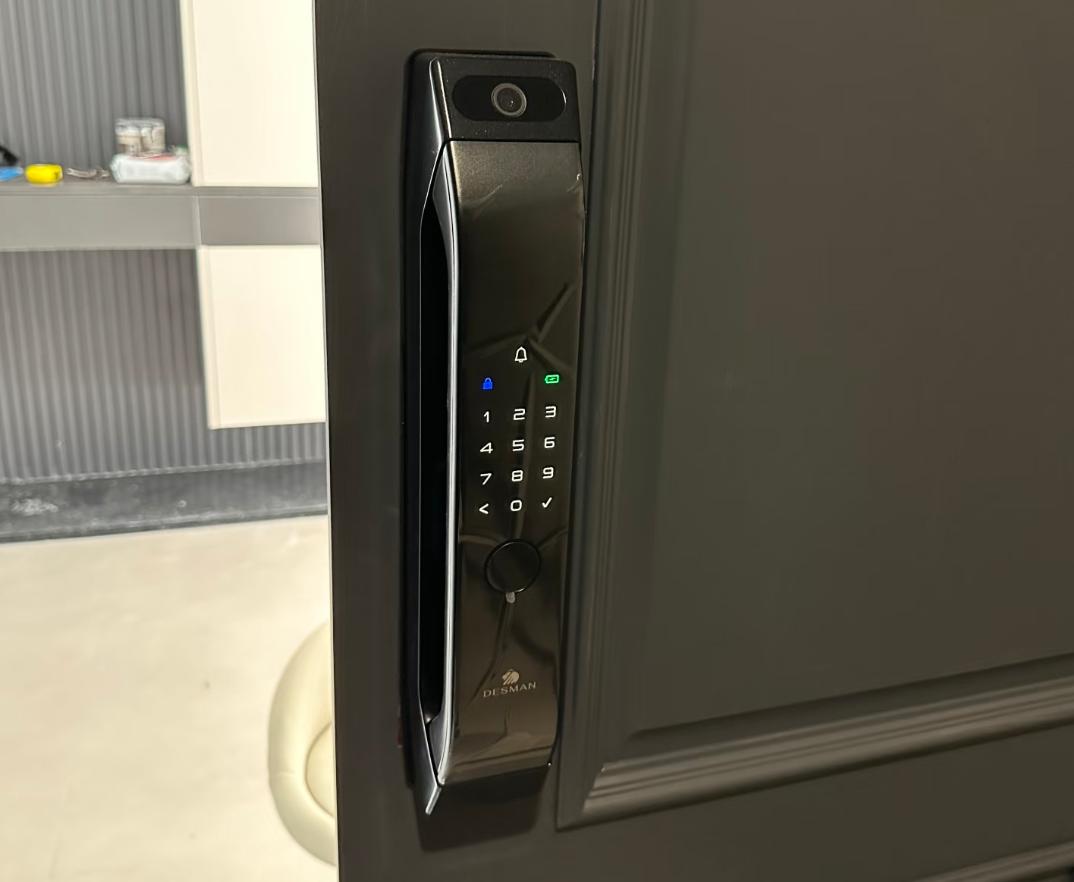
Group 1 - The core idea of the article is the transformation of smart locks from being criticized as "artificial intelligence disabilities" to becoming essential components of smart home ecosystems, driven by technological advancements and consumer demand for convenience and security [36] - The smart lock market in China is experiencing significant growth, with a penetration rate of over 40% in first-tier cities by 2025, and the global smart door lock market is projected to reach $2.77 billion in 2024, growing to $8.1 billion by 2030 [3][10] - Major companies like Xiaomi, Huawei, and Haier are heavily investing in the smart lock sector, leading to intense competition and a "red ocean" market environment [3][14] Group 2 - The evolution of smart locks has led to advanced features such as AI capabilities, biometric recognition, and seamless integration with other smart home devices, enhancing user experience [5][15] - The first batch of smart lock users is entering a 5-7 year replacement cycle, creating a dual opportunity for both replacement and new market penetration [14] - Smart locks are becoming the "first entry point" in smart homes, with companies like Huawei positioning their products as integral to their broader smart home ecosystems [15][17] Group 3 - The article highlights the importance of security and reliability in smart locks, noting that despite advancements, there have been incidents of malfunction and security breaches, raising consumer concerns [29][31] - Companies are focusing on improving biometric recognition technologies, such as palm vein recognition, to address issues with traditional fingerprint locks and enhance security [24][28] - Data privacy is a significant concern, as many smart locks store sensitive user information, and inadequate data encryption could lead to privacy breaches [34]



三大智能家居APP暗战:谁更适合用户?
和讯· 2025-12-30 09:23
Core Viewpoint - The article discusses the evolving definitions and standards of smart home technology, highlighting the recent "New National Standard" released by the National Standards Commission, which categorizes smart home products into five levels (L1-L5) based on their intelligence and user experience. The article compares three leading companies—Haier, Midea, and Xiaomi—each with distinct approaches to their smart home applications [1][5]. Group 1: Haier - Haier's smart home app aims to be the "first entry point for smart homes," featuring a new 3D interactive view that transforms a flat device list into an engaging 3D home model, enhancing user experience from "controlling appliances" to "managing life" [1]. - The app integrates over 55 brands and 167 categories of devices, extending smart living from indoor to outdoor scenarios through partnerships, such as with Changan and Chery [1]. - Haier offers a comprehensive service model that includes installation, maintenance, and design, providing a seamless user experience [1]. Group 2: Midea - Midea's app positions itself as a leader in the AI smart home era, introducing the Smart Home Agent concept and the "Xiao Mei AI Family Assistant," which aims for a "no-feel" control experience through self-sensing and decision-making capabilities [2]. - The company actively collaborates with major smartphone manufacturers and automotive companies to expand the interconnectedness of "people, vehicles, and homes," focusing on deep AI integration [2]. - Midea's strategy emphasizes making smart home technology smarter and more invisible, enhancing user comfort [2]. Group 3: Xiaomi - Xiaomi's app serves as the core control platform for its smart ecosystem, characterized by a simple interface and intuitive operation, allowing users to easily access frequently used functions [3]. - Although the 3D view feature is still under development, the app has strengthened its scene capabilities with new modes for security, environment, lighting, and shading, catering to comprehensive user needs [3]. - The app acts as an efficient "connector" and "adaptation center," integrating both Xiaomi's products and third-party devices, thus reducing complexity and cost for users looking to build a mixed-brand smart home [3]. Group 4: Conclusion - The competition among the three apps reflects deeper industry interpretations of "smart home" and the battle for user engagement, with Haier focusing on ecosystem building, Midea on control, and Xiaomi on adaptability [5]. - Users may find that there is no "best" option, but rather one that is "more suitable" based on their preferences for brand integration, AI experiences, or mixed-brand compatibility [5].

真正的Jarvis要来了?涂鸦智能押注Physical AI
AI前线· 2025-12-30 05:32
Core Insights - The article discusses the evolution of smart home technology, highlighting Tuya's transition from a behind-the-scenes technology provider to a key player in the Physical AI space with the launch of "Hey Tuya" [4][28]. Group 1: Hey Tuya's Role and Functionality - Hey Tuya serves as an AI life assistant that coordinates various agents and hardware, enabling smart devices to think, make decisions, and assist users in daily tasks [4][10]. - The system aims to transform the user experience from reactive to proactive, allowing for continuous learning and adaptation to family habits [18][30]. - Hey Tuya integrates long-term memory capabilities through its OmniMem engine, which manages both short-term and long-term memory, enhancing the system's understanding of user preferences over time [24]. Group 2: Technical Infrastructure - The foundation of Hey Tuya is the Physical AI Engine (PAE), which provides the necessary infrastructure for agents to operate effectively in physical spaces [22]. - PAE includes a real-time communication system (T-RTC) that ensures continuous connectivity between AI and devices, even in challenging network conditions [24]. - The Dynamic Orchestration Agent (DOA) within PAE allows for the orchestration of multiple agents, enabling complex interactions and task execution across devices [25]. Group 3: Market Implications - With the introduction of Hey Tuya, Tuya is positioned as a foundational infrastructure for AI in daily life, allowing developers to focus on product experience and innovation rather than underlying technology [29]. - The platform's ability to facilitate cross-device and cross-scenario collaboration among agents signifies a shift towards a more integrated smart home experience [30][31]. - The article suggests that as more devices and services connect to Hey Tuya, it will create a sustainable AI ecosystem that actively participates in managing and optimizing household tasks [31][32].

华为鸿蒙智家:大家都卷低价,为什么它坚持收25%的服务费?
Jing Ji Guan Cha Wang· 2025-12-25 11:21
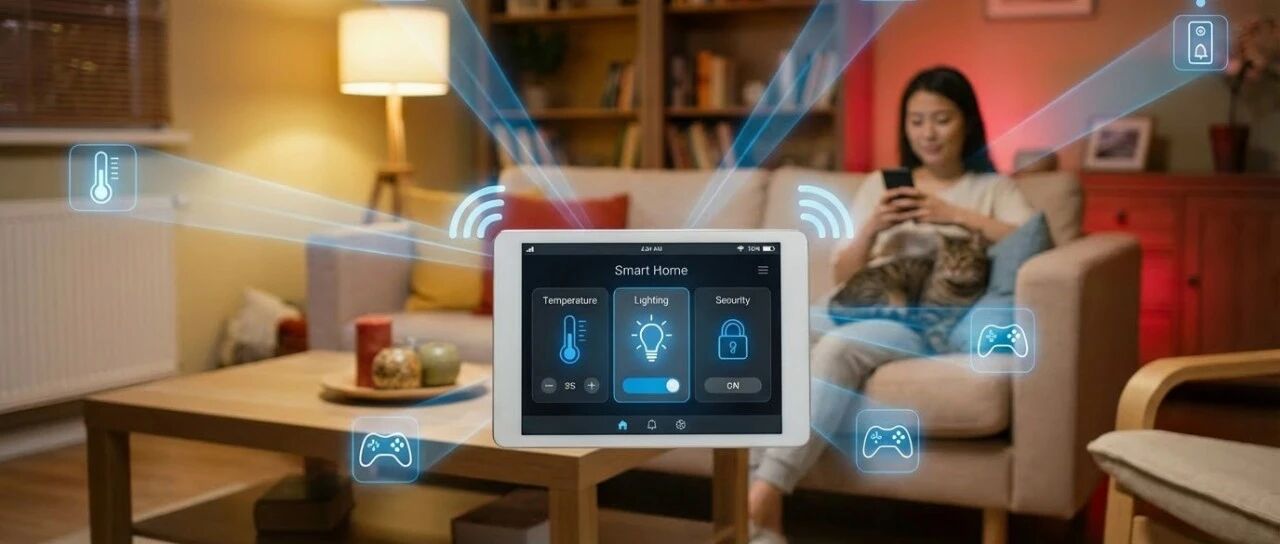
Core Insights - The article highlights the growing trend of whole-home smart systems becoming a standard feature in home renovations in China, driven by homeowners' desire for convenience and automation [1][5] - However, the reality often leads to frustrations, with many users experiencing issues that undermine the promised ease of use, leading to a perception of smart systems as unreliable [2][5] - The article emphasizes the importance of a robust delivery and maintenance system for smart home installations, which many companies overlook in favor of cost-cutting measures [5][10] Industry Challenges - The complexity of whole-home smart installations is likened to a hidden engineering challenge, where improper installation can lead to significant issues, including safety hazards [6][8] - Many companies in the industry are engaged in price wars, reducing or eliminating service fees that are essential for maintaining quality, which can compromise the overall user experience [5][10] - The article cites a specific case where poor installation practices led to potential safety risks for homeowners, illustrating the consequences of inadequate oversight and quality control [9][10] Company Strategy - Huawei's HarmonyOS Smart Home adopts a rigorous standardization approach, breaking down the installation process into ten detailed steps to ensure quality and reliability [11][14] - The company maintains a 25% service fee to cover the costs associated with thorough site assessments, detailed design, and quality checks, which are often skipped by competitors [14][18] - Huawei has established a large service team and training facilities to ensure that its engineers are well-prepared and capable of delivering high-quality installations [21][22] Service Value Proposition - The article argues that the 25% service fee is not merely an installation cost but a long-term service contract that ensures ongoing support and system optimization for homeowners [32][33] - Huawei's approach includes proactive customer service, addressing issues promptly and customizing solutions to enhance user experience, which sets it apart from competitors [26][28] - The company positions itself as a provider of not just products but a comprehensive service that evolves with user needs, emphasizing the importance of service in the smart home market [30][33]

This Smart Home Stock Just Drew a $42 Million Institutional Bet — Should Long-Term Investors Follow?
The Motley Fool· 2025-12-15 18:15
Core Insights - Permian Investment Partners has initiated a new position in Resideo Technologies, acquiring 965,936 shares valued at approximately $41.7 million as of the end of the third quarter [1][2]. Company Overview - Resideo Technologies is a leading provider of comfort and security solutions, with a market capitalization of $5.4 billion and a revenue of $7.4 billion over the trailing twelve months (TTM) [4][5]. - The company reported a net income of -$640 million TTM, indicating a loss [4]. Financial Performance - In the third quarter, Resideo achieved $1.86 billion in revenue, reflecting a 2% year-over-year increase, and recorded a gross margin of 29.8%, which is up 110 basis points year-over-year [9]. - The adjusted EBITDA for the same period was $229 million, representing a 21% increase from the previous year, with net income rising to $156 million [9]. Market Position - Resideo's shares have increased by 39% over the past year, significantly outperforming the S&P 500, which rose by 13% during the same period [3]. - The new position in Resideo represents about 4.7% of Permian's total reportable U.S. equity assets, which amount to $885.7 million as of September 30 [3]. Product and Service Offering - Resideo offers a diverse range of products, including temperature and humidity controls, security panels, sensors, and related software under the Honeywell Home brand [7]. - The company serves both commercial and residential markets, targeting contractors, OEMs, service providers, and retail channels across the U.S. and internationally [7].


EZVIZ brings unbeatable Double 12 magic across Southeast Asia, celebrating smarter living with exclusive offers on smart home gadgets
Globenewswire· 2025-12-11 05:35
Core Insights - EZVIZ is promoting its smart home products during the festive season, emphasizing joy and security for families in Southeast Asia as the year ends [1][3] Product Highlights - EZVIZ offers exclusive savings on its popular smart home camera collection, enhancing home security and connectivity [3] - The C6N Indoor Pan & Tilt Wi-Fi Camera features 360° pan-and-tilt control, motion detection, Smart IR night vision, and two-way talk capabilities [4] - The C90 Dual-Lens Outdoor Pan & Tilt Camera provides wide and detailed views with 2K⁺ resolution, color night vision, and smart notifications to differentiate between people and vehicles [5]

EZVIZ brings unbeatable double 12 magic across Southeast Asia, celebrating smarter living with exclusive offers on smart home gadgets
Globenewswire· 2025-12-11 03:45
Core Insights - EZVIZ is promoting its smart products during the festive season, emphasizing joy and security for families in Southeast Asia [1] - The company is offering exclusive savings on popular smart cameras, making smart living more accessible [2] Product Highlights - **H8c Outdoor Pan & Tilt Wi-Fi Camera**: Features 360-degree coverage, smart person detection, auto-tracking, and two-way communication, designed for all weather conditions [2] - **C6N G1 Indoor Outdoor Pan & Tilt Wi-Fi Camera**: Offers 4K video, 350° pan, and 85° tilt for comprehensive coverage, with smart motion detection and two-way audio [3] - **H7c Dual-Lens Indoor Pan & Tilt Wi-Fi Camera**: Combines a wide-angle fixed lens and a pan-and-tilt lens, includes loud-noise detection and smart human-shape alerts, with 2K+ video and color night vision [4] - **H9c Dual Lens Indoor Pan & Tilt Wi-Fi Camera**: Features a wide-angle lens and a pan-and-tilt lens, automatically tracking movement with 2K clarity and color night vision [5]

安徽智绘米屋全屋智能家居有限公司成立 注册资本500万人民币
Sou Hu Cai Jing· 2025-12-11 00:48
Core Viewpoint - Anhui Zhihui Miyu Smart Home Co., Ltd. has been established with a registered capital of 5 million RMB, focusing on various smart home and digital product manufacturing and sales [1] Company Overview - The legal representative of the company is Lü Xiaokang [1] - The registered capital of the company is 5 million RMB [1] Business Scope - The company operates in the manufacturing and sales of smart home consumer devices [1] - It also engages in the manufacturing of digital home products and smart instruments [1] - The company is involved in the sales and manufacturing of smart vehicles and related equipment [1] - Additional services include information system integration and artificial intelligence software development [1] - The company is permitted to operate various projects that are not prohibited or restricted by laws and regulations [1]