华为鸿蒙智家

Search documents
从“人控设备”到“空间懂人”,华为鸿蒙智家解码智慧全生态时代的跃迁之路
财联社· 2026-03-16 14:27
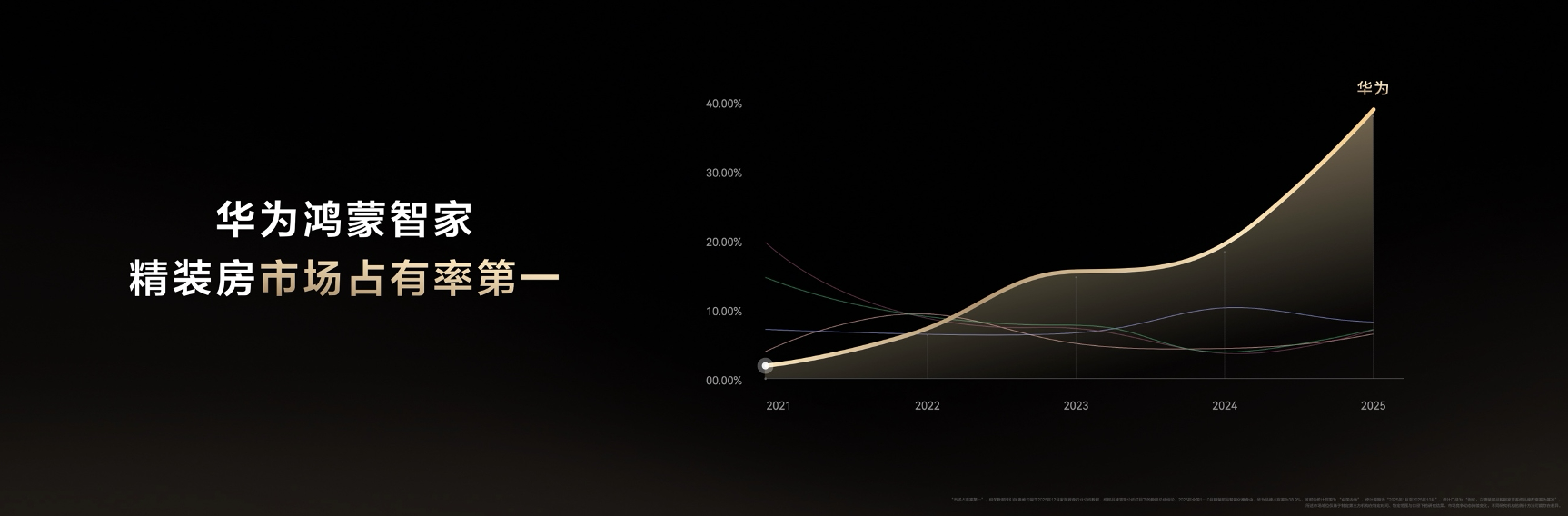
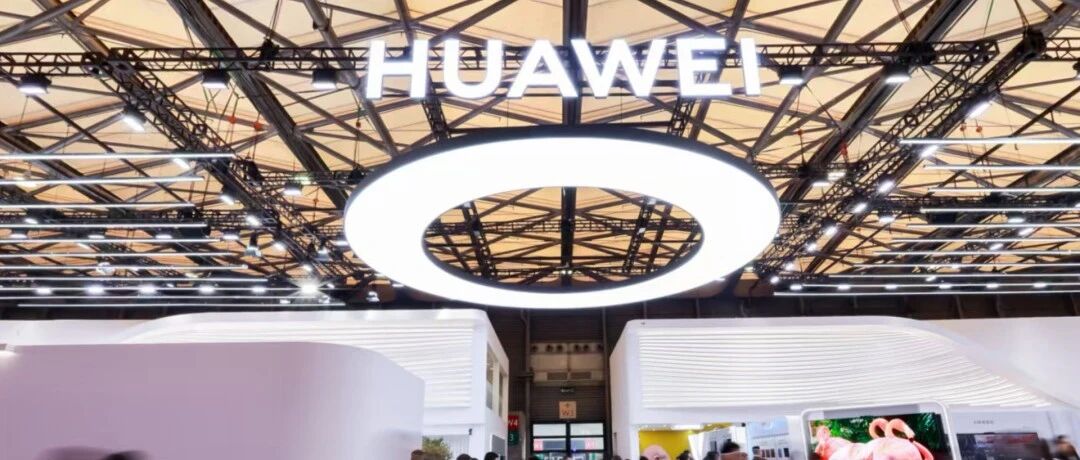
Core Viewpoint - The article highlights Huawei's significant presence at the 2026 AWE, showcasing its HarmonyOS-based smart home solutions that integrate people, vehicles, and homes into a seamless smart living experience, reflecting the market's strong demand for such solutions [1][3]. Group 1: Market Demand and Challenges - The popularity of Huawei's exhibition indicates a high market interest in integrated smart living solutions, addressing the long-standing issue of fragmented ecosystems in the smart home industry [3]. - Huawei aims to overcome the challenge of weak scene collaboration in the smart home sector by leveraging its HarmonyOS to create a more cohesive user experience [3][4]. Group 2: Technological Advancements - Huawei's HarmonyOS enables a unified ecosystem where different devices and scenarios can interact seamlessly, enhancing user experience through consistent service delivery [4]. - The number of devices running HarmonyOS 5 and above has surpassed 47 million and continues to grow rapidly, indicating a shift from "usable" to "user-friendly" in the Harmony ecosystem [6]. Group 3: AI Integration and User Experience - Huawei's HarmonyOS integrates AI capabilities into daily life, exemplified by the launch of the upgraded Xiaoyi Butler 6.0, which enhances user interaction through deep semantic understanding and personalized scene creation [12][15]. - The AI-driven features allow for proactive service and precise execution of user commands, significantly improving the smart home experience [13][15]. Group 4: Ecosystem Development and Market Position - Huawei is fostering an open ecosystem through collaboration with industry partners, aiming to elevate the smart home experience and drive market growth [16][19]. - As of January to October 2025, Huawei's HarmonyOS smart home solutions achieved a market share of 38.9% in the domestic smart home sector, surpassing the combined share of the next nine competitors [19]. Group 5: Future Directions - Huawei plans to enhance its smart home offerings by focusing on high-end design and advanced user experiences, aligning with the growing consumer demand for aesthetically pleasing and emotionally resonant technology [20]. - The smart home industry is positioned as a key growth driver in China's appliance sector, with smart appliances accounting for 24% of the global market by 2021, and continuing to grow despite market pressures [22].

春节消费添“智慧引擎”全国最大华为智能生活馆落户苏州引热潮
Yang Zi Wan Bao Wang· 2026-02-11 06:39
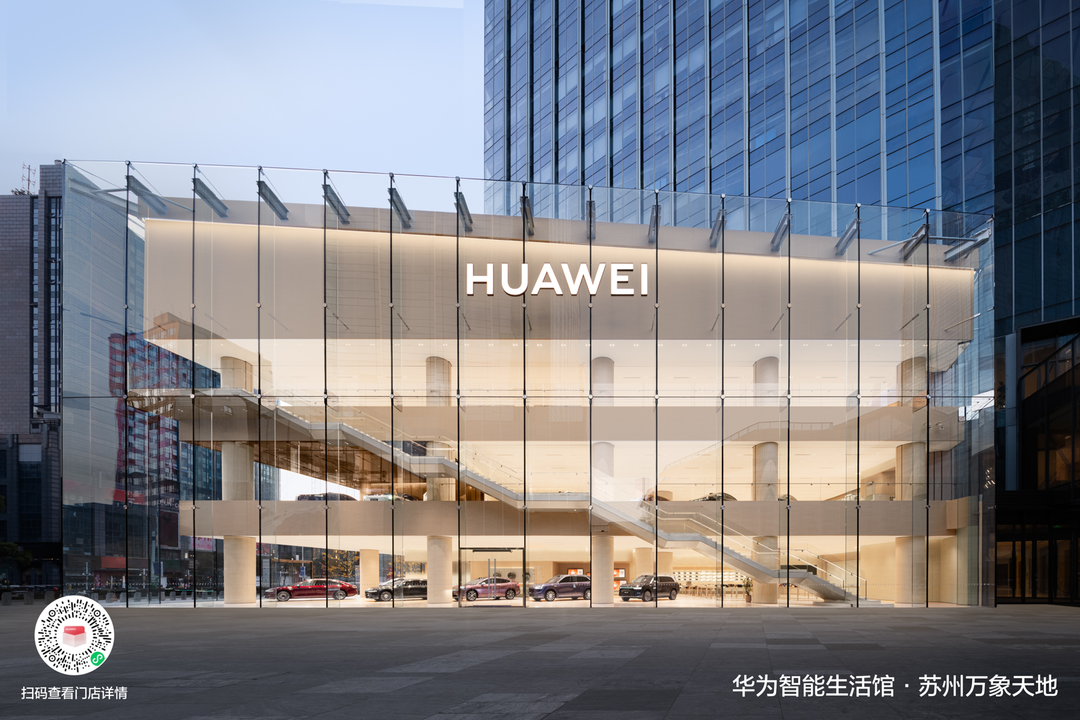
Core Insights - Huawei's Smart Life Pavilion in Suzhou, located in a prime commercial area, has opened with a total area exceeding 3,000 square meters, making it the largest of its kind in the country. This opening aims to enhance consumer activity in the region and create a new tech and leisure hotspot as the Lunar New Year approaches [1][4]. Group 1: Store Design and Aesthetics - The store design integrates Eastern aesthetics with modern technology, featuring a panoramic glass facade that creates a transparent and open visual experience. A prominent spiral staircase symbolizes the brand's upward spirit in conjunction with Suzhou's historical significance [3][4]. Group 2: Product and Service Offerings - The store provides a comprehensive smart living experience, covering areas such as smart living, smart office, audio-visual entertainment, health and fitness, and smart travel. It offers a one-stop shopping experience for consumers, particularly in the automotive sector, with a dedicated area for various vehicle models and a smart home exhibition on the third floor [4][7]. Group 3: Impact on Local Economy and Consumer Experience - The opening of the store coincides with the New Year holiday, quickly becoming a key destination for locals and tourists seeking technology and leisure shopping. The store features a premium coffee bar and professional after-sales service, enhancing consumer comfort and service quality. This innovative "technology + experience" model is expected to boost local commercial quality and attract cross-regional traffic, contributing positively to holiday consumption and business upgrades [7].
华为鸿蒙智家闵登峰:“好房子”时代空间智能提升住宅产品力构建消费者持续关怀|产品力100峰会后记
克而瑞地产研究· 2026-01-12 05:06
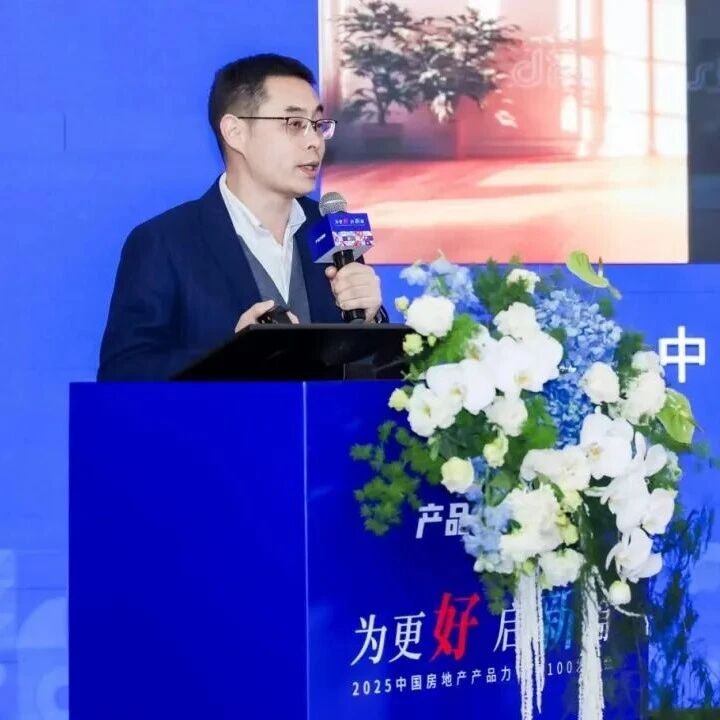
Core Viewpoint - The "2025 China Real Estate Product Power TOP 100 Release Conference" highlighted the importance of product innovation and the future development trends in the real estate industry, emphasizing the need for companies to adapt and enhance their product capabilities to remain competitive [1][11]. Group 1: Industry Trends - The trend of smart housing in new real estate developments is accelerating, with the penetration rate of smart features in decorated homes expected to rise from 5% in 2020 to around 40% by 2025 [5]. - Huawei's C-end smart home solutions have seen a dramatic increase in adoption, with the signing rate growing from 0.1% in 2021 to 33% by 2025, indicating a significant shift towards smart home integration [5]. Group 2: Space Intelligence Transformation - The evolution of space intelligence is moving from being merely a "control tool" to becoming an "active service manager," addressing the limitations of traditional smart home systems [6]. - Key characteristics of effective space intelligence include simplicity, predictable user experience, intelligent perception, and the ability to evolve, requiring a comprehensive approach that encompasses various living environments [6]. Group 3: Interaction and Ecosystem - Interaction in smart homes should be multi-faceted, incorporating automatic, voice, and touch experiences, with voice interaction becoming a prevalent choice among users [7]. - The focus on ecosystem integration emphasizes the importance of deep collaboration across brands and categories, allowing for a more cohesive and efficient smart home experience [7]. Group 4: Practical Implementation - Huawei has collaborated with over 10 top real estate companies to create benchmark solutions that embed space intelligence into residential products, enhancing the overall user experience [8]. - The future direction of space intelligence aims to provide reliable and evolving service capabilities, making smart technology as essential as utilities like water and electricity in homes [8].
华建地产:以“标准体系”回应“好房子”国家战略
Xin Hua Ri Bao· 2026-01-11 20:38
Core Insights - The core viewpoint of the articles is that Huajian Real Estate has officially launched the "Huajian Real Estate Good House Standard System," marking a significant step towards enhancing housing quality in response to national strategies and market trends [1][3]. Group 1: Company Initiatives - Huajian Real Estate is the first company in the region to systematically construct and publicly propose a "Good House" standard, aligning with the national goal of "good housing" [1]. - The company emphasizes a "long-termism" development philosophy, focusing on core values of progressing with the times, coexisting with cities, and empathizing with customers [1][2]. - The "Good House" standard system is built around three social relationships: "me and my family," "me and my neighbors," and "me and my city," supported by three pillars: good design, good construction, and good service [2]. Group 2: Industry Impact - The launch of the standard system represents a systematic upgrade in product capability for Huajian Real Estate and serves as a practical reference for the industry to return to product essence during the transformation period [3]. - The initiative aims to drive collaborative upgrades across the industry chain, transforming the concept of "good housing" from a national initiative into a tangible reality for households [3]. - The event featured insights from industry experts, highlighting the importance of aligning housing construction with both universal standards and local cultural characteristics [2].
智能家居:科技赋能,开启未来智慧生活
Sou Hu Cai Jing· 2026-01-02 07:06
Core Insights - The smart home industry is undergoing transformative changes driven by IoT, AI, and big data, reshaping living experiences into an intelligent ecosystem that is perceptive, interactive, and capable of autonomous decision-making [1] Group 1: Technology and Architecture - Smart home systems are built on IoT technology, utilizing communication protocols like Wi-Fi, Bluetooth, and Zigbee to create a comprehensive smart network [3] - The architecture consists of three layers: the perception layer collects environmental data through sensors, the network layer facilitates data transmission, and the application layer provides user interfaces via smart speakers and mobile apps [3] - Huawei's HarmonyOS Smart Home can connect up to 1,000 devices with a single host and manage 2,500 nodes through multi-host cascading, enhancing stability in complex layouts [3] Group 2: Functionality and Services - Smart home functionalities have evolved from single-device control to comprehensive smart services, including security features like smart locks and real-time intrusion alerts [3] - Environmental control is automated, with smart air conditioners adjusting based on temperature differences and smart curtains responding to light intensity [3] - Huawei's Xiaoyi Butler utilizes 3D modeling for precise command execution, enhancing user interaction with features like whisper mode for late-night commands [3] Group 3: Market Trends and Projections - The smart home market is projected to reach $154.3 billion in 2024 and exceed $269.2 billion by 2030, with whole-home smart solutions accounting for over 60% of the market [6] - The industry is experiencing three major transformations: the shift to wireless connectivity with 5G and Wi-Fi 6, the rise of voice control with over 60% penetration, and the transition from single-device intelligence to whole-home solutions [6] Group 4: Challenges and Future Outlook - Despite the promising market outlook, the smart home sector faces challenges such as fragmented standards and data security issues, with over 30 communication protocols currently in use [7] - The introduction of the Matter protocol aims to unify standards for device interoperability, with major companies like Huawei, Apple, and Google participating in the ecosystem [7] - Future advancements will likely integrate AI and digital twin technologies, enhancing the autonomous learning capabilities of smart homes [7]
鸿蒙智选:开放生态进化论背后,从「连接」到「共生」
36氪· 2025-12-31 13:54
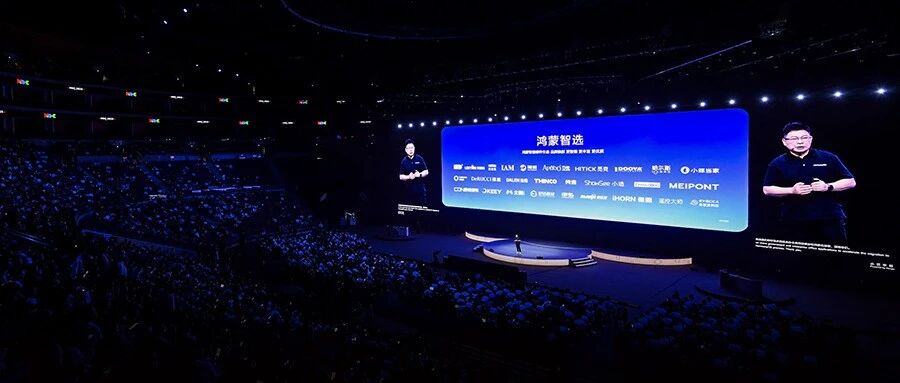
Core Viewpoint - The article discusses Huawei's new "Harmony Smart Selection" brand, which aims to redefine the smart home experience by focusing on a cohesive ecosystem rather than individual hardware products, emphasizing user-centric, seamless interactions across devices [5][6][39]. Group 1: Brand Upgrade and Ecosystem Strategy - Huawei announced the upgrade of its "Huawei Smart Selection" brand to "Harmony Smart Selection," focusing on the Harmony operating system and a full-scene ecosystem to enhance user experience [5][6][10]. - The upgrade aims to create a more open and collaborative ecosystem, allowing for efficient integration of various products into the Harmony system, thus enhancing the quality and experience of smart home products [6][9][21]. - The new brand positioning emphasizes a high standard of quality and seamless integration of devices, moving away from fragmented experiences to a unified smart home environment [9][17][35]. Group 2: User Experience and Demand Shift - There has been a fundamental shift in user demand from individual product functionality to a collaborative, scene-based experience where devices respond proactively to user needs [17][18][30]. - The Harmony ecosystem aims to eliminate the need for users to manually switch between different apps and devices, allowing for a more intuitive and seamless interaction [14][20][26]. - The concept of "sleep mode" exemplifies this shift, where multiple devices work together automatically to create a comfortable environment without user intervention [18][30]. Group 3: Technical Framework and Product Development - The Harmony Smart Selection framework is built on a "1+2+N" model, where "1" is the smart hub, "2" includes hardware and software control interfaces, and "N" represents various ecosystem devices [21][24]. - The brand focuses on deep collaboration with partners to enhance product quality and user experience, ensuring that all devices meet stringent reliability and performance standards [23][35][36]. - The integration of advanced technologies, such as sensors and AI, allows devices to actively understand and respond to user behavior, creating a more intelligent home environment [27][30][34]. Group 4: Market Positioning and Future Directions - Harmony Smart Selection aims to differentiate itself from competitors by focusing on a holistic approach to smart home solutions rather than merely accumulating devices [26][39]. - The brand's strategy includes family-oriented, series-based, and scene-based product offerings to cover a wide range of user needs and enhance competitive positioning [41][43]. - The emphasis on user sovereignty and trust in the ecosystem is expected to foster a sustainable and healthy market environment, moving the industry from device competition to ecosystem competition [39][46].
扬州首发!地产国企以“标准体系”回应“好房子”国家战略
Sou Hu Cai Jing· 2025-12-28 11:55
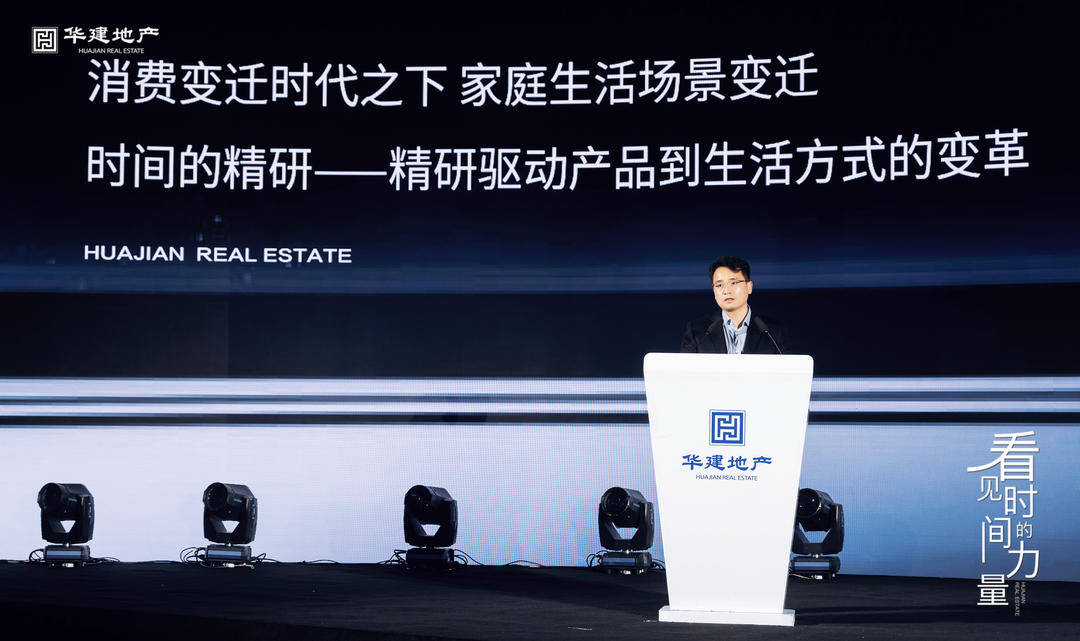
Core Viewpoint - The real estate industry is transitioning towards becoming "urban life operators," emphasizing the importance of enhancing living quality and responding to consumer demands for better housing at reasonable prices [2][5]. Group 1: Industry Trends - The current housing market is stabilizing, with significant potential for quality improvement in housing, indicating a promising future for "good houses" [5]. - The industry is focusing on innovative and systematic approaches to enhance living experiences, including aspects like entryways, storage, landscapes, and community facilities [5]. Group 2: Local Initiatives - The "Good House Standard System" released by Huajian Real Estate serves as a practical solution for local housing development, balancing national standards with local characteristics [5][6]. - The system is built on deep insights into social relationships, focusing on three pillars: "good design," "good construction," and "good service," with specific guidelines and standards for each [6]. Group 3: Technological Integration - The integration of technology in housing, as highlighted by Huawei's smart home initiatives, is seen as a key factor in creating intelligent and quality housing [6]. - The release of the "Good House Standard System" is viewed as a systematic upgrade in product capability, providing a reference for the industry to return to the essence of product quality during its transformation phase [6].
华为鸿蒙智家:大家都卷低价,为什么它坚持收25%的服务费?
经济观察报· 2025-12-25 11:49
Core Viewpoint - The most expensive aspect for users is not the 25% service fee, but the time and anxiety experienced when issues arise [1][34]. Group 1: Market Trends and User Expectations - Whole-home smart systems are becoming a new standard in home renovations, with users willing to spend millions for a hassle-free experience [2]. - Users expect smart systems to intuitively manage lighting, temperature, and security, reducing the need for manual control [2]. Group 2: Industry Challenges and User Experiences - The promise of convenience often turns into frustration, with many users reporting issues such as malfunctioning systems and poor installation [3][7]. - The complexity of whole-home smart installations, often hidden behind walls, leads to significant problems if not executed properly [10]. Group 3: Service Fee Justification - Many leading smart home companies charge a service fee of 20% to 25% to ensure quality delivery, but competition has led some to waive or reduce these fees [8]. - Huawei's HarmonyOS Smart Home is one of the few that maintains the 25% service fee, which has drawn criticism from some users who perceive it as expensive [8]. Group 4: Quality Assurance and Service Standards - Huawei HarmonyOS Smart Home has developed a standardized service process called "Whole Home Enjoyment Service," which includes ten critical steps from communication to after-sales support [17]. - Each step in the process incurs unavoidable labor and time costs, which justify the 25% service fee [20]. Group 5: Training and Quality Control - Huawei has established a large service team with over 350 stores and 5,000 certified designers and engineers, ensuring high-quality service delivery [27]. - A rigorous training program requires engineers to pass practical assessments before they can work on installations, ensuring high standards [28]. Group 6: Long-term Service and User Engagement - Huawei's service does not end at installation; it includes ongoing support and system upgrades to ensure optimal performance [33]. - The company emphasizes a proactive approach to customer service, addressing issues quickly and tailoring solutions to individual user needs [39][40]. Group 7: Value Proposition of Service Fees - The 25% service fee is seen as a long-term investment in a service contract that ensures ongoing support and system reliability [45]. - Users who choose Huawei HarmonyOS Smart Home often possess a long-term value mindset, recognizing that quality service is more important than low prices [46]. Group 8: Industry Standards and Future Outlook - Huawei is setting a new standard in the industry by emphasizing that service is a key component of value, challenging the notion that free services are the best option [47].
华为鸿蒙智家:大家都卷低价,为什么它坚持收25%的服务费?
Jing Ji Guan Cha Wang· 2025-12-25 11:21
Core Insights - The article highlights the growing trend of whole-home smart systems becoming a standard feature in home renovations in China, driven by homeowners' desire for convenience and automation [1][5] - However, the reality often leads to frustrations, with many users experiencing issues that undermine the promised ease of use, leading to a perception of smart systems as unreliable [2][5] - The article emphasizes the importance of a robust delivery and maintenance system for smart home installations, which many companies overlook in favor of cost-cutting measures [5][10] Industry Challenges - The complexity of whole-home smart installations is likened to a hidden engineering challenge, where improper installation can lead to significant issues, including safety hazards [6][8] - Many companies in the industry are engaged in price wars, reducing or eliminating service fees that are essential for maintaining quality, which can compromise the overall user experience [5][10] - The article cites a specific case where poor installation practices led to potential safety risks for homeowners, illustrating the consequences of inadequate oversight and quality control [9][10] Company Strategy - Huawei's HarmonyOS Smart Home adopts a rigorous standardization approach, breaking down the installation process into ten detailed steps to ensure quality and reliability [11][14] - The company maintains a 25% service fee to cover the costs associated with thorough site assessments, detailed design, and quality checks, which are often skipped by competitors [14][18] - Huawei has established a large service team and training facilities to ensure that its engineers are well-prepared and capable of delivering high-quality installations [21][22] Service Value Proposition - The article argues that the 25% service fee is not merely an installation cost but a long-term service contract that ensures ongoing support and system optimization for homeowners [32][33] - Huawei's approach includes proactive customer service, addressing issues promptly and customizing solutions to enhance user experience, which sets it apart from competitors [26][28] - The company positions itself as a provider of not just products but a comprehensive service that evolves with user needs, emphasizing the importance of service in the smart home market [30][33]
华为鸿蒙智家新品发布:“品价比”拉满,让你“想怎么装就怎么装”
Jing Ji Wang· 2025-12-24 08:16
Core Insights - Huawei's HarmonyOS Smart Home has achieved a market share of 38.9% in the intelligent decoration sector, significantly outpacing competitors whose combined share is 34% [1][3] - The launch of the nova15 series and new products emphasizes the integration of smart technology and aesthetic design, aiming to create a "smart and beautiful future home" experience for consumers [1][8] Product Innovations - The upgraded AI assistant, "Xiao Yi Butler," now features advanced natural language understanding, allowing it to comprehend user intent beyond simple commands, enhancing user interaction [3][4] - The new X2 Pro smart host serves as a central control system with significant upgrades in intelligence, connectivity, security, and aesthetics, enabling faster and more reliable responses without cloud dependency [6][10] Aesthetic Integration - Huawei emphasizes that smart devices should not only serve functional purposes but also contribute to home aesthetics, as seen in the introduction of high-end artistic panels and smart switches designed to match various home styles [8][10] - The products reflect a commitment to merging technology with design, catering to the growing consumer demand for both smart functionality and aesthetic appeal [8][11] Market Strategy - Huawei has introduced three tiers of smart decoration packages for both pre-installation and post-installation scenarios, making smart home solutions more accessible and affordable for a wider range of consumers [10][11] - The pricing strategy for these packages is designed to lower entry barriers, transforming high-end smart living into an attainable option for ordinary households [10][11]