
中医药

Search documents
我国推广三明医改促进中医药传承创新发展经验做法
Xin Hua She· 2025-11-28 14:06
Core Viewpoint - The Chinese government is promoting the experience and practices of the Sanming medical reform to enhance the inheritance and innovative development of traditional Chinese medicine (TCM) across various regions [1] Group 1: Promotion of TCM Development - The National Administration of Traditional Chinese Medicine and the National Health Commission issued a notice to encourage local governments to deeply understand and learn from the Sanming medical reform experience [1] - The notice emphasizes the need for practical and innovative transformation of reform measures to promote the inheritance and innovative development of TCM [1] Group 2: Key Areas of Reform - The experience and practices from the Sanming medical reform cover six key areas: high-level government promotion of TCM development, strengthening the TCM service system, leveraging TCM in medical consortium construction, enhancing TCM talent development, establishing a compensation mechanism that encourages TCM service provision, and improving TCM pricing and insurance policies [1] - Specific practices include forming county medical communities led by capable county-level TCM hospitals and comprehensive hospitals, optimizing public hospital performance distribution to encourage TCM methods, and increasing the proportion of TCM facilities in community health service stations and village clinics [2] Group 3: Demonstration and Exploration - The notice calls for demonstration areas and cities for TCM reform to take the lead in applying the spirit and methods of the Sanming medical reform, focusing on establishing a regulatory, policy, and management system suitable for TCM development [2]
坚持创新驱动 让中国品牌“走出去”
Bei Jing Wan Bao· 2025-11-28 09:40
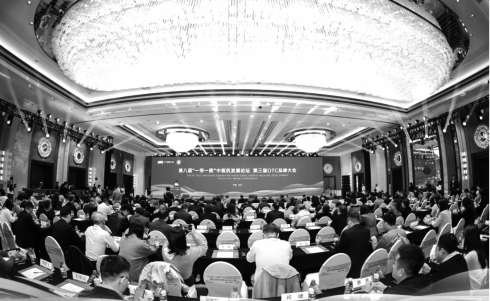
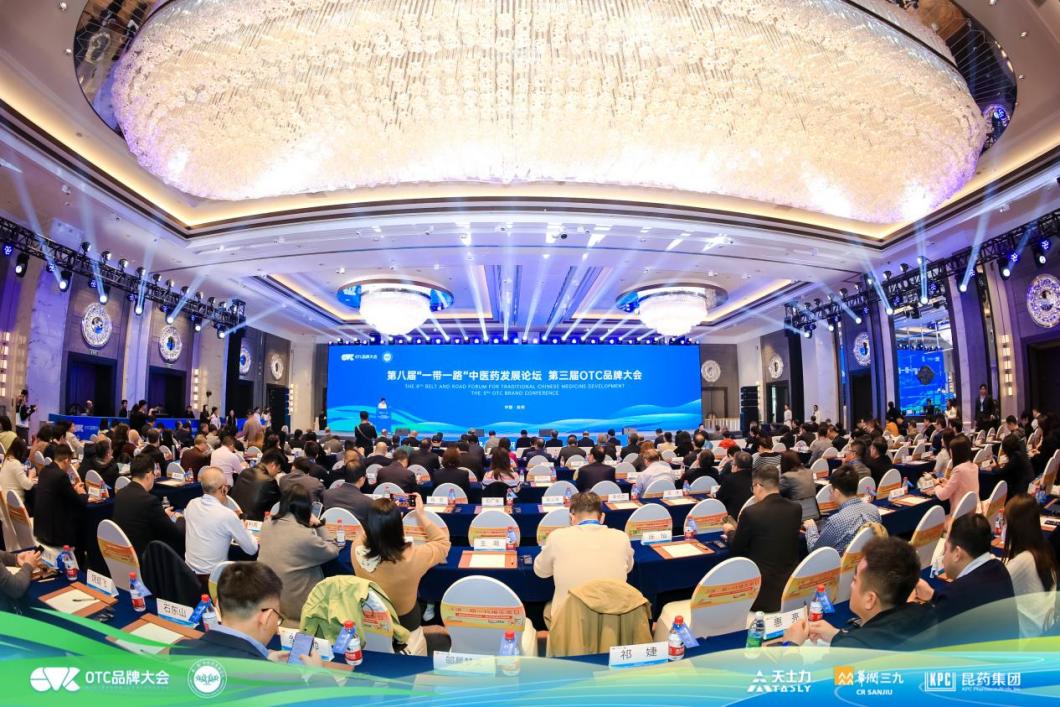
Core Insights - The eighth "Belt and Road" Traditional Chinese Medicine (TCM) Development Forum and the third OTC Brand Conference were held in Hangzhou, focusing on high-quality development in the context of the Belt and Road Initiative [2] - The forum aimed to create a high-quality platform for international exchange in TCM and OTC brands, emphasizing the integration of government, industry, academia, research, and application [2] - The OTC market in China is projected to exceed 300 billion yuan by 2024, with a compound annual growth rate of 4.6% from 2018 to 2024 [3] Group 1 - The forum gathered representatives from various countries, international organizations, regulatory bodies, industry leaders, and experts to discuss TCM innovation and the upgrading of OTC brands [2] - The president of the China Non-Prescription Drug Association highlighted the importance of TCM and the OTC industry in promoting high-quality development and public health [2] - Bayer's general manager emphasized the need for patient-centered policies that enhance product accessibility and understanding [2] Group 2 - The demand for TCM has shifted from "treating illness" to "daily health management," with consumers increasingly focusing on preventive care and wellness [3] - There are three emerging opportunities in the TCM industry: increased attention to niche categories, a rise in service-oriented consumption, and the integration of online and offline channels for consumer engagement [3] - The association aims to promote the healthy development of the OTC industry and enhance the global presence of Chinese OTC and TCM brands [3]

广州完善空港经济区国际化医疗配套 服务居民与旅客
Zhong Guo Xin Wen Wang· 2025-11-27 23:21
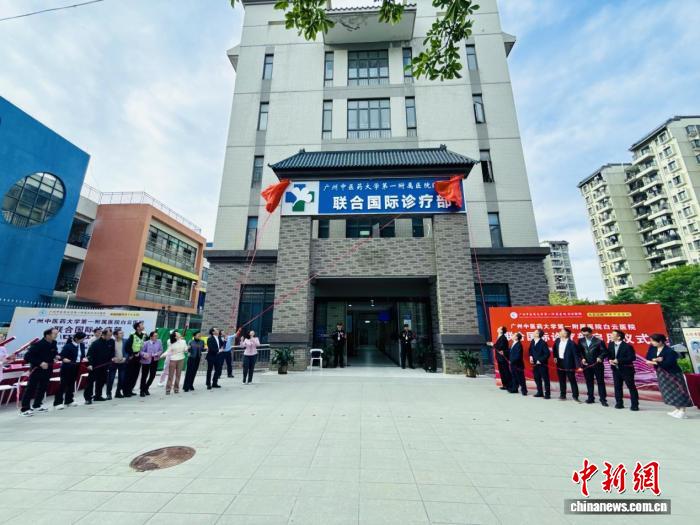
Core Viewpoint - The Guangzhou International Medical Service Center, a collaboration between the First Affiliated Hospital of Guangzhou University of Chinese Medicine and the International Diagnosis Department, aims to enhance healthcare services in the airport economic zone, catering to both residents and travelers [2][5]. Group 1: Service Launch and Features - The International Diagnosis Department officially opened on November 27, featuring a large health consultation event with specialists providing one-on-one health advice to residents [2]. - The center offers a variety of traditional Chinese medicine treatments, including acupuncture, fire cupping, and other unique therapies, attracting many residents to experience immediate relief from ailments like neck and back pain [2][3]. - The department is positioned as a high-end service platform focusing on health management, with services in five key areas: acupuncture and massage, preventive care, personalized health check-ups, women's health, and pediatric care [2][3]. Group 2: Strategic Importance and Future Plans - This initiative is part of the local government's effort to establish the "Baiyun Good Medical Care" brand, enhancing the international medical infrastructure in the airport economic zone, located about 10 minutes from Guangzhou Baiyun International Airport [2][5]. - The department will initially focus on three specialized projects: treatment for shoulder and back pain, pediatric massage, and postpartum pelvic floor rehabilitation, with plans to expand services as more specialists join [3]. - The hospital aims to leverage its resources to meet the health needs of the airport area's population, continuously expanding service offerings and enhancing specialty care in disease prevention and health promotion [5].
山东法院发布7件知识产权审判典型案例,有啥导向与特点?
Qi Lu Wan Bao· 2025-11-27 07:27
Core Viewpoint - The Shandong Provincial High People's Court has released typical cases that demonstrate the judicial role of intellectual property protection in supporting technological innovation and promoting the development of new productive forces [1][2][4]. Group 1: Judicial Guidance and Characteristics - The typical cases reflect a judicial orientation towards strengthening the protection of technological innovation entities and appropriately handling foreign-related disputes in the field of technological innovation [2][6]. - The cases cover a wide range of types, including patent cases, plant variety cases, technology contract cases, infringement cases, ownership cases, as well as administrative and criminal cases, indicating comprehensive judicial services and protections for technological innovation [4][5]. Group 2: Key Technology Protection - The cases emphasize the protection of key core technologies, with significant penalties imposed for commercial secret crimes, thereby safeguarding the innovative achievements of high-tech private enterprises [3][5]. - Innovative evidence preservation methods were utilized in patent infringement cases, such as using modern technology for evidence collection and blockchain for evidence storage, addressing challenges in evidence management [3][5]. Group 3: Support for Specific Industries - The cases highlight the judicial support for traditional industries like metallurgy and agriculture, as well as emerging sectors such as aerospace and smart environmental protection, showcasing the court's role in facilitating high-quality economic and social development [5][6]. - The judicial decisions in these cases aim to enhance the protection of innovation outcomes in critical fields and core technologies, aligning with the needs of new productive force development [6].
第八届“一带一路”中医药发展论坛 第三届OTC品牌大会在杭召开
Zhong Guo Jing Ji Wang· 2025-11-27 02:55
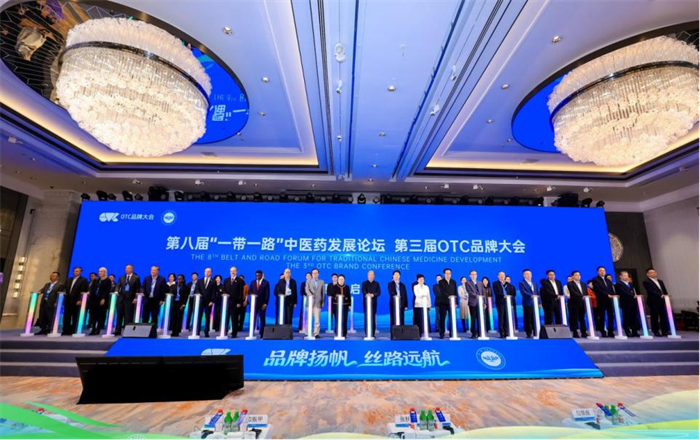
Core Viewpoint - The "Eighth Belt and Road Traditional Chinese Medicine Development Forum and the Third OTC Brand Conference" held in Hangzhou aims to promote the development of traditional Chinese medicine (TCM) and OTC brands through international collaboration and standardization, emphasizing the need for safety and effectiveness in TCM practices [2][4][6]. Group 1: Forum Objectives and Contributions - The forum gathered experts, international representatives, and entrepreneurs to provide actionable solutions for TCM development and OTC brand building, fostering high-quality growth in the health industry [2]. - The forum has successfully contributed to integrating TCM into the Belt and Road Initiative, enhancing global health services and improving the well-being of people worldwide [2]. - The emphasis on establishing international standards for TCM and OTC brands is crucial for ensuring quality and safety, which will open more development opportunities [2][6]. Group 2: International Interest and Collaboration - Several foreign diplomats expressed strong interest in TCM development and international cooperation, highlighting the potential for traditional medicine in Africa as an untapped market [4]. - The ambassadors from Malawi and Bahrain noted that the Belt and Road Initiative provides opportunities for TCM research and collaboration, aligning with their national health visions [4]. - The Belarusian ambassador shared local experiences in legalizing TCM and simplifying registration processes to facilitate market entry into Europe, showcasing practical pathways for TCM expansion [8]. Group 3: Industry Standards and Innovation - The president of the China Non-Prescription Drug Association emphasized the mission of high-quality development in the TCM and OTC sectors, advocating for innovation and internationalization of Chinese brands [6]. - The former deputy director of the National Standardization Administration highlighted that standardization is essential for TCM's global integration, urging the industry to use standards as a bridge for innovation [6]. - The forum facilitated policy alignment, standard co-construction, and industry collaboration, providing feasible paths for TCM internationalization and cultural dissemination [10].
诊疗人次增超1倍,山东“十四五”让中医药便民可及
Qi Lu Wan Bao· 2025-11-26 22:51
Group 1 - The core focus of Shandong's "14th Five-Year Plan" is to enhance the service capacity and quality of traditional Chinese medicine (TCM), aiming for high-quality development and establishing a national TCM comprehensive reform demonstration zone [1] - By the end of 2024, Shandong aims to achieve 0.78 public TCM hospital beds per thousand people, 0.8 TCM practitioners per thousand people, and a total of 127 million TCM consultations, representing growth rates of 25.81%, 53.85%, and 103.49% respectively compared to the end of the "13th Five-Year Plan" [1] Group 2 - The optimization of TCM medical resource allocation includes the establishment of one national TCM epidemic prevention base, one national TCM rehabilitation center, and three regional medical center projects, along with nine provincial-level regional TCM medical centers [2] - The creation of 48 national TCM specialty advantages and the establishment of 28 Qilu TCM specialty clusters have accelerated the development of 465 county-level specialties, enhancing the overall TCM service capabilities [2] Group 3 - The cultural dissemination of TCM has deepened, with 16 national and 38 provincial TCM cultural education bases established, making Shandong a leader in the number of national bases [3] - By 2024, the health literacy level of the public regarding TCM in Shandong is expected to reach 36.94%, which is 10 percentage points higher than the national average [3]
第八届“一带一路”中医药发展论坛、第三届OTC品牌大会在杭州召开
Zhong Guo Jing Ji Wang· 2025-11-26 08:49
Core Viewpoint - The "8th Belt and Road Traditional Chinese Medicine Development Forum and the 3rd OTC Brand Conference" aims to promote the high-quality development of the health industry through dialogue and collaboration among various stakeholders in the OTC and traditional Chinese medicine sectors [1][3]. Group 1: Conference Overview - The conference gathered representatives from "Belt and Road" countries, international organizations, regulatory bodies, industry experts, and media to create a dialogue platform for deep integration in the pharmaceutical and health sectors [3][7]. - The event focused on the innovative development of traditional Chinese medicine and the upgrading of OTC brands, providing actionable paths for brand cultivation and international practices [3]. Group 2: Key Speeches and Insights - The President of the China Non-Prescription Drug Association emphasized the importance of OTC as a vital part of the health service system, advocating for innovation-driven international development of Chinese brands [4]. - The Chairman of the Global Self-Care Federation highlighted China's significant role in strengthening global self-care systems and expressed a willingness to deepen cooperation with Chinese counterparts [4]. - Industry leaders discussed the transformation of consumer health markets and the importance of adapting traditional cultural symbols into globally recognized health values [5]. Group 3: Standards and Initiatives - The conference saw the release of the group standard for "Brand Value Evaluation of Non-Prescription Drug Enterprises," aimed at guiding the development of OTC brands and enhancing overall industry competitiveness [6]. - A new health education project titled "National 'Medicine' Health" was launched, designed to make professional medical knowledge accessible and engaging for the general public [6].
我省发布“十四五”时期健康山东建设成果 80.5岁!山东人均预期寿命再提高
Da Zhong Ri Bao· 2025-11-26 01:05
"我们加快拓展医疗服务供给,全省医疗卫生机构发展到9.01万家,卫生人员增加至118.13万人, 较"十三五"末分别增长6.11%和14.8%。"马立新介绍,山东完善以基层为重点的分级诊疗体系,医疗卫 生服务质效全面提升,"15分钟健康服务圈"整体形成,人民群众看病就医更加方便。 山东加快中医药传承创新发展,中医药在维护和促进人民健康中的作用更好发挥。突出创新赋能, 在全国首批获批建设国家中医药综合改革示范区,实施两批75个"揭榜挂帅"改革项目,推进中医药振兴 发展重大工程,获批国家中医药传承创新发展试验区等一系列试点示范,建成国家中医药传承创新中心 等一大批高层次平台,中医药高质量发展内生动力持续增强。 11月25日,省政府新闻办召开新闻发布会,介绍"十四五"时期我省全面推进健康山东建设有关情 况。省卫生健康委党组书记、主任,省中医药管理局局长马立新表示,"十四五"以来,全省卫生健康系 统履行服务人民健康职责,持续深化医药卫生体制改革,全面提升服务能力水平,人民群众享有健康服 务的公平性、可及性和质效性不断增强,2024年,全省人均预期寿命达到80.5岁,较"十三五"末提高了 1.4岁;孕产妇、婴儿死亡率分 ...
“我是股东”走进昆药集团:解码中医药企业的创新发展与战略蓝图
Quan Jing Wang· 2025-11-26 00:32
Core Insights - The event "I am a Shareholder - Visiting Listed Company Kun Pharmaceutical Group" showcased the company's innovative path, strategic layout, and industrial upgrade achievements, emphasizing its status as a top 100 pharmaceutical enterprise in China [1] Group 1: Cultural Heritage and Innovation - Investors experienced an immersive journey into traditional Chinese medicine culture at Kun Pharmaceutical's subsidiary Kun Traditional Chinese Medicine's museum and intangible cultural heritage experience center, highlighting the company's 640-year development in Yunnan [2] - The museum displayed historical documents, traditional pharmaceutical tools, and local medicinal materials, illustrating Kun Traditional Chinese Medicine's resource advantages in producing high-quality national medicines [2] - The integration of traditional craftsmanship with smart manufacturing was demonstrated, showcasing the preservation of traditional essence while enhancing production efficiency [2] Group 2: Strategic Dialogue and Industry Upgrades - The event featured a dialogue with key executives, including the Secretary-General of the Yunnan Listed Companies Association, emphasizing Kun Pharmaceutical's role as a representative of China's pharmaceutical industry transformation [3] - The company has developed a diversified business structure encompassing traditional Chinese medicine, chemical drugs, and pharmaceutical distribution, with a focus on health products for the aging population [3] Group 3: Investment Focus Areas - Investors expressed interest in three main areas: the silver economy, collaboration with China Resources Sanjiu, and globalization strategies [3] - Kun Pharmaceutical aims to deepen the "medical-nursing integration" model to cater to the growing elderly health market, enhancing product competitiveness through scientific research and rational medication guidance [3] - The company is accelerating its internationalization process, leveraging its global network resources, particularly in artemisinin, and has established sales networks in 60 countries [3] Group 4: Growth Potential and Resilience - An investor noted that Kun Pharmaceutical's strategic layout is both pragmatic and forward-looking, aligning with national policies and market demands, showcasing strong growth potential and resilience [4] Group 5: Conclusion - The event fostered a bridge of trust between industry and capital, highlighting Kun Pharmaceutical's goal of becoming a leader in the silver health industry while advancing its strategic blueprint for high-quality development in China's pharmaceutical sector [5]


2025长三角健康大会共绘中医药协同发展新篇章
Xin Hua Ri Bao· 2025-11-25 23:51
Core Insights - The 2025 Yangtze River Delta Health Conference aims to promote high-quality development in health and wellness in the region, aligning with national strategies for "Healthy China" and regional integration [1][2][3] Group 1: Conference Overview - The conference is themed "Co-construction and Sharing, Inheritance and Innovation," focusing on collaborative health development and the promotion of traditional Chinese medicine (TCM) [1][2] - The event is organized by various health and media organizations, highlighting the importance of TCM as a unique health resource and economic asset [1][2] Group 2: Keynote Addresses and Insights - Notable speakers, including Chinese Academy of Engineering member Zhang Boli, emphasized the significance of TCM in modern health services and its role in achieving a "Healthy China" [2][3] - The conference highlighted the need for institutional alignment in regional cooperation and the integration of TCM into modern health systems [3] Group 3: Innovation and Collaboration - The conference facilitated the signing of several key TCM research projects, marking a significant step in translating research into clinical applications [4] - A collaborative mechanism for the inheritance of traditional TCM skills was established, aiming to integrate resources and cultivate talent in the region [4] Group 4: Publications and Academic Exchange - The launch of the book "The Health Code in Medicinal Paste" aims to make TCM knowledge accessible to the public, promoting understanding and benefits of TCM practices [5] - The conference also initiated the 2025 Jiangsu Province TCM Academic Annual Conference, fostering further academic exchange [5] Group 5: Industry Participation and Innovations - The event showcased a diverse range of industry leaders and innovations, including companies like Kangyuan Pharmaceutical and Huazhong Sanjiu, highlighting a complete industry chain from drug development to specialized medical foods [7] - The conference featured a technology transfer area where innovative TCM products were presented, demonstrating the transition from traditional remedies to modern healthcare solutions [7]


