油气开发

Search documents
国泰海通 · 晨报260309|宏观、策略、社服、机械
国泰海通证券研究· 2026-03-08 14:30
Macro - The government work report for 2026 emphasizes a pragmatic approach, focusing on quality and efficiency in economic growth, with a target growth rate of 4.5-5% [4][5] - The inflation target is maintained at around 2%, with a fiscal deficit rate set at approximately 4%, indicating a nominal GDP growth rate of about 5.04% [5][7] - Employment goals include an urban unemployment rate of around 5.5% and the creation of over 12 million new urban jobs, highlighting ongoing employment pressures [6][7] Fiscal and Monetary Policy - Fiscal spending remains robust, with a proposed deficit rate of around 4% and new local special bonds of 4.4 trillion yuan, focusing on boosting consumption and investment in human resources [7] - Monetary policy is expected to be moderately loose, with an emphasis on coordinated and precise measures, prioritizing "expanding domestic demand" [7][8] Domestic Demand and Consumption - The report highlights the importance of domestic demand, with a focus on service consumption and effective investment potential [8][21] - Policies will optimize the implementation of "two new" policies, including 250 billion yuan for consumption upgrades, indicating a shift towards enhancing service consumption [8][24] Industry Development - The report stresses the construction of a modern industrial system, balancing the optimization of traditional industries with the cultivation of emerging industries, particularly in artificial intelligence [8][10] - Real estate and local government debt risks are expected to decrease, with new policies aimed at stimulating reasonable demand in the housing sector [8][10] Emerging Industries - The government work report identifies strategic emerging industries such as integrated circuits, aerospace, and biomedicine as key areas for development [30][32] - The commercial aerospace sector is anticipated to accelerate, with significant technological breakthroughs and increased investment in satellite and rocket manufacturing [32] Service Sector - The report emphasizes the importance of service consumption, with policies aimed at enhancing consumer experiences and leisure time, particularly in cultural tourism and sports [23][24] - The focus on inclusive social services aims to improve employment, income, and healthcare, with a particular emphasis on flexible employment and platform economy regulation [25]

2月全球投资十大主线
一瑜中的· 2026-03-07 06:17
Core Viewpoints - The overall performance of global asset classes in February 2026 ranked as follows: commodities (2.13%) > global stocks (1.59%) > RMB (1.38%) > global bonds (1.12%) > USD (0.64%) > 0% [2] Group 1: Global Asset Overview - Concerns over geopolitical risks between the US and Iran have heightened risk aversion in the US stock market, with the S&P 500 index facing significant resistance at the 7000-point level. The market is exhibiting extreme defensive characteristics, with a notable shift of funds from high-elasticity cyclical sectors to defensive sectors since January 2026 [4] - The relative valuation of US stocks has fallen to a decade-low, with the S&P 500 equal-weight index's price-to-earnings ratio compared to global (excluding the US) markets dropping to 1.11, indicating a significant reduction in the valuation premium of US stocks [19] - A significant divergence in pricing between US stocks and bonds for technology and industrial sectors has emerged, with the credit spread between industrial and technology sectors reaching a historical low of -22 basis points, indicating a reversal in credit confidence towards the technology sector [22] Group 2: Fund Manager Positioning - Global fund managers are experiencing a "non-US" and "cyclical" adjustment in their positions, with the net overweight ratio for emerging markets rising to 49%, the highest level since February 2021. This reflects a significant return of funds to emerging markets at a pace not seen in five years [25] Group 3: Currency and Trade Dynamics - Following the US Supreme Court's ruling against Trump's "emergency" tariffs, the dollar weakened. The ruling led to a decrease in supply chain costs and improved corporate earnings expectations, with the dollar index and VIX index falling by 0.10% and 5.64%, respectively, on February 20 [30] - The Bank of China has reduced the foreign exchange risk reserve ratio for forward foreign exchange transactions from 20% to zero, aiming to curb the rapid appreciation of the RMB and guide the USD/RMB exchange rate back to 6.86 [51] Group 4: International Investment Trends - Overseas investors are actively engaging in a "flattening" strategy for Japanese government bonds, driven by expectations of reduced long-term bond supply starting in April. This strategy allows USD investors to lock in approximately 6% total returns, composed of a 4% coupon and 2% from currency hedging [35] - The yen's status as a global safe-haven asset is closely related to changes in Japan's international balance of payments, with a significant shift occurring in 2005 when overseas investment income began to surpass trade surpluses [38] Group 5: Market Divergence - There is a notable divergence between the Hang Seng Technology Index and the Korean KOSPI Index, with the former experiencing a 10.15% drop in February, entering a technical bear market, while the KOSPI surged past 6000 points, driven by enthusiasm for semiconductors and AI hardware, reflecting a shift in capital flows [43] - The UK stock market has shown a high degree of correlation with global resource stocks over the past decade, particularly since late 2024, as the UK index has a high weight in energy and materials sectors, making it a mirror of global resource pricing [48]

【宏观月报】:2月全球投资十大主线-20260304
Huachuang Securities· 2026-03-04 08:47
Market Trends - Global asset performance in February 2026 ranked commodities (2.13%) highest, followed by global stocks (1.59%), and the Chinese yuan (1.38%) [2] - The S&P 500 index faces significant resistance at the 7000-point level, with heightened defensive behavior in the market due to geopolitical risks [3] - The relative valuation of U.S. stocks has dropped to a ten-year low, with the S&P 500 equal-weighted index's P/E ratio at 1.11 compared to global markets excluding the U.S. [3] Investment Strategies - Fund managers are shifting towards emerging markets, with a net overweight ratio rising to 49%, the highest since February 2021 [4] - Defensive sectors like consumer staples have outperformed cyclical sectors since January 2026, indicating a cautious market sentiment [3] Currency and Bond Market - The U.S. dollar weakened following the Supreme Court's ruling against Trump's tariffs, with the dollar index dropping by 0.10% and the VIX index by 5.64% on February 20 [5] - Japanese long-term bonds are being purchased by overseas investors, leading to a flattening of the yield curve, with expected total returns around 6% for dollar investors [6] Global Economic Indicators - The yen's status as a global safe-haven asset is linked to changes in Japan's international balance of payments, with a significant shift occurring since 2005 [7] - The Hang Seng Tech Index fell by 10.15% in February, while the KOSPI index surged by 46% year-to-date, indicating a divergence in market sentiment between the two regions [8] Risk Factors - The AI technology bubble is identified as a major tail risk, with 25% of fund managers citing it as a concern in February 2026 [9] - The People's Bank of China has reduced the foreign exchange risk reserve requirement to zero, aiming to stabilize the yuan's appreciation against the dollar [10]
菲律宾能源快断供!大亨急呼抱中国大腿,我国礼乐滩成救命稻草?
Sou Hu Cai Jing· 2026-02-26 07:57
Core Viewpoint - The Philippines is facing a severe energy crisis, primarily due to the depletion of the Malampaya gas field, which supplies about 40% of the electricity for Luzon Island. The country is urged to collaborate with China to develop the Recto Bank gas field as a potential solution to this crisis [1][3][10]. Group 1: Current Energy Situation - The Malampaya gas field is nearing depletion, leading to significant concerns about electricity supply and rising costs for both households and industries [6][10]. - The new gas field discovered, named "Malampaya East 1," is considered too small to fill the gap left by the Malampaya gas field's decline [15][17]. - The Philippines' energy demand continues to rise, making the situation increasingly urgent [17]. Group 2: Proposed Solutions - PXP Energy's chairman, Panfilo Lacson, advocates for collaboration with China to develop the Recto Bank gas field, emphasizing the need for experienced partners due to the high costs and technical requirements of such projects [19][21][31]. - The estimated cost to develop the Recto Bank gas field is around $6 billion, which PXP Energy cannot afford alone [29]. Group 3: Geopolitical Considerations - The potential collaboration with China is complicated by geopolitical issues, particularly regarding China's sovereignty claims over the South China Sea [45][49]. - The Philippines must recognize China's claims and approach the partnership with a genuine willingness to cooperate to move forward [51][58]. - Successful energy cooperation could lead to mutual benefits, including economic development and lower energy costs for the Philippines [54][60].

马上"红" | 谈股论金
水皮More· 2026-02-24 09:41
Market Overview - A-shares experienced a positive start to the year, with the Shanghai Composite Index rising by 0.87% to close at 4117.41 points, the Shenzhen Component Index increasing by 1.36% to 14291.57 points, and the ChiNext Index up by 0.99% to 3308.26 points [2][3] - The total trading volume across the Shanghai, Shenzhen, and Beijing markets reached 22.184 billion, an increase of 2.193 billion compared to the previous trading day [2][3] Market Sentiment - Despite the overall gains, the market showed a high open followed by a decline, with the K-line patterns indicating a bearish sentiment [3] - The increase in the indices was seen as a mere compensation for previous losses rather than a reward, as the gains did not recover the significant drop experienced before the holiday [3] Sector Performance - The oil service engineering sector led the market with a substantial increase of 12%, followed by the oil and gas development sector with a 7.53% rise, and precious metals with a 7.01% increase [4] - The "Big Three Oil" companies significantly contributed to the index's rise, accounting for approximately 13.50 points of the Shanghai Composite Index's total increase of 35.34 points, indicating their dominant influence on market performance [4] Capital Flow - The market saw a net inflow of 4 billion in the Shanghai market, while the Shenzhen market experienced a net outflow of approximately 7 billion [3] Technology Sector Trends - The previously high-profile sectors of robotics and AI applications faced declines, attributed to profit-taking after prior gains, leading to a weak performance in related fields such as film, digital media, software development, and gaming [5] - The ChiNext Index fell by 0.61%, reflecting a broader trend of capital withdrawal from technology stocks [5] Hong Kong Market Dynamics - The Hong Kong market exhibited a stark contrast, with the Hang Seng Index dropping by 1.8% and the Hang Seng Tech Index declining over 2%, influenced by short-term capital movements targeting southern funds [5] - The volatility in the Hong Kong market is partly a reflection of the U.S. market's fluctuations, particularly in technology stocks, which have faced significant pressure [5] Geopolitical Influences - Geopolitical factors, particularly the U.S. pressure on Iran, have impacted global precious metals and oil prices, with gold prices rising to 5200 as a safe-haven asset [6] - The recent U.S. Supreme Court decision to reject Trump's tariff proposal is seen as a positive development for future U.S.-China trade negotiations, potentially easing trade tensions [6]

1月全球投资十大主线
一瑜中的· 2026-02-04 15:22
Core Viewpoint - The article discusses the global asset performance in January 2026, highlighting that commodities outperformed global stocks, bonds, and currencies, with commodities at 9.06%, global stocks at 3.02%, global bonds at 0.94%, the Renminbi at 0.46%, and the US dollar at -1.35% [2]. Group 1: Global Asset Overview - Kevin Walsh's nomination by Trump as Fed Chair may indicate a significant policy shift, advocating for a restructuring of the Fed's $6.6 trillion balance sheet and a new agreement with the Treasury to reduce the Fed's market influence [4][11]. - The US dollar index rebounded after hitting a low on January 27, driven by expectations of tighter monetary policy, while US stocks and gold experienced volatility due to these tightening expectations [4][11]. - The implied volatility skew of US Treasury options has been rising since mid-October 2025, indicating that bond investors perceive inflation risks to be greater than recession risks, leading them to pay higher premiums for hedging against rising interest rates [5][17]. Group 2: Market Sentiment and Trends - Global fund manager sentiment reached its highest level since July 2021, with the sentiment composite indicator rising from 7.3 to 8.1, and cash levels among fund managers dropping to a new low of 3.2% [6][22]. - The 40-year Japanese government bond yield hit 4.0% in January 2026, raising concerns about Japan's debt amid fears that a large economic stimulus plan would worsen inflation and debt burdens [7][25]. - Growth stocks are showing excess returns correlated with overall market trends, suggesting that as the market maintains an optimistic outlook, funds may shift from defensive to growth sectors [8][26]. Group 3: Global Market Vulnerabilities - The liquidity in the Japanese government bond market has deteriorated significantly, with the Bloomberg liquidity index for Japanese bonds reaching 9.36, indicating a fragile link in the global interest rate system [9][29]. - The copper-to-oil ratio is rising, which may indicate improving industrial activity in China, potentially benefiting the CSI 300 index as it leads the index by about six months [10][32]. - Concerns over geopolitical tensions have emerged as a significant tail risk, with a notable percentage of fund managers identifying it as a primary concern in early 2026 [11][50]. Group 4: Currency and Precious Metals - Trump's interest in Greenland has accelerated the rise in gold and other precious metal prices, with gold prices increasing over 35% from November 2025 to January 28, 2026, despite a recent pullback due to Walsh's nomination [12][36]. - The Renminbi is experiencing upward pressure, with the USD/CNY exchange rate falling by 0.58% in January 2026, reflecting a shift in market sentiment towards Chinese assets [13][40].

俄罗斯提速北极开发,鼓励中日印参与
Xin Lang Cai Jing· 2026-01-21 10:21
Core Insights - Russia aims to accelerate Arctic development to break Western sanctions and enhance logistics through the Arctic route, which is seen as a vital international shipping corridor [1][3][5] Group 1: Arctic Development Challenges - Russia faces significant challenges in Arctic development, including harsh natural conditions, labor shortages, high costs, outdated infrastructure, and financing difficulties [3][5] - The ongoing Ukraine conflict limits the government's ability to invest heavily in Arctic projects, making foreign investment crucial [3][5] Group 2: Investment and Infrastructure - The Arctic region comprises 10 federal subjects, covering 22% of Russia's territory, with a resident population of 2.36 million, only 1.6% of the national total [1] - The Russian government is focusing on attracting foreign investment to develop the Arctic shipping route, which is expected to optimize global trade and logistics [3][5] - Key ports along the Arctic route include Murmansk, Arkhangelsk, Sabetta, Dukinka, and Provideniya, which are being developed to support shipping operations [5][8] Group 3: Future Projections and Plans - By 2025, the cargo volume along the Arctic route is projected to reach 33.5 million tons, with expectations to exceed 270 million tons annually by 2035 [8] - The Russian government plans to establish a clear management structure for Arctic development and may create an "Arctic Development Company" to facilitate investment [8][11] - The government aims to improve living conditions in the Arctic, targeting an average life expectancy of 72.4 years and a natural population growth rate of 2% by enhancing various sectors [10][11] Group 4: International Collaboration - Russia is actively seeking foreign partners for Arctic projects, with countries like China, Japan, and India showing interest [11] - The "Arctic Express No. 1" logistics route has been established to connect Russian ports with Chinese ports, significantly reducing shipping times and costs [13][14]

2026年非洲13国经济增速有望超过6%
Shang Wu Bu Wang Zhan· 2026-01-15 07:21
Core Insights - The report by the Economist Intelligence Unit (EIU) highlights that 13 African countries are expected to achieve economic growth rates exceeding 6% by the end of December 2026, supported by a backdrop of declining inflation and a relatively positive growth outlook for the continent [1] Group 1: Economic Growth Drivers - Key drivers of economic growth in Africa include ongoing infrastructure development, accelerated digital transformation, rapid inflow of foreign direct investment, expanding regional markets, and deeper integration into global value chains [1] - The report emphasizes that these interrelated structural factors will continue to provide growth support for multiple African countries in the coming years [1] Group 2: Regional Growth Distribution - The countries achieving high growth rates are primarily concentrated in West and East Africa, with notable mentions including Senegal, Guinea, Liberia, Côte d'Ivoire, Ghana, Togo, Niger, Ethiopia, Uganda, Tanzania, and Rwanda [2] - Additionally, Libya and Mozambique are the only countries outside these regions expected to experience significant growth [2] - West and East Africa are projected to remain the fastest-growing sub-regions in Africa, with West Africa benefiting from oil and gas development, renewable energy projects, and mineral resource investments [2] Group 3: South Africa's Economic Outlook - South Africa's economic performance is expected to be relatively moderate, with growth rates projected between 1.5% and 3% due to high-interest rates and significant import tariffs imposed by the U.S. on 30% of its exports [2] - However, a slight recovery in South Africa's economic growth is anticipated in the second half of 2026 as the impact of tariffs begins to ease [2] Group 4: Debt Concerns - The report warns that debt issues will remain a major risk for African economies, with many countries experiencing public debt levels at critical thresholds over the past decade [3] - These economies are highly sensitive to changes in the global financing environment, commodity price fluctuations, and exchange rate movements [3] - The EIU indicates that the risk of escalating debt pressure across multiple countries in Africa is rising, necessitating new rounds of fiscal and structural reforms [3]
【财经早报】拟每10股派3元,A股公司前三季度分红
Zhong Guo Zheng Quan Bao· 2025-12-14 23:53
Group 1: Policy and Economic Measures - The Ministry of Commerce, People's Bank of China, and Financial Regulatory Bureau issued a notice to enhance collaboration between commerce and finance to boost consumption, proposing 11 specific measures [1] - Measures include encouraging the use of digital RMB smart contract red packets, promoting personal consumption loans, and reducing penalties for early loan settlements in vehicle trade-ins [2] Group 2: Industry Developments - The China Academy of Information and Communications Technology reported that the AI industry in China is accelerating, with the core industry scale expected to exceed 1 trillion yuan by 2025, driven by significant growth in large model applications in manufacturing [2] - China National Offshore Oil Corporation announced the full production of the country's first deepwater oil field, Liuhua Oilfield, marking a significant advancement in deepwater complex reservoir development [2] Group 3: Company News - Xiangsheng Medical announced a profit distribution plan, proposing a cash dividend of 3 yuan per 10 shares to all shareholders based on the total share capital [4] - Anbo Tong plans to issue shares overseas (H-shares) and list on the Hong Kong Stock Exchange to enhance its brand image and capital strength [5] - Jiaze New Energy intends to invest in two wind power projects with a total estimated investment of approximately 2.366 billion yuan [5] - Saiyi Information received approval for a major national science and technology project focused on intelligent manufacturing systems and robotics [6]
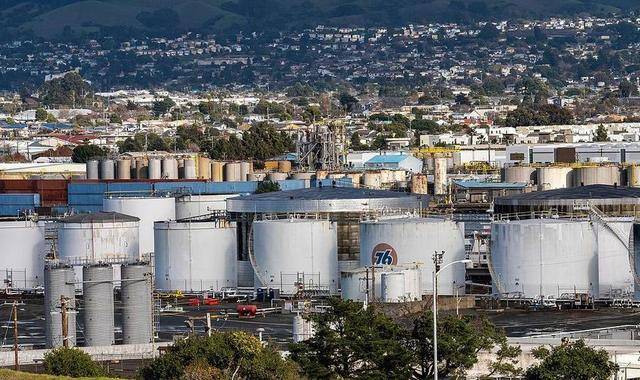
已投3.2万亿元,为油气开发,这国决定这么做!
中国能源报· 2025-12-10 05:33
Core Viewpoint - Russia is actively promoting the development of the Arctic transportation corridor and welcomes foreign partners to participate in its construction, emphasizing its significance for international trade and logistics [3]. Group 1: Arctic Transportation Corridor - The Arctic transportation corridor is described as an important international shipping route, with Russia establishing a regular supply system for northern materials through Arctic shipping lanes [3]. - The corridor includes the Arctic shipping route and related port infrastructure, which is the shortest maritime route connecting Asia, Europe, and North America [3]. - Russia aims to position the Arctic route as an alternative to the Suez Canal, potentially reducing transportation costs [3]. Group 2: Investment and Development - Russia is currently implementing thousands of projects in the Arctic region, with total investments reaching 35 trillion rubles (approximately 3.2 trillion yuan) [3]. - There is a strong emphasis on enhancing oil, gas, and mineral development in the Arctic, with proposals for new projects in resource exploration, extraction, and deep processing to ensure the efficiency of the Arctic transportation corridor [3]. Group 3: International Collaboration - Russian officials express a desire to collaborate with foreign partners in building ports and other infrastructure related to the Arctic transportation corridor [3]. - The Arctic transportation corridor is viewed as a "major international artery" that could improve the global trade structure and provide a new option for global logistics [3].