电池

Search documents
宁德时代公布国际专利申请:“电池单体、硅碳复合材料及制备方法、电池装置及用电装置”
Sou Hu Cai Jing· 2026-02-21 00:18
Core Viewpoint - CATL has filed an international patent application for a new battery technology, indicating its ongoing commitment to innovation and research in the battery sector [1] Group 1: Patent Application - The patent is titled "Battery Monomer, Silicon-Carbon Composite Material and Preparation Method, Battery Device and Power Device" with application number PCT/CN2025/079658 [1] - The international publication date for the patent is set for February 19, 2026 [1] Group 2: Research and Development - In 2023, CATL has announced a total of 262 international patent applications, representing a 33.67% increase compared to the same period last year [1] - For the first half of 2025, the company invested 10.095 billion yuan in research and development, which is a year-on-year increase of 17.48% [1]



全球首款500Wh/kg级固态电池量产
DT新材料· 2026-02-20 11:59
Core Viewpoint - Ganfeng Lithium has developed a high-energy density eVTOL battery with a capacity of 320Wh/kg, which has been successfully integrated into the WoFei ChangKong AE200-100 model, with the first phase of manned test flights scheduled for December 2025 [1][2]. Group 1: Battery Development and Collaboration - Ganfeng Lithium's eVTOL battery has passed manufacturing compliance checks and received approval certificates from relevant authorities [2]. - The company is collaborating with WoFei ChangKong to establish a sustainable supply system for eVTOL battery cells, focusing on battery inspection and recycling throughout the product lifecycle [1][4]. - The battery features a high energy density of 320Wh/kg, with a performance capability of 2C charge and 5C discharge, and a cycle life exceeding 1000 cycles, meeting GB38031 safety standards [4]. Group 2: Technological Advancements - Ganfeng Lithium is advancing both silicon-based and lithium metal anode technologies, with a focus on lithium metal anode technology to enhance high-energy battery production [4][6]. - The company has achieved a cycle life of over 800 cycles for a 400Wh/kg battery, indicating potential for large-scale application, and has produced the world's first 500Wh/kg 10Ah product in small batches, setting a benchmark for lithium metal battery industrialization [4][6]. - The silicon-based anode technology has achieved a product range of 320-450Wh/kg, with the 320Wh/kg cell cycle life exceeding 1000 cycles and the 450Wh/kg technology reaching industry-leading levels [6].

“在可再生能源领域,若还在犹豫要不要与中国合作,将越来越被甩进尘埃里”
Xin Lang Cai Jing· 2026-02-19 14:49
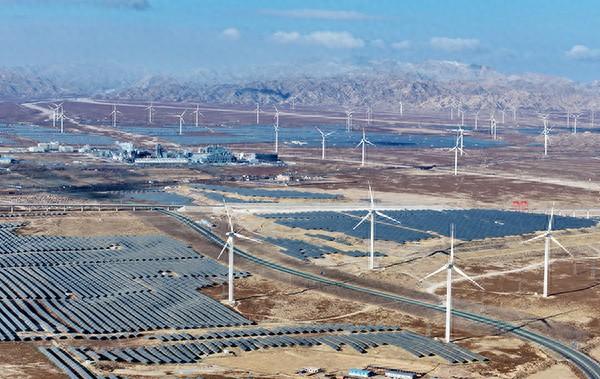
Core Insights - The article emphasizes China's leading position in the global renewable energy revolution, suggesting that countries hesitant to collaborate with China will fall behind [1][4]. Group 1: China's Renewable Energy Dominance - China has established a significant advantage in renewable energy and technology, making collaboration with China a necessity for other nations [1][4]. - According to the International Energy Agency, one in every seven solar panels globally is produced by a single Chinese factory, highlighting China's dominance in solar energy [1][4]. - China accounts for over 80% of the global solar supply chain and produces more than 70% of electric vehicles, with its clean technology exports reaching nearly every country [4][5]. Group 2: Cost Reduction and Market Impact - The cost of solar components has decreased by approximately 90% since 2010, while lithium-ion battery prices have dropped by 80% to 90%, making renewable technologies more affordable [5][6]. - China's solar power generation capacity has surged from 0.1 GW in 2010 to over 1063 GW today, showcasing rapid growth in large-scale solar installations [5][6]. Group 3: Global Energy Transition - China's clean energy development is seen as a crucial factor in reducing global carbon emissions, with exports of Chinese products contributing to billions of tons of emissions reduction [4][6]. - The construction of extensive renewable energy infrastructure in regions like Gansu and Xinjiang demonstrates China's unmatched scale in green energy development [6][7]. Group 4: Ecological Benefits - Large-scale solar installations in Inner Mongolia are contributing to ecological restoration, helping to combat desertification and improve soil conditions [7].
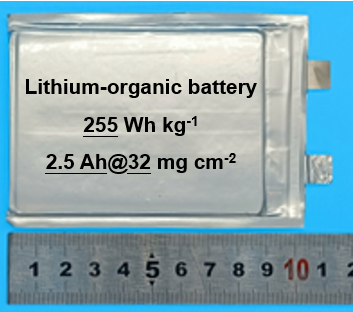
-70℃到80℃都能正常工作!有机锂电池取得重大突破
Huan Qiu Wang Zi Xun· 2026-02-19 10:07
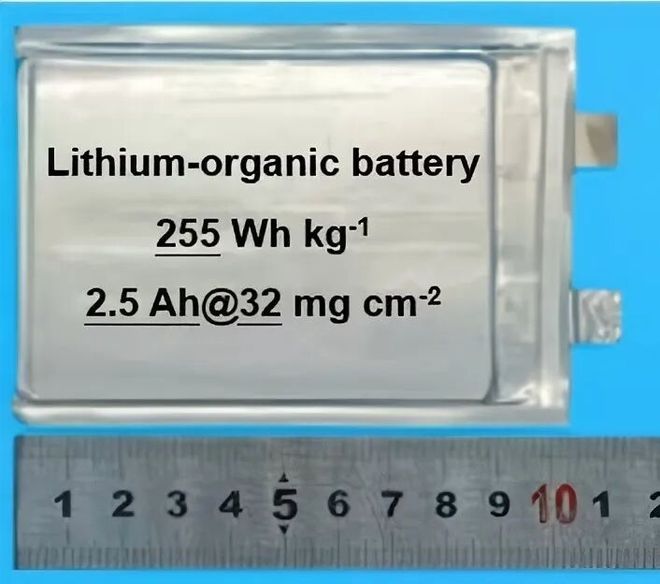
Core Insights - A new type of organic cathode material for lithium batteries has been developed, addressing key issues such as low energy capacity and practical usability of traditional organic lithium batteries [1][3] - The research results were published in the international journal "Nature" on February 19 [1] Group 1: Research and Development - The research team, led by Professor Xu Nuhua from Tianjin University and Professor Huang Fei from South China University of Technology, successfully created an organic cathode material with excellent electronic conductivity, rapid lithium ion transport capability, and high energy storage capacity [3] - The newly developed organic soft-pack battery has an energy density exceeding 250 watt-hours per kilogram [3] Group 2: Performance and Safety - The battery demonstrates exceptional temperature adaptability, functioning normally in extreme temperatures ranging from -70°C to 80°C [3] - It maintains good flexibility and safety, with the electrodes remaining intact and capacity unchanged even after bending, stretching, or external pressure [3] - The ampere-hour (Ah) level soft-pack battery has passed rigorous puncture safety tests, showing no deformation during charge and discharge processes, confirming its safety [3]
未来10年,这18个赛道将带来48万亿美元收入
创业家· 2026-02-19 09:33
Core Insights - McKinsey's report identifies 18 industry sectors likely to reshape the global business landscape, predicting revenues of $29 trillion to $48 trillion by 2040, contributing 18-34% to global GDP growth [2] E-commerce - By 2040, e-commerce's share of global retail revenue is expected to rise to 27%-38%, up from approximately 20% currently [3] - Growth drivers include market expansion in developing countries and new product categories in developed nations, such as healthcare and emotionally valuable products [4] - Significant investments are anticipated in customer acquisition and last-mile delivery across e-commerce platforms [5] Electric Vehicles - Electric vehicles (EVs) are projected to exceed 50% of global passenger car sales by 2040 [6] - Breakthroughs in battery technology and smart algorithms will significantly influence this sector, prompting increased R&D investments from both EV manufacturers and traditional automakers [7] Cloud Services - The demand for higher storage and computing capabilities is driven by a more interconnected world and the need for AI products requiring substantial computational power [9] - The cloud services industry experienced a 17% compound annual growth rate (CAGR) from 2005 to 2020, with similar growth expected in the coming decades [10] Semiconductors - The semiconductor industry is essential for the digital world, with demand from computing, data storage, automotive, communication, and industrial electronics driving growth [11] - A sustained CAGR of 6%-8% is forecasted for the semiconductor sector over the next decade [11] AI Software Services - The rapid development of AI has led to its classification as a distinct sector, with increasing usage of AI assistants [12] - Companies in the AI space are engaged in a competitive race to develop advanced foundational models and applications [13] Digital Advertising - Digital advertising, through search, social media, and media services, is expanding in value as internet usage among the middle class increases [14] - Continuous algorithm improvements enhance platforms' abilities to target customers and track advertising costs, although competition for user attention necessitates increased investment in engaging content [15] Streaming Video - Investment in customer acquisition and content production is rising, prompting streaming platforms to seek new revenue models [17] - Developing countries may provide incremental growth in subscription and advertising revenue for streaming services, with projections indicating over 1 billion households subscribing to long-form video services by 2040 [18] Shared Autonomous Vehicles - The advent of autonomous driving technology may reduce the necessity for personal vehicle ownership [19] - By 2040, shared autonomous vehicles could account for 25%-51% of shared mobility revenue [20] Space Economy - The world is on the brink of entering a space economy era, with advancements in reusable rocket technology transforming the aerospace industry [21][22] Cybersecurity - Cybercrime caused approximately $950 billion in direct economic losses in 2020, with indirect losses potentially reaching $4-6 trillion [24] - Increasing awareness of cybersecurity has led companies to enhance their investments in this area [25] Batteries - Significant advancements in battery technology have tripled energy density over the past few decades [26] - The global energy transition is driving demand for batteries, particularly in electric vehicles, energy storage, and consumer electronics, with EVs expected to represent over 80% of the battery market by 2040 [28] Video Games - By 2030, an estimated 40% of the global population may become video game players [30] - New gaming models, such as mobile and cloud gaming, are accelerating market growth, with free-to-play games generating substantial revenue [32] Robotics - The integration of AI with robotics is creating significant expectations for humanoid robots, which are seen as potential "ultimate intelligent agents" [33] Industrial and Consumer Biotechnology - Breakthroughs in gene editing and other technologies are accelerating the application of biotechnology in agriculture, alternative proteins, consumer products, and bio-materials [37] Modular Construction - Modular construction methods, which involve prefabricating building components for on-site assembly, can significantly enhance construction efficiency [38] Nuclear Fission Power - The development of safer, smaller modular reactors presents opportunities to supplement renewable energy sources [39] Air Traffic - Electric vertical takeoff and landing vehicles and delivery drones are expected to drive significant technological changes in air traffic [41] Obesity Treatment Drugs - The prevalence of obesity is projected to rise from 15% in 2020 to 24% by 2035, indicating a potential market for effective weight loss products [43]

“能量心脏”,我国实现重大突破!
Xin Lang Cai Jing· 2026-02-19 07:37
Core Viewpoint - A new type of organic cathode material has been successfully developed by a research team from Tianjin University and South China University of Technology, overcoming the limitations of traditional organic lithium batteries, such as low energy capacity and practical application challenges [1][4]. Group 1: Research and Development - The research results were published in the international academic journal "Nature" on February 19 [1]. - The new organic cathode material is based on a novel conductive polymer, which enhances the efficiency of electron and lithium ion transport [4]. - The developed organic soft-pack battery has an energy density exceeding 250 watt-hours per kilogram, surpassing the widely used lithium iron phosphate batteries [4]. Group 2: Performance and Safety - The new battery exhibits excellent temperature adaptability, functioning normally between -70°C and 80°C, while also demonstrating good flexibility and safety [4]. - Experimental results show that the electrodes remain undamaged and maintain capacity under bending, stretching, and external pressure [5]. - The soft-pack battery has successfully passed rigorous puncture safety tests, confirming its safety [5]. Group 3: Future Applications and Commercialization - The research lays a crucial material foundation for the future development of "green batteries" and offers new energy storage solutions for flexible electronics and wearable devices [5]. - The team is accelerating the technology's transformation and industrialization process, aiming to establish a production line for organic soft-pack batteries and actively exploring commercial application prospects [5].
FINE2026火热招展!机器人轻量化/热管理,数据中心液冷、固态电池、AI芯片热管理......
DT新材料· 2026-02-18 16:04
Core Viewpoint - The 2026 Future Industries New Materials Expo (FINE 2026) aims to lead global innovation in new materials, emphasizing their critical role in the transformation of high-tech industries and future economic development [1][2]. Group 1: Event Overview - FINE 2026 will take place from June 10 to June 12, 2026, at the Shanghai New International Expo Center, featuring a total exhibition area of 50,000 square meters and over 300 strategic and cutting-edge technology reports [2][18]. - The expo will focus on popular innovations applicable to various industries, including artificial intelligence, aerospace, smart vehicles, and renewable energy, while addressing five common needs in future industries: advanced semiconductors, advanced batteries, lightweight functionalization, low-carbon sustainability, and thermal management [2][10]. Group 2: Historical Context and Participation - The previous editions of the expo, including the 2025 International Carbon Materials Expo and the 2025 Thermal Management Expo, achieved record attendance with over 35,000 professional visitors from 27 countries and regions, showcasing more than 500 exhibitors [7][36]. - The event is expected to attract over 100,000 professional visitors, including representatives from major companies such as BYD, Huawei, and Xiaomi, as well as over 5,000 industry investors [37][36]. Group 3: Thematic Focus and Special Features - FINE 2026 will feature seven specialized thematic exhibition areas, including advanced semiconductors, AI chips, thermal management, and sustainable materials, aiming to present a comprehensive chain of innovation from components to cutting-edge technologies [13][15]. - The expo will host over 30 forums with more than 300 renowned experts discussing trends in technology, investment strategies, and advanced manufacturing techniques related to new materials [22][24]. Group 4: Strategic Importance - The event is positioned as a critical opportunity for companies to connect with industry funds, government parks, and project resources, facilitating the integration of technological and industrial innovation in the new materials sector [2][10]. - The timing of the expo in June is highlighted as a strategic window for seizing business opportunities in the second half of the year, leveraging Shanghai's advantages as a major international exhibition platform [10].

欧洲集结?马克龙联手27国出招,对华全面施压,中方强硬回击
Sou Hu Cai Jing· 2026-02-18 06:48
Group 1 - The core issue revolves around the EU's strategic anxiety regarding its economic sovereignty and dependency on countries like China, which has been a growing concern for several years [3][8][21] - France's proposal to impose a 30% tariff on Chinese goods is not merely a symbolic gesture but is aimed at multiple core industries, reflecting deeper strategic considerations [10][12] - The EU's internal divisions are highlighted, with member states like Germany and the Netherlands expressing concerns over the potential impact of increased tariffs on their own industries [18][19] Group 2 - The historical context of Europe's loss of initiative in major geopolitical shifts, such as the Cold War and financial crises, informs its current approach to trade and economic policy [7][8] - The EU's response mechanisms to economic coercion have been in preparation for some time, indicating a structured approach to trade negotiations rather than a reactionary stance [10][15] - The complexity of the EU's economic landscape, with varying interests among member states, poses significant challenges to achieving a unified stance on trade policies [17][18] Group 3 - China's response to the EU's tariff proposals has been swift and targeted, indicating a strategic approach to countering potential trade conflicts without escalating to full-scale confrontation [19][21] - The potential for increased tariffs to disrupt supply chains and raise consumer prices is a significant concern, suggesting that the long-term effects of such measures may not align with immediate political objectives [21][23] - The ongoing trade dynamics reflect broader anxieties about Europe's industrial positioning in the global economy and the shifting landscape of international trade relationships [23]

蛇年最后一个交易日港股收涨,MINIMAX-WP涨24.56%
Xin Lang Cai Jing· 2026-02-16 04:13
香港恒生指数收盘涨0.52%,恒生科技指数涨0.13%。MINIMAX-WP收涨24.56%,智谱涨4.74%。老铺 黄金涨6.64%,洛阳钼业涨6.35%。宁德时代涨2.71%。因春节假期,港股今日下午休市。 ...
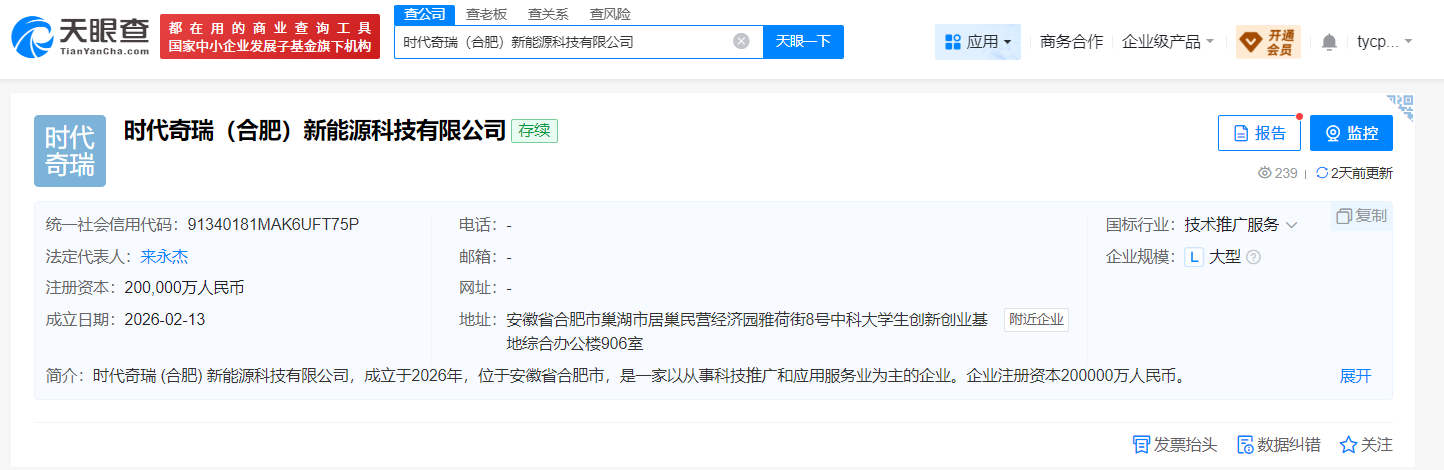
备案获批近一个月后,宁德时代、奇瑞汽车合资公司成立,注册资本20亿元
Xin Lang Cai Jing· 2026-02-16 02:54
Core Viewpoint - The establishment of Times Chery (Hefei) New Energy Technology Co., Ltd. marks a strategic collaboration between CATL, Chery Automobile, and Chery Commercial Vehicle, focusing on battery manufacturing and related services in Hefei, Anhui Province [1][4]. Group 1: Company Overview - Times Chery (Hefei) New Energy Technology Co., Ltd. was founded on February 13, 2026, with a registered capital of 2 billion RMB [1][3]. - The company is primarily engaged in technology promotion and application services, including battery manufacturing, battery parts production, and energy storage technology services [1][3]. Group 2: Shareholding Structure - The company is jointly owned by CATL, Chery Automobile, and Chery Commercial Vehicle (Anhui) Co., Ltd. [4]. - The establishment of this joint venture was approved unconditionally by the State Administration for Market Regulation on January 22, 2026 [4][6]. Group 3: Strategic Collaboration - Since 2025, CATL and Chery Automobile have deepened their strategic cooperation, focusing on product development, market expansion, and resource sharing [9]. - The collaboration includes plans to build a "lighthouse factory" and a "zero-carbon factory" in Hefei or Wuhu, supported by local government policies [9].