智能穿戴设备

Search documents
中国电信天翼AI发布首款AI眼镜 星辰大模型开启第一视角智能交互新范式
Zheng Quan Ri Bao Zhi Sheng· 2025-07-30 05:41
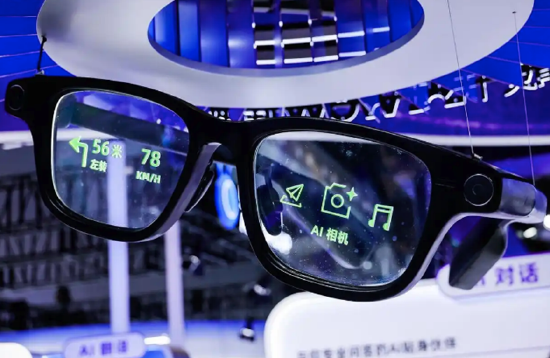
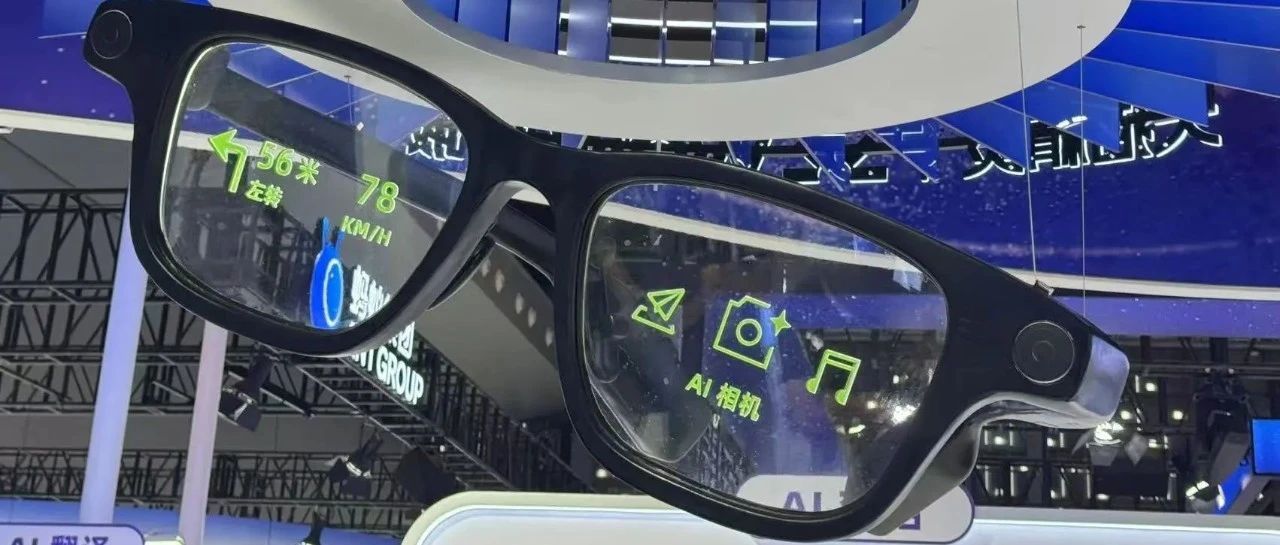
Core Insights - The 2025 World Artificial Intelligence Conference (WAIC) was recently held in Shanghai, where China Telecom AI Technology (Beijing) Co., Ltd. launched the world's first fully integrated self-developed Star Model-based smart wearable device, "Tianyi AI Smart Glasses" [1] - The product leverages China Telecom's cloud-network integration infrastructure and Star Model technology, creating a new paradigm for first-person intelligent interaction [1] - Tianyi AI Smart Glasses achieve full-stack empowerment of the Star Model in the smart wearable device sector, featuring capabilities such as 0.8-second instant capture and multimodal real-time translation [1] Product Features - The device includes a 12-megapixel ultra-wide-angle lens and seven AI imaging algorithms, enabling 1440P HD vision synchronization [1] - It is equipped with a five-microphone array combined with the Star Voice Model for precise voice wake-up [1] - The glasses offer food recognition capabilities to analyze ingredients, calories, and nutrition, as well as a cultural tourism guide function that connects with multiple museum databases for professional exhibit explanations [1] Strategic Direction - China Telecom AI will continue to utilize the Star Model as an engine to deepen its "Artificial Intelligence +" strategy, promoting the deep integration of AI with various industries [2]

运动血压睡眠全监测!老牌国货用199元颠覆千元智能表市场
凤凰网财经· 2025-07-29 15:32
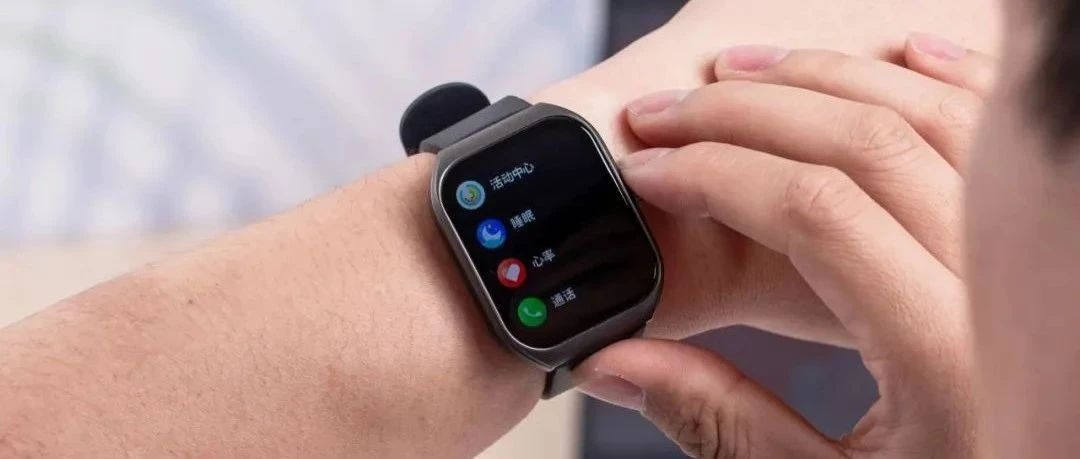
Core Viewpoint - The article emphasizes the growing importance of smartwatches in promoting a disciplined and healthier lifestyle, highlighting the affordability and functionality of the Skyworth Watch4PRO compared to other brands [2][4][10]. Group 1: Company Background - Skyworth, a 36-year-old domestic brand, has successfully transitioned from traditional television manufacturing to the wearable device market, establishing itself as a significant player in the industry [12][30]. - The company has diversified its business into over 120 sectors, including smart home appliances and renewable energy, and ranked among the top 500 companies in China in 2023 [32]. Group 2: Product Features - The Skyworth Watch4PRO offers a range of features including Bluetooth calling, music playback, health monitoring (heart rate, blood pressure, blood oxygen), and sleep tracking, making it a comprehensive health management tool [14][57][61]. - The smartwatch boasts a 2.01-inch HD curved touchscreen, a 300mAh battery with a 15-day battery life, and IP68 water resistance, ensuring durability and convenience for users [41][43][49]. Group 3: Market Positioning - The Watch4PRO is positioned as a cost-effective alternative to high-priced brands, with a promotional price of 199, significantly lower than the market average of 1299 [24][99]. - The product is marketed as a multifunctional device that combines the capabilities of a phone assistant, speaker, professional sports coach, and health manager, appealing to a wide range of consumers [99][102].

智能眼镜,下一代超级终端?
Zhong Guo Qing Nian Bao· 2025-07-28 23:14
Core Viewpoint - The smart glasses market is experiencing significant growth, with major companies entering the field, leading to a competitive landscape referred to as the "Battle of Hundreds of Glasses" [1][6][10]. Market Overview - By 2025, global smart glasses shipments are expected to reach 14.518 million units, with China accounting for 2.907 million units, representing year-on-year growth of 42.5% and 121.1% respectively [1][6]. - The surge in demand is evidenced by a 7-fold increase in AI glasses sales during the "618" shopping festival and a 70% increase in AR glasses users [1]. Product Types - Smart glasses can be categorized into five types: basic audio glasses, glasses with cameras, AI+AR glasses, split AR glasses, and VR glasses [2]. - The majority of products on the market fall into the second category, with Xiaomi's AI glasses being a notable example [2]. Consumer Trends - The user base is shifting from tech enthusiasts to mainstream consumers, with a growing interest in practical features such as voice assistance, photography, translation, and navigation [5][6]. - The demand for smart glasses is being driven by the need for portable devices that facilitate information interaction and real-time assistance [7]. Technological Advancements - Recent advancements in AI and AR technologies have made smart glasses more viable, with improvements in display quality, weight, and battery life [8][10]. - Key technologies include micro-display and optical waveguide technologies, which have reached a level of maturity that allows multiple companies to enter the market [8]. Industry Competition - The competitive landscape is characterized by the entry of various players, including tech giants, internet companies, and traditional eyewear manufacturers, all vying for market share [6][10]. - The market is witnessing a rapid evolution, with new products and features being introduced regularly [6]. Future Outlook - Experts suggest that while smart glasses have the potential to become the next major interface for AI interaction, they still face challenges in performance, weight, and battery life [10][11]. - The industry is expected to undergo further technological and market development over the next 5 to 10 years before smart glasses can achieve mainstream adoption [10][12].


大厂眼镜一戴,谁也不AI
Hu Xiu· 2025-07-28 10:48
Core Viewpoint - Alibaba's AI smart glasses made their debut at the WAIC, showcasing AR technology, but are still in the early development stage and not yet available for sale [1][2][5]. Product Overview - The AI glasses come in two versions: one without AR display and one with AI+AR capabilities, with the latter being prioritized for release [2][3]. - The glasses utilize a dual-chip architecture with Qualcomm Snapdragon AR1 and Hengxuan BES2800, with production expected to be handled by Luxshare Precision [2][3]. - The official launch is anticipated around this year's "Double Eleven" shopping festival [2][3]. Market Context - Following Xiaomi's successful launch of its AI glasses, which reportedly sold 50,000 units in three days, Alibaba aims to capture a share of the growing smart glasses market [3][12]. - The smart glasses market is projected to see significant growth, with an expected shipment of 2.907 million units in China by 2025, marking a 121.1% year-on-year increase [12]. Competitive Landscape - The entry of Alibaba, Xiaomi, and ByteDance into the smart glasses market suggests a potential "Three Kingdoms" era of competition among major players [3][11]. - The current market is characterized by a lack of fierce competition, with companies still in the early stages of product development and market penetration [11][14]. Technical Features - Alibaba's glasses feature a light guide AR technology, which is considered essential for consumer-grade AR glasses due to its lightweight and high light transmission properties [3][7]. - The design of the glasses has received mixed reviews, with some industry experts noting a lack of balance between functionality and aesthetics [6][8]. Software Ecosystem - Alibaba's software ecosystem, including applications like Alipay and Taobao, is seen as a competitive advantage over rivals, providing a more integrated user experience [9][10]. - The glasses are designed to support various applications, such as product recognition and price comparison, enhancing their utility [9][10]. Production and Supply Chain - Initial production targets for Alibaba's AI glasses are set at 100,000 units, while Xiaomi's first batch reportedly sold out quickly [12][13]. - The industry faces challenges related to production capacity and supply chain management, which are critical for meeting market demand [14][15]. Future Outlook - The smart glasses market is still in its infancy, with many products focusing primarily on photography and audio features rather than fully utilizing AI capabilities [16][21]. - As the market evolves, companies will need to explore hardware integration and offline retail strategies to enhance user engagement and sales [17][19].
智能手表是美丽废物?看完这篇再决定买不买
3 6 Ke· 2025-07-28 00:19
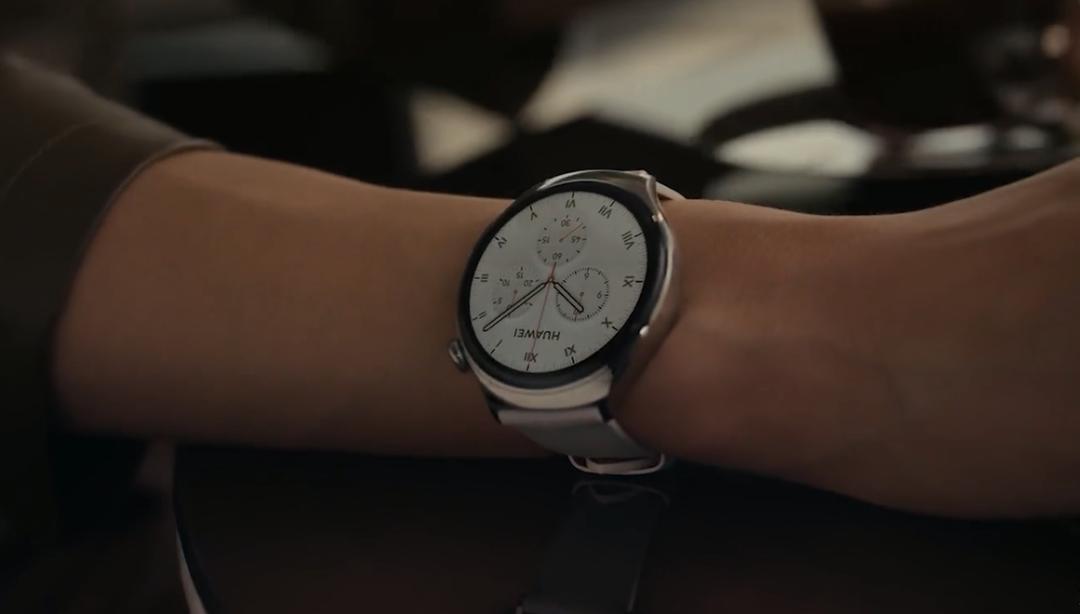
Core Viewpoint - The article discusses the evolution and current state of smartwatches, highlighting their popularity and the varying levels of user engagement with their features. It emphasizes that many users only utilize a small fraction of the smartwatch's capabilities, often limiting their use to basic functions like timekeeping and calorie tracking. Group 1: Popularity and Usage - Smartwatches have become a popular category of digital products since the launch of the first Xiaomi Mi Band in 2014 and the initial smartwatches from Huawei and Apple in 2015 [1][3] - Many users report that after purchasing smartwatches, they often end up as unused products, leading to the conclusion that they can be seen as "pretty little waste" [3] Group 2: User Experience and Battery Life - A significant difference between smartwatches and traditional watches is the need for regular charging, which is a major pain point for users [5] - Battery life varies significantly among different brands, with some models offering less than 5 days of usage while others can last close to or over 10 days [12][14] - Full-featured smartwatches like the Apple Watch and Huawei Watch 5 typically have a battery life of around 4 days, while semi-smartwatches can achieve longer durations [14][17] Group 3: Functionality and Health Monitoring - Smartwatches are equipped with various health monitoring features, including heart rate variability (HRV) and electrocardiogram (ECG) capabilities, which can provide insights into users' health [32][34] - The article notes that while smartwatches can track sleep quality and provide reminders, many users do not fully utilize these features, leading to a perception of wasted potential [42][49] - The effectiveness of sleep monitoring varies, with some brands providing more detailed analysis than others, and the accuracy of these measurements is sometimes debated [44][51] Group 4: Consumer Behavior and Market Trends - The development of smartwatches is closely tied to the growing health consciousness among consumers, although there are criticisms that they may contribute to health anxiety [51][53] - Ultimately, the article suggests that while smartwatches can enhance awareness of personal health metrics, they do not replace the need for active lifestyle choices and personal responsibility in maintaining health [55]

“百镜大战”日趋白热化 AI眼镜加速叩开“镜像世界”
Zheng Quan Ri Bao· 2025-07-27 15:46
Core Insights - The AI glasses industry is rapidly evolving, with significant advancements in product iteration, scene exploration, and technological innovation [2][3] - The concept of a "mirror world" is emerging, where digital technology accurately maps the real world into a virtual space, predicted to be the next major platform after the internet and social media [2] - The market for AI glasses is expected to grow substantially, with projected sales reaching 3.5 million units by 2025, a 230% increase year-on-year, and potentially reaching 10 million units by 2026 [3] Market Potential - AI glasses are seen as a new competitive arena for tech giants, accessory manufacturers, eyewear producers, and telecom operators, providing a hands-free experience for consumers [3] - The current focus on AI glasses is high, particularly in the mid-to-low-end market, which is experiencing accelerated penetration [4] - The next three years are deemed critical for the development of the AI glasses industry, with improvements in technology maturity and user experience anticipated [4] Technological Development - AI glasses are currently in the early stages of adoption, with basic functionalities like photography, recording, and translation already available [6] - Challenges such as battery life (approximately 4 hours) and weight (around 40 grams) are being addressed through collaborations with hardware partners to enhance battery density and structural design [6][7] - Future designs may incorporate dual-chip solutions to optimize performance and extend battery life [7] Competitive Landscape - The AI glasses market is characterized by a dual development path, with companies exploring both practical business models and technological breakthroughs [8] - Different manufacturers are adopting varied strategies, with some focusing on high-tech solutions while others prioritize lightweight designs to meet mainstream consumer demands [7] - The competition is leading to a polarized pricing structure, with a clear trend towards differentiation in product offerings [7]
阿里入局、“百镜”开打! 哪家能成为你的“第二双眼”? | WAIC 观察
Xin Lang Ke Ji· 2025-07-27 03:22
Core Insights - The article discusses the increasing competition in the smart glasses market, particularly highlighted at the World Artificial Intelligence Conference (WAIC) 2025, with major Chinese companies showcasing their advancements in this technology [3][5]. Group 1: Industry Trends - The smart glasses sector is experiencing a surge in interest from large manufacturers, moving away from smaller niche players, with companies like Alibaba, ByteDance, and 360 entering the market [3]. - Emphasis is shifting towards the functionality and practicality of smart glasses, focusing on user interaction and real-world applications [3]. - A trend towards lighter designs is emerging, with companies promoting reduced weight as a key selling point for their products [3][19]. Group 2: Alibaba's Entry - Alibaba's new AI smart glasses, the "Wow Quark Glasses," are set to launch in October, featuring a design similar to traditional smart glasses but enhanced with AI capabilities [5][7]. - The glasses aim to address common issues in existing products, such as weak AI performance, short battery life, and poor user experience, through a complete hardware redesign [5]. - The glasses will support various applications, including navigation, payment, and travel reminders, leveraging Alibaba's AI and ecosystem [5][7]. Group 3: Competitors and Innovations - Rokid's smart glasses have gained significant attention, with a pre-order volume of 250,000 units, showcasing features like real-time translation and object recognition [11]. - XREAL's glasses offer a unique viewing experience with an internal screen, targeting entertainment and gaming markets [13][15]. - Competitors are focusing on lightweight designs, with Rokid's glasses weighing 49g and other brands like Li Weike and Halliday offering even lighter options, enhancing user comfort [19][21].
阿里将推出首款自研AI眼镜,“百镜大战”再添巨头
第一财经· 2025-07-26 12:44
Core Viewpoint - The competition in the AI glasses market is intensifying, with Alibaba announcing its self-developed Quark AI glasses, joining other major players like Xiaomi, Huawei, and Google in launching similar products this year [1][2]. Group 1: Product Launch and Features - Alibaba's Quark AI glasses are set to be officially released within the year, having completed their development phase [1]. - The glasses will integrate with Alibaba's ecosystem, supporting features such as Gaode navigation, Alipay payments, and travel reminders through Fliggy [2]. - The Quark AI glasses utilize Qualcomm's AR1 flagship design chip along with a low-power co-processor, addressing current ecological challenges in the AI glasses market [2]. Group 2: User Experience and Security - Users can initiate payments through the AI glasses by voice commands, with the system displaying QR codes for payment confirmation, eliminating the need to use a smartphone [3]. - Concerns regarding the security of payments made through smart glasses are prevalent among users, prompting Alipay to implement a multi-factor authentication system that includes voiceprint detection and wear detection [3]. - The AI glasses are anticipated to become a significant personal mobile entry point, potentially leading to a surge in personal data generation [3].
方寸之间,智见未来——AI智能眼镜的趋势与展望
2025-07-25 00:52
Summary of AI Smart Glasses Industry Conference Call Industry Overview - The smart glasses market is projected to reach 5 million units in sales by 2025, potentially doubling in 2026, indicating strong market potential for the integration of AI with smart glasses [1][2] - The global optical and sunglasses market is substantial, with demand expected to reach 2 billion pairs in the next three to five years, leading to a market space of 1 billion units for smart glasses [1][9] Core Insights and Arguments - Smart glasses are categorized into three main types: audio glasses, shooting glasses, and AR glasses, with a focus on shooting glasses due to their advantages in mass production, cost, and functionality [1][5] - The integration of functions in smart glasses is significant, allowing them to replace TWS earbuds and action cameras, monitor health metrics, and provide features like e-book reading and projection [1][8] - The combination of AI technology with smart glasses enhances human-computer interaction, making them effective personal assistants [3][4] Market Dynamics - The smart glasses industry has seen rapid growth, particularly benefiting from advancements in AI models, with sales reaching 1.52 million units in 2024 [2] - The average price of smart glasses, such as Xiaomi's priced at 1999 yuan, is considered reasonable given the quality of components used [15] - By 2035, it is estimated that 70% of traditional glasses will be smart, potentially leading to a market size of 1.4 billion units [9] Key Players and Competitive Landscape - Major companies involved in the smart glasses sector include Meta, Google, ByteDance, Baidu, Alibaba, and smartphone manufacturers like Xiaomi, Samsung, and Huawei [10][12] - The entry of various players, including those from VR/AR backgrounds, indicates a growing interest and investment in the smart glasses market [11] Technological Innovations - Electronic tinting technology is highlighted as a significant future direction for smart glasses, enhancing usability in various scenarios [16][17] - The application of waveguide technology is crucial for the development of lightweight and efficient display systems in smart glasses [19][23] Challenges and Opportunities - The traditional eyewear industry faces challenges in customization and the complexity of fitting processes during the transition to smart glasses [27] - The shift towards smart glasses is expected to increase industry concentration, with a few leading companies dominating the market [28][29] Future Trends - The smart glasses market is anticipated to become more concentrated, with leading companies collaborating with established brands to enhance market share and product value [28][29] - The demand for higher quality components, such as lenses with increased refractive indices, will drive up product prices and influence the entire supply chain [28][29]
对话XREAL徐驰:当雷军投入七八成精力做AI眼镜,百镜大战才真正到来
Tai Mei Ti A P P· 2025-07-24 09:27
Core Viewpoint - The emergence of major players like Xiaomi in the AI glasses market indicates that the industry is maturing, but the current products still lack the sophistication needed for mass adoption [1][3]. Group 1: Industry Insights - The AI consumer electronics era is marked by a rush to integrate AI, yet many sectors are still unclear on practical applications [3]. - The current market for AI glasses is characterized by high return rates, suggesting that consumer experience is not yet satisfactory [1]. - The industry should focus on long-term development rather than short-term gains, with a vision for AI glasses to potentially replace smartphones in the future [3][6]. Group 2: Company Strategies - XREAL aims to sell its AR products in the millions, recently launching the One Pro model priced at 4,299 yuan, featuring advanced optical technology [4][6]. - The company is focused on creating lightweight glasses that provide 80% of the experience of traditional headsets at only 20% of the cost [6]. - XREAL recognizes the importance of ecosystem development but does not intend to create its own; instead, it plans to collaborate within existing ecosystems to enhance scalability [6]. Group 3: Market Dynamics - The XR industry is currently experiencing significant growth, led by major companies like Apple, Meta, Google, and Xiaomi, which is a departure from the previous hype surrounding the metaverse [6]. - The industry is not conducive to quick profits, with Qualcomm being the only company to have made substantial earnings in the past decade [7].