
中医医疗

Search documents
“三九贴”开放预约后天开贴
Bei Jing Wan Bao· 2025-12-19 05:52
Core Viewpoint - The article discusses the opening of appointments for "Sanjiu贴" (Sanjiu acupoint plaster) treatment at several hospitals in Beijing, starting from December 21, aimed at addressing respiratory diseases prevalent in winter [1] Group 1: Treatment Overview - Beijing Traditional Chinese Medicine Hospital, Beijing Chaoyang Hospital, and Beijing Obstetrics and Gynecology Hospital have initiated appointments for "Sanjiu贴" [1] - The treatment is based on traditional Chinese medicine principles, which suggest that acupoint plastering during winter can enhance energy, relieve phlegm, and alleviate cough and asthma symptoms [1] Group 2: Target Patients - The treatment is particularly aimed at adults and children suffering from chronic cough, phlegm, and asthma-related conditions [1] - Patients can make appointments through the hospitals' registration systems, including various departments such as respiratory, ENT, pediatrics, and health management [1] Group 3: Accessibility and Consultation - The "Sanjiu贴" treatment is available for appointment through hospital WeChat accounts and service numbers [1] - It is emphasized that not everyone is suitable for this treatment, and a professional medical consultation is required to assess eligibility [1]
山东新中鲁中医医院千佛山院区新址启用
Qi Lu Wan Bao· 2025-12-19 01:51
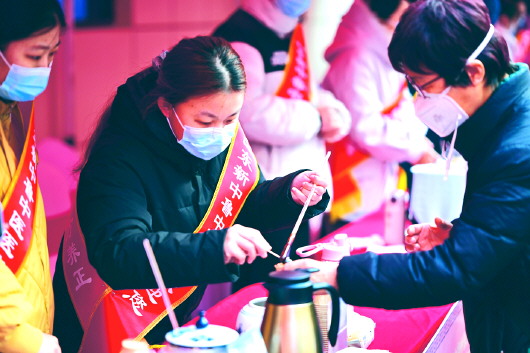
Group 1 - The Shandong Xinzhonglu Traditional Chinese Medicine Hospital officially opened its new Qianfoshan campus on December 16, 2023, coinciding with the third Gao Fang Festival and the establishment of the "Shandong Traditional Chinese Medicine Society's Traditional Chinese Medicine Lifestyle Promotion Base" [2] - Xinzhonglu has maintained its commitment to "pure traditional Chinese medicine and genuine Chinese herbal medicine" since its founding in 1992, gathering top talents such as national medical masters and renowned traditional Chinese medicine experts to create a leading platform for the inheritance of traditional Chinese medicine [2] - The new Qianfoshan campus features an integrated service system of "famous doctor diagnosis + authentic medicinal materials + cultural experience," enhancing the quality of medical services and making high-quality traditional Chinese medicine services more accessible [2] Group 2 - The third Gao Fang Festival focuses on the core theme of "Gao Fang Yang Zheng," inheriting the wisdom of traditional Chinese medicine's "preventive treatment" approach, and emphasizes the creation of high-quality Gao Fang through "traditional differentiation + authentic medicinal materials + craftsmanship," ensuring traceability from prescription to finished product [2] - The establishment of the "Shandong Traditional Chinese Medicine Society's Traditional Chinese Medicine Lifestyle Promotion Base" is an authoritative recognition of Xinzhonglu's commitment to promoting the lifestyle concept of traditional Chinese medicine [2] - The hospital aims to integrate "treatment" and "nurturing" deeply within its service model, promoting health wisdom through Gao Fang innovation and the development of food-medicine integrated products, thereby enhancing the value of the traditional Chinese medicine lifestyle promotion base [3]

山东新中鲁中医医院千佛山院区正式启用
Qi Lu Wan Bao· 2025-12-16 13:12
Core Viewpoint - The Shandong Xinzhonglu Traditional Chinese Medicine Hospital officially opened its new site at Qianfoshan on December 16, coinciding with the third Ginseng Festival, marking a significant event in the integration of traditional Chinese medicine with modern health services [1][3]. Group 1: Hospital Development - The new Qianfoshan site represents an upgrade in the hospital's service quality and environment, featuring an integrated service system of "famous doctors' diagnosis + authentic medicinal materials + cultural experience" [3]. - Xinzhonglu has maintained its commitment to "pure traditional Chinese medicine and genuine herbal medicine" since its establishment in 1992, positioning itself as a benchmark institution in the field [3]. Group 2: Cultural and Educational Initiatives - The third Ginseng Festival focuses on the core theme of "Ginseng Nourishing the Body," promoting the traditional Chinese medicine philosophy of "preventive treatment" through high-quality ginseng products that are traceable from prescription to finished product [3]. - The establishment of the "Shandong Traditional Chinese Medicine Lifestyle Promotion Base" at Xinzhonglu is a recognized endorsement of the hospital's efforts in promoting the lifestyle integration of traditional Chinese medicine [3][6]. Group 3: Future Vision - The hospital aims to deepen the integration of "treating diseases" and "nurturing health," leveraging the new site as a starting point for innovative practices in health management and product development [6]. - Xinzhonglu is committed to enhancing the accessibility of traditional Chinese medicine in daily life, contributing to the health initiatives in Shandong province [6].
中医生活化推广基地落户山东新中鲁中医医院
Qi Lu Wan Bao· 2025-12-16 13:12
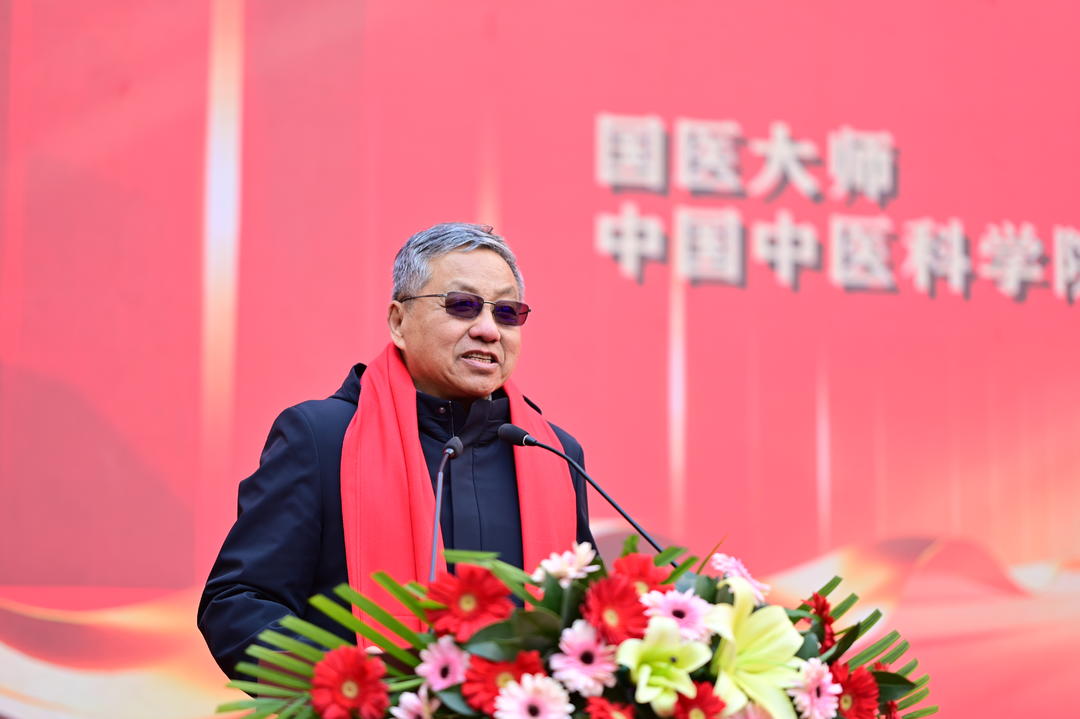
Core Insights - The Shandong Xinzhonglu Traditional Chinese Medicine Hospital officially opened its Qianfoshan branch on December 16, marking the establishment of the "Shandong Traditional Chinese Medicine Society's Promotion Base for Lifestyle Integration" [1][2] Group 1: Hospital Development - Since its founding in 1992, Xinzhonglu Traditional Chinese Medicine Hospital has adhered to the principles of "pure TCM, genuine TCM" [1] - Over the past thirty years, the hospital has gathered high-level expert talents, including national and provincial renowned TCM practitioners, establishing itself as a professional benchmark in TCM clinical diagnosis and treatment [1] Group 2: Clinical Philosophy - The hospital emphasizes the integration of TCM concepts into daily life, aiming to combine "treatment" and "wellness" based on effective clinical practices [1] Group 3: Product Development - The hospital has launched several health products, including Zhenqingying Herbal Paste, Jineijin Qizhen Powder, and Jiuwai Runxia Paste, focusing on the core of food-medicine homology [1] - These products are made from ingredients listed in the national food-medicine homology directory and are based on formulas from renowned TCM masters, ensuring safety, effectiveness, and convenience [1] Group 4: Industry Recognition - The establishment of the "Shandong Traditional Chinese Medicine Society's Promotion Base for Lifestyle Integration" is a significant recognition of the hospital's practical efforts in lifestyle integration [2] - The hospital plans to leverage its dual-base resources to transform academic achievements into accessible wellness solutions for the public [2]
本周日“进九”,北京多家中医院“三九”贴接受预约
Bei Jing Ri Bao Ke Hu Duan· 2025-12-16 08:11
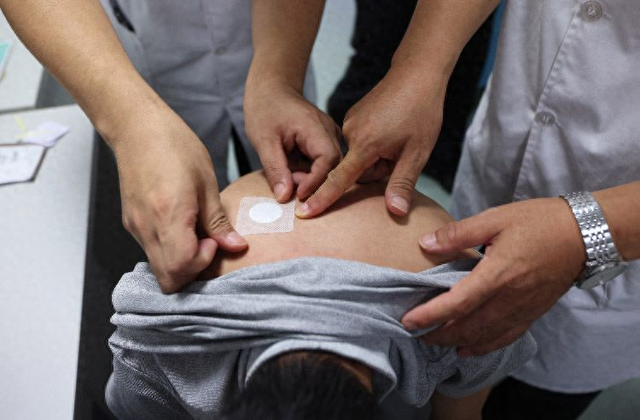
Core Viewpoint - The article emphasizes the importance of traditional Chinese medicine (TCM) treatments, particularly the application of warming and phlegm-resolving acupuncture patches during the winter season to alleviate respiratory diseases and enhance the effects of summer treatments [1]. Group 1: Treatment Overview - The warming phlegm-resolving acupuncture patch (京药制字Z20110007) is developed by experienced TCM practitioners and is a distinctive feature of TCM therapy [3]. - It is suitable for adults and children suffering from chronic cough, phlegm, and asthma-related diseases, including allergic rhinitis and chronic sinusitis [3]. - The application periods for the patches are as follows: - First period: December 21, 2025 - December 29, 2025 - Second period: December 30, 2025 - January 7, 2026 - Third period: January 8, 2026 - January 16, 2026 [10]. Group 2: Usage Guidelines - Patients can make appointments in various departments, including respiratory, ENT, pediatrics, and health management, to receive the patches and treatment [4]. - During the application, patients should avoid cold food and drinks, smoking, alcohol, and greasy foods, and those with fever or cold symptoms should refrain from using the patches [5]. - If any discomfort occurs, such as itching or pain, patients should remove the patch and seek medical attention [5]. Group 3: Women's Health Treatment - The TCM hospital has introduced specialized acupuncture patches for women's health issues, addressing conditions related to "insufficient yang" and "cold dampness," such as dysmenorrhea and infertility [6]. - The patches stimulate specific acupuncture points to promote circulation, dispel cold, and balance qi and blood [6]. - The treatment is tailored to different body types and symptoms, potentially combined with other therapies like moxibustion and ear acupressure for enhanced effectiveness [6]. Group 4: Women's Health Indications - The acupuncture patches are indicated for various conditions based on body types, including: - Cold deficiency: infertility, recurrent miscarriage, and menstrual irregularities [7]. - Qi stagnation and blood stasis: dysmenorrhea and pelvic inflammatory disease [7]. - Spleen deficiency with dampness: excessive discharge and fatigue [7]. - General weakness: low immunity and recurrent infections [7]. Group 5: Women's Health Precautions - Contraindications for the women's health patches include pregnant or breastfeeding women, those with skin damage, and patients with acute respiratory infections [8]. - Dietary restrictions include avoiding cold, spicy, and greasy foods, as well as alcohol [9]. - Patients should not bathe on the day of application and should keep the treated area warm [9].
中医义诊进社区,寒冬健康有“医靠”
Qi Lu Wan Bao· 2025-12-02 16:06
Core Viewpoint - The article highlights a community health initiative in Longshan Community, Wendeng District, focusing on promoting traditional Chinese medicine (TCM) through free medical consultations and health education for residents [1] Group 1: Community Health Initiative - The Longshan Community Health Service Center organized a "TCM Free Clinic into the Community" event to provide professional and personalized TCM health services to residents [1] - TCM practitioners utilized traditional diagnostic methods such as "observation, listening, inquiry, and pulse-taking" to address common health issues like insomnia, musculoskeletal pain, and digestive weaknesses [1] Group 2: Health Education and Awareness - Medical staff provided answers to various health-related questions and disseminated knowledge on preventing colds and cardiovascular diseases during the autumn and winter seasons [1] - The initiative aimed to promote a "preventive healthcare" philosophy among residents, encouraging them to adopt healthy lifestyles through proper medication, diet, and exercise [1] Group 3: Future Plans - The Longshan Community Health Service Center plans to continue leveraging the advantages of TCM by organizing health lectures and rural outreach clinics to enhance healthcare accessibility for the community [1] - The goal is to provide warm and quality medical services, reinforcing the health defense for the residents [1]
威海市推拿领域年度盛会在荣成圆满落幕
Qi Lu Wan Bao· 2025-11-26 12:48
Core Viewpoint - The academic exchange conference in the field of Tui Na (Chinese therapeutic massage) held in Rongcheng City Hospital has significantly contributed to the development of Tui Na quality control center in Weihai City and strengthened the capabilities of Rongcheng City Hospital in this area [1] Group 1: Conference Highlights - The conference featured renowned experts such as Professor Li Huadong from Shandong Provincial Hospital of Traditional Chinese Medicine and Professor Li Yongchun from the Acupuncture Department, who shared insights on topics like "staged Tui Na treatment for cervicogenic dizziness" and "integrated rehabilitation intervention paths of Chinese and Western medicine" [1] - The content presented was closely aligned with clinical practice and incorporated cutting-edge treatment concepts, sparking enthusiastic discussions among participants [1] - Over 100 professional medical personnel from the city actively participated in the training, indicating strong interest and engagement in the Tui Na field [1] Group 2: Future Development - The successful hosting of the conference has injected strong momentum into the continuous development of the Tui Na quality control center in Weihai City [1] - Rongcheng City Hospital plans to leverage its national-level key specialty advantages to enhance regional collaboration and technology promotion [1] - The hospital aims to contribute more to the high-quality development of Tui Na practices in Weihai City and Shandong Province [1]
苏和堂推出冬季膏方定制服务 中医专家支招三类体虚调理
Yang Zi Wan Bao Wang· 2025-11-25 09:31
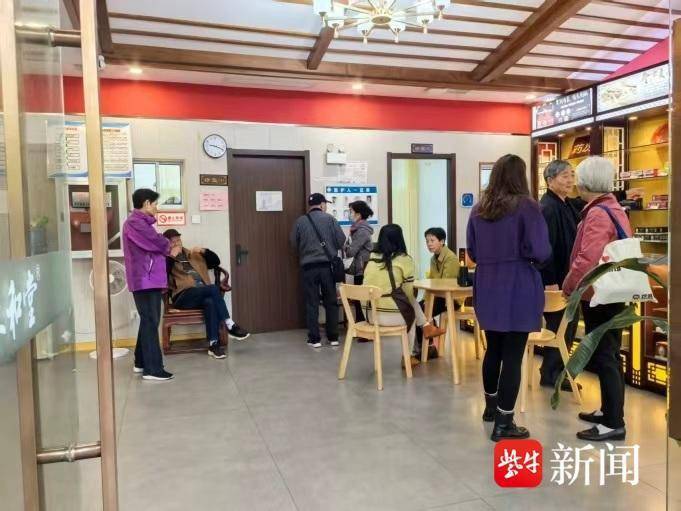
Core Viewpoint - The introduction of customized winter medicinal paste services by Suhetang Traditional Chinese Medicine Clinic aims to address common health issues related to different body constitutions during the winter season [1][3]. Group 1: Service Offering - Suhetang has launched a winter medicinal paste customization service tailored to common conditions such as Qi deficiency, blood deficiency, and Yang deficiency [1][3]. - The service is based on traditional Chinese medicine principles, emphasizing personalized treatment through body constitution identification [3][5]. Group 2: Health Benefits - The winter season is considered an optimal time for nourishing Qi and blood, with the risk of decreased immunity and other health issues if not properly supplemented [3]. - The customized medicinal paste is designed to alleviate common problems such as cold extremities, susceptibility to colds, and fatigue, particularly benefiting working professionals and the elderly [5]. Group 3: Ingredients and Preparation - The medicinal paste utilizes authentic ingredients like ginseng, donkey-hide gelatin, and deer antler, prepared using traditional slow-cooking methods [5]. - Each paste is uniquely formulated by experienced TCM practitioners based on individual health characteristics, following a "one person, one formula" approach [5]. Group 4: Availability - Suhetang's services are currently available in three locations: Nanjing, Wuxi, and Suzhou, allowing local residents to consult with professional TCM practitioners for personalized winter health plans [7].
国潮中医市集走红宝山:让传统养生“潮”起来、“活”起来
Xin Hua Cai Jing· 2025-11-23 06:13
Core Viewpoint - The "YOUNG生'庙'会" Traditional Chinese Medicine (TCM) market integrates TCM concepts with modern lifestyle, aiming to make TCM more accessible and appealing to the younger generation [1][4]. Group 1: Youthful Expression - A TCM product, a herbal bracelet made from sandalwood and dried tangerine peel, has become popular among young people, showcasing the blend of health benefits and modern aesthetics [2]. - The market features innovative food and drink options, such as herbal milk tea and traditional desserts, tailored to the consumption habits of younger demographics [2]. - High-tech health assessment tools, like tongue and pulse analysis devices, are used to provide personalized wellness recommendations, breaking the stereotype of TCM being outdated [2]. Group 2: Practical Integration - The market emphasizes convenience, offering on-site consultations for common health issues and free health screenings, making professional TCM services easily accessible to residents [3]. - Popular activities include hands-on experiences with TCM techniques like ear acupressure and DIY moxibustion, attracting significant participation from the community [3]. - The event has received positive feedback from attendees, highlighting the practical benefits of TCM in daily health management [3]. Group 3: Localized Development - The market showcases local medical resources and traditional techniques, such as "Five Elements Pastry" and regional acupuncture practices, enhancing community engagement with TCM [3]. - Community health enthusiasts are recruited as "curators" to lead interactive projects, fostering intergenerational transmission of TCM culture [4]. - Future plans include regular and ongoing TCM markets to further integrate TCM culture into modern life, enhancing community health awareness and participation [4].
固生堂(02273):新加坡并购推进,持续关注公司海外扩张节奏及经营情况
Haitong Securities International· 2025-11-21 11:32
Investment Rating - The report assigns an "Outperform" rating to Gushengtang, expecting a relative return exceeding 10% over the next 12-18 months [16]. Core Insights - Gushengtang announced the acquisition of 100% equity in Singapore's Da Zhong Tang, which operates 14 TCM clinics, aiming to enhance its market share and expand its business network in Singapore [5][6]. - The acquisition is anticipated to positively impact the company's performance in 2026, leveraging Da Zhong Tang's established brand and operational presence in key commercial areas of Singapore [6][7]. - The company plans to continue its overseas expansion through a combination of mergers and acquisitions, partnerships, and self-established clinics, targeting the addition of 10-20 new stores in Singapore and around 20 clinics in Hong Kong by 2026 [7][8]. Summary by Sections Acquisition Details - Gushengtang's acquisition of Da Zhong Tang will consolidate its financial results into the group's statements, enhancing its operational scale in Singapore [5][6]. Market Expansion Strategy - The company aims to expand its presence in Singapore through a mix of M&A, partnerships, and new clinic establishments, with a goal of generating significant overseas revenue by 2026 [7]. Operational Enhancements - Gushengtang plans to utilize its domestic supply chain for Chinese herbal products to support its overseas clinics, while enhancing internal treatment capabilities through AI technology and expert training [8].