
城市轨道交通

Search documents
超越重庆、杭州 南京轨道交通今年将大爆发
Di Yi Cai Jing· 2025-09-11 14:35
Core Viewpoint - The operational mileage of Nanjing's urban rail transit has surpassed that of Chongqing and is approaching that of Hangzhou, with expectations to exceed Hangzhou by the end of the year [1][4]. Group 1: Operational Mileage and Rankings - As of August 2025, Nanjing's urban rail transit mileage reached 507.8 kilometers, surpassing Chongqing's 501.5 kilometers and nearing Hangzhou's 516 kilometers [4]. - Nanjing's ranking improved from 9th to 8th place in terms of operational mileage, primarily due to the opening of the northern section of Metro Line 5, which added 24.5 kilometers [4][5]. - The total operational mileage of Nanjing is projected to exceed 580 kilometers if all planned projects are completed this year, potentially ranking Nanjing 6th nationally [5]. Group 2: Future Developments and Projects - The Nanjing government aims to complete several key projects this year, including the opening of Metro Line 5, the third phase of Line 3, and the second phase of Line 10 [5]. - The second phase of Nanjing's urban rail transit construction includes multiple lines totaling 157.2 kilometers, although delays have been encountered [4][5]. - The Nanjing Metro Group is actively working on the S2 line (Nanjing section), with all station structures completed and construction progressing on track laying and station decoration [5].


中国,又一个“千万地铁城市”来了
虎嗅APP· 2025-09-11 13:41
Core Viewpoint - The article discusses the recent surge in subway ridership in major Chinese cities, particularly Guangzhou and Shenzhen, highlighting their entry into the "10 million passenger club" alongside Beijing and Shanghai, indicating strong urban vitality and infrastructure development [4][11]. Group 1: Daily Passenger Flow Significance - Daily passenger flow exceeding 10 million signifies a city's bustling activity, economic vitality, and supports sustainable infrastructure expansion [5][6]. - Among over 40 cities with operational subways/light rails, only 21 have daily passenger flows exceeding 1 million, and only 5 exceed 5 million [6]. Group 2: Comparison of Major Cities - Beijing and Shanghai lead in daily passenger flow, while Guangzhou and Shenzhen maintain around 9 million, with monthly passenger flows around 3 billion [11][12]. - In the second tier, only Chengdu exceeds 6 million, with significant gaps to other cities like Xi'an and Hangzhou, which exceed 4 million [15]. Group 3: Factors Influencing Passenger Flow - Passenger flow is closely linked to urban population density and economic activity; cities with higher urban population ratios tend to have higher subway ridership [19][23]. - Shenzhen's high passenger flow is attributed to its compact urban area and extensive subway network, which is densely populated and economically vibrant [26][31]. Group 4: Future Projections and Developments - Shenzhen's subway network is expected to expand significantly, potentially exceeding 800 kilometers by 2030, enhancing connectivity within the Greater Bay Area [37][39]. - The influx of population, including a substantial number of visitors from Hong Kong, contributes to the increasing passenger flow, creating a positive feedback loop for urban transit [40][41].
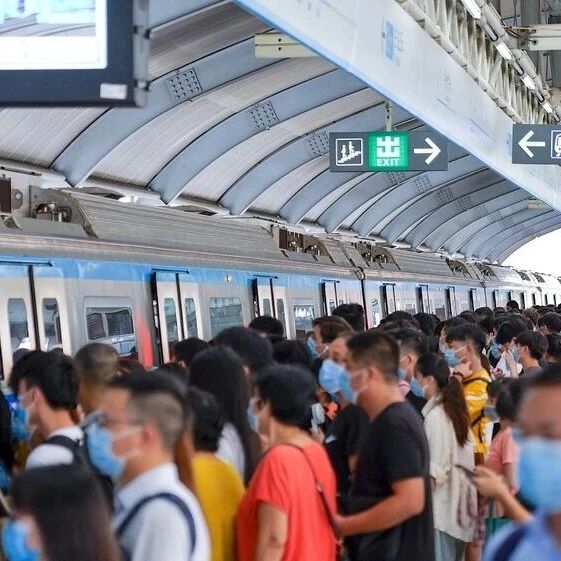
超越重庆、杭州,南京轨道交通今年将大爆发
Di Yi Cai Jing· 2025-09-11 11:55
Core Insights - Nanjing's metro system has surpassed 500 kilometers in operational length, positioning it closely behind Hangzhou and ahead of Chongqing, with expectations to exceed Hangzhou by the end of the year [1][4][5] Group 1: Operational Data - As of August 2025, Nanjing's metro operational length reached 507.8 kilometers, surpassing Chongqing's 501.5 kilometers and nearing Hangzhou's 516 kilometers [4] - The increase in Nanjing's operational length by 24.5 kilometers in August was primarily due to the opening of the northern section of Metro Line 5 [4][5] - Nanjing's metro system is projected to reach a total operational length of 524.4 kilometers by the end of the year, with the potential to exceed 580 kilometers if all planned projects are completed [5] Group 2: Future Developments - The Nanjing government aims to complete several metro projects this year, including the opening of Line 5, the third phase of Line 3, and the second phase of Line 10 [5] - If all five planned projects are completed, Nanjing could potentially rank 6th in the country, surpassing Wuhan's current operational length of 561.2 kilometers [5]
“上海地铁最忙线路”9 号线拆座位引热议,官方回应称“仅改一组列车,可提升高峰期运输能力”
Xin Lang Cai Jing· 2025-09-07 19:34
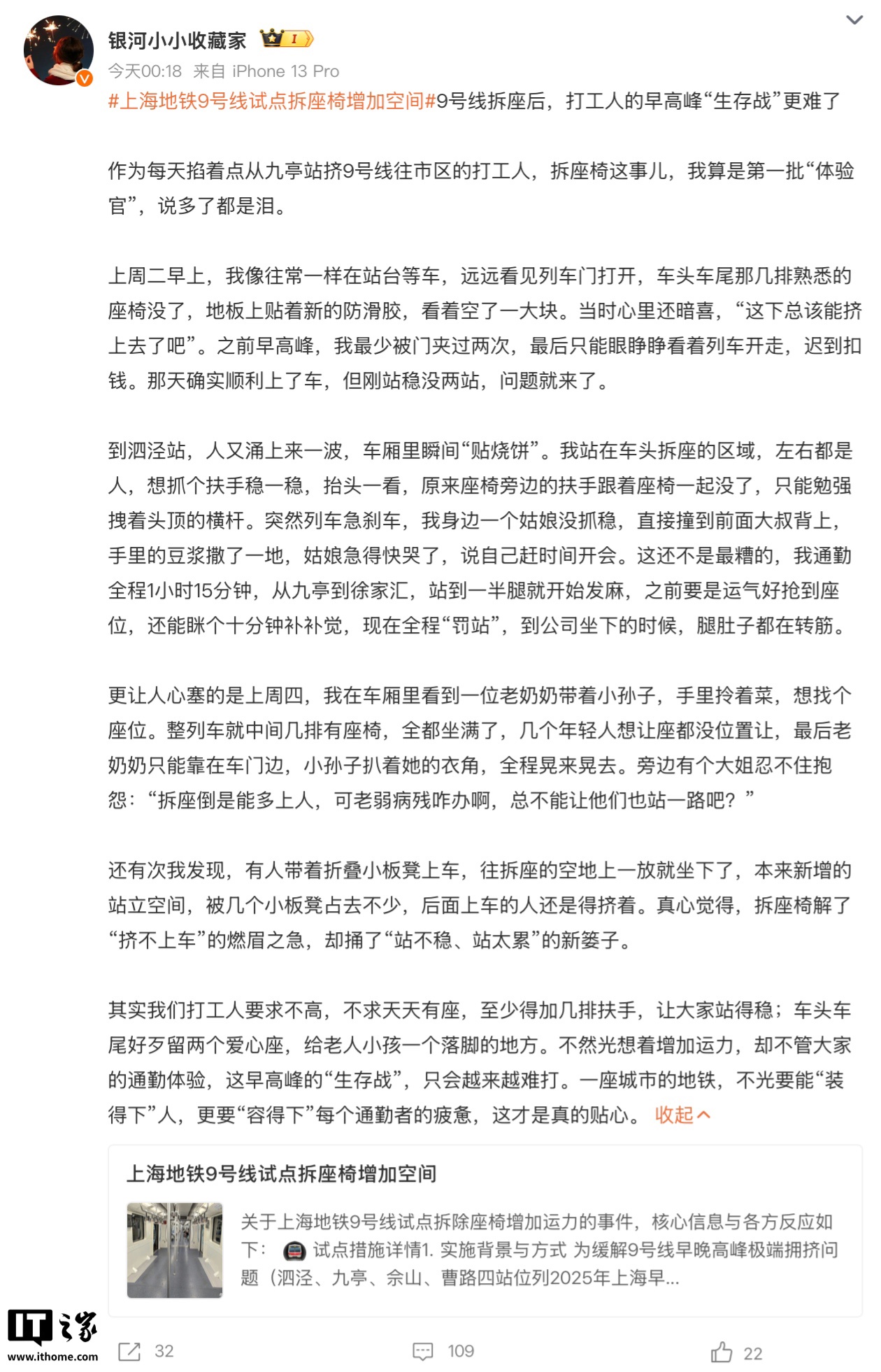
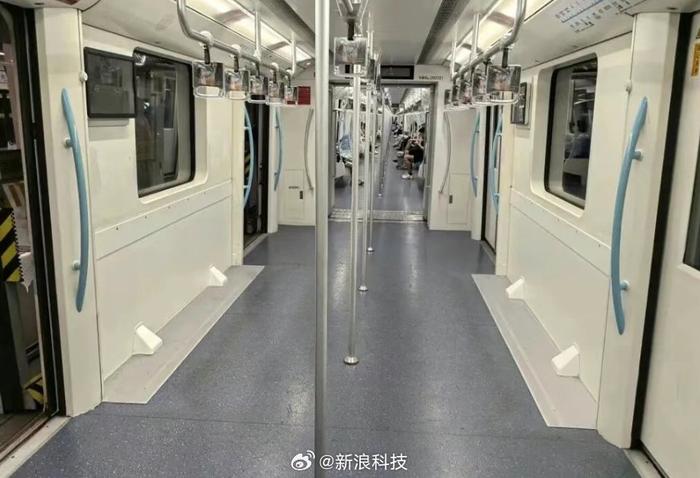
Core Viewpoint - Shanghai Metro is implementing a pilot program on Line 9 to increase passenger capacity by reducing the number of seats in certain train compartments during peak hours, aiming to enhance transport capacity without altering the overall structure or safety standards of the carriages [5]. Group 1 - The initiative involves removing 4 rows of seats from both the front and rear of the train, which is expected to create space for approximately 25 additional standing passengers [5]. - This is not the first time Shanghai Metro has adopted the strategy of seat removal; a similar approach was taken in January 2015 on Line 16 to address capacity issues during peak hours [5]. - According to the Shanghai Transportation Commission's report, the busiest stations during the morning peak hours in the first half of 2025 include Sijing, Jiuting, She Shan, Xinzhuang, and Caolu, with Line 9 serving four of these stations [9].
上海地铁9号线试点拆除部分座位增加载客量
Xin Lang Ke Ji· 2025-09-07 05:06
Core Viewpoint - Shanghai Metro Line 9 is addressing overcrowding issues during peak hours by removing seats in certain carriages to increase standing capacity for passengers [1] Group 1: Operational Changes - The Shanghai Metro has initiated a pilot program on Line 9 to enhance passenger capacity by removing four rows of seats at the front and rear of specific carriages [1] - The removal of seats is accompanied by the installation of anti-slip mats on the floor where seats were removed, ensuring safety for standing passengers [1] - This adjustment is expected to increase the standing capacity by approximately 25 additional passengers per carriage [1]

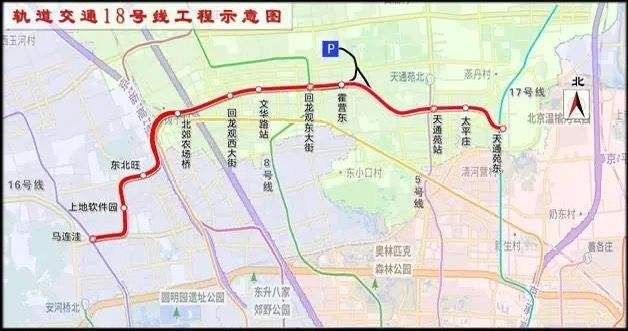
北京地铁18号线空载试运行,有望年底开通,线路走向首次明确
Xin Jing Bao· 2025-09-05 01:32
Core Viewpoint - Beijing's Metro Line 18 has officially commenced empty test operations, with plans to open by the end of the year, enhancing connectivity in the northern urban areas of Haidian and Changping [1][4]. Group 1: Line Specifications - Metro Line 18 spans a total length of 20.8 kilometers, serving as a key east-west route in northern Beijing [3]. - The line is designed to improve commuting efficiency and has been renamed from a part of the Line 13 expansion project to enhance its recognition [3]. Group 2: Technical Features - The newly deployed trains are the lightest in Beijing's metro system, featuring a maximum capacity of 2016 passengers and a top speed of 80 km/h, which is approximately 12 tons lighter than existing Line 13 trains, significantly reducing energy consumption [3]. - The trains are equipped with advanced passenger comfort and safety features, including a 100 mm higher ceiling for spaciousness, improved air conditioning for uniform airflow, and the first use of carbon fiber electric heating seats in China [3]. Group 3: Operational Readiness - The empty test operations mark a critical transition from construction to passenger service, with ongoing safety assessments and preparations for initial operations [4]. - Once operational, Line 18 will enhance connections between major residential areas in northern Haidian and employment hubs like Zhongguancun Software Park, significantly reducing travel times and improving public transport service levels [4].
北京地铁复兴门、西单、王府井、东单等陆续解除封闭措施
Xin Lang Cai Jing· 2025-09-03 12:06
Group 1 - The Beijing subway has resumed normal operations for several lines including Line 1, Line 2, Line 4, Line 5, and Line 8 as per the planned schedule [1] - Specific stations that have lifted closure measures include Xidan, Wangfujing, Dongdan, and Jianguomen among others [1] - The announcement expresses gratitude for public understanding and support during the operational disruptions [1]

暑运收官!广州持续火热,地铁有30天单日客流超千万
Nan Fang Du Shi Bao· 2025-09-03 00:49
Summary of Key Points Core Viewpoint - The transportation sector in Guangzhou has achieved record passenger volumes during the summer travel season, with significant increases in rail, air, and metro travel, indicating strong demand and effective operational management. Group 1: Railway Transportation - During the 62-day summer travel period, Guangzhou Railway Bureau sent 126 million passengers, an increase of 1.3% or 1.58 million passengers year-on-year, marking a record high for summer travel [2] - Guangzhou South Station recorded a total of 37.42 million passengers, with a peak of 711,000 passengers on August 9, and a total of 55,000 high-speed trains operated during this period [2][3] - The high-speed rail remains the mainstay of summer transportation, with significant capacity enhancements to popular destinations [2] Group 2: Air Transportation - Baiyun Airport served 14.46 million passengers during the summer travel period, with an average of 233,200 passengers per day, reflecting a year-on-year growth of 5.26% [3] - The number of domestic flights increased by 2% to 909,000, while international and regional flights rose by 11% to 146,000 [2][3] Group 3: Metro Transportation - Guangzhou Metro transported over 601 million passengers during the summer, with an average daily ridership of 9.696 million, a 7% increase from June and a 3.5% increase year-on-year [4] - The metro system demonstrated resilience despite adverse weather conditions, achieving a peak daily ridership of 11.06 million on August 8 [4] - New metro lines, including Line 10 and Line 12, showed growth in ridership, with average daily passengers of 140,000 and 160,000 respectively [5] Group 4: Transportation Support Measures - The transportation department has implemented measures to support the influx of students returning to school, including the establishment of "New Student Stations" at key metro stations to provide assistance and information [6][7] - Public transport services, including bus routes, have been optimized to accommodate increased passenger flow around educational institutions [8]

赵一德在调研重点交通项目建设时强调全力推动项目早建成早见效 为高质量发展高品质生活提供坚实支撑
Shan Xi Ri Bao· 2025-09-02 00:38
Group 1 - The core viewpoint emphasizes the importance of transportation projects for high-quality development and improving the quality of life, with a focus on effective investment and timely project completion [1] - The Xi'an to Yan'an high-speed railway is highlighted as a significant project for the development of the revolutionary old area in northern Shaanxi, with a call for strict adherence to timelines and quality management [1] - The need for comprehensive planning and coordination in the construction of major transportation projects, including railways, highways, and civil aviation, is stressed to ensure the completion of annual transportation construction tasks [2] Group 2 - The development of the "subway+" model is encouraged to enhance the scale effect, network efficiency, and operational efficiency of urban rail transit, promoting spatial development and industrial clustering [2] - The importance of integrating transportation with urban micro-renovation and improvement is emphasized to inject continuous vitality into urban development [2] - A modern, efficient, and reliable multi-dimensional transportation network is envisioned, focusing on convenience, economic efficiency, environmental sustainability, and advanced technology [2]
4号线执行新版运行图
Shen Zhen Shang Bao· 2025-09-01 23:29
Group 1 - The core point of the news is the implementation of a new operating schedule for Metro Line 4 in Shenzhen, which aims to enhance commuter convenience by adjusting the first train departure times at various stations [1] - The new schedule, effective from September 1, includes an advance in the first train service time by 7 to 20 minutes at certain stations, facilitating early commuting for residents in the Longhua area [1] - Specific stations such as Qinghu, Longhua, Longsheng, Shangtang, and Hongshan have their first train service time advanced by 20 minutes, with the earliest departure from Qinghu at 6:02 AM [1] Group 2 - The company has optimized its capacity and enhanced safety and service measures to provide a secure, efficient, and comfortable travel experience for passengers amid sustained high passenger flow [1] - From July 19 to August 31, the train interval on weekends for Line 4 was reduced to 4 minutes, resulting in a 6.1% increase in overall capacity [1] - Data shows that from the start of the summer transport season until August 26, Metro Lines 4 and 13 collectively transported 48.47 million passengers, with Line 4 achieving a single-day peak passenger flow of 830,000, a year-on-year increase of 4.69% [2]