区块链

Search documents
海外策略研究:海外稳定币与RWA的来龙去脉
INDUSTRIAL SECURITIES· 2025-07-09 09:33
Group 1: Stablecoin Overview - Stablecoins are digital currencies anchored to a reference value, primarily traditional financial assets, with Tether (USDT) and USDC being the largest, valued at $156.7 billion and $61.8 billion respectively, together accounting for over 85% of the total market[30] - The total market capitalization of stablecoins reached approximately $232 billion by March 2025, a nearly 45-fold increase from $5.2 billion at the end of 2019[31] - Stablecoin transaction volume approached $35.5 trillion in the past 12 months, with $7.4 trillion in payments settled, indicating significant growth compared to traditional payment platforms like PayPal and Mastercard[36] Group 2: Regulatory Developments - The U.S. is enhancing its stablecoin regulatory framework through the STABLE Act and GENIUS Act, requiring a 1:1 reserve ratio with assets like U.S. dollars or short-term U.S. Treasury securities[54] - U.S. stablecoins, particularly USDT and USDC, hold over $170 billion in U.S. Treasury securities, ranking them as the 17th largest holder, surpassing countries like Germany and South Korea[48] - Hong Kong's Stablecoin Ordinance, effective August 1, 2025, allows for a more inclusive regulatory environment, permitting reserves in multiple currencies and maintaining a 1:1 reserve requirement[63] Group 3: Market Implications - Stablecoins are expected to play a crucial role in reshaping the international financial system, particularly in cross-border payments, due to their efficiency and low costs[70] - The integration of stablecoins with Real World Assets (RWA) is anticipated to create a sustainable growth environment, leveraging blockchain technology to enhance trust and efficiency in asset transactions[74] - The demand for decentralized and efficient payment solutions is increasing as countries seek to reduce reliance on traditional dollar-based systems amid geopolitical tensions[70]
微云全息(NASDAQ: HOLO)推出创新区块链重建解决方案, 通过可验证秘密共享技术保障交易安全
Zhong Guo Chan Ye Jing Ji Xin Xi Wang· 2025-07-04 02:10
Core Viewpoint - Blockchain technology is becoming essential in financial transactions but faces unprecedented security challenges, prompting the introduction of an innovative blockchain reconstruction solution by MicroCloud Hologram (NASDAQ: HOLO) to protect transactions from malicious attacks and ensure system integrity [1] Group 1: Security Challenges and Solutions - Blockchain technology is known for its decentralization and transparency, but it also introduces new security issues, particularly in permissioned blockchains where unauthorized participants can compromise the system [1] - MicroCloud Hologram has proposed a solution using Verifiable Secret Sharing (VSS) technology, allowing for immediate blockchain reconstruction without relying on trust between different blockchain parties [1][2] - The solution includes advanced encryption techniques to ensure the security of all transaction data during transmission and storage [4] Group 2: Technical Features - An improved consensus algorithm is employed to maintain blockchain integrity and consistency even if some nodes are attacked or damaged [2][4] - VSS technology enables the splitting of secret information into multiple parts stored across different nodes, allowing reconstruction only when a sufficient number of nodes collaborate [2] - The integration of smart contracts automates the reconstruction process, reducing human intervention and enhancing efficiency and security [2][4] Group 3: Advantages of the Solution - The blockchain reconstruction solution allows for a rapid initiation of the reconstruction process during an attack, with each user capable of independent reconstruction without relying on others [5] - The use of VSS technology ensures data security during the reconstruction process, and all activities are transparent, enhancing user trust [5] - This innovative technology not only improves the security of blockchain systems but also brings greater stability and trust to the financial transaction market [5]


涨停潮!这一概念,大爆发
Zheng Quan Shi Bao· 2025-07-02 04:19
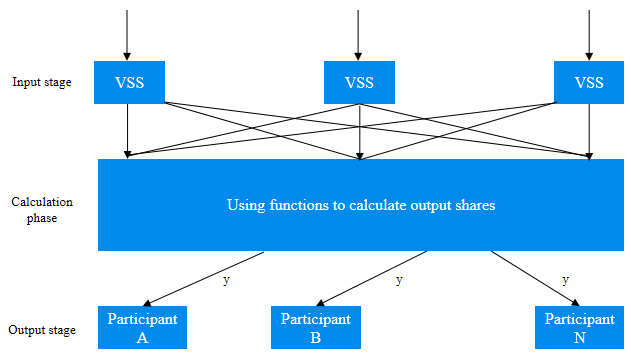
Market Overview - A-shares exhibited mixed performance with major indices showing limited volatility on July 2 [1][3] - The marine economy concept stocks surged, becoming one of the strongest sectors in the A-share market, with the sector overall rising over 6% [3] Sector Performance - Leading sectors included engineering machinery, non-ferrous metals, trade agency, shipbuilding, steel, and home appliances, while sectors such as components, communication equipment, semiconductors, and software services saw declines [3] Marine Economy Development - The Central Financial and Economic Commission emphasized the importance of high-quality development in the marine economy, focusing on innovation, efficient collaboration, and industry updates [5] - Key initiatives include enhancing marine technology innovation, fostering leading marine technology enterprises, and promoting sustainable marine industry growth [5] Hong Kong Market Highlights - The Hong Kong market performed well, with the Hang Seng Index rising over 1% at one point, and individual stocks like Galaxy Entertainment and Sands China leading with gains exceeding 7% [6] - Notably, the stock of Leading Pharmaceutical Biotechnology experienced a dramatic increase, with a peak rise of over 200% during trading [6] Acquisition Announcement - Leading Pharmaceutical Biotechnology announced a memorandum of understanding regarding a potential acquisition, which involves acquiring the entire equity of a target company contingent upon the completion of asset acquisition from Conflux [8] - The acquisition aims to diversify the company's revenue sources and expand into the digital innovation sector, particularly blockchain technology [9]
孙宇晨:波场TRON构建稳定币双轮驱动生态矩阵,领跑全球DeFi演进
Sou Hu Cai Jing· 2025-07-01 11:52
Core Insights - Sun Yuchen delivered a speech on "Driving Decentralized Finance Scale with Stablecoins" at Istanbul Blockchain Week (IBW2025), highlighting TRON's latest achievements in the stablecoin ecosystem [1][3] - The dual approach of compliant stablecoin USD1 and decentralized stablecoin USDD is creating a comprehensive stablecoin ecosystem, providing diverse financial infrastructure for global Web3 users [1][4] Group 1 - USD1, issued by World Liberty Financial, has been natively minted on TRON, backed by 100% USD assets and short-term U.S. Treasury bonds, showcasing high standards of security, transparency, and compliance [3] - USD1's choice of TRON as its primary issuance platform is due to TRON's high throughput, low cost, and reliable on-chain performance, along with Sun Yuchen's influence in global blockchain policy [3] - USDD has rapidly expanded, with total locked value surpassing $400 million, making it one of the leading decentralized stablecoins globally [3] Group 2 - The integration of USD1's compliance and USDD's on-chain governance reflects TRON's mature capabilities in technology integration and scenario deployment [4] - Sun Yuchen emphasized that a single form of stablecoin cannot meet the diverse market demands, advocating for a financial system that accommodates various types of digital assets [4] - TRON is evolving from a traditional public chain platform to a core hub of global digital financial infrastructure, aiming to enhance the usability, security, and compliance of its stablecoin system [4]
张礼立:一座城市,也能“上链”卖份额?——RWA开启全民参与的资产革命
Jing Ji Guan Cha Bao· 2025-07-01 10:24
Group 1 - The resurgence of RWA (Real World Asset tokenization) in 2024 is driven by the dual transformation of financial infrastructure and macroeconomic environment, particularly in a high-interest and liquidity-constrained global context [1] - RWA enhances the tradability and inclusivity of traditionally illiquid assets like bonds, real estate, and public service facilities by digitizing and fragmenting them through blockchain technology [1][5] - The maturation of underlying blockchain technology enables the entire process of asset confirmation, registration, custody, and circulation to be conducted on-chain, making RWA a key tool for reshaping global financial infrastructure [1] Group 2 - The current RWA trend is fundamentally a competition over global financial infrastructure standards, which define how assets are registered, confirmed, traded, and custodied [2] - RWA technology allows for the digital fragmentation of public service assets, enabling broader participation from individuals and small businesses in the benefits of these traditionally centralized assets [2] - Major players are vying for control over the digital registration, circulation, and settlement standards of these assets, positioning themselves as future gateways and pricing centers in the digital finance landscape [2] Group 3 - The globalization of RWA faces significant challenges from regulatory and technological dimensions, with varying standards across countries regarding cross-border regulation, data sovereignty, and privacy protection [3] - Recent regulatory developments in the US, EU, and Hong Kong have laid the groundwork for RWA, but a unified global compliance framework is still needed to facilitate international circulation [3] - The interoperability of multiple blockchain ecosystems presents a new challenge, requiring mature and secure cross-chain protocols for efficient asset transfer and settlement [4] Group 4 - RWA represents a revolutionary shift beyond being merely the "next ETF," as it reconstructs the underlying protocols for asset confirmation, registration, custody, and cross-border circulation [5] - This transformation allows traditionally centralized and high-barrier asset classes to be fragmented and standardized for global circulation and co-management, establishing a more open and inclusive "value internet" [5] Group 5 - In China, RWA presents a unique opportunity to integrate digital finance with real industries, supported by regulatory encouragement for compliant innovation [6] - The exploration of RWA in China is closely tied to practical applications in areas like supply chain finance, green finance, and urban infrastructure, enhancing liquidity and value realization of traditional assets [6] - To capitalize on this transformation, China needs a multi-faceted approach involving policy improvements, technological advancements, and innovative applications in public assets and industry rights [7]
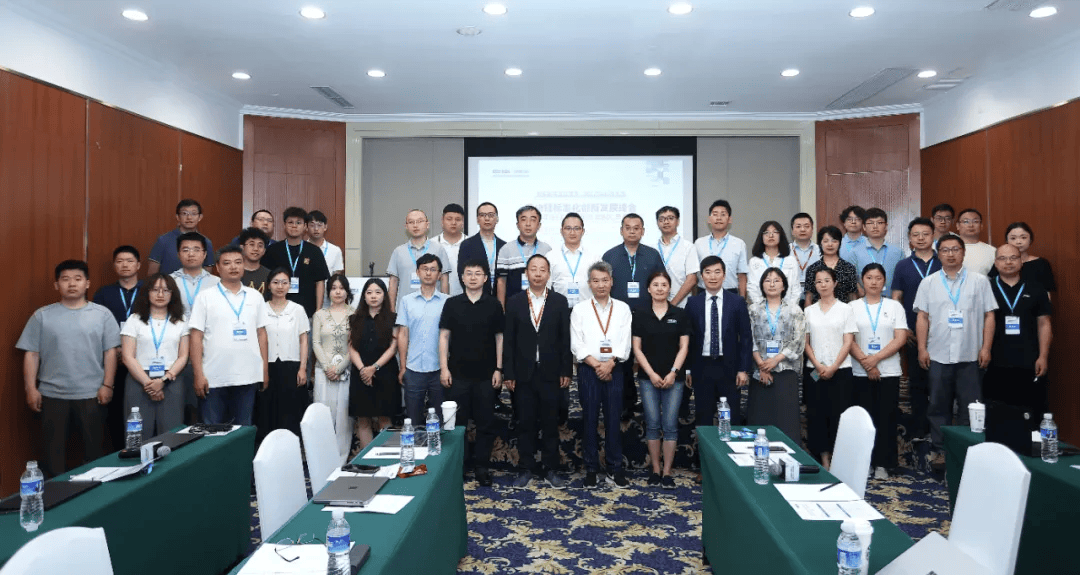
浪潮信息携手 IEEE:跨链网关统一规范开启区块链互联新时代
Sou Hu Cai Jing· 2025-07-01 09:39
Group 1 - The core event is the "Blockchain Standardization Innovation Development Summit" and the 2025 IEEE Computer Society BDL Annual Conference, focusing on the establishment and implementation of international standards for blockchain cross-chain gateways [1] - The IEEE P3221.02 blockchain cross-chain gateway standard was officially launched, marking the first international standard in this field, aimed at providing unified technical specifications for interoperability among different blockchains [1][3] - The standard is expected to accelerate the development of various applications, including stablecoins, supply chain management, digital copyright, and artificial intelligence [1][3] Group 2 - The necessity for standardization in cross-chain gateways is emphasized due to the challenges of interoperability among different blockchain architectures, data structures, interface protocols, security mechanisms, and business models [3][4] - The IEEE P3221.02 standard will define system architecture, functional requirements, interface requirements, security requirements, performance requirements, usage requirements, and reliability requirements for the development and management of blockchain cross-chain gateways [4] - The standard aims to facilitate the integration of isolated blockchain ecosystems, allowing for information transmission, data sharing, and functional invocation between different blockchains [3][4] Group 3 - The establishment of a unified and open data market through blockchain connectivity is expected to address challenges faced by various industries, including the "data wall" problem that limits the training of large AI models [6] - The open data market will enable organizations to share their private business data securely, thus expanding the scope of data transactions across borders and languages [6] - The integration of blockchain technology is anticipated to resolve trust issues among organizations, allowing for more extensive data trading opportunities [6] Group 4 - The importance of standardization in the IT industry is highlighted as a means to ensure that innovative technologies benefit a global user base [7] - The company, Inspur, is recognized as the second-largest server provider globally and has been actively involved in the development of over 240 standards, playing a significant role in various open-source communities [7] - Future collaboration with IEEE is planned to accelerate the research and industrialization of blockchain cross-chain gateway standards, ensuring that advanced technologies reach every user [7]

6月30日主题复盘 | 军工爆发,RWA持续走强,脑科学再迎催化
Xuan Gu Bao· 2025-06-30 08:31
Market Overview - The market experienced a rebound with the ChiNext Index leading the gains. The military industry sector saw significant growth, with over 20 stocks including Changcheng Military and Hunan Tianyan hitting the daily limit. The stablecoin concept also surged, with stocks like Hopu Co. and Xiexin Energy reaching their limits. Brain-computer interface stocks rose, with Xiangyu Medical and Innovation Medical hitting the limit. Overall, more than 4,000 stocks in Shanghai and Shenzhen markets were in the green, with a total transaction volume of 1.51 trillion [1]. Hot Topics Military Industry - The military sector continued its upward trend, with stocks like Changcheng Military, Feiyada, and Zhongguang Defense hitting consecutive limits. Hunan Tianyan and Beifang Navigation also saw significant rebounds [4]. RWA (Real World Assets) - The RWA sector experienced substantial gains, with stocks like Hopu Co. and Hangzhou Garden hitting their limits. The market is witnessing a rapid growth of RWA ecosystem participants, including issuers, custodial banks, and investors, which may present investment opportunities in asset operation, banking IT, and cross-border payments [6][8]. Brain Science - The brain science sector saw significant increases, with stocks like Rongtai Health and Innovation Medical hitting their limits. Recent developments from Neuralink, including clinical trials for brain-computer interfaces, have generated excitement in the market. The brain-computer interface market in China is projected to reach 3.2 billion by 2024 and exceed 5.5 billion by 2027, with global applications expected to reach between 40 billion to 145 billion by 2030-2040 [9][10][11].


外媒:全球稳定币热潮下股价狂飙,机构警示风险
Huan Qiu Wang· 2025-06-30 07:30
Group 1 - The global stablecoin trend has raised investor caution as it has significantly boosted the stock prices of related tech companies [1][3] - Circle Internet Group Inc.'s stock price has surged approximately 500% since its listing in New York three weeks ago, with its valuation exceeding $40 billion, surpassing over 50% of companies in the S&P 500 [3] - Kakaopay Corp.'s stock has doubled in the past month, despite being sold off by global and local funds, indicating a disconnect between retail investor enthusiasm and institutional selling [3] Group 2 - Analysts from Citigroup acknowledge Kakaopay's long-term potential but express concerns about its early-stage opportunity and high valuation, assigning a "sell" rating [4] - The short interest in Circle has increased, with over 25% of its float now sold short, reflecting growing skepticism among investors [3]
香港发表数字资产发展政策宣言2.0 稳定币成重点
Zheng Quan Shi Bao Wang· 2025-06-29 10:18
Core Viewpoint - The Hong Kong Special Administrative Region government has released the "Hong Kong Digital Asset Development Policy Declaration 2.0," aiming to establish Hong Kong as a global innovation center in the digital asset sector, with a focus on stablecoins and tokenized real-world assets (RWA) as core pillars of the policy [1][2][4] Group 1: Policy Upgrades - The new declaration represents a systematic upgrade from the 2022 version, transitioning from a "testing ground" for digital assets to a more institutionalized, scaled, and global approach [1] - The declaration is structured around the "LEAP" strategy, focusing on compliance regulation, asset tokenization, scenario expansion, and talent development [1] Group 2: Terminology Shift - A significant change in terminology from "virtual assets" to "digital assets" reflects a broader regulatory perspective and a shift in focus, encompassing cryptocurrencies, stablecoins, and various forms of tokenized real assets [2] Group 3: Stablecoin Regulation - The declaration emphasizes support for stablecoins and other tokenized projects, particularly exploring the use of stablecoins as payment tools, which could revolutionize payment systems, supply chain management, and capital market activities [2] - A regulatory framework for stablecoin issuers will be implemented starting August 1, 2025, establishing requirements for reserve asset management, stability mechanisms, redemption processes, and prudent risk management [2][4] Group 4: Tokenization of Assets - The Hong Kong government plans to regularize the issuance of tokenized government bonds and promote the tokenization of a wider range of assets and financial instruments, including precious metals and renewable energy [3] - The declaration positions the tokenization of RWA as a key industry development direction, aiming to bridge the gap between the virtual economy and the real economy [4] Group 5: Institutional Innovations - The declaration outlines a clear timeline for stablecoin regulation, with Hong Kong set to become one of the few jurisdictions to provide a "landing pass" for stablecoins, facilitating their legalization and standardization [4] - Tokenized ETFs and digital asset funds, if legislated, will enjoy the same stamp duty and profits tax exemptions as traditional ETFs, significantly reshaping financial market rules and attracting international capital to Hong Kong [4]
5000万虚拟货币“一夜蒸发”背后:虽具财产属性但保护范围非常有限
第一财经· 2025-06-27 09:23
2025.06. 27 本文字数:2195,阅读时长大约4分钟 作者 | 第一财经 安卓 稳定币立法、发表《香港数字资产发展政策宣言2.0》、提出"LEAP"框架……近段时间,香港数字资产监 管架构及生态正在加速完善,香港对全球Web3人才、资金及项目的吸引力有望大幅提升。 不过,内地投资者并不在上述数字货币交易服务范围内。早在2017年、2021年,央行等多部门先后发 文,叫停各类代币发行融资活动,明确虚拟货币和相关业务活动本质属性,并加强虚拟货币交易炒作风险 监测预警。 2021年,虚拟货币交易炒作活动抬头,当年9月24日,中国人民银行等十部委发布《关于进一步防范和 处置虚拟货币交易炒作风险的通知》(下称《通知》),强调虚拟货币不具有与法定货币等同的法律地 位,不能作为货币在市场上流通使用。 但第一财经发现,目前仍有小范围币圈群体持有虚拟货币或参与虚拟资产投资,那么,如何界定这样的持 有行为和投资行为? 对此,炜衡律师事务所、衡财保团队律师张鹏在接受采访时表示,虚拟货币(如比特币、以太坊、USDT 等)不具有与法定货币等同的法律地位,不能作为货币在市场上流通使用,我国对虚拟货币相关活动采取 严格限制甚至禁 ...