
养老服务

Search documents
一系列创新举措积极探索破解养老照护难题 让养老服务“扩容+提质+增效”
Yang Shi Wang· 2026-01-01 09:47
Core Insights - The year 2025 is identified as a critical year for the construction of China's elderly care service system, aiming for a more comprehensive coverage of urban and rural areas [1] - The government plans to enhance the quality and efficiency of elderly care services through various measures, including the reform of elderly care institutions and the provision of cognitive impairment care services [1] Group 1: Policy Initiatives - Starting from July 2025, subsidies for elderly care services will be issued in seven pilot regions, including Zhejiang, Shandong, and Chongqing, specifically targeting elderly individuals with moderate to severe disabilities to alleviate family caregiving pressures [3] - The government is exploring innovative measures such as centralized care for economically disadvantaged disabled elderly individuals and joint residency of elderly parents with disabled children in care institutions [3] Group 2: Financial Support and Infrastructure - In 2025, the government will continue to promote home modifications for the elderly and implement a subsidy program for replacing old consumer goods, which will stimulate consumption while improving the living environment for seniors [5] - A total of 296 million yuan will be allocated to support 59 regions in piloting innovative mechanisms for county-level elderly care services, addressing the shortcomings in rural elderly care [5] Group 3: Community and Home-Based Services - The central government will invest 900 million yuan to support 50 project areas in building family care beds and providing home services, ensuring that elderly individuals at home have access to care and support [7] - The development of community-supported home care services will be prioritized, with a focus on expanding and improving the quality of these services [11] Group 4: Technological Advancements - Technological advancements will play a significant role in enhancing elderly care services, with the availability of smart products such as companion robots, smart nursing beds, exoskeleton robots, and intelligent bathing equipment, significantly improving service quality and the quality of life for the elderly [9]

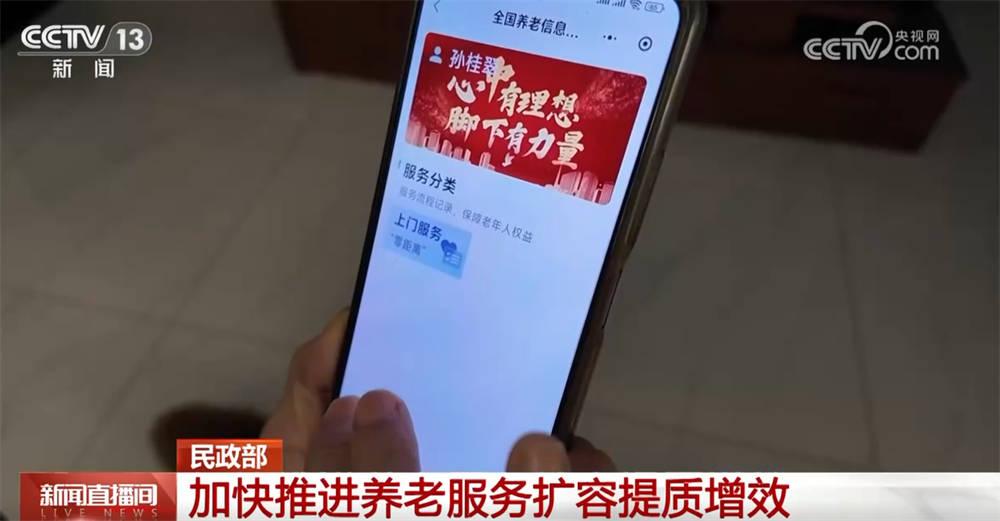
山东发布19条措施,推动居家社区养老服务高质量发展
Qi Lu Wan Bao· 2026-01-01 09:31
Core Viewpoint - The Shandong Provincial Government has issued measures to promote high-quality development of home and community elderly care services, addressing key issues such as inadequate service facilities, mismatched supply and demand, unsustainable development models, and insufficient resource guarantees [1][2]. Group 1: Facility Network - The measures emphasize the integration of service facilities at three levels: township (street), village (community), and home, ensuring functional connectivity [1]. - There are three specific measures aimed at improving the service facility network, including enhancing township (street) service facilities, village (community) service facilities, and home service facilities [2]. Group 2: Service Supply Optimization - The measures focus on diversifying and personalizing the needs of elderly care, including care, medical assistance, meal services, bathing assistance, cleaning services, and mutual assistance [1]. - A total of seven measures are proposed to optimize service supply, covering various aspects of elderly care services [2]. Group 3: Development Quality Improvement - The measures advocate for the integration of government, market, social, and family resources to create sustainable development paths [1]. - Five measures are outlined to enhance development quality, including promoting market-oriented, chain-based, integrated, socialized, and intelligent development [2]. Group 4: Resource Guarantee Strengthening - The measures highlight the importance of focusing on key areas such as planning, land use, financial support, and technological empowerment [1]. - Four measures are proposed to strengthen resource guarantees, including coordinated planning, enhanced financial support, deepened technological empowerment, and improved rights protection [2].
铸就行业高度 传递民生温度
Xin Lang Cai Jing· 2025-12-31 21:06
Core Insights - The company, as the largest state-owned chain elderly care service provider in Guiyang and Gui'an, is committed to high-quality development, focusing on professional services and diversified expansion, thereby enhancing industry standards and improving public welfare [1][4] Group 1: Company Achievements and Activities - In February, the company's chairman, Xue Renzheng, was recognized as a "2024 Influential Figure in Guizhou's Health and Elderly Care Industry," highlighting the company's growth and leadership in the sector [1] - In April, the company hosted a themed event "Two Years of Blossoming for Silver Age, A New Chapter in Happy Elderly Care" at Baoshan Garden and Xing Shi Road Long-term Care Home [1] - In May, the company organized a staff sports event and celebrated the third anniversary of the Battery Factory Care Home, showcasing the integration of team vitality and service depth [1] - From June to July, the first "Build Wide Fortune Craftsman Cup" elderly care skills competition was held to enhance professional care standards, and the establishment of a dementia care training center marked a step towards standardized and professional care systems [1] Group 2: Strategic Developments and Collaborations - In July, a research team from the National Development Bank visited to support the company's asset transformation into elderly care projects, providing policy and resource backing for industrial transformation [2] - In August, the second phase of Baoshan Garden began construction, and the company launched a "Qian-style Mooncake" production initiative, demonstrating innovative vitality in industry integration [2] - In September, the company released its first self-produced integrity-themed promotional video and celebrated the second anniversary of the Yinpan Road Care Home, reflecting ongoing improvements in service quality [2] Group 3: Future Plans and Goals - In December, the company celebrated the fifth anniversary of the Mine Garden, and it plans to deepen the integration of medical and elderly care services while expanding community home care services in 2026, marking the start of the "15th Five-Year Plan" [4]
2025养老护理员职业发展公益活动启动,多项成果助力老龄化应对
Jin Rong Jie· 2025-12-31 12:02
Core Insights - The "2025 Elderly Care Worker Career Development Co-Creation Public Welfare Activity" was launched in Shanghai, focusing on the professional development of elderly care workers and the high-quality development of elderly services [1][2] - The "2025 Elderly Care Worker Current Status Survey Report" was released, highlighting significant issues such as the aging workforce, low income, and high levels of burnout among caregivers [1][2] Group 1: Survey Findings - The report indicates that over 80% of elderly care workers belong to the "4050" age group, with nearly 10% aged 60 and above, and less than 3% hold a bachelor's degree or higher [1] - 83.33% of caregivers are engaged in home and community care, with about 30% earning less than 4,000 yuan per month, leading to a "fatigue and low income" dilemma [1] - More than 40% of caregivers experience significant burnout, posing challenges to workforce stability [1] Group 2: Policy and Development Initiatives - The report emphasizes the need for enhancing caregivers' professional skills to meet the demands of an aging population, despite high public recognition of the profession [1][2] - A new platform for "recruitment, training, and career development" for caregivers was launched to address challenges in hiring, training, and career progression [2] - The event also included a donation ceremony for the "Professor Fu" elderly service talent empowerment platform course resources [2] Group 3: Industry Perspectives - Experts at the event discussed the importance of promoting "long-term care insurance expansion" and "increasing caregiver income" in tandem [3] - The integration of "artificial intelligence+" in elderly services was highlighted as a strategic direction to address aging challenges [3] - The collaboration between leading elderly service companies and insurance groups aims to innovate the "insurance + service" business model, enhancing the accessibility of care services [3] Group 4: Future Outlook - The event and its outcomes are positioned as critical support for building a robust elderly care workforce, improving the elderly service system, and fostering the development of elderly finance [4]
当科技养老成为新趋势,中国如何书写本土答案?
36氪· 2025-12-31 09:20
Core Viewpoint - The article discusses the emerging trend of technology-driven elderly care, highlighting innovative solutions that address the core pain points in elderly communities, and emphasizes the need for a differentiated approach in China's aging care industry [3][6]. Group 1: Technology in Elderly Care - Inspiren, a startup in the U.S., has developed an integrated solution that uses AI to predict risks for the elderly, focusing on real-time data analysis rather than historical records [3]. - The company has rapidly expanded, entering 150 regular elderly care communities and 33 dementia care communities within 18 months, raising over $155 million in funding [4]. - Japan has also invested heavily in care robotics, with over $300 million allocated by the government for research and development by 2018, showcasing a global trend towards technology in elderly care [4]. Group 2: Challenges in China's Elderly Care - By the end of 2024, China's population aged 60 and above is projected to reach 310 million, accounting for 22% of the total population, with a significant portion living alone [9][10]. - The current fragmented healthcare system in China struggles to meet the needs of the aging population, highlighting the necessity for a more integrated approach to healthcare and elderly care [10][11]. - The article emphasizes the importance of "predictive" care models that can preemptively address health issues, as seen in innovative practices like those at TaiKang [12]. Group 3: Innovative Solutions and Models - TaiKang has integrated AI, IoT, and big data into its elderly care services, creating a smart healthcare system that includes emergency response features and personalized health management [12][14]. - The introduction of emotional support robots and AI companions is seen as a growing market, with predictions of significant revenue growth in the "AI + emotional companionship" sector [17]. - TaiKang's "Happiness Appointment" product links insurance with elderly care services, allowing seniors to secure future care while managing current financial pressures [25]. Group 4: Economic and Service Accessibility - The current elderly care landscape in China shows a disparity where approximately 90% of seniors rely on home care, while only 3% reside in care facilities, primarily due to cost and service accessibility issues [23]. - The average monthly fees for private elderly care institutions range from 4,000 to 8,000 yuan, which is often beyond the financial reach of many seniors [23]. - The article suggests that technological innovations and strategic partnerships can help reduce costs and improve service quality, making high-quality care more accessible [24][27]. Group 5: Sustainable Business Models - The article argues for a shift in the elderly care industry from a profit-driven model to one that balances social responsibility and commercial viability [29]. - TaiKang's approach combines insurance, service, and investment to create a self-sustaining ecosystem that addresses the long-term needs of the elderly [32]. - The exploration of new insurance models demonstrates that commercial value and social significance can coexist, providing a framework for sustainable elderly care solutions [33].

湖南:到2035年养老产业体系成熟定型
Zheng Quan Shi Bao Wang· 2025-12-31 07:52
人民财讯12月31日电,湖南省人民政府办公厅发布关于壮大养老产业促进银发经济发展的实施意见,到 2029年,基本形成适合我省省情的养老产业格局,养老服务能力显著增强,银发经济初具规模;到2035 年,养老产业体系成熟定型,银发产品供给与老龄人口发展需求总体平衡,实现银发经济高质量发展。 ...
金顶智库|姜照:优化供给 促进养老服务消费
Sou Hu Cai Jing· 2025-12-31 05:44
Core Viewpoint - The increasing demand for quality living among the elderly is driving investment in training for elderly care services, with companies like JD.com leading initiatives to enhance service standards and quality in the sector [1][4]. Group 1: Company Initiatives - JD.com has launched the largest domestic home service training base in Chongqing, covering approximately 20,000 square meters, and has introduced specialized courses in elderly care [1]. - The company plans to invest 1 billion yuan over the next three years to develop professional talent in elderly care and AI-based training [1]. - These initiatives aim to address the shortcomings in the standardization of elderly care services and improve service quality from the supply side [1]. Group 2: Government Policies - The central government emphasizes the importance of developing elderly care services, as outlined in the "Opinions on Deepening the Reform and Development of Elderly Care Services" issued in December 2024 [1]. - The Ministry of Civil Affairs and the Ministry of Finance will implement a subsidy program for elderly individuals with moderate to severe disabilities, promoting consumption in elderly care services [1]. Group 3: Market Challenges and Solutions - The current elderly care service market faces challenges such as a lack of standardized and professional services, with varying quality and a shortage of skilled professionals [2]. - To optimize supply, the focus should be on advancing standardization, diversifying service offerings, and developing smart supply systems [2][3]. - Encouraging the establishment of high-standard service norms and training programs for caregivers is essential for the industry's growth [2]. Group 4: Future Directions - There is a need to create a multi-layered and diversified elderly care service supply system, utilizing fiscal subsidies to guide resources towards quality service projects [3]. - Support for new consumption scenarios such as silver tourism and elderly education is crucial to meet the growing cultural and social needs of the elderly [3]. - The integration of smart technologies in elderly care services can enhance efficiency and improve the overall experience for elderly individuals [3].

上城望江推出老人临时托管服务
Hang Zhou Ri Bao· 2025-12-31 02:22
Core Insights - The article highlights a new initiative by the Wangjiang Street to offer a "three-day free short stay" package at the Weikang Elderly Health Culture Apartment, aimed at providing temporary care for elderly residents during the New Year holiday [2][3] - This initiative addresses the common concern of families regarding the care of elderly members during holiday periods, allowing them to enjoy a worry-free time while ensuring their loved ones receive professional care [2][3] Group 1 - The "three-day free short stay" service runs from December 27 to January 3, allowing elderly individuals to experience the facilities and activities offered by the apartment [2] - The program includes comprehensive services such as three meals a day, daily care, and health monitoring, ensuring a comfortable and engaging environment for the elderly [2] - The initiative has garnered significant interest, with many families expressing a desire for similar short-term care options throughout the year [3] Group 2 - The Weikang Elderly Apartment has reserved 10 beds specifically for this temporary care service, emphasizing the importance of creating a home-like atmosphere for the elderly [3] - The facility is staffed with caregivers available 24/7 to respond to the needs of the residents, ensuring their safety and comfort [3] - The Wangjiang Street has developed a "three-type elderly care" model, which includes home-based care, community support, and institutional care, aiming to provide a warm and familiar living environment for the elderly when their families are unavailable [3]
老年公寓火灾致20人死亡,45名公职人员被追责
Zhong Guo Ji Jin Bao· 2025-12-30 15:09
国恩老年公寓涉事建筑违规使用聚苯乙烯夹芯彩钢板屋顶和木龙骨、木檩条,房间吊顶、走道隔墙达不 到耐火极限要求,火灾发现迟、报警晚、初期处置不力,三楼自动喷水灭火系统未有效发挥作用,是造 成火灾蔓延扩大和人员死亡的重要原因。 调查认定:这起事故是一起因老年公寓消防安全主体责任不落实,违规使用不合格移动插排,违法违规 建设、装修改建,违规使用聚苯乙烯夹芯彩钢板,初期火灾应急处置不力,属地党委、政府及有关部门 履职不到位导致的重大生产安全责任事故。 国恩老年公寓负责人等21人因涉嫌犯罪被移送司法机关。河北省纪委监委同步成立火灾事故追责问责审 查调查组,依规依纪依法对事故中负有责任的45名公职人员进行严肃追责问责。 (原标题:老年公寓火灾致20人死亡,45名公职人员被追责) 来源:新华社 河北省消防救援总队官方网站12月30日发布"河北承德国恩老年公寓'4·8'重大火灾事故调查报告"。报告 显示,2025年4月8日21时15分许,承德市隆化县国恩老年公寓发生重大火灾事故,造成20人死亡。事故 发生后,河北省政府成立事故调查组开展调查工作,国务院安委会对这一事故实施挂牌督办。 经调查询问、视频分析、现场勘验、检验鉴定、调 ...
45名公职人员被问责!老年公寓火灾致20死,调查报告发布
Xin Lang Cai Jing· 2025-12-30 15:02
Core Viewpoint - The investigation report on the major fire accident at Chengde Guoen Nursing Home reveals that the incident, which occurred on April 8, 2025, resulted in 20 fatalities due to multiple safety violations and inadequate emergency response measures [1]. Group 1: Accident Details - The fire broke out at 21:15 in Room 302 of Building 6, caused by a short circuit in a mobile power strip connected to an electric anti-decubitus mattress, igniting surrounding combustible materials [1]. - The building was found to have violated safety regulations by using non-compliant materials such as polystyrene sandwich panels for the roof and inadequate fire-resistant materials for ceilings and walls [1]. - Delayed fire detection, late alarm reporting, ineffective initial response, and a malfunctioning automatic sprinkler system on the third floor contributed significantly to the spread of the fire and the resulting casualties [1]. Group 2: Accountability and Consequences - A total of 21 individuals, including the nursing home management, have been transferred to judicial authorities for suspected criminal activities related to the incident [2]. - The Hebei Provincial Commission for Discipline Inspection and Supervision has established a team to investigate and hold accountable 45 public officials who bear responsibility for the accident [2].