
乡村旅游

Search documents
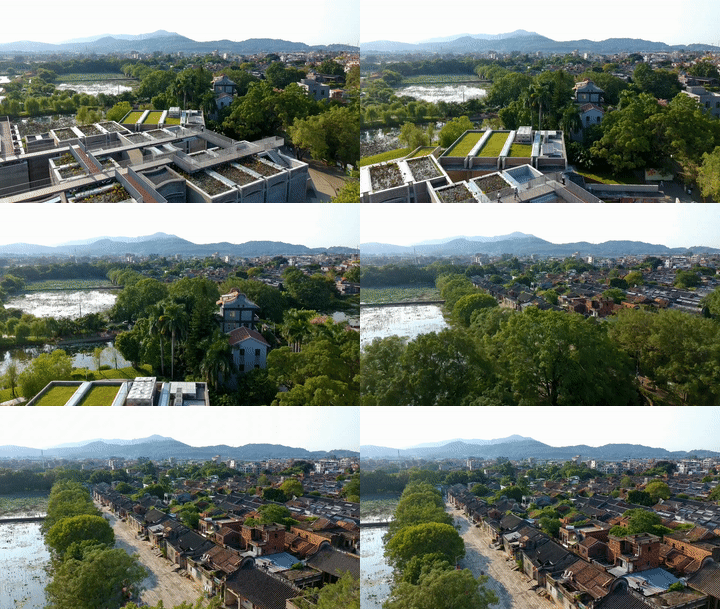
文化中国行·传统村落人文影像志丨明清古建×当代艺术,这个岭南古村凭“混搭”出圈
Xin Hua Wang· 2025-10-07 08:24
Core Points - The article highlights the transformation of Langtou Village, a 700-year-old traditional village in Guangzhou, which has been selected as a case study for rural revitalization by the World Tourism Alliance in 2024 and will be showcased at the Venice International Architecture Biennale in 2025 [1] Group 1: Historical and Cultural Significance - Langtou Village, located in Huadu District, Guangzhou, has a history of approximately 700 years and consists of three communities: Langdong, Langzhong, and Langxi, centered around a half-moon pond [6] - The village features 388 existing ancient buildings from the Ming and Qing dynasties, including five gate towers and numerous exquisite stone, brick, wood carvings, and gray sculptures [13][19] Group 2: Modern Developments and Tourism - Recent renovations have transformed ancient residences into guesthouses and dining spaces, with the Spring Sunshine Art and Culture Center designed by architect Zhang Yonghe serving as a cultural landmark that includes exhibition halls, a library, and a theater, open to villagers for free [23] - In 2024, the number of visitors to Langtou Village is expected to exceed 960,000, representing an increase of over four times compared to the previous year, with villagers benefiting from employment opportunities in hospitality, dining, and cultural creation [28] Group 3: Preservation and Community Impact - The village has adopted a strategy of "using the old for the new" through protective renovations, allowing villagers to work and operate businesses in the ancient village while residing in newly constructed areas, thus preserving the original appearance of the Lingnan architectural group [31][38]

乡村旅游热力攀升:品质升级人气旺 激活田园经济释放消费新潜力
Yang Shi Wang· 2025-10-07 04:15
Core Insights - The "rural tourism" sector is experiencing significant growth, driven by a variety of unique activities that blend natural ecology, agricultural experiences, and cultural traditions, showcasing the vitality of the rural cultural tourism industry [1] Group 1: Tourism Activities - In Zhouyao Village, Henan, traditional pottery experiences, rural libraries, and folk music festivals have been introduced, combining local medicinal herbs with culinary experiences for visitors [3] - In Deqing County, Zhejiang, nearly 900 diverse guesthouses are nestled in scenic areas, leading to the emergence of cafes, cultural experiences, and art exhibitions that attract numerous tourists [5] - In Jiangping Ancient Village, Huaihua, visitors can enjoy local performances and learn traditional singing under the guidance of instructors, enhancing the immersive rural experience [5] Group 2: Visitor Statistics - The rural tourism sector has seen a continuous increase in both visitor numbers and tourism revenue, with 24.88 million visitors and a revenue of 9.244 billion yuan in the first half of the year, representing year-on-year growth of 7.9% and 8.6% respectively [12] Group 3: Market Trends - The growth of rural tourism is attributed to upgraded demand, optimized supply, and technological empowerment, with improved transportation and public services facilitating access to rural areas [14] - The sector has evolved beyond the traditional "farm stay" model, with high-end guesthouses and cultural experiences becoming more prevalent, catering to diverse consumer preferences [16] - There is a noticeable trend of segmented demand, with younger travelers favoring "reverse tourism," families preferring educational experiences, and older adults seeking wellness and nostalgia [16]
消费新观察|田园风“混搭”文化风 “花式”解锁乡村周边游
Yang Guang Wang· 2025-10-06 09:57
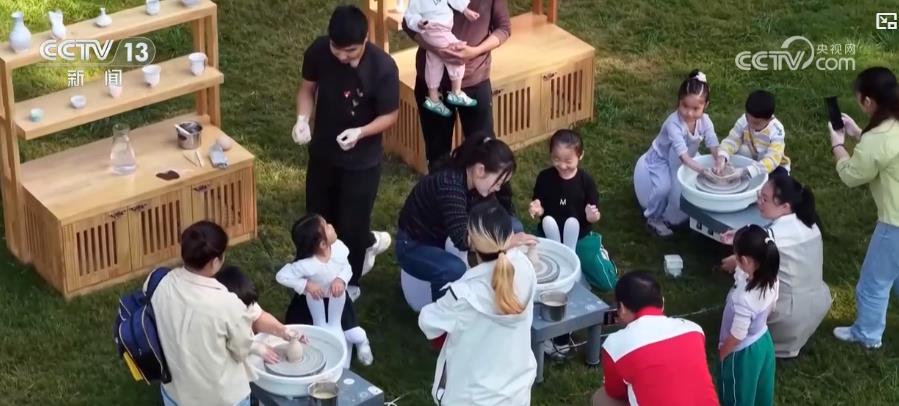
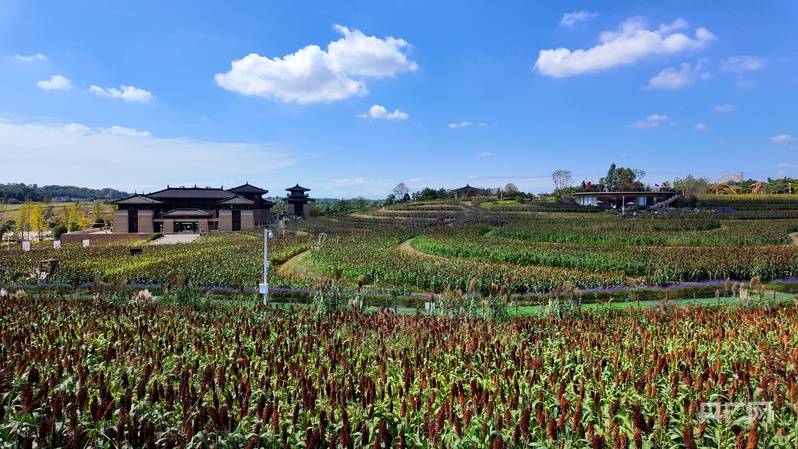
Core Insights - The integration of cultural experiences with rural tourism is enhancing consumer engagement during the holiday season [2][6][7] - The Guandu Museum showcases a rich collection of historical artifacts, attracting visitors and enriching their understanding of ancient cultures [2][6] - The park offers diverse activities, including traditional cultural education and hands-on experiences, which are appealing to families and children [6][7] Summary by Sections Cultural Empowerment - The Guandu Museum features artifacts dating back 100,000 years, including stone tools and large sculptures from the Han Dynasty, providing visitors with a deep historical context [2] - The combination of museum visits and agricultural experiences allows families to learn about cultural heritage and food production [2] Visitor Engagement - On October 1, 13,000 visitors entered the park, with an expected total of nearly 100,000 visitors during the holiday period [7] - The park's design includes interactive projects such as oracle bone script recognition and traditional cultural studies, enhancing the visitor experience [6][7] Holiday Consumption Trends - The park is becoming a new choice for holiday consumption, blending cultural experiences with leisure activities in a rural setting [6][7] - Activities like stargazing cinema and traditional cooking are attracting diverse audiences, indicating a shift in holiday tourism patterns [6]
小小村落
He Nan Ri Bao· 2025-10-05 23:27
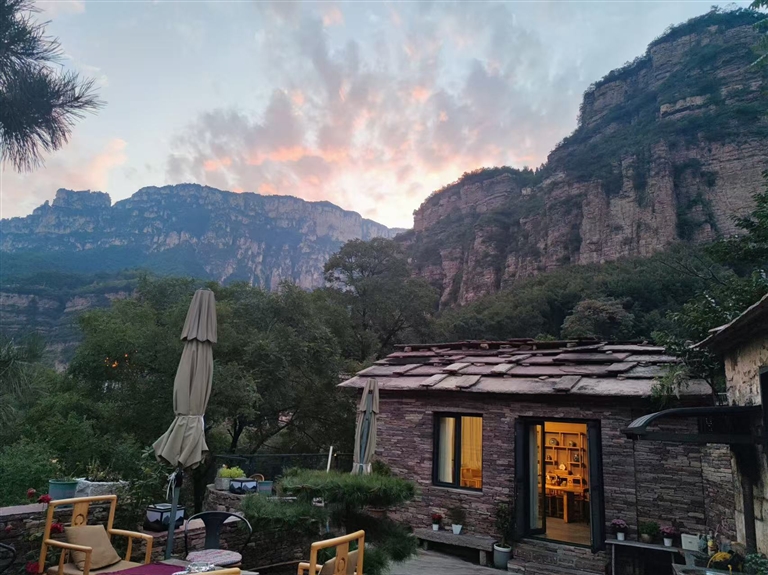
Core Insights - The article highlights the growing trend of rural tourism in Henan province, showcasing various villages that have successfully leveraged their unique local resources to attract tourists [18][19][21] Group 1: High Jia Tai Village - High Jia Tai Village has transformed its traditional stone houses into attractive accommodations, leading to a significant increase in tourism and local income, with over 20 million visitors annually [3][4] - The village has established over 30 guesthouses, generating more than 400,000 yuan in revenue for local businesses [3][4] - The local government has implemented initiatives to enhance the quality of guesthouses and services, contributing to the village's economic revitalization [3][4] Group 2: Wang Gong Zhuang Village - Wang Gong Zhuang Village, known as the "Tiger Painting Village," has over 900 residents engaged in painting, generating an annual output value close to 100 million yuan [7][19] - The village has capitalized on its artistic reputation, attracting around 12,000 visitors during a recent cultural event, with a 40% increase in custom painting orders [7][19] - The integration of online sales and live streaming has significantly boosted the income of local artists, with some earning up to 500,000 yuan monthly [7][19] Group 3: Jian Village - Jian Village has developed a "picking+" tourism model, allowing visitors to engage in organic kiwi fruit picking, enhancing their experience with local culture [11][12] - The village's kiwi production benefits from favorable ecological conditions, with a focus on organic farming practices [11][12] - Local businesses have diversified their offerings, including kiwi-themed meals and cultural experiences, contributing to a vibrant tourism economy [11][12] Group 4: Tianpu Dacun - Tianpu Dacun combines red cultural heritage with ecological tourism, attracting visitors interested in both historical and natural experiences [16][21] - The village has developed over 20 specialty shops and 23 guesthouses, generating significant tourism revenue [17][21] - Visitors can engage in immersive experiences, such as wearing historical costumes and participating in local crafts, enhancing their connection to the village's history [17][21] Group 5: Overall Trends in Rural Tourism - The article emphasizes the importance of identifying and utilizing local characteristics to develop sustainable rural tourism [19][20] - Successful rural tourism initiatives focus on creating immersive experiences that encourage repeat visits and community engagement [20][21] - The growing demand for nature-based tourism reflects a shift in urban residents' preferences, highlighting the potential for rural areas to thrive economically through tourism [18][21]
(乡村行·看振兴)山西屯留:农文旅融合 解锁乡村振兴“流量密码”
Zhong Guo Xin Wen Wang· 2025-10-05 11:22
Core Insights - The article highlights the successful integration of agriculture, culture, and tourism in Shiquan Village, Shanxi Province, as a model for rural revitalization [2][4][6] Group 1: Development Strategy - Shiquan Village has implemented the "Ten Million Project" experience to enhance living conditions and promote ecological tourism [2][6] - The village has developed a unique "gourd" brand, establishing a comprehensive agricultural and tourism facility that attracts 140,000 visitors annually [4] Group 2: Infrastructure and Cultural Heritage - Significant infrastructure improvements have been made, including the construction of a new village committee office and a visitor center, as well as the renovation of historical sites [4][6] - The village features historical relics, such as an ancient well and a traditional opera stage, which are being preserved and promoted as part of the tourism experience [4][6] Group 3: Economic Impact - The gourd industry has created job opportunities for over 300 villagers, significantly increasing their income levels [6] - Villagers report improved living conditions and increased earnings, with some earning nearly 30,000 yuan annually from tourism-related jobs [6] Group 4: Future Plans - Shiquan Village aims to continue leveraging the "Ten Million Project" to enhance its development path and strengthen collective economic growth [6] - The village plans to further improve living conditions and promote cultural values to stimulate local economic activity [6]
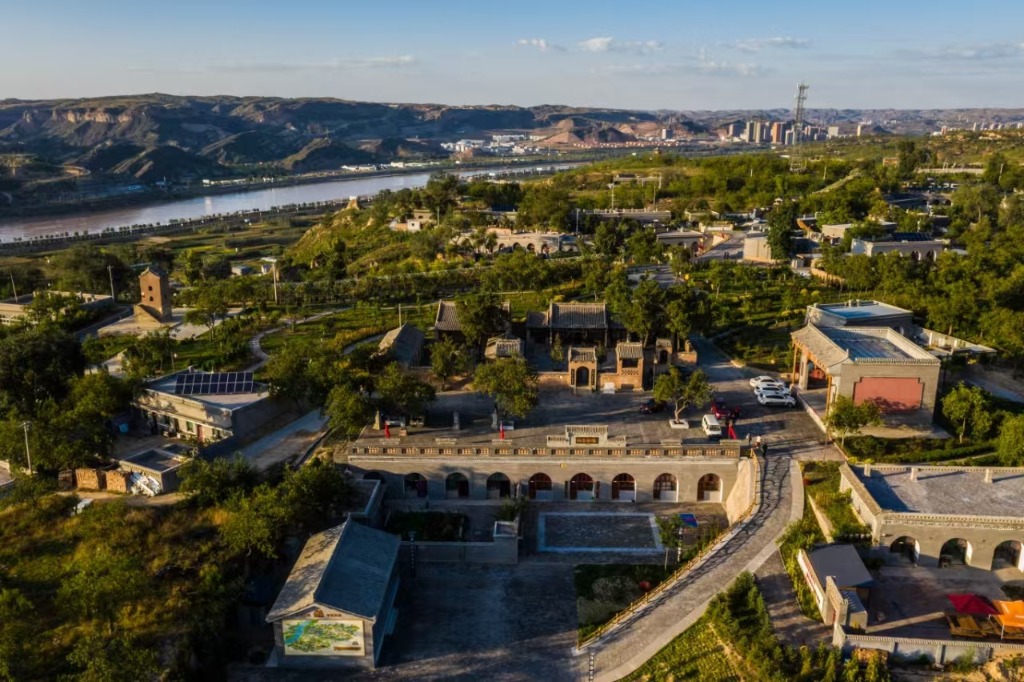
黄河落日处 故城焕新颜
Ren Min Wang· 2025-10-05 09:20
Core Insights - The article highlights the development of the ancient village of Gucheng, located in Baode County, which is leveraging its unique cultural and agricultural resources to promote rural tourism along the Yellow River [1][2]. Group 1: Development Strategy - Gucheng village is focusing on integrating agriculture, culture, and tourism, creating a distinctive scenic system with 18 attractions under the brand "Yellow River Ancient City: Impression Gucheng" [1]. - The village has seen a significant increase in collective economic income, reaching 1.05 million yuan in 2024, with per capita disposable income for farmers at 17,038 yuan [2]. Group 2: Tourism and Attractions - The village features a hundred-acre picking garden, with 70 acres dedicated to economic forests, equipped with modern irrigation and monitoring systems, enhancing the visitor experience through seasonal festivals [2]. - A key project, the Yellow River Wharf, is planned to include various cultural and recreational activities, such as a restaurant, adventure park, and RV camping, covering an area of approximately 6.4 hectares [3]. Group 3: Future Prospects - The ongoing rural tourism enhancement project aims to create three main areas focused on folk customs, wharf activities, and pastoral experiences, which will include agricultural education bases [2][3]. - The village is positioned to attract more visitors by offering rich cultural experiences and traditional Yellow River cuisine, thereby boosting the local tourism industry [3].
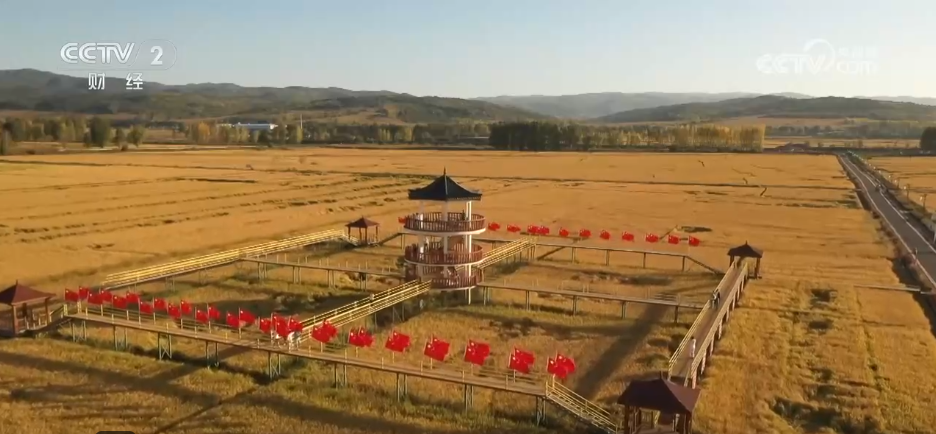
“文旅+”激发乡村活力 古村+美食+美景让“村趣”无限引客来
Yang Shi Wang· 2025-10-05 06:17
Core Insights - The National Day and Mid-Autumn Festival holiday has seen a surge in tourism to unique rural areas across China, with visitors drawn to the distinctive natural scenery and cultural experiences offered by these locations [1] Group 1: Jilin Province - In Guangdong Village, Yanbian, Jilin, the golden rice fields are in harvest season, attracting nearly 20,000 visitors daily during the holiday, with local accommodations fully booked by October 7 [4] Group 2: Guangxi Province - In Chashan Village, Fuchuan Yao Autonomous County, Guangxi, tourists enjoy ancient stone paths, traditional architecture, and local cuisine, with a thriving business in ethnic costume rentals [6] Group 3: Inner Mongolia - In Ejin Banner, Alxa League, Inner Mongolia, the poplar forests are turning yellow, drawing large crowds to experience the stunning autumn scenery, with daily visitor numbers exceeding 10,000 since the holiday began [12] - The peak tourist period is expected between October 10 and 15, as the region enhances its infrastructure and introduces new tourism projects [12] Group 4: Heilongjiang Province - In Yichun, Heilongjiang, the "Five Flower Mountain" autumn scenery is at its best, attracting numerous visitors who enjoy the vibrant fall colors and picturesque landscapes [13]
聚焦“两高四着力”·一“县”观察丨桐柏 乡村游风光无限
He Nan Ri Bao· 2025-10-04 23:28
Core Viewpoint - The article highlights the development strategy of Tongbai County, focusing on ecological and cultural tourism integration to promote rural revitalization and economic growth [1][2][4]. Group 1: Ecological and Cultural Resources - Tongbai County leverages its geographical features, characterized by "seven mountains, one water, and two parts of farmland," to promote ecological tourism and cultural heritage [1]. - The county has a forest coverage rate of 51.7% and over 200 red heritage sites, which serve as natural and cultural attractions [1][2]. Group 2: Rural Tourism Development - The county has implemented a "scenic area + farmhouse" model to enhance rural tourism, allowing for a comprehensive development approach that integrates local agriculture and tourism [2][3]. - The tea tourism industry in Yuan Village generates over 20 million yuan annually, showcasing the economic benefits of agricultural tourism [2]. Group 3: Cross-Regional Collaboration - Tongbai County has established a partnership with Huainan, creating a tourism corridor that connects 12 attractions along a 24-kilometer road, enhancing visitor flow and resource sharing [3]. - The transformation of idle resources, such as converting an abandoned school into a vacation resort, has significantly increased local employment and income [3]. Group 4: Future Aspirations - The county aims to become a renowned cultural tourism destination and an ecological leisure hub, focusing on deeper integration of agriculture, culture, and tourism to boost rural income [4].
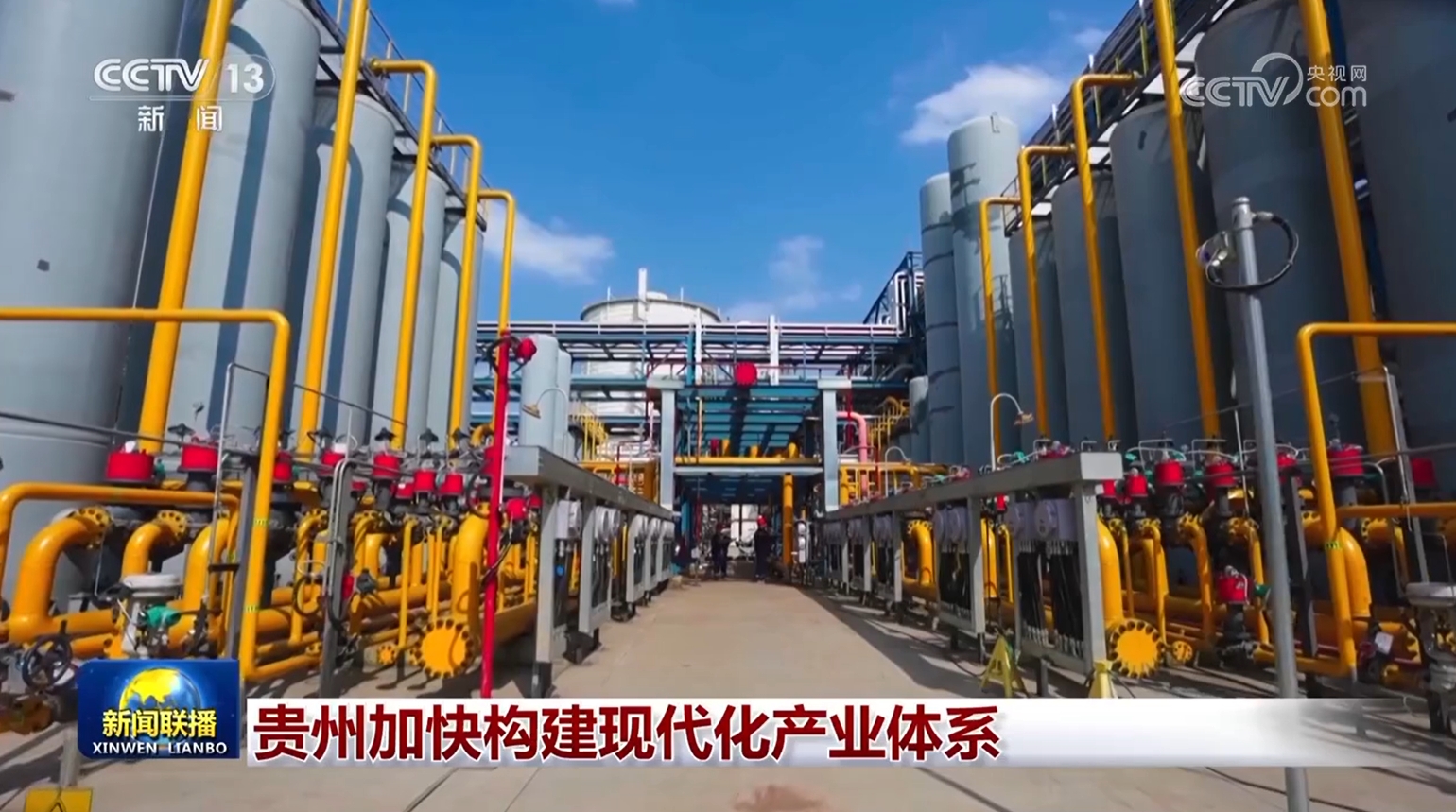
贵州加快构建现代化产业体系 云南:农文旅融合 助推乡村振兴
Yang Shi Wang· 2025-10-04 12:23
Group 1 - Guizhou is accelerating the construction of a modern industrial system, focusing on new industrialization to support high-quality economic development [1][3] - The province is building six major industrial bases, aiming to form three industrial clusters worth 500 billion yuan and three worth 300 billion yuan [3] - Guizhou is promoting the entire industrial chain of new energy battery materials, with production of battery-grade manganese sulfate leading the nation [3][6] Group 2 - Guizhou is seizing opportunities in artificial intelligence, driving the transformation of the digital economy, with its computing power scale becoming one of the strongest in the country [6] - The contribution rate of the industrial sector to Guizhou's economic growth has increased from 17.1% to 36.7% during the 14th Five-Year Plan period, establishing it as a key pillar of economic development [6]
三亚:游客乐享田园时光
Hai Nan Ri Bao· 2025-10-04 01:12
Group 1 - The article highlights a trend where tourists are opting for rural experiences over crowded tourist attractions, particularly in Sanya, enjoying the beauty of nature and local cuisine during the National Day and Mid-Autumn Festival holidays [2][3] - The Yucai Ecological Zone in Sanya has introduced themed activities such as the "Double Festival Celebration: Enjoy a Day of Wonderful Learning Journey," attracting families with various recreational options for a fee of 198 yuan [2] - The Rainbow Bridge in Shui Jiao Village has become a popular photo spot, measuring 820 meters in length and 2 meters in height, providing a unique experience for visitors, especially at night [2] Group 2 - The third Sanya Rural Food Festival, which began on September 30, features over 80 vendors showcasing local delicacies such as Hongsha mooncakes and Yanzhou shrimp cakes, with themed days to enhance visitor engagement [3] - The Sanya Agricultural and Rural Bureau aims to attract more visitors to the countryside through events like the food festival, promoting local flavors and supporting rural cultural tourism development [3]