电动自行车

Search documents
工信部:积极推进电动自行车老旧、锂离子电池报废回收体系建设
news flash· 2025-07-24 02:33
工业和信息化部消费品工业司司长何亚琼在7月24日举办的电动自行车相关标准政策新闻发布会上表 示,工业和信息化部会同有关部门积极推进电动自行车老旧、锂离子电池报废回收体系建设。主要开展 两方面工作:一是加强顶层设计,发布《电动自行车用锂离子电池健康评估工作指引》,修订发布《新 能源汽车废旧动力电池综合利用行业规范条件》,发挥新能源汽车废旧动力电池综合利用骨干企业的作 用,兼顾把电动自行车报废电池一并综合利用处理。二是开展专项行动。去年8月,工业和信息化部已 在北京、上海、江苏、浙江四地展开电动自行车锂离子电池健康评估工作。(人民财讯) ...
市场监管总局着力整治质量领域“内卷式”竞争
Yang Shi Xin Wen· 2025-07-24 02:32
Core Viewpoint - The State Administration for Market Regulation has exposed typical cases of "involution" competition in the quality sector, highlighting that companies are sacrificing brand, quality, and technology for short-term market share and profits, leading to a decline in product quality and harming consumer rights [1][2] Group 1: Causes of Involution Competition - Structural imbalance in supply and demand, with some industries facing weak demand and overcapacity, forcing existing companies to compete within limited market space [2] - Some companies focus on immediate profits, lacking innovation and differentiation, resorting to cost-cutting and price wars, and even engaging in counterfeiting, disregarding legal boundaries [2] - Inadequate regulatory mechanisms in certain areas provide opportunities for companies to take risks and breach standards [2] Group 2: Regulatory Measures - Strengthening market access management to alleviate supply-demand conflicts by enforcing strict production licensing for 14 categories and 27 types of key industrial products, raising market entry barriers to reduce excessive entry and prevent low-quality competition [2] - Enhancing quality safety supervision and regulating fair competition by increasing national sampling inspections of online products by 70% in 2025 compared to 2024, and conducting quality safety rectification for electric bicycles, gas appliances, and building insulation materials [2] - Providing enterprise support to improve product quality through targeted assistance programs for specific industries, and promoting a product quality grading pilot program to encourage orderly competition [2]
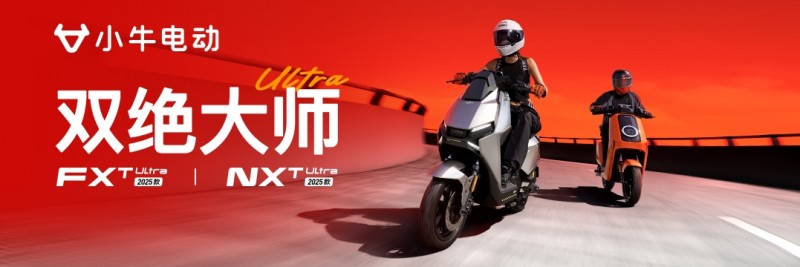
双绝大师终极进化:小牛电动携手新能安、赛福制动达成战略合作,定义电自新巅峰
Cai Fu Zai Xian· 2025-07-22 03:27
Core Insights - Niu Technologies launched two flagship electric bicycles, the NXT Ultra 2025 and FXT Ultra 2025, emphasizing "true range battery technology," "motorcycle-level performance architecture," and "million-level safety standards" [1][2] - The products achieved significant market success, with over 2.28 billion yuan in sales within five hours of launch and more than 20,600 units sold [1] Product Features - The NXT Ultra features a 12-inch super motor, achieving 0-25 km/h acceleration in just 1.92 seconds, and incorporates advanced safety features like a dual-channel ABS system and automotive-grade millimeter-wave radar [2][4] - The FXT Ultra is designed with a focus on aesthetics and performance, featuring a unique design and advanced battery technology that allows for exceptional performance on challenging terrains [6][8] Strategic Partnerships - Niu Technologies has formed deep strategic partnerships with New Energy An (a subsidiary of CATL) and Saifu Braking, enhancing its supply chain and technological capabilities [2][8] - The collaboration aims to redefine the high-end electric bicycle market by focusing on creating a premium incremental market rather than competing for market share [2][8] Industry Impact - Niu Technologies is reshaping the high-end electric bicycle industry by integrating cutting-edge battery technology and safety systems, establishing a new paradigm in electric mobility [9][11] - The company is transitioning from "Made in China" to "Created in China," showcasing a shift in the global electric mobility landscape [11]


上半年电动自行车火灾发生率同比下降44.7%
Xiao Fei Ri Bao Wang· 2025-07-22 02:53
Group 1 - The core viewpoint of the articles highlights the significant reduction in electric bicycle fires, with a total of 7,048 incidents reported in the first half of 2025, marking a 44.7% decrease year-on-year [1] - The construction of charging facilities for electric bicycles is still lacking, with over 39 million charging ports built in residential areas, achieving an overall配建比 of approximately 20%, which is below the targeted 30% [1] - The replacement of old electric bicycles and batteries is a lengthy process, with approximately 380 million electric bicycles in use nationwide, and only 8.465 million old bikes replaced under the trade-in policy this year [1] Group 2 - Illegal modifications of electric bicycles are prevalent, with reports indicating that a chain of illegal modification services exists in Nanning, Guangxi, and numerous shops are offering modification services online [2] - Quality supervision has led to 1,583 batches being inspected, with 1,767 illegal modification cases filed and 974 batches of defective products recalled, indicating that enforcement efforts are still insufficient [2] - The National Fire Rescue Administration emphasizes that the effectiveness of safety hazard rectification will ultimately be measured by the reduction in fire incidents and casualties, with ongoing efforts to address issues systematically [2]
广西推动特色轻工产业转型升级
Guang Xi Ri Bao· 2025-07-21 02:26
Group 1 - The 2025 China Industrial Transfer Development Docking Event (Guangxi) focused on the light industry sector, with 211 signed projects and an investment amount of 63.7 billion yuan since the 2024 event [1] - The recent event resulted in 12 signed projects with a total investment of 3.9 billion yuan [1] - Guangxi's production of sugarcane, silkworm cocoons, timber, and jasmine flowers ranks first in the country, providing a solid foundation for the development of the light textile industry [1] Group 2 - Guangxi is actively supporting the transformation and upgrading of the light industry towards intelligence and digitization, encouraging enterprises to enhance cooperation in production, education, and research [1] - The event featured key promotions from cities like Guigang, Fangchenggang, Guilin, Wuzhou, Hezhou, and Laibin, highlighting their resource endowments and industrial characteristics [1] - A list of key investment opportunities for the light industry in Guangxi for 2025 was released, facilitating regional industrial cooperation [1] Group 3 - The event also marked the launch of the 2025 National Consumption Brand Tour in Nanning, with Guangxi's brands recognized in the first batch of China's consumer brand list [2] - Notable brands include "Southern Silk Nest" by Guangxi Jialian Silk Co., Ltd., awarded as a rising brand in the textile industry, and "Danquan" by Guangxi Danquan Liquor Co., Ltd., recognized as a quality brand in the food industry [2] - Regional brands such as "Liuzhou Luosifen," "Qinzhou Ni Xing Pottery," and "Yizhou Silk" were also acknowledged [2]
新国标即将实施 多款电动自行车下架 我的“旧国标”怎么办?
Yang Shi Xin Wen· 2025-07-19 04:03
Core Viewpoint - The revised mandatory national standard "Safety Technical Specification for Electric Bicycles" will be implemented on September 1, 2025, leading to significant changes in the electric bicycle market, including the phasing out of old models and the introduction of new regulations regarding speed and material usage [1][7]. Group 1: New National Standard Implementation - The new standard specifies that the maximum design speed of electric bicycles must not exceed 25 km/h, with automatic power cut-off for speeds above this limit, addressing safety concerns related to speeding [7]. - A three-month sales transition period is established, allowing sales of old standard products until November 30, 2025 [7]. Group 2: Market Response and Product Changes - Many electric bicycle brands have removed their products from online platforms, advising customers to purchase from physical stores due to the upcoming standard changes [3][5]. - Dealers report that old standard models will cease production after August 15, 2025, and new models compliant with the new standard are not yet available [8][9]. Group 3: Material Regulations - The new standard limits the total mass of plastic used in electric bicycles to no more than 5.5% of the total vehicle weight, aiming to reduce fire hazards associated with plastic materials [10]. - Experts recommend that manufacturers minimize plastic use and consider alternative non-combustible materials in product design [10]. Group 4: Consumer Behavior and Sales Trends - The sales of electric bicycles through trade-in programs have seen a significant increase, with a month-on-month growth of 113.5% from January to June this year [12]. - Consumers are actively inquiring about trade-in options for old models, indicating a proactive approach to adapting to the new standards [12]. Group 5: Impact on Existing Consumers - Existing consumers who have purchased electric bicycles that do not meet the new standards will not be forced to replace them, as the new regulations primarily target manufacturers and sellers [13].
上半年我省以旧换新带动消费约236亿元
Hai Nan Ri Bao· 2025-07-19 01:56
Group 1 - The core viewpoint of the articles highlights the effectiveness of Hainan's "old for new" consumption policy, which has significantly boosted consumer participation and sales in various sectors [1][2] - In the first half of the year, the "old for new" policy in Hainan has driven sales of related products to approximately 236 billion yuan [1] - The policy includes support for various durable consumer goods such as automobiles, home appliances, digital products, and electric bicycles, with new subsidies introduced for mobile phones [1] Group 2 - Statistics show that the "old for new" policy directly stimulated a total consumption of 235.98 billion yuan in Hainan during the first half of the year [2] - Specific contributions include: 0.9 thousand vehicles scrapped, leading to 12.52 billion yuan in new car sales; 10.27 thousand vehicle exchanges, resulting in 163 billion yuan in new car sales; and 9.7 thousand electric bicycles exchanged, generating 2.88 billion yuan in new sales [2] - Additionally, 98.06 million home appliances were exchanged, driving 27.96 billion yuan in appliance sales; 17.15 million home decoration items were exchanged, leading to 14.12 billion yuan in home decor sales; and 55.06 million digital products were purchased, resulting in 15.5 billion yuan in sales [2]
重庆:鼓励金融机构加大资源投放力度,共同开展以旧换新促销活动
news flash· 2025-07-18 12:04
Core Viewpoint - The Chongqing Municipal Government has issued measures to stimulate consumption by encouraging financial institutions and businesses to increase resource investment and jointly conduct trade-in promotional activities [1] Group 1: Government Initiatives - The government aims to promote the green and intelligent upgrade of durable consumer goods, particularly in the home appliance sector [1] - Support is provided for the trade-in of qualified and safe electric bicycles, as well as digital products such as mobile phones and tablets [1] Group 2: Market Development - The measures include promoting the construction of pilot projects for second-hand goods circulation, fostering a diversified second-hand goods circulation主体 [1] - Innovative methods for second-hand goods circulation are encouraged to enhance market efficiency [1]
智能驱动与绿色创新,从链博会看电动自行车的行业变革
Zhong Guo Jing Ji Wang· 2025-07-18 08:04
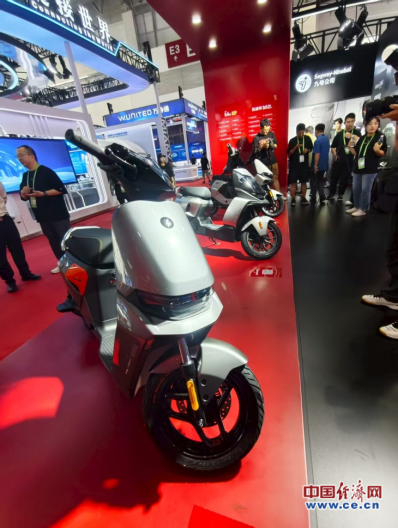
Core Viewpoint - The electric bicycle industry is undergoing significant transformation driven by new national standards and the increasing demand for eco-friendly transportation, positioning electric bicycles as a key player in the "zero-carbon travel" trend [1][8]. Group 1: Industry Trends - The introduction of new national standards is reshaping the competitive landscape of the electric bicycle industry, affecting everything from battery production to end-user sales [1]. - The electric vehicle sector showcased innovative products at the third Chain Expo, highlighting profound changes in technology, market dynamics, and development directions within the industry [1][5]. Group 2: Company Innovations - Ninebot has emerged as a leader in the electric bicycle market by leveraging innovative technologies and understanding user needs, introducing features like the RideyGo keyless system and NimbleOS operating system [2]. - The company has significantly reduced the size of the electronic control unit (ECU) through collaboration with IoT firms, enhancing user experience with features such as Bluetooth unlocking and remote vehicle status monitoring [2]. Group 3: Market Performance - Ninebot's electric two-wheeler sales in China reached approximately 1 million units in Q1, marking a 141% year-on-year increase, with total shipments surpassing 8 million units by July 18 [3]. - The company plans to invest 826 million yuan in R&D in 2024, reflecting a 34.13% increase, to support ongoing technological innovation and product upgrades [3]. Group 4: New Product Launches - Jiangsu Laineng Technology launched the TUNEN solar-powered electric vehicle at the Chain Expo, which utilizes solar energy to reduce fire risks and eliminate the need for charging stations [5][7]. - The TUNEN solar vehicle can achieve a storage range of 40 kilometers and a maximum solar range of 20 kilometers per day, offering significant cost savings on electricity for daily users [7]. Group 5: Future Outlook - The electric vehicle industry is expected to enter a phase of greener, smarter, and more efficient development, driven by both policy and market forces [8].
电动自行车起火问题如何破解?
Xiao Fei Ri Bao Wang· 2025-07-18 02:34
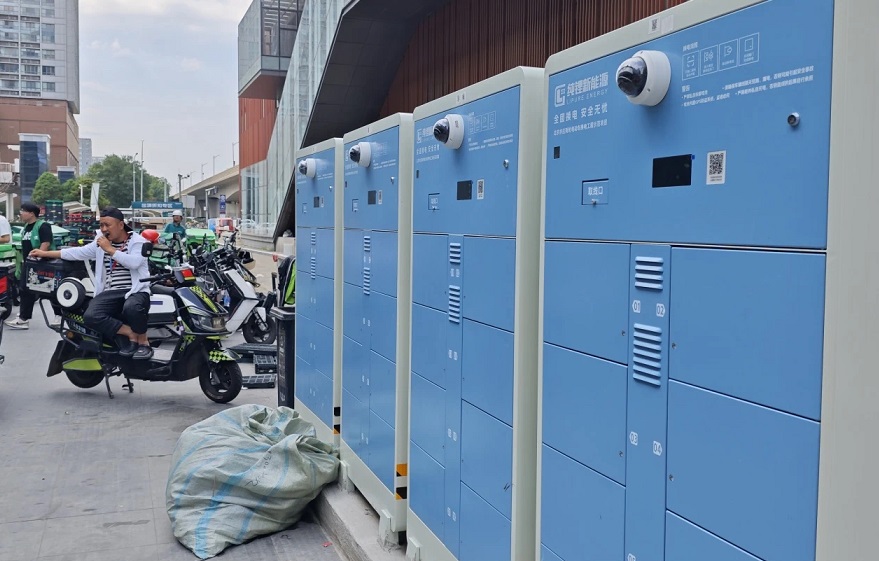
Core Insights - The article highlights the increasing safety concerns regarding electric bicycles powered by lithium batteries, particularly due to incidents of fire and explosion caused by battery failures [1][2][3] - A new initiative called the "Yizhuang Plan" is being explored in Beijing Economic-Technological Development Area to enhance the safety of electric bicycles through the use of solid-state batteries and a battery swapping model [4][8] Industry Overview - China has a significant electric bicycle market with a total of 450 million units in circulation and production reaching 42.28 million units in 2023 [2] - Lithium-ion batteries are predominantly used in electric bicycles, which pose a high risk of fire, with 91.7% of fire incidents attributed to thermal runaway of lithium batteries in 2024 [2][3] Technological Innovation - The "Yizhuang Plan" involves a pilot project for electric bicycles using solid-state batteries, which are considered safer than traditional lithium batteries [4][6] - The solid-state battery technology aims to address fire risks associated with lithium batteries by eliminating thermal runaway issues [7] - The first generation of solid-state batteries developed by Chunli New Energy utilizes a lithium iron phosphate system, achieving safety certifications through rigorous testing [7][8] Government and Corporate Collaboration - The Beijing Economic-Technological Development Area has provided comprehensive support for the solid-state battery project, including funding, resource coordination, and streamlined approval processes [8] - The initiative aims to create a green energy technology innovation hub, with a target revenue of 100 billion yuan for the new energy and materials industry by 2030 [8] Future Prospects - The battery swapping project integrates key elements such as vehicles, batteries, cabinets, and cloud services, primarily targeting urban delivery scenarios [9] - There are plans to expand the pilot project based on its success, potentially leading to broader adoption across Beijing and other major cities [10]