
基因编辑

Search documents
基因编辑进入“大规模重排时代”,桥重组酶:改写生命天书的“神笔”
Ke Ji Ri Bao· 2025-09-30 07:55
Core Insights - A revolutionary shift in gene editing technology is occurring, moving from simple corrections to comprehensive genomic restructuring, as demonstrated by the latest breakthroughs from the Arc Institute [1][2][3] Gene Editing Evolution - Traditional gene editing tools like CRISPR-Cas9 have been effective for precise corrections but struggle with complex diseases caused by large genomic rearrangements [2][3] - The limitations of existing technologies include their inability to efficiently handle large segments of DNA and the potential for off-target effects and safety risks [3] New Technology: Bridge Recombinase - The newly developed bridge recombinase technology allows for programmable insertions, deletions, and flips of genomic regions up to millions of base pairs, enabling large-scale genomic rearrangements [3][4] - This technology utilizes bridge RNA, which can simultaneously bind to two different DNA sites, facilitating complex genomic operations that were previously challenging with CRISPR [4] Clinical Applications and Potential - Initial experiments using bridge recombinase show promise in treating Friedrich's ataxia by successfully removing over 80% of the expanded GAA sequence responsible for the disease [5] - The technology simplifies the delivery process by requiring only RNA, reducing treatment complexity and risk, and has demonstrated broad applicability in existing therapies for conditions like sickle cell anemia [5] Future Prospects - The bridge recombinase technology holds potential for treating various genetic disorders, cancers, and applications in synthetic biology and agriculture [6] - Ongoing efforts are focused on applying this technology to stem cells and immune cells to develop more powerful variants for larger genomic segments [6]
Cell:高彩霞/刘俊杰/张勇等揭示CRISPR系统起源的关键分子机制
生物世界· 2025-09-29 23:30
Core Insights - The article discusses the evolutionary emergence of type V CRISPR-Cas systems from transposons, highlighting the discovery of a key evolutionary intermediate named TranC, which bridges the gap between transposons and CRISPR systems [3][11]. Group 1: Research Findings - The research team identified 146 CRISPR candidate proteins closely related to TnpB through a combination of sequence similarity, shared structural domain features, and conserved catalytic motifs [6]. - Six evolutionary intermediate families were identified and named TranC, representing multiple independent evolutionary paths from TnpB to Cas12 [6][7]. - The study revealed that the core mechanism driving the evolution of TnpB transposase to the Cas12 system is the "functional splitting" of guide RNA, rather than fundamental changes in protein structure [3][11]. Group 2: Functional Mechanisms - The TranC system exhibits a unique "dual RNA guiding mechanism," allowing it to utilize both its own CRISPR RNA and ancestral TnpB-derived RNA for targeted cutting [7]. - Structural biology analysis showed that the TranC protein is highly conserved in three-dimensional structure compared to its ancestor TnpB, with differences primarily at the RNA level [8]. - The research demonstrated that the transition from a single RNA-guided TnpB mechanism to a dual RNA-guided CRISPR mechanism can be achieved by functionally splitting the reRNA module [9]. Group 3: Applications and Innovations - The LaTranC genome editing system was engineered to create a high-efficiency variant, TranC11a, which outperforms existing small nucleases and shows comparable editing efficiency to SpCas9 in certain loci [12]. - TranC series core patents have passed the Freedom to Operate (FTO) review, laying a solid foundation for its application in biomedicine and agricultural breeding [13].


双模CRISPR系统能同时开关不同基因
Ke Ji Ri Bao· 2025-09-24 23:47
Core Insights - A new dual-mode CRISPRa/i gene editing system has been developed by South Korean scientists, allowing simultaneous "activation" and "suppression" of different genes, overcoming the limitations of existing CRISPR technology which primarily focuses on gene suppression [1][2]. Group 1: Technology Development - The new system was developed through collaboration between the Korea Advanced Institute of Science and Technology and the Korea Institute of Chemical Technology [1]. - The dual-mode gene scissors enable precise control of gene expression, akin to an electrical switch, which is crucial for optimizing metabolic pathways in synthetic biology [1][2]. Group 2: Performance Metrics - In experiments, the new system demonstrated significant performance improvements: protein expression levels increased by 4.9 times during activation experiments, while protein production decreased by 83% during suppression experiments [2]. - The system successfully achieved simultaneous regulation of two genes, with one gene's activity increased by 8.6 times and the other gene suppressed by 90% [2]. Group 3: Industry Implications - This dual-mode CRISPR system is expected to provide powerful tools for metabolic pathway optimization, gene network research, and bacterial functional genomics, potentially enhancing the efficient production of high-value compounds, biofuels, and pharmaceuticals [2].
百奥赛图的转型样本:从CRO到创新药平台的十年征程
Xin Lang Zheng Quan· 2025-09-23 02:10
Core Insights - The growth path of BaiO SaiTu reflects the structural changes in China's biopharmaceutical industry, transitioning from customized services to an innovative platform [1][2] - BaiO SaiTu's transformation involved significant investment in building its own animal facilities and developing proprietary products, which laid the foundation for its research and development capabilities [1] - The company has successfully positioned itself as a key player in the preclinical validation model market, with approximately 70% of its revenue coming from multinational pharmaceutical companies [2] Company Development - BaiO SaiTu started as a provider of customized gene-edited mouse models and shifted its focus to building a product portfolio, investing over 50 million yuan in animal center construction [1] - The launch of the RenMice humanized antibody mouse and the "Thousand Mice, Ten Thousand Antibodies" initiative in 2020 marked a significant shift towards enhancing research efficiency and focusing on core industry segments [1][2] - The company went public on the Hong Kong Stock Exchange in 2022, experiencing over 50% year-on-year revenue growth and achieving a gross profit margin exceeding 74% in its mid-2025 financial report [2] Industry Positioning - BaiO SaiTu aims to enhance efficiency in antibody drug development, positioning itself as a "bottom technology supplier" in the biopharmaceutical ecosystem, similar to TSMC in the semiconductor industry [2] - The company’s strategy avoids direct competition with clients while maintaining an irreplaceable role in the biopharmaceutical supply chain [2] - The overall upgrade of the industry is reflected in how local biopharmaceutical companies are entering the global competitive landscape with higher research and development efficiency [2]
Nature子刊:David Baker团队AI设计DNA结合蛋白,为小型化基因编辑调控工具开辟新思路
生物世界· 2025-09-21 02:05
Core Viewpoint - The article discusses the significant advancements in the computational design of sequence-specific DNA-binding proteins (DBPs), highlighting a recent study that successfully created small, easily deliverable DBPs for gene editing and regulation applications [4][13]. Group 1: Importance of DBPs - Sequence-specific DNA-binding proteins play a crucial role in biology and biotechnology, particularly in gene editing applications [2]. - There has been widespread interest in modifying DBPs to achieve new or altered specificities [2]. Group 2: Challenges in DBP Design - Despite some success in reprogramming natural DBPs through screening methods, the computational design of novel DBPs that can recognize arbitrary target sites remains a significant challenge [3]. - The prediction of DNA binding affinity and specificity for natural proteins is still difficult, and the high free energy cost associated with desolvating the highly polarized DNA surface poses challenges for de novo DBP design [7]. Group 3: Recent Research Findings - A research team led by Nobel laureate David Baker published a study demonstrating the successful design of sequence-specific DBPs that function in both E. coli and mammalian cells, capable of inhibiting or activating the transcription of adjacent genes [4]. - The designed DBPs showed high specificity and were able to target five different DNA sites with affinities ranging from nanomolar to high nanomolar levels [8][10]. Group 4: Methodology and Results - The design process involved using RFdiffusion to rigidly position the binding proteins along the DNA double helix, achieving higher-order specificity [10]. - The crystal structure of the designed DBP-target complexes closely matched the computational models, confirming the effectiveness of the design approach [10]. Group 5: Implications for Gene Editing - The methods used in this research provide a new pathway for developing small, easily deliverable sequence-specific DBPs for gene editing and regulation, complementing existing technologies like zinc finger proteins, TALE, and CRISPR-Cas systems [8][13].

改造关键蛋白可大幅降低先导编辑错误率
Ke Ji Ri Bao· 2025-09-18 23:57
Core Insights - The research from MIT presents a significant advancement in gene editing technology, specifically in reducing the error rate of prime editing, which is crucial for the safety of gene therapies [1][2]. Group 1: Research Findings - The new method developed by the MIT team significantly lowers the error rate of prime editing from an average of 1 error in every 7 edits to 1 error in every 101 edits [1]. - In high-precision mode, the error rate improved from 1 error in every 122 edits to 1 error in every 543 edits [1]. - The research indicates that certain mutated Cas9 enzymes can enhance the stability of the old DNA strand, facilitating the integration of new sequences and reducing errors [2]. Group 2: Technological Development - The newly engineered prime editor, referred to as "vPE," achieves an error rate of approximately 1/60 of the original version, with error rates ranging from 1/101 to 1/543 depending on the mode used [2]. - The experiments validating this new technology have been conducted in both mouse models and human cells, indicating its potential applicability in real-world scenarios [2].
Nature:首批CRISPR基因编辑马诞生,肌肉更强,跑得更快!
生物世界· 2025-09-06 04:05
Core Viewpoint - The article discusses the birth of the world's first CRISPR gene-edited horses, highlighting the implications of this technology in animal breeding and the controversies surrounding it [3][5][7]. Group 1: CRISPR Gene-Edited Horses - The first CRISPR gene-edited horses were born in Argentina, created by Kheiron Biotech, using CRISPR-Cas9 technology to enhance muscle growth by knocking out the myostatin gene [7]. - These horses are clones of the award-winning racehorse Polo Pureza and exhibit stronger muscles and faster speeds compared to ordinary horses [5][7]. - The introduction of these gene-edited horses has sparked controversy, particularly in the equestrian community, with concerns about the impact on traditional breeding practices and livelihoods [8]. Group 2: Broader Applications of CRISPR Technology - Prior to the CRISPR horses, gene editing had been widely applied in agriculture and disease treatment, such as the development of PRLR-SLICK cattle, which are more heat-resistant due to a gene edit [9]. - The FDA approved PRLR-SLICK for meat production in 2022, showcasing the regulatory acceptance of gene-edited animals [9]. - Other examples include CRISPR sheep for increased meat yield and CRISPR pigs that are resistant to diseases like PRRS, with FDA approval for market sale expected by 2026 [10]. Group 3: Ethical and Health Concerns - The rise of CRISPR gene-edited animals raises ethical questions, particularly regarding animal health and the potential unforeseen consequences of genetic modifications [11]. - Concerns include the long-term health effects on the animals and the possibility of genetic changes being passed to future generations or affecting wild populations [12]. - There is a call for further research to monitor any adverse health impacts resulting from gene editing in animals [12].

晚报 | 9月4日主题前瞻
Xuan Gu Bao· 2025-09-03 14:38
Group 1: Smart Home Cleaning Robots - The global smart home cleaning robot market shipped 15.352 million units in the first half of the year, a year-on-year increase of 33% [1] - Robotic lawn mowers saw shipments of 2.343 million units, up 327.2%, while window cleaning robots shipped 809,000 units, up 52.1% [1] - IDC forecasts that the market will ship 32.1 million units by 2025, representing a 28.2% year-on-year growth, with a compound annual growth rate of 26% from 2023 to 2028 [1] Group 2: Electricity Market Reforms - Zhejiang Province is seeking public opinion on a draft plan for market-oriented pricing of new energy projects, including wind and solar power [2] - The draft specifies a mechanism price of 0.4153 yuan per kilowatt-hour for existing projects, with competitive pricing for new projects [2] Group 3: Brain-Computer Interface - The Shanghai Stock Exchange hosted a salon on brain-computer interfaces, attended by six listed companies and twelve industry chain enterprises [3] - The market for brain-computer interfaces is estimated to exceed $100 billion, with applications in healthcare, education, consumer products, and smart driving [3] Group 4: Gene Editing Technology - A new programmable chromosome engineering technology has been developed, allowing precise editing of DNA segments from thousands to millions of bases [4] - This technology is expected to revolutionize genetic manipulation and provide breakthroughs in disease treatment and crop improvement [4] Group 5: Digital Gold - The World Gold Council plans to pilot a digital form of gold next year, potentially transforming the $900 billion physical gold market [5] - Digital gold will lower investment barriers and allow global participation, enhancing the overall scale of the gold market [5] Group 6: Industry News - The FTSE China A50 Index will include companies such as BeiGene and WuXi AppTec following its quarterly review [6] - Chongqing has allocated an additional 135 million yuan for a vehicle and electric bicycle trade-in subsidy program for 2025 [6]
西湖大学开发相分离递送技术,重塑多种原代细胞CRISPR基因编辑治疗新格局
生物世界· 2025-09-02 04:03
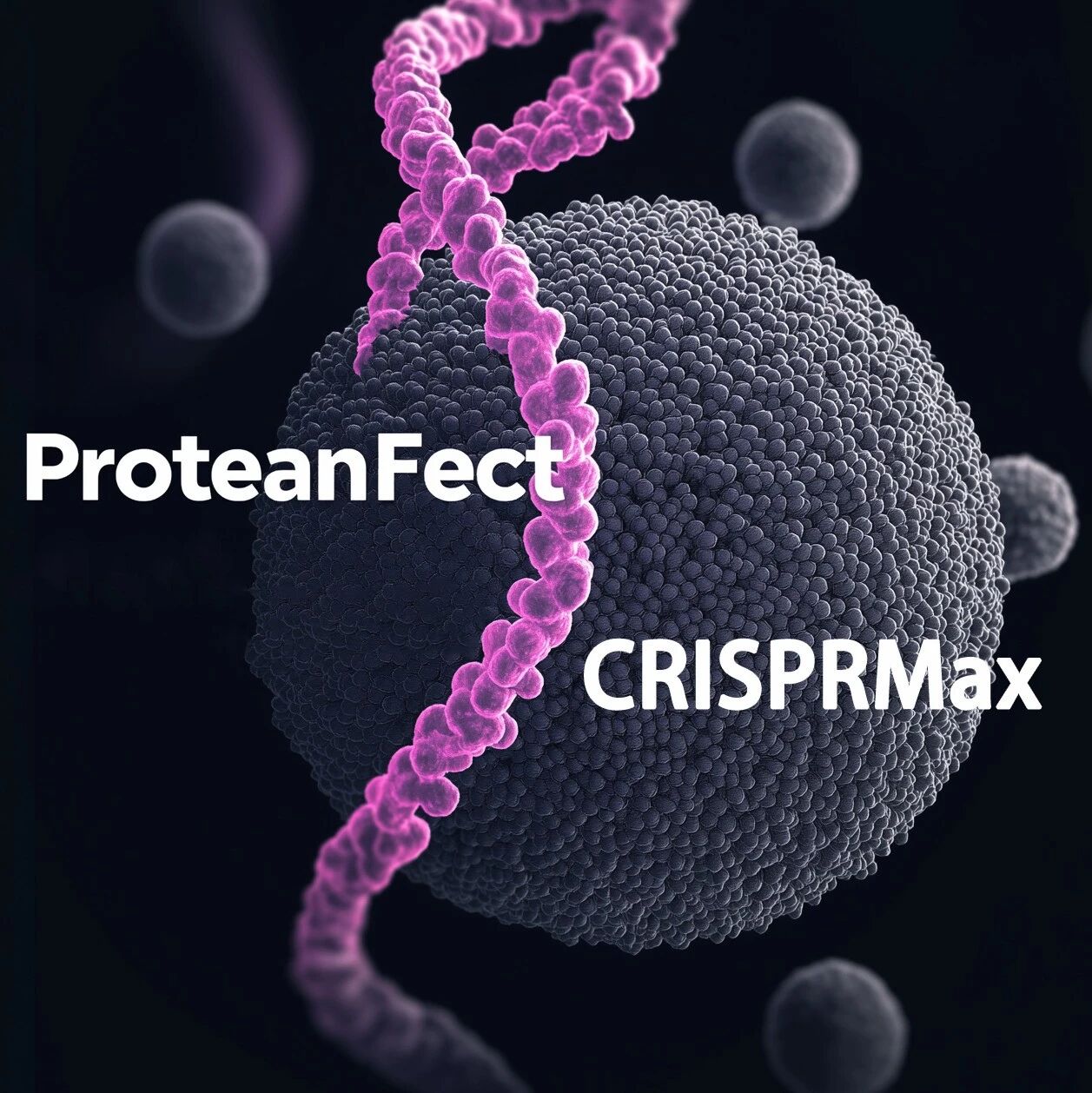
Core Viewpoint - CRISPR-Cas9 technology, known as "molecular scissors," is a revolutionary tool in biomedical research, offering new strategies for treating genetic diseases and tumors through precise gene editing [1][5]. Group 1: CRISPR-Cas9 Mechanism - The CRISPR-Cas9 system is derived from bacterial immune mechanisms and has been adapted into a powerful gene editing tool for various applications, including gene knockout, insertion, and regulation [5][8]. - Key components include the Cas9 protein, which cuts DNA, and sgRNA, which guides Cas9 to specific gene sequences [7][8]. Group 2: Challenges in Delivery - Despite its powerful editing capabilities, the application of CRISPR-Cas9 in primary immune cells and stem cells faces significant challenges due to the cells' sensitivity and limited in vitro expansion [2][3]. - Current delivery methods, such as chemical transfection and electroporation, have limitations in efficiency and can cause cell damage, while viral vectors pose risks of insertion mutations and immune responses [2][3]. Group 3: ProteanFect Delivery System - The ProteanFect CRISPRMax Ultra transfection kit, developed by West Lake Aggregates and West Lake University, addresses the delivery bottleneck for difficult-to-transfect primary cells by utilizing innovative biomolecular aggregation technology [9][13]. - This system allows for high transfection efficiency and cell compatibility without relying on harsh physical or chemical methods, thus maintaining cell viability and functionality [9][13]. Group 4: Successful Applications - The ProteanFect CRISPRMax Ultra kit has demonstrated high editing efficiency in various primary cells, including mouse and human T cells, achieving mutation rates of 84.3% and 80.1% respectively [14][16]. - Additionally, it has been successfully used to deliver gene editing systems to induced pluripotent stem cells (iPSCs), achieving a base substitution efficiency of 55% [17]. Group 5: Future of Gene Editing - The demand for efficient gene editing in various functional cells is growing, driven by advancements in precision medicine and cell therapy [19][20]. - Innovations like ProteanFect represent a paradigm shift in research, enabling more gentle and efficient interactions with cells while preserving their functionality [19][20].
2025 年全球资产配置新趋势解析
Sou Hu Cai Jing· 2025-08-20 08:39
Group 1: Market Overview - The international capital market in August 2025 shows a complex and variable landscape, with stable Federal Reserve interest rate policies impacting major investment categories: stocks, bonds, and gold [1] - The Hong Kong stock market's biopharmaceutical sector continues to perform strongly, with a leading gene editing company experiencing a weekly increase of 12.3%, reaching a year-to-date high [1] - The bond market exhibits a polarized trend, with U.S. ten-year Treasury yields fluctuating between 3.2% and 3.5%, while corporate bonds show significant stratification [1] Group 2: Gold and Alternative Investments - Gold prices have surpassed $2,200 per ounce, marking a historical high, driven by central banks increasing their reserves and a gold mining company reporting a 28% increase in proven reserves, leading to a 17% surge in its stock price [2] - The alternative investment sector is witnessing new trends, with carbon credit derivatives trading volume increasing by 210% month-over-month, and a water rights trading index showing positive growth for three consecutive months [2] Group 3: Fund Flows and Asset Allocation - Cross-border ETFs have seen a record net subscription of 1.5 billion yuan in a week, while REITs products' premium rate has narrowed to 3.2% [3] - Investors are advised to focus on inflation-linked bonds that can effectively hedge against CPI fluctuations, considering three key variables: geopolitical impacts on energy prices, monetary policy divergence among major economies, and the actual productivity gains from artificial intelligence [3] Group 4: Investment Strategies - In response to the complex market environment, professional institutions recommend a barbell strategy, allocating 70% of funds to stable assets and 30% to high-growth sectors, while regularly conducting stress tests to ensure portfolio resilience [4]