服装电商

Search documents
天门服装电商城物流升级 日均处理10万件快递 月省近10万元
Zhong Guo Fa Zhan Wang· 2025-05-30 04:02
Group 1 - The core viewpoint of the articles highlights the significant improvements in logistics efficiency for the China (Tianmen) Clothing E-commerce Mall, particularly through the establishment of the Tianmen Yunda Sorting Center, which processes over 100,000 packages daily [1][2] - The Tianmen Yunda Sorting Center, covering an area of 5,800 square meters and with an investment of nearly 15 million yuan, can handle 40,000 packages per hour, leading to substantial cost savings for e-commerce businesses [1] - The logistics upgrades have resulted in a monthly savings of approximately 97,500 yuan for the 220 enterprises within the e-commerce mall, enhancing their competitive edge in the market [1] Group 2 - The e-commerce mall has also developed a dedicated logistics network, opening direct lines to key regions such as Guangzhou and Keqiao, significantly reducing transportation times [2] - The logistics improvements have led to a 30-hour reduction in supply chain cycles, with some logistics companies now able to deliver materials within 16 hours [2] - The overall logistics system upgrade is expected to inject new vitality into the regional economy and support the high-quality development of the clothing e-commerce industry in Tianmen [2]
退款率超300%,又一类目TOP商家崩溃了
商业洞察· 2025-05-25 10:00
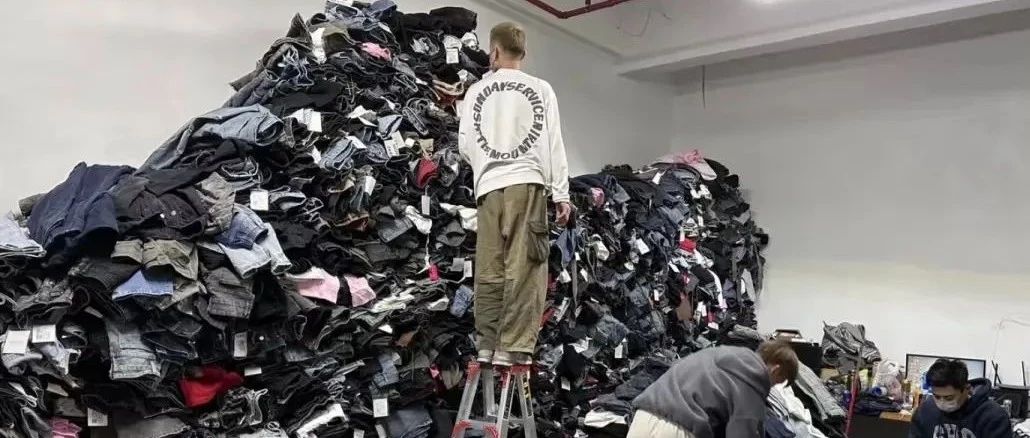
Core Viewpoint - The article highlights the increasing issue of consumers exploiting return policies in the e-commerce sector, particularly during the "May Day" holiday, leading to significant losses for merchants due to high return rates and operational costs [1][4][5]. Group 1: Impact of Return Policies - Return rates have skyrocketed, with reports indicating rates exceeding 300% during peak periods, meaning for every three items sold, nine were returned [15]. - Merchants face "invisible losses" as returned items often arrive with stains and signs of use, complicating resale and increasing operational costs [4][9][22]. - The phenomenon of consumers keeping tags on clothing to exploit return policies has become a widespread issue, leading to a culture of "white-washing" [17][19]. Group 2: Merchant Responses - Merchants are beginning to take action against these practices, including refusing returns, seeking legal recourse, and organizing collective actions to protect their interests [25][26]. - Some merchants have resorted to blocking buyers from high-return areas, reflecting a desperate measure to mitigate losses [26]. - The rise in awareness and action among merchants indicates a shift towards more proactive measures in defending against exploitative consumer behavior [25][30]. Group 3: Regulatory and Platform Changes - The government has started addressing the issue, with the State Administration for Market Regulation discussing the need for reforms in e-commerce return policies to protect merchants [29][30]. - E-commerce platforms are also adapting their policies, with some limiting the "no-questions-asked" return options to better balance consumer rights and merchant protection [30][31]. - Proposed changes include clearer definitions of what constitutes a returnable item and the establishment of penalties for consumers who abuse return policies [32].

取消“仅退款”的背后:卖家退货越来越多,买家衣服越来越难买
Sou Hu Cai Jing· 2025-05-19 20:55
Core Viewpoint - The collective decision by major e-commerce platforms like Taobao, Pinduoduo, and JD to abolish the "refund without return" policy reflects deep-rooted issues within the apparel e-commerce industry, driven by high return rates and consumer dissatisfaction with product quality [1][24]. Group 1: Industry Challenges - Sellers are overwhelmed by high return rates, with some reporting rates as high as 70%-80%, leading to significant profit losses due to return shipping and handling costs [7][10]. - The introduction of the "refund without return" policy in 2021 aimed to protect consumers but resulted in exploitation by some buyers, creating a gray market for refunds and harming sellers [15][22]. - The industry is caught in a vicious cycle where low prices lead to poor quality, further driving up return rates as consumers receive subpar products [17][19]. Group 2: Consumer Behavior - Consumers have become accustomed to the convenience of returning items, often purchasing multiple items with the intent to return most, which inflates costs for sellers [22]. - There is a growing trend among consumers to prefer brands with physical stores or recommendations from acquaintances, indicating a shift towards valuing quality over price [27]. - The demand for quality products is rising, with consumers expressing frustration over the lack of mid-range quality apparel as the market polarizes between cheap and high-end options [23][28]. Group 3: Platform Dynamics - The platforms' decision to remove the "refund without return" policy was intended to relieve pressure on sellers, but it has not resonated well with consumers, leading to trust issues among all parties involved [24][25]. - E-commerce platforms are now attempting to prioritize quality by showcasing stores with higher experience ratings, reflecting a shift in focus from merely low prices to product quality [27][28].

广州东部时尚新地标首次亮相,2025新塘电商发展大会在广州东大门时尚中心成功举办
Guang Zhou Ri Bao· 2025-05-16 00:57
Core Viewpoint - The 2025 Xintang E-commerce Development Conference and Mark Huafei Brand Launch was held in Guangzhou, marking the debut of the Dongdamen Fashion Center as a new fashion landmark in eastern Guangzhou. The event highlighted Xintang's commitment to optimizing its fashion industry structure and leveraging digital economy opportunities through new business models like live-streaming and cross-border e-commerce [1][2]. Group 1: Industry Development - Xintang is positioning itself as a fashion industry cluster, focusing on enhancing its industrial structure and providing comprehensive high-quality services to support new business models [1]. - The e-commerce sector in Xintang has been developing for over a decade, with a strong emphasis on denim products, but is currently facing challenges such as low-price competition, high return rates, and rising costs [2][3]. - The introduction of various women's fashion brands at Dongdamen is expected to break the bottleneck in Xintang's fashion industry, which has been overly concentrated on denim [3]. Group 2: Brand Expansion - Mark Huafei announced its official entry into Dongdamen, planning to open over 500 franchise stores and utilize celebrity endorsements for brand promotion [2]. - Fengyasi, another fashion brand, is also among the first to enter Dongdamen, citing the area's strong e-commerce foundation and lower operational costs compared to downtown Guangzhou [2]. Group 3: Strategic Partnerships - A strategic cooperation agreement was signed between Dongdamen and SF Express, aiming to enhance logistics services for merchants and reduce return rates through efficient delivery solutions [4]. - Dongdamen is actively recruiting merchants and offering various incentives, such as rent discounts and free parking for the first 200 merchants, to attract a diverse range of businesses [4].
闭店的淘宝卖家,没能等到“仅退款”取消这一天
3 6 Ke· 2025-04-28 11:03
Group 1 - The controversial "refund only" policy has been completely phased out by major e-commerce platforms in April, with platforms like Taobao, Pinduoduo, JD.com, Douyin, and Kuaishou updating their after-sales rules to prioritize merchants in handling refund requests [1][3] - Taobao was the first to implement the "refund only" model in 2021, which initially boosted GMV but ultimately led to significant losses for many sellers, contributing to a wave of store closures that continues into 2025 [3][4] - The closure of numerous Taobao stores, including those of prominent influencers, reflects a broader trend of declining profitability and increasing operational challenges faced by e-commerce sellers [4][7][10] Group 2 - The rising return rates in the clothing industry have severely impacted seller confidence, with some sellers reporting return rates soaring from 30% to as high as 80% after the introduction of new policies [11][13] - High advertising costs and an increasingly competitive promotional environment have further strained the profitability of many sellers, leading to a situation where they are "losing money to gain visibility" [14][15] - Despite the challenges, some sellers are finding success through innovative models such as content e-commerce and cross-border e-commerce, with examples of brands achieving significant sales growth on platforms like Douyin and TikTok [15][20][21]