
博物馆

Search documents
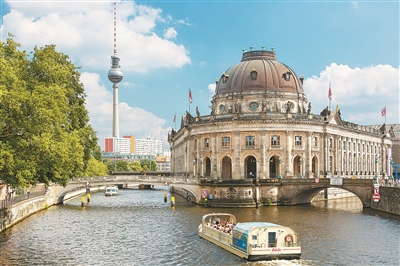
柏林博物馆的昼与夜(旅人心语)
Ren Min Ri Bao· 2025-05-25 22:00
Core Insights - Berlin is recognized as a leading city for museum experiences, highlighted by the annual "Long Night of Museums" event, which extends museum hours and offers diverse activities for visitors [2][4] Group 1: Museum Events and Activities - The "Long Night of Museums" takes place on the last Saturday of August, allowing access to over 70 museums until 2 AM the next day, with special public transport services provided [2] - The Museum Island, a UNESCO World Heritage site, serves as a prime starting point for museum exploration, featuring five major museums that open at 10 AM [2][3] Group 2: Notable Museums and Exhibits - The Old Museum, as the first public museum in Berlin, houses Etruscan art, while the New Museum is famous for the bust of Queen Nefertiti [3] - The Pergamon Museum, despite ongoing restorations, continues to attract visitors with its temporary exhibitions utilizing digital technology [3] - The German Historical Museum, designed by architect I.M. Pei, combines Baroque and modern architectural styles [3] Group 3: Interactive and Engaging Experiences - The German Museum of Technology and the Natural History Museum are popular among children for their interactive displays [4] - The Humboldt Forum Museum has introduced a disco party event, showcasing a blend of academic and youthful energy [4] Group 4: Cultural Significance - Museums reflect the development and character of a city, with Berlin's unique approach to curation and presentation making museum visits enjoyable and engaging [4] - The recent International Museum Day focused on the future of museums in a rapidly changing society, emphasizing the ongoing growth of knowledge and cultural engagement [5]

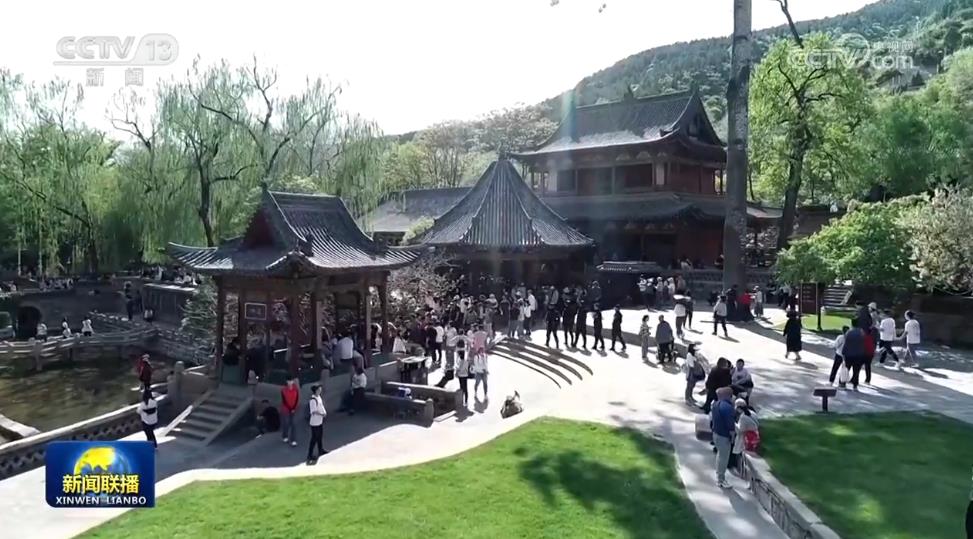
【文化中国行】山西晋祠:跨越千年的古建博物馆
Yang Shi Wang· 2025-05-25 12:27
Core Viewpoint - The news highlights the significance of Jinci Temple in Shanxi as a vital cultural and historical site, showcasing ancient Chinese architecture and art, and promoting traditional culture through various activities and preservation efforts [1][3][5]. Group 1: Historical and Cultural Significance - Jinci Temple is the largest and most well-preserved classical garden temple from the Tang and Song dynasties in China, with a history spanning over 857 years [3]. - The temple features various architectural styles, serving as a model for ancient Chinese architecture, and includes notable structures such as the Hall of Offerings, the earliest form of a cross-shaped bridge, and the Saint Mother Hall [3][5]. - The temple houses the earliest existing wooden dragon carvings and 43 painted clay sculptures from the Song dynasty, which are crucial for studying the era's court life and artistic development [5]. Group 2: Preservation and Cultural Activities - Jinci Museum actively engages in preventive and digital preservation of cultural relics, ensuring the historical information of artifacts is maintained [7]. - The museum hosts cultural events and activities, including the annual Jinci Temple Fair, which has been recognized as a national intangible cultural heritage since 2008, promoting traditional culture [7]. - The museum attracts over ten thousand young visitors annually and serves as an educational base for youth to foster an appreciation for traditional Chinese culture [7].
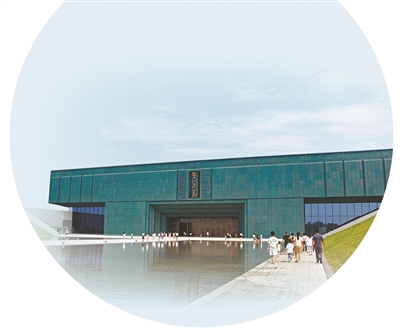
“不止秦俑——21世纪陕西考古新发现”特展亮相美国加州
Xin Hua Wang· 2025-05-24 06:11
Core Points - The exhibition "Not Just Terracotta Warriors - New Archaeological Discoveries in Shaanxi in the 21st Century" opened at the Bowers Museum in Orange County, California, showcasing China's ancient history and cultural heritage [1][2] - The exhibition features over a hundred significant archaeological artifacts from Shaanxi, including life-sized terracotta figures and treasures from the Shimao site, which is the largest Neolithic city discovered in East Asia [1] - The Bowers Museum employs advanced multimedia technology, allowing visitors to interactively engage with the exhibits, such as painting the terracotta warriors' armor and experiencing the Qin army formations through immersive screens [1] Company and Industry Insights - The Bowers Museum, established in 1936, is the largest and oldest cultural arts museum in Orange County, California, housing over 100,000 cultural artifacts and recognized as a "must-see museum" by the American Alliance of Museums [2] - The exhibition is co-hosted by the Bowers Museum, the Shaanxi Provincial Cultural Heritage Administration, the Shaanxi Provincial Cultural Exchange Center, and the Qin Shi Huang Terracotta Warriors Museum, highlighting international collaboration in cultural exchange [2] - The exhibition will be open to the public from April 24 to October 19, aiming to deepen American understanding of Chinese civilization and the importance of cultural exchange [2]
烟台探索在博物馆里上好“大思政课”
Da Zhong Ri Bao· 2025-05-22 02:18
Group 1 - The event on May 16 marked the launch of the "Museum in the Big Ideological and Political Class" co-construction alliance in Yantai, aiming to integrate museums with digital education [1] - Yantai City has organized nearly 70 activities for International Museum Day, focusing on the theme of "the future of museums in a rapidly changing society" [1][2] - The alliance includes 8 museums, 8 universities, and 8 primary and secondary schools, promoting collaboration in resource sharing, curriculum development, and student training [1][2] Group 2 - The alliance will share resources, including museum collections and digital content, and establish a "Political Education Resource Library" to support teaching [2] - Experts from museums will serve as external ideological and political mentors for schools, enhancing the educational experience through joint exhibitions and training [2] - The initiative aims to create immersive and interactive ideological education experiences by utilizing technologies like VR and AR [2] Group 3 - Yantai City has established 74 various types of museums and memorials, being the only city in the province with both state-owned and non-state-owned national first-class museums [3] - The city has implemented supportive policies for museum development, including expert teams and partnerships to enhance smaller museums [3]
博物馆,边界在延展(大数据观察)
Ren Min Ri Bao· 2025-05-20 22:02
Core Viewpoint - The article highlights the rapid development and transformation of museums in China, showcasing their increasing number, diverse functions, and the integration of technology to enhance visitor experiences [6][10][12]. Group 1: Museum Growth and Statistics - Over the past decade, China has seen an average of more than 200 new museums established annually, with a total of 7,046 museums by the end of last year [6]. - The free admission rate for museums reached 91.46%, and they hosted 43,000 exhibitions, attracting 1.49 billion visitors last year [6]. - The total area of museum facilities in the country has reached over 43.92 million square meters, housing approximately 67.41 million items [9]. Group 2: Technological Integration - Museums are increasingly adopting digital technologies, with 3,645 research projects implemented last year to enhance their offerings [10]. - Innovative technologies such as VR and 3D projections are being utilized to create immersive experiences for visitors, allowing them to engage with historical artifacts in new ways [11][12]. Group 3: Diverse Museum Functions - New museums are expanding their roles beyond traditional exhibitions to include performance and leisure activities, as seen in the Qinling Museum, which features a light show and interactive exhibits [7]. - Private museums are emerging alongside public institutions, providing more options for visitors and catering to diverse social needs [9]. Group 4: Creative Presentation and Visitor Engagement - The Yin Ruins Museum showcases nearly 4,000 artifacts, with about three-quarters being displayed for the first time, utilizing digital restoration techniques to enhance visitor engagement [13]. - The newly opened Yue Opera Museum offers interactive experiences, allowing visitors to learn about the history of Yue Opera and participate in performances [14].
馆城相融 北京朝阳全力打造“15分钟文博圈”
Zhong Guo Jing Ji Wang· 2025-05-20 08:11
Group 1 - The 49th International Museum Day in Chaoyang District, Beijing, is themed "Integration and Coexistence: Museums at Your Fingertips," marking the start of the "2025 Chaoyang District Museum Activity Season" from May 18 to October 8, featuring over 100 themed activities and more than 20 new exhibitions [1][2] - The activity season will focus on "museum-city integration," launching eight major categories and 11 sub-items of activities, including issuing consumption vouchers, hosting a museum city construction conference, and promoting diverse certifications to create a deeply integrated "cultural, commercial, tourism, and sports" ecosystem [1][2] - The core of the activity season is "linking consumption scenarios with quality resource sinking," covering all commercial circles, communities, campuses, and cultural tourism scenes, with over 100 exclusive benefits across exhibitions, cultural creations, hotels, and scenic spots to stimulate museum vitality and encourage public participation [1][2] Group 2 - Chaoyang District will collaborate with various cultural and museum venues to launch over 100 themed activities, such as specialized explanations of cultural relics at the China Archaeological Museum and immersive experiences at the Beijing Folk Museum [2] - The district has established a "15-minute cultural circle" with 90 museums, achieving a ratio of 2.6 museums per 100,000 people, leading in both quantity and quality within Beijing [2] - A three-tier museum system has been officially established in Chaoyang District, optimizing the spatial layout of regional museums and balancing cultural resources [2] Group 3 - This year, Chaoyang District will advance the "Museum City" construction from three dimensions: enhancing museum quality, empowering integration, and promoting innovation in exhibition supply [3] - The district aims to accelerate the digitalization of cultural relics and museum architecture while deepening the "Museum+" strategic layout to cultivate new business models [3] - The focus will be on developing emerging industries such as museum research and study, cultural IP, and VR museums, creating an innovative development ecosystem for the cultural economy [3]
高质量建设博物馆之城 为城市发展注入文化力量
Hang Zhou Ri Bao· 2025-05-20 02:52
Core Viewpoint - The development of Hangzhou as a "Museum City" is highlighted through its historical evolution, current achievements, and future plans, emphasizing the integration of cultural heritage into the daily lives of citizens and the use of technology to enhance museum experiences [1][2][3][4][6][7]. Group 1: Historical Development - Hangzhou's museum journey began in 1929 with the establishment of the West Lake Museum, leading to a current total of 299 museums, including 73 state-owned and 31 non-state-owned [2]. - The city ranks second in China for the number of national first-class museums, with 12 such institutions [2]. - The "Museum City" initiative has been in progress since 2003, when Hangzhou first implemented a free admission policy for museums, sparking a cultural renaissance [3]. Group 2: Current Achievements - As of May 2023, Hangzhou has developed a robust museum framework, including 184 rural (community) museums and 11 other types, showcasing a diverse cultural landscape [2]. - The city has launched the "Hangzhou Memory" digital platform, allowing residents to explore local history and culture from home, and has established 10 new state-owned museums [3]. - Annually, Hangzhou's museums serve over ten million visitors, becoming integral to the cultural lives of its citizens [3]. Group 3: Future Plans and Initiatives - In 2024, Hangzhou will begin drafting the "Hangzhou Museum City Development Plan (2025-2030)," outlining strategies for future growth and cultural service improvements [3]. - Upcoming events include the 17th Hangzhou City Guide Skills Competition and the second "Museum City" cultural relics theme seal carving competition, encouraging public participation in cultural initiatives [5]. - The integration of technology is emphasized, with plans to enhance smart museum services and digital engagement through platforms like the "Hangzhou Memory" digital map [6][7].

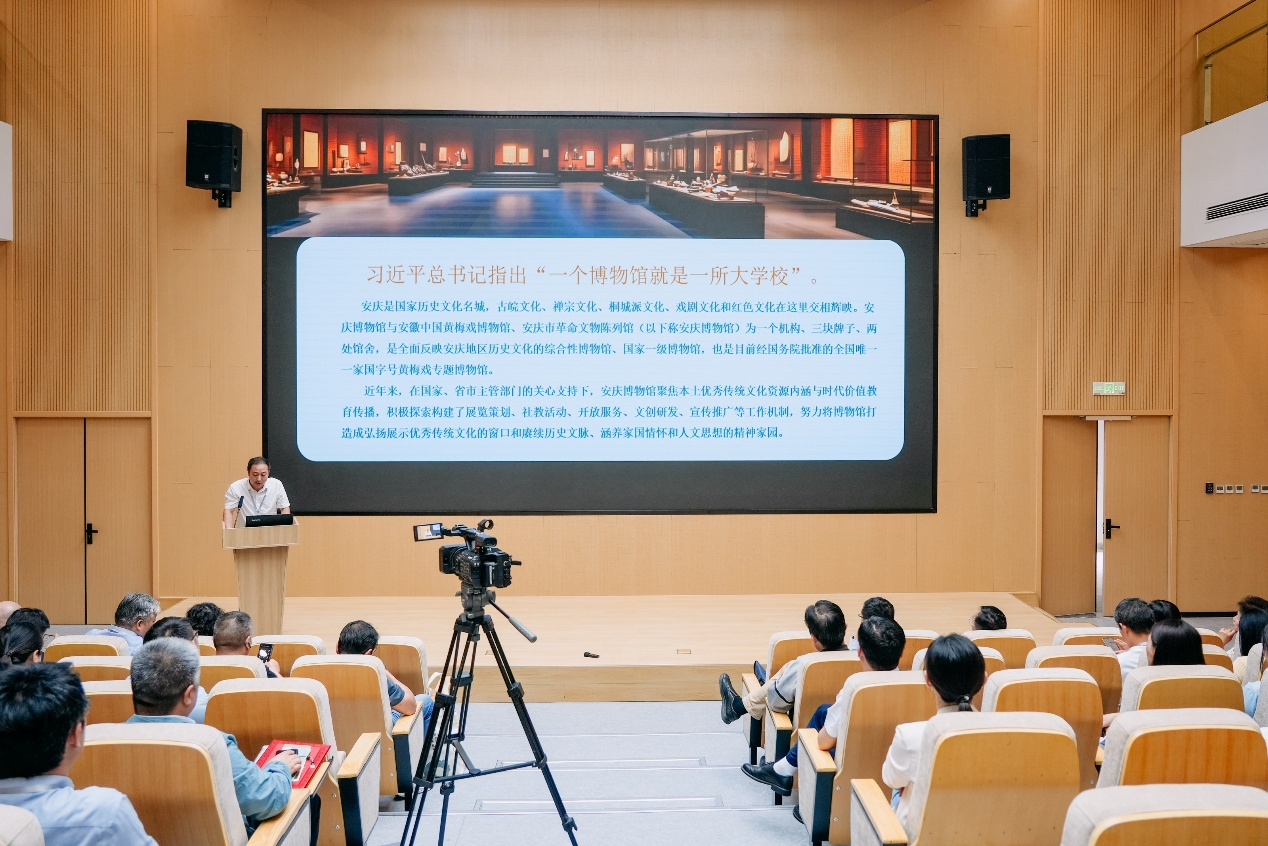
安徽省“快速变化社会中的博物馆未来”学术研讨会在凌家滩遗址博物馆召开
Yang Shi Wang· 2025-05-20 02:37
Core Viewpoint - The seminar on "The Future of Museums in a Rapidly Changing Society" aims to explore the development paths of museums in the context of societal changes and promote sustainable development in Anhui's cultural heritage sector [1][5]. Group 1: Seminar Overview - The seminar was organized by the Anhui Provincial Department of Culture and Tourism and the Ma'anshan Municipal Government, with various local departments participating [3]. - Attendees included representatives from provincial and municipal museums, who engaged in discussions on how to promote high-quality development in Anhui's cultural heritage sector [3]. Group 2: Expert Contributions - Notable experts, including Wu Jian and Wan Lin, presented on the future development paths of archaeological site museums and the role of high-quality temporary exhibitions in enhancing museum vitality [4]. - Wu Jian's report focused on the core concepts, future trends, and innovative practices for archaeological site museums, providing a practical guide for high-quality development [4]. - Wan Lin emphasized the importance of innovative exhibition practices, using examples from the Panlongcheng Site Museum to illustrate how curated exhibitions can enhance cultural engagement [4]. Group 3: Industry Challenges and Opportunities - The seminar highlighted the profound social, technological, and environmental changes affecting museums, urging them to clarify their roles and respond to emerging opportunities and challenges [5]. - Discussions among young scholars from various museums in Anhui addressed the impact of rapid societal changes on exhibition planning, social activities, and artifact preservation, seeking innovative paths for sustainable development [4][5].
全国首个南海文化主题邮局开业 打造海南特色文旅融合新典范
Hai Nan Ri Bao· 2025-05-20 01:00
Group 1 - The first South China Sea cultural-themed post office in the country was officially opened on May 18 at the China (Hainan) South China Sea Museum in Qionghai, aiming to create a new model for cultural and tourism integration in Hainan [1] - The themed post office launched nearly 50 creative cultural products, including the Deep Blue Treasure blue and enamel series, inspired by archaeological findings from the South China Sea, combining practicality and aesthetics [1] - A cooperation agreement was signed between China Post Group Hainan Branch and the museums to launch a series of themed activities, enhancing the role of the post office in promoting culture and tourism [1] Group 2 - The collaboration between the South China Sea Museum and Hainan Postal Branch aims to promote traditional culture and urban cultural tourism integration through a unique cultural postbox featuring deep cultural elements [2] - The South China Sea cultural-themed post office represents an innovative demonstration of the integration of postal culture and public cultural services, expanding the social service functions of museums and injecting new vitality into Hainan's free trade port tourism industry [2]
2025国际博物馆日暨中国旅游日广州主会场活动启幕
Nan Fang Ri Bao Wang Luo Ban· 2025-05-19 07:53
Core Insights - The event "Reform and Innovation, Cultural Heritage Flow" was launched on May 18, featuring 40 cultural and museum units in Guangzhou, focusing on the integration of technology and culture in the museum sector [1][2] - The event showcased various interactive experiences, including AI Q&A, immersive performances, and discussions on how museums can respond to digitalization and globalization [1][2] Group 1: Event Overview - The event included four thematic areas: Technology Empowerment Zone, Inclusive Zone, Boundaryless Co-Creation Zone, and Diverse Services Zone [2] - The Technology Empowerment Zone featured a virtual simulation course that brought historical artifacts to life using virtual technology and AI interactions [2] - The Inclusive Zone provided a multi-sensory cultural experience for individuals with disabilities, enhancing accessibility [2] Group 2: Discussions and Future Directions - A sharing session titled "Museums: Keeping Pace with the Times" was held, where experts from various fields discussed the integration of AI in museums and the future of cultural institutions [2] - Topics included the exploration of boundaries between virtual and physical experiences in museums, the provision of diverse services, and the role of youth in shaping the future of museums [2]