乡村旅游

Search documents
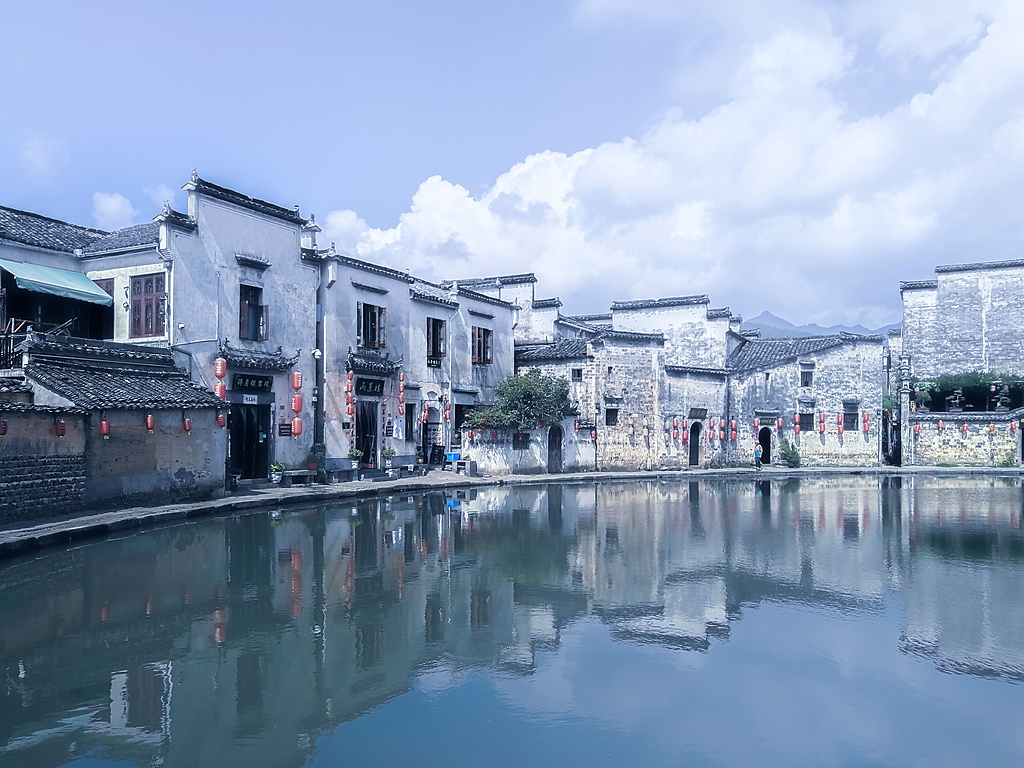
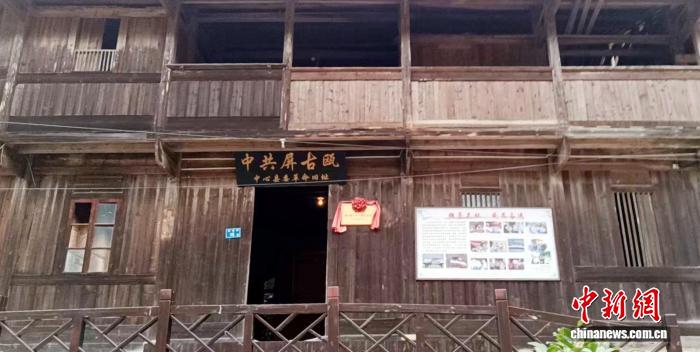
(乡村行·看振兴)闽东“小红都”焕新颜:环境变美了,人流进来了
Zhong Guo Xin Wen Wang· 2025-09-05 03:58
Core Insights - The article highlights the transformation of Houyan Village in Fujian Province, showcasing improvements in the environment and an increase in tourism, contributing to rural revitalization [1][2]. Group 1: Village Transformation - Houyan Village, known as the "Little Red Capital" of Eastern Fujian, has undergone significant changes with improved infrastructure, including the construction of cement roads, public toilets, streetlights, and irrigation systems [2]. - The village's historical sites and natural attractions have drawn thousands of tourists, enhancing local economic activity [2][3]. Group 2: Agricultural Development - The establishment of an agricultural cooperative in 2019 has led to the development of a mushroom industry, leveraging local conditions for better quality produce [2][3]. - Future plans include introducing new crop varieties and integrating tea cultivation with cultural tourism to enhance the village's profile and economic potential [3].

新华视点|特色产业兴乡村 多元经济促发展
Xin Hua She· 2025-09-05 00:54
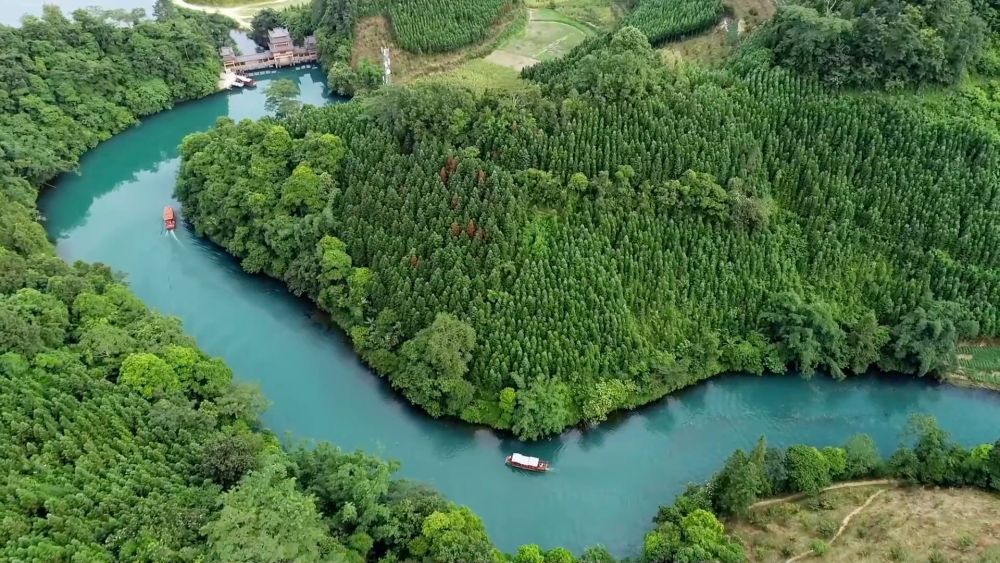
Group 1 - Yunnan Shizong County is focusing on developing rural tourism, leveraging its water resources and ecological environment to create unique tourism experiences like "canyon rafting + Zhuang ethnic style experience" [3] - The local tourism model has successfully stimulated consumer activity in the cultural and tourism sectors [3] Group 2 - In Yunnan's Chuxiong Yi Autonomous Prefecture, local farmers are actively harvesting fish from rice paddies, marking a festive and productive season [5] - The integration of fish farming within rice cultivation is enhancing income for local communities [5] Group 3 - In Xinjiang's Turpan, the extreme heat of the "Flame Mountain" has been mitigated by utilizing Karez irrigation to successfully farm cold-water fish [7] - This innovative approach demonstrates the effective use of local resources to diversify agricultural production [7] Group 4 - The Hetian region has developed a "desert seafood" aquaculture industry, achieving a production volume of 12,000 tons and a value of 380 million yuan in 2024, highlighting its economic significance [9] - This initiative showcases the region's ability to capitalize on its unique geographical advantages [9] Group 5 - In Guizhou's Tongzi County, the harvest of bamboo shoots has been enhanced by the application of drone technology for collection and transportation, improving efficiency [12] - The area dedicated to bamboo shoot cultivation is approximately 300,000 mu, with an expected yield of 18,000 tons and a total value of around 140 million yuan [12] Group 6 - In Xinjiang's Shawan City, the potato harvest season is in full swing, with local farmers expanding sales channels to both domestic and international markets [13] - This diversification in sales is contributing to the economic growth of the region [13] Group 7 - The emergence of new business models and industries is broadening income sources for farmers, becoming a new growth driver for high-quality county economic development [15] - This trend illustrates a positive transformation in rural areas, leading to improved livelihoods and enhanced community prosperity [15]
新华视点丨特色产业兴乡村 多元经济促发展
Xin Hua Wang· 2025-09-04 05:30
Group 1 - Yunnan Shizong County is focusing on developing rural tourism, leveraging its water resources and ecological environment to create unique tourism experiences like "canyon rafting + Zhuang ethnic style experience" [3] - The local tourism model is aimed at stimulating cultural and tourism consumption, contributing to economic growth in the region [3] Group 2 - In Yunnan's Chuxiong Yi Autonomous Prefecture, the rice-fish farming practice is gaining popularity, with locals actively participating in fish harvesting as rice matures [6] - The integration of rice and fish farming is seen as a festive and productive activity, enhancing local livelihoods [6] Group 3 - Xinjiang's Turpan region, known for its extreme summer heat, has successfully developed cold-water fish farming using water from the nearby Karez wells [8] - This innovative approach showcases the region's ability to adapt its agricultural practices to its unique climatic conditions [8] Group 4 - The Hetian region in Xinjiang has significantly developed its "desert seafood" industry, achieving a water product output of 12,000 tons and a value of 380 million yuan in 2024 [10] - This development is highlighted as a new economic growth point for the local economy [10] Group 5 - In Xinjiang's Shawan City, the potato harvest season is in full swing, with local farmers expanding their sales channels to both domestic and international markets [12] - The focus on enhancing market access for potatoes indicates a strategic move towards increasing agricultural profitability [12] Group 6 - Guizhou's Tongzi County is experiencing a bountiful harvest of bamboo shoots, with the application of drone technology improving the efficiency of harvesting and transportation [15] - The bamboo shoot cultivation area is approximately 300,000 acres, with an expected yield of 18,000 tons and a total output value of about 140 million yuan [15] Group 7 - The emergence of new business models and industries in these regions is broadening income channels for farmers and contributing to high-quality economic development in rural areas [17] - This trend reflects a positive transformation in the agricultural landscape, promoting prosperity and sustainability [17]

来,看看咱村的艺术范儿
Ren Min Ri Bao· 2025-09-03 03:20
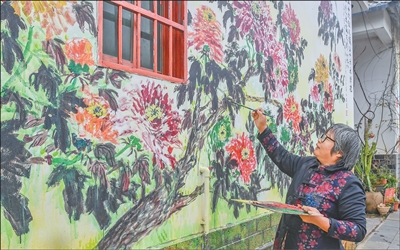
Core Perspective - The transformation of Qianyongdong Village into "898 Art Village" showcases the integration of art and culture into rural life, attracting tourism and revitalizing the local economy [3][4]. Group 1: Development of the Art Village - The initiative to create an art village began in late 2019 when local entrepreneurs collaborated with artists to enhance the village's appeal through wall murals and artistic installations [3]. - The village's name "898 Art Village" is derived from Hainan's telephone area code, symbolizing its unique identity [3]. - The introduction of various artists and craftsmen has diversified the artistic offerings, including calligraphy, traditional crafts, and public art projects [3][4]. Group 2: Economic and Cultural Impact - Despite initial challenges such as limited income and high operational costs, the village has seen renewed opportunities since late 2022 with the support of cultural industry development projects [4]. - In 2023, the village was recognized as a cultural tourism site, leading to the establishment of new cultural venues that further enhance its artistic environment [4]. - Community engagement has increased, with local residents participating in cultural events and activities, fostering a sense of belonging and pride [4]. Group 3: Future Aspirations - The vision for the future includes making the art village an open platform for artistic expression, aiming to integrate art into everyday life and tell new stories of the village [4].
枣庄市市中区深入探索片区建设引领乡村振兴新路径
Qi Lu Wan Bao Wang· 2025-09-02 12:09
Core Viewpoint - The article discusses the comprehensive rural revitalization strategy in the Shizhong District of Zaozhuang City, focusing on the integration of planning, industry, ecology, and mechanisms to enhance rural development and improve the quality of life for residents [1][6]. Planning and Development - The overall planning is based on the resource endowment of Yong'an Nanshan, with a focus on creating functional areas for agricultural, cultural, and tourism integration [2] - The strategy emphasizes the importance of local characteristics, leveraging health and wellness, specialty agricultural products, and rural tourism to build a new rural industry system [2] - A collaborative governance model involving government, state-owned enterprises, and village collectives is being implemented to ensure sustainable development [2] Industry Foundation - The development of a distinctive agricultural brand system is prioritized, supporting 12 specialty picking parks to enhance infrastructure and operational scale [3] - Core industries such as pomegranate health drinks and food processing are being cultivated to create a complete value chain from production to sales [3] - A diversified approach to cultural and tourism integration is being adopted, with projects like the Zaozhuang Spicy Chicken Cultural City being developed to enhance regional appeal [3] Ecological Improvement - Actions are being taken to enhance the overall environment of beautiful villages, focusing on sanitation, infrastructure, and ecological value [4] - Infrastructure improvements include upgrading rural roads and sanitation facilities, achieving a 100% sewage treatment rate [4] - The creation of scenic areas and the planting of high-quality fruit trees are part of the ecological enhancement efforts [4] Mechanism Empowerment - A joint prosperity mechanism is being implemented to foster resource sharing and collective development among villages, resulting in over 2.2 million yuan in collective income [5] - State-owned enterprises are playing a crucial role in the overall design and execution of rural revitalization projects [5] - The establishment of grassroots party organizations is enhancing community engagement and addressing local issues through various projects [5] - The revitalization of idle resources, including over 100 vacant courtyards, is creating new employment opportunities and increasing villagers' incomes [6]
“村咖”香动山水间
Xin Hua She· 2025-09-02 08:38
Core Insights - The coffee industry in Yunnan is experiencing significant growth, with coffee planting area expected to exceed 1.2 million acres and production surpassing 140,000 tons by the end of 2024, accounting for over 98% of the national total [1] - The agricultural output value of Yunnan's coffee is projected to reach nearly 5 billion yuan, reflecting a year-on-year increase of 13% [1] - The integration of coffee with rural tourism and other sectors is revitalizing local economies and creating new job opportunities for residents [2] Group 1 - The rise of "village coffee" (村咖) is not only a scenic attraction but also a lucrative opportunity, contributing to the local economy [1] - Young entrepreneurs are returning to rural areas to engage in coffee-related businesses, enhancing community vitality [2] - The "one household, one business model" is being implemented, allowing traditional coffee farmers to transition into new roles such as guesthouse managers and coffee artisans [2] Group 2 - The coffee industry in Yunnan has developed a mature supply chain, with diverse business models emerging that combine coffee with tourism, film, and education [3] - Unique local products, such as coffee-themed crafts and snacks, are enhancing Yunnan's coffee brand and contributing to rural revitalization [3] - Yunnan's coffee exports reached a value of 650 million yuan in the first half of 2025, marking an 8.4% year-on-year growth and reaching 34 countries and regions [2]
湖南零陵打造“和美乡村” 做强产业富民
Zhong Guo Xin Wen Wang· 2025-09-01 11:08
Core Viewpoint - The "Beautiful Countryside" initiative in Hunan's Lingling District aims to enhance rural living conditions and boost local industries, leading to increased income for residents [1][3]. Group 1: Infrastructure Development - The village of Liziqiao has transformed from old, dilapidated structures to modern homes, with improved infrastructure including waste management, water supply, and road hardening [3]. - The initiative includes comprehensive upgrades to village infrastructure, focusing on environmental beautification and the removal of illegal constructions [5]. Group 2: Agricultural and Economic Growth - The village has adopted a "Party branch + cooperative + farmer" model to develop specialty industries such as sunshine grapes, tea oil, and high-quality rice, with grape cultivation covering 300 acres and generating over 3 million yuan in annual sales [3][5]. - The establishment of a cultural and creative park has diversified local economic activities, providing various leisure events and boosting income for over 50 local families through tourism and related services [4]. Group 3: Community Engagement and Environmental Improvement - New farmers have played a crucial role in the "Beautiful Countryside" initiative, contributing to the development of tourism and cultural activities that enhance community engagement [4]. - The district has achieved recognition for its ecological efforts, with three towns designated as national ecological towns and six as provincial ecological towns, reflecting the success of the "Beautiful Countryside" initiative [7].
截至8月底累计完成农房改造16100余幢
Hang Zhou Ri Bao· 2025-09-01 02:01
Group 1 - The core viewpoint of the article highlights the successful transformation of rural housing in Hangzhou, with over 16,100 rural houses renovated by the end of August this year, showcasing the city's commitment to improving living conditions for villagers [3][4][5] - The renovation efforts are part of a broader strategy that integrates beautiful and livable village construction, the renovation of dilapidated houses for disadvantaged families, and the protection of traditional villages, aiming to enhance rural development [3][4] - The specific case of Zhangwu Village demonstrates the effectiveness of these initiatives, where over 70 old houses were demolished to create new residential areas, resulting in 42 new houses with independent courtyards, alongside improvements in infrastructure [3][5] Group 2 - The article emphasizes the dual approach of demolishing old houses while preserving traditional architecture, ensuring cultural heritage is maintained while enhancing livability [5][6] - New Ye Village has been recognized as a model for the protection and utilization of traditional villages, showcasing well-preserved ancient buildings and attracting tourism [5][6] - The renovation of historical buildings, such as the transformation of a century-old ancestral hall into a Kunqu culture experience center, has significantly boosted local tourism and economic activity, with a single event attracting 12,000 visitors and generating 600,000 yuan in consumption [6]

湖北恩施:深山村落抱团发展 共绘乡村振兴新画卷
Yang Shi Wang· 2025-08-31 14:42
Core Insights - Enshi City in Hubei has leveraged its unique natural and cultural resources to promote rural tourism and drive rural revitalization through an "ecology + health + culture" integrated development model [1][3] - The village of Duyuanping has achieved a historic breakthrough in tourism, with a peak daily visitor count of 12,000 and nearly full occupancy in 68 member homestays, showcasing a successful transformation in rural tourism [3] - The village has established a "homestay + cooperative + farmer" model, resulting in 80% of agricultural products being internally consumed and a 30% premium on product sales, leading to an average income increase of 3,000 yuan per household [3] Summary by Sections Tourism Development - Enshi City is recognized for its stunning karst landscapes and rich Tujia culture, which have become key attractions for rural tourism [1] - The integration of ecological, health, and cultural resources has created new development opportunities for previously isolated villages [1][3] Economic Impact - The Duyuanping village's homestay alliance has significantly boosted local agriculture, with 80% of products consumed locally and a 30% increase in sales prices [3] - The average income for households in the village has risen by 3,000 yuan, demonstrating the economic benefits of the tourism model [3] Community Collaboration - The success of Duyuanping serves as a model for other villages in Enshi, promoting a collaborative approach to rural development and revitalization [3]
中国经济信心说丨忘不了的“乡愁”,如何成乡村振兴“流量担当”
Yang Shi Xin Wen Ke Hu Duan· 2025-08-29 07:41
Core Insights - Traditional villages in China have become significant contributors to rural revitalization, attracting over 293 million visitors and generating approximately 34.213 billion yuan in consumption in the first half of the year [1][3] Group 1: Traditional Village Protection and Development - The initiative to protect traditional villages began in 2012, aiming to preserve cultural heritage for future generations, with 556,000 traditional buildings and nearly 6,000 intangible cultural heritage items included in the protection list [3] - Various regions are implementing unique strategies for the protection and revitalization of traditional villages, such as the "style approval" for renovations in Guizhou and the establishment of electronic archives for ancient buildings in Anhui [3][4] - Balancing protection and innovation is crucial, as traditional villages must integrate cultural heritage with modern elements to ensure sustainable development [3] Group 2: Challenges and Innovative Solutions - The process of protecting and utilizing traditional villages faces challenges like funding shortages and unclear property rights, necessitating innovative mechanisms involving government investment, market operations, and social capital [4] - Examples of innovative approaches include Anhui's creation of a property trading platform for ancient residences and Fujian's local regulations for protecting traditional architecture [4] Group 3: Cultural and Economic Impact - Traditional villages serve as carriers of cultural nostalgia and are valuable economic resources, with successful examples like Shaanxi's food museum and Jiangxi's village running events attracting significant attention [6] - The transformation of traditional villages into popular tourist destinations demonstrates their potential for economic growth and cultural revival, contributing to the overall revitalization of rural areas [6]