家居零售

Search documents
居然智家携手美团:开启家居新零售全域数字化新篇章
Sou Hu Cai Jing· 2025-05-20 09:41
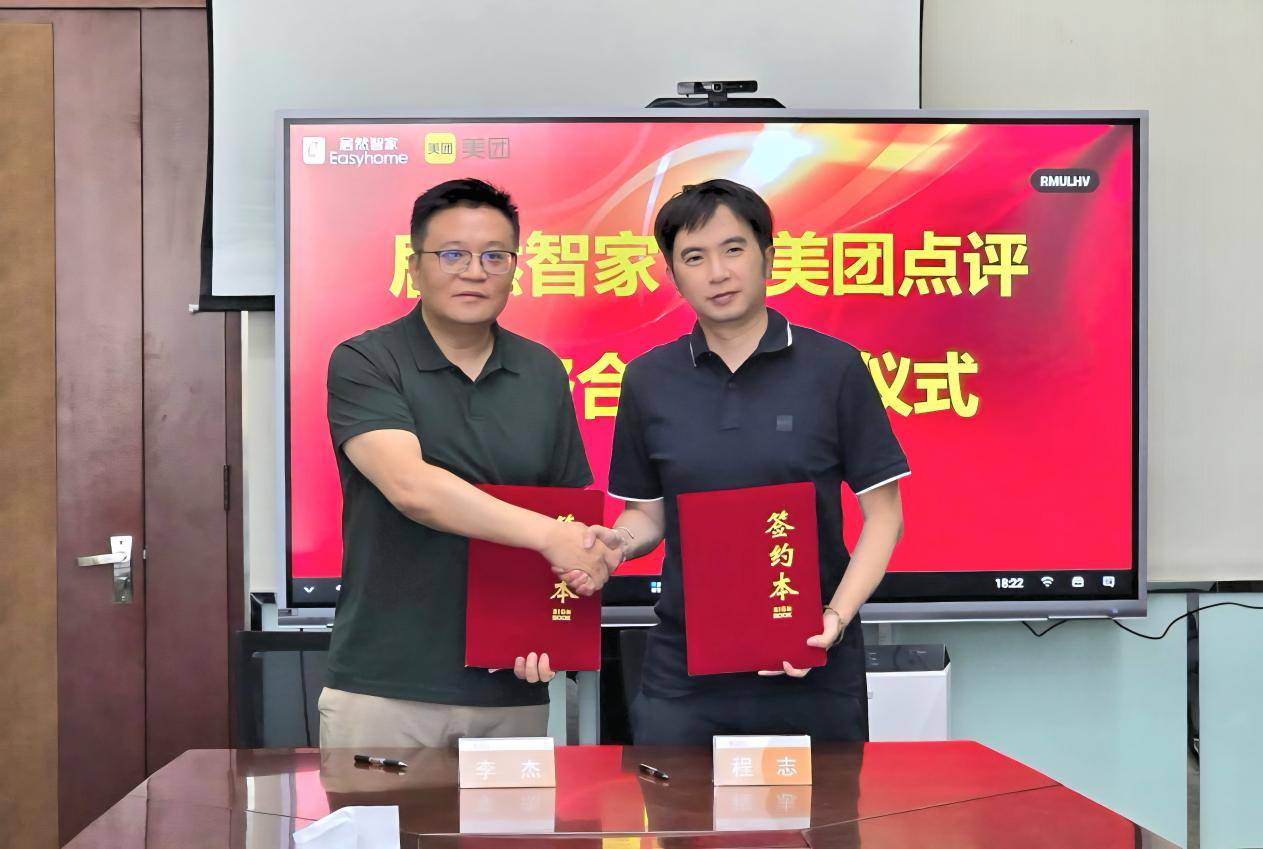
Core Viewpoint - The strategic partnership between Juran Zhijia and Meituan aims to create a new home consumption model that integrates online precision marketing with offline immersive experiences, setting a benchmark for digital transformation in the industry [1] Group 1: Digital Marketing Innovations - Juran Zhijia has developed a comprehensive digital marketing system that includes cloud marketplaces, cloud merchants, and cloud guides, enhancing its "people-goods-scene" collaborative ecosystem [3] - The collaboration with Meituan expands Juran Zhijia's traffic strategy, leveraging Meituan's vast public traffic to provide more targeted and personalized user experiences [3][4] - The partnership focuses on optimizing transaction processes, creating a complete transaction loop from in-store consumption to online feedback and data accumulation [3] Group 2: Ecosystem Synergy - The collaboration enhances both B-end merchant digital empowerment and C-end user precision operations, aiming to improve consumer experiences and merchant operational efficiency [5] - Meituan's data analysis capabilities will allow for precise targeting of Juran Zhijia's marketplace and brand merchant information to potential customers based on various user tags [5] - The integration of Juran Zhijia's and Meituan's systems will streamline operations and enhance the visibility and sales opportunities for merchants [5] Group 3: Implementation Strategies - Ahead of the upcoming 618 shopping festival, Juran Zhijia and Meituan have customized multi-dimensional incentive policies to boost sales activity [6] - The partnership will provide traffic subsidies and commission discounts to enhance online exposure and conversion rates during the promotional period [6][7] - Over a thousand stores will be launched on Meituan, with digital renovations and promotional products being made available to maximize sales during the peak shopping season [7] Group 4: Future Outlook - The partnership signifies a deep integration of local physical marketplaces with online local services, redefining the ecosystem logic of new retail in the home furnishing sector [8] - Future explorations may include the integration of smart home solutions with local lifestyle services, making home renovations an immediate and accessible experience [8] - The collaboration is expected to foster innovative scenarios that contribute to high-quality development in the industry [8]


京东在上海成立家居购物公司 注册资本5000万
news flash· 2025-05-20 07:18
天眼查App显示,近日,上海 京东壹零壹家居购物有限公司成立,法定代表人为石永刚,注册资本5000 万人民币,经营范围包括家具销售、家具零配件销售、工艺美术品及礼仪用品销售、票务代理服务、市 场营销策划等。股东信息显示,该公司由京东五星电器集团有限公司全资持股。 ...
美凯龙: 关于董事辞任的公告
Zheng Quan Zhi Xing· 2025-05-16 11:53
| | | 原定任期 | | 具体职务 | 未履行完 | | --- | --- | --- | --- | --- | --- | | 姓名 | 离任职务 | 离任时间 | 离任原因 | 市公司及其控 | | | | | 到期日 | | (如适用) | 毕的公开 | | | | | 股子公司任职 | | | 承诺 郑永达 非执行董事 2025 年 5 2026 年 8 工作调整 否 不适用 否 月 16 日 月 14 日 二、离任对公司的影响 红星美凯龙家居集团股份有限公司 证券代码:601828 证券简称:美凯龙 编号:2025-038 红星美凯龙家居集团股份有限公司 本公司董事会及全体董事保证本公告内容不存在任何虚假记载、误导性陈 述或者重大遗漏,并对其内容的真实性、准确性和完整性承担法律责任。 一、提前离任的基本情况 是否存在 是否继续在上 根据《公司法》 《公司章程》等相关规定,郑永达先生的辞任不会导致公司董事 会人数低于法定最低人数,不会影响公司董事会依法规范运作和公司的正常经营, 其辞任报告自送达公司董事会之日起生效。公司按照相关法定程序,将择日启动新 任董事的补选工作。 郑永达先生在担任公司董 ...

日本如何在“失去的三十年”避免中产返贫
3 6 Ke· 2025-05-16 04:18
Group 1 - The "Lost Thirty Years" in Japan refers to a period of economic stagnation following the bubble burst, characterized by stagnant nominal wages and declining real income [1][2] - The proportion of non-regular employment has increased significantly, with over half of women and more than 20% of men in non-regular jobs by 2020, leading to a perception among the younger generation that effort does not guarantee reward [1][2] - The relative poverty rate in Japan rose from about 10% in the 1980s to 16% in 2012, ranking second among G7 countries, indicating a shrinking middle class and increasing low-income households [2][3] Group 2 - The pension replacement rate in Japan has declined from approximately 68% in 1986 to 61.7% in 2019, indicating a growing challenge for the middle class as the aging population increases [3][4] - Despite economic challenges, the self-identified middle class in Japan has remained relatively stable, with a slight decrease from 90% to 89% from 1990 to 2024 [3][4] Group 3 - Japan's Gini coefficient increased from 0.43 in 1990 to 0.57 in 2021, indicating rising income inequality; however, the net Gini coefficient remained stable around 0.38 due to effective social redistribution mechanisms [6][7] - Japan's social security expenditure accounted for 25.12% of GDP in 2023, significantly higher than China's 7.7%, reflecting a strong commitment to social welfare [7][8] Group 4 - The rise of budget brands like Uniqlo and Muji during Japan's economic downturn illustrates a shift towards "defensive consumption," where consumers prioritize quality at lower prices [10][11] - The average monthly household expenditure on clothing decreased by 36% from 1990 to 2020, highlighting the impact of economic pressures on consumer behavior [11][12] Group 5 - Japan's business environment is characterized by a strong emphasis on reputation and contract fulfillment, which has fostered a culture of efficiency and quality despite economic challenges [12][14] - The concept of "cooperative fulfillment" in Japanese society emphasizes maintaining dignity and respect in transactions, which has helped sustain social stability during economic downturns [14][15] Group 6 - Comparatively, Japanese households had a more diversified asset portfolio in the 1990s, with 36% in equity assets, while Chinese households are heavily reliant on real estate, which poses greater risks in case of market downturns [17][18] - The high leverage in Chinese households, with housing loans at 33.9% of nominal GDP, suggests that any economic shock could have more severe consequences compared to Japan's historical context [17][18]
又一个首富,被立案调查了……
创业家· 2025-05-15 09:57
Core Viewpoint - The article discusses the recent legal troubles faced by the home furnishing giant Red Star Macalline, particularly focusing on the investigation of its general manager, Che Jianxing, and the implications for the company's management and financial health [4][6][34]. Group 1: Company Investigation and Management Issues - Che Jianxing, the general manager of Red Star Macalline, has been placed under investigation by the Yunnan Supervisory Commission, indicating potential corruption or abuse of power [4][6]. - This investigation follows the recent legal issues surrounding the former executive, Gao Shuang, who was involved in a case of embezzlement related to a foreign investment project [9][10]. - The internal management problems within Red Star Macalline are becoming increasingly apparent, as evidenced by the legal troubles of its executives [14]. Group 2: Financial Performance and Market Position - Red Star Macalline has faced significant financial challenges, with liabilities reaching 196.6 billion in 2020, leading to asset sales to alleviate debt [28][29]. - The company sold a 29.95% stake for 6.286 billion to a local state-owned enterprise, but this move did not prevent it from entering bankruptcy restructuring in 2023 [31][32]. - The financial performance has deteriorated, with reported losses of 2 billion in 2023 and projected losses of nearly 3 billion in 2024, raising concerns about the sustainability of its operations [38][39]. Group 3: Industry Context and Broader Implications - The home furnishing industry is experiencing a downturn, with major players like Red Star Macalline and others facing significant challenges, including declining sales and increased competition [42][43]. - The article highlights a broader trend of financial distress among home furnishing companies, with many executives facing scrutiny and companies struggling to maintain profitability [42][43].

红星美凯龙创始人被立案调查;娃哈哈客服回应纯净水由今麦郎代工;甘薇和贾跃亭离婚,否认得到40亿元;雷军微博限制评论丨邦早报
创业邦· 2025-05-14 23:52
Group 1 - Red Star Macalline's founder, Che Jianxing, is under investigation by the Yunnan Provincial Supervisory Committee, but the company's board operations remain normal and control has not changed [2][3] - Manus's parent company, Butterfly Effect, denied reports of a $100 million financing round at a $1.5 billion valuation, stating the information is false [2] - Actor Gan Wei announced her divorce from Jia Yueting, denying any asset transfer or claims of receiving 4 billion yuan [3] Group 2 - Tencent reported Q1 2025 revenue of 180 billion yuan, a 13% year-on-year increase, with WeChat and WeChat's combined monthly active users reaching 1.402 billion, up 3% year-on-year [7] - JD.com announced that users whose orders were delayed by over 20 minutes during a system outage would receive a refund [8] - Neta Auto denied bankruptcy rumors, clarifying that a third-party advertising company filed for bankruptcy, not the company itself, while acknowledging internal difficulties [8] Group 3 - Wahaha's customer service confirmed that its purified water is produced by Jinmailang under quality standards, addressing consumer concerns about product differences [11] - Xiaomi's founder Lei Jun limited comments on his Weibo posts, citing a challenging period for the company [5] - The International Energy Agency projected that by 2025, one in four new cars sold globally will be electric, with sales expected to exceed 20 million units [24] Group 4 - Nvidia's market capitalization reached $3 trillion, with CEO Jensen Huang's net worth increasing by 50% year-on-year to approximately $120 billion [15] - CATL received over $50 billion in institutional orders, achieving a 30-fold oversubscription for its IPO, potentially making it the largest IPO of the year [15] - Meizu launched the Note16 series smartphones with prices starting at 594.15 yuan after subsidies [17]


前“家居首富”车建兴遭立案留置,红星美凯龙或告别车氏印记
2 1 Shi Ji Jing Ji Bao Dao· 2025-05-14 13:13
Core Viewpoint - The founder and general manager of Red Star Macalline, Che Jianxing, is under investigation by the Yunnan Provincial Supervisory Committee, which has led to the company appointing Li Yupeng to act in his stead, ensuring normal business operations continue [1][2]. Group 1: Company Leadership Changes - Che Jianxing had already stepped back from frontline roles before the investigation, officially resigning as the legal representative and chairman in August 2023, while still serving as a director and general manager [2]. - Following the acquisition of a 29.95% stake by Xiamen Jianfa Co., Ltd., Che Jianxing's family members and key executives resigned from their positions, leading to a shift in control to state-owned entities [2]. - Li Yupeng has taken over the responsibilities of both chairman and general manager during Che Jianxing's investigation, marking a transition from a family-run business to a state-controlled enterprise [2]. Group 2: Company Operations and Strategy - Red Star Macalline has been active in Yunnan since 2011, opening multiple stores, but has slowed its expansion in the region due to adjustments in the real estate market [3][4]. - The company plans to implement a new retail strategy with the opening of a large "one store, two MALLs" shopping center in Zhenxiong, Yunnan, aiming to improve store turnover rates [4]. Group 3: Recent Challenges - The company has faced multiple issues, including the sentencing of its former executive for embezzlement and penalties from the Ministry of Finance for accounting errors related to inflated investment properties [6]. - Che Jianxing has been implicated in these financial discrepancies, which occurred during his tenure as chairman and general manager [6]. - The broader trend of increased scrutiny and investigations into key figures in publicly listed companies reflects a tightening regulatory environment [6].
美凯龙:董事兼总经理被留置,“不会对公司日常经营产生重大影响”
和讯· 2025-05-14 09:58
Core Viewpoint - The company is currently under investigation, but it asserts that daily operations remain normal and unaffected by the situation [1][2]. Group 1: Company Management and Structure - The company announced that its chairman, Li Yupeng, will temporarily assume the responsibilities of the general manager during the investigation of board member Che Jianxing [1]. - The company has a well-structured organization and internal control mechanisms, with no changes in control [1]. - After the acquisition in 2023, Jianfa Group has taken over management, holding 29.95% of the company's shares, making it the largest shareholder [2]. Group 2: Financial Performance - In Q1, the company reported revenue of 1.615 billion yuan, with a net loss narrowing by 53% compared to the previous quarter [2]. - Excluding fair value changes, the operating profit reached breakeven, showing a 400 million yuan improvement from the previous quarter [2]. Group 3: Industry Context and Future Outlook - The home retail market, as a downstream sector of real estate, is under pressure, necessitating a shift from scale development to refined operations [3]. - The company's long-term development will depend on efficient management, governance optimization, and patient capital investment [3].

巨头创始人,突传被查!原女高管刚刚获刑!深圳有多家门店
Nan Fang Du Shi Bao· 2025-05-14 05:44
Core Viewpoint - The company is facing significant challenges due to leadership issues, financial distress, and declining performance in the home furnishing retail sector, leading to investigations and legal actions against its founder and former executives [1][2][3]. Group 1: Leadership and Legal Issues - Founder Che Jianxing has been placed under investigation by the Yunnan Provincial Supervisory Committee, with measures taken against him, although the company claims its board operations remain normal [1]. - The former CEO Gao Shuang was sentenced to three years in prison for embezzlement, highlighting ongoing governance issues within the company [7]. Group 2: Financial Performance - The company has experienced a significant decline in revenue and net profit, with total revenue for 2024 reported at 7.821 billion, a decrease of 32.08%, and a net loss of 2.983 billion [5]. - In the first quarter of 2024, revenue was 1.615 billion, down 23.49%, with a net loss of 513 million, an increase of 38.2% compared to the previous year [5]. Group 3: Debt and Asset Management - The company has been under severe financial strain, with total liabilities reaching 381 billion by June 2023, and a short-term debt gap exceeding 4 billion [2][3]. - To alleviate debt pressure, Che Jianxing has engaged in asset divestitures, including selling a 29.95% stake in Meikailong for 6.3 billion [3]. Group 4: Market Position and Strategy - The company is attempting to adapt to declining foot traffic in the home furnishing sector by diversifying its offerings, including introducing automotive sales and supermarkets, but continues to face challenges with rental income and occupancy rates [6].
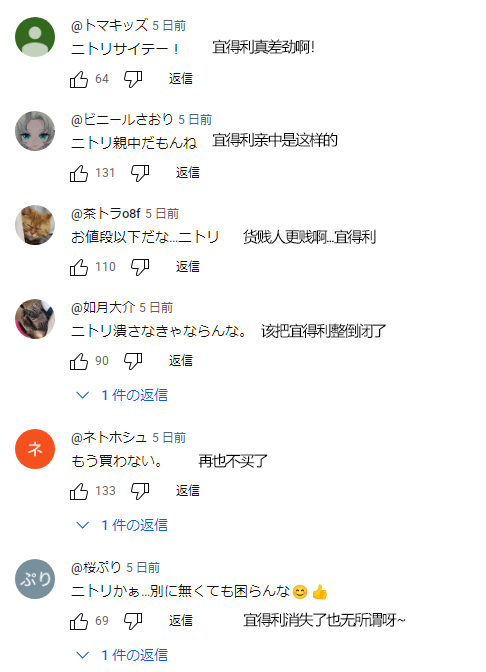
宜得利被指向中国卖米:它折射出日本的深层焦虑
Hu Xiu· 2025-05-14 05:06
Core Viewpoint - The controversy surrounding Nitori's rice exports to China has sparked significant public outrage in Japan, highlighting deeper societal issues related to the ongoing rice crisis and rising prices [1][2][5]. Group 1: Nitori's Export Controversy - A viral video on social media accused Nitori of exporting high-quality rice from Hokkaido to China while Japan faces a domestic rice shortage and rising prices [1][2]. - Nitori clarified that it had exported rice in January 2022 but has not done so since, attempting to quell public anger [4]. - The public's reaction reflects a broader sentiment of frustration over rising living costs and the cultural significance of rice in Japan [5]. Group 2: Current Rice Crisis in Japan - Japan has been experiencing a severe rice shortage since 2024, with prices soaring; the core consumer price index rose by 2.7% in July 2024, with rice prices increasing by 18%, the highest in 20 years [6]. - The average price of rice in supermarkets reached 4,233 yen for 5 kg by May 2025, nearly doubling from the previous year [6]. - The crisis has been compared to the 1993 rice crisis, driven by factors such as abnormal weather, changes in planting structure, and increased tourist demand [7]. Group 3: Structural Issues in Japanese Agriculture - The root causes of the rice crisis include structural problems in Japanese agriculture, such as fragmented farming practices and an aging farmer population, with 60% of agricultural workers over 65 years old [8][11]. - Farmers' average annual income was reported at only 1 million yen, equating to a mere 10 yen per hour, highlighting the economic struggles within the sector [8]. - Agricultural policies, including high tariffs and production reduction strategies, have exacerbated the situation, leading to decreased production capacity and increased market volatility [11][14]. Group 4: Societal and Cultural Implications - The rice crisis has intensified public anxiety about food security, with rice symbolizing self-sufficiency and national identity in Japan [15][20]. - The backlash against Nitori reflects a broader societal fear regarding food exports during a domestic shortage, with accusations of "selling out" to foreign markets [16][20]. - The incident underscores the need for a more rational discourse on agricultural issues rather than scapegoating individual companies [20].