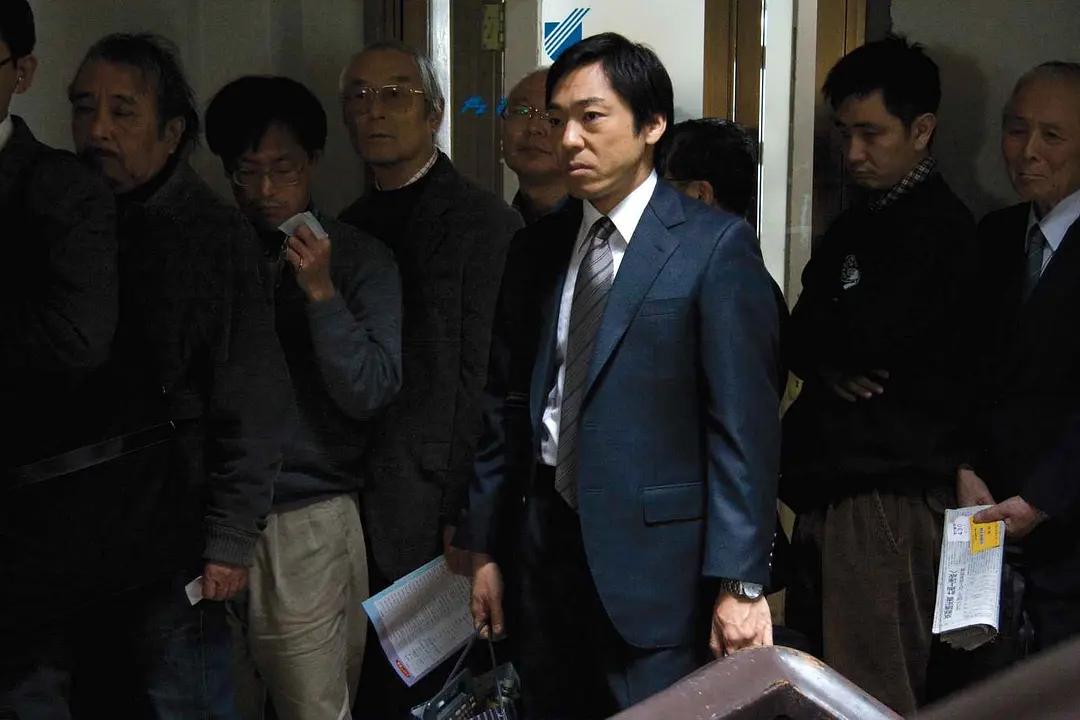
失去的三十年

Search documents
任泽平:游学日本,失去的三十年
泽平宏观· 2026-03-04 16:06
Group 1 - The core viewpoint is that after the real estate bubble burst, Japan's path forward lies in "debt migration" and the development of emerging industries [3][4] - Japan has experienced a significant decline in GDP since its peak in 1995, with a projected GDP of $4.03 trillion in 2024, a 36% decrease from 2012 and a 27% decrease from 1995 [5][11] - The comparison with the U.S. highlights that government and central bank interventions can alleviate debt pressure, leading to a recovery in consumer spending and investment [4][3] Group 2 - Japan's society exhibits characteristics of a "low-desire society," where individuals are less inclined to marry, have children, or engage in social activities due to economic pressures [8][6] - The high cost of living in Japan contributes to many workers being unable to save money, leading to a phenomenon where young people are financially strained [6][8] - Japan's global economic standing has significantly declined, with its GDP representing only 14% of the U.S. GDP in 2024, down from 72.6% in 1995 [11][13] Group 3 - Japan's high level of civilization is evident in its social order and cleanliness, with residents actively participating in waste management despite the absence of public trash bins [14] - The service industry in Japan is noted for its exceptional customer service, which is a reflection of cultural values emphasizing politeness and community [14] - The visit to Japanese companies like Toyota and Kyocera reveals their strengths in precision manufacturing and management practices, which are crucial for maintaining competitiveness [15] Group 4 - The real estate market in Tokyo has seen significant price increases, with some areas experiencing price hikes of up to 100%, largely driven by Chinese buyers [16] - Post-bubble trends in Japan include a focus on overseas expansion, value-for-money consumption, and health-related products, which are responses to the economic challenges faced [16][20] - The perception of China in Japan has improved, with a notable presence of Chinese-speaking sales staff in high-end retail environments [17]

放心吧,我们不是日本,也不会有“失去的三十年”
Xin Lang Cai Jing· 2026-01-19 13:16
Core Viewpoint - The comparison between the current economic situation and Japan's lost decade is misleading and ignores critical macroeconomic factors [1][12][21] Group 1: Economic Comparison - The notion of a "lost thirty years" stems from Japan's real estate bubble collapse, which has led to significant declines in property prices in recent years [3][14] - Similar economic phenomena such as asset price declines, credit contraction, and weak consumption occur globally following significant real estate price drops [3][14] Group 2: Logical Fallacies - The absence of similar comparisons for the U.S. post-2008 housing crisis highlights the flawed logic in equating the current situation with Japan's [4][14] - Japan is not a comparable nation to China; the appropriate comparison would be with the U.S., as Japan lacks the same level of economic independence [5][15] Group 3: Key Differences - China is a peer nuclear power to the U.S., while Japan operates as an economic and military dependency of the U.S. [7][17] - Japan's inability to independently develop key industries, such as aerospace, due to U.S. restrictions, contrasts sharply with China's industrial capabilities [8][19] Group 4: Market Size and Economic Power - Japan's market of 100 million people cannot sustain its industrial capacity, whereas China's 1.4 billion population supports a robust industrial ecosystem [9][19] - China has become the world's largest consumer market and a key trading partner for surrounding regions, enhancing its economic resilience [10][19] Group 5: Future Outlook - The current economic downturn is a phase that will lead to a new cycle starting in 2026, and it is crucial not to adopt a defeatist mindset akin to Japan's past [11][21] - China's goals are focused on national rejuvenation and global aspirations, contrasting with Japan's historical struggles for autonomy [22][23]
未来10年,很多赚钱商机都藏在这些新兴产业里
创业家· 2025-07-11 10:07
Core Viewpoint - The article draws parallels between Japan's economic stagnation over the past three decades and China's current economic challenges, suggesting that China can learn valuable lessons from Japan's experience [4][5][6]. Group 1: Consumption Trends - Japan's economic stagnation has led to a shift in consumer attitudes, moving towards minimalism and low-desire consumption, which aligns with global trends of resource scarcity [5][6]. - The four stages of Japanese consumption identified by Miura Nobuyuki include homogenized consumption, differentiated consumption, rational minimalism, and spiritual consumption, indicating a transition towards valuing experiences over brand prestige [7][8]. - The emergence of the "one-person economy" reflects changing social dynamics and consumer preferences, emphasizing individual fulfillment and lifestyle choices [9]. Group 2: Aging Population and Wealth Distribution - Japan's aging population holds a significant portion of national wealth, with over 50% of national assets owned by individuals aged 60 and above, mirroring trends in China [15][17]. - The increasing percentage of elderly individuals in China, projected to reach 30% by 2035, raises questions about how to cater to this affluent and leisure-seeking demographic [18][19]. - The concept of "M-shaped society" describes the polarization of the middle class in Japan, a trend that is also observable in China, where a significant portion of the population is classified as low-income [20][22]. Group 3: Tourism and Leisure Industry - Japan's tourism sector has thrived during economic downturns, driven by a national strategy that recognizes the value of tourism for economic growth and national branding [26][33]. - Various successful tourism models in Japan include theme parks, leisure resorts, and cultural tourism, which have adapted to consumer preferences for unique experiences [27][29][30]. - The integration of traditional culture and modern tourism practices has created a vibrant tourism industry, with events and festivals attracting both domestic and international visitors [31][32]. Group 4: Future Consumption Trends - The article suggests that China is transitioning between the second and third consumption eras, with early signs of the fourth consumption era emerging, characterized by a focus on experience and personal satisfaction [11][12]. - The changing economic landscape necessitates a shift from rapid profit-driven models to those that prioritize creativity, emotional connection, and consumer-centric values [38][40]. - The upcoming seminar on Japanese consumption strategies aims to provide insights into adapting these lessons for the Chinese market, emphasizing the importance of understanding evolving consumer needs [41][42].

在“失去的三十年”,日本如何避免中产返贫?
虎嗅APP· 2025-05-19 10:22
Core Viewpoint - The article discusses how Japan managed to avoid a significant decline in the middle class during its "lost three decades" despite economic stagnation and rising inequality, providing insights for other societies facing similar challenges [1][2]. Economic Context - Japan's average annual income decreased from approximately 4.63 million yen in 1990 to 4.33 million yen in 2018, indicating stagnation in nominal wages and a decline in real income due to inflation [1][3]. - The relative poverty rate rose from about 10% in the 1980s to 16% in 2012, ranking Japan second among G7 countries in terms of income inequality [3][4]. Consumption Patterns - The Engel coefficient, which measures the proportion of food expenditure in total consumption, increased from around 20% in the late 1980s to 26.6% in 2022, reflecting a decline in disposable income and a shift towards essential spending [3][4]. - The perception of being middle class in Japan remained relatively stable, with self-identification as middle class only slightly declining from 90% in 1990 to 89% in 2024 [4][5]. Social Stability - Despite economic challenges, Japan maintained a stable social structure, with the net Gini coefficient remaining around 0.38 over 30 years due to effective social redistribution mechanisms [7][8]. - Social security spending accounted for 25.12% of GDP in 2023, supporting a comprehensive welfare system that includes various insurance programs and cash subsidies [8][9]. Consumer Behavior - The rise of affordable brands like Uniqlo and Muji during Japan's economic downturn exemplifies "defensive consumption," allowing families to maintain a decent standard of living despite reduced spending power [11][12]. - Japanese companies focus on efficiency through management philosophies like Kaizen and Just-in-Time, which emphasize waste reduction and responsive production without compromising quality [12][13]. Cultural Factors - Japan's societal norms emphasize reputation and reliability, leading to a culture where businesses prioritize quality and service over merely competing on price [15][16]. - The concept of "cooperative fulfillment" reflects a societal commitment to maintaining standards and mutual respect, which has helped Japan navigate economic difficulties without severe social fragmentation [15][17].

日本如何在“失去的三十年”避免中产返贫
3 6 Ke· 2025-05-16 04:18
Group 1 - The "Lost Thirty Years" in Japan refers to a period of economic stagnation following the bubble burst, characterized by stagnant nominal wages and declining real income [1][2] - The proportion of non-regular employment has increased significantly, with over half of women and more than 20% of men in non-regular jobs by 2020, leading to a perception among the younger generation that effort does not guarantee reward [1][2] - The relative poverty rate in Japan rose from about 10% in the 1980s to 16% in 2012, ranking second among G7 countries, indicating a shrinking middle class and increasing low-income households [2][3] Group 2 - The pension replacement rate in Japan has declined from approximately 68% in 1986 to 61.7% in 2019, indicating a growing challenge for the middle class as the aging population increases [3][4] - Despite economic challenges, the self-identified middle class in Japan has remained relatively stable, with a slight decrease from 90% to 89% from 1990 to 2024 [3][4] Group 3 - Japan's Gini coefficient increased from 0.43 in 1990 to 0.57 in 2021, indicating rising income inequality; however, the net Gini coefficient remained stable around 0.38 due to effective social redistribution mechanisms [6][7] - Japan's social security expenditure accounted for 25.12% of GDP in 2023, significantly higher than China's 7.7%, reflecting a strong commitment to social welfare [7][8] Group 4 - The rise of budget brands like Uniqlo and Muji during Japan's economic downturn illustrates a shift towards "defensive consumption," where consumers prioritize quality at lower prices [10][11] - The average monthly household expenditure on clothing decreased by 36% from 1990 to 2020, highlighting the impact of economic pressures on consumer behavior [11][12] Group 5 - Japan's business environment is characterized by a strong emphasis on reputation and contract fulfillment, which has fostered a culture of efficiency and quality despite economic challenges [12][14] - The concept of "cooperative fulfillment" in Japanese society emphasizes maintaining dignity and respect in transactions, which has helped sustain social stability during economic downturns [14][15] Group 6 - Comparatively, Japanese households had a more diversified asset portfolio in the 1990s, with 36% in equity assets, while Chinese households are heavily reliant on real estate, which poses greater risks in case of market downturns [17][18] - The high leverage in Chinese households, with housing loans at 33.9% of nominal GDP, suggests that any economic shock could have more severe consequences compared to Japan's historical context [17][18]