
养老服务

Search documents
广东:加大对居家养老、社区助老、适老化改造等“家门口”服务场景的金融支持力度
Mei Ri Jing Ji Xin Wen· 2025-11-17 04:21
Core Viewpoint - The Guangdong Provincial Financial Regulatory Bureau has released an implementation plan aimed at promoting high-quality development in elderly finance, focusing on enhancing financial support for various elderly care services [1] Group 1: Financial Support Initiatives - The implementation plan emphasizes increasing financial support for home-based elderly care, community assistance for the elderly, age-friendly renovations, smart health services, and rehabilitation care [1] - Financial institutions are encouraged to innovate and develop inclusive financial products such as installment plans, leasing, and interest subsidies targeted at elderly service points in villages, senior dining halls, and small service organizations [1] Group 2: Investment Guidance - The plan aims to guide policy funds and social capital towards new rural elderly care models, including rural tourism-style elderly care and the manufacturing of assistive devices, to address the shortcomings in rural elderly care services [1]
发展银发经济,守护稳稳幸福
Ren Min Ri Bao· 2025-11-17 01:47
Group 1 - The core of the silver economy includes "for the elderly economy," "preparation for the elderly economy," and "utilizing the elderly economy," which helps to better explore the potential of the silver economy [1][2] - By 2050, the market size for the consumption of the elderly population aged 60 and above in China is expected to exceed 100 trillion yuan [1] - The "14th Five-Year Plan" emphasizes the development of the silver economy and the active utilization of elderly human resources, providing direction for industrial innovation and market development [1] Group 2 - The silver economy must focus on "age-friendly" initiatives, enhancing the rights and interests of the elderly as a foundational aspect [2] - There is a significant demand for elderly care workers, with a reported need for 6 million positions, while only 500,000 are currently filled, highlighting a skills gap in the workforce [2] - The development of the silver economy requires a user-oriented approach, integrating "elderly care+" cross-industry collaboration to meet new demands [2] Group 3 - Elderly individuals are often targets of commercial fraud and misleading consumption due to their slower information acquisition and weaker rights protection [3] - Establishing protective measures such as "green channels" for elderly consumer rights and regular monitoring of market practices is essential for maintaining market order [3] - A collaborative effort is needed to create a "Protect the Elderly Alliance," ensuring the well-being of the elderly and revitalizing the silver economy [3]
发展银发经济,守护稳稳幸福(人民时评)
Ren Min Ri Bao· 2025-11-16 22:10
Group 1 - The core of the silver economy includes "for the elderly economy," "preparation for the elderly economy," and "utilizing the elderly economy," which helps to better explore the potential of the silver economy [1][2] - By 2050, the market size for the consumption of the elderly population aged 60 and above in China is expected to exceed 100 trillion yuan [1] - The "14th Five-Year Plan" emphasizes the development of the silver economy and the active utilization of elderly human resources, providing direction for industrial innovation and market development [1] Group 2 - The silver economy must focus on "age-appropriate" services, enhancing the rights and interests of the elderly, and ensuring their sense of gain, happiness, and security [2] - There is a significant demand for elderly care workers, with a reported need for 6 million positions, while only 500,000 are currently filled, highlighting a skills gap in the workforce [2] - The development of the silver economy requires a deep integration of industry and education to attract more talent and address the challenges in the elderly care sector [2] Group 3 - The elderly are vulnerable to commercial fraud and misleading consumption, facing challenges such as high-priced health products and deceptive investment schemes [3] - Establishing protective measures, such as "green channels" for consumer rights and consumer warning lists, is essential to maintain market order and consumer confidence [3] - A collaborative effort is needed to create a "Protect the Elderly Alliance" to ensure the well-being of the elderly and promote a thriving silver economy [3]
发展银发经济 守护稳稳幸福(人民时评)
Ren Min Ri Bao· 2025-11-16 21:59
Group 1 - The core concept of the silver economy includes "for the elderly economy," "preparation for the elderly economy," and "utilization of the elderly economy," which helps to better explore the potential of the silver economy [1][2] - By 2050, the market size for the consumption of the elderly population aged 60 and above in China is expected to exceed 100 trillion yuan [1] - The "14th Five-Year Plan" emphasizes the development of the silver economy and the active utilization of elderly human resources, providing direction for industrial innovation and market development [1] Group 2 - The foundation of a prosperous and sustainable silver economy is the enhancement of elderly people's sense of gain, happiness, and security, with a focus on user-oriented design and development of products and services [2] - There is a significant demand for elderly care workers, with a reported need for 6 million positions, while only 500,000 are currently filled, highlighting the challenges in the talent pool for the silver economy [2] - The integration of education and industry is crucial for attracting more talent to the silver economy, which presents unlimited future opportunities and space for growth [2] Group 3 - Elderly individuals are often targets of commercial fraud and misleading consumption due to their slower information acquisition and weaker rights protection [3] - Establishing protective measures such as "green channels" for elderly consumer rights and regular crackdowns on fraud is essential for maintaining market order and consumer confidence [3] - A collaborative effort to create a "Protect the Elderly Alliance" is necessary to ensure the well-being of the elderly population and to invigorate the silver economy [3]
6000万人次、43.7%,旺盛!“数”里行间解码提质扩容稳就业“成色”↓
Yang Shi Wang· 2025-11-16 03:49
Core Insights - The government has been expanding employment channels for migrant workers since 2025, enhancing their job skills through order-based training programs [1][3] - Over 2,300 labor brands have been established nationwide, creating nearly 60 million job opportunities [5][12] - The focus is shifting from spontaneous labor brands to organized, refined, and integrated industrial models [3][5] Employment Trends - During the "14th Five-Year Plan" period, over 31 million migrant workers have received subsidized vocational training [7] - Various industries, including construction, maintenance, home services, catering, logistics, and new occupations, are actively providing vocational training to enhance employment capabilities [7][8] - The integration of primary, secondary, and tertiary industries has led to the development of rural specialty industries, allowing many to find job opportunities closer to home [8] Local Initiatives - In Wanyuan City, 71 specialty workshops cover 31 towns, focusing on industries like new energy and tea processing, with 20 more workshops planned [12][13] - Local policies have provided 12.68 million yuan in support funds to encourage businesses to hire more workers [12] - Approximately 96,000 rural laborers in Wanyuan face employment challenges due to family responsibilities, prompting the establishment of processing workshops for local agricultural products [13][15] Service Industry Growth - The service industry is a crucial channel for absorbing rural labor, with increasing demand for jobs in sectors like elderly care and home services [15][20] - Job openings in the elderly care and nursing sectors have seen a year-on-year growth of 29.2%, with specific roles like caregivers and rehabilitation therapists experiencing significant demand increases [20] - The pet services sector has also shown remarkable growth, with job openings increasing by 43.7%, particularly for pet doctors and groomers [22]

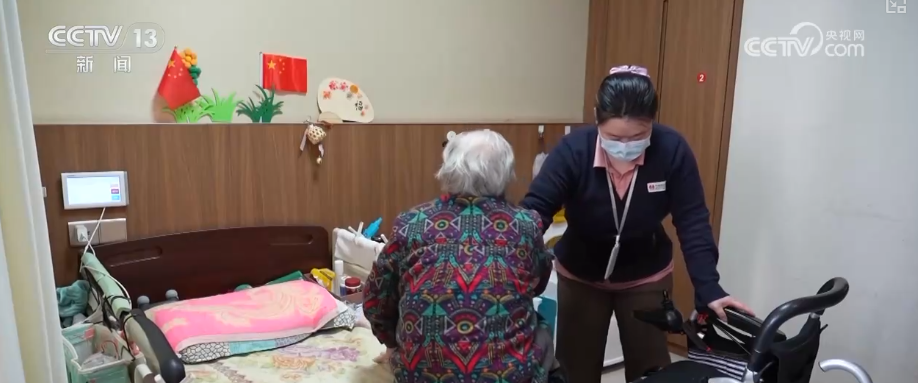
学术智慧助力养老 产学研用创新平台在京启动
Zhong Guo Xin Wen Wang· 2025-11-16 01:41
Core Insights - The academic conference organized by the Chinese Society of Gerontology and Geriatrics focused on aging policies, technological innovation, industry integration, and service practices to support high-quality development during the 14th Five-Year Plan period [1] - The conference aimed to gather insights from over 500 experts and industry professionals to promote collaborative innovation and resource sharing in addressing the challenges of an aging population [1][2] Group 1: Aging Population Statistics and Challenges - By the end of 2024, the elderly population aged 60 and above in China is projected to reach 310 million, accounting for 22.0% of the total population, while those aged 65 and above will reach 220 million, making up 15.6% [2] - The aging population is expected to increase by nearly 14 million annually during the 14th Five-Year Plan period, exacerbating challenges due to the dual pressures of an aging and declining birth rate [2] Group 2: Policy and Strategic Development - The Ministry of Civil Affairs outlined two strategic tasks for the development of the elderly care service system: to establish a suitable system by 2035 and ensure that all elderly individuals have access to basic services [2] - Experts emphasized the need for a localized approach to aging research, advocating for the integration of traditional Chinese values and community support systems in developing effective aging theories [2] Group 3: Silver Economy and Healthcare Innovations - The silver economy is anticipated to evolve, with a shift towards data-driven and intelligent services, moving away from labor-intensive models [3] - A multi-disciplinary approach is recommended to address health challenges faced by the elderly, including the establishment of integrated care teams and the development of smart elderly care products [4][5] Group 4: Integration of Traditional and Modern Medicine - The collaboration between traditional Chinese medicine and Western medicine is seen as crucial for creating a comprehensive elderly health service model [6] - The use of smart health and care robots is highlighted as a key strategy to meet the growing demands of the elderly population for assistance and rehabilitation [6][7]
盐城构建多层次养老服务体系
Xin Hua Ri Bao· 2025-11-14 21:05
Core Viewpoint - The article highlights the successful organization of the "Respect for the Elderly Month" cultural performance in Yancheng, showcasing the city's commitment to building an elderly-friendly society and enhancing elderly care services, reflecting the spirit of the elderly in the new era [1]. Group 1: Elderly Care Initiatives - Yancheng has implemented a series of initiatives to improve elderly care, including the "Five Ones" happiness elderly service capacity enhancement project, which has been included in the municipal government's priorities for four consecutive years [1][2]. - The city has established a comprehensive service network for elderly care, including community-based services and home care, benefiting over 314,800 elderly individuals with nearly 4 million service instances annually [2]. - The city has 158 elderly care institutions, with 78.9% of beds being nursing-type, continuously improving service quality and extending professional services to community families [2]. Group 2: Cultural and Economic Development - The cultural performance involved over 180 elderly participants showcasing various artistic talents, emphasizing the love for life and the concept of healthy aging [1]. - Yancheng has pioneered initiatives in the "silver economy," including the first-ever silver economy project promotion conference and the "Silver Economy Consumption Season," promoting age-friendly products and services [3]. - The city aims to integrate traditional virtues of respect for the elderly into urban development, enhancing the "Salt Year Beneficial Longevity" brand and creating a comfortable living environment for the elderly [3].
记者手记:“小改造”助力解决老年人“大问题”
Xin Hua She· 2025-11-12 07:31
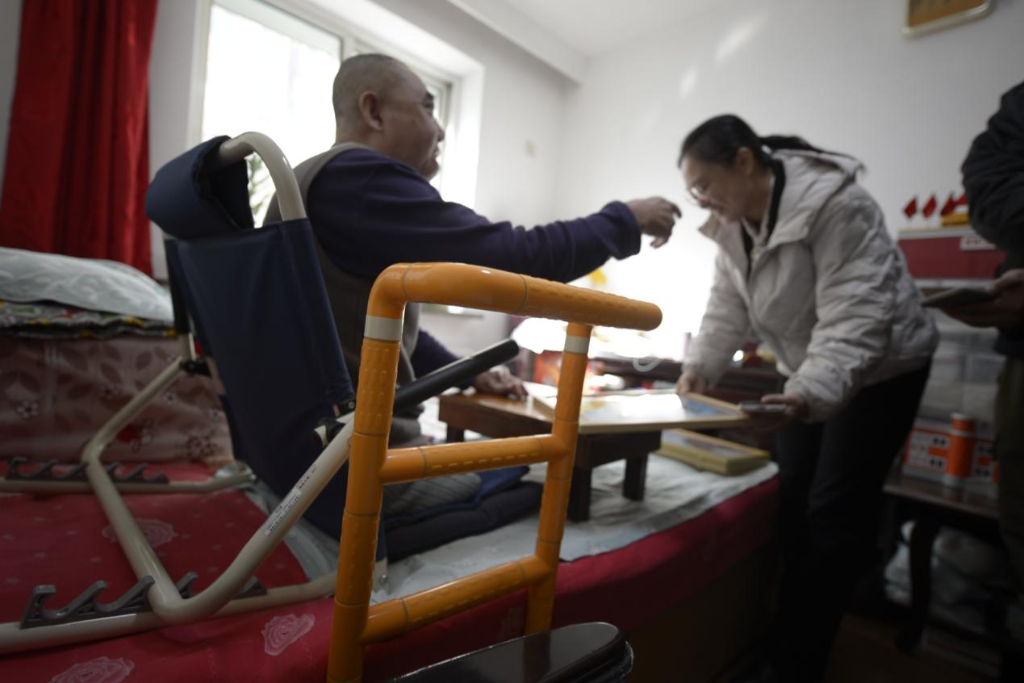
Core Insights - The article discusses the implementation of home modifications for elderly individuals in Shenyang, addressing the challenges faced by the aging population and enhancing their quality of life through small yet impactful changes [2][4]. Group 1: Home Modifications - Shenyang has initiated a program for home modifications aimed at elderly individuals, particularly those with severe disabilities, providing financial support for necessary adjustments [4][6]. - The program offers a maximum subsidy of 3,000 yuan for families with completely disabled elderly individuals and up to 2,000 yuan for others meeting the criteria [4][6]. - Over 10,000 households have benefited from these modifications since the program's inception in 2020, reflecting the city's commitment to improving living conditions for the elderly [4][8]. Group 2: Home Care Services - The Shenyang Civil Affairs Bureau has introduced a free home service program for elderly individuals, particularly targeting those in special difficulties and those over 80 years old [6][8]. - The program has provided over 1.9 million service instances, totaling 2.8 million service hours, showcasing the extensive reach and impact of these services [8]. - The services include assistance with daily activities such as cleaning, bathing, and meal preparation, significantly alleviating the burden on families [5][6]. Group 3: Policy and Future Directions - The article highlights the importance of optimizing basic elderly care services and enhancing the accessibility of public facilities as outlined in the recent national planning documents [8]. - A comprehensive regulatory system has been established to oversee the implementation of elderly care services, ensuring effective use of funds and high-quality service delivery [8]. - Future efforts will focus on further improving the quality of life and happiness of elderly individuals in Shenyang through detailed and targeted initiatives [8].
四中全会精神在基层丨记者手记:“小改造”助力解决老年人“大问题”
Xin Hua She· 2025-11-12 07:27
Core Points - The article discusses the implementation of home modifications for elderly individuals in Shenyang, aimed at addressing significant challenges faced by this demographic [1][3][4] - The initiative provides financial support for home modifications, with a maximum subsidy of 3,000 yuan for severely disabled elderly individuals and 2,000 yuan for others [3][6] - The program has successfully completed over 10,000 home modifications for special needs elderly individuals since its inception in 2020 [3][6] Summary by Sections Home Modifications - Shenyang has initiated a program for home modifications targeting elderly individuals with special needs, following a "one household, one case" principle [3] - The program offers financial subsidies to eligible households, with a focus on those who are completely or severely disabled [3][6] Elderly Population Statistics - The elderly population in Shenyang has reached 30.6%, indicating a high level of aging in the community [3][6] - The increasing pressure on family-based elderly care highlights the importance of these home modifications [3] Community Services - The city has introduced a WeChat mini-program for elderly individuals to access free home services, including cleaning and personal care [3][4] - Over 190 million service instances have been provided, totaling 2.8 million service hours [6] Regulatory Framework - The Shenyang Civil Affairs Bureau has established a comprehensive regulatory system to oversee the quality of elderly care services and ensure effective use of funds [6] - Future plans include further improving the quality of life and happiness for elderly residents [6]
走进沪上这家养老金融特色银行
Jin Rong Shi Bao· 2025-11-11 03:37
Core Insights - Agricultural Bank of China (ABC) Shanghai Branch is pioneering in the elderly finance sector, establishing various innovative financial products and services to meet the needs of the aging population [1][7] Group 1: Innovations in Elderly Finance - ABC Shanghai Branch has launched specialized loan products, such as the "Elderly Batch Loan," to address financing challenges faced by elderly care institutions, with a single credit limit of up to 10 million yuan [2][3] - The bank has successfully provided a total of 25 million yuan in working capital loans to a corporate group and its affiliated care stations, demonstrating its commitment to supporting the elderly care industry [3] - The establishment of the "Elderly Finance Center" and the "Elderly Finance Innovation Laboratory" reflects the bank's focus on integrating academic research with practical applications in elderly finance [7] Group 2: Service Models and Digital Solutions - ABC Shanghai Branch has developed a comprehensive digital management platform for elderly care institutions, enhancing operational efficiency and service quality through features like online signing and elder assessments [5] - The bank has created several industry-first models, including the first online smart elderly care ecosystem and the first community bank focused on elderly finance, setting benchmarks for the industry [5][6] - The bank's initiatives have led to a significant increase in its elderly finance service metrics, with over 10 billion yuan in elderly industry loans and more than 300 billion yuan in occupational pension custody [7]
