文化旅游

Search documents
鼓乐奏春声 古都春意浓(文化中国行·中国年味 时代气象)
Ren Min Ri Bao· 2026-02-20 00:21
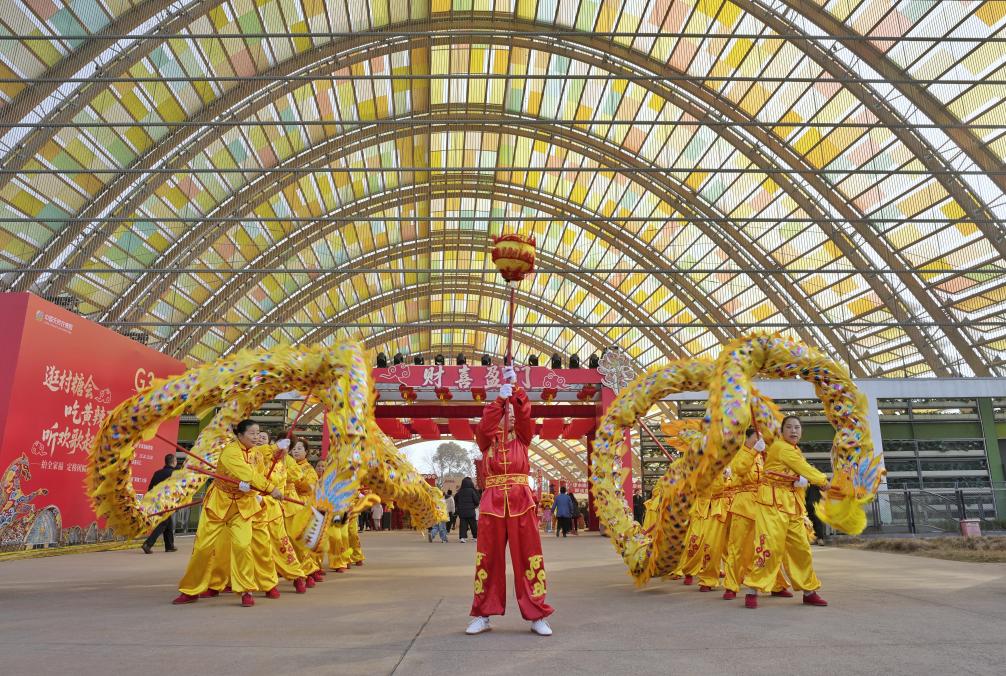
Core Viewpoint - Xi'an, known as a "museum without walls," is rich in world cultural heritage, including the Terracotta Army and ancient sites, which contribute to its cultural depth and significance during the Spring Festival celebrations [2][3]. Group 1: Cultural Events and Exhibitions - The "Horse Dance Spring Festival" exhibition, guided by the National Cultural Heritage Administration, showcases over 400 horse-themed artifacts at the Small Wild Goose Pagoda, enhancing the cultural experience with its historical context [3][4]. - The exhibition emphasizes the role of horses as a symbol of strength and a cultural link along the Silk Road, highlighting their importance in trade and communication since the Han Dynasty [4][5]. Group 2: Traditional Music and Performance - The Xi'an drum music, recognized as a UNESCO intangible cultural heritage, is a significant representation of traditional Chinese music, with performances planned for the Spring Festival [6][7]. - The East Warehouse Drum Music Society has revitalized traditional performances by incorporating modern elements and engaging younger audiences through social media platforms [7][8]. Group 3: Cultural Exchange and Personal Stories - International students from Silk Road countries, like Turkmenistan, experience and share the significance of Chinese New Year traditions, emphasizing the cultural connections fostered by the Silk Road [9][10]. - Personal narratives highlight the importance of family reunions during the Spring Festival, showcasing how cultural practices are lived experiences rather than mere traditions [10].

欢聚武侯祠 策马品三国
Xin Lang Cai Jing· 2026-02-20 00:09
Core Viewpoint - The 2026 Wuhou Shrine Chengdu Temple Fair successfully combines traditional culture with modern interactive experiences, attracting a large number of visitors and enhancing the festive atmosphere of the Spring Festival [1][2][4]. Group 1: Event Highlights - The theme of this year's fair is "Riding the Three Kingdoms, Meeting Chengdu," featuring 16 large and 13 medium-sized light installations, along with various performances and food offerings [1]. - The event includes a digital interactive experience area in collaboration with the game "Honor of Kings," creating a blend of historical and contemporary elements that appeal to younger audiences [1][2]. - Traditional snacks and a creative market are key attractions, with food stalls themed around the Three Kingdoms, drawing long lines for popular items like "San Da Pao" [1][2]. Group 2: Cultural Integration - The fair features performances that integrate traditional storytelling with modern technology, such as the themed drama "Wuhou Qibaonight - Riding the Three Kingdoms," which combines non-heritage skills and digital stage design [2]. - The main light installation, inspired by the relationship between Liu Bei and Zhuge Liang, is a significant visual highlight, measuring 45 meters by 45 meters and 22 meters high, attracting many visitors for photos [2]. - Innovative light installations incorporate traditional craftsmanship and eco-friendly materials, enhancing the cultural expression of the event [2]. Group 3: Modern Elements - The introduction of a "Cyber God of Fortune" performance combines traditional festive elements with modern technology, appealing to younger audiences and adding a futuristic touch to the fair [3]. - The event serves as a platform for cultural memory, showcasing the vibrant and traditional character of Chengdu while engaging visitors in a contemporary context [4].
蜀里年味 科技“扎起”
Xin Lang Cai Jing· 2026-02-19 21:59
Group 1: Tourism Statistics - As of February 19, 2023, 873 A-level scenic spots in Sichuan received 8.1825 million visitors, generating ticket revenue of 75.9382 million yuan [1] - Cumulatively, during the first five days of the holiday, the province welcomed 34.0109 million tourists, with total ticket revenue reaching 258.7747 million yuan [1] - Libraries, cultural centers, and museums in the province received 1.356 million visitors on the same day, with a total of 5.432 million visitors over the first five days [1] Group 2: Technological Integration in Cultural Tourism - Sichuan is showcasing a blend of technology and culture, with new tourism experiences driven by "technology+" initiatives, enhancing visitor engagement during the Spring Festival [2] - Notable projects include digital art exhibitions and light shows in cities like Chengdu and Bazhong, attracting younger audiences [3] - Traditional culture is being innovatively combined with technology, as seen in the collaboration between the Wuhou Shrine Museum and the game IP "Honor of Kings," creating immersive exhibitions [3] Group 3: Cultural Activities and Events - Cultural venues have become popular destinations for visitors during the holiday, with events like the 2026 Sanxingdui New Year celebration attracting both domestic and international tourists [4] - A variety of traditional activities are being organized, including dragon and lion dances, folk parades, and intangible cultural heritage exhibitions, with over 200 events planned in Mianyang [4] - Ibi's promotional activities during the Spring Festival included 973 cultural events, engaging approximately 2.9862 million participants [4]
《太平年》带火台州临海 古城旅游按下加热键
财联社· 2026-02-19 11:04
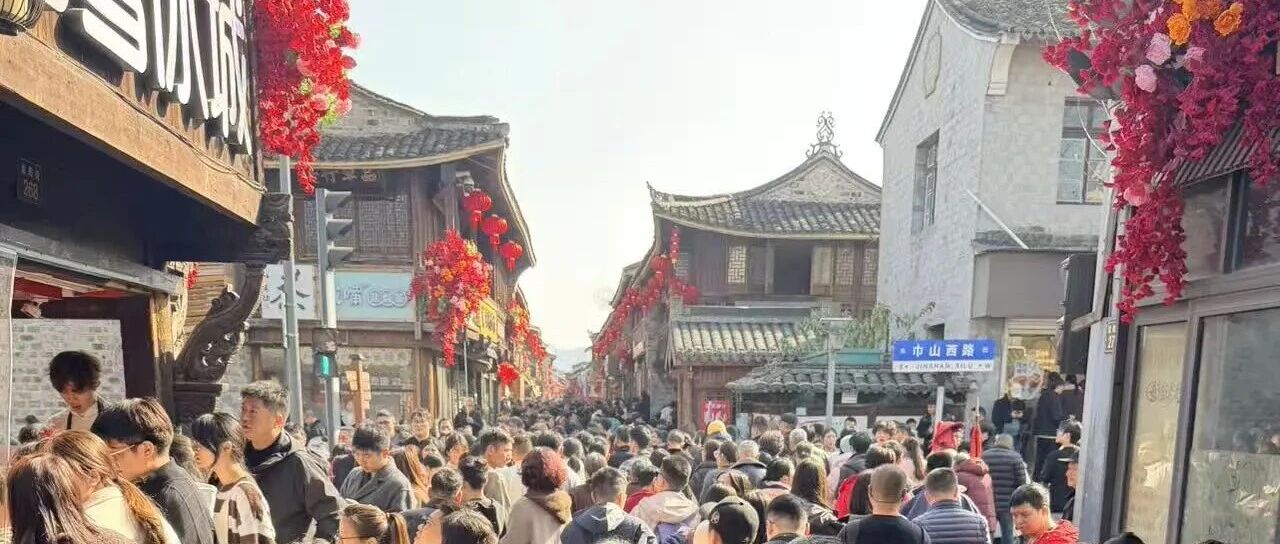
Core Viewpoint - The article highlights the cultural tourism boom in Taizhou, especially in Linhai, driven by the popularity of the historical drama "Taiping Year," which showcases the region's rich heritage and historical significance [1][4]. Group 1: Cultural and Historical Significance - The historical drama "Taiping Year" narrates the story of the Wu-Yue Kingdom during the Five Dynasties, featuring significant landmarks in Linhai such as the city wall and Ziyang Ancient Street [4]. - The last ruler of the Wu-Yue Kingdom, Qian Hongchu, had a strong connection to Linhai, which is reflected in the region's historical narrative [1][4]. - The recent archaeological discovery of the Meipu Kiln site, which is linked to the production of secret color porcelain during the Northern Song Dynasty, adds to the cultural depth of the area [4]. Group 2: Tourism Growth and Activities - The New Year celebrations in Linhai included immersive activities and policies aimed at enhancing visitor experience, igniting a surge in cultural tourism [1][4]. - The introduction of a "one ticket for three days" policy allows visitors to explore the cultural tourism area multiple times, enhancing visitor engagement [7]. - There has been a notable increase in self-driving tourists from outside the province, with license plates from various regions indicating a broader appeal [7]. Group 3: Economic Impact and Visitor Experience - The influx of tourists has led to a high demand for accommodations, with many popular inns fully booked well in advance [7]. - Local businesses have adapted to the increased foot traffic by ensuring food safety and transparent pricing, enhancing the overall consumer experience [8]. - The local government aims to achieve a 12% growth in tourism numbers and a 10% increase in cultural tourism investment by 2026, with plans for 289 tourism projects totaling over 160 billion yuan [11].
中外游客春节乐游三亚南山
Xin Lang Cai Jing· 2026-02-19 09:40
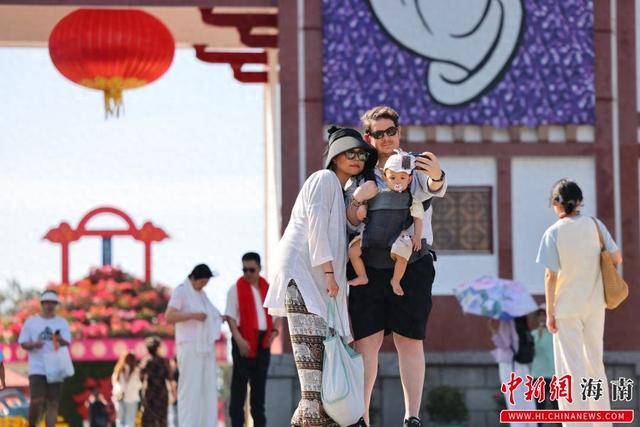
Core Insights - The 2026 Spring Festival will be the first holiday period for Hainan Free Trade Port after the full island closure, attracting many tourists to Sanya for the celebrations [6] Group 1: Tourism Trends - Sanya has become a preferred destination for tourists to celebrate the New Year due to its nine-day holiday and warm tropical climate [6] - The Nanshan Cultural Tourism Zone in Sanya is decorated festively, creating a vibrant atmosphere that attracts both domestic and international visitors [4][6]
会馆大开箱!前门东区上演新春非遗奇珍妙会→
Xin Lang Cai Jing· 2026-02-19 02:30
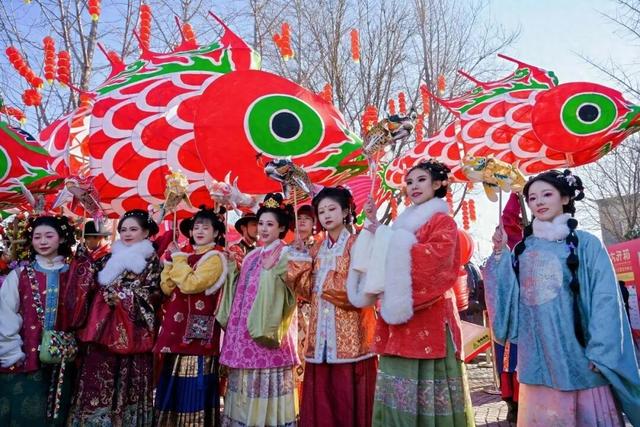
Core Viewpoint - The "Cultural Heritage Unboxing" event in Beijing's Qianmen East District aims to create a vibrant cultural experience during the 2026 Spring Festival, showcasing intangible cultural heritage through various interactive and artistic displays [1][27]. Group 1: Event Overview - The event is organized by the Beijing Tianjie Group and runs from February 17 to February 23, 2026, open daily from 10:00 to 17:00 [1]. - It features six themed "treasure box" scenes, integrating performances, markets, aesthetic displays, interactive experiences, and technology [3]. Group 2: Performances and Activities - The event transforms the Sanlihe area into a dynamic stage with performances scheduled at 10:30 and 15:30 daily, including a giant fish lantern parade and traditional performances from Hebei [4]. - Free performances such as crosstalk, shadow puppetry, and face-changing will be held daily from 14:00 to 14:30 [4]. Group 3: Thematic Decorations - The area will be adorned with colorful lights and decorations representing the themes of "Fortune, Prosperity, Longevity, Happiness, and Wealth," creating a festive atmosphere [6]. Group 4: Cultural Experiences - The event includes a "Treasure Return" stamp collection plan, allowing visitors to collect stamps for a chance to win limited Spring Festival gifts [8]. - Various historical courtyards and the Qingyun 23 Art Center will showcase unique cultural experiences, including traditional crafts and local delicacies [11][13]. Group 5: Individual Themed Halls - Each of the six halls will focus on different themes, such as "Eastern Aesthetics," "Harvest," "Health," "Celebration," and "Aesthetic Objects," offering diverse cultural and interactive experiences [15][19][21][23]. - The halls will feature a mix of traditional crafts, modern design, and interactive activities, enhancing visitor engagement [25]. Group 6: Future Development - The event marks a step towards a more open approach in the Qianmen East District, with plans for ongoing cultural and historical exploration, aiming to integrate heritage with modern life and technology [27].
大年初二全省4A级及以上景区迎客超380万人次 文旅融合绘出新春幸福画卷
Nan Fang Ri Bao Wang Luo Ban· 2026-02-19 01:07
Core Insights - The Guangdong cultural tourism market is experiencing significant growth during the Spring Festival, with 4A and above scenic spots receiving 3.831 million visitors, a year-on-year increase of 5.4% [1] - Various cultural and folk activities are enhancing the tourism experience, showcasing rich Lingnan cultural heritage [2] Group 1: Visitor Statistics - Key scenic areas received 3.831 million visitors, up 5.4% year-on-year [1] - 14 monitored ancient post road areas welcomed 812,000 visitors, a 4.7% increase [1] - 13 monitored red tourism sites attracted 230,000 visitors, growing by 5.2% [1] - 100 monitored rural tourism spots and historical villages received 601,000 visitors, a 1.6% increase [1] - 80 monitored public cultural institutions welcomed 226,000 visitors, up 2.1% [1] Group 2: Cultural Activities - Various folk rituals and intangible cultural heritage parades are enriching the festive atmosphere, such as the "Dawan Ancestor Worship" in Shenzhen and the "New Year Intangible Cultural Heritage Parade" in Zhongshan [2] - Cultural performances and exhibitions are ongoing, including lion dances and traditional music in various cities, enhancing the cultural experience for visitors [2] Group 3: Museum and Theme Park Engagement - Museums and cultural parks are popular destinations, with exhibitions like "Ink and Stone Elegance" in Shenzhen attracting art enthusiasts [3] - The Huizhou Su Dongpo Temple hosted a Hanfu-themed event, engaging visitors in traditional activities [3] - Theme parks and coastal experiences are thriving, with events like the "Snowy Wonderland" in Shenzhen and various New Year celebrations in Shantou [4] Group 4: Consumer Engagement and Digital Services - The "ticket root economy" initiative offers discounts at over 380 accommodation providers and 200 scenic spots for visitors with travel tickets [4] - The "Le You Guangdong" digital map 2.0 provides smart navigation for tourists, enhancing their travel experience [4] - Nighttime events, such as lantern festivals and fireworks, are attracting visitors and boosting nighttime consumption [4]
推动文体旅深度融合 激活消费新增长
Xin Lang Cai Jing· 2026-02-19 00:29
Core Viewpoint - The integration of sports, culture, and tourism is essential for stimulating consumption growth and driving sustainable economic development in the context of expanding domestic demand and activating new consumption potential [1][2]. Group 1: Advantages of Sports-Culture-Tourism Integration - The integration has led to diverse consumption models, such as embedding cultural tourism elements in sports venues and linking sports events with tourism [2]. - Sports events can generate significant traffic quickly, as evidenced by the Chengdu World University Games attracting over 220,000 ticket purchases and the "Su Super" event exceeding 1 million attendees within a few months [2][3]. - The audience for sports events is highly valuable, as they are not random tourists but rather a group with a shared interest, leading to a higher conversion rate for consumption [2][3]. Group 2: Current Challenges in Sports-Culture-Tourism Integration - The integration is still in its early stages, often resulting in a "hot during the event, cold afterward" phenomenon, indicating a need to convert transient traffic into lasting engagement [4]. - Many regions focus too much on the immediate benefits of events, neglecting the cultural and tourism experiences that could enhance visitor retention [4][5]. - Cultural tourism is often treated as a temporary supplement to sports events, lacking deep interaction and integration with the event itself [4]. Group 3: Long-term Mechanisms for Activation of Consumption Growth - The shift towards an experience economy necessitates a focus on deeper cultural engagement rather than just passive observation of sports [7]. - A new ecosystem should be established where sports events attract visitors, while local culture and tourism provide emotional connections and extended experiences [7][8]. - Planning should involve synchronized strategies that integrate sports events with local economic development from the outset, ensuring a cohesive experience for visitors [8]. Group 4: Operational Strategies for Enhancing Visitor Engagement - A comprehensive approach should be designed that includes pre-event marketing, on-site immersive experiences, and post-event activities to maintain visitor interest [9]. - Digital technology should be leveraged to extend the appeal of live events into virtual spaces, creating a sustainable integration of sports, culture, and tourism [9]. Group 5: Evaluation Metrics for Success - The success of the integration should be measured not just by the financial outcomes of events but also by their impact on local culture, tourism visibility, and overall consumption levels [10]. - Metrics should include cultural content dissemination, increases in tourism search volumes, and related consumption statistics to assess the broader impact of events on local economies [10].
故城“寻马”
Xin Lang Cai Jing· 2026-02-18 21:22
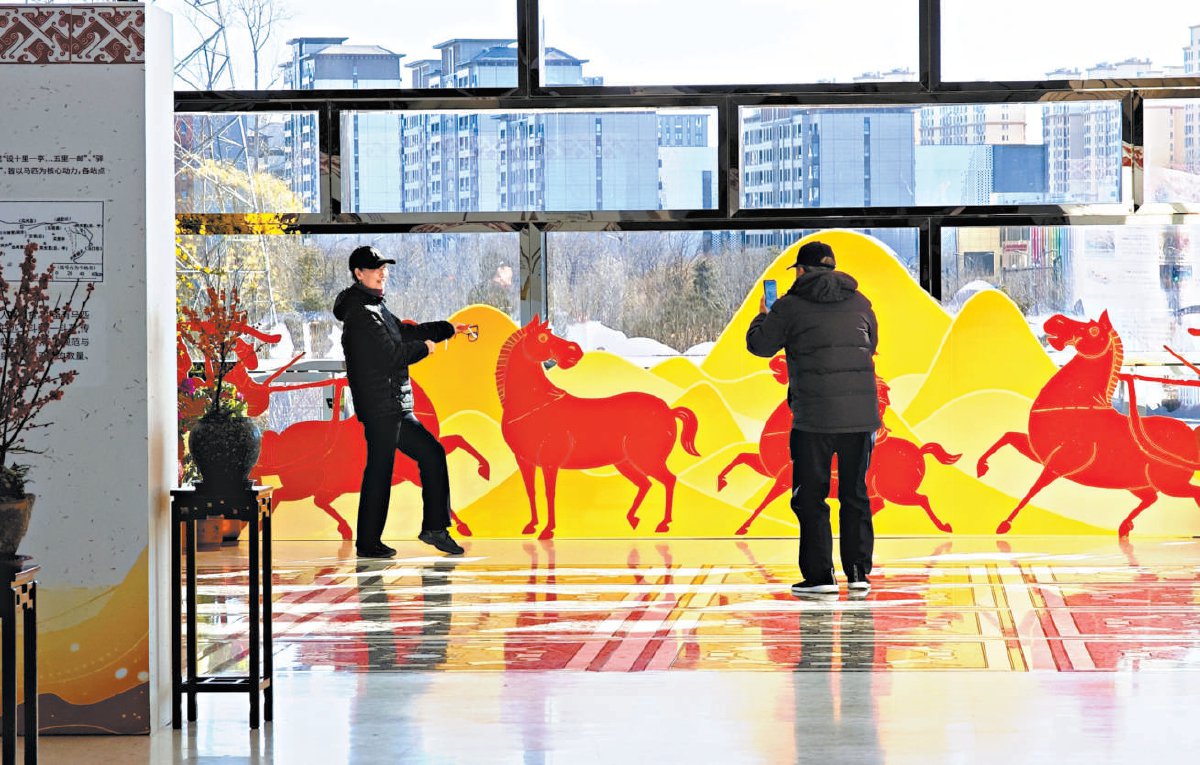
春节期间,路县故城遗址公园"汉风寻马 故城探秘"马年春节科普游园活动正式开启。市民游客在参观时可参与"寻马"打卡挑战,找到藏于馆内的五个打卡 点,完成"马文化"在线科普答题,即可解锁限量2026张的"路县故城马年特色窗花",把满含汉风古韵的年味儿带回家。 本报记者代丽丽 文 方非 摄 ...
春节“村”游去:非遗绝活撞见市井烟火 文旅消费展现新图景
Xin Lang Cai Jing· 2026-02-18 05:56
Core Viewpoint - The "Village Sugar Fair" in Chengdu's Xinjin District showcases a blend of traditional culture and modern creativity, revitalizing local customs and attracting community engagement during the Spring Festival [1][10]. Group 1: Event Highlights - The "Village Sugar Fair" features local delicacies, traditional specialties, and innovative cultural products, creating a vibrant atmosphere that reflects the festive spirit [1]. - Interactive activities such as lantern riddles, which incorporate local dialects and contemporary themes, engage visitors and promote cultural heritage [3][5]. - Traditional crafts like sugar painting, Shu embroidery, and palm weaving are gaining popularity, demonstrating a successful fusion of old techniques with modern technology [5][10]. Group 2: Cultural Integration - The immersive experience at the Jin Tang County's "Dragon Sound City" combines elements of traditional storytelling and local culture, enhancing visitor engagement through interactive performances [6][8]. - The integration of cultural heritage with tourism is evident in the diverse activities offered, from theatrical performances to local markets, fostering a deeper connection to the community [10]. - The emphasis on intangible cultural heritage as a symbol of warmth during the Spring Festival highlights the importance of preserving and promoting local traditions [10].