
武器制造

Search documents
先见之明!特朗普没想到,印度“去美国化”,俄罗斯意外躺赢,
Sou Hu Cai Jing· 2025-08-17 02:35
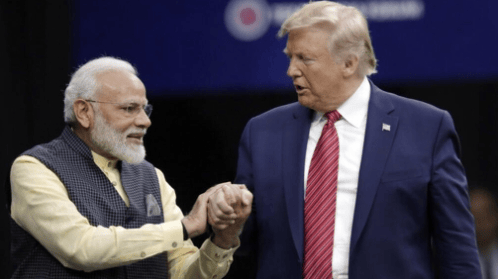
Group 1 - The article discusses the deteriorating relationship between India and the United States, highlighting India's response to increased tariffs imposed by the Trump administration, which raised tariffs on Indian goods to 50% [1][10] - Indian businesses are feeling the impact of these tariffs, with significant losses reported, such as the Farida Group, which has $114 million in frozen projects due to the tariff hike [1][10] - In contrast, the U.S. has shown favor towards Pakistan, granting lower tariffs and engaging in military cooperation, which has further strained India's position [3][5] Group 2 - The Indian government, led by Modi, has taken a firm stance against U.S. pressure, halting arms purchases from the U.S. and participating in the Shanghai Cooperation Organization (SCO) summit hosted by China [5][7] - India's pivot towards Russia for energy and military cooperation has strengthened ties, as India continues to purchase Russian oil despite U.S. sanctions [5][7] - The article suggests that India's "de-Americanization" strategy may serve as a warning to other nations about the risks of U.S. hegemony, as countries seek alternative partnerships [10][8]

乌称袭击俄阿尔扎马斯仪器制造厂 俄方暂无回应
Yang Shi Xin Wen· 2025-08-11 10:45
Core Viewpoint - The Ukrainian Security Service reported an attack on a key missile component manufacturing facility in Russia, indicating ongoing military tensions and potential impacts on the defense industry [1]. Group 1: Company Impact - The targeted facility is part of the Russian Tactical Missile Weapons Group and is a significant supplier of critical components for Kh-32 and Kh-101 missiles, including gyroscope equipment, control systems, and onboard computers [1]. - At least four drones successfully hit the facility, suggesting a coordinated effort to disrupt Russian missile production capabilities [1]. Group 2: Industry Implications - The attack highlights vulnerabilities in the Russian defense supply chain, particularly in the production of advanced missile systems [1]. - The lack of immediate response from Russian authorities may indicate challenges in addressing such security breaches, potentially affecting future military operations and procurement strategies [1].
德国推出1000亿欧元"德国基金"!撬动十倍私人资本,重点投资国防、能源领域
Sou Hu Cai Jing· 2025-08-11 00:31
Group 1 - The German government announced a large-scale investment plan called the "German Fund" with a total size of €100 billion (approximately $116 billion) aimed at enhancing security in strategic areas such as defense, energy, and critical raw materials [1][3] - The fund will be supported by at least €10 billion of initial public funding from the government, with a goal to leverage up to ten times that amount in private capital investments [1][3] - The fund will focus on growth, innovation, and competitiveness, collaborating with private investors in Germany and Europe [1] Group 2 - The fund will adopt a mixed investment model, providing a government-backed assurance to attract international investors, including venture capital and family offices [3] - Key investment areas will include energy infrastructure, with the government considering acquisitions in electricity transmission networks to strengthen control [3] - The defense industry is also a priority, with negotiations ongoing for minority stakes in European arms manufacturers [3] Group 3 - The establishment of the fund comes in response to Germany's economic contraction over the past two years, viewed as a crucial measure by the government to stimulate economic growth [4] - Geopolitical risks have heightened the need for this fund to secure critical supply chains [4] - The fund aims to invigorate the domestic capital market, addressing the cautious investment behavior of private enterprises, particularly in high-risk projects [4] - A previously initiated fund during former Chancellor Scholz's administration, aimed at investing in important mineral projects, is expected to be integrated into the new fund [4] - The fund is anticipated to officially launch in September or October, with potential for expanded investment coverage [4]
印度官员:印防长取消访美 暂不买美国武器
Yang Shi Xin Wen· 2025-08-08 14:40
Core Viewpoint - India has decided to suspend its plans to purchase U.S. military equipment due to the imposition of high tariffs by the United States, which has led to a halt in defense procurement discussions [1]. Group 1: Defense Procurement - The planned visit of Indian Defense Minister Rajnath Singh to the U.S. to announce the procurement of U.S. weapons has been canceled [1]. - The suspended U.S. military equipment purchases include "Striker" armored vehicles, "Javelin" anti-tank missiles, and six P-8I anti-submarine reconnaissance aircraft [1]. Group 2: Trade Relations - U.S.-India trade negotiations are currently stalled due to disagreements over tariffs and non-tariff barriers [1]. - President Trump has ordered an additional 25% tariff on Indian products imported to the U.S., raising the overall tariff rate on Indian goods to 50% [1]. - The Indian government has criticized the U.S. tariff increases as "unfair, unjust, and unreasonable," indicating that India will take necessary actions to protect its national interests [1].
前五角大楼顾问爆料警告:美国导弹库存告急,仅够维持“约8天”军事行动需要
Huan Qiu Wang· 2025-07-18 12:43
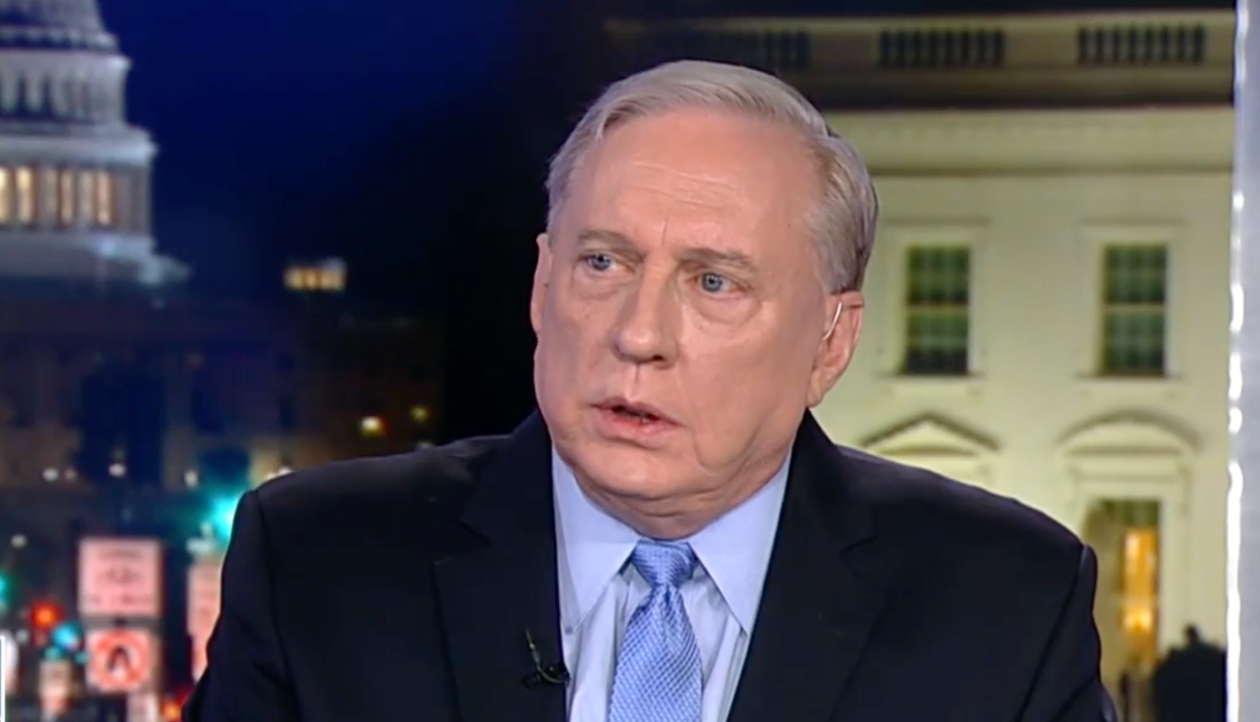
Group 1 - The core viewpoint is that the U.S. missile inventory for defense and offense is critically low, sufficient for only about 8 days of military operations [1][3] - Douglas Macgregor, a former Pentagon advisor, urges the U.S. to stop sending weapons to other countries, highlighting the urgent need for the U.S. to be aware of its low missile stock [3][4] - The Pentagon previously announced a pause in military aid to Ukraine, raising concerns about the depletion of U.S. ammunition stocks due to ongoing conflicts [4][5] Group 2 - The U.S. defense industry is struggling to keep up with the high demand for ammunition, with reports indicating that the supply of Javelin anti-tank missiles and Stinger anti-aircraft missiles has decreased by about one-third [5] - The U.S. is ramping up production of large-caliber artillery shells, aiming to reach a monthly output of 100,000 shells by 2026, while Russia is projected to produce 4.5 million shells in 2024 [5]
伊朗重新武装中东盟友被抓包!
Jin Shi Shu Ju· 2025-07-18 05:38
Core Insights - Iran is intensifying its military support to Middle Eastern militia allies following significant setbacks from Israeli and U.S. military actions [1][3] - A record number of Iranian missiles were intercepted by forces allied with the internationally recognized Yemeni government, indicating a substantial arms supply effort from Iran [1][4] - The intercepted weapons included advanced conventional arms, highlighting Iran's ongoing efforts to replenish the stockpiles of its allied groups like the Houthis [3][4] Summary by Sections Military Developments - Iranian military leadership has faced major setbacks due to Israeli airstrikes and U.S. operations targeting its nuclear facilities [1] - The interception of large quantities of missiles and military equipment bound for Houthi forces demonstrates Iran's commitment to arming its allies [1][2] Specific Incidents - A cargo ship named "Dhow" was found to be concealing Iranian-made missiles and components under the guise of air conditioning equipment [2] - The U.S. Central Command reported the largest seizure of advanced Iranian conventional weapons, totaling 750 tons, including cruise missiles and drones [1][3] Regional Implications - The timing and scale of the intercepted arms shipments suggest Iran is rapidly replenishing Houthi inventories depleted by U.S. airstrikes [3][4] - The Houthis have recently engaged in aggressive actions, including sinking commercial vessels and launching ballistic missiles at Israel, indicating a potential escalation in regional conflicts [4] Smuggling and Supply Chains - The arms supply routes have been affected by geopolitical changes, with reports of increased attempts to smuggle weapons to Hezbollah through Syria [4][5] - Despite efforts to curb arms supplies to Hezbollah, the group has reportedly made progress in self-manufacturing drones and medium-range rockets [5]
克里姆林宫就美国向乌克兰提供武器一事表示:这是商业行为。
news flash· 2025-07-16 08:21
Core Viewpoint - The Kremlin has characterized the United States' provision of weapons to Ukraine as a commercial activity [1] Group 1 - The Kremlin's statement reflects a perspective on the geopolitical dynamics surrounding military aid [1]
若普京50天内不停火,美国将制裁中印?特朗普的恐吓伎俩没意义
Sou Hu Cai Jing· 2025-07-16 05:03
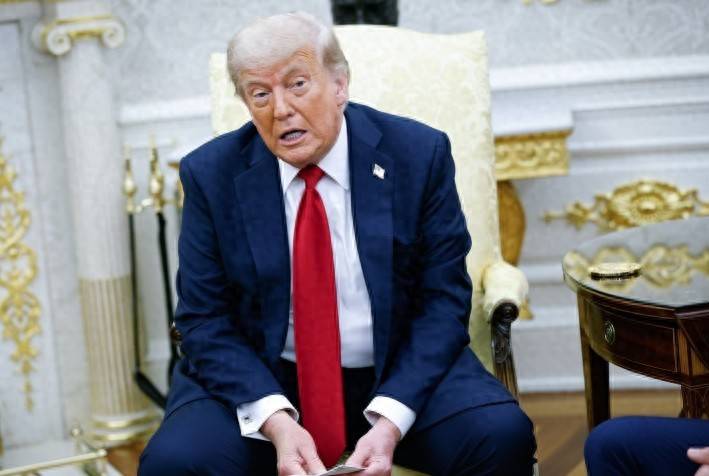
Core Points - Trump's ultimatum to Russia includes a 50-day deadline for a peace agreement with Ukraine, failing which the U.S. will impose 100% tariffs and secondary sanctions on countries buying Russian oil [1][3] - The U.S. plans to provide Ukraine with a complete set of weapons, potentially including 17 Patriot missile systems, with costs to be borne by Europe [1][10] Summary by Sections Tariff Threat - Trump's threat to impose 100% tariffs on Russia is seen as lacking practical significance, given that over 20,000 sanctions are already in place, and trade between the U.S. and Russia is minimal [3][11] - The effectiveness of this tariff threat is questioned, as Russia is unlikely to yield to U.S. pressure without losing international credibility [3][11] Secondary Sanctions - The secondary sanctions are primarily aimed at China and India, the main buyers of Russian oil, with China importing 108 million tons of crude oil from Russia in 2024, marking a third consecutive year of growth [6] - Previous attempts by the Biden administration to cut off Russian energy revenue through sanctions have not significantly impacted Russia's energy exports, raising doubts about the effectiveness of Trump's approach [6][11] Military Aid to Ukraine - The announcement of providing 17 Patriot missile systems to Ukraine is met with skepticism, as U.S. military sources indicate a shortage of these systems for high-end combat needs [10] - The feasibility of supplying advanced weaponry like the Joint Air-to-Surface Standoff Missile (JASSM) is also questioned, with media suggesting that such promises may not be realized [10][11] Market Reaction - Market responses indicate that Trump's threats have not caused significant turmoil in Russia, which appears to have adapted to existing sanctions and found ways to cope with economic pressures [11]
美国强征日本关税,日本不死心?防务白皮书:中国是最大战略挑战
Sou Hu Cai Jing· 2025-07-16 05:03
Group 1 - The United States has imposed a 25% tariff on Japanese products, surprising Japan which had hoped for a 10% limit [1] - Japan's Defense Ministry submitted a new defense white paper on July 15, highlighting China as the largest strategic challenge and exaggerating military threats [3][4] - The white paper, spanning 534 pages, uses the context of the Russia-Ukraine conflict to amplify fears regarding China and Russia's strategic cooperation [3] Group 2 - Japanese Prime Minister Kishida quoted "Today Ukraine, tomorrow East Asia," indicating strong support for the US Indo-Pacific strategy while facing US-imposed tariffs [4] - Japan's Self-Defense Forces have surpassed the military capabilities of most countries, indicating a strategic purpose behind the perceived military threats from China and Russia [4] - The US has supplied Japan with advanced weaponry, including F-35 fighter jets and Tomahawk missiles, to bolster its military capabilities in the Asia-Pacific region [4] Group 3 - Japan's aggressive stance is largely dependent on US support, yet the ongoing tariff war indicates Japan may pay a price for its reliance on the US [6] - Despite close economic ties with China, Japan has adopted a hardline political and military stance, exemplified by recent provocations in the East China Sea [6]
荷兰外交大臣:荷兰政府将积极考虑参与美国武器计划的财务请求,并希望其他国家也能如此。
news flash· 2025-07-15 08:33
Core Viewpoint - The Dutch government is considering actively participating in the financial requests of the U.S. weapons program and hopes other countries will do the same [1] Group 1 - The Dutch Foreign Minister has expressed a willingness to engage with U.S. military funding initiatives [1] - There is an emphasis on international collaboration, encouraging other nations to join in supporting the U.S. weapons program financially [1]