
通用航空

Search documents
卖飞机、拓文旅、谋空运:零重力“三招”自我造血,抢占低空经济万亿红利
创业邦· 2025-05-02 02:45
Core Viewpoint - The company Zero Gravity is focusing on commercializing low-altitude flight training and tourism, moving away from the "flying car" concept that dominates the industry. It has developed a product matrix consisting of electric fixed-wing, multi-rotor, and tilt-rotor aircraft, aiming to generate cash flow and self-sustainability through these markets [2][4]. Summary by Sections Product Development - Zero Gravity has established a product matrix that includes the RX1E-A electric fixed-wing aircraft, which has received airworthiness certification for commercial operations, and the ZG-ONE eVTOL targeting the tourism market with affordable pricing [2][4][10]. - The RX1E-A features a cruising speed of 120 km/h and a range of 280 km, with a maintenance cost significantly lower than traditional fuel-powered aircraft, making it an ideal training aircraft [13][15]. Market Focus - The company is targeting the low-altitude tourism and flight training markets, which are characterized by low frequency, high added value, high safety requirements, and high experience demand, making them closer to market realization [4][8]. - The global pilot training market is projected to grow from $8.5 billion in 2023 to $20.8 billion by 2033, with a compound annual growth rate of 9.36% [7]. Pricing Strategy - Zero Gravity aims to reduce training costs by 50% and offer aerial sightseeing experiences at prices around hundreds of yuan, making it more accessible compared to traditional helicopter tours priced at 2000-3000 yuan [9][5]. Strategic Partnerships - The company has formed strategic partnerships to explore low-altitude tourism and flight training, leveraging existing tourist destinations to enhance the customer experience [18][20]. Future Outlook - Zero Gravity is also exploring intercity air transportation, with plans to establish a network in the Southwest region of China, capitalizing on the diverse terrain and supportive policies in Chongqing [22][23]. - The tilt-rotor aircraft ZG-T6 is being developed for future urban air mobility, with expectations for significant advancements in regulations and infrastructure by 2028, potentially transforming air transportation into a common public service [26].
肥东白龙机场千人研学活动点燃青少年航空梦
Zhong Guo Min Hang Wang· 2025-04-30 00:54
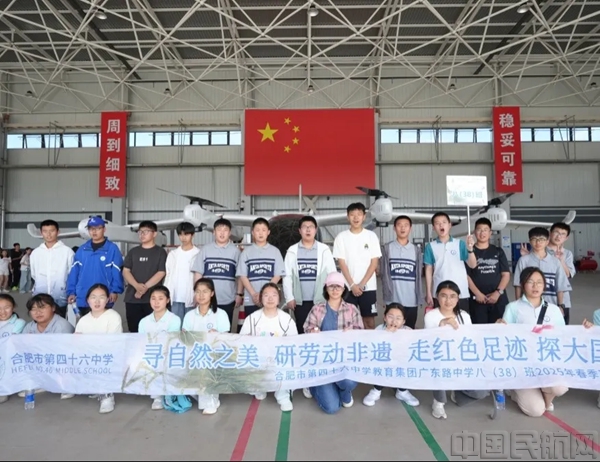
Core Viewpoint - The recent aviation science popularization and research activity at Feidong Bailong Airport in Anhui attracted nearly 1,000 young participants, setting a new record for the airport's educational events [1] Group 1: Event Overview - Feidong Bailong Airport, recognized as the only "China Civil Aviation Science Popularization Education Base" in Anhui, hosted an unprecedented aviation science event [1] - The event combined knowledge learning, technology exploration, and flight experience, creating a "dream journey" for the youth [1] Group 2: Educational Activities - The event emphasized aviation safety as a primary lesson, with staff reinforcing students' awareness of safety regulations and confidentiality [3] - Students learned about general airport safety standards and observed the aerodynamic designs of two fixed-wing sports aircraft, the Arola SA60L and Zhejiang Yema AG60 (B610C) [3] - Pilots acted as "blue sky instructors," explaining low-altitude flight principles, airspace management, and general aviation industry knowledge in an engaging manner [3] Group 3: Technological Demonstrations - The event featured cutting-edge technology displays, including the medium logistics drone LEU100 and the electric vertical takeoff and landing aircraft LE200, showcasing the potential of "future three-dimensional transportation" [5] - Under professional guidance, students explored the functions of key components such as engines and control systems, and experienced simulated flight [5] Group 4: Flight Performance - The climax of the event was a flight performance where pilots executed complex maneuvers, including five-point landings and steep climbs, impressing the audience with their precision [6] - Aviation science education is highlighted as a crucial method for stimulating young people's scientific interest and strengthening talent reserves [6] - Feidong Bailong Airport has received multiple authoritative certifications, including "Hefei Science Popularization Education Base" and "Hefei Science and Technology Tourism Demonstration Base" [6] - The airport has developed its own "Aviation Science +” research curriculum system, creating an educational platform that integrates aviation knowledge into situational teaching [6]

黄山迎客通航公司获颁CCAR-135部运行合格证 开启短途空中游览新篇章
Zhong Guo Min Hang Wang· 2025-04-30 00:54
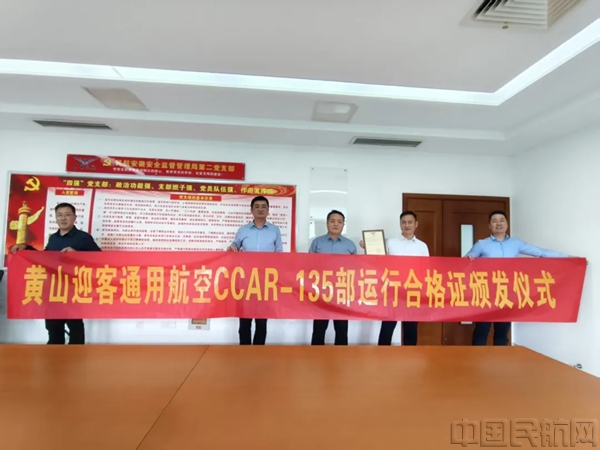
CCAR-135部资质全称为《小型商业运输和空中游览运营人运行合格审定规则》,自2022年7月1日起施 行。该资质的取得,使黄山迎客通航公司可以开展长途/短途空中游览、商务包机、载货运输等飞行业 务,为游客提供多元化航空服务。 自3月29日接收首架贝尔407直升机后,黄山迎客通航公司立即启动CCAR-135部运行合格证申请工作。 在民航安徽监管局的大力支持和指导下,公司高效完成了政策咨询、文件申报、应急演练、现场验证飞 行等关键环节,最终通过严格审核,实现资质高效落地。 《中国民航报》、中国民航网 记者胡夕姮 报道:4月29日,安徽通航控股集团旗下黄山迎客通航公司正 式获得民航安徽监管局颁发的CCAR-135部运行合格证,标志着该公司具备了短途空中游览飞行资质。 五一期间,其将在东黄山悠悠湖正式开设空中游览项目。 黄山迎客通航公司始终以"安全第一、服务至上"为宗旨,致力于为游客提供全新的空中游览体验。其将 推出定制化空中游览项目,助力游客多维度体验黄山"奇松、怪石、云海"的绝美风光。下一步,黄山迎 客通航公司还将多方位探索低空经济应用新场景,重点布局"低空+文旅""低空+应急"等特色服务,提升 山区应急救援、 ...
院士“带队”,世界首款四座电动飞机今年将在延庆生产
Xin Jing Bao· 2025-04-29 10:14
Group 1 - The Hydrogen Institute's new four-seat all-composite aircraft pilot production line has been officially delivered, marking a significant breakthrough in the production of new energy general aviation aircraft in the Yanqing District [1] - The new facility, covering an area of 9,708 square meters, will focus on the research and production of hydrogen-powered aircraft, ground effect vehicles, and drones [1] - The pilot production line is expected to complete equipment installation and debugging by the end of May, with the RX4E four-seat electric aircraft production starting in early June and the first aircraft expected to roll off the production line by the end of September [1] Group 2 - The research team led by Academician Yang Fengtian has significant advantages in the design of new energy general aircraft, composite material forming, and hydrogen testing [2] - The RX4E four-seat electric aircraft developed by the team is the first electric model in China and globally to apply for CCAR-23 normal aircraft airworthiness certification, featuring energy efficiency, environmental friendliness, and low cost [2] - The RX4E aircraft is suitable for various applications, including flight training and tourism [2]
低空经济落地过程中的难点、卡点有哪些?
2025-04-27 15:11
Summary of Low Altitude Economy Conference Call Industry Overview - The low altitude economy in China is entering a developmental phase, with expectations to exceed a market size of 1 trillion yuan by 2030. However, the infrastructure and number of aircraft in general aviation are significantly behind the United States, indicating substantial growth potential [1][4][5]. Key Points and Arguments - **Development Framework**: A national strategy is essential for constructing a low altitude economic system, balancing safety and development while integrating local industries to create application scenarios, such as tourism in Yunnan and manufacturing in Shenzhen [1][6]. - **Infrastructure Needs**: Urban low altitude airspace infrastructure is inadequate, necessitating improvements in communication, meteorological, and onboard equipment capabilities, along with a complete management system to meet high throughput and availability demands [1][6]. - **Smart City Integration**: The construction of smart cities requires a model of proximity, big data, and collaboration to enhance monitoring, communication network coverage, and information integration, breaking down information silos for efficient airspace resource management [1][8]. - **Core of Low Altitude Operations**: Ensuring the safety of takeoff and landing sites and effective collaboration between operational management platforms and functional units is crucial. Key components include aircraft carriers, regulatory systems, route planning, and counter-drone systems [1][9]. - **Role of Local Governments**: Local governments play a leading role in the development of the low altitude industry by providing policy and financial support, collaborating with enterprises and universities to create innovative demonstration bases, and formulating action plans [1][12]. Market Potential and Future Developments - **eVTOL Technology**: The introduction of eVTOL technology is expected to significantly expand commercial applications in low altitude transport, with projections indicating that by 2027, the low altitude economy in China will enter a core development phase [2][13]. - **Market Size Projections**: By 2030, the global market for low altitude economy is estimated to reach approximately $9 trillion, with China and the Asia-Pacific region expected to account for 55% of this market, and China alone projected to hold about 77% [4]. - **Comparative Analysis**: There are notable disparities between China and the US in aviation development, with the US having approximately 203,000 aircraft compared to China's 3,000 to 4,000 large drones, highlighting the need for enhanced infrastructure and industry scale in China [5]. Challenges and Solutions - **Infrastructure Gaps**: Current urban low altitude airspace infrastructure is insufficient, requiring comprehensive improvements in legislative, environmental, and operational systems to support various users and functional departments [1][6]. - **Safety Concerns**: Low altitude flying is currently reliant on visual flight rules, which poses safety risks due to limited ground command capabilities. Enhancements in infrastructure, such as 5G communication and advanced navigation systems, are necessary to improve safety [18]. - **Cost-Efficiency in Operations**: Addressing the mismatch between operational costs and economic value of general aviation airports can be achieved through centralized management of multiple airports, thereby reducing costs and improving efficiency [17]. Additional Insights - **Standardization Needs**: To address inconsistencies in policies and systems across regions, standardization of certification requirements and adherence to civil aviation standards are necessary for efficient collaboration [14]. - **Military and Civil Integration**: The collaboration between military and local governments in low altitude operations is crucial for enhancing regulatory capabilities and operational efficiency, particularly in emergency response and logistics [28]. - **Future of eVTOL**: The development of eVTOL is anticipated to revolutionize low altitude transport, with significant implications for urban commuting and emergency services, potentially reducing travel times dramatically [25][26]. This summary encapsulates the critical insights and projections regarding the low altitude economy, highlighting the opportunities and challenges that lie ahead in this emerging sector.
低空经济 最新研判
Zheng Quan Shi Bao· 2025-04-27 06:54
对于低空基础设施和配套设施建设,罗军表示,当前各地斥巨资建设的空中交通指挥平台和地面飞行服 务平台,可能会因为缺乏统一行业标准,难以满足未来高频常态化飞行需求,且无法互联互通,造成浪 费。建议加快制定全国低空交通一张网标准。 空域管理或逐步下放到地级城市 本届论坛以"低空经济重新定义城市交通"为主题。围绕该主题,罗军提出了低空经济的六大趋势,分别 为空域管理将下放到地方、低空经济将推动通用航空增长、空中交通指挥平台一张网、无人机产业将加 快转型升级、eVTOL将进入千家万户、应用场景先从物流快递开始普及。 罗军表示,低空经济的本质是城市空中交通经济,主要场景在城市,其次才是农村,以及城市间。由于 低空经济主要是城市空中交通经济,因此,低空飞行航线大部分在城市市区,连接机场、高铁站、运动 场、公园、医院、商场等热点区域。低空飞行航线还包括城市间300公里半径的出行,包括空中的士和 飞行汽车。 "预计到2027年前,1000米以下空域的管理权限或将逐步下放到地级城市管理,自行申请,即申即飞, 方便快捷。3000米以下通用航空空域也将逐步下放到地级城市政府管理。"罗军表示,低空飞行航线, 主要是以点对点、端对端的固 ...
低空经济2025年一季度投融市场报告
Wind万得· 2025-04-24 22:23
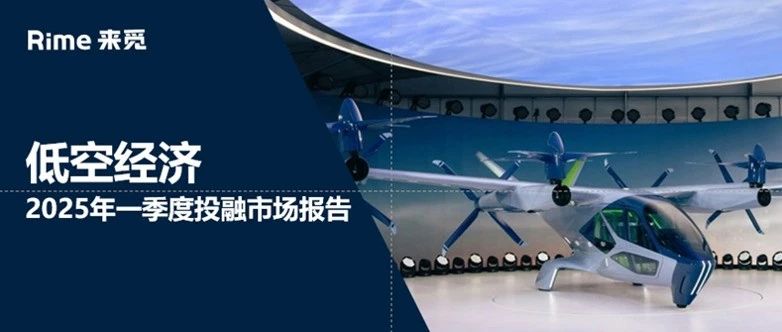
以下文章来源于RimeData 来觅数据 ,作者来觅研究院 RimeData 来觅数据 . 全面的一级市场数据平台 低空经济是新质生产力的典型代表,也将是中国经济新的增长点,其战略意义重大,发展前景广阔。2025年在政府工作报告中低空经济再 次受到重点关注,强调安全健康并行发展。 各地政府也积极响应,超过25个 省 市将低空经济相关内容写入政府工作报告, 超过20个省级 行政区发布了发展规划、行动方案或扶持政策,并设立了超过24支低空经济产业基金,规模在10亿至200亿不等。 低空经济产业发展基础也已初具雏形,相关企业数量进入爆发阶段。 目前国内现存低空经济相关企业8.24万家。其中2025年一季度已注册低空经济相关企 业5934家,较去年同期增长224%。低空经济市场已经初具规模,并展现出快速发展的态势。 民航局预测,到2025年,中国低空经济的市场规模预计将 达1.5万亿元,到2035年有望达到3.5万亿元。 低空经济也迅速成为一级市场最热风口之一, 据来觅PEVC数据统计,2024Q1-2025Q1低空经济赛道融资案例合计101起,融资金额合计超 60亿元。其中,2025Q1融资案例共24起,比去年同期 ...
低空交通助力低空经济发展的实践与思考 | 交通战略研究
Sou Hu Cai Jing· 2025-04-22 09:59
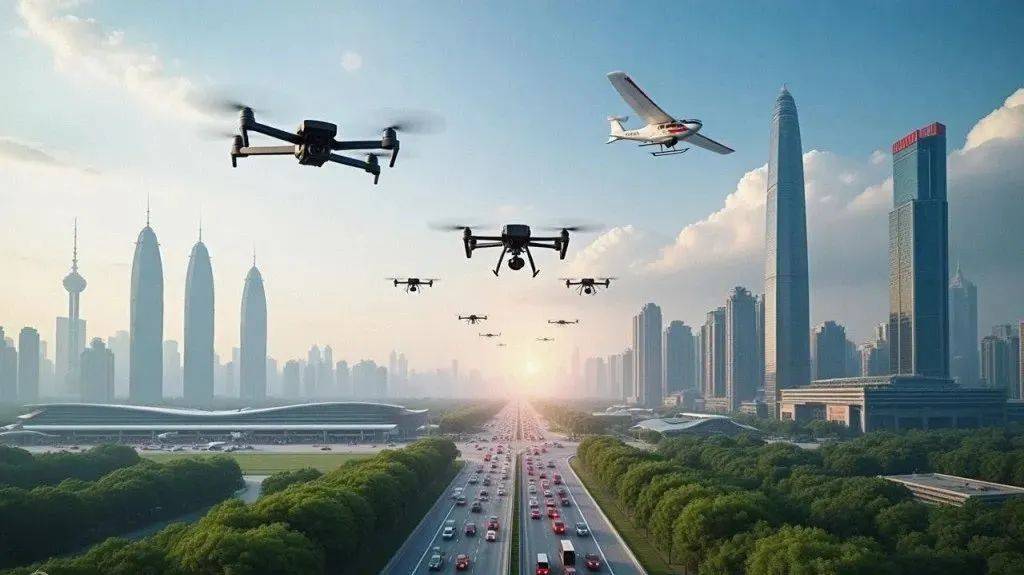
Core Insights - The low-altitude economy is gaining significant policy support in China, with its inclusion in government reports and the establishment of dedicated regulatory bodies [1][2][3]. Group 1: Low-altitude Economy Overview - The low-altitude economy is a new comprehensive economic form relying on low-altitude airspace, encompassing manufacturing, flight, support, and integrated services, characterized by a wide radiation range, long industrial chain, and strong driving force [3][5]. - Low-altitude transportation serves as both an industrial form of the low-altitude economy and a crucial component of the integrated transportation system, offering point-to-point transport advantages that significantly reduce transportation time and costs [3][5]. Group 2: Market Development of Low-altitude Transportation - Low-altitude transportation can be categorized into low-altitude passenger transport and low-altitude cargo transport, with specific applications based on user needs and scenarios [7][16]. - In urban environments, low-altitude passenger transport primarily utilizes helicopters, integrating into city infrastructure to create a network of low-altitude routes [9][11]. Group 3: Innovations and Trends in Low-altitude Passenger Transport - The Chengdu region is developing a network of low-altitude short-distance passenger routes, utilizing existing general aviation airports and established aircraft models [9][10]. - The Pearl River Delta has seen a rapid expansion of low-altitude passenger transport, with established routes connecting major cities and a growing number of operational helicopter services [11][13]. Group 4: Low-altitude Cargo Transport - Low-altitude cargo transport is divided into mid-end logistics and last-mile logistics, with the former typically covering distances of 100 to 500 kilometers and the latter focusing on shorter distances of around 10 kilometers [16][18]. - Innovative logistics models, such as the integration of drones with traditional cargo transport, are being explored, particularly in the Chengdu-Chongqing area [16][20]. Group 5: Policy and Infrastructure Needs - The development of low-altitude transportation requires coordinated efforts in policy support, technological advancements, and infrastructure improvements to ensure efficient airspace management and operational safety [22][24]. - Establishing a comprehensive digital low-altitude traffic management system is essential for the sustainable growth of the low-altitude economy [22][24]. Group 6: Future Directions and Challenges - The low-altitude economy's growth hinges on innovative business models and the adaptation of new technologies, such as eVTOL aircraft, to meet emerging market demands [26][29]. - Building a collaborative ecosystem involving government, enterprises, and the public is crucial for enhancing public awareness and acceptance of low-altitude transportation [28][29].
中信海直:获得政府补贴3004万元
news flash· 2025-04-18 13:24
Group 1 - The company received a government subsidy of 30.04 million yuan [1] - The subsidy will be accounted for in the company's 2025 financial results according to relevant accounting standards [1] - The specific impact of the subsidy will be determined by the final audit results from the accounting firm in 2025 [1]

中信海直20250318
2025-04-15 14:30
Summary of Conference Call Records Company and Industry Involved - The discussion primarily revolves around the offshore oil and gas industry, specifically focusing on CNOOC (China National Offshore Oil Corporation) and its strategic developments in the sector. Key Points and Arguments 1. **Contribution from CNOOC**: The company's core business is significantly influenced by CNOOC, which is seen as a major contributor to future growth despite not currently impacting revenue and profits substantially [1] 2. **Strategic Direction**: The company emphasizes the need for industry layout and expansion into new business areas and products, aligning with future industry development trends [1] 3. **Market Expansion**: CNOOC's strategy includes extending operations from nearshore to offshore and deep-sea areas, which aligns with national energy security goals [2] 4. **Cost Efficiency**: CNOOC maintains the lowest extraction costs globally, which supports a stable gross margin despite market fluctuations [3] 5. **Pricing Model**: The pricing model based on monthly rentals and flight hours is expected to sustain reasonable gross margins, reflecting confidence in maintaining profitability [4] 6. **Emerging Technologies**: The company is exploring the e-vehicle sector, particularly in low-altitude air transport, but acknowledges regulatory challenges that may delay operational capabilities [5] 7. **Market Demand**: There is a recognition of the need for differentiated competition in ground transportation, emphasizing that demand must be clearly defined to avoid misalignment in service offerings [6] 8. **Flight Operations**: The company has seen a steady demand for its flight services, with routes like Zhuhai to Shenzhen showing potential for growth despite not being fully booked [8] 9. **Cost Reduction Impact**: If operational costs decrease, particularly through electric vehicles, there is optimism that demand could increase, although safety regulations must be prioritized [9] 10. **Regulatory Framework**: The company highlights the importance of regulatory support for new aviation technologies, indicating that operational licenses depend on compliance with existing regulations [13] 11. **Fleet Optimization**: The company is actively optimizing its fleet, considering new aircraft models to meet future market demands and improve operational efficiency [15] 12. **Business Segments**: The company operates in various segments, including offshore oil and gas, emergency services, and urban management, indicating a diversified business model [16] 13. **Government Support**: The company is pursuing government subsidies and tax incentives to enhance its operational capabilities and financial performance [18] 14. **Shareholder Returns**: There is a commitment to increasing dividend payouts and exploring multiple distributions per year to enhance shareholder value [19] 15. **Future Strategic Planning**: The company is focused on expanding its business in emergency services, port banking, and integrating new technologies like drones into its operations [21] Other Important but Overlooked Content - The company is aware of the need for regulatory frameworks to support new operational models, which is crucial for future growth and compliance [12] - The discussion reflects a broader trend in the industry towards integrating technology and enhancing operational efficiency, which may present new investment opportunities [17]