
装备制造

Search documents
晶升股份现7笔大宗交易 合计成交47.93万股
Zheng Quan Shi Bao Wang· 2025-11-28 15:33
Core Viewpoint - On November 28, 2023, Jing Sheng Co., Ltd. experienced significant trading activity on the block trading platform, with a total transaction volume of 479,300 shares and a transaction amount of 15.25 million yuan, reflecting a discount of 10.32% compared to the closing price of the day [2][3] Trading Activity Summary - The closing price of Jing Sheng Co., Ltd. on November 28 was 35.48 yuan, marking an increase of 4.57% with a turnover rate of 4.05% and a total transaction amount of 147 million yuan, alongside a net inflow of main funds amounting to 2.29 million yuan [2] - Over the past five days, the stock has cumulatively increased by 10.05%, although there has been a total net outflow of funds amounting to 14.27 million yuan [2] - The latest margin financing balance for the stock is 325 million yuan, which has increased by 9.25 million yuan over the past five days, representing a growth rate of 2.93% [3] Block Trade Details - The block trades on November 28 included seven transactions, all at a price of 31.82 yuan, with the following details: - Transaction volumes ranged from 6,300 shares to 9,430 shares, with transaction amounts between 200,000 yuan and 300,000 yuan [3] - All transactions reflected a discount of 10.32% relative to the closing price of the day [3]


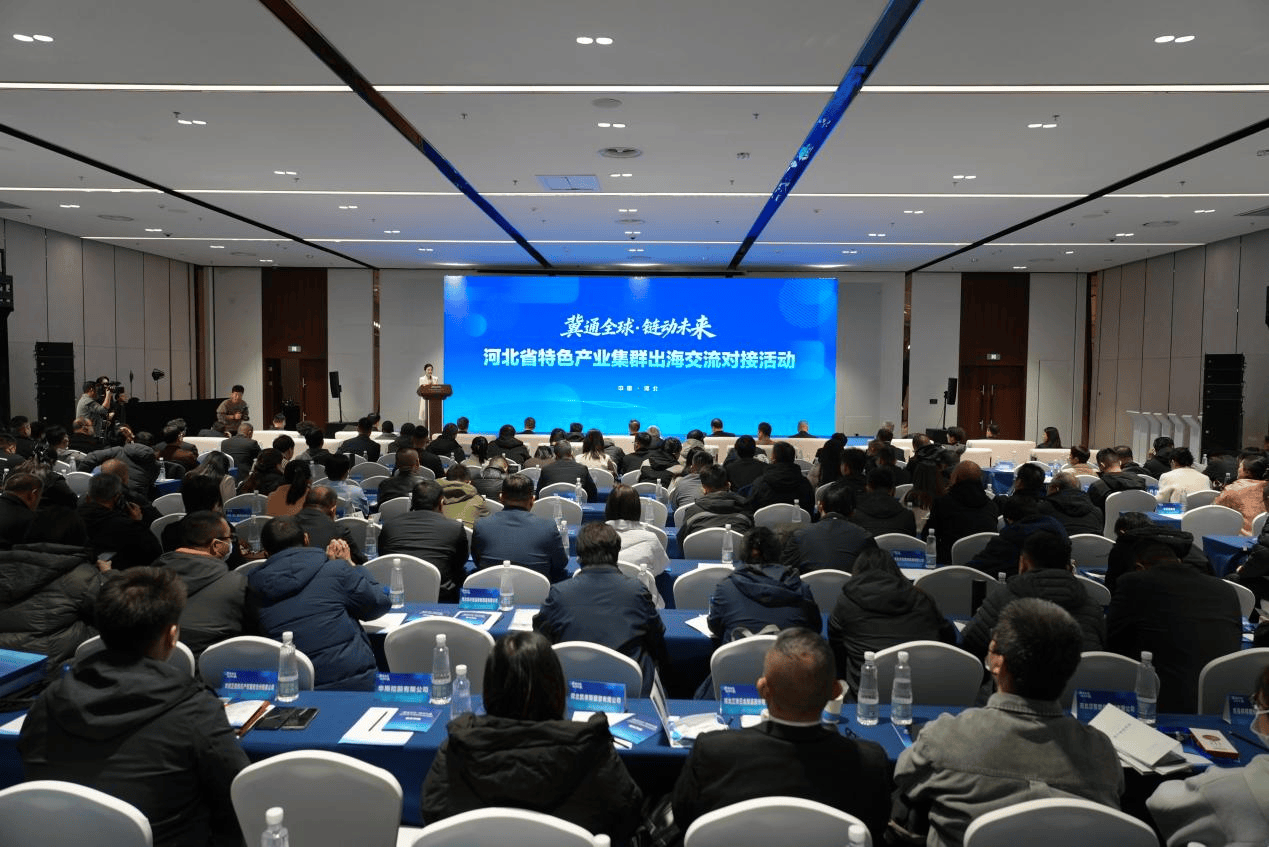
冀通全球 链动未来 河北省特色产业集群出海交流对接活动举行
Sou Hu Cai Jing· 2025-11-28 13:33
Core Points - The event "Jitong Global · Chain Moving Future" was held in Shijiazhuang, focusing on promoting Hebei's characteristic industrial clusters to go global [1][4] - The event aimed to build an industrial docking platform, expand international market channels, and foster an innovative cooperation ecosystem [4][8] Group 1: Government and Institutional Support - The Zhengding Free Trade Zone is positioned as a "bridgehead" for Hebei's opening-up and a "testbed" for institutional innovation, emphasizing its advantages in logistics, industry collaboration, and trade platform development [4][10] - The Hebei Provincial Logistics Industry Group aims to create a comprehensive international logistics system by integrating port, land, air, and China-Europe freight train resources [6][19] - The event featured speeches from various officials discussing the importance of financial products and services in supporting industrial clusters going global [8][12][13] Group 2: Industry Development and Opportunities - The Zhengding area is targeting the aviation industry, biomedicine, and comprehensive logistics as key sectors for open development, creating a full-chain service system from R&D to overseas layout [10] - China Bank has tailored 402 scenarios to support the development of 107 key industrial clusters in Hebei, offering specialized financing solutions [12] - The urgency for Hebei's industrial clusters to go global is increasing due to multiple factors, with 24 clusters recognized as national-level characteristic industrial clusters [15][20] Group 3: Platform Launch and Collaboration - The "Hebei Provincial Industrial Cluster Going Global Service Platform" was officially launched to enhance international competitiveness and market expansion capabilities [19][20] - The event included signing ceremonies for cooperation agreements between foreign representatives and cluster enterprises, facilitating direct international collaboration [22]
高端装备制造行业:中国首批15家领航级智能工厂公布,智能制造跃升新标杆
Guoxin Securities Co., Ltd· 2025-11-28 12:47
Investment Rating - The report gives a "Positive" rating for the high-end equipment manufacturing industry, expecting the industry index to outperform the market index by over 5% in the next six months [12]. Core Insights - The announcement of China's first batch of 15 leading intelligent factories marks a significant leap in intelligent manufacturing, establishing new benchmarks for the industry [3][10]. - The report highlights innovative manufacturing models and technological breakthroughs that address industry pain points and enhance production efficiency [4][5]. - The total scale of intelligent manufacturing equipment, industrial software, and system solutions has surpassed 4.5 trillion yuan [6]. Summary by Sections Event Description - On November 27, 2025, the Ministry of Industry and Information Technology and other departments announced the first batch of 15 leading intelligent factories, covering key sectors such as equipment manufacturing and consumer goods [3]. Core Advantages and Technological Breakthroughs - Innovative models like shared manufacturing and flexible production lines have significantly reduced production times and inventory levels [4]. - AI and digital twin technologies are driving efficiency improvements, with companies achieving high product quality rates and reduced lead times [4]. - The integration of green and lean manufacturing practices has led to increased material utilization and reduced construction costs for smart factories [5]. Impact on the Industry Chain - The technological spillover from leading factories is driving upgrades across the supply chain, with extensive digital collaboration among suppliers and distributors [6]. - The report notes a historical transition in China's intelligent manufacturing from isolated breakthroughs to systemic collaboration [6]. - Policy support is fostering the development of industrial clusters, with leading factories acting as "mother factories" to promote regional upgrades [6]. Market Performance - The high-end equipment manufacturing index is expected to show positive trends compared to the broader market, with specific companies listed as direct beneficiaries of the intelligent manufacturing initiatives [8][10]. Investment Recommendations - The report suggests short-term investments in listed companies directly involved in the leading intelligent factories, such as Zoomlion and Haier, which are at the forefront of industry advancements [10]. - Long-term focus should be on companies that are closely tied to leading firms in technology output and ecosystem development, as well as those involved in AI chip production and computing infrastructure [10].
东兴证券晨报-20251128
Dongxing Securities· 2025-11-28 11:57
Economic News - The Hong Kong government has banned the import of seafood, sea salt, and seaweed from 10 prefectures in Japan due to the discharge of nuclear wastewater from Fukushima [1] - The National Development and Reform Commission emphasizes the importance of high-quality development in the service industry for stabilizing employment and promoting consumption [1] - From January to October, the total operating income of state-owned enterprises in China increased by 0.9% year-on-year, while total profits decreased by 3.0% [1] - The Ministry of Commerce plans to expand market access for foreign investment, particularly in the service sector, and improve the investment environment [4] Company Insights - Meituan reported a revenue of 95.488 billion yuan for Q3 2025, a year-on-year increase of 2.0%, but incurred an operating loss of 18.632 billion yuan [5] - Meixinsheng is focusing on AI sensor technology, enhancing its product offerings in smart perception and human-computer interaction [5] - CITIC Heavy Industries has been involved in major national projects, providing critical materials and equipment for space missions [5] - Shanghai Pharmaceuticals received approval for a generic drug, indicating progress in its product pipeline [5] - Pinggao Electric won bids totaling approximately 773 million yuan in a procurement round from the State Grid Corporation, which is expected to positively impact future operations [5] Daily Research Report - Zhongtong Express reported a Q3 business volume of 9.573 billion pieces, a year-on-year increase of 9.8%, but slightly lowered its annual business volume guidance due to industry trends [6] - The company experienced a slight increase in single-ticket revenue, which grew by 1.7% to 1.21 yuan per ticket, indicating a recovery in profitability [7] - The company's single-ticket profit level improved in Q3, with adjusted net profit rising from 0.21 yuan in Q2 to 0.26 yuan in Q3, suggesting a positive outlook for Q4 [8] - Profit forecasts for the company indicate net profits of 9.06 billion, 10.22 billion, and 11.53 billion yuan for 2025-2027, with corresponding PE ratios of 13.0X, 11.5X, and 10.2X [8]

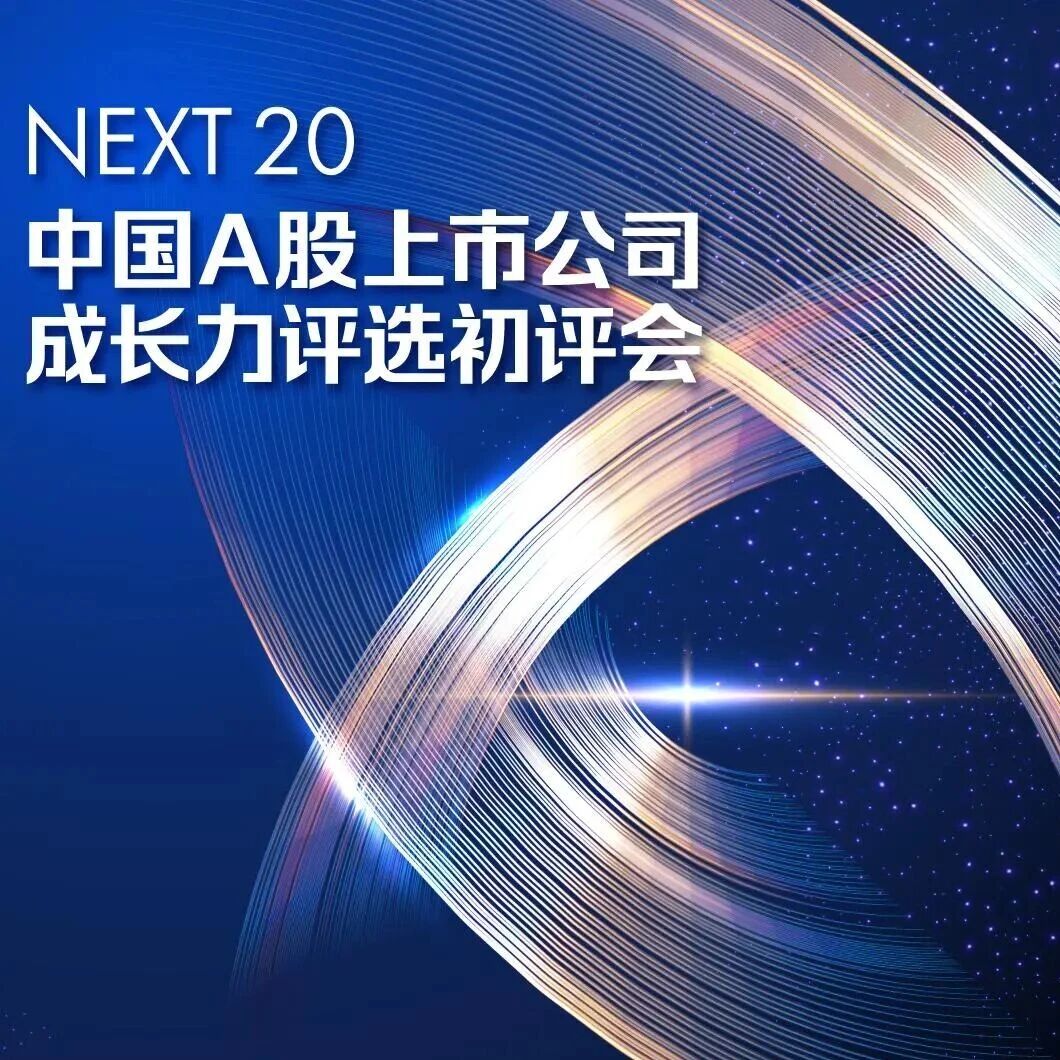
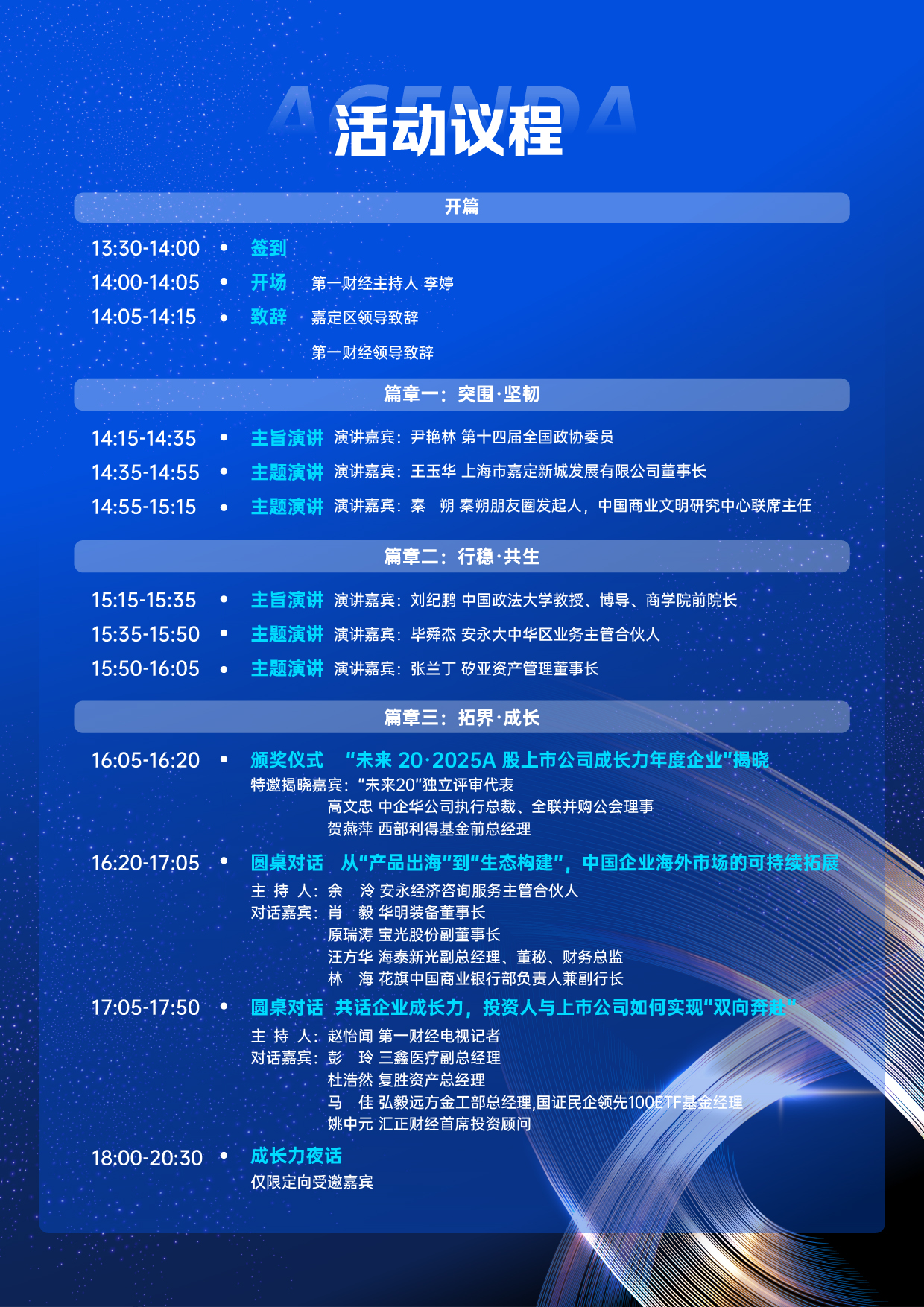
关注高质量发展新势力,未来20 · 2025 A股上市公司成长力年会将重磅开启
第一财经· 2025-11-28 11:42
Core Viewpoint - The healthy development of small and medium-sized enterprises (SMEs) is crucial for improving industrial structure and unleashing innovation in China's economy, especially in the context of the ongoing global industrial restructuring and the new wave of technological revolution [1][3]. Group 1: Importance of SMEs - SMEs are key players in driving innovation and industrial upgrades, showcasing resilience and growth potential amid rapid technological advancements and global market changes [3][5]. - The "Future 20 · 2025 A-share Listed Companies Growth Power Annual Conference" aims to highlight and track value growth enterprises in China, filling research gaps in the capital market [3][6]. Group 2: Growth Strategies - Many surveyed enterprises indicated that accelerating overseas expansion is a vital strategy for growth, whether through mergers and acquisitions or investments to enhance production capacity and industry ecosystems [5][6]. - The focus on improving core business efficiency and seeking new growth avenues is a significant theme for enterprises in 2025, reflecting a commitment to navigating economic cycles and expanding operations [5][6]. Group 3: Event Overview - The upcoming conference will feature discussions among experts from finance and industry, exploring opportunities and challenges faced by Chinese enterprises in the context of technological empowerment and economic transformation [6]. - The agenda includes keynote speeches, award ceremonies for outstanding companies, and roundtable discussions on sustainable market expansion and collaboration between investors and listed companies [7].
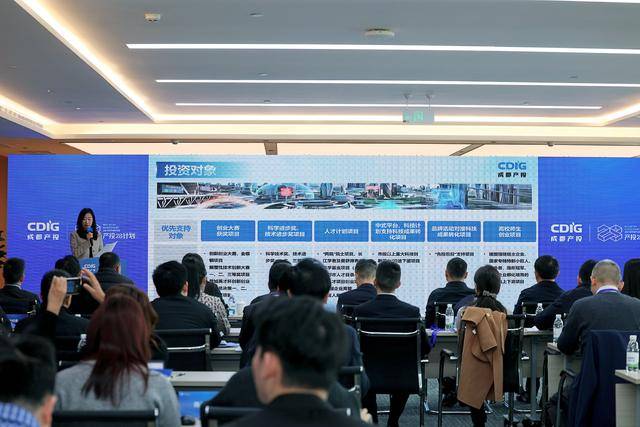
“产投28计划”在蓉首场路演 40个科创项目竞逐投资“直通卡”
Sou Hu Cai Jing· 2025-11-28 11:27
Core Insights - The "Chengdu Industrial Investment 28 Plan" aims to create a monthly mechanism for capital and industry integration, becoming a new symbol of innovation in Chengdu [1][3] - The first roadshow event attracted 40 tech companies from various cities, showcasing projects in four core sectors: electronic information, new energy materials, health industry, and equipment manufacturing [1][7] Group 1: Roadshow Details - The event featured a structured approach with companies presenting their projects based on six core aspects: project overview, technological advantages, market landscape, team capabilities, financial status, and funding needs [4] - A scoring mechanism was established to evaluate projects across five dimensions, categorizing them into three classes: A (direct investment), B (one-on-one follow-up), and C (reserve pool) [4][6] Group 2: Project Quality and Focus - The projects presented were characterized as high-quality hard tech, ranging from pre-revenue teams to companies generating millions in revenue, aligning with the future industry fund's focus [6] - Notable local companies showcased advancements in microwave RF chips, high-end industrial drones, and innovative drug development, demonstrating strong market presence and technological maturity [7] Group 3: Strategic Vision - The "Chengdu Industrial Investment 28 Plan" is designed to foster a competitive future industry ecosystem, emphasizing early, small, and future-oriented investments to navigate uncertainties and R&D risks [9] - The initiative aims to establish a vertical investment service platform for future industries, promoting a synergistic ecosystem of policy, capital, and industry [9]
关注高质量发展新势力,未来20 · 2025 A股上市公司成长力年会将重磅开启
Di Yi Cai Jing· 2025-11-28 11:14
Group 1 - The healthy development of small and medium-sized enterprises (SMEs) is crucial for improving industrial structure and unleashing innovation in China's economy [1][2] - The "Future 20·2025 A-share Listed Companies Growth Power Annual Conference" will focus on the growth of SMEs in the capital market, featuring government leaders, experts, and representatives from growth-oriented companies [1][2] - The event aims to identify and track value growth enterprises in China, analyzing their development potential and extracting successful experiences to fill research gaps in the capital market [2][3] Group 2 - SMEs are seen as key players in innovation and industrial upgrading, adapting to rapid technological changes and global industrial restructuring [2][3] - Many surveyed companies indicated that expanding overseas is a vital strategy for growth, either through mergers and acquisitions or by investing in capacity and industrial ecosystems abroad [3] - The conference will include discussions on sustainable overseas market strategies and how companies can achieve mutual growth with investors [5]
东北三省化债进度观察与区域发展转型探索:“东北化债成效凸显,城投转型道阻且长”
Lian He Zi Xin· 2025-11-28 09:46
1. Report Industry Investment Rating No relevant content provided. 2. Core Viewpoints of the Report - Since 2023, the implementation of the "Comprehensive Debt Resolution Plan" has achieved phased results. In December 2024, Document No. 99 provided a clear path for key provinces to exit. Driven by continuous debt resolution policies, Heilongjiang, Jilin, and Liaoning have achieved certain results in debt resolution, with reduced implicit debt ratios and effectively relieved regional debt pressure. The three northeastern provinces are close to meeting the criteria for exiting the list of key provinces and are expected to be the first to exit in the future [2][5][71]. - Although the asset structures of bond - issuing urban investment enterprises in Changchun, Harbin, Shenyang, and Dalian show varying degrees of transformation, with a continuous decline in the proportion of urban investment income, their profits still mainly come from government subsidies, and their self - hematopoietic ability has not been fundamentally improved. The actual transformation path is long and arduous, and it is necessary to thoroughly implement the strategic deployment for the comprehensive revitalization of Northeast China in the new era [3][73][74]. - Urban investment enterprises can rely on regional resource endowments and strategic positions to cultivate industrial clusters with regional characteristics, achieve maximum industrial value - added through regional collaboration and differential development, eliminate inefficient and ineffective investments, and enhance their profitability and self - hematopoietic ability, thereby improving the fiscal health of local governments and providing strong support for regional high - quality development [3][74]. 3. Summary by Relevant Catalogs 3.1 Introduction - Since 2023, the "Comprehensive Debt Resolution Plan" has achieved phased results. In early 2024, the State Council required key provinces to strengthen the management of government investment projects to prevent and resolve local debt risks. Northeast China, as an important old industrial base, has heavy regional debt pressure and is included in the 12 key debt - resolution provinces [5]. - Document No. 99 proposed exit criteria for key provinces, including two quantitative indicators (implicit debt ratio and local financial debt/GDP) and one qualitative indicator (ability to prevent and resolve local debt risks without policy support), and put forward clear requirements for the exit progress of financing platforms [6][7]. 3.2 Analysis of Debt Resolution Progress and Achievements in the Three Northeastern Provinces 3.2.1 Economic, Fiscal, and Debt Resolution Situations in the Three Northeastern Provinces - **Regional Development and Economic - Fiscal Conditions**: The three northeastern provinces are important gateways for opening up to Northeast Asia, with advantages in agriculture, industry, and characteristic industries. However, in 2024, the population decreased by over 800,000, mainly due to low birth rates, deep - seated aging, and labor outflow. In terms of economy and finance, Liaoning ranks high among key provinces, while Heilongjiang and Jilin are in the middle - lower reaches. In terms of debt, Yunnan and Guizhou have heavy debt burdens, Liaoning ranks in the middle, Heilongjiang has relatively low debt, and Jilin has a relatively high debt ratio [9][10]. - **Debt Resolution Progress**: As of the end of 2024, the implicit debt ratios of the three northeastern provinces are lower than the average of the eight non - key provinces with relatively high implicit debt ratios, meeting the quantitative requirements. Heilongjiang and Liaoning have basically met the two quantitative indicators. The three northeastern provinces have made significant progress in debt resolution through various measures. For example, some areas in Heilongjiang have reduced debt risk levels, Jilin has significantly reduced implicit debt, and the number of financing platforms in Jilin and Liaoning has decreased by over 50% [14][17][21]. 3.2.2 Economic, Fiscal, and Debt Resolution Situations in Key Cities of the Three Northeastern Provinces - **Economic, Fiscal, and Debt Conditions**: Among the 11 key cities selected, Dalian, Shenyang, Changchun, and Harbin have relatively large GDP and general public budget revenues. In 2024, the government debt balances and debt ratios of key cities increased compared with the end of 2023 [28][30][31]. - **Debt Scale and Repayment Pressure of Bond - Issuing Urban Investment Enterprises**: As of the end of 2024, there are 25 bond - issuing urban investment enterprises in the three northeastern provinces. Changchun's bond - issuing urban investment enterprises have a significantly higher interest - bearing debt scale. Most cities' bond - issuing urban investment enterprises' interest - bearing debt scales decreased in 2024 compared with the end of 2023, but the debt pressure of Changchun, Harbin, and Shenyang increased, while that of Dalian decreased [35][36]. - **Analysis of Debt Resolution Progress and Achievements in Key Cities**: In 2024, the implicit debt scales and implicit debt ratios of key cities in the Northeast decreased. Most key cities' bond - issuing urban investment enterprises' financing costs decreased or remained the same compared with the previous year. The spreads of bond - issuing urban investment enterprises in key cities generally decreased [40][46][48]. 3.3 Exploration and Analysis of Development Transformation in Key Cities of the Three Northeastern Provinces 3.3.1 Financial Performance of Urban Investment Enterprises' Transformation - **Investment - related Assets**: From 2022 - 2024, the investment - related assets of Changchun and Shenyang's bond - issuing urban investment enterprises increased, Harbin's remained stable, and Dalian's decreased. The proportion of investment - related assets in Changchun, Shenyang, and Dalian increased [54]. - **Urban Investment - related Assets**: Shenyang and Harbin's bond - issuing urban investment enterprises reduced urban investment - related assets, while Changchun's increased, and Dalian's showed a relative expansion [55]. - **Operation - related Assets**: Changchun's bond - issuing urban investment enterprises' operation - related assets showed a relative contraction, Harbin and Dalian's contracted, and Shenyang's expanded [59]. - **Urban Investment Business Income**: The proportion of urban investment business income of bond - issuing urban investment enterprises in Changchun, Harbin, Shenyang, and Dalian decreased [60]. - **Profitability and Profit Structure**: From 2022 - 2024, Changchun's bond - issuing urban investment enterprises' profitability declined, while Harbin, Shenyang, and Dalian's increased. However, the profits of these enterprises still mainly come from government subsidies [62]. 3.3.2 Industrial Upgrading Directions in Key Cities and Market - oriented Participation of Urban Investment Enterprises - **Industrial Upgrading Directions**: Changchun focuses on the automobile industry and new clusters, Harbin builds a modern industrial system through innovation, Shenyang upgrades its industries in a high - end, intelligent, and green manner, and Dalian develops marine - related industries [66]. - **Market - oriented Participation of Urban Investment Enterprises**: Urban investment enterprises in Changchun, Harbin, Shenyang, and Dalian participate in industrial transformation through infrastructure investment, industrial fund operation, and equity investment [67]. 3.4 Summary and Outlook - The three northeastern provinces have achieved certain results in debt resolution and are close to meeting the criteria for exiting the list of key provinces. Key cities show different debt situations. Although the asset structures of bond - issuing urban investment enterprises in some key cities show transformation, their self - hematopoietic ability has not been fundamentally improved [71][72][73]. - Urban investment enterprises in the three northeastern provinces need to carry out industrial investment around regional industrial upgrading directions, enhance their self - hematopoietic ability, and promote regional high - quality development [74].
首批15家领航级智能工厂名单公布
Jiang Nan Shi Bao· 2025-11-28 09:41
Group 1 - The Ministry of Industry and Information Technology, along with five other departments, announced the first batch of leading intelligent factories in China, marking a significant leap from digitalization and networking to intelligence in manufacturing [1] - A total of 15 leading intelligent factories were announced, covering key industries such as equipment manufacturing, raw materials, electronic information, and consumer goods [1] - The leading intelligent factories integrate new-generation information technology, advanced manufacturing technology, and lean management concepts, representing the highest standards of intelligent manufacturing in China [1] Group 2 - The 2025 leading intelligent factory cultivation list includes notable projects such as Baoshan Iron & Steel's high-end green silicon steel predictive manufacturing intelligent factory and Shanghai Aerospace Equipment Manufacturing's highly reliable large-scale aerospace product intelligent factory [2] - Other projects on the list include Nanjing Steel's personalized customization intelligent factory for special steel and China Petroleum & Chemical Corporation's green petrochemical intelligent factory based on global optimization [2] - Additional entries include Hikvision's large-scale personalized customization intelligent factory for IoT sensing products and Weichai Power's high-end engine intelligent factory based on digital lean models [2] Group 3 - The 2025 World Intelligent Manufacturing Conference commenced in Nanjing, highlighting the importance of intelligent manufacturing in the current industrial landscape [3]
港闸经济开发区:布局新赛道,铸就新高地
Yang Zi Wan Bao Wang· 2025-11-28 07:57
Core Viewpoint - The article highlights the transformation of the Port Zone Economic Development Zone, which is evolving from traditional industries to new emerging sectors, driven by technological upgrades and strategic investments. Group 1: Industrial Transformation - The Port Zone Economic Development Zone is advancing new industrialization during the 14th Five-Year Plan, developing a "three optimizations, three new" industrial structure tailored to local conditions [2] - Traditional industries such as equipment manufacturing, shipbuilding, and high-end textiles are being upgraded through technological transformation, while strategic emerging industries like smart equipment, electronic information, and new materials are expanding [3] - Over the past five years, the zone has attracted projects worth 20 billion yuan, including five projects of 2 billion yuan, thirteen projects of 1 billion yuan, and forty projects of 500 million yuan [3] Group 2: Project Development and Investment - The zone has established a mature project promotion mechanism, with 70% of projects completing construction permits within three months of land acquisition [7] - The average construction cycle has been reduced from three years to under two years, with major project acceptance times cut from six months to three months [8] - In 2023, 23 new construction projects worth over 100 million yuan were initiated, with 16 projects completed and 14 fully operational [9] Group 3: Talent and Innovation - The zone has introduced nearly 50 talents and 8 leading talents over the past four years, with over 140 innovation projects and a survival rate exceeding 97% [4] - The number of high-tech enterprises has increased by nearly 60, surpassing 130, with over 1,000 new effective invention patents [4][5] - The zone is implementing a "dual chain integration" project to promote the production and efficiency of technology-driven projects [5] Group 4: Service and Support - The Port Zone Economic Development Zone emphasizes a service-oriented approach, providing comprehensive support to enterprises, including facilitating procurement and addressing specific needs [10] - The zone has implemented a rapid response mechanism to understand and address enterprise demands, promoting over 100 technology transformation projects during the 14th Five-Year Plan [10] - The service model has extended to various sectors, enhancing collaboration among local enterprises [10][11] Group 5: Future Outlook - The zone aims to enhance its capabilities, quality, openness, and efficiency, striving to establish a modern industrial system by 2030, with a focus on advanced manufacturing and modern service industries [12] - The goal is to achieve a GDP increase of another 100 billion yuan, positioning the zone as a key growth driver for high-quality development in the region [12]