
养老服务

Search documents
《江苏省老龄事业发展报告(2025年)》发布:江苏出生人口2016年以来首次回升,百岁老人8811人
Yang Zi Wan Bao Wang· 2025-10-20 05:28
Core Insights - Jiangsu Province's population reached 85.26 million by the end of 2024, with a birth rate of 426,000, marking a 1.7 million increase from 2023 and the first rise since 2016 [2][3] - The number of centenarians in Jiangsu has reached 8,811, an increase of 128 from the previous year [4] Population Aging and Demographics - The elderly population aged 60 and above is 21.75 million, accounting for 25.5% of the total population, which is 3.5 percentage points higher than the national average [4] - The population aged 65 and above is 15.94 million, representing 18.7% of the total, exceeding the national average by 3.1 percentage points [4] - The proportion of elderly individuals with a high school education or above has increased by 4.5 percentage points over the past decade, reaching 15.87% [4] Elderly Care and Services - Jiangsu has achieved full coverage of long-term care insurance across all 13 cities, with over 63.44 million insured individuals, covering 78% of basic medical insurance participants [5] - The province's elderly care service quality index is 80.10, surpassing the national average of 75.65, ranking second in the country [5] - Over 8,000 elderly meal assistance points have been established, serving 1.356 million elderly individuals [6] Economic Development and Employment - Jiangsu is focusing on the "silver economy," promoting the development of elderly product manufacturing, elderly services, and anti-aging industries [7] - The province has launched initiatives to support elderly employment, with 32,000 job postings suitable for seniors available on the "Just in Jiangsu" employment service platform [8] Legal and Social Support - Legal aid services for the elderly have been expanded, with 7,891 cases handled and over 200,000 individuals receiving notarization services [8] - Jiangsu has implemented policies to ensure that all new residential communities meet elderly service facility standards, achieving a 100% compliance rate [8]

人民至上,民生愿景变成幸福实景——江苏“十四五”经济社会发展综述之六
Xin Hua Ri Bao· 2025-10-19 23:09
Group 1: Employment and Economic Development - Jiangsu province is actively creating job opportunities, targeting the recruitment of over 235 million positions this year, with a focus on digital economy, low-altitude economy, and event economy sectors [2][3] - The province has successfully maintained an average annual urban employment increase of over 1.3 million over the past five years, accounting for more than 10% of the national total [3] - The per capita disposable income of residents in Jiangsu has increased from 47,498 yuan in 2021 to 55,415 yuan in 2024, with a year-on-year growth of 5.2% in the first half of this year [3] Group 2: Social Security and Welfare - Jiangsu has continuously improved the basic pension standard for urban and rural residents, ensuring that 11.97 million elderly insured residents received the new pension benefits by the end of September this year [4][5] - The province allocates over 75% of its public finances to the welfare sector annually, aiming to meet the people's aspirations for a better life [4] Group 3: Healthcare and Community Services - Jiangsu has established 458 standardized regional elderly care service centers with over 97,100 beds, focusing on professional care services for the elderly [5][6] - The province has implemented a "1+9+N" model for healthcare, enhancing the integration of medical resources and improving service accessibility for residents [9][10] - The "15-minute healthcare service circle" has achieved full coverage in towns and streets, ensuring that residents have easy access to healthcare services [10]
年轻人住养老院火了,能成为主流吗?
Hu Xiu· 2025-10-19 08:26
Core Insights - The article discusses a new trend in elder care facilities in China, where young people are allowed to live in nursing homes alongside elderly residents, creating a "cross-generational cohabitation" model that addresses both youth housing pressures and elderly companionship needs [4][14][18] Group 1: Case Study of Yixin Nursing Home - Yixin Nursing Home in Zhejiang has opened its doors to young residents, offering a monthly rent of 1500 yuan, which includes meals and cleaning services, to fill its vacant beds [3][10] - The nursing home was established with an investment of approximately 7 million yuan and aims to utilize idle resources by allowing young people to stay [3][11] - The nursing home has adjusted its admission criteria to require young residents to live with their elderly family members, promoting intergenerational interaction [4][12] Group 2: Economic Considerations - Young residents like Xiaojing find the cost of living in the nursing home to be lower than renting elsewhere, as it includes meals and significantly reduces commuting costs [5][6] - The operational cost structure shows that the services provided to young residents are less expensive compared to those for elderly residents, as they share existing resources [11][13] Group 3: Social Dynamics and Implications - The model of "cross-generational cohabitation" reflects a shift from traditional family structures to a more modern approach, addressing the loneliness of both young and elderly individuals [8][9][14] - The article highlights the potential for this model to alleviate housing pressures for young people while providing companionship for the elderly, although it faces challenges in scalability and sustainability [15][18] Group 4: Challenges and Future Outlook - The article notes that while the model is gaining attention, it remains in the exploratory phase and faces regulatory and operational challenges that may hinder widespread adoption [16][17][18] - Experts suggest that the "cross-generational cohabitation" model may not become a mainstream solution for youth housing issues, as the majority of elderly individuals still prefer to age at home [18][19]
年轻人住养老院火了 能成为主流吗?
经济观察报· 2025-10-19 07:30
Core Viewpoint - The article discusses the emerging trend of intergenerational cohabitation in nursing homes, addressing the dual needs of elderly individuals seeking companionship and young people facing loneliness in urban settings [10][19]. Group 1: Case Study of Yuyin Nursing Home - A young woman named Xiaojing moved into Yuyin Nursing Home at a monthly rent of 1500 yuan, which includes meals and cleaning services, after her grandmother suggested it [3][4]. - The nursing home, which opened on September 20, 2023, had a high vacancy rate, prompting the director to accept young residents to utilize idle resources [4][11]. - The director, Zhao LePing, adjusted the admission criteria to require young residents to live with their elderly family members, aiming to promote intergenerational interaction [5][13]. Group 2: Economic Considerations for Young Residents - Xiaojing calculated that living in the nursing home reduced her commuting costs significantly, saving approximately 572 yuan per month compared to her previous living situation [7]. - The nursing home offers practical amenities and a healthy diet, which aligns with Xiaojing's expectations for living conditions [7][8]. - Despite the benefits, there are some inconveniences, such as the nursing home closing at 8 PM, which requires young residents to call for access if they return late [8] . Group 3: Broader Implications of Intergenerational Cohabitation - The trend reflects a shift from traditional family structures to non-familial cohabitation, driven by urban migration and changing family dynamics [9][16]. - The model addresses the loneliness of both elderly individuals and young people, creating a mutually beneficial living arrangement [10][19]. - However, the scalability of this model faces challenges, including geographic mismatches, regulatory uncertainties, and the sustainability of intergenerational interactions [17][18]. Group 4: Industry Insights and Future Outlook - The nursing home sector is exploring various models to engage young people, such as volunteer programs that allow them to exchange service hours for accommodation [14][18]. - Despite the potential benefits, experts caution that the intergenerational cohabitation model may not become a mainstream solution for housing pressures faced by young people [18][19]. - The ongoing exploration of this model may lead to innovative policy support and service designs that better accommodate the needs of both elderly and young residents [19][20].
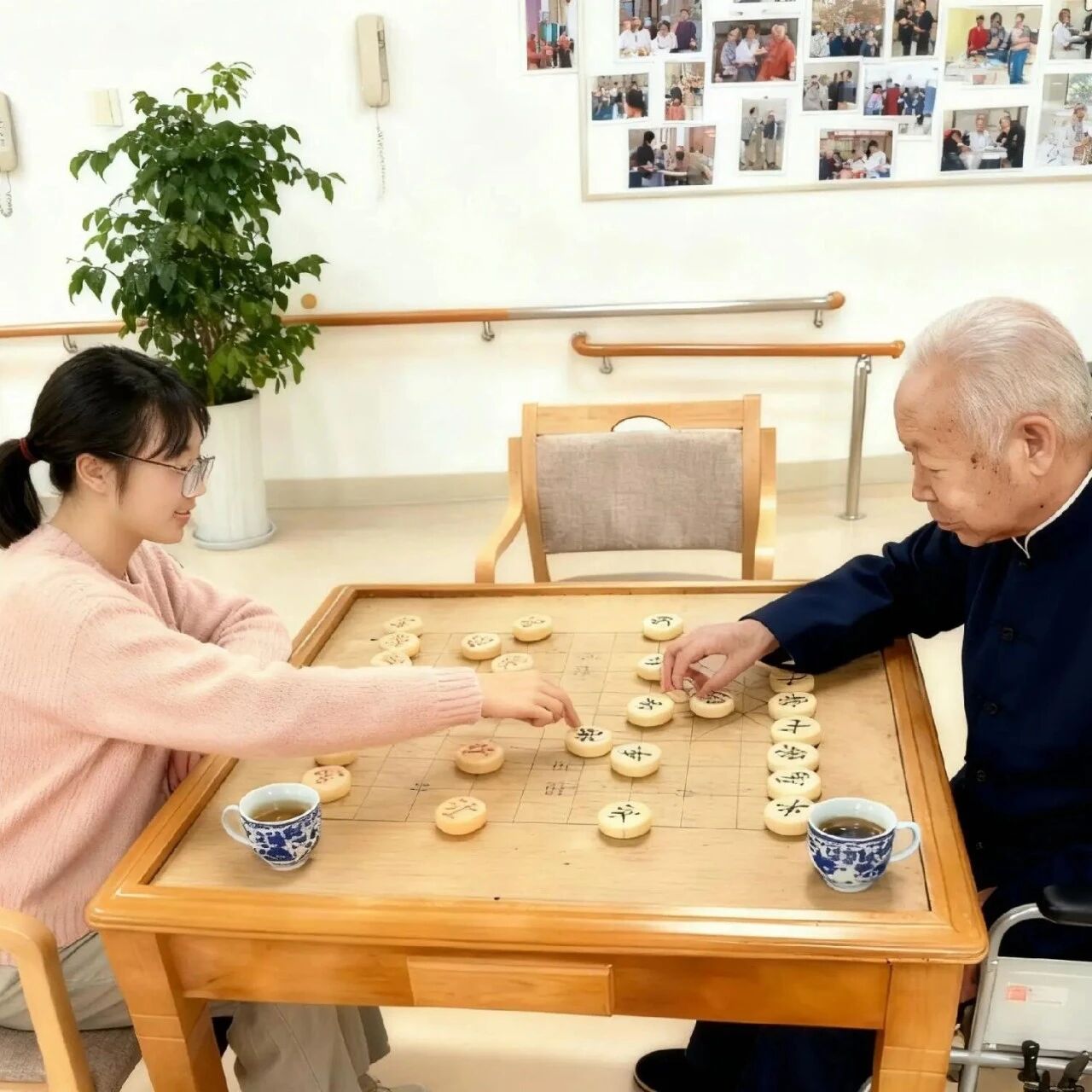
从养老到“享老”,一份写满幸福的“温暖答卷”
Yang Shi Xin Wen Ke Hu Duan· 2025-10-19 01:41
Core Insights - The aging population is a significant global issue, with China's population aged 60 and above exceeding 300 million, prompting the need for a robust elderly care system [1][2] - The "14th Five-Year Plan" emphasizes the development of a coordinated elderly care service system that integrates home, community, and institutional care, along with medical and health services [1] Group 1: Policy and Infrastructure Development - By the end of 2024, the number of elderly care institutions and facilities in China is expected to reach 406,000, with the proportion of nursing care beds increasing from 48% in 2020 to 65.7% [1] - The expansion of long-term care insurance pilot cities to 49, benefiting a cumulative total of 2.6 million disabled elderly individuals [1] - Nationwide implementation of elderly care service consumption subsidies for all elderly individuals with moderate to severe disabilities [1] Group 2: Community and Social Environment - A total of 2,990 demonstration elderly-friendly communities have been established, with Shanghai achieving full coverage of a 15-minute elderly service circle [2] - Over 8,500 community home care service centers have been set up in Hunan, serving over 3 million elderly individuals daily at dining points [2] Group 3: Workforce and Service Quality - The establishment of a national vocational skill level system for elderly care workers, with the total number of skilled personnel exceeding 5 million [2] - The transition from traditional elderly care to a more diversified "silver economy," including services like senior travel and wellness retreats [2] Group 4: Future Outlook - The average life expectancy in China has reached 79 years, surpassing the "14th Five-Year Plan" goal of increasing it by one year [2] - The future direction of China's elderly care system will focus on inclusivity, high quality, and smart services to enhance the well-being of the elderly population [2]
“十四五”成绩单|中国式养老绘就最美“夕阳红”
Yang Shi Wang· 2025-10-18 19:39
Core Viewpoint - The aging population is a significant global issue, with China's population aged 60 and above exceeding 300 million, prompting the need for a robust elderly care system that ensures a happy and healthy life for seniors [1] Group 1: National Strategy and Policy - The "14th Five-Year Plan" outlines a national strategy to actively address population aging, promoting the coordinated development of elderly care services and industries, and establishing a service system that integrates home, community, and institutional care [3] - By the end of 2024, the number of elderly care institutions and facilities in China is expected to reach 406,000, with the proportion of nursing care beds increasing from 48% in 2020 to 65.7% [5] Group 2: Long-term Care and Support - The number of pilot cities for long-term care insurance has expanded to 49, benefiting a cumulative total of 2.6 million disabled elderly individuals, with nationwide subsidies for elderly care services introduced for those with moderate to severe disabilities [7] - A total of 2,990 elderly-friendly communities have been established, with Shanghai achieving full coverage of a 15-minute elderly care service radius, and over 8,500 community home care service centers in Hunan [9] Group 3: Quality Improvement and Workforce Development - The quality of elderly care services is being enhanced, with the establishment of a national vocational skill ranking system for elderly care workers, resulting in a total of over 5 million skilled personnel in the sector [11] - The "silver economy" is thriving, with diverse service offerings expanding, including travel and wellness services tailored for the elderly [11] Group 4: Future Outlook - The average life expectancy in China has reached 79 years, surpassing the "14th Five-Year Plan" goal of increasing it by one year, with the elderly care system expected to continue evolving towards inclusivity, high quality, and smart services in the "15th Five-Year Plan" [13]

经济大省挑大梁·韧性中国|以高质量发展托起群众的幸福梦
Yang Guang Wang· 2025-10-18 13:22
Core Viewpoint - Jiangsu province is taking a leading role in promoting high-quality economic development and common prosperity, focusing on practical measures to ensure that people of all ages can find their place and benefit from development [1][11]. Group 1: Economic Development and Common Prosperity - Jiangsu's approach to common prosperity emphasizes systematic advancements in infrastructure, industrial upgrades, and social security, creating a unique path tailored to the province's characteristics [1][11]. - The province has established 2,280 livable and workable beautiful villages, significantly improving the management of 3,795 weak villages, and making positive progress in 40 areas, showcasing the vibrant picture of rural revitalization [5]. Group 2: Rural Revitalization - In Taoyuan Village, the integration of agriculture, culture, and tourism has transformed the local economy, with collective income rising from 500,000 to over 6.4 million yuan, driven by innovative projects and the development of a complete rural industry chain [4][5]. - The village's initiatives have led to the creation of over 130 jobs, allowing residents to work locally and benefit from the economic growth [2][4]. Group 3: Elderly Care and Social Services - Jiangsu is enhancing the meaning of "elderly care," with facilities providing comprehensive services that improve the quality of life for seniors, as evidenced by positive health outcomes for residents in care homes [6][10]. - The province has over 2,200 elderly care institutions with nearly 400,000 beds, 69% of which are nursing beds, addressing the needs of disabled and cognitively impaired elderly individuals [10]. - A shift in perception towards social elderly care is occurring, with more young people joining the caregiving workforce, reflecting a broader societal change in attitudes towards aging and care [9][10].
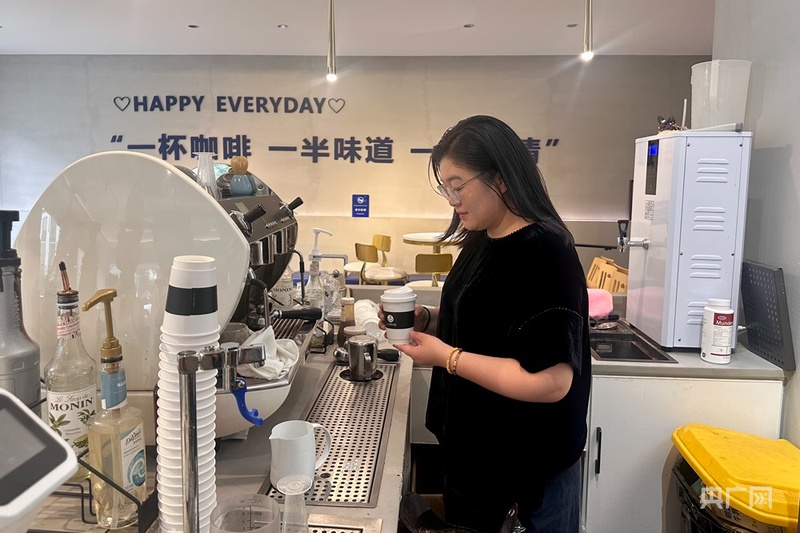
“十四五”期间我国养老服务体系建设取得新进展
Yang Shi Wang· 2025-10-18 12:12
Group 1 - The core message emphasizes the establishment of a comprehensive national basic elderly care service system during the "14th Five-Year Plan" period, enhancing the welfare level for the elderly and promoting an elderly-friendly social environment [1][5] Group 2 - There are currently 86,000 elderly meal assistance points across the country, addressing dining difficulties for elderly individuals, particularly those who are elderly or living alone [3] - The government is providing consumption subsidies to families of millions of elderly individuals with moderate to severe disabilities, ensuring their care needs are met [3] - The elderly economy is rapidly developing, creating a trillion-level market as the country strengthens its urban and rural three-tier elderly care service network [3] Group 3 - The basic pension insurance coverage has exceeded 1.07 billion people, and 2.24 million households of elderly individuals with special difficulties have undergone home modifications to be more age-friendly [5] - The number of elderly care institutions and facilities has reached 406,000, with nursing care beds accounting for 64.6%, surpassing the 55% target set for the "14th Five-Year Plan" [5] - Services such as meal assistance, bathing, and medical care are increasingly accessible to the elderly at home, integrating institutional care with community and home services [5] Group 4 - The system for promoting elderly social participation is being continuously improved, with public cultural facilities, sports venues, and tourist attractions becoming more age-friendly and offering free or discounted access to the elderly [7] - Over 68,000 elderly education learning points have been established, making it easier for the elderly to engage in lifelong learning [7] - A national "Silver Age Action" information service platform has been created to support the elderly in contributing to society [7]
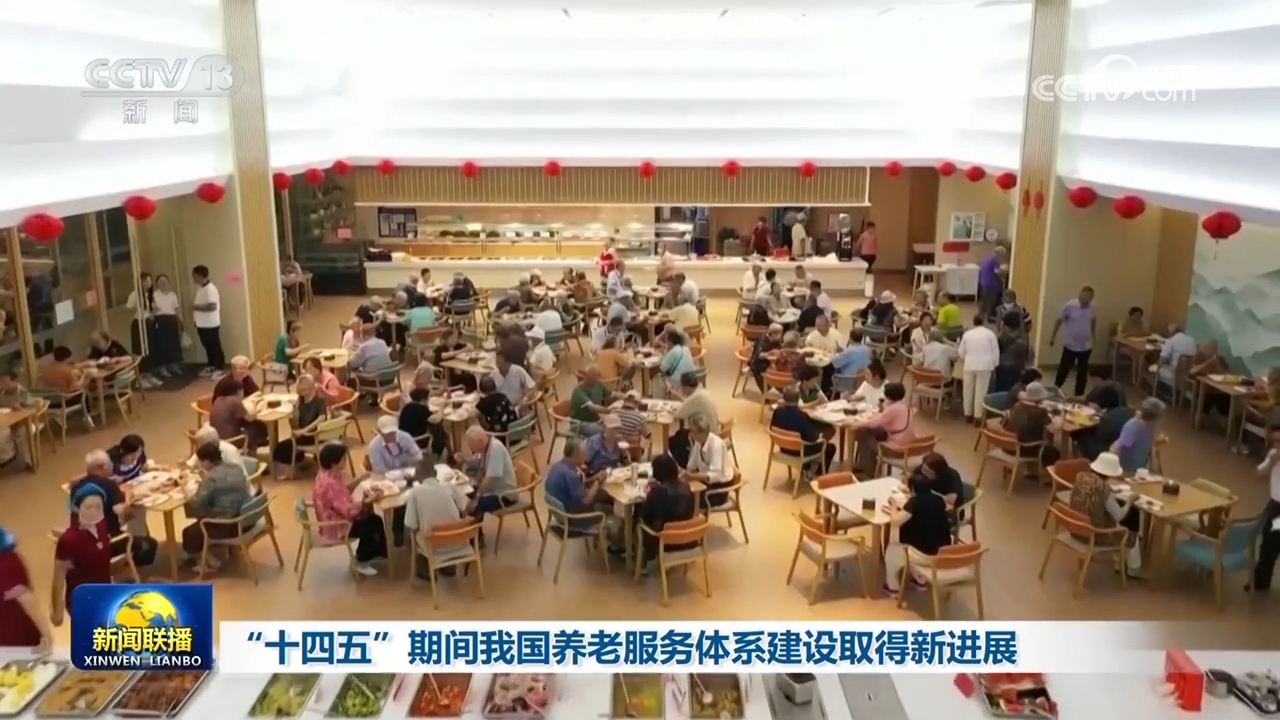
新时代广西老龄事业发展取得新成效
Guang Xi Ri Bao· 2025-10-18 02:09
Group 1: Social Security and Pension System - As of August 2025, the number of participants in basic pension insurance in Guangxi is expected to reach 35.12 million, with the basic medical insurance participation rate remaining stable at over 97% [1] - Since 2021, Guangxi has issued over 900 million yuan in subsidies for elderly care, benefiting more than 400,000 elderly individuals [1] - The high-age allowance for individuals aged 80 and above has been fully covered, with 189,500 low-income elderly individuals included in special assistance programs [1] Group 2: Elderly Care Service System - During the "14th Five-Year Plan" period, Guangxi has allocated 3.9 billion yuan to support the development of elderly care services, with a total of 257,300 elderly care beds established [2] - Each county has at least one public elderly care institution focused on the care of disadvantaged and disabled elderly individuals, and a network of 138 comprehensive elderly service centers has been established [2] - 94.5% of secondary and higher-level public hospitals have set up geriatric medicine departments, and the health management rate for elderly individuals aged 65 and above has reached 65.97% [2] Group 3: Elderly-Friendly Society Construction - Guangxi has successfully created 80 national model elderly-friendly communities, with over 800,000 elderly volunteers actively participating in various sectors [3] - The "Silver Age Teacher Program" has recruited nearly 10,000 retired teachers to provide education in poverty-stricken and border areas [3] - From January to July 2025, over 2.94 million elderly individuals participated in travel and residence services in Guangxi, a year-on-year increase of 24.6%, generating over 58 billion yuan in consumption [3]
年轻人住养老院火了 能成为主流吗?
Jing Ji Guan Cha Bao· 2025-10-17 15:25
Core Insights - The trend of young people living in nursing homes is gaining attention, exemplified by the case of a young woman in Zhejiang who moved into a private nursing home at a low monthly rent of 1500 yuan, which includes meals and cleaning services [1][4][5] - This "cross-generational cohabitation" model is seen as a potential solution to alleviate housing pressure for young people while providing companionship for the elderly, although its widespread adoption faces several challenges [2][9][10] Summary by Sections Case Study of Yicheng Nursing Home - The Yicheng Nursing Home, which opened on September 20, 2023, is attempting to fill its vacant beds by allowing young people to stay, with the owner investing approximately 7 million yuan in renovations [1][6] - The nursing home has adjusted its admission criteria to require young residents to live with their elderly family members, promoting intergenerational interaction [1][7] Economic Considerations - The young resident calculated that living in the nursing home, despite the rent, saves her money on commuting and provides meals, making it a cost-effective option [3][4] - The nursing home charges elderly residents 3000 yuan per month, with high labor costs for care services, while young residents pay only 1500 yuan, sharing existing resources [6][8] Broader Implications - The model reflects a shift from traditional family structures to a more modern approach to cohabitation, addressing the loneliness of both young and elderly individuals [5][9] - However, the model's scalability is limited by geographic mismatches, regulatory uncertainties, and the transient nature of young residents' participation [10][11][12] Future Outlook - The exploration of "cross-generational cohabitation" is seen as a temporary solution to resource management in nursing homes rather than a sustainable business model [12][13] - The ongoing demographic trends of aging populations and housing pressures for youth may prompt further innovations and policy support for such cohabitation models [13][14]