
眼镜

Search documents
台州科立尔眼镜有限公司成立 注册资本1万人民币
Sou Hu Cai Jing· 2025-10-11 03:11
Core Viewpoint - A new company, Taizhou Keli'er Glasses Co., Ltd., has been established with a registered capital of 10,000 RMB, focusing on various technology and internet sales services [1] Company Overview - The legal representative of Taizhou Keli'er Glasses Co., Ltd. is Li Haiyong [1] - The registered capital of the company is 10,000 RMB [1] Business Scope - The company operates in general projects including internet sales (excluding goods that require permits) [1] - It provides technology services, development, consulting, exchange, transfer, and promotion [1] - The company is involved in goods and technology import and export [1] - It also engages in digital advertising design and agency services (excluding projects that require legal approval) [1]
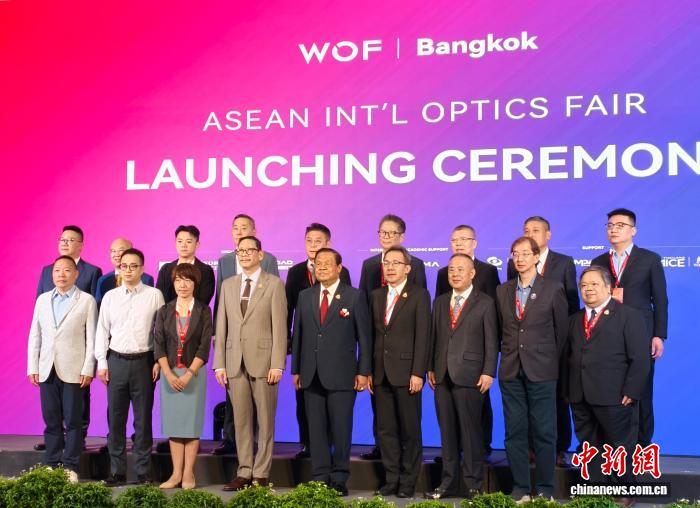
2025东盟国际眼镜展在曼谷举行
Zhong Guo Xin Wen Wang· 2025-10-09 17:10
Group 1 - The 2025 ASEAN International Optical Exhibition commenced in Bangkok, featuring a three-day event organized by Dena Exhibition and Boguang International, with support from various associations [1] - The exhibition covers over 10,000 square meters and showcases 230 quality exhibitors, including products and services related to sunglasses, optical frames, children's glasses, lenses, contact lenses, eye health services, and equipment [4] - The event attracted professional visitors from over 30 countries, including Thailand, Vietnam, Indonesia, and India, comprising regional agents, distributors, e-commerce platforms, and retail terminals [4] Group 2 - The exhibition features an international brand area and an Asian original designer area, highlighting the global optical industry landscape and catering to the demand for personalized, original, and high-value products [5] - Several smart eyewear companies showcased cutting-edge products, allowing attendees to experience the immersive interaction and intelligent applications of AI glasses, indicating a deep integration of artificial intelligence with the eyewear industry [5] - The event also includes a series of activities such as the Asia-Pacific Eye Health Summit, Thailand Optometry Association seminar, and Asia-Pacific Optometry Forum, providing multidimensional communication opportunities for exhibitors and buyers [7]

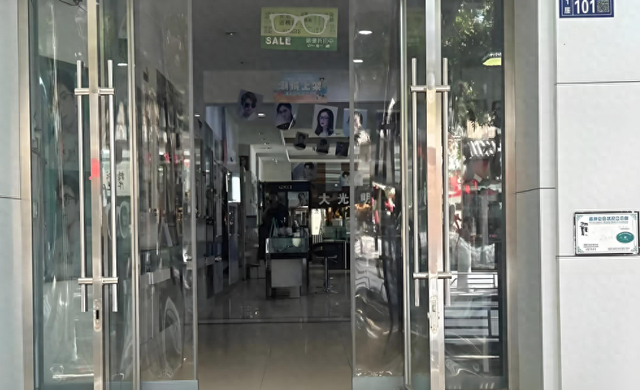
全国眼镜店陷入倒闭潮,明明没有电商冲击,为啥还会自己干到黄?
Xin Lang Cai Jing· 2025-10-03 06:25
Core Viewpoint - The eyewear industry is facing a significant decline, with approximately 60,000 stores closing between 2022 and 2025, averaging 55 closures per day, primarily due to self-inflicted issues rather than e-commerce competition [1] Group 1: Industry Challenges - The eyewear industry has seen a drastic reduction in physical stores, indicating a shift in consumer behavior and market dynamics [1] - The traditional pricing strategies of eyewear stores have been exposed, leading to a loss of consumer trust and a decline in sales [14][20] - The rise of online shopping and information accessibility has empowered consumers, making them less susceptible to traditional sales tactics [14][15] Group 2: Pricing and Profitability - In Dan Yang, a major production hub, the cost of lenses is significantly lower than retail prices in other cities, highlighting the markup practices of local stores [4][5] - Eyewear stores previously relied on information asymmetry and channel monopolies to maintain high profit margins, but these tactics are no longer effective [10][13] - The average profit for eyewear stores has drastically decreased, with some owners reporting monthly earnings dropping from 150,000 to 80,000 [20] Group 3: Consumer Behavior Shift - The new generation of consumers, particularly those born after 2000, are more informed and skeptical of traditional sales pitches, leading to a demand for transparency and value [14][19] - Consumers are now utilizing online resources to compare prices and product specifications, effectively eliminating the information gap that once favored retailers [15][19] - The trend of "cloud fitting" allows consumers to bypass traditional stores entirely, further diminishing the relevance of physical eyewear shops [17] Group 4: Adaptation Strategies - Some eyewear stores are adapting by focusing on specialized services, such as children's vision health, which allows them to charge premium prices while providing added value [20][21] - Other stores are adopting a low-cost, high-volume model, significantly reducing prices and relying on increased sales volume to maintain profitability [23][24] - The eyewear industry is at a turning point, moving away from high-profit margins to a model that prioritizes consumer needs and satisfaction [26]
“工业第一城”,继续“拥抱”传统产业
Mei Ri Jing Ji Xin Wen· 2025-10-01 00:20
Core Insights - Shenzhen aims to leverage its rich innovation resources and diverse industrial categories to optimize and upgrade traditional industries, targeting a total scale of over 700 billion yuan in three years [1][2] - The city plans to implement 12 policy measures, including the establishment of various investment funds to support mergers and acquisitions in traditional industries [1][3] Group 1: Traditional Industries - Shenzhen has a strong presence in traditional industries, with high-end women's clothing brands and the gold jewelry industry leading nationally [2] - The city is a major production base for mid-to-high-end eyewear, accounting for approximately 50% of global output [2] - There is a shift in perception regarding traditional industries, recognizing that they can also encompass high-end development [2] Group 2: Technological Integration - Shenzhen will implement an action plan to accelerate the development of artificial intelligence in traditional sectors such as home appliances and eyewear from 2025 to 2026 [2] - The city aims to support over 100 traditional enterprises in their digital transformation within three years [2][3] Group 3: Policy and Market Integration - The city plans to encourage the integration of traditional manufacturing with new-generation information technology and high-performance materials, aiming to create over 100 cross-industry fashionable products by 2027 [3] - Shenzhen's approach of combining policy guidance, market leadership, and technological empowerment may serve as a replicable model for traditional industry transformation across the country [3]
城市24小时 | “工业第一城”,继续“拥抱”传统产业
Mei Ri Jing Ji Xin Wen· 2025-09-30 15:52
Core Insights - Shenzhen aims to leverage its rich innovation resources and diverse industrial categories to upgrade traditional industries, targeting a total scale of over 700 billion yuan in three years [1][2] - The city plans to implement 12 policy measures, including the establishment of various investment funds to support mergers and acquisitions in traditional industries [1][2] - Shenzhen's advanced manufacturing and high-tech manufacturing account for 68.2% and 58.2% of the city's industrial added value, respectively [1] Group 1: Traditional Industry Development - Shenzhen has a strong presence in traditional industries such as high-end women's clothing, jewelry, and eyewear, with the jewelry industry leading the nation in annual industrial output [2] - The city will implement an action plan to integrate artificial intelligence into various traditional sectors, aiming to digitize over 100 traditional enterprises within three years [2][3] - The government encourages the fusion of traditional manufacturing with new technologies and high-performance materials, targeting the creation of over 100 cross-industry fashionable products by 2027 [3] Group 2: Investment and Policy Measures - Shenzhen will utilize strategic emerging industry funds to support state-owned enterprises and traditional industry leaders in establishing acquisition funds [1] - The investment model will combine government guidance, listed company capital, and professional investment institutions to nurture high-potential enterprises [1] - The city has previously recognized the importance of both traditional and emerging industries as components of a modern industrial system, indicating a balanced approach to industrial development [5]
眼镜能对话、厨具会思考:深圳传统产业“智”变
2 1 Shi Ji Jing Ji Bao Dao· 2025-09-30 12:38
Core Insights - Shenzhen's traditional industries are undergoing transformation through the integration of smart technologies, moving from scale-driven to value-driven models [1][6][7] Group 1: Traditional Industries Overview - Shenzhen accounts for approximately 70% of the annual gold delivery volume at the Shanghai Gold Exchange and produces about 50% of the global mid-to-high-end eyewear [1] - The city hosts seven of China's top ten watch companies and ranks highly in high-end women's clothing brands, market share, and listed companies [1] Group 2: Eyewear Industry Transformation - Dr. Glasses, founded in 1993 and listed in 2017, has transitioned from a traditional retailer to an "intelligent visual ecosystem service provider" [2] - The company has integrated smart glasses from brands like Thunderbird Innovation and XREAL into its 569 stores, with over 150 locations featuring these products [2] - Collaboration with tech firms has deepened, exemplified by a joint venture with Thunderbird Innovation to develop the first mass-produced smart glasses in China [2] Group 3: Watch Industry Innovation - Feiya Watch, established in 1987, is leveraging aerospace technology to create high-value products, such as watches made from helicopter wheel hub materials [3] - The company has incorporated AI into production and quality inspection processes, reducing inspection times and saving over 20% in labor costs [3] - Feiya plans to expand into precision technology manufacturing, utilizing its expertise in small-scale, high-precision production [3] Group 4: Kitchenware Industry Advancement - Shenzhen Wande Kitchen Technology, founded in 2020, has introduced an AI-powered cooking machine that can recognize ingredients and adjust cooking processes in real-time [4][6] - The machine, priced over 200,000 yuan, has sold over 3,000 units since its launch, generating nearly 100 million yuan in sales [6] Group 5: Policy Support for Transformation - Shenzhen's government has implemented 12 measures to support industrial transformation, including policies for AI integration and funding for core technology development [6] - The city aims to assist over 100 companies in digital transformation within three years and to achieve a total scale of traditional industries exceeding 700 billion yuan by 2027 [6]


深圳的底牌,不只是华为和大疆
Sou Hu Cai Jing· 2025-09-30 09:20
Core Insights - Shenzhen is launching a significant initiative to modernize traditional industries, focusing on sectors like clothing, jewelry, and eyewear, aiming to build a modern industrial system [1][2] - The city has introduced 12 major policies to boost traditional industries, targeting a total scale of over 700 billion yuan within three years [2][4] Policy Initiatives - The policies aim to support enterprises throughout their lifecycle, enhancing their growth and strength [4][5] - Key measures include optimizing the industrial policy system, strengthening investment through diversified funds, and accelerating core technology advancements [4][5] - The initiative emphasizes embracing artificial intelligence to foster new momentum in traditional industries [4][12] Industry Strengths - Shenzhen's clothing industry leads the nation in brand quantity, market share, and number of listed companies [4] - The gold and jewelry sector has maintained the highest industrial output value in the country, with annual gold delivery accounting for approximately 70% of the Shanghai Gold Exchange [4] - The city produces about 50% of the world's mid-to-high-end eyewear [4] Strategic Importance - The focus on traditional industries is part of a broader strategy to adapt to global industrial chain competition, emphasizing the need for both emerging and traditional industries to thrive [11][19] - Shenzhen's traditional industries are described as "invisible pillars" of the economy, having evolved from basic manufacturing to high-end manufacturing clusters with global influence [11][19] Technological Integration - The integration of technology into traditional industries is seen as essential for achieving dual-driven growth [12][13] - Successful cases include collaborations between tech companies and traditional businesses to enhance service efficiency and product innovation [12] Financial Support - Shenzhen has established a digital transformation support plan for traditional industries, offering subsidies up to 5 million yuan for eligible projects [17] - The city is also implementing various policy tools to help enterprises access resources at lower costs [16][17]

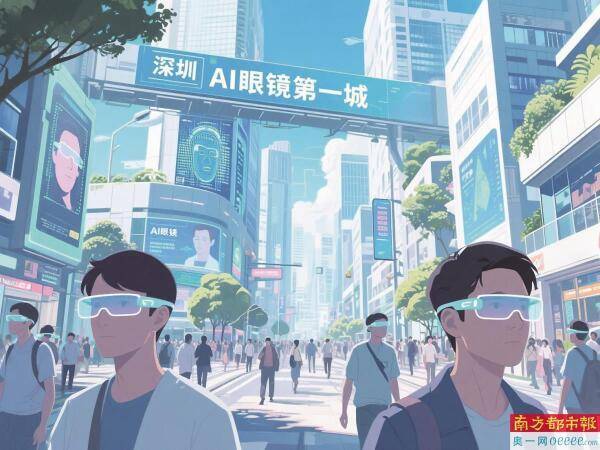
用好50亿基金 打造“AI眼镜第一城”
Sou Hu Cai Jing· 2025-09-29 23:13
Core Viewpoint - Shenzhen is transforming its traditional industries through digitalization and artificial intelligence, aiming to enhance the overall scale of traditional industries to over 700 billion yuan in the next three years [2][4][5]. Group 1: Traditional Industry Development - Shenzhen has a strong presence in high-end women's clothing, jewelry, and eyewear, with significant contributions to the global market [2]. - The city aims to optimize and upgrade traditional industries by leveraging new technologies, resulting in the emergence of new products, brands, services, and business models [2][4]. - The government is focusing on a multi-faceted policy approach to support various sectors, including clothing, jewelry, furniture, eyewear, watches, and leather [4]. Group 2: Artificial Intelligence Integration - Shenzhen plans to harness artificial intelligence to empower traditional industries, emphasizing the importance of AI in driving innovation and efficiency [5]. - The city has established major projects like Pengcheng Cloud Brain and Shenzhen Open Intelligent Computing Center to enhance AI service resources [5]. - Financial support mechanisms, such as "training vouchers" and "model vouchers," will be introduced to help companies reduce costs associated with AI implementation [5][6]. Group 3: Regional Initiatives - The Luohu District is enhancing its jewelry industry by integrating AI technologies into design, manufacturing, and retail, aiming to elevate the value creation process [7]. - The Longhua District is focusing on digital transformation in the fashion industry, promoting local brands on international platforms like Milan Fashion Week [8]. - Collaborative efforts with tech companies like Huawei are being made to establish smart centers that will further integrate AI into traditional sectors [7][8].
12条措施助传统产业“智变”
Sou Hu Cai Jing· 2025-09-29 23:13
Core Insights - Shenzhen is accelerating the optimization and upgrading of traditional industries, leveraging the technological revolution led by artificial intelligence to reshape the industrial landscape [1][2][3] Group 1: Background and Achievements - The traditional industries in Shenzhen are experiencing significant historical development opportunities, with high-end women's clothing brands ranking among the top in the country and the gold and jewelry industry maintaining the highest industrial output value nationally for several consecutive years [1] - Shenzhen aims to push the total scale of traditional industries to exceed 700 billion yuan within three years, significantly enhancing development capabilities [1] Group 2: Policy Measures - A comprehensive policy framework is being established to support enterprises in various sectors such as clothing, gold and jewelry, furniture, eyewear, watches, and leather, providing multi-faceted support to drive traditional industry upgrades [2] - The establishment of diverse investment models, including government-guided funds and partnerships with industry associations, aims to foster high-quality enterprises with strong technological advantages [2] Group 3: Technological Advancements - Key technological challenges are being addressed through initiatives like "revealing the list and taking the lead," focusing on critical materials and components that hinder high-quality development in traditional industries [2] - The implementation of an action plan for accelerating the development of artificial intelligence in traditional industries aims to integrate AI technology across various sectors, creating new growth drivers [2] Group 4: Product and Brand Development - A strategy to enhance product variety, quality, and branding is being implemented, with a goal of creating over 100 competitive products and more than 10 national consumer brands by 2027 [3] - Efforts are being made to promote Shenzhen's traditional industries through high-profile exhibitions and competitions, enhancing their visibility and influence [3][4] Group 5: Market Expansion - Initiatives to facilitate market expansion include organizing industry matchmaking events and supporting local brands in participating in international fashion weeks and trade shows [4] - A one-stop service model is being developed to optimize resource allocation and attract talent necessary for industry growth [4]
深圳推12条政策措施,争取传统产业总规模3年突破7000亿元
Mei Ri Jing Ji Xin Wen· 2025-09-29 13:55
Core Insights - Shenzhen is a leading city in China for high-end women's clothing brands, jewelry industry output, and mid-to-high-end eyewear production, with significant market shares and a strong presence of top companies in various sectors [1][2] Group 1: Traditional Industry Development - Shenzhen's government is promoting the optimization and upgrading of traditional industries, which are crucial for economic growth and consumer welfare [1] - The city aims to increase the total scale of traditional industries to over 700 billion yuan within three years through 12 policy measures [1][2] Group 2: Policy Measures - The first measure focuses on optimizing the industrial policy system to support the growth of companies in sectors like clothing, jewelry, furniture, eyewear, watches, and leather [1][2] - The second measure emphasizes the establishment of investment funds to support mergers and acquisitions in traditional industries [1][2] Group 3: Technological Advancements - The initiative includes accelerating core technology breakthroughs in key materials and components that hinder high-quality development in traditional industries [2] - Embracing artificial intelligence is a priority, with plans to integrate AI into various traditional sectors such as home appliances and fitness equipment [2] Group 4: Digital Transformation - The government plans to utilize special funds to assist traditional industries in their digital transformation, targeting over 100 companies for this initiative within three years [2] - Additional measures include promoting high-quality products, enhancing the branding of Shenzhen's traditional industries, and organizing high-profile exhibitions to set industry trends [2]