
三品战略

Search documents
拼 ³ 战略驱动高质量发展 郎酒2025年交出穿越周期稳健答卷
Zhong Guo Jing Ying Bao· 2026-01-20 16:20
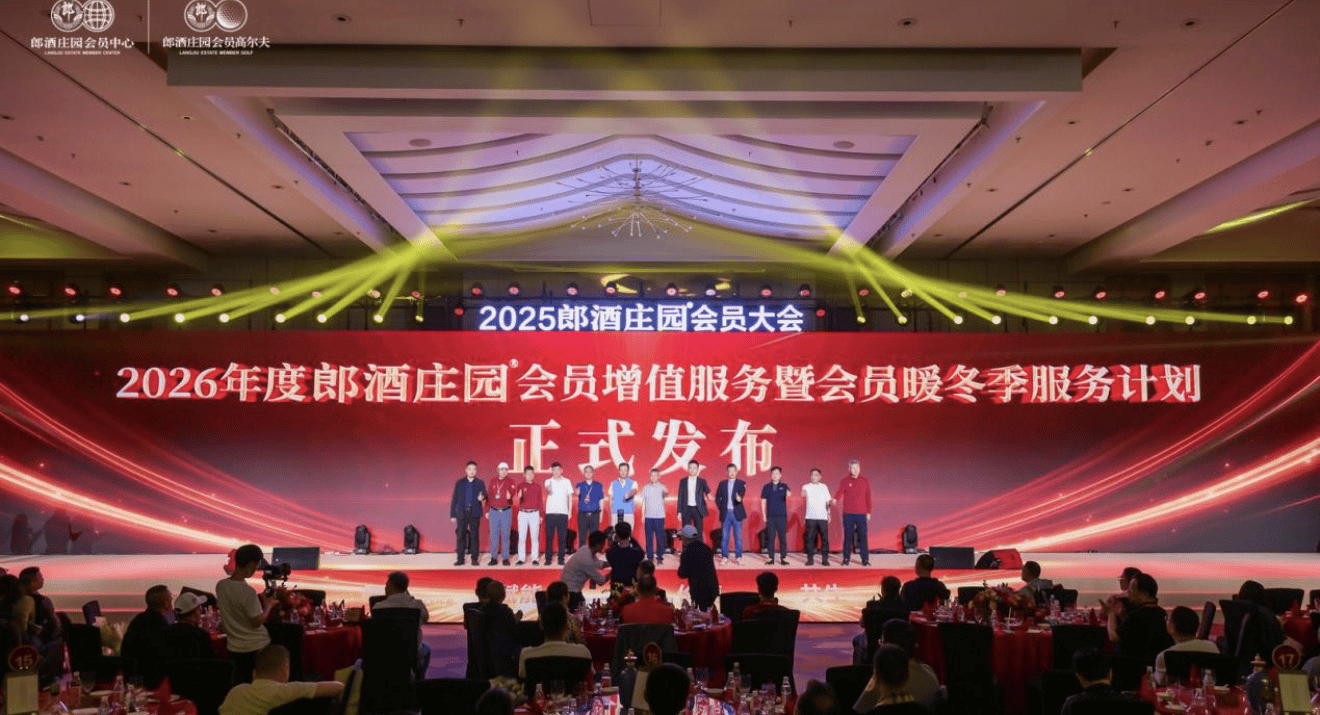
Core Insights - The annual meeting of Langjiu was held on January 19, 2026, focusing on the company's resilience and growth amidst a deep adjustment in the liquor industry [1] - Langjiu's General Manager, Wang Bowei, announced that the company achieved a slight increase in dealer shipment volume in 2025, demonstrating strong operational performance [1] Group 1: Strategic Focus - The theme "拼 ³" reflects Langjiu's deep strategic thinking and precise layout, emphasizing a commitment to quality, brand, and consumer experience [1] - The threefold strategy includes "拼乘以拼再乘以拼," highlighting the company's dedication to excellence, and a collaborative ecosystem among Langjiu, channel partners, and distributors [1] Group 2: Product Development - By 2025, Langjiu's premium sauce liquor storage exceeded 300,000 tons, reinforcing the brand's quality confidence and competitive edge in the sauce liquor market [2] - The comprehensive upgrade of Langjiu's five strategic product lines in 2025 marked a significant development milestone, with Honghua Lang achieving the title of "China's banquet market's top sauce liquor sales for three consecutive years" [2] Group 3: Marketing and Consumer Engagement - Langjiu established a cultural marketing matrix through six exclusive IP events, enhancing consumer engagement and brand perception [2] - The experiential marketing approach allows consumers to connect with Langjiu's craftsmanship and brand value, positively influencing public perception and price expectations [2] Group 4: Industry Outlook - Private liquor companies like Langjiu exhibit sustainable development traits, including flexible decision-making and a stable talent pipeline [3] - The establishment of three world-class distilleries, including Luzhou Longma and Emei Mountain, is expected to elevate Langjiu's brand influence and market competitiveness [3]
拼 3 战略驱动高质量发展 郎酒2025年交出穿越周期稳健答卷
Zhong Guo Jing Ying Bao· 2026-01-20 16:14
Core Insights - The annual meeting of Langjiu highlighted the company's resilience and ability to navigate through the challenges in the liquor industry, achieving slight growth in distributor shipments for 2025 [1] - The theme "拼 ³" reflects Langjiu's strategic focus on quality, brand, and consumer experience, emphasizing collaboration among the company, channel partners, and distributors [1] Group 1 - Langjiu's production and operational tasks for 2025 were completed as planned, showcasing strong performance amidst industry adjustments [1] - The "三品" strategy focuses on enhancing product quality, brand value, and consumer experience, which are critical for the company's growth [1] - The unveiling of the "2025 Langjiu Annual Top Ten Images" provided a visual representation of the company's development trajectory throughout the year [1] Group 2 - The release of the "China Lang·Zhuangyuan Sauce Liquor Blue Book" marked a significant milestone in solidifying Langjiu's quality foundation, with over 300,000 tons of premium sauce liquor stored by 2025 [2] - Langjiu's product matrix saw a comprehensive upgrade in 2025, with the Honghua Lang brand recognized as the top-selling sauce liquor in the Chinese banquet market for three consecutive years [2] - The company developed a cultural marketing matrix through unique events, enhancing consumer engagement and brand perception [2] Group 3 - Key characteristics of sustainable development among private liquor enterprises include flexible decision-making, a stable talent pipeline, and a culture of accountability [3] - The establishment of world-class distilleries, such as Luzhou Longma and Emei Mountain, is expected to enhance Langjiu's brand influence and market competitiveness [3]
十组年度影像,解码郎酒2025的韧性生长
Xin Lang Cai Jing· 2026-01-20 14:46
Core Insights - The core theme of the article revolves around Langjiu's strategic approach to growth amidst industry challenges, emphasizing a three-dimensional strategy termed "拼³" (Pīn Sān), which focuses on quality, brand, and taste [1][9]. Group 1: Market Foundation - Langjiu emphasizes collaboration with partners and customers, marking a significant nationwide dealer conference with over 3,000 attendees, aimed at consolidating confidence and strengthening channels during industry adjustments [2]. - The company has committed to working closely with market partners, avoiding aggressive numerical targets, and instead focusing on shared efforts to build a win-win community [2]. - A special trip to Dubai for 151 top dealers was organized to reinforce the value of collaboration and enhance market competitiveness [2]. Group 2: Systemic Dynamics - Langjiu's strategy includes a strong focus on product quality, with a significant increase in the storage of premium sauce liquor, adhering to a "sell one for every ten stored" principle [4]. - The company has upgraded its core products, including the Red Flower Langjiu and Green Flower Langjiu, establishing the Red Fortune Langjiu as a key strategic product [4][5]. - The establishment of a "winery ecosystem" connects consumer experiences with brand value, with over 200,000 visitors to Langjiu's winery annually, showcasing the cultural richness of Chinese liquor [6]. Group 3: Global Positioning - Langjiu is accelerating its internationalization, participating in global events like the Venice Architecture Biennale and collaborating with Penfolds Winery in Australia, marking a significant expansion of the "World Winery Alliance" [8]. - The partnership with Penfolds has resulted in a co-branded product that symbolizes a cultural dialogue between Eastern and Western wine philosophies [8]. Group 4: Long-term Value - The company's focus has shifted from speed to depth, emphasizing market integration, robust systems, and global connections [9]. - Langjiu's annual imagery reflects a commitment to building long-term certainty through close market engagement and a solid operational framework [9]. - The company is undergoing a profound transformation, enhancing its organizational strength and operational capabilities to navigate industry volatility [9].
新国标筑牢玩具安全防线
Jing Ji Ri Bao· 2026-01-05 22:09
Core Insights - The toy market in China is steadily expanding, with a focus on quality and safety standards, as the Ministry of Industry and Information Technology has revised four mandatory national standards for toy safety [1][5][6] Industry Development - The toy industry is experiencing a transformation, emphasizing the "three products" strategy: increasing variety, improving quality, and creating brands, which solidifies China's position as a global toy production and trade center [1][4] - The collectible toy market, represented by blind boxes and figurines, is growing rapidly, with retail sales of trendy and collectible toys expected to reach 55.83 billion yuan in 2024 [2][3] - The domestic toy retail market is projected to reach 97.85 billion yuan in 2024, a 25.5% increase from 2020, with exports expected to reach 39.87 billion USD, a 19.1% increase from 2020 [3] Technological Advancements - The integration of AI technology into traditional toys is reshaping product forms and value chains, with the AI toy market expected to grow from 24.6 billion yuan in 2024 to 29 billion yuan in 2025 [3][4] - New materials and technologies are enhancing the variety and quality of toy products, with a comprehensive coverage of various materials and innovative products leading market trends [3] Safety Standards and Regulations - The revised national standards for toy safety include stricter limits on harmful substances and new technical requirements for various toy categories, enhancing safety for children [5][6][7] - A transitional period of 12 months for production and an additional 12 months for sales of existing inventory will ensure a smooth implementation of the new standards [8] - The regulatory focus will be on high-risk products, including magnetic toys and blind boxes, with targeted measures to address quality safety issues [9]
郎酒2025年完成既定生产经营目标
Sou Hu Cai Jing· 2026-01-01 07:21
Core Viewpoint - The Chinese liquor industry is entering a deep adjustment period by 2025, shifting the valuation metrics of liquor companies from scale and growth to resilience and quality of development [1] Group 1: Company Strategy - Langjiu is expected to achieve its production and operational goals for 2025, with a slight increase in distributor shipments compared to 2024 [1] - The company maintains a steadfast commitment to its "three quality" strategy: quality, brand, and taste, focusing on the core idea of "brewing good liquor" [1] - Langjiu's strategic effectiveness relies on execution, with key focuses in 2025 on consumer operations, empowering terminal channels, and enhancing brand influence [1] Group 2: Consumer Engagement - Langjiu continues to advance its membership system, with a significant event planned for December 2025 in Hainan, showcasing its "customer-first" philosophy [1] - The membership system has evolved over eight years to include over 60,000 entrepreneurs, creating a "value attraction field" integrated into their lives and social circles [1] Group 3: Channel Development - In December 2025, Langjiu launched the "China Lang Partners Program" in Nanjing, making four commitments to terminal partners: deepening service support, strengthening resource allocation, ensuring reasonable profits, and avoiding short-term behaviors [4] - The program assures compliant distributors of "reasonable and sustainable profits," providing stability to the channel [4] Group 4: Brand Building - Honghua Lang has been selected as a cooperative brand for the 2026 Spring Festival Gala by the China Central Television, continuing the "Honghua Lang Spring Festival Season" tradition [4] - The company is also engaging in regional marketing activities across various locations to enhance brand communication [4]

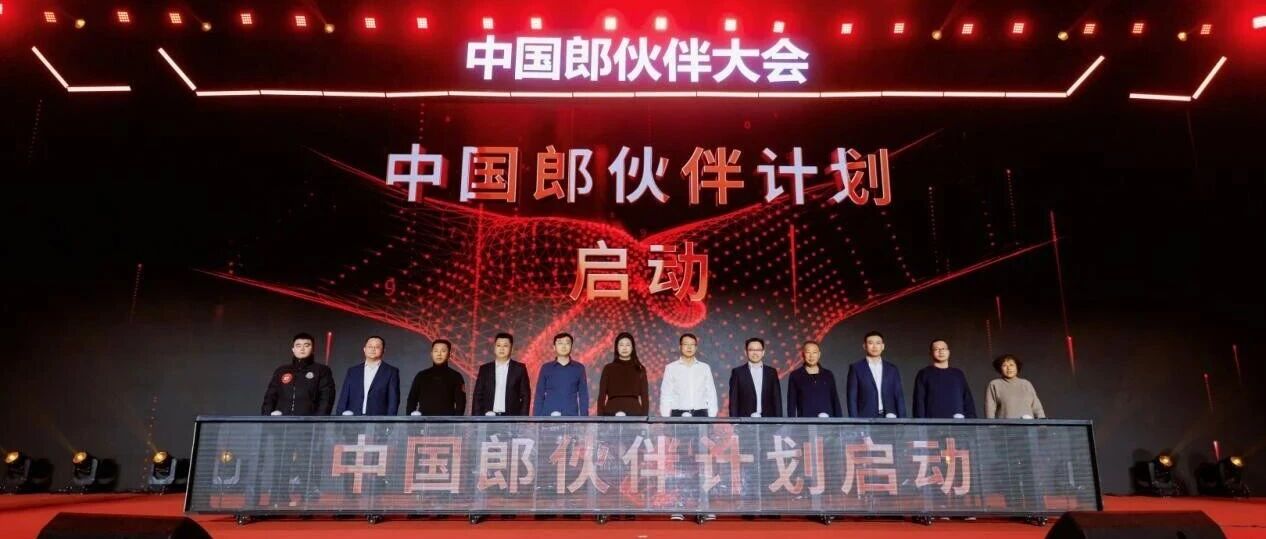
以“中国郎伙伴计划”凝聚终端,郎酒以江苏为起点蓄力全国市场
21世纪经济报道· 2025-12-22 11:47
Core Viewpoint - The "China Lang Partner Plan" is launched as a comprehensive brand strategy aimed at strengthening channel foundations and empowering terminals, with Jiangsu Nanjing as the first stop for implementation [1][3][4]. Group 1: "China Lang Partner Plan" Launch - The plan emphasizes the importance of channel partners and distributors as valuable resources for the company [4]. - Four commitments are made to address core terminal demands: enhancing service support, resource allocation to high-star partners, ensuring reasonable profits, and maintaining a long-term perspective [4][5]. - The company aims to establish Jiangsu as a strategic development market, focusing on deep market penetration and consumer cultivation [4][5]. Group 2: Market Strategy and Execution - The company plans a "three-year saturation attack" strategy, utilizing a tailored approach for each region and distributor [9][15]. - There are over 60,000 existing channel networks in Jiangsu, which will be enhanced through a tiered management system [9][15]. - The company has previously achieved significant sales in Jiangsu, with a record of 2 billion in sales, indicating a strong market presence [13]. Group 3: Brand Activities and Consumer Engagement - The company is leveraging high-profile brand events, such as the "China Lang Night" and "Red Flower Lang Spring Festival Season," to enhance brand recognition and consumer connection [11][12]. - The brand aims to create a strong brand atmosphere in Jiangsu through continuous and intensive brand exposure [15][17]. - The integration of quality, brand, and taste is emphasized as a strategy to strengthen relationships with channel partners and enhance customer loyalty [15][17]. Group 4: Future Outlook - The success of the Jiangsu campaign will serve as a test for the effectiveness of the integrated market strategy, which could be replicated in other core markets [17]. - The company is positioned to adapt to industry adjustments and reshape market dynamics through its strategic initiatives in Jiangsu [17].
以“中国郎酒伙伴计划”凝聚终端,郎酒以江苏为起点蓄力全国市场
Jiang Nan Shi Bao· 2025-12-22 03:17
Core Viewpoint - The launch of the "China Lang Partner Plan" marks a strategic initiative by Langjiu to strengthen its brand and channel network in Jiangsu, aiming for a long-term partnership with distributors and channel partners [1][2][4] Group 1: Strategic Initiatives - The "China Lang Partner Plan" is a nationwide brand strategy, with Jiangsu as the first implementation site [1] - Langjiu aims to solidify its market presence in Jiangsu through a "three-year saturation attack" strategy [2][6] - The company emphasizes a shift from a transactional relationship to a value partnership with distributors, fostering a shared destiny [4][9] Group 2: Commitments and Support - Langjiu has made four key commitments to its partners, including enhanced service support, resource allocation, profit assurance, and a focus on long-term relationships [3][4] - The company plans to implement a 1-5 star grading system for channel partners, providing lifecycle services [3] - Langjiu will concentrate resources on high-star partners, ensuring they receive adequate support and profitability [3][4] Group 3: Market Dynamics - Jiangsu is identified as a strategic development market due to its historical significance and high consumption potential in the liquor industry [7][8] - Langjiu has over 60,000 existing channel networks in Jiangsu, which will be enhanced through the new plan [5][7] - The company has previously achieved significant sales in Jiangsu, indicating a strong foundation for its renewed efforts [7] Group 4: Brand Engagement - Langjiu is leveraging high-profile brand events, such as the "Chinese New Year Gala," to reconnect with consumers and enhance brand visibility [6][8] - The "China Lang Night" events are set to take place in Jiangsu, further promoting brand engagement and consumer connection [6][8] - The focus on quality, brand, and taste is integral to Langjiu's strategy, ensuring a cohesive approach from production to market [8] Group 5: Future Outlook - The success of the Jiangsu strategy will serve as a model for Langjiu's expansion into other key markets across the country [9] - The current industry adjustment period presents an opportunity for Langjiu to reshape its market position and drive growth [9]
增强供给对需求的适配性引领性
Jing Ji Ri Bao· 2025-11-27 21:25
Core Viewpoint - The Chinese government is implementing a new policy to enhance the adaptability of consumer goods supply and demand, aiming to improve the quality and efficiency of production and consumption [1][2]. Group 1: Policy Implementation - The "Implementation Plan" focuses on transforming production from quantity to quality, addressing mismatches in supply and demand, and reducing resource waste [1]. - The plan includes five targeted policy deployments from both supply and demand perspectives, ensuring seamless integration from production to consumption [1]. Group 2: Development Goals - The plan sets two main development goals: by 2027, to establish three trillion-level consumption sectors and ten hundred-billion-level consumption hotspots; by 2030, to achieve a high-quality development pattern of mutual promotion between supply and consumption [2]. - The trillion-level consumption sectors include elderly products, smart connected vehicles, and consumer electronics, while the hundred-billion-level hotspots encompass baby products, smart wearables, cosmetics, fitness equipment, outdoor goods, and pet supplies [2]. Group 3: Consumer Trends - With rising living standards, consumer focus has shifted from availability to quality, prompting specific arrangements to promote high-quality consumer goods supply [3]. - The National Development and Reform Commission aims to enhance supply quality through technological innovation, brand standards, and meeting public needs [3].
持续优化供给侧结构 加大资源投入力度推动消费品供需实现更高水平动态均衡
Zhong Yang Ji Wei Guo Jia Jian Wei Wang Zhan· 2025-11-27 10:25
Core Viewpoint - The implementation plan aims to enhance the adaptability of supply and demand in consumer goods, with specific targets set for 2027 and 2030 to promote high-quality development and increase consumption's contribution to economic growth [1][3]. Group 1: Development Goals - By 2027, the plan targets the formation of three trillion-level consumption sectors and ten hundred-billion-level consumption hotspots [1]. - By 2030, the goal is to establish a high-quality development pattern characterized by a positive interaction between supply and consumption [1]. Group 2: Current State of Consumer Goods - China's consumer goods variety has reached 230 million, with over 100 categories, including home appliances and furniture, leading global production [1][2]. - Innovative products such as smart home devices and drones have seen significant supply growth, with smart drone manufacturing increasing by 59.9% and smart vehicle equipment by 25.1% in the first three quarters of 2025 [1]. Group 3: Manufacturing and Quality - Chinese consumer goods companies can rapidly respond to technological upgrades and consumer demand changes, leading to iterative product innovations [2]. - The overall pass rate for quality inspections of daily consumer goods remains high, with over 96% consistency in domestic and international standards [2]. Group 4: Challenges and Structural Issues - Despite advancements, there are still structural mismatches in supply and demand, with some products experiencing oversupply while others face a shortage of quality supply [2][3]. - The plan identifies five key measures to address these mismatches, including expanding new technology applications and optimizing the supply-side structure [3].
陕西全省白酒产业链现场工作会召开
Shan Xi Ri Bao· 2025-11-22 10:21
Core Viewpoint - The meeting in Shaanxi province focused on the development and strategic planning of the local liquor industry, emphasizing high-quality growth and innovation in production, marketing, and management [1] Group 1: Strategic Initiatives - The meeting highlighted the implementation of the "Three Products Strategy," which includes product variety adjustment, quality enhancement, and brand cultivation [1] - There is a strong emphasis on innovation-driven development to enhance the competitiveness of local liquor enterprises [1] Group 2: Market Opportunities and Industry Upgrades - The meeting called for seizing market opportunities and accelerating the transformation and upgrading of the liquor industry [1] - Key projects will be prioritized to improve the overall market competitiveness of the industry [1] Group 3: Safety and Environment - Ensuring food safety and promoting the healthy development of the liquor industry were identified as critical priorities [1] - The meeting also discussed optimizing the business environment and enhancing policies for talent introduction and cultivation [1] Group 4: Industry Chain Integrity - There is a focus on improving the integrity of the industry chain and strengthening the quality of the liquor industry [1] - Continuous efforts will be made to innovate in production, marketing, and management systems [1]