Workflow
中药
icon
Search documents
午评:两市上行创指涨2.49% 电机电池板块强势
Zhong Guo Jing Ji Wang· 2025-10-20 03:49
Market Overview - A-shares experienced a collective rise in the three major indices during the morning session, with the Shanghai Composite Index up by 0.69% to 3866.09 points, the Shenzhen Component Index up by 1.38% to 12863.53 points, and the ChiNext Index up by 2.49% to 3008.56 points [1] Sector Performance - The coal mining and processing sector led the gains with an increase of 3.47%, followed by the electrical machinery sector at 3.26% and the battery sector at 2.76% [2] - Other notable sectors with positive performance include communication equipment (2.69%), components (2.45%), and consumer electronics (2.39%) [2] - Conversely, the precious metals sector saw a significant decline of 6.09%, with the kitchen and bathroom appliances sector down by 1.16% and the banking sector down by 0.40% [2]
中药行业深度报告解读
2025-10-19 15:58
Summary of the Chinese Medicine Industry Conference Call Industry Overview - The conference call focused on the Chinese medicine industry, particularly the impact of price reductions and procurement policies on listed companies and market dynamics [1][3][4]. Key Points and Arguments 1. **Price Reduction Impact**: The third round of centralized procurement for traditional Chinese medicine has resulted in an average price reduction of 63%. However, the impact on key products of listed companies is limited [1][3]. 2. **Future Procurement Policies**: The upcoming revision of the essential drug list, expected by the end of 2025 or in 2026, may include more traditional Chinese medicine products, potentially accelerating market growth [1][5]. 3. **Raw Material Price Trends**: Prices of traditional Chinese medicinal materials have been rising since November 2022 but are expected to return to previous levels by the second half of 2024. This fluctuation may affect gross margins for downstream companies [1][6]. 4. **Inventory and Demand**: Inventory levels for cold and respiratory traditional Chinese medicine products have been largely cleared, indicating that future shipments will depend more on terminal demand [1][7]. 5. **Mergers and Acquisitions**: The industry is experiencing frequent mergers and acquisitions, with companies like China Resources Group's Dong'e Ejiao and Jiangzhong Pharmaceutical actively pursuing consolidation to enhance industry concentration [1][8]. 6. **Hospital Revenue Trends**: Revenue from hospital-based traditional Chinese medicine has been declining, but the rate of decline is slowing, with profits performing better than revenues [2][13]. 7. **Investment Opportunities**: Companies with high R&D investments, such as Kangyuan Pharmaceutical and Tian Shi Li, are expected to benefit from innovative products contributing to revenue growth [1][13]. 8. **Dividend Policies**: Listed companies in the traditional Chinese medicine sector generally have high dividend payout ratios, with some exceeding 80%, indicating strong cash flow and potential for sustained high dividends [3][17]. 9. **Risks and Challenges**: The industry faces risks related to the potential underperformance of the new essential drug list, declining raw material prices affecting profitability, and intensified competition altering market dynamics [1][19]. Additional Important Insights - **Focus on Unique Products**: Companies with unique insurance products, such as Jiangzhong Pharmaceutical and Darentang, are expected to maintain a favorable competitive landscape and advantageous payment conditions [3][14]. - **Emerging Companies**: Companies like Tai Chi Group and Yiling Pharmaceutical, which are showing signs of recovery, are worth monitoring as they navigate through inventory adjustments and market demand shifts [1][18]. - **Government Reforms**: The potential for new five-year strategic plans for state-owned enterprises may provide fresh momentum for the industry, particularly for companies like Dong'e Ejiao and Jiangzhong Pharmaceutical [1][10][11]. This summary encapsulates the critical insights from the conference call, highlighting the current state and future outlook of the Chinese medicine industry, along with potential investment opportunities and risks.
IVD出海行业专题
2025-10-19 15:58
Summary of Key Points from Conference Call Records Industry Overview - The innovative drug sector is experiencing a strategic opportunity after adjustments, with leading companies like Innovent Biologics and Baillie Tianheng showing solid fundamentals, while smaller companies need to focus on fundamental performance [1][4] - The medical device sector is seeing inventory clearance in Q3, marking a turning point for performance, with high-end equipment having significant import substitution potential [1][5] - The IVD (In Vitro Diagnostics) sector faces policy pressures but shows a notable increase in domestic market share, with companies expected to emerge from pressure in Q4 [1][6] Key Insights and Arguments - The pharmaceutical industry has ranked 11th among 31 sectors this year, with an 18.85% increase, indicating a potential rebound in innovative drugs and related sectors after a period of adjustment [2] - The innovative drug sector has seen a 20% to 30% adjustment among leading companies, while smaller companies have faced larger declines, with a potential for recovery driven by clinical trial data from the ESMO conference [3][4] - The IVD market in China is growing rapidly, with a compound annual growth rate (CAGR) of 18.6% from 2021 to 2024, indicating a strong domestic replacement trend [13][14] Notable Developments in Specific Companies - **Jiuzhitang**: Recognized for its stem cell research pipeline, with potential market capitalization growth from 5 to 15 billion RMB based on its projects [7] - **Kangyuan**: Expected to see a recovery in net profit to 400 million RMB, with multiple innovative projects enhancing its growth potential [7] - **Kanglong Chemical**: Core profits are largely unaffected by tariffs and geopolitical issues, with a projected market value of 80 billion RMB by 2026 [11][12] - **Pro Pharmaceutical**: Anticipated to enter a new growth cycle with a projected compound annual growth rate exceeding 20% from 2025 to 2027 [13] Market Trends and Future Expectations - The medical device sector is expected to see performance improvements in Q3 and Q4 due to inventory clearance and favorable bidding data [5] - High-value consumables are experiencing significant growth, particularly in neurosurgery and orthopedics, with companies like Maipu Medical and Chunli rapidly expanding overseas [5][6] - The IVD market is projected to grow from 5.9 billion USD in 2023 to 8 billion USD by 2028, with a CAGR of 6.3%, outpacing global growth [16] Strategic Moves and Recommendations - Companies are advised to focus on high-quality products and overseas expansion strategies, with successful examples including Mindray and Jiuzhitang, which have established strong international operations [17][18] - The strategic shift of Huazhong Sanjiu towards innovative drug development and partnerships indicates a long-term growth potential, with expected double-digit revenue growth in 2025 [9][10] Additional Important Insights - The IVD sector's domestic market share is increasing, with significant growth in various diagnostic fields, indicating a robust trend towards local production [15] - The overall sentiment in the pharmaceutical industry is cautiously optimistic, with potential for recovery and growth in innovative drugs and medical devices as market conditions improve [2][3]
东阿阿胶20251019
2025-10-19 15:58
Summary of Dong-E E-Jiao Conference Call Industry and Company Overview - Dong-E E-Jiao operates in the traditional Chinese medicine industry, focusing on the production and sale of various health products, particularly those based on donkey-hide gelatin [2][3]. Key Points and Arguments Business Performance - The company has maintained a medium to high growth rate in its main business, with a significant dividend payout ratio that attracts investors [2][3]. - In 2025, Dong-E E-Jiao achieved double-digit growth, with notable improvements in accounts receivable and cash flow, entering a positive cycle that supports its sustainable dividend policy [3]. Product Portfolio and Market Performance - **E-Jiao Blocks**: Account for 40%-50% of sales, with a market share exceeding 40%. Since 2019, this product has entered a rapid growth phase, establishing significant competitive barriers through online and offline channel expansion [4]. - **Compound E-Jiao Syrup**: Represents 30% of sales and has seen rapid growth due to promotion through high-level clinical evidence, particularly in tumor auxiliary treatment. Sales increased following adjustments to the medical insurance catalog [4]. - **Peach Blossom Princess**: Contributes 10% to sales, marketed as a snack product. Sales reached approximately 500 million yuan in recent years, enhanced by online and offline activities and celebrity collaborations [4]. - **E-Jiao Powder**: Accounts for 3%-5% of sales, designed similarly to instant coffee, catering to the convenience needs of younger consumers [4]. Channel Strategy - Since 2020, the company has expanded from a single OTC channel to a full-channel layout, enabling online and offline synergy. Offline strategies include experience centers and academic promotions in collaboration with leading partners, while online efforts focus on reaching younger demographics through new products [6]. - The company collaborates deeply with around 80,000 large and medium-sized pharmacies nationwide, enhancing its bargaining power and providing potential for future growth [6]. Incentive and Dividend Policies - Dong-E E-Jiao has implemented an equity incentive plan aimed at maintaining a 15% growth rate. The current cash flow situation indicates a strong dividend yield, making it an attractive option for investors [7]. Other Important Insights - The introduction of the Royal Weichang series focuses on male health, including products like brain and kidney supplements, indicating diversification in the product line [5].
中医优势病种按病种付费试点工作即将开启
Xiangcai Securities· 2025-10-19 13:45
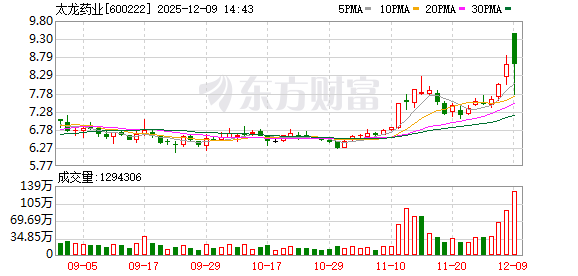
Investment Rating - The industry maintains an "Overweight" rating [8] Core Insights - The Chinese medicine sector outperformed other pharmaceutical sub-sectors last week, with a 0.38% increase, while the overall pharmaceutical sector declined by 2.48% [2] - The current PE (ttm) for the Chinese medicine sector is 27.9X, which is at the 30.45% percentile since 2013, while the PB (lf) is 2.36X, at the 6.85% percentile since 2013 [3] - The price index for Chinese medicinal materials remained stable due to the National Day holiday, with a total index of 232.77 points [4] - A pilot program for disease-based payment for traditional Chinese medicine (TCM) is set to begin, which may enhance reimbursement for TCM services [5] Summary by Sections Market Performance - The Chinese medicine sector recorded a 0.38% increase, while the overall pharmaceutical sector saw a decline of 2.48% [2] - Top-performing companies in the sector include Guizhou BaiLing, Wanbangde, and Darentang, while underperformers include Tianmu Pharmaceutical and Tailong Pharmaceutical [2] Valuation - The PE (ttm) for the Chinese medicine sector is 27.9X, up 0.1X week-on-week, with a one-year maximum of 30.26X and a minimum of 24.72X [3] - The PB (lf) is 2.36X, unchanged from the previous week, with a one-year maximum of 2.59X and a minimum of 2.17X [3] Policy Developments - The pilot program for TCM payment will select around 15 provinces or cities to test the new payment model over 2-3 years, potentially improving the compatibility of TCM services with existing insurance payment methods [5] Investment Recommendations - The report suggests focusing on three main investment themes: price governance, consumption recovery, and state-owned enterprise reform [6][11][12] - Specific recommendations include companies with strong R&D capabilities and unique products, as well as those less affected by price reductions from centralized procurement [12]
医药生物:十五五规划和ESMO即将召开,创新主线或迎催化
Huafu Securities· 2025-10-19 10:35
Investment Rating - The industry rating is "Outperform the Market" [8][85] Core Views - The report highlights that the innovative drug sector is expected to benefit from upcoming events such as the ESMO conference and the 14th Five-Year Plan, indicating a potential catalyst for investment [3][5] - The report suggests that the innovative drug sector has undergone sufficient adjustment since August, and October is seen as an important time for positioning [5][6] - The report emphasizes a focus on three main themes: innovation, recovery, and policy support in the medium to long term [6][17] Market Review and Short-term Investment Thoughts - The report notes that the CITIC Pharmaceutical Index fell by 2.6% during the week of October 13-17, 2025, underperforming the CSI 300 Index by 0.4 percentage points [4][40] - The report identifies that the innovative drug sector and CXO are expected to perform well due to favorable interest rate trends and the overall industry outlook [4][5] - The report lists top-performing stocks for the week, including Asia-Pacific Pharmaceutical (+36.7%) and Duorui Pharmaceutical (+28.8%) [4][56] Sector Insights and Outlook - **Innovative Drugs**: The report anticipates strong revenue growth for companies with robust pipelines and commercial capabilities, particularly in the BioPharma and Pharma sectors [17][29] - **Medical Devices**: The report indicates that the medical device sector is at a turning point, with expected improvements in fundamentals and valuation [33][34] - **Traditional Chinese Medicine**: The report suggests that the sector may see a turning point in performance due to low base effects and potential recovery in consumption [31][32] - **Vaccines**: The report highlights the need for new product launches to stimulate demand in the vaccine sector [22][23] - **CXO and Upstream**: The report notes that the CXO sector is experiencing strong external demand, with expectations for continued growth [26][29] Recommended Stocks - The report recommends focusing on stocks such as Kangfang Biotech, Baiao Pharmaceutical, and MicroPort Medical for the upcoming month [6][14]
大幅下降!千亿“中药茅”财报出炉
中国基金报· 2025-10-19 07:13
Core Viewpoint - The company Pianzaihuang reported a significant decline in both growth and profitability for the third quarter of 2025, with net profit dropping nearly 30% compared to the previous year [2]. Financial Performance - For Q3 2025, Pianzaihuang's operating revenue, net profit, and net profit excluding non-recurring gains and losses were 2.064 billion yuan, 687 million yuan, and 438 million yuan, respectively, representing declines of 26.28%, 28.82%, and 54.6% year-on-year [2][3]. - For the first three quarters of 2025, the company's revenue, net profit, and net profit after excluding non-recurring gains and losses were 7.472 billion yuan, 2.129 billion yuan, and 1.891 billion yuan, showing year-on-year declines of 11.93%, 20.74%, and 30.38% [2][3]. - The net cash flow from operating activities decreased by 62.53% for the first three quarters of the year [3]. Reasons for Decline - The decline in net profit is primarily attributed to reduced sales in the pharmaceutical manufacturing industry and a decrease in gross profit margin [4]. - The drop in operating cash flow is mainly due to a decrease in cash received from the sale of goods and services [4]. Inventory and Market Position - As of the end of Q3 2025, the company's inventory has grown rapidly, exceeding 6 billion yuan, indicating a slowdown in sales [4]. - Pianzaihuang is recognized as a leading traditional Chinese medicine manufacturer, with its core product being a national-level protected traditional Chinese medicine [8]. Shareholder Activity - The major changes among the top shareholders include a significant reduction of nearly 9 million shares (45.43%) by Hong Kong Central Clearing, which represents northbound capital, while the controlling shareholder, Zhangzhou State-owned Assets, slightly reduced its holdings by 750,000 shares [6].
多起死亡事件后,一批中药注射液或被淘汰
Jing Ji Guan Cha Bao· 2025-10-19 06:44
Core Viewpoint - The recent announcement by the National Medical Products Administration, National Health Commission, and National Administration of Traditional Chinese Medicine regarding the post-marketing research and evaluation of traditional Chinese medicine (TCM) injections marks the strictest regulatory measures in history, aiming to enhance the safety and efficacy of these products for patients [1][2][3]. Group 1: Regulatory Changes - The new policy mandates that all TCM injections approved before the 2019 revision of the Drug Administration Law must undergo post-marketing research, which includes proactive evaluations, mandatory assessments, and legal eliminations of certain products [1][2]. - The policy's implementation is a response to the frequent severe adverse reactions associated with TCM injections, which have raised public concerns about their safety [3][12]. Group 2: Market Impact - The market for TCM injections was over 100 billion in public medical institutions in 2016, but has since halved due to regulatory and reimbursement policies [7][11]. - The new regulations may lead to a significant reshaping of the TCM injection industry, potentially eliminating low-quality products and companies that cannot meet the new standards [13]. Group 3: Safety Concerns - Adverse reactions from TCM injections account for 12% of all reported adverse reactions, with a quarter of these stemming from injections, highlighting the serious risks involved [2]. - The complexity of TCM injection components and their direct intravenous administration increase the likelihood of severe allergic reactions compared to oral TCM [2][6]. Group 4: Research and Evaluation Challenges - Companies face challenges in conducting post-marketing research due to high costs and unclear guidelines for evaluating efficacy, which complicates the process of proving the effectiveness of TCM injections [7][8][11]. - The evaluation process will require a clear understanding of adverse reactions and their causes, as well as the establishment of quality management throughout the production process [12][13]. Group 5: Historical Context - The call for re-evaluation of TCM injections has been ongoing for nearly two decades, with previous attempts failing due to various industry challenges [11][12]. - The establishment of an expert working group in December 2023 signifies a renewed commitment to addressing the safety and efficacy of TCM injections [12].
多起死亡事件后,一批中药注射液或被淘汰
经济观察报· 2025-10-19 06:41
Core Viewpoint - The recent regulatory measures for traditional Chinese medicine (TCM) injection solutions aim to enhance safety and efficacy research, addressing public concerns over adverse reactions and ensuring better patient outcomes [2][4][19]. Regulatory Changes - The National Medical Products Administration, National Health Commission, and National Administration of Traditional Chinese Medicine issued a draft requiring post-marketing studies for TCM injection solutions that were approved before the 2019 revision of the Drug Administration Law [2][19]. - This marks the strictest regulatory approach to TCM injection solutions, which have historically been linked to serious adverse reactions [2][4]. Industry Background - TCM injection solutions emerged during the wartime period, with over 130 varieties currently available, some generating annual sales exceeding 1 billion [2][3]. - Despite their prevalence, TCM injection solutions have faced scrutiny regarding their safety and efficacy, with 12% of adverse reactions attributed to TCM, a quarter of which are linked to injection solutions [3][4]. Adverse Reactions - Serious adverse reactions, including anaphylactic shock and acute liver failure, have been reported, raising public concern and prompting calls for stricter regulations [3][4][19]. - Notable cases include a patient who died after receiving a TCM injection, highlighting the potential risks associated with these products [3][4]. Market Dynamics - The market for TCM injection solutions has seen a decline, with a drop from over 100 billion in 2016 to half of that figure in recent years due to regulatory and reimbursement pressures [11][19]. - Companies are now facing challenges in adapting to the new regulatory landscape, with many unsure about how to conduct post-marketing studies effectively [11][19]. Research and Evaluation - The post-marketing research will involve both non-clinical and clinical studies, focusing on safety and efficacy evaluations [11][12]. - The complexity of TCM formulations poses challenges for clinical trials, as traditional metrics for efficacy may not apply [13][14]. Future Implications - The new regulations are expected to lead to a significant reshaping of the TCM injection market, potentially eliminating low-quality products and companies that cannot meet the new standards [19]. - The establishment of a dedicated expert group for TCM injection evaluation signifies a commitment to improving the quality and safety of these products [18][19].
华创医药周观点:IVD出海行业专题2025/10/18
Core Viewpoint - The IVD industry is experiencing rapid growth in domestic product registration and is increasingly focusing on international markets as a second growth curve, driven by domestic replacement and overseas expansion opportunities [13][17][27]. Market Review - The CITIC medical index fell by 2.60%, underperforming the CSI 300 index by 0.37 percentage points, ranking 14th among 30 primary industries [7]. - The top-performing stocks included Asia-Pacific Pharmaceutical, Duorui Pharmaceutical, and Guangsheng Tang, while the worst performers were Beida Pharmaceutical and Hualan Biological [7][11]. Industry and Stock Events - The IVD market is projected to grow significantly, with the global market expected to reach $128.2 billion by 2028, while China's IVD market is anticipated to grow to $8 billion [15][16]. - The registration of IVD products in China has shown robust growth, with a CAGR of 18.6% from 2021 to 2024, particularly in domestic products, which are expected to account for 80.5% of registrations by 2024 [14][17]. Overall Industry Perspective - The current valuation of the pharmaceutical sector is low, with public funds underweighting the sector. The industry is expected to benefit from macroeconomic factors and a recovery in demand for large-scale products [11]. - The domestic innovative drug sector is transitioning from quantity to quality, emphasizing differentiated products and internationalization [11]. - The medical device sector is witnessing a recovery in bidding volumes for imaging equipment and is expected to benefit from ongoing updates and overseas expansion [11]. IVD Industry Focus - The domestic IVD market is seeing accelerated replacement of imported products, with significant growth in the chemical luminescence segment, which is projected to grow at a CAGR of 15-20% from 2021 to 2025 [35]. - Companies like Mindray and New Industries are making significant strides in overseas markets, focusing on localization and expanding their product lines [32][35]. Company-Specific Developments - Mindray has strengthened its IVD capabilities through strategic acquisitions, enhancing its competitive edge in the international market [32]. - New Industries has successfully established a local operational model in India, which is now being replicated in other key markets, contributing to its overseas revenue growth [32][27]. - Ji'an Medical has rapidly expanded its brand presence in the U.S. market, leveraging its COVID-19 testing products to drive growth [33].