
旅游业

Search documents
权威数读|海南封关后首个小长假,成绩单来了!
Xin Hua Wang· 2026-01-04 11:53
Group 1 - The New Year's holiday marked the first long holiday since the Hainan Free Trade Port's closure operation, resulting in significant growth in tourism consumption, inbound visitor numbers, and duty-free shopping amounts [1][2] - During the 2026 New Year's holiday, Hainan received 2.1716 million visitors, a 25.2% increase compared to the same period in 2025; total tourism expenditure reached 3.136 billion yuan, up 28.9% [4] - Overnight visitors numbered 976,100, reflecting a 16.1% increase, while one-day visitors reached 1.1955 million, marking a 33.7% growth [4] Group 2 - During the holiday, Haikou Customs supervised the sale of 442,000 duty-free items, a year-on-year increase of 52.4%; the number of shoppers was 83,500, up 60.6% [6] - The total shopping amount for duty-free goods reached 712 million yuan, representing a substantial year-on-year increase of 128.9% [6]

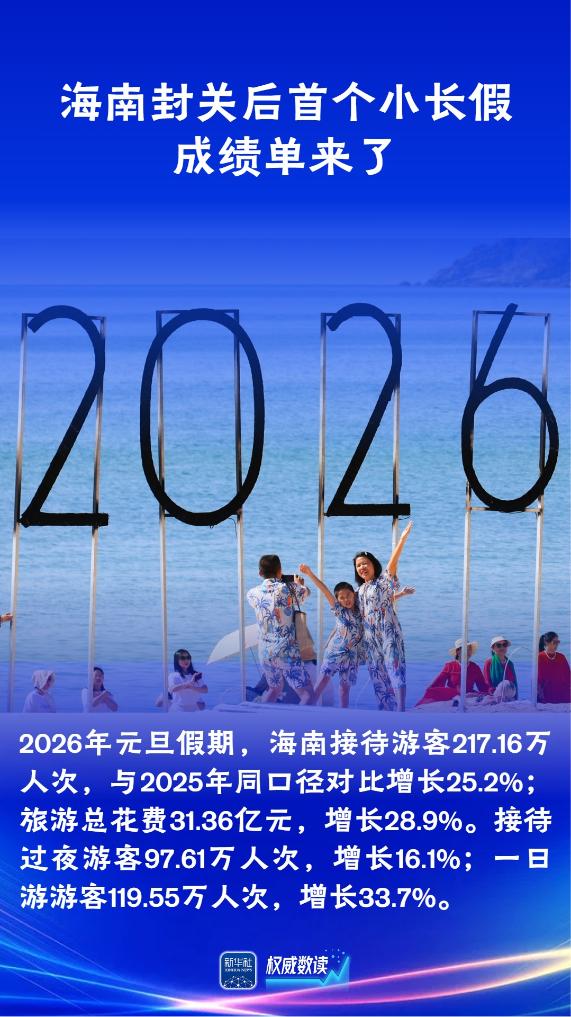
海南封关后首个小长假 成绩单来了!
Xin Hua Wang· 2026-01-04 11:47
Group 1 - The New Year's holiday in 2026 marked the first long holiday after Hainan's free trade port closure, showing significant growth in tourism consumption, inbound visitor numbers, and duty-free shopping amounts [2][4] - Hainan received 2.1716 million tourists during the New Year's holiday, representing a 25.2% increase compared to the same period in 2025 [4] - Total tourism expenditure reached 3.136 billion yuan, reflecting a growth of 28.9% [4] Group 2 - Overnight visitors numbered 976,100, an increase of 16.1%, while one-day visitors reached 1.1955 million, up by 33.7% [4] - During the holiday, Haikou Customs supervised the sale of 442,000 duty-free items, which is a year-on-year increase of 52.4% [7] - The number of shoppers reached 83,500, marking a 60.6% increase, and the shopping amount totaled 712 million yuan, a significant rise of 128.9% [7]
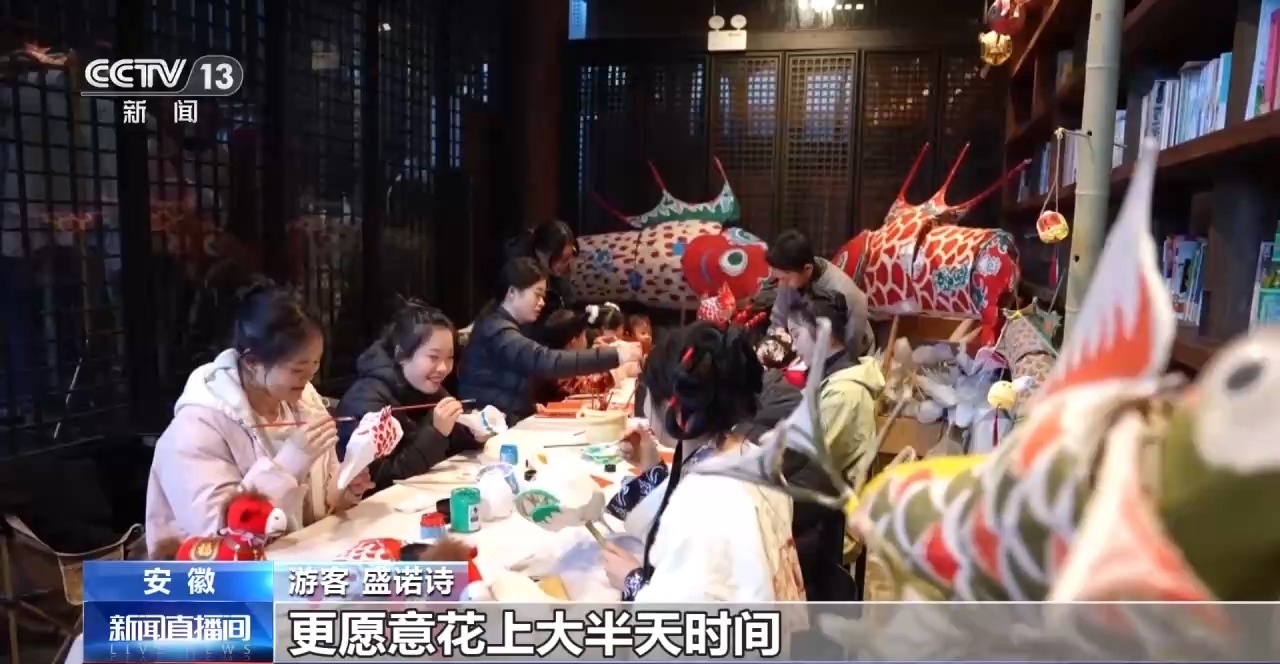
告别“到此一游”任务式打卡 00后假期旅游主打“爱你老己”
Xin Lang Cai Jing· 2026-01-04 11:42
Core Insights - The holiday tourism sector is evolving from traditional sightseeing to experiential travel, reflecting a shift in consumer preferences towards self-rewarding experiences [1][3][5] Group 1: Changing Consumer Preferences - Tourists, especially the younger generation, are prioritizing experiences over mere sightseeing, seeking activities that provide personal satisfaction and emotional value [1][3] - The trend of "low-consumption tourism" is gaining popularity, where travelers prefer less physically demanding activities that offer psychological comfort [3][8] Group 2: Integration of Culture and Tourism - The integration of tourism with various sectors such as rural development, health, and technology is expanding the boundaries of the tourism industry [5][9] - The focus has shifted from merely visiting places to enjoying unique experiences, indicating a significant upgrade in lifestyle and travel expectations among consumers [5][9] Group 3: County Tourism Growth - The term "county tourism" has become a key focus, with regions like Guangde attracting visitors through local culinary experiences and improved services [5][7] - Guangde's strategy includes enhancing local infrastructure and offering free transportation to boost visitor retention and economic growth [5][7] Group 4: Innovative Experiences - New tourism trends include immersive experiences that blend traditional culture with modern technology, allowing for deeper engagement with cultural heritage [10][15] - Activities such as hands-on workshops and interactive cultural experiences are becoming popular, particularly among younger demographics [10][12][15]
免签“揽客”、体验“留客”,2025年中国入境游热力全开
2 1 Shi Ji Jing Ji Bao Dao· 2026-01-04 11:42
Core Insights - The article highlights the significant growth in China's inbound tourism market, driven by a series of policy enhancements, particularly the extension of the transit visa exemption to 240 hours, which has led to a substantial increase in foreign visitor numbers and spending [2][3][8] Policy Enhancements - The unified 240-hour transit visa exemption policy has been in effect since December 2024, resulting in 40.6 million foreign visitors by December 2025, a 27.2% increase year-on-year, with a 60.8% increase in those eligible for the exemption [2] - The expansion of the visa exemption list to include 11 additional countries since 2025 has further stimulated inbound tourism, spreading the consumption benefits to border regions [2][3] Inbound Consumption Trends - Hainan has emerged as a benchmark for inbound consumption, with a 59% year-on-year increase in inbound tourists from January to November 2025, particularly from European and American markets [3] - The shift in visitor behavior towards deeper travel experiences is evident, with over 60% of inbound travelers opting for multi-province tours, moving beyond traditional tourist hotspots [3][6] Tax Refund Policies - The optimization of the departure tax refund policy has seen a 285% increase in the number of foreign travelers utilizing the service, with a 98.8% increase in sales and tax refund amounts [5] - The introduction of "immediate refund" services has significantly enhanced the shopping experience for foreign tourists, with over 60% of tax refunds being reinvested into further consumption [5] Technological Integration - The integration of technology in tourism has transformed the consumer experience, with modern tools enhancing communication and engagement for foreign visitors [6][7] - The rise of cultural and experiential tourism is supported by improved payment systems and service upgrades, making it easier for foreign tourists to navigate and enjoy their experiences in China [6][7] Market Potential - China's inbound tourism currently contributes only 0.5% to GDP, indicating a vast potential for growth, estimated in the trillions, as the market continues to evolve [8][9] - The industry is witnessing a shift towards personalized travel experiences, with a notable increase in demand for customized travel packages, particularly among independent travelers [9][10] Strategic Industry Responses - Major travel companies, such as Ctrip, are positioning inbound tourism as a key growth area, with significant increases in bookings and the establishment of dedicated inbound tourism centers [8][9] - The trend towards individualized travel experiences is prompting a transformation in traditional tour operations, with a focus on niche markets and tailored offerings to meet diverse traveler preferences [9][10]
中信建投:为什么继续看好跨年行情?
Xin Lang Cai Jing· 2026-01-04 11:30
Group 1 - The A-share market is expected to experience a "New Year Red" rally due to improved liquidity and exchange rate conditions compared to the previous two years [3][17][54] - Key sectors to focus on include semiconductors, AI, non-bank financials, new energy, and machinery equipment, with a long-term outlook on industrial metals, small metals, and innovative pharmaceuticals [5][40] - The market sentiment index has risen to 80, indicating a bullish sentiment, and the "New Year rally" is likely to continue into January [2][12][38] Group 2 - The A-share market has shown a strong performance in December, characterized by a "nine consecutive days of gains" pattern, which historically suggests continued upward movement [6][43][47] - High-performing sectors in December included defense, non-ferrous metals, communications, and machinery, aligning with the identified investment opportunities in high-growth industries like AI and commercial aerospace [10][47] - The domestic liquidity environment remains loose, supporting the continuation of the cross-year rally [19][56] Group 3 - The recent geopolitical tensions, particularly the U.S. military actions in Venezuela, are expected to lead to short-term increases in gold and oil prices, while the overall impact on the market is anticipated to be limited [4][24][61] - The global technology sector is experiencing a rally, with significant movements in semiconductor and AI stocks, driven by favorable domestic policies and international trends [30][31][58] - The launch of the national venture capital guiding fund is expected to stimulate investment in emerging industries, including integrated circuits and artificial intelligence [33]


元旦假期河南旅游收入近90亿元 冰雪游、乡村游热度持续攀升
Xin Lang Cai Jing· 2026-01-04 10:44
Core Insights - The tourism sector in Henan province experienced significant growth during the 2026 New Year holiday, with a total of 17.437 million domestic visitors and a tourism revenue of 8.99 billion yuan, marking a year-on-year increase in both visitor numbers and revenue [1][2] Group 1: Tourism Growth - The province received 17.437 million domestic tourists during the holiday, achieving a tourism revenue of 8.99 billion yuan, indicating a dual growth compared to the previous year [1] - Ice and snow tourism, as well as rural tourism, saw a notable rise in popularity during the holiday period [2] Group 2: Cultural Activities - Various cultural venues and art troupes in Henan organized a series of themed cultural activities, with public cultural venues attracting 1.982 million visitors and a total of 5,348 cultural events held [1] - Notable events included special exhibitions and interactive projects at museums, such as the "Horse on the Journey" event at the Henan Museum and the "New Year Music Concert" featuring high-quality performances [1] Group 3: Ice and Snow Activities - The holiday featured 19 ice and snow events, including the New Xiang South Taihang Ice and Snow Carnival and the Baquan Ice and Snow Festival, with various ski resorts offering multiple levels of ski slopes [2] - Unique winter experiences were provided at locations like the Peach Blossom Valley and Funiu Mountain, which introduced fun activities such as snow tubing [2] Group 4: Rural Tourism - Rural tourism continued to thrive, with attractions like Hejiacun and Dongzhai Bird Watching Base maintaining high visitor interest [2] - Events such as martial arts performances and traditional opera at the Royal Post Station in Zhumadian offered immersive experiences for tourists [2]
元旦旅游迎来开门红,广东清远、陕西铜川等“黑马”增速领跑
Nan Fang Du Shi Bao· 2026-01-04 10:44
Group 1 - The tourism market during the New Year's holiday in 2026 showed strong performance, with 142 million domestic trips and total spending of 84.789 billion yuan, indicating a robust recovery and consumer confidence [1][2] - Consumer willingness to travel and spending power increased significantly, with average spending per trip estimated at 597 yuan, and various platforms reporting substantial growth in travel-related bookings [1][2] - Emerging destinations with unique experiences and convenient transportation saw remarkable growth, with cities like Qingyuan and Tongchuan leading in growth rates [1][6] Group 2 - The travel market exhibited a strong upward trend, with hotel bookings increasing by 280% and destination activity bookings rising over 270% compared to the previous year [2] - The "拼假" (flexible holiday) strategy allowed consumers to extend their travel periods, leading to increased demand for long-distance and in-depth vacation experiences [2][3] - Young consumers, particularly those born after 2000, dominated the market, with a focus on self-indulgent travel experiences, driving the trend of "老己游" (self-care travel) [3][4] Group 3 - Family travel, especially among parents with children, showed significant growth, with an 80% increase in travel participation, indicating a shift towards high-quality accommodations [4] - The demand for unique and immersive experiences is rising, with self-driving tours gaining popularity and consumers increasingly seeking "ceremonial" experiences [4][5] - The "cross-year travel" trend saw a 125% increase in related searches, highlighting the growing interest in themed events and cultural experiences [5] Group 4 - The tourism market displayed a clear pattern of established destinations maintaining their popularity while lesser-known locations experienced rapid growth [6][7] - Ice and snow tourism became a major focus during the holiday, with significant interest in both traditional and innovative winter activities [7] - The outbound tourism market saw a notable increase, with a tenfold rise in bookings for outbound charter services, reflecting a shift towards personalized travel experiences [8][9] Group 5 - Turkey emerged as a popular destination for Chinese tourists, especially after the visa exemption policy, which is expected to boost travel interest significantly [9] - The inbound tourism market also experienced strong growth, with a 110% increase in ticket bookings and a 30-fold increase in experiential product bookings [9]
文化和旅游部数据中心测算:2026年元旦假期全国国内出游1.42亿人次,国内出游总花费847.89亿!人均每日消费199元
Ge Long Hui· 2026-01-04 09:08
格隆汇1月4日|经文化和旅游部数据中心测算,2026年元旦假期3天,全国国内出游1.42亿人次,国内 出游总花费847.89亿元。据此计算,2026年元旦假期人均每日消费199元。 ...
海口元旦假期多元业态激发消费新活力
Zhong Guo Xin Wen Wang· 2026-01-04 09:00
Core Insights - The tourism and cultural market in Haikou showed strong vitality during the New Year holiday, with diverse activities and active consumer spending, highlighting Haikou's appeal as an international tourism consumption center [1] Group 1: Visitor Statistics - Haikou received a total of 650,900 visitors during the New Year holiday, including 231,000 overnight visitors and 419,900 one-day visitors, generating total spending of 825 million yuan [1] - On New Year's Day, the Haikou Volcano Park attracted over 10,000 visitors, showing significant year-on-year growth [2] - The historical peak of 117,600 visitors was recorded at Qilou Old Street on New Year's Day, representing an 86.61% increase year-on-year [2] Group 2: Key Events and Activities - The New Year's Eve concert at Wuyuanhe Sports Center featured over 100 stars and attracted thousands of attendees, significantly boosting local accommodation, dining, and transportation spending [1] - The "Kua Xia Haikou" New Year's lawn music concert drew 62,000 participants, offering free access and a blend of performances and interactive elements [1] - Various themed events, including the "Fantasy New Year" series at Hainan Changying Fantasy Park and countdown activities in major shopping districts, contributed to a festive atmosphere [1] Group 3: Consumer Trends - Duty-free shopping emerged as a key driver of consumer spending, with high foot traffic at major duty-free locations such as CDF Haikou International Duty-Free City and CDF Meilan Airport Duty-Free Store [2] - The combination of policy benefits and brand resources enhanced the attractiveness and competitiveness of Hainan's duty-free shopping market [2] - New cultural consumption experiences, such as the "Auspicious Patterns" exhibition at Hainan Museum and various high-quality performances, catered to diverse audience preferences [2] Group 4: Youth Engagement - Emerging cultural consumption scenes, including the Hainan Z Generation Anime Carnival and the "Walking Fish" art market at Yundong Library, attracted a large number of young participants, showcasing the innovative and vibrant nature of Haikou's cultural consumption [3]